
Questions to Ask a Roofing Contractor in Columbia, MO Before You Hire
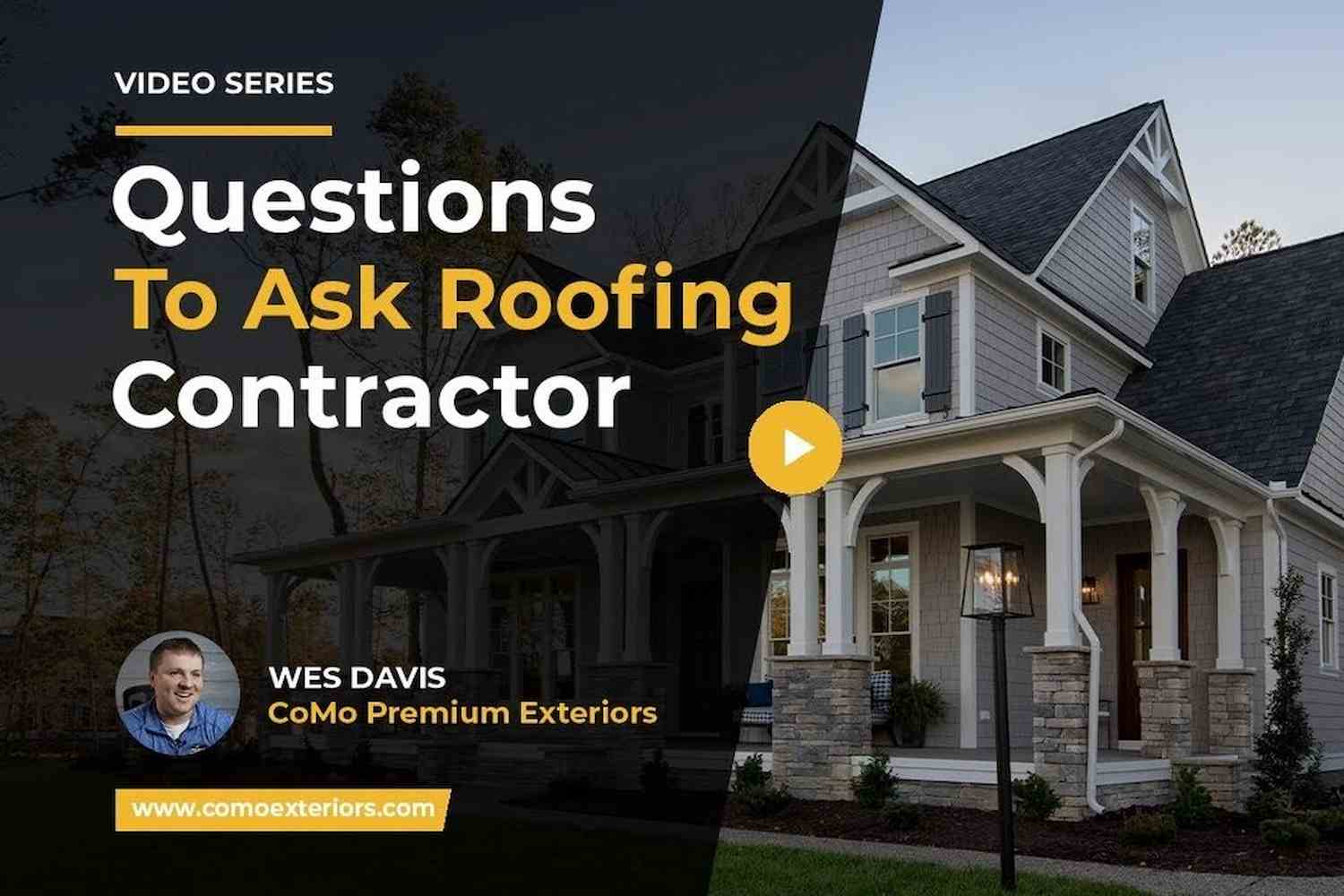
Hiring a roofing contractor is one of the bigger decisions you will make as a homeowner. A good hire means solid work, honest communication, and a roof that holds up for decades. A bad one can mean callbacks, shortcuts, and the kind of headaches that cost more to fix than the original job.
The problem is that most homeowners do not know what to ask beyond “How much?” — and that is exactly where things go sideways. In Columbia and the surrounding Mid-Missouri area, there is no shortage of crews willing to knock on your door after a storm. Knowing the right questions helps you separate the professionals from the rest.
If you are starting to evaluate options, here is what to ask — and why each question matters — before signing anything with a Columbia roofing contractor.
Start with credentials — not price
It is tempting to lead with cost. But the first conversation with any roofing contractor should focus on whether they are actually qualified to do the work.
Are you licensed and insured in Missouri?
Missouri does not require a statewide contractor license for residential roofing, which means the barrier to entry is low. That makes it even more important to verify that your contractor carries general liability insurance and workers’ compensation coverage. If a worker is injured on your property and the contractor is uninsured, you could be liable.
Ask for a certificate of insurance — not just a verbal confirmation. A reputable contractor will provide one without hesitation.
How long have you been doing roofing work in Mid-Missouri?
Experience matters, but local experience matters more. A crew that has worked through Columbia’s summer storms, winter freeze-thaw cycles, and spring hail seasons understands what materials and installation methods hold up here. Ask for examples of work they have completed in the area, and check whether they have a physical office or local presence — not just a phone number.
Dig into the job scope
Once you have confirmed credentials, the next set of questions should focus on what the job actually includes.
Is this an overlay or a full tear-off?
Some contractors will quote a second layer of shingles over the existing roof to keep the price lower. That is not always a problem, but it can hide damage, add weight, and shorten the life of the new roof. If you are getting a full replacement, confirm that the quote includes tear-off, disposal, and inspection of the decking underneath.
What materials are you using, and why?
Not all shingles are the same. Ask which manufacturer and product line the contractor plans to install, and why they recommend it for your home. A contractor who can explain the difference between a three-tab shingle, an architectural shingle, and a designer option — and match the recommendation to your budget and goals — is someone who knows the product, not just the install.
What happens if you find damage under the old roof?
Rotted decking, failed flashing, and moisture damage are common discoveries once the old material comes off. Ask how the contractor handles change orders and whether the quote includes any allowance for deck repair. This is one of the most common sources of surprise costs, and a good contractor will be upfront about how they handle it.
Ask about warranties — both product and workmanship
A manufacturer warranty covers the shingle. A workmanship warranty covers the labor. You need both.
Ask how long the workmanship warranty lasts and what it covers. Some contractors offer a one-year labor warranty, which barely gets you through one weather cycle. Others stand behind their work for five, ten, or even twenty-five years. Also ask whether the warranty is transferable if you sell the home — that can add real value at resale.
Communication and project management
A roof replacement is disruptive. It is loud, it generates debris, and it usually takes one to three days depending on size and complexity. Knowing what to expect makes the whole process easier.
Who is my point of contact during the project?
On some crews, the person who sold the job disappears after the contract is signed. Ask who will be your day-to-day contact, who will supervise the install, and who handles the final walkthrough. If the answer is vague, that is a signal.
How do you handle cleanup and disposal?
Old shingles, nails, flashing, and packaging all need to go somewhere. Confirm that the quote includes a dumpster, magnetic nail sweeps, and full site cleanup. Leftover roofing nails in your driveway or yard are more than an inconvenience — they are a liability.
Red flags to watch for
Not every warning sign is obvious. Here are a few things that should make you pause:
- The contractor asks for full payment upfront before any work begins.
- They cannot provide references from homeowners in the Columbia area.
- The quote is vague — no line items, no material specs, no scope of work.
- They pressure you to sign immediately, especially after a storm.
- They are not willing to put the warranty terms in writing.
Storm chasers — out-of-state crews that follow severe weather — are especially common in Mid-Missouri during spring and summer. They may offer lower prices, but they are often gone before the first leak shows up.
The bottom line
Hiring a roofing contractor does not have to feel like a gamble. The right questions give you the information you need to make a confident decision — and they also tell you a lot about the contractor. Someone who answers clearly, provides documentation, and does not rush you is usually someone who does solid work.
If you are looking for a roofing company in Columbia, MO that will walk you through every step without the pressure, CoMo Premium Exteriors is a good place to start. We are happy to answer every question on this list — and any others you have — before you commit to anything.
Frequently asked questions about hiring a roofing contractor
What is the most important question to ask a roofing contractor?
Ask for proof of insurance — specifically general liability and workers’ compensation. Without it, you could be financially responsible if a worker is injured on your property or if the work causes damage to your home.
How do I know if a roofing contractor is legitimate?
Check for a local business address, verified insurance, online reviews, and references from homeowners in your area. A legitimate contractor will also provide a written estimate with detailed scope and material specifications.
Should I get multiple roofing quotes?
Yes. Getting two to three quotes helps you compare scope, materials, and warranty terms — not just price. Make sure each quote covers the same scope so you are comparing like for like.
What should a roofing estimate include?
A good estimate should list the materials, labor, tear-off and disposal, any repair allowances, warranty terms, projected timeline, and payment schedule. If the estimate is a single number with no breakdown, ask for more detail.
How long does a roof replacement take in Columbia, MO?
Most residential roof replacements in Columbia take one to three days, depending on the size of the roof, the complexity of the design, and weather conditions. Your contractor should give you a realistic timeline before work begins.
What is the difference between a manufacturer warranty and a workmanship warranty?
A manufacturer warranty covers defects in the roofing material itself. A workmanship warranty covers the quality of the installation. You need both, and the workmanship warranty is often the one that matters most in the first few years.
