
Best Vinyl Siding Adhesive for Easy Repairs and Maintenance
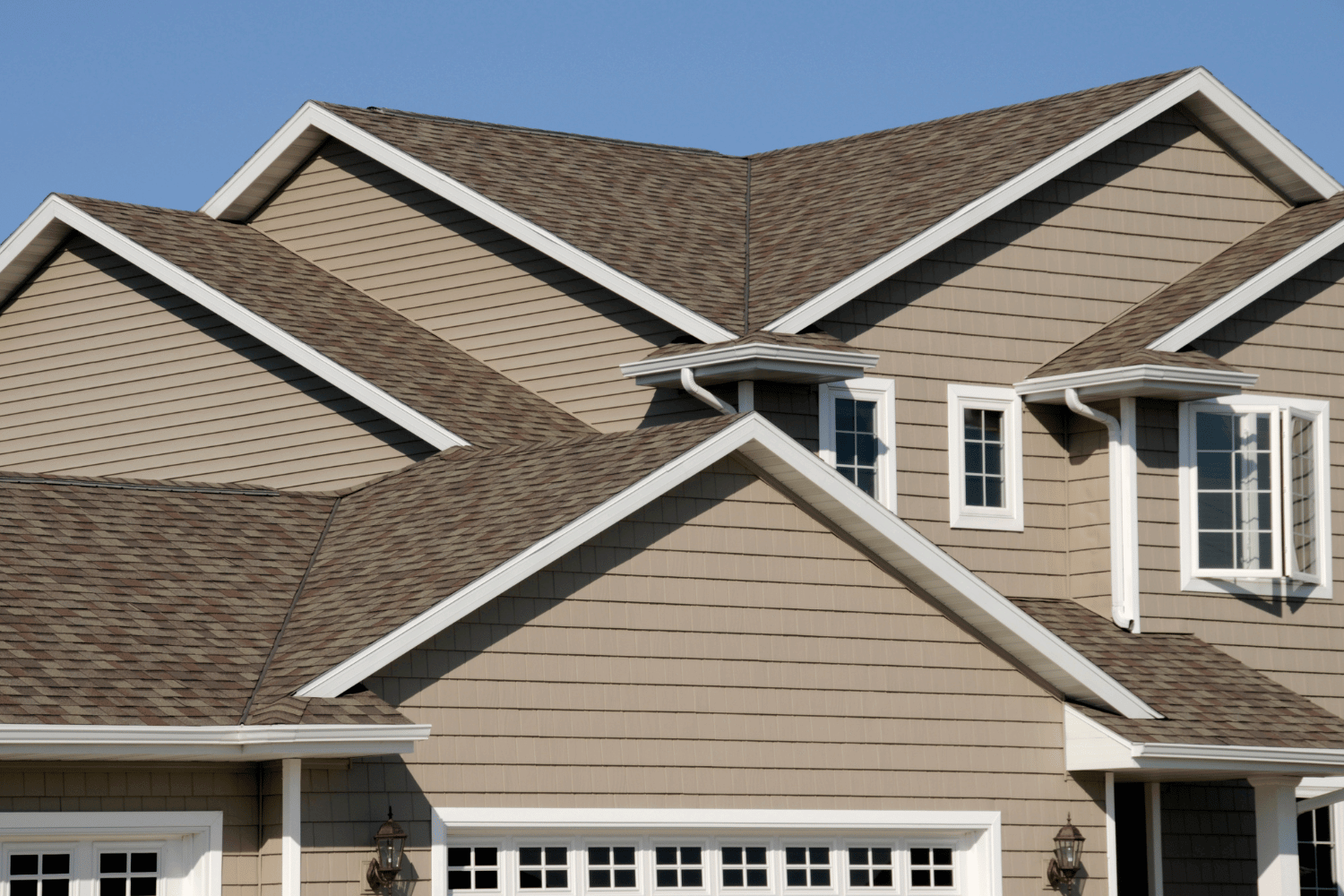
Applying vinyl siding adhesive during a repair project.
When a vinyl siding panel comes loose, adhesive is usually the fastest way to reattach it without pulling out the nail gun. This guide covers which adhesives actually hold up outdoors, how to apply them so the bond lasts, and what to avoid if you want the repair to stick through Missouri’s temperature swings.
Why Adhesive Beats Mechanical Fasteners for Vinyl Siding Repairs
Nails and screws work fine for initial vinyl siding installation, but they’re not always the best call for repairs. Drilling into an existing panel can crack it, and face-nailing a loose section creates a new penetration point that moisture can exploit.
Adhesive gives you full-surface contact instead of a single point of attachment. That matters in Columbia and across Mid-Missouri, where summer temperatures push vinyl past its expansion limits and winter cold pulls it back. A bonded surface flexes with the panel instead of fighting it.
Construction adhesive also won’t corrode, which is more than you can say for the nails currently rusting behind a lot of older siding jobs in the area.
Types of Vinyl Siding Adhesives
Common vinyl siding adhesive types.
Not every adhesive sold at the hardware store is right for exterior vinyl. Here are the three main categories that actually perform on vinyl siding:
Construction Adhesive
The most versatile option. Products like Loctite PL Premium and Liquid Nails LN-609 bond vinyl to wood, metal, concrete, and other vinyl panels. They handle temperature cycling well and remain flexible after curing. For most Mid-Missouri repair jobs — reattaching a loose panel, securing a corner post, or fixing trim — this is what you want.
PVC Cement
PVC cement creates a solvent weld, essentially fusing two vinyl pieces into one. It’s strong, but it sets fast (sometimes under 30 seconds), so you need to have everything aligned before you apply it. Best for small, precise repairs like patching a crack or reattaching a decorative piece.
Polyurethane Adhesive
Polyurethane adhesives like Gorilla Glue expand as they cure, filling gaps in uneven surfaces. They’re waterproof and handle temperature swings, but the expansion can push panels out of alignment if you use too much. Clamp whatever you’re bonding and use it sparingly.
How to Choose the Right Adhesive
Match the adhesive to the job, not the other way around. A few questions to ask before you buy:
- What are you bonding to? Vinyl-to-wood and vinyl-to-vinyl are different problems. Construction adhesive handles both; PVC cement is vinyl-to-vinyl only.
- How big is the gap? Tight joints work with PVC cement. Gaps or uneven surfaces need the gap-filling properties of polyurethane or a thick construction adhesive bead.
- Will it see direct sun and rain? If yes, check the product label for “exterior grade” or “waterproof.” Interior adhesives break down fast under Missouri weather.
- What temperature will it be during application? Most adhesives need a minimum surface temperature of 40–60°F to cure properly. In central Missouri, that rules out January application on a north-facing wall unless you can warm the surface.
Always follow manufacturer guidelines for the specific product. Application temperatures, cure times, and surface prep requirements vary between brands.
Step-by-Step Application Guide
Step-by-step adhesive application on vinyl siding.
1. Prepare the Surface
Clean both surfaces with mild soap and water. Rinse and let them dry completely — adhesive won’t bond to damp vinyl. If the surface is glossy or painted, scuff it lightly with 120-grit sandpaper so the adhesive has texture to grab.
2. Apply the Adhesive
Load your adhesive into a caulk gun and apply a steady, continuous bead. Avoid gaps in the bead — they become weak points. Work in a well-ventilated area, especially with solvent-based products.
3. Press and Hold
Press the siding firmly into position. If the panel wants to pull away, use a clamp or a temporary fastener at the edge (not through the face) to hold it while the adhesive sets. Follow the manufacturer’s cure time — don’t remove supports early, and avoid buckling issues by keeping pressure even.
Common Mistakes to Avoid
- Too much adhesive. Excess squeezes out and can mar the finish or trap moisture behind the panel. A consistent bead is enough.
- Skip the cleaning step. Dirt, chalk, or mildew on the bonding surface is the number one cause of adhesive failure on vinyl siding.
- Applying in cold or wet conditions. Most products won’t cure below 40°F or on a wet surface. Wait for a dry day above the minimum temperature on the label.
- Not clamping or bracing. Even “instant grab” adhesives need some hold time. If gravity is fighting the bond, the repair will fail.
When to Call a Pro Instead of DIY
Adhesive works well for reattaching a loose panel or two. But if you’re seeing widespread delamination, warping, or panels pulling away across an entire wall section, the underlying problem probably isn’t adhesive — it could be moisture damage, improper installation, or storm damage that needs a full assessment.
If you’re in the Columbia area and noticing siding issues beyond a quick repair, CoMo Premium Exteriors can inspect the damage and tell you whether a spot fix will hold or if replacement makes more sense.
Keeping Your Vinyl Siding in Shape
A little maintenance goes a long way toward preventing the loose-panel problems that send people looking for adhesive in the first place:
- Wash siding once a year with mild soap and water. A pressure washer on low setting works, but keep the nozzle pointed downward to avoid forcing water behind the panels.
- Check for cracks, warping, or loose sections each spring and fall.
- Keep gutters clear so water isn’t running down the siding face — that accelerates chalk and mildew buildup. If you need help, our gutter installation page has details.
- Trim vegetation back at least a foot from the siding to allow airflow and prevent moisture trapping.
Frequently Asked Questions
What is the best adhesive for vinyl siding repairs?
For most repairs, exterior-grade construction adhesive like Loctite PL Premium or Liquid Nails LN-609 is the best choice. These products bond vinyl to multiple surfaces, remain flexible after curing, and hold up to Missouri’s temperature extremes.
Can I use PVC cement on vinyl siding?
Yes, but only for vinyl-to-vinyl bonds on small, precise repairs. PVC cement creates a solvent weld that fuses the plastic, but it sets very quickly and doesn’t fill gaps. For larger repairs or bonding vinyl to a different material, use construction adhesive instead.
How long does vinyl siding adhesive take to cure?
Cure times vary by product, but most exterior construction adhesives reach full strength in 24–72 hours. Initial grab happens within minutes, and you can usually remove temporary bracing after 4–8 hours if the temperature is above 60°F. Always check the manufacturer’s spec sheet for the exact product you’re using.
Can I apply vinyl siding adhesive in cold weather?
Most exterior adhesives require surface temperatures of at least 40–60°F to cure properly. In Missouri, that generally means avoiding adhesive repairs on exterior walls from late November through February unless you can warm the surface. Cold application leads to weak bonds that fail when temperatures warm up and the vinyl expands.
Should I use adhesive instead of nails for vinyl siding?
Adhesive is the better choice for repairs on existing siding, since driving new nails or screws through an installed panel can crack it and create new entry points for water. For new installation, nails remain the standard — siding needs to be able to expand and contract along the nail slot, which adhesive alone doesn’t allow.
Why does my vinyl siding keep coming loose?
Repeated loose panels usually point to an underlying issue: improper nailing (too tight or at the wrong angle), moisture damage behind the siding, UV degradation of the panel edges, or storm damage. If adhesive repairs don’t hold, the problem is likely structural rather than adhesive-related, and it’s worth getting a professional inspection to find the root cause.
