James Hardie vs Vinyl Siding: What’s Best for Your Mid-Missouri Home?
Key Takeaways
- James Hardie fiber cement siding typically wins on durability and long-term value in Mid-Missouri, lasting 30-50 years compared to vinyl’s 20-30 year lifespan, while vinyl wins on upfront cost with savings of 25-40%.
- CoMo Exteriors installs both James Hardie and vinyl siding across Columbia, Jefferson City, and surrounding Mid-Missouri communities. We can help you compare options on-site with actual samples.
- James Hardie handles hail, high winds, and temperature swings significantly better than standard vinyl siding, which can crack in cold snaps or warp under prolonged summer sun.
- Vinyl siding remains a solid choice for tight budgets, rental properties, or homeowners planning to move within 10 years.
- The right siding depends on your budget, how long you plan to stay, your neighborhood’s architectural style, HOA requirements, and your maintenance expectations.
Introduction: Why This Choice Matters in Mid-Missouri
If you’re a homeowner in Columbia, Jefferson City, Lake of the Ozarks, Boonville, or Moberly, you already know our weather doesn’t take it easy on your home’s exterior. We see spring hailstorms that pummel roofs and siding, humid summers that push 90°F with moisture that lingers, cold winters with freeze-thaw cycles that test every joint and seam, and winds that sweep across open fields with nothing to slow them down. Remember the spring hail events in 2022? Many homeowners in Central Missouri are still dealing with the aftermath.
That’s why your siding choice matters more here than in milder climates. The two most popular exterior siding options we install are James Hardie siding (a fiber cement product made from cement, sand, and cellulose fibers) and vinyl siding (made from PVC plastic). Both have their place, but they perform very differently under Mid-Missouri conditions.
This guide breaks down durability, cost, appearance, maintenance, and resale value so you can decide which material fits your specific home, budget, and plans. We’re CoMo Exteriors, triple-certified including James Hardie Elite Preferred status, and we install both premium vinyl and James Hardie daily. This comparison comes from real-world installations across Columbia and Jefferson City, not manufacturer marketing materials.
What Is James Hardie Siding? (Fiber Cement Overview)
James Hardie is the leading brand of fiber cement siding, engineered from a composite of cement, sand, water, and cellulose fibers. The result is a dense material typically 5/16 inch thick, roughly five times thicker than standard vinyl. This composition was specifically designed for climate zones like Central Missouri, where homes face extreme temperature swings, humidity, and storm exposure.
Here’s what makes fiber cement stand out:
- Non-combustible: Earns a Class A fire rating and withstands temperatures over 1,600°F without ignition
- Rot and pest resistant: Unattractive to termites, carpenter ants, and woodpeckers
- Dimensional stability: Less than 0.5% expansion under saturated conditions, meaning minimal warping in our hot/cold swings
- Impact resistant: Testing shows it endures hailstones equivalent to 1.75 inches in diameter at 50 mph without cracking
James Hardie uses a HardieZone system to tune products for specific regional climates. Mid-Missouri homes typically use products engineered for our combination of hot summers and cold winters. Common styles we install around Columbia include HardiePlank lap siding (the most popular choice), HardiePanel vertical siding for board-and-batten looks, and HardieShingle for gables and accent areas. ColorPlus Technology provides factory-applied finishes with proprietary UV protection that resists the uneven fading common in other materials.
One critical point: James Hardie siding installation requires proper technique to reach the advertised 30+ year service life and maintain warranty coverage. As a James Hardie Elite Preferred contractor, we follow their published installation guidelines on every project.
What Is Vinyl Siding? (Material Basics)
Vinyl siding is manufactured from polyvinyl chloride (PVC), a plastic polymer extruded into thin panels measuring approximately 0.040-0.048 inches thick. It gained popularity starting in the 1950s as a low-cost alternative to wood siding, exploding in the U.S. housing market during the post-war building boom.
Around Columbia and Jefferson City, we commonly see these vinyl profiles:
- Double 4” lap siding (traditional horizontal look)
- Dutch lap panels (with a decorative groove)
- Board-and-batten vinyl panels (vertical accent applications)
- Insulated vinyl siding (with foam backing for modest energy efficiency gains)
Modern vinyl has improved significantly from older generations. Today’s premium panels offer better impact resistance and UV protection than what went on homes 20 years ago. Color-through technology means the pigment is baked into the material, so no painting required, ever. However, color choices and texture depth are generally more limited compared to James Hardie options.
Quality varies widely between budget vinyl and premium, thicker panels. The difference matters for durable siding performance in our climate. During estimates, we help homeowners sort through these differences so you understand exactly what you’re getting.
Side-by-Side Comparison: James Hardie vs Vinyl Siding
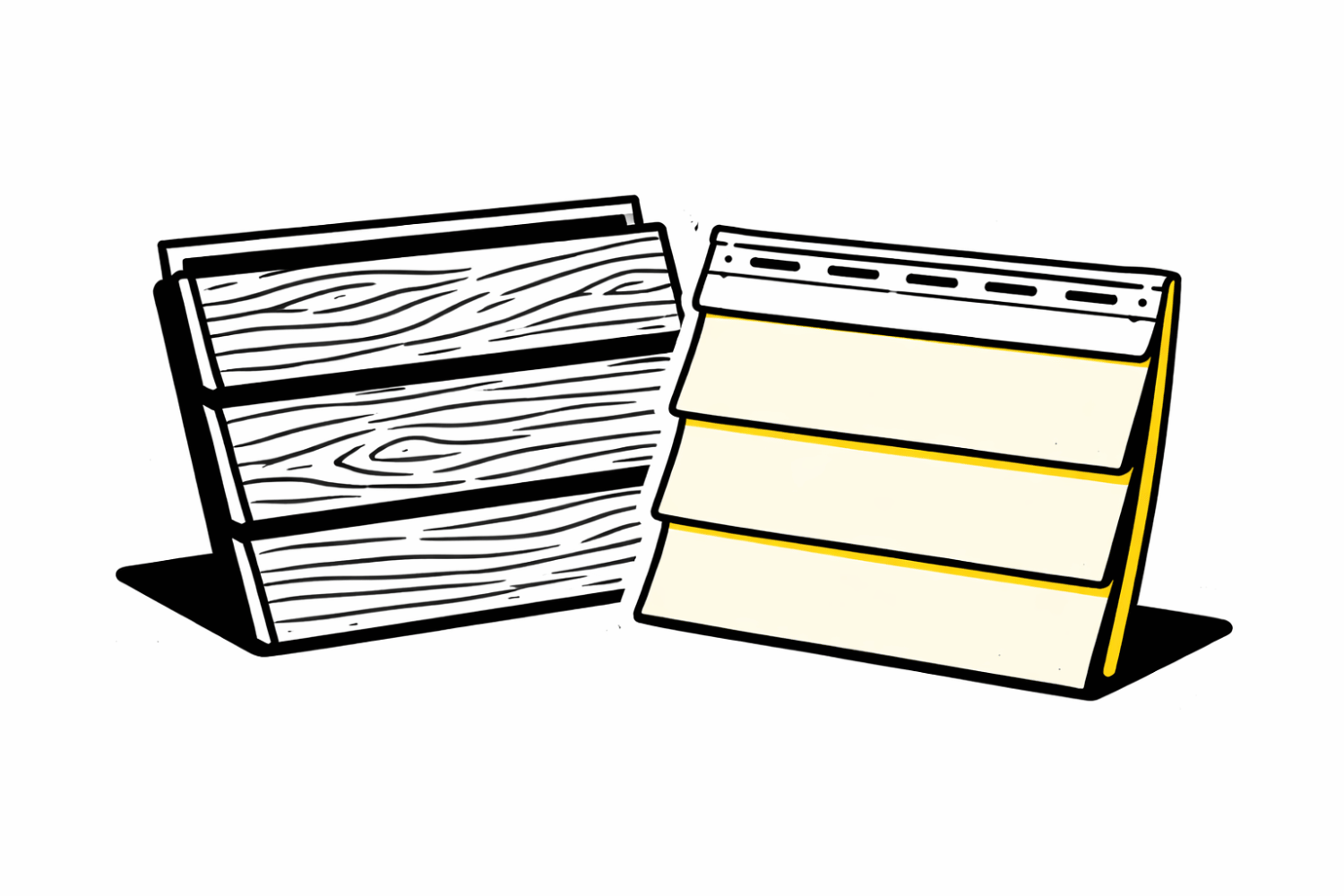
Here’s a direct comparison of the two siding materials across the factors that matter most to Mid-Missouri homeowners:
|
Factor |
James Hardie (Fiber Cement) |
Vinyl Siding |
|---|---|---|
|
Durability/Lifespan |
30-50+ years with proper installation |
20-30 years (often shorter in harsh conditions) |
|
Weather Performance |
Excellent in hail, high winds, temperature extremes |
Can crack in extreme cold, warp in prolonged sun |
|
Fire Resistance |
Non-combustible, Class A rated |
Softens at 160-250°F, can melt near heat sources |
|
Pest Resistance |
Unattractive to insects and woodpeckers |
Does not prevent pests from reaching sheathing |
|
Installed Cost |
$12-20 per square foot |
$5-13 per square foot |
|
Maintenance |
Annual washing; repaint around 15-20 years |
Annual washing; cannot be repainted effectively |
|
Resale Value Impact |
Higher percentage of cost recouped |
Lower ROI in resale markets |
|
Warranty |
30-year (with proper installation) |
Typically 20-50 years (degrades in practice) |
A note on cost: In Mid-Missouri, James Hardie installed typically runs 25-50% more than standard vinyl for the same home size. For a 2,000-2,500 square foot home in Columbia, that difference can be significant upfront but the gap narrows considerably when you factor in longevity and potential replacement costs over 30+ years.
Appearance & Curb Appeal
Curb appeal drives property value, especially in higher-end Columbia neighborhoods and on Lake of the Ozarks lake properties where homes are often viewed from the water. The right siding transforms how your home looks and feels.
James Hardie appearance advantages:
- Deeper, more realistic woodgrain textures that mimic natural wood
- Sharp shadow lines that create visual depth
- Wide range of architecturally appropriate profiles
- Pairs beautifully with stone veneer, brick, and standing seam metal roofs
- ColorPlus factory finishes in numerous palettes, plus the ability to repaint later
Vinyl appearance characteristics:
- Modern vinyl mimics wood reasonably well at a distance
- Panel seams, shine, and shallower texture become more visible up close
- Two-story homes seen from the street may show limitations more clearly
- Limited to original color for the life of the siding (cannot be effectively repainted)
For historic homes in Columbia’s older neighborhoods, custom builds, and homes aiming for a timeless, high-end look, James Hardie typically delivers better results. Vinyl works well for simpler ranch-style homes, starter homes, and rental properties where budget takes priority over premium aesthetics.
When we complete vinyl-to-Hardie upgrades around Columbia and Jefferson City, the transformation is dramatic. The depth of color and texture makes homes look completely different.
Durability & Performance in Mid-Missouri Weather
Let’s talk specifically about how these siding materials hold up under our Central Missouri weather stresses: spring hailstorms, 90°F+ summer heat with high humidity, freezing winters with temperature swings of 50+ degrees in a single week, and strong winds off open fields.
James Hardie performance:
- Moisture resistance through inorganic composition does not absorb water or promote mold growth
- Impact resistance handles moderate hail without cracking or denting
- Minimal expansion and contraction in freeze-thaw cycles (less than 0.5% under saturated conditions)
- Excellent UV stability over decades under strong Missouri sun
- Non-combustible construction provides superior protection
Vinyl performance considerations:
- Can crack or shatter in sub-freezing temperatures if struck by hail or lawn equipment
- Potential warping on south- and west-facing walls under prolonged direct sun, especially darker colors
- Thermal expansion coefficients up to 0.005 inches per inch per degree Fahrenheit can create gaps
- Porous seams may allow water infiltration in our rainy climate
- Vulnerable to wind lifting if not installed with proper fastener spacing
Both materials rely on proper housewrap and flashing for complete weather resistant protection. We always include flashing and weather barrier details designed for storm-driven rain common in Central Missouri. This matters as much as the siding itself.
We also have extensive experience inspecting storm damage claims and can document how each siding type holds up after hail or wind events for insurance purposes.
Cost, Value, and Return on Investment
Pricing changes with material costs and labor rates, so treat these ranges as ballparks and request a current free estimate for your specific project.
Upfront cost reality: James Hardie represents a premium upgrade above mid-grade vinyl. For a typical 2,000-2,500 square foot home in Columbia, the price difference is noticeable at the point of installation. Reference data shows installed James Hardie ranging from $12-20 per square foot (including labor and premium features like ColorPlus), compared to vinyl’s $5-13 per square foot.
Long-term value calculation: Over 50 years, James Hardie’s minimal maintenance and 2-3x longevity often yield lower total cost of ownership. A vinyl siding installation may require full replacement after 20 years in harsh conditions, while properly installed James Hardie can last through multiple ownership cycles with periodic cleaning.
Resale value impact: National cost-vs-value reports consistently show fiber cement with a higher percentage of cost recouped at resale than vinyl. Homeowners often see 5-10% higher property values and potential insurance savings from fiber cement’s fire ratings.
Convenient financing options: We offer financing to help homeowners spread the cost of a James Hardie upgrade if you want long-term value but need manageable monthly payments. No need to compromise on your home improvement project because of cash flow timing.
Who should choose what: Vinyl may be more appealing for landlords, investment properties, or those planning to move within 10 years. James Hardie tends to suit “forever home” projects and Columbia homeowners planning to stay long-term.
Maintenance & Cleaning Requirements
Both siding materials are far easier to maintain than wood siding, which requires regular painting, staining, and vigilant moisture damage inspection. But they do have different care routines.
James Hardie maintenance:
- Wash with a garden hose and soft brush every 6-12 months
- Check caulking around windows, doors, and trim annually
- Touch up paint as needed on any chips or scratches
- Plan for a repainting cycle after 15-20 years if using painted (non-ColorPlus) products
- ColorPlus factory finishes typically last longer before needing attention
Vinyl maintenance:
- Clean with mild soap and low-pressure water
- High-pressure washing is not recommended, it can force moisture behind panels and cause water damage
- Cannot be effectively repainted when colors fade
- Darker colors may show fading more noticeably over time, especially on sun-exposed walls
- Individual panels can be replaced if damaged, though color matching older vinyl can be challenging
Both materials are considered low maintenance compared to natural wood alternatives. The key difference: James Hardie gives you the option to refresh your home’s color completely in 10-20 years, while vinyl limits you to the original color for the life of the siding.
We can inspect existing siding (both vinyl and James Hardie) and advise whether simple maintenance, localized repair, or full replacement makes the most sense for your situation.
Installation Differences and Why the Contractor Matters
Siding performance depends heavily on installation quality. This matters even more in a storm-prone region like Mid-Missouri where proper installation means the difference between siding that survives a hailstorm and siding that needs replacement.
James Hardie installation requirements:
- Heavier material requiring specialized cutting tools with dust collection
- Specific clearances from roofing and grade must be maintained
- Correct nailing patterns per manufacturer specifications
- Proper joint flashing and caulking details
- Blind nailing techniques for lap siding
- Following James Hardie’s published installation manual exactly
Vinyl installation requirements:
- Lighter and somewhat more forgiving to handle
- Still requires proper fastener spacing and technique
- Must allow for expansion and contraction (nails not driven tight)
- Careful detailing at windows, doors, and roof lines prevents blow-offs and leaks
- Starter strips and j-channels must be positioned correctly
Warranty implications: James Hardie’s manufacturer warranty assumes professional installation following their published guidelines. Our status as a James Hardie Elite Preferred contractor helps protect those industry leading warranties. We’re one of only a few triple-certified contractors in Mid-Missouri with GAF Master Elite, OC Platinum, and James Hardie Elite credentials.
What we include with siding projects:
- Housewrap and weather barrier
- All necessary flashings
- Starter strips and trim details
- Soffit and fascia work as needed
- Daily cleanup and debris removal
- Coordination with any replacement windows or doors installation
Typical project timelines: Most full siding replacement projects on typical 2-story homes take about 5-9 working days depending on size, complexity, and weather. We discuss the schedule upfront during your estimate so you can plan around pets, vehicles, and outdoor living spaces.
Which Is Right for Your Home? Decision Guide
Here’s a straightforward guide to help you choose the right siding for your specific situation:
Choose James Hardie if:
- You’re planning to stay in your home 10+ years
- Maximum durability and weather resistance is your priority
- You live in a neighborhood with higher-end finishes and want to match
- Curb appeal and resale value matter significantly to you
- You’ve experienced repeated hail damage or woodpecker problems with previous siding
- Your home is historic or has architectural details worth highlighting
- You want the option to change exterior colors in the future
Choose vinyl if:
- Budget is your primary constraint
- You’re updating a rental or investment property
- You plan to sell within 5-10 years
- The home is smaller or simpler in design
- You want a quick, attractive, low-maintenance refresh
- Insulated vinyl options align with your energy efficiency goals
Other factors to consider:
- HOA requirements (some require specific siding materials or appearance standards)
- What neighboring homes in your area are using
- Plans for future additions or exterior remodeling
- Matching existing engineered wood siding, LP SmartSide, or Diamond Kote materials already on your house
The best siding option varies by homeowner. We’re happy to schedule a free on-site consultation where we can bring siding samples of both James Hardie and vinyl, show real project photos from Columbia and Jefferson City dream homes, and provide a detailed written estimate. No pressure—just the information you need to make an informed decision.
How CoMo Exteriors Helps You Compare and Install Siding
CoMo Exteriors is a locally owned exterior remodeling contractor founded in 2010 in Columbia, Missouri. We serve homeowners across Mid-Missouri through locations in Columbia, Jefferson City, Boonville, Moberly, and Lake of the Ozarks. Beyond new siding, we handle roofing, windows, doors, decks, gutters, and storm restoration services.
Our triple certification, including James Hardie Elite Preferred, GAF Master Elite, and OC Platinum Preferred status, represents ongoing factory training and quality standards that matter for proper installation. We’re one of only a few siding contractor teams in Central Missouri holding all three credentials.
Our typical siding process:
- Free inspection and measurements – We assess your current siding condition and measure your house
- Discussion of goals and budget – Understanding what matters most to you
- Side-by-side comparison – Showing James Hardie vs vinyl options with actual samples
- Clear written estimate – Detailed pricing with no hidden costs
- Project scheduling – Coordinating timing that works for your household
We also help with storm or hail damage claims by documenting siding damage, providing photo evidence, and coordinating with insurance adjusters when appropriate. Our personalized service includes advocating for fair compensation so you get the repairs your home needs.
If you’re in Columbia MO, Jefferson City, Boonville, Moberly, or the Lake area, reach out for a no-obligation siding consultation. We’ll bring the expert craftsmanship and transparent communication you deserve. Call us at (573) 424-9008 or request your free estimate online.
FAQs
Is James Hardie siding worth the extra cost compared to vinyl in Central Missouri?
For many owner-occupied homes where you’re planning to stay 10+ years, James Hardie often is worth the extra investment. The superior protection against storm damage, longer service life (30-50 years vs 20-30 for vinyl), and stronger resale appeal can close the cost gap over time. However, for short-term ownership or tight budgets, a quality vinyl install remains a smart choice. We help homeowners run the numbers for their specific situation during consultations.
Can I mix James Hardie and vinyl siding on the same house?
Mixing materials on primary wall surfaces isn’t typically recommended due to different profiles, thickness, and expansion characteristics that can look mismatched. A more attractive approach is combining James Hardie lap siding with accent materials like stone veneer, HardieShingle, or continental siding patterns. We design mixed-material exteriors that look cohesive while adding architectural interest.
How does each siding type handle hail and storm damage in Missouri?
James Hardie fiber cement typically shows fewer dents and cracks from moderate hail than vinyl, which can chip or fracture under direct hits. The durable materials in fiber cement withstand impacts that would damage thinner vinyl panels. That said, large or extreme hail can damage any siding. We offer storm inspections to document damage to your old siding and advise whether repair or full replacement makes more financial sense.
Will new siding improve my home’s energy efficiency?
Siding itself isn’t insulation, but properly installed siding with housewrap and foam sheathing improves energy efficiency by reducing drafts and thermal bridging through your home’s structure. Insulated vinyl panels provide a modest R-value boost (around 2.0-4.0). James Hardie is typically combined with separate foam or sheathing insulation for similar or better results. Either way, new siding with modern weather barriers improves on most homes with aging exteriors.
How long does a siding replacement project usually take in the Columbia, MO area?
Most full siding replacements on typical single-family homes take about 5-9 working days depending on home size, complexity, and weather conditions. Our crews perform daily cleanup so your property stays manageable throughout the project. We discuss the timeline upfront during your estimate so you can plan around pets, vehicles, and outdoor living spaces accordingly.
