
New Siding Cost in Columbia MO (2026 Guide)
Replacing your home’s exterior is one of the biggest decisions you’ll make as a homeowner, and understanding what new siding actually costs in Columbia, MO helps you plan with confidence. Whether you’re recovering from hail damage, upgrading an aging exterior, or simply want to boost your home’s curb appeal, this guide breaks down real 2026 pricing for Mid-Missouri projects.
Key Takeaways
- Most Columbia, MO siding projects in 2026 fall between approximately $12,000 and $30,000 for an average single-family home, depending primarily on material choice and house size.
- Typical installed cost per square foot in Mid-Missouri: vinyl runs about $6-$11, engineered wood like LP SmartSide ranges $8-$15, and fiber cement (James Hardie) sits around $10-$18+.
- 2026 tariffs are pushing some material prices higher, especially cedar and steel siding. Vinyl and fiber cement remain the most price-stable options.
- Fiber cement siding replacement returns 114% of its cost at resale, making it one of the highest-ROI home improvements you can make (Zonda 2025 Cost vs. Value Report).
- CoMo Exteriors provides free, no-obligation siding estimates throughout Columbia, Jefferson City, Boonville, Moberly, Sedalia, and Lake of the Ozarks, including inspection for hidden damage behind existing siding.
- Material choice should match how long you plan to stay in your home, your desired aesthetic appeal, and maintenance preferences, not just the lowest upfront price.
How Much Does New Siding Cost in Columbia, MO in 2026?
For a typical Columbia home between 1,800 and 2,400 square feet, expect to invest between $12,000 and $30,000+ for complete siding replacement with professional installation and full tear-off of old siding. That’s a wide range because material choice drives much of the final number, with vinyl sitting at the budget-friendly end while premium fiber cement commands the higher prices.
Here’s what we commonly see for installed pricing on Mid-Missouri projects in 2026:
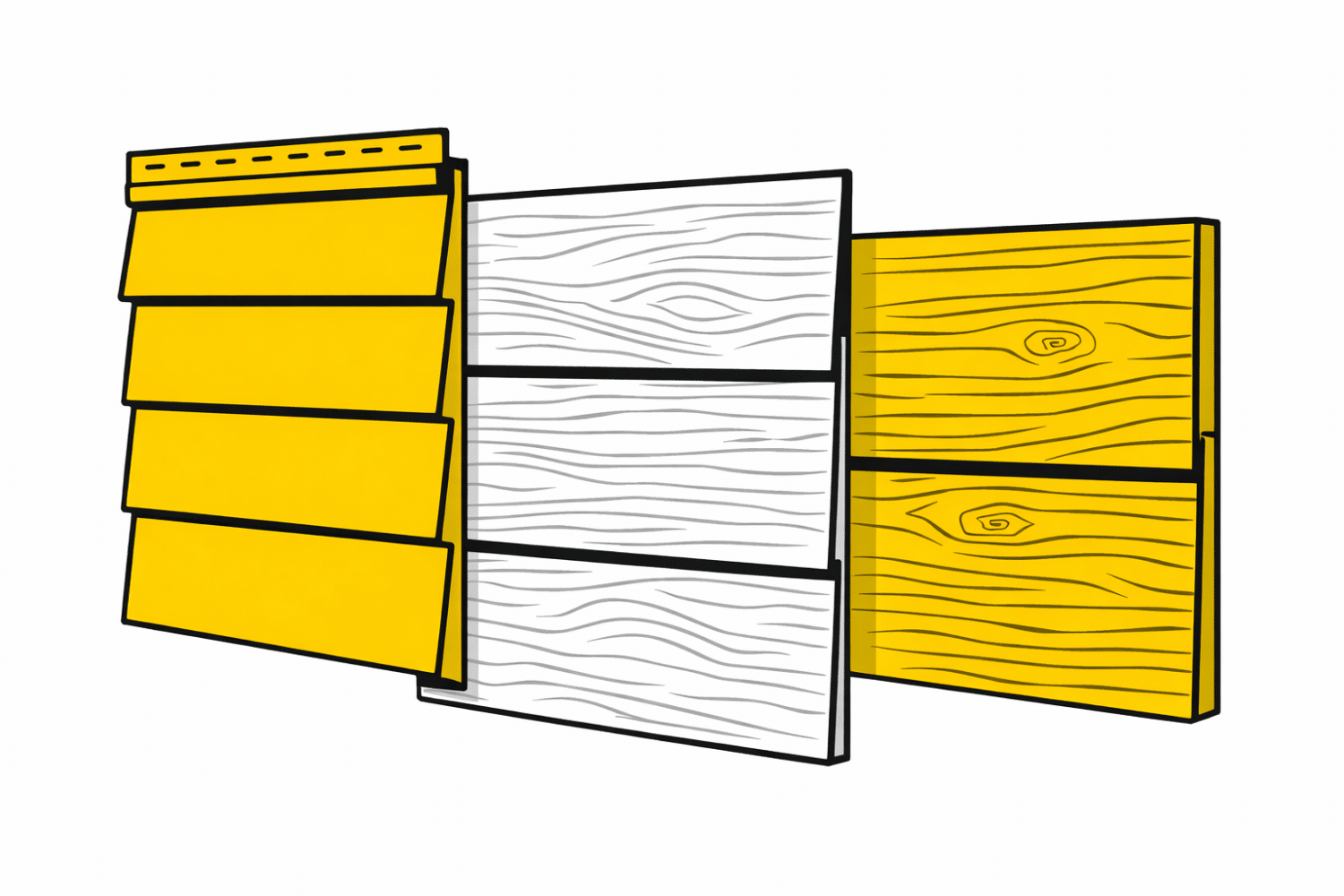
- Vinyl siding: $6-$11 per square foot installed
- LP SmartSide (engineered wood siding): $8-$15 per square foot installed
- James Hardie fiber cement siding: $10-$18+ per square foot installed
- Stone veneer accents: $25-$45+ per square foot (typically used on accent walls or chimneys)
These ranges already include labor, basic trim work, housewrap, and disposal of your existing siding. They don’t cover major structural repairs, deck work, or extensive rot remediation. Those get priced separately once we can inspect what’s behind your current siding.
How does Columbia compare to national averages? Central Missouri labor and materials typically run slightly below what you’d pay in major coastal metros, but our challenging weather means proper installation details matter more here. Cutting corners on flashing or weather barriers might save a few hundred dollars upfront, but it creates expensive problems when our freeze-thaw cycles and summer storms hit.
Exact pricing always requires an on-site visit. Factors like steep gables, complex rooflines, three-story walls, or difficult access significantly change labor time, and that’s why a free estimate from an experienced local contractor beats any online calculator.
Main Factors That Affect New Siding Cost in Columbia
Material type is the single biggest driver of your project cost, but it’s followed closely by house size, architectural complexity, and any hidden damage lurking behind your walls.
Here’s what influences your final investment:
- Total exterior square footage: Larger homes require more materials and labor hours, directly scaling costs
- Number of stories: Two and three-story homes need scaffolding, safety equipment, and more time per square foot
- Amount of trim and architectural details: Gables, dormers, bay windows, and decorative elements add complexity
- Removal of old siding: Tear-off labor and disposal fees vary based on what’s currently on your house
- Local building code requirements: Columbia and Boone County have specific permit and inspection requirements
Mid-Missouri’s weather creates unique considerations that affect both cost and performance. Our heavy summer storms, frequent hail, and dramatic freeze-thaw cycles mean weather barrier details and proper flashing aren’t optional extras. They’re essential to protecting your investment. Contractors who skip these steps might quote lower prices, but you’ll pay more in repairs down the road.
Underlying issues often appear once old siding comes off. Water damage, rotten sheathing, or compromised framing can add a few hundred to several thousand dollars to your project. Homes built before about 1980 are especially prone to surprises, so we recommend leaving a 10-20% contingency in your budget for unexpected repairs.
Cost by Siding Material in Mid-Missouri
Homeowners around Columbia, Jefferson City, Fulton, and Sedalia typically choose between vinyl, engineered wood (like LP SmartSide or Diamond Kote), and fiber cement (like James Hardie), sometimes adding stone veneer accents for enhanced aesthetic appeal. You may also be comparing cedar, aluminum, or steel siding. We’ve included those below so you can see where every option falls.
Vinyl Siding
- Installed cost: $6-$11 per square foot in Mid-Missouri
- Pros: Lowest upfront cost, virtually no maintenance required beyond occasional washing, good color selection, won’t rot or attract insects
- Cons: Can crack under severe hail impact, may fade over 15-20 years, less premium appearance than wood or fiber cement
- Best for: Budget-conscious homeowners, rental properties, or those planning to sell within 10-15 years
- 2026 tariff impact: Minimal. Vinyl is mostly manufactured from domestic PVC resin, making it the most price-stable siding option right now
Vinyl siding remains a popular choice in Columbia because it delivers solid performance at an affordable price point. For many homeowners, it’s the most cost-effective way to refresh a home’s exterior quickly. And with 2026’s tariff pressures raising costs on other materials, vinyl’s price stability is an added advantage.
LP SmartSide and Engineered Wood Siding
- Installed cost: $8-$15 per square foot
- Pros: Excellent impact resistance (handles hail better than vinyl), authentic wood-like appearance, strong performance in storm-prone areas, low maintenance compared to real wood
- Cons: Requires occasional repainting (every 15-20 years with quality finishes), costs more than vinyl
- Best for: Homeowners wanting wood aesthetics without wood siding‘s maintenance demands, especially in hail-prone Mid-Missouri
- 2026 tariff impact: Moderate. LP SmartSide uses OSB and wood strand inputs, some sourced from Canada. Expect 6-10% price increases through mid-2026
James Hardie Fiber Cement Siding
- Installed cost: $10-$18+ per square foot
- Pros: Exceptional durability (50+ year lifespan), Class A fire resistance, won’t rot or attract pests, excellent for harsh elements, premium appearance that mimics wood or stone
- Cons: Higher upfront investment, heavier material requiring reinforced installation, generates silica dust during cutting (professional installation recommended)
- Best for: “Forever home” projects where you plan to stay 20+ years, historic home renovations, or homeowners prioritizing long-term value
- 2026 tariff impact: Low to moderate. Fiber cement is largely produced domestically, though rising cement input costs may push prices 3-5% higher
As James Hardie Elite Preferred contractors, we install fiber cement siding throughout Mid-Missouri and see firsthand how it performs through our challenging weather. The factory-applied ColorPlus finishes resist fading far better than field-painted alternatives.
Stone and Stone Veneer Accents
- Installed cost: $25-$45+ per square foot
- Best used for: Accent walls, chimney surrounds, entryway features, foundation wraps
Stone veneer lets you create high-end curb appeal without covering your entire house in premium materials. It’s a smart way to balance budget and visual impact.
Other Materials: Cedar, Aluminum, and Steel
While we primarily install vinyl, engineered wood, and fiber cement, you may be comparing other options as you research. Here’s where they fall:
- Cedar wood siding: $6-$16 per square foot installed. Beautiful natural look, but requires repainting or restaining every 5-7 years. Cedar is also the most tariff-exposed material in 2026, with Canadian lumber tariffs at 34.5% pushing 15-25% price increases
- Aluminum siding: $6-$10 per square foot installed. Lightweight, fire-resistant, and dent-prone. Less common on new projects today
- Steel siding: $4-$16 per square foot installed. Extremely durable, but facing up to 50% tariffs on imported steel that are pushing prices up 3-5% annually
Real-World Example: Consider a typical 2,000 square foot Columbia ranch home. With vinyl siding, you might invest $12,000-$18,000 total. That same home in James Hardie fiber cement could run $20,000-$32,000+. The difference? Potentially 30+ more years of performance, better storm resistance, and significantly higher resale value.
For Mid-Missouri’s weather patterns, including frequent hail, high winds, and extreme temperature swings, we most often recommend engineered wood or fiber cement for homeowners planning to stay long term. These durable materials handle our climate without requiring constant attention.
How 2026 Tariffs Are Affecting Siding Prices
If you’ve been getting siding quotes this spring and noticed prices creeping up from last year, you’re not imagining things. Trade tariffs enacted in late 2025 and early 2026 are having a real effect on building material costs across the country, and siding is no exception.
Here’s a straightforward look at how each material is affected:
- Vinyl siding: Least affected. The PVC resin used in vinyl is primarily manufactured domestically, so tariffs have minimal impact on pricing. If budget stability matters to you, vinyl is in the strongest position right now
- Fiber cement (James Hardie): Low to moderate impact. Production is mostly U.S.-based, but rising cement and raw material input costs are pushing prices up 3-5%. Still one of the more stable premium options
- LP SmartSide / engineered wood: Moderate impact. These products use OSB and wood strand inputs, with some sourced from Canada. The 34.5% Canadian lumber tariff means potential 6-10% price increases through 2026
- Cedar / natural wood: Highest impact. Most cedar used for siding comes from Canada, where the 34.5% softwood lumber tariff hits directly. Expect 15-25% price spikes compared to 2024 levels
- Steel and aluminum siding: Significant impact. Tariffs of up to 50% on imported steel and aluminum are driving 3-5% annual price increases on metal siding products
According to analysis from the Brookings Institution, aggregate construction costs are running roughly 8% higher under current tariff conditions compared to pre-tariff baselines. For a $20,000 siding project, that translates to roughly $1,600 more than you would have paid in 2024.
What does this mean practically? If you’ve been considering a siding project, material prices are unlikely to drop in the near term. Locking in pricing with your contractor sooner rather than later protects you from further increases. We honor quoted prices for a set period on all our estimates, so you have time to make a confident decision without worrying about the number changing.
Labor, Tear-Off, and Other “Hidden” Siding Costs
Materials are only part of your final number. Labor and prep work in Columbia typically make up 40-60% of total project cost, a fact many homeowners don’t realize when comparing quotes.
Missouri siding installer rates currently range from $40 to $75 per hour, and construction wages have been rising 4%+ annually. One advantage of being in Mid-Missouri: labor rates here are meaningfully lower than what you’d pay in St. Louis or Kansas City, which keeps your total project cost more manageable.
Here’s how labor costs break down in Mid-Missouri by home type:
- Simple one-story ranch: $3-$5 per square foot
- Standard two-story: $4-$7 per square foot
- Complex multi-story with details: $6-$10+ per square foot
Straightforward one-story homes cost less per square foot than tall or architecturally complex designs because installers work faster with easier access.
Scheduling tip: If your project timeline is flexible, booking during off-peak months (March through April or October through November) can save you 5-10% on labor. Crews are less booked during these windows, and you may benefit from more competitive pricing and faster scheduling.
Tear-off and disposal fees add to your project, especially with heavy siding materials like fiber cement or wood siding. Expect dumpster rental and landfill charges in the Columbia area to run $300-$800 depending on volume. Aluminum siding and metal sidings are lighter but still require proper disposal.
Common add-ons that affect your total:
- New housewrap or weather-resistant barrier
- Upgraded flashing around windows and doors
- Foam-backed or rigid insulation behind siding
- Color-matched aluminum trim, soffit, or fascia
- Gutter replacement (often bundled for efficiency)
Soffit, fascia, and gutter work frequently gets bundled with siding projects. This approach often reduces total labor cost compared to hiring separate crews. Your installer is already on scaffolding with the right tools, so adding these elements makes sense.
How New Siding Can Save (or Cost) Money Over Time
The least expensive siding up front isn’t always the lowest-cost choice over a 20-30 year period in Central Missouri’s climate. Here’s what to consider when evaluating your long-term investment.
Resale value is where premium siding really pays off. According to the Zonda 2025 Cost vs. Value Report, fiber cement siding replacement returns 114% of its cost at resale, ranking it the #4 highest-ROI remodeling project in the entire country. Vinyl siding replacement isn’t far behind at 97% ROI, making it #6 nationally. In fact, 8 of the top 10 highest-ROI home improvements are exterior projects. New siding isn’t just a cosmetic upgrade. It’s one of the best investments you can make in your home’s value.
Maintenance needs vary dramatically:
- Vinyl: Simple washing every few years, no painting required
- Fiber cement: Factory-finished products (like James Hardie ColorPlus) may go 15+ years before needing paint
- Real wood siding: Requires repainting every 5 to 7 years to prevent rot. Those costs add up
Color stability affects resale value: Cheaper siding materials fade faster under Missouri’s intense summer sun. Premium finishes maintain their appearance longer, which directly impacts your home’s value when it’s time to sell.
Energy efficiency matters here: Proper insulation behind new siding, combined with improved housewrap and a tighter building envelope, can noticeably reduce energy costs. Columbia’s hot summers and cold winters mean your HVAC system works hard. Anything that improves insulation helps your monthly budget.
Insurance considerations: More durable materials can mean fewer repairs after severe storms, and they can also affect what you pay for homeowner’s insurance. Fiber cement siding (like James Hardie) carries Class A fire resistance and strong wind/hail ratings, which may qualify you for insurance premium discounts. On the other hand, cedar and natural wood siding carry higher fire risk, which some insurers penalize with higher premiums. After any siding replacement, it’s worth calling your insurance agent to request an updated quote. You may be pleasantly surprised.
Lifetime cost comparison: A Columbia homeowner who invests $14,000 in basic vinyl might spend an additional $3,000-$5,000 on repairs and touch-ups over 20 years. Meanwhile, a $26,000 James Hardie project could require almost nothing beyond occasional cleaning. The “expensive” option sometimes costs less over your ownership period.
We believe in 30-year solutions rather than 15-year patches. That doesn’t mean everyone needs the most expensive siding available, but it does mean understanding the true cost of ownership before you decide.
Financing, Insurance, and Paying for New Siding
Siding is a major investment, and many Mid-Missouri homeowners use financing or insurance proceeds to manage the cost without draining savings.
Financing options we can help arrange:
- Low monthly payment plans that spread costs over time
- Options for full exterior makeovers (siding, windows, roofing combined)
- Quick pre-qualification so you know your budget before choosing materials
When homeowners insurance may help: Storm and hail damage is common around Columbia, Jefferson City, Lake of the Ozarks, and Sedalia. If your siding was damaged by a covered event, your policy may pay for replacement cost rather than leaving you to cover depreciation. Normal wear and aging typically aren’t covered, but storm damage often is.
We frequently work directly with insurance adjusters, helping homeowners document damage thoroughly and ensure necessary repairs are included in claims. Insurance companies sometimes overlook secondary issues like fascia or soffit damage. Having an experienced contractor involved helps you receive fair compensation.
Don’t forget to re-quote your policy after the project. As mentioned above, upgrading to fire-resistant and impact-rated siding materials can qualify you for lower insurance premiums. Your agent can re-evaluate your coverage once the new siding is installed.
Suspect storm damage? Schedule a free inspection. There’s no obligation, and early documentation prevents small problems from becoming expensive emergencies. We’ll assess your home’s exterior and provide honest guidance about whether a claim makes sense.
Why Columbia Homeowners Choose CoMo Exteriors for New Siding
We’re a locally owned, triple-certified exterior contractor with extensive siding experience throughout Mid-Missouri since 2010. When you hire us, you’re working with neighbors who understand Central Missouri weather and who will still be here in 10 years if you have questions.
What sets us apart:
- James Hardie Elite Preferred status: Factory-trained installers who know how to maximize your warranty and performance
- Deep experience with all major siding materials: Vinyl, engineered wood, fiber cement, we install them all correctly.
- Thousands of projects completed: From Columbia and Ashland to Fulton and Jefferson City, we’ve seen every type of home and challenge
Our limited lifetime workmanship warranty protects your investment beyond just the manufacturer’s material warranty. If we make an error, we fix it. Period.
We take an educational, no-pressure approach to every estimate. You’ll receive detailed written proposals with clear explanations of materials, side-by-side comparisons, and honest answers to your questions. Our job is helping you choose confidently, not pushing you toward the most expensive option.
Ready to see exactly what new siding would cost for your home? Call us at (573) 424-9008 or request your free siding estimate and design consultation. We serve homeowners throughout Columbia, Jefferson City, Boonville, Moberly, and Lake of the Ozarks.
FAQs
How do I estimate the square footage of siding on my Columbia home?
Start with a simple method: measure the length and height of each exterior wall, multiply to get area, then subtract large openings like garage doors. Add 10-20% for gables, waste, and cutting allowance.
This gives you a rough ballpark, but professional measurements are essential before committing to a budget. Multi-story homes, walkout basements, and complex rooflines are notoriously easy to mis-measure. During our free on-site visits, we use professional tools to calculate precise square footage, so you know exactly what you’re paying for.
Is it cheaper to install siding over old siding in Mid-Missouri?
While overlay installation is sometimes possible, we generally recommend full tear-off in our climate. Removing your existing siding lets us inspect underlying sheathing and framing for rot, mold, or previous water damage that would otherwise stay hidden.
Building codes, manufacturer requirements, and warranty conditions often restrict overlay installations, especially for fiber cement and engineered wood products. Skipping tear-off might save money on day one, but it can hide serious issues that become far more expensive when they finally surface.
What time of year is best (and most cost effective) to replace siding in Columbia?
Spring and fall typically offer ideal conditions: comfortable temperatures for installers and optimal conditions for caulks and paints used with fiber cement or engineered wood. Many factors affect scheduling, but mild weather usually means faster, smoother installation.
If you want to save on labor costs, consider scheduling during the off-peak windows of March through April or October through November, when crews have more availability. This can save 5-10% compared to peak summer pricing. Scheduling early, in late winter or early spring, also helps you secure preferred dates before the busy summer storm season fills our calendar.
How long does a full siding replacement usually take in Columbia?
Most average single-family homes take about 5-10 working days, depending on size, material complexity, and weather. Very large or architecturally complex homes may require additional time.
This timeline typically includes tear-off, repairs to minor sheathing issues, installation of housewrap, new siding, trim, and complete jobsite cleanup. We keep homeowners updated daily on progress and any weather-related schedule changes, so you will always know where your project stands.
Can I mix materials (like vinyl and stone) to manage cost?
Absolutely, and many Columbia-area homeowners do exactly this. Combining an affordable primary siding (vinyl or engineered wood) with premium stone veneer accents on front elevations or entryways delivers high-end curb appeal without paying for stone on every wall.
This approach helps keep overall budget under control while creating visual interest that matches your style preferences. We can help design balanced combinations that work with your existing roofing, windows, and neighborhood character.
Will 2026 tariffs keep raising siding prices?
It depends on the material. Vinyl siding prices have stayed relatively flat because PVC resin is primarily produced domestically. Cedar and natural wood are seeing the sharpest increases due to the 34.5% Canadian softwood lumber tariff. Fiber cement and engineered wood fall somewhere in between, with moderate 3-10% increases.
Trade policy is unpredictable, but most industry analysts don’t expect significant relief in the near term. If you’re planning a siding project for 2026, getting a locked-in quote sooner gives you price protection regardless of what happens next. We honor our quoted prices for a set period on every estimate.
