
How Missouri’s Freeze Thaw Cycles Damage Roofs and How to Protect Yours: Expert Tips
Missouri’s harsh freeze-thaw cycles can severely damage your roof, and understanding how Missouri’s freeze-thaw cycles damage roofs and how to protect yours is crucial. These cycles cause moisture to seep in during daytime thaws and freeze at night, leading to cracks and weakened materials. This article will explain the science behind freeze-thaw cycles, detail the damage they cause, and offer practical steps to protect your roof.
Key Takeaways
- Missouri’s freeze-thaw cycles can weaken roofs by causing expansion and contraction, leading to damage in materials like asphalt shingles and metal flashing.
- Regular roof inspections and proper maintenance, including attic ventilation and insulation upgrades, are essential to prevent freeze-thaw damage and extend roof lifespan.
- Utilizing high-quality roofing materials and consulting with professional roofing contractors can help homeowners effectively combat the challenges posed by Missouri’s climate.
The Science Behind Freeze Thaw Cycles
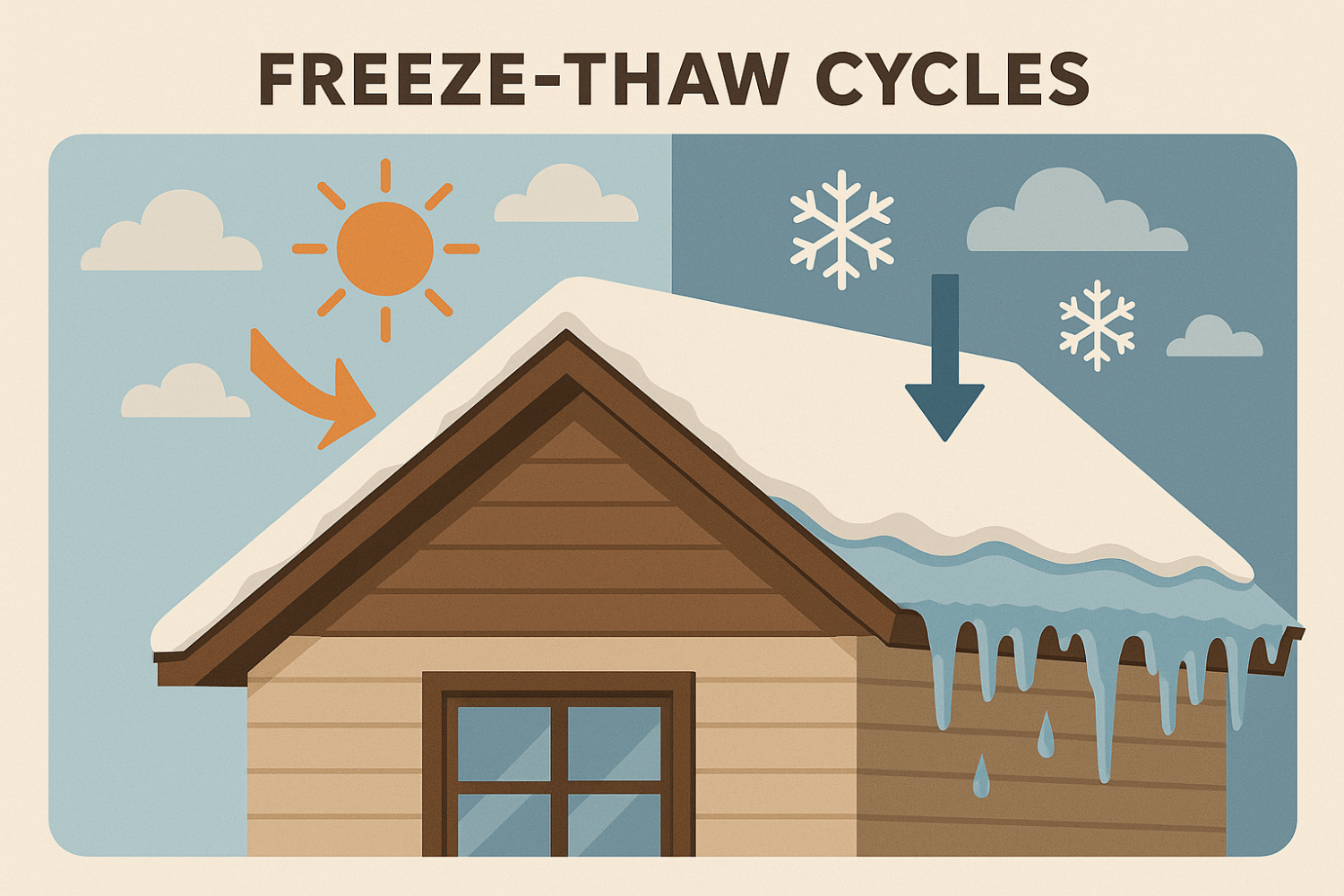
Missouri’s unique weather patterns, where warm Gulf air collides with cold Arctic air, lead to pronounced freeze-thaw cycles and cold snaps that can cause significant roof damage. During these cycles:
- Temperatures drop at night and rise during the day.
- Moisture seeps into tiny cracks in your roof.
- As night falls and cold temps plunge, this moisture freezes and expands.
- The freezing and expansion cause the cracks to widen.
Imagine your roof experiencing thousands of micro earthquakes throughout the winter. Each freeze-thaw cycle introduces stress through expansion and contraction, gradually weakening the roofing materials. Licensed roofers often compare this to small earthquakes, as the cumulative stress consistently weakens roofing materials without immediate visible damage.
Morning frost followed by daytime snow melts exacerbates this issue in the following ways:
- When melting snow refreezes at night, it forces roofing materials apart.
- This creates gaps that allow even more moisture to infiltrate.
- Over time, these cycles can significantly shorten your roof’s lifespan if not properly maintained.
How Freeze Thaw Cycles Impact Your Roof
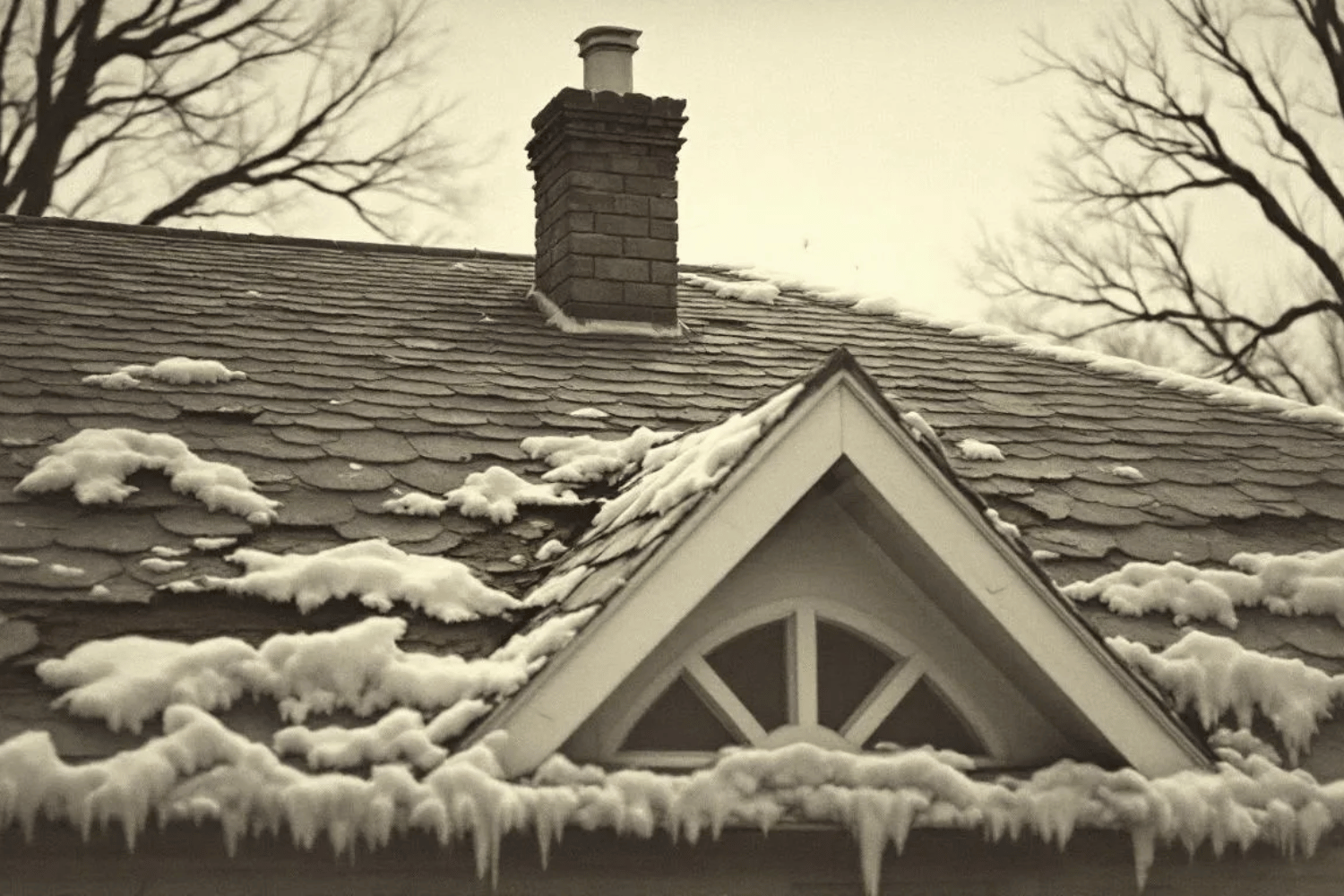
Freeze-thaw cycles don’t impact all roofing types equally. For instance, asphalt shingles are particularly susceptible to cracking, while metal roofs, although better at resisting moisture, can suffer from loosened fasteners over time. The repeated cycles create fractures and separation in shingles, flashing, and sealants, ultimately leading to leaks and structural damage.
The cumulative effects of freeze-thaw cycles can make small gaps in your roof grow into significant leaks. As adhesive bonds weaken, the overall structure of your roof deteriorates, impacting your home’s safety and requiring potentially costly repairs.
The following subsections explain how freeze-thaw cycles specifically affect shingles, flashing, and decking.
Shingle Damage
Asphalt shingles, a common choice for many Missouri homes, are particularly vulnerable to freeze-thaw cycles. Curling, cracking, and gaps can occur, allowing water to intrude and cause further damage. The bonds within the shingles weaken due to temperature fluctuations, making them more susceptible to damage.
High winds and strong winds can lift these weakened shingles, allowing water to seep underneath and lead to leaks and wood rot. Additionally, warm air in a warm attic can exacerbate freeze-thaw cycle damage to shingles by causing uneven temperatures across the roof, which can wreak havoc on the overall integrity of the structure.
Flashing Issues
Metal flashing, crucial for sealing the joints and edges of your roof, is not immune to the effects of freeze-thaw cycles. Rapid temperature changes cause the metal to expand and contract, leading to loosening and gaps at the roof’s edge that allow moisture to infiltrate.
These gaps can result in potential leaks, compromising the integrity of your roof. Addressing flashing issues promptly is essential to prevent more extensive damage.
Decking Weakness
When moisture becomes trapped under shingles and undergoes repeated freeze-thaw cycles, it can significantly weaken the roof decking. The trapped moisture refreezes and expands, softening the decking and reducing its structural integrity.
Weak roof decking can buckle under even mild wind or hail during spring, leading to more severe damage and costly repairs. Maintaining a strong roof deck is crucial to withstanding Missouri’s unpredictable weather patterns.
Recognizing Early Signs of Freeze Thaw Damage
Early detection of freeze-thaw damage can save you from extensive repairs. Signs of freeze-thaw damage include other signs:
- Discoloration in ceilings, often indicating water damage leaks
- Gaps forming between roofing materials
- Unevenly spaced shingles caused by displacement due to ice and water from temperature fluctuations
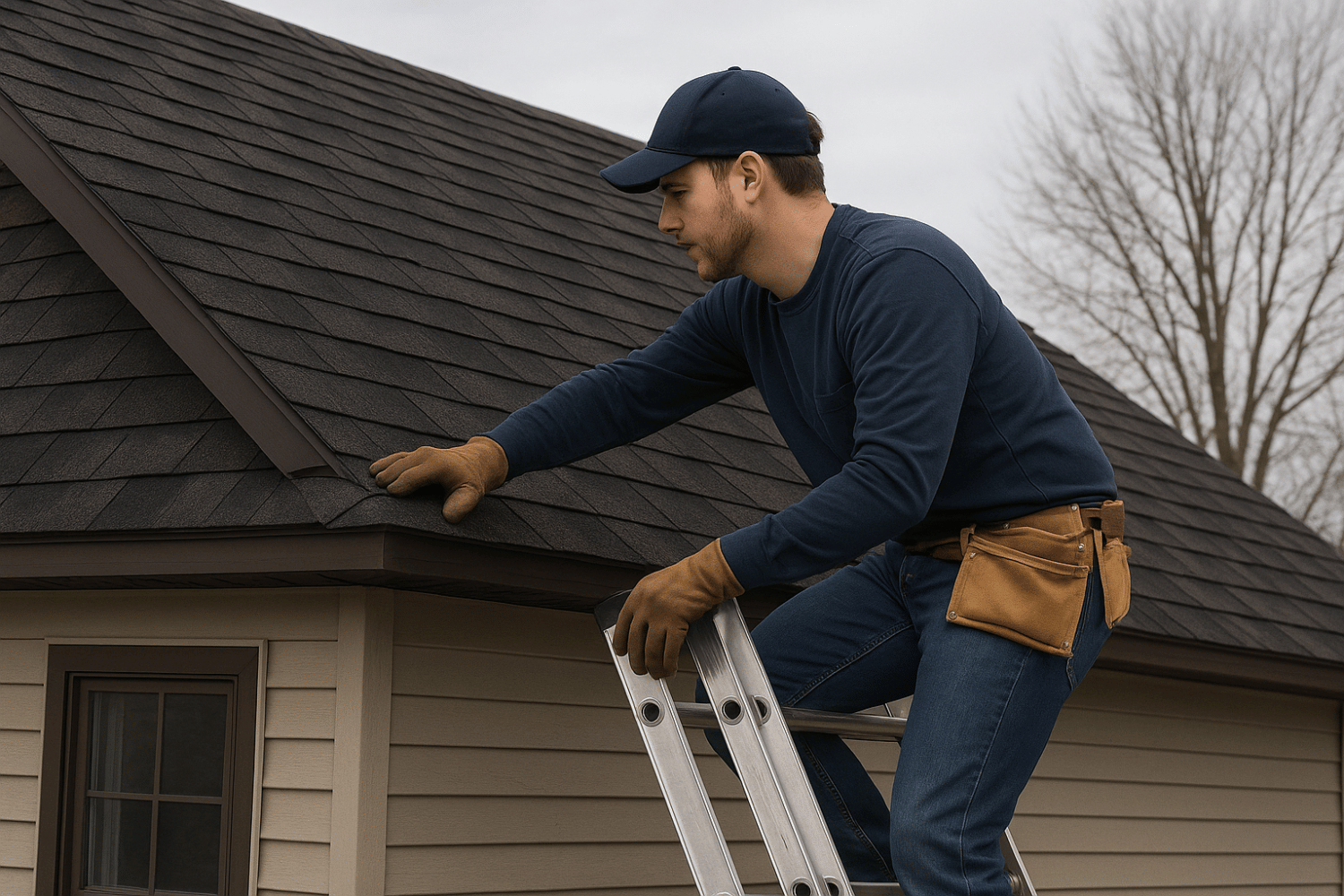
Loose or damaged flashing around roof features can allow moisture to enter, increasing the potential for roof degradation. Regular inspections help identify these early signs before they escalate into larger issues. If you notice any of these signs, it’s time for a professional inspection.
Proactive Measures to Protect Your Roof
Taking proactive steps to protect your roof from freeze-thaw damage is essential. These steps include:
- Routine maintenance, including cleaning gutters and regularly inspecting the roof, to help prevent moisture-related damage.
- Investing in durable roofing options.
- Upgrading components to enhance durability and improve energy efficiency.
These proactive measures ensure that your roof can withstand the stress of freeze-thaw cycles and help you avoid costly repairs in the future. The following subsections cover proper attic ventilation, insulation upgrades, and the importance of regular roof inspections.
Proper Attic Ventilation
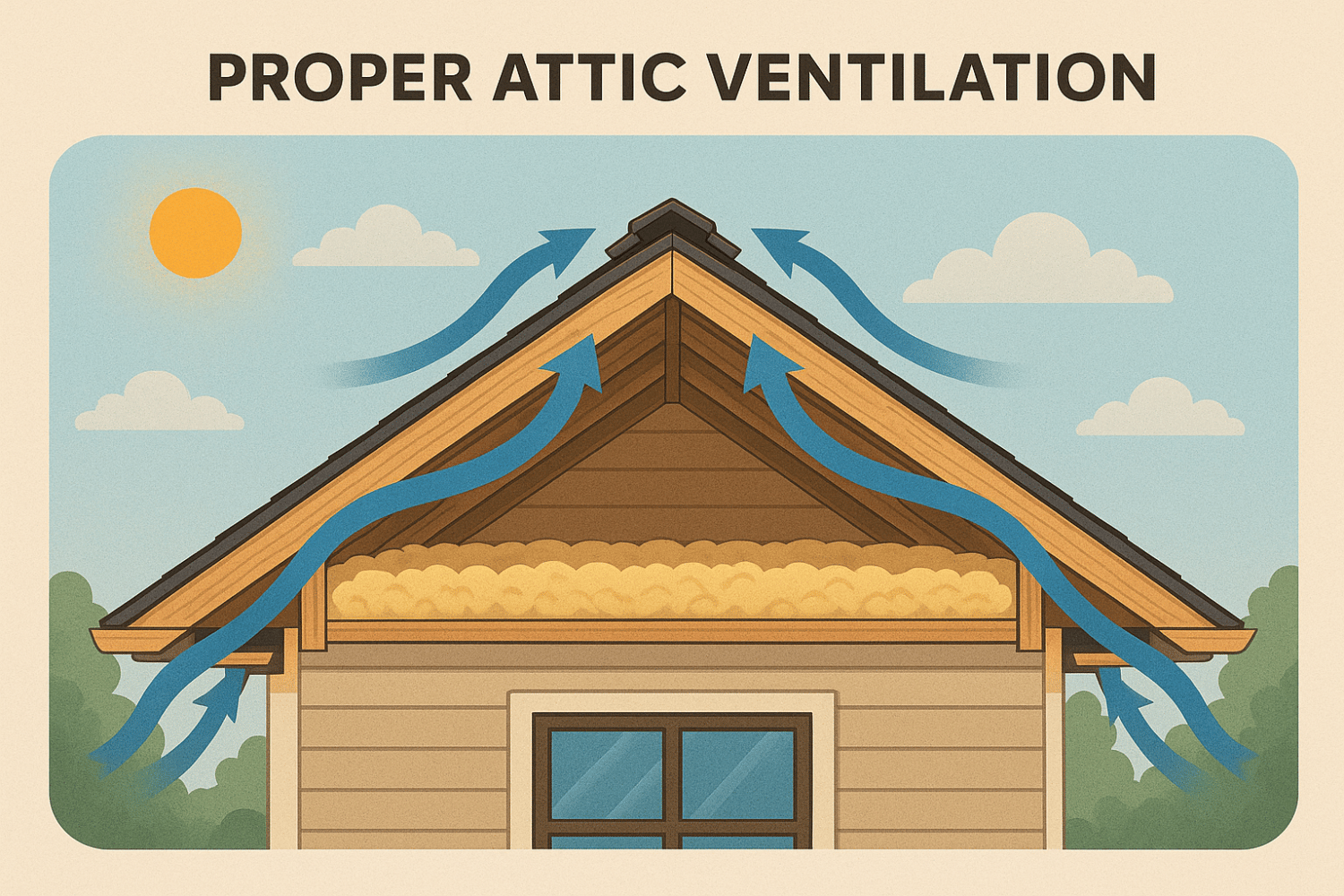
Proper attic ventilation is crucial for maintaining a consistent roof temperature and preventing ice accumulation and formation. Good ventilation helps mitigate the risk of ice dam formation by keeping roof temperatures even.
Effective attic ventilation also prevents heat and humidity buildup in the attic area, which can lead to roof damage over time. Ensuring your attic is well-ventilated is a key step in protecting your roof.
Insulation Upgrades
Proper insulation is essential for maintaining heat within your home’s roof and stabilizing roof temperatures. Upgrading insulation can significantly reduce heat loss, contributing to a more stable roof temperature and minimizing the risk of damaged insulation and freeze-thaw damage.
A stable roof temperature prevents moisture accumulation and subsequent expansion, safeguarding your roof from the damaging effects of freezing temperatures and freeze-thaw cycles.
Regular Roof Inspections
Regular professional roof inspection is vital to catching and addressing roofing issues early. Ignoring roof inspections can lead to significant damage, such as ice dams that can damage gutters, cause roof leaks, and affect ceilings, walls, and insulation.
Emergency snow damage inspections are available to provide fast-response services in critical situations, including extreme cases, ensuring that any issues are promptly addressed with a free inspection.
Case Study: Real-Life Example of Freeze Thaw Damage
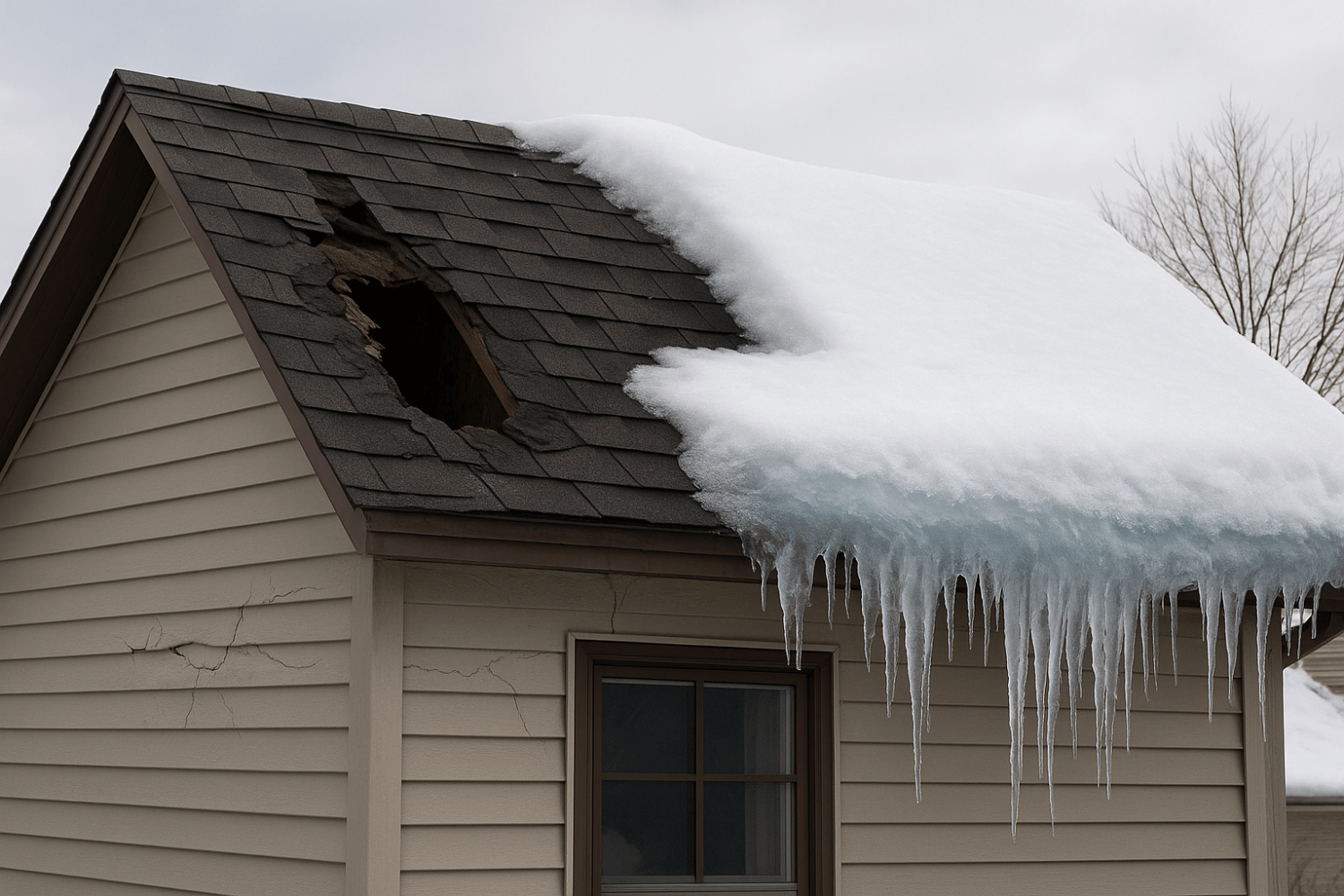
A Missouri homeowner discovered significant roof damage due to repeated freeze-thaw cycles. Initially, the Missouri homeowners thought the ceiling stain was caused by an old vent leak, but further inspection revealed that the repeated freeze-thaw cycles were the culprit, leading to water stains.
To address the damage, the homeowner replaced the damaged decking, installed new flashing, and upgraded the underlayment. This case study highlights the importance of recognizing freeze-thaw damage early and taking appropriate measures to prevent further issues.
The Role of Quality Roofing Materials
Using high-quality roofing materials is essential for protecting homes from the significant pressures caused by winter weather, including freeze-thaw cycles. Brands like Tamko and Owens Corning are recommended for their reliability and ability to withstand harsh environmental conditions.
CoMo Premium Exteriors emphasizes the use of high-quality materials, including asphalt shingles, metal roofing, and flat roofs, to ensure roofs can withstand the challenges posed by Missouri’s climate.
Seasonal Maintenance Tips
Regular roof cleaning prevents debris buildup that can lead to ice dams. Clear debris such as leaves and twigs from your roof and gutters before winter to stop water and prevent moisture buildup and ice dams caused by water accumulation.
Trim overhanging branches to minimize debris and reduce the snow load on your roof. Additionally, installing roof heating cables can help maintain a consistent roof temperature and prevent ice buildup along the edges of your roof to remove snow.
Why Professional Help Matters
Consulting with a professional roofing contractor is crucial if you are unsure about maintenance tasks or encounter complex issues. Engaging roofing professionals ensures that you receive expert insights tailored to your roofing needs and prevents costly mistakes that often arise from improper DIY repairs. If you need roofing help, don’t hesitate to reach out to a qualified expert.
Professionals utilize advanced tools and techniques, enhancing the quality of roofing work and ensuring compliance with local building codes. CoMo Premium Exteriors provides comprehensive roofing services, including emergency repairs and routine maintenance, tailored to address the unique weather challenges in Missouri.
CoMo Premium Exteriors: Your Local Roofing Experts
CoMo Premium Exteriors has over a decade of trusted experience in the roofing industry. They are committed to the community through active participation in local events and initiatives, enhancing the aesthetic and structural resilience of Columbia, MO.
With triple certifications (GAF Master Elite, OC Platinum, and James Hardie Elite), CoMo Premium Exteriors offers a wide range of roofing services, including emergency repairs, routine maintenance, and roof inspections. Their approachability and dedication to educating homeowners make them a trusted partner for all your roofing needs.
Summary
Recognizing the impact of freeze-thaw cycles on your roof and taking proactive measures can save you from costly repairs and extend the life of your roof. Proper attic ventilation, insulation upgrades, and regular inspections are key to protecting your roof from winter’s harshest elements.
CoMo Premium Exteriors is here to help Missouri homeowners safeguard their roofs with high-quality materials and expert services. Don’t wait until it’s too late—contact us today for a professional roof inspection and ensure your roof is ready to withstand the winter.
Frequently Asked Questions
What are freeze-thaw cycles, and how do they impact my roof?
Freeze-thaw cycles can significantly damage your roof as the repeated freezing and thawing of moisture causes roofing materials to crack and deteriorate. It’s essential to address any vulnerabilities in your roof to prevent further issues.
How can I recognize early signs of freeze-thaw damage on my roof?
To recognize early signs of freeze-thaw damage on your roof, check for discoloration in ceilings, gaps between roofing materials, uneven shingle spacing, and loose or damaged flashing. Conducting regular inspections will allow you to catch these issues before they worsen.
What proactive measures can I take to protect my roof from freeze-thaw damage?
To protect your roof from freeze-thaw damage, ensure proper attic ventilation, upgrade insulation, and schedule regular professional inspections. These proactive measures help maintain a stable roof temperature and address potential issues before they escalate.
Why is it important to use high-quality roofing materials?
Using high-quality roofing materials is crucial for ensuring your roof can withstand harsh environmental conditions, which significantly enhances its durability and longevity. This investment ultimately protects your home and reduces future repair costs.
Why should I hire a professional roofing contractor?
Hiring a professional roofing contractor guarantees expert knowledge, adherence to building codes, and the use of specialized tools, all of which prevent costly errors and ensure quality workmanship. Ultimately, opting for a seasoned professional protects your investment and enhances the durability of your roof.
