
Patio Door Problems in Missouri Homes and When Replacement Is the Better Choice
Missouri’s dramatic temperature swings and severe weather patterns create unique challenges for patio doors that homeowners in milder climates rarely face. When your sliding glass door starts sticking during those humid summer months in Jefferson City, or you notice condensation building between glass panes after a harsh Columbia winter, you’re experiencing problems that demand immediate attention.
Understanding when to repair versus replace your patio door can save you significant money and enhance your home’s energy efficiency. Missouri homeowners often wait too long to address these issues, leading to higher energy bills and costly water damage. This comprehensive guide will help you identify common patio door problems specific to Missouri’s climate and make an informed decision about repair versus replacement.
Key Takeaways
- Missouri’s extreme temperature swings and humidity cause unique patio door problems including warping, seal failure, and condensation issues
- Replacement becomes the better choice when repair costs exceed 50% of new door cost or when multiple problems occur simultaneously
- Energy-efficient patio doors can reduce heating and cooling costs by up to 30% in Missouri’s variable climate
- Professional assessment helps determine whether repair or replacement offers better long-term value for Missouri homeowners
- Modern replacement doors with advanced weatherproofing protect against Missouri’s severe weather conditions including storms and temperature extremes
Common Patio Door Problems in Missouri Homes
Missouri’s climate creates a perfect storm of conditions that accelerate patio door deterioration. The state’s location in the heart of tornado alley, combined with temperature fluctuations that can exceed 100 degrees between seasons, puts enormous stress on sliding glass doors and their components.
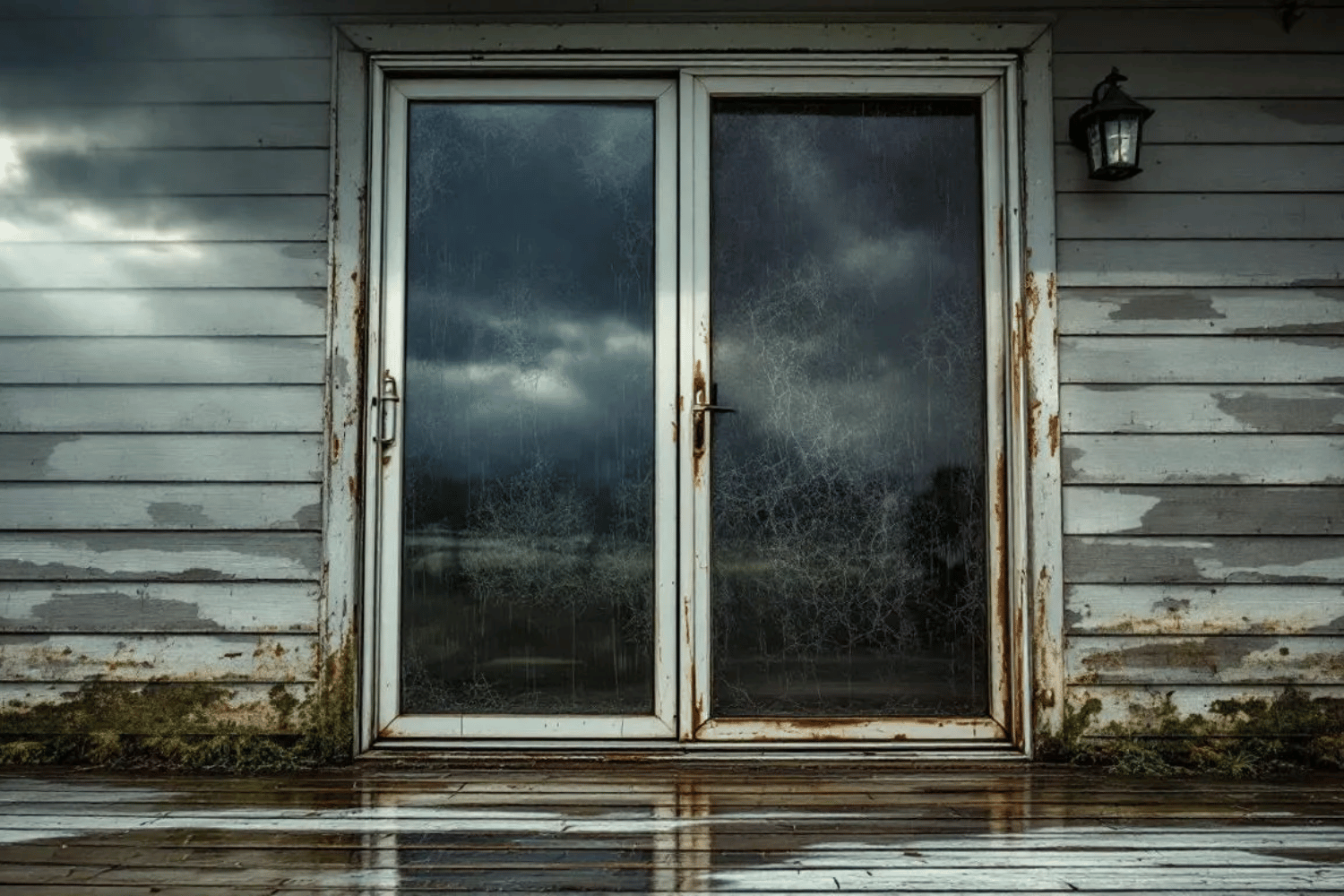
The most frequent problems Missouri homeowners encounter stem from the constant expansion and contraction of door materials. When temperatures swing from sub-zero winters to sweltering summers exceeding 100 degrees, even the highest quality products begin to show wear. Frame materials expand and contract at different rates, creating gaps that compromise the door’s seal and allow fresh air to escape while letting outdoor elements infiltrate your indoor space.
Humidity levels throughout Missouri also create persistent challenges. High moisture content in the air causes wood frames to swell and warp, while metal components may develop corrosion. These conditions make it increasingly difficult for doors to glide smoothly along their tracks, and homeowners often find themselves struggling with a sliding door that once opened effortlessly.
Weather-Related Damage Specific to Missouri
Missouri’s position in tornado alley means severe storms are a regular occurrence, bringing hail, high winds, and rapid pressure changes that can crack glass and damage frames. The state’s average of 45-50 tornadoes annually, combined with frequent severe thunderstorms, creates ongoing threats to patio door integrity.
The freeze-thaw cycle that occurs throughout Missouri winters is particularly destructive to door seals and weather-stripping. Water that penetrates small gaps during warm periods freezes when temperatures drop, expanding and creating larger openings. This process repeats throughout the winter months, progressively worsening air leaks and compromising the door’s energy efficiency.
Ice formation on tracks is another Missouri-specific problem that can damage rollers and bend track components. When ice accumulates in the door’s path, forcing the door open can permanently damage the wheels and track system, leading to expensive repairs or complete replacement needs.
When Replacement Is Better Than Repair
Determining whether to repair or replace a problematic patio door requires careful cost analysis and consideration of long-term value. The general rule suggests replacement when repair costs exceed 50% of a new door’s price, but Missouri’s harsh climate often makes this threshold even lower.
Multiple simultaneous problems typically indicate systemic failure that repairs cannot adequately address. When your sliding glass door exhibits difficulty opening, persistent air leaks, and water infiltration simultaneously, these interconnected issues suggest the entire system needs replacement rather than piecemeal fixes.
Age plays a crucial factor in Missouri homes, where doors older than 15-20 years have likely endured enough temperature extremes to compromise their structural integrity. Even high-quality doors installed two decades ago lack the energy efficient features available in modern replacement options, making upgrade financially beneficial through reduced energy bills.
The energy efficiency improvements available through replacement often justify the investment regardless of repair costs. Modern energy efficient sliding doors with low-E glass coatings and advanced weatherproofing can reduce heating and cooling expenses by 20-30% in Missouri’s variable climate, creating substantial long-term savings.
Safety and security concerns that repairs cannot adequately address also tip the scale toward replacement. Broken lock mechanisms, cracked glass panels, or warped frames compromise your home’s security, and temporary fixes may not provide reliable protection against break ins or severe weather events.
Clear Signs Your Patio Door Needs Replacement
Several unmistakable symptoms indicate your patio door has reached the point where replacement offers better value than continued repairs. Difficulty opening or closing the door, especially if it requires significant force or makes grinding noises, suggests track or roller damage that may affect the entire system’s alignment.
Visible condensation between glass panes is a clear sign of seal failure that cannot be repaired. Once the hermetic seal breaks, moisture infiltrates the space between panes, and the only solution is glass replacement or complete door replacement, depending on the door’s overall condition.

Water leaks and staining around the door frame during Missouri storms indicate weatherstripping failure and possible frame damage. These leaks not only increase energy bills but can cause serious water damage to flooring and walls if left unaddressed. Professional installers can often identify the extent of damage and recommend whether targeted repairs or full replacement offers the best long-term solution.
Persistent drafts that increase energy bills despite weather-stripping replacement suggest deeper structural issues. If you can feel air movement around the door even after installing new seals, the frame may be warped or the door may be improperly aligned in ways that only replacement can correct.
Energy Efficiency Warning Signs
Energy efficiency problems become particularly noticeable during Missouri’s extreme seasons. Noticeable temperature differences near the patio door during hot summers or cold winters indicate insufficient insulation that increases your HVAC system’s workload.
Ice formation on interior glass surfaces during Missouri winters is a clear sign that the door lacks adequate insulation properties. Modern energy efficient sliding doors with proper gas fill and low-E coatings prevent this condensation while maintaining comfortable indoor temperatures.
Higher than normal heating and cooling bills often correlate with failing patio doors, especially in homes with older single-pane sliding glass doors. Upgrading to double or triple-pane units with advanced insulation features typically pays for itself within 5-10 years through reduced energy costs.
Benefits of Patio Door Replacement in Missouri
Replacing problematic patio doors delivers immediate and long-term benefits that extend far beyond solving operational issues. Enhanced energy efficiency provides the most significant ongoing value, with modern doors offering superior insulation that maintains comfortable indoor temperatures regardless of Missouri’s weather extremes.
Improved storm resistance becomes crucial for Missouri homeowners who face regular severe weather threats. New patio doors feature impact-resistant glass options designed to withstand hail and debris, while reinforced frames and advanced locking systems provide better security against both weather events and potential break ins.
The aesthetic appeal of modern designs can dramatically enhance your home’s appearance and increase its market value. Contemporary patio doors offer larger glass areas that maximize natural light and provide better views of your backyard or patio space, creating a more open and inviting indoor environment.
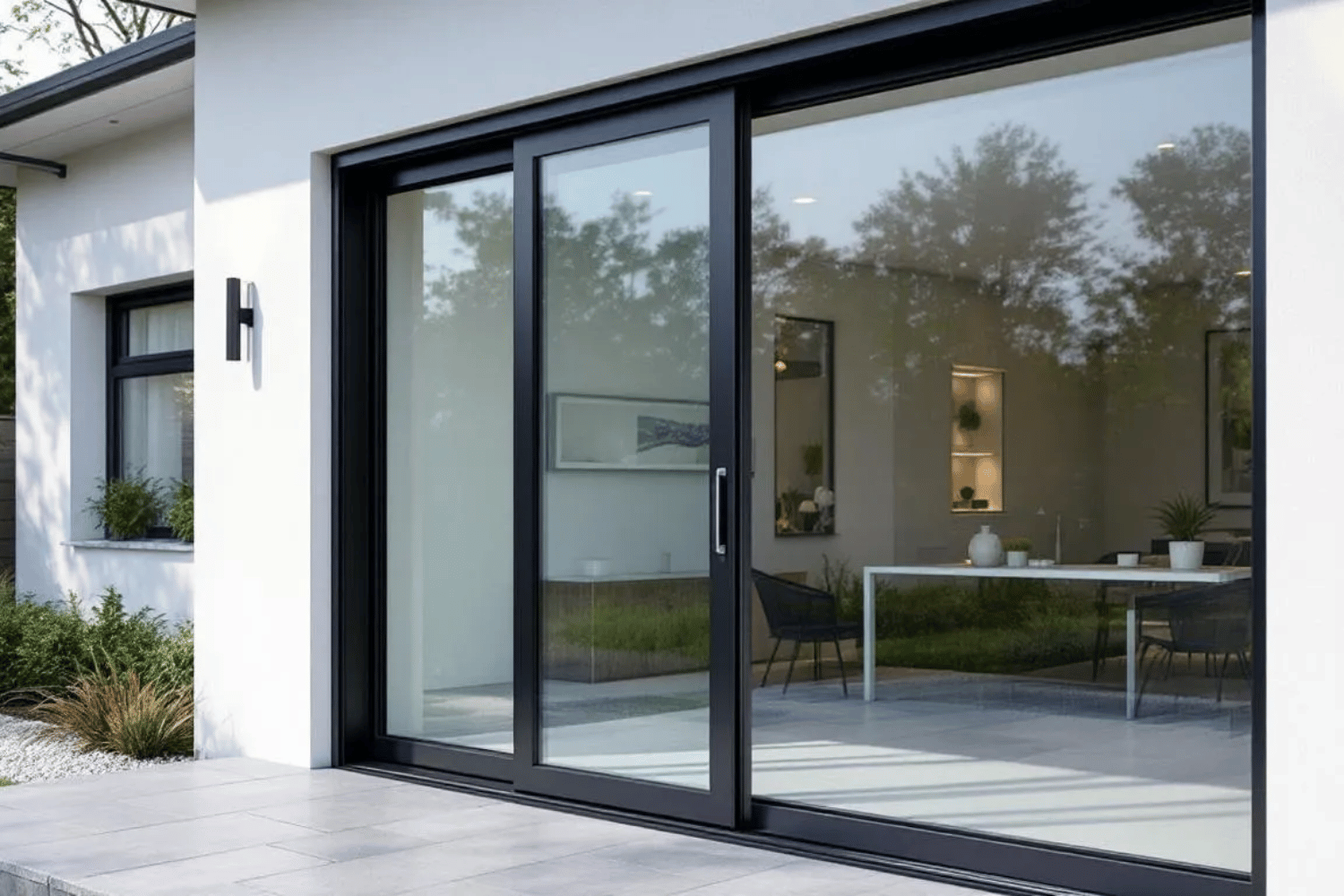
Modern materials are specifically designed to withstand Missouri’s temperature extremes without the warping, cracking, or seal failure that affects older doors. Quality products from manufacturers like Pella incorporate advanced weatherproofing technologies that maintain their integrity and performance for decades.
Warranty protection provides peace of mind for this significant investment. Most premium sliding glass door manufacturers offer comprehensive warranties covering both materials and installation, protecting homeowners against defects and ensuring long-term value.
Types of Replacement Patio Doors for Missouri Climate
Choosing the right replacement door material is crucial for long-term performance in Missouri’s challenging climate. Vinyl patio doors offer excellent insulation properties and resistance to temperature fluctuations without requiring regular maintenance like painting or staining. These doors perform exceptionally well during Missouri winters while providing energy savings throughout the year.
Fiberglass doors provide superior strength against Missouri storms while offering better insulation than traditional aluminum options. These doors resist warping, cracking, and seal failure even under extreme temperature variations, making them an excellent choice for homeowners seeking durability and energy efficiency.
Aluminum doors with thermal breaks represent a cost-effective option that performs well in Missouri’s climate when properly designed. Modern aluminum doors incorporate insulation technology that prevents heat transfer while maintaining the strength needed to withstand severe weather.
Wood-clad options combine the aesthetic appeal of natural materials with weather protection through exterior cladding. These doors offer excellent insulation properties while providing the traditional appearance many homeowners prefer.
Multi-panel sliding doors maximize natural light and views while providing easy access between indoor and outdoor spaces. These designs work particularly well in Missouri homes where maximizing daylight helps offset long winter months.
Glass Options for Missouri Weather
Low-E glass coatings significantly reduce heat transfer during Missouri’s hot summers while retaining warmth during cold winters. These coatings reflect infrared energy while allowing visible light to pass through, maintaining comfortable indoor temperatures year-round.
Double and triple-pane options provide maximum insulation performance for Missouri’s extreme temperature variations. Triple-pane glass offers the highest energy efficiency but may not be necessary in all Missouri locations depending on your specific climate zone and energy goals.
Impact-resistant glass protects against Missouri hailstorms and wind-borne debris during severe weather events. This specialized glass maintains its integrity even when struck by hail or branches, preventing dangerous breaks that compromise security and weather protection.
Argon gas fill enhances insulation performance by replacing air between glass panes with this inert gas that conducts less heat than regular air. This technology works particularly well in Missouri where maintaining consistent indoor temperatures challenges HVAC systems throughout the year.
Cost Considerations for Missouri Homeowners
Understanding the total cost picture helps Missouri homeowners make informed decisions about patio door replacement. Average replacement costs range from $1,200 to $4,000 depending on door size, material quality, and installation complexity, but this investment often pays for itself through energy savings and avoided repair costs.
Ongoing repair expenses for problematic doors can quickly accumulate, especially when multiple issues require attention simultaneously. Homeowners who delay replacement often spend hundreds of dollars annually on temporary fixes that fail to address underlying problems, making replacement the more economical long-term choice.
Energy savings calculations based on Missouri utility rates show that efficient replacement doors typically reduce heating and cooling costs by $200-500 annually. With average Missouri electricity rates and natural gas prices, homeowners can often recover their investment within 5-8 years while enjoying improved comfort throughout the payback period.
Available rebates and tax credits for energy-efficient installations can significantly reduce upfront costs. Many Missouri utility companies offer rebates for ENERGY STAR qualified doors, while federal tax credits may apply to qualifying energy efficient products.
Financing options make replacement more affordable for homeowners who want to avoid depleting savings. Many door installers offer payment plans that allow homeowners to start saving money immediately while spreading the investment over several years.
Long-term value analysis should include increased home resale value from modern, efficient doors. Real estate professionals report that updated patio doors enhance curb appeal and energy efficiency ratings that attract potential buyers and support higher selling prices.
Frequently Asked Questions
How long do patio doors typically last in Missouri’s climate?
Quality patio doors typically last 15-20 years in Missouri’s challenging climate, though extreme weather conditions can shorten this lifespan considerably. Vinyl and fiberglass doors generally outlast aluminum options in Missouri’s temperature extremes due to their superior resistance to expansion and contraction. Regular maintenance including cleaning tracks, lubricating rollers, and replacing weather-stripping can extend door life, but cannot prevent age-related seal failure and frame deterioration that eventually require replacement.
What time of year is best for patio door replacement in Missouri?
Late spring through early fall offers optimal installation conditions in Missouri, with May through September providing the most favorable weather for exterior work. Avoid winter installation when possible due to Missouri’s harsh weather conditions that can complicate the installation process and expose your home to cold temperatures during the work. Summer installations may have longer lead times due to higher demand from contractors, so start planning early if you prefer warm-weather installation. Fall installations prepare homes for winter energy efficiency, making this an ideal time to schedule replacement work.
Can I replace just the glass instead of the entire patio door?
Glass-only replacement is possible if the frame and hardware remain structurally sound, but this option is often not cost-effective compared to full replacement on doors older than 10-15 years. Mismatched components between old frames and new glass may reduce overall door performance and energy efficiency. Professional assessment determines feasibility based on door age, frame condition, and whether the existing frame can accommodate modern energy efficient glass options. In many cases, the additional benefits of new frames, hardware, and installation make complete replacement the better long-term investment.
How much can new patio doors save on energy bills in Missouri?
Energy-efficient replacement doors can reduce heating and cooling costs by 20-30% compared to older, inefficient models, with savings particularly significant during Missouri’s extreme temperature seasons. Annual savings typically range from $200-500 depending on home size, current door condition, and local utility rates. The payback period for replacement doors generally falls within 5-10 years, with additional savings from reduced HVAC maintenance and longer equipment life. Homes upgrading from single-pane to triple-pane doors with low-E coatings see the most dramatic energy bill reductions.
Do I need permits for patio door replacement in Missouri?
Most Missouri municipalities require permits for patio door replacement to ensure installation meets local building codes and safety standards. Professional installers typically handle permit applications and coordinate required inspections as part of their service. Permit requirements vary by city and county within Missouri, with some areas requiring additional approvals for doors that change opening sizes or locations. Proper permits protect homeowners by ensuring work meets code requirements and may be necessary for insurance claims related to installation issues. Always verify local requirements with your installer or municipal building department before beginning work.
