
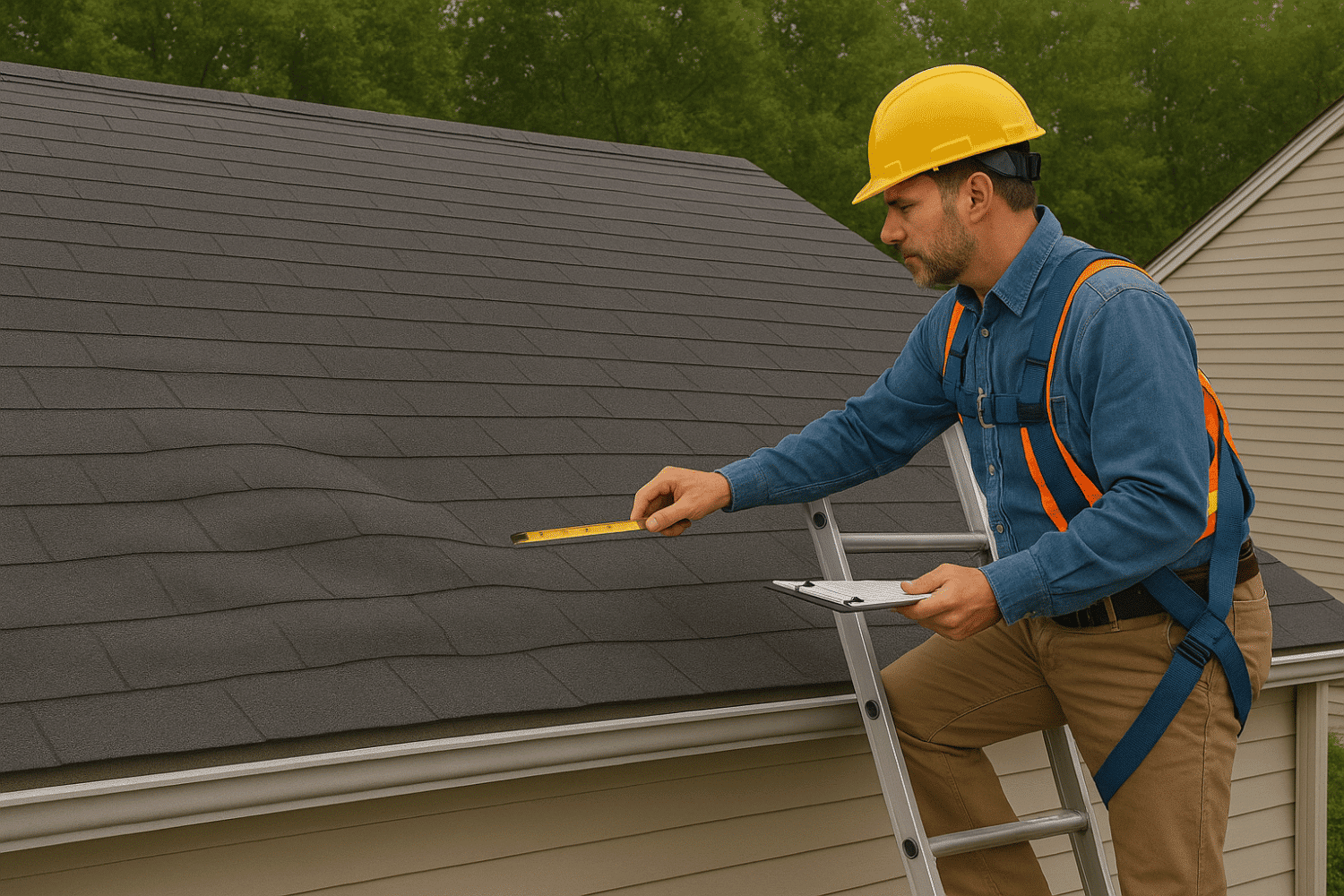
Roof Soft Spots: What They Mean and When Replacement is Your Best Option
Walking across your roof and feeling a spongy, bouncy section beneath your feet is never a good sign. According to insurance industry data, roof leaks and associated damage account for over 30% of homeowners insurance claims related to weather and water losses. When you discover roof soft spots on your property, you’re facing a critical decision that could impact both your home’s structural integrity and your wallet.
Understanding what roof soft spots mean and when replacement becomes your best option requires careful evaluation of multiple factors. While some homeowners rush into costly repairs without proper assessment, others delay action until minor issues become major structural disasters. This comprehensive guide will help you make an informed decision about whether targeted soft spot repairs or full roof replacement provides the most effective solution for your specific situation.
Key Takeaways
- Roof soft spots are spongy, bouncy areas that indicate water damage and deteriorating roof decking beneath shingles
- Replacement becomes necessary when soft spots cover more than 25% of the roof area or structural damage is extensive
- Multiple soft spots, sagging roof lines, and interior water damage often signal that repair won’t be sufficient
- Professional inspection is essential to determine whether targeted repairs or full replacement will provide the most cost-effective solution
- Acting quickly on soft spots can prevent minor issues from escalating to full replacement scenarios
What Roof Soft Spots Mean
A roof soft spot refers to any area where the roofing surface feels noticeably less rigid, creating a spongy or bouncy sensation when walked upon. These soft areas indicate serious underlying problems with your roof’s structural integrity, specifically involving the deterioration of roof decking materials like plywood sheeting or oriented strand board (OSB) that forms the foundation beneath your roofing materials.
Unlike surface-level issues with missing or damaged shingles, soft spots signal that moisture has penetrated deep into your roofing system. The wood rot occurring in your roof decking creates these compromised areas where the structural support has weakened significantly. When moisture buildup reaches the wood components, fungi begin breaking down cellulose and lignin, causing the once-solid foundation to become soft and unreliable.
Visual warning signs often accompany the tactile sensation of soft spots. You might notice sagging shingles, buckled roofing material, or darkened patches across your roof surface. These visible indicators suggest that the underlying problems have progressed beyond the initial stages of water damage. Areas with poor drainage frequently show these symptoms first, as standing water accelerates the deterioration process.
The relationship between moisture penetration and structural deterioration creates a self-reinforcing cycle. Once soft spots develop, they allow even more water to infiltrate your roofing system, leading to more soft spots and expanding the affected area. This progression explains why prompt action becomes crucial when you first discover these problem areas on your roof.
Common Causes Behind Roof Soft Spots
Water infiltration from damaged or missing shingles represents the most common pathway for moisture to reach your roof decking. Storm damage, aging roofing materials, and improper installation create vulnerabilities where water can penetrate your roofing system. Even small gaps in your roofing material can allow significant moisture intrusion over time, especially during heavy rain or snow events.
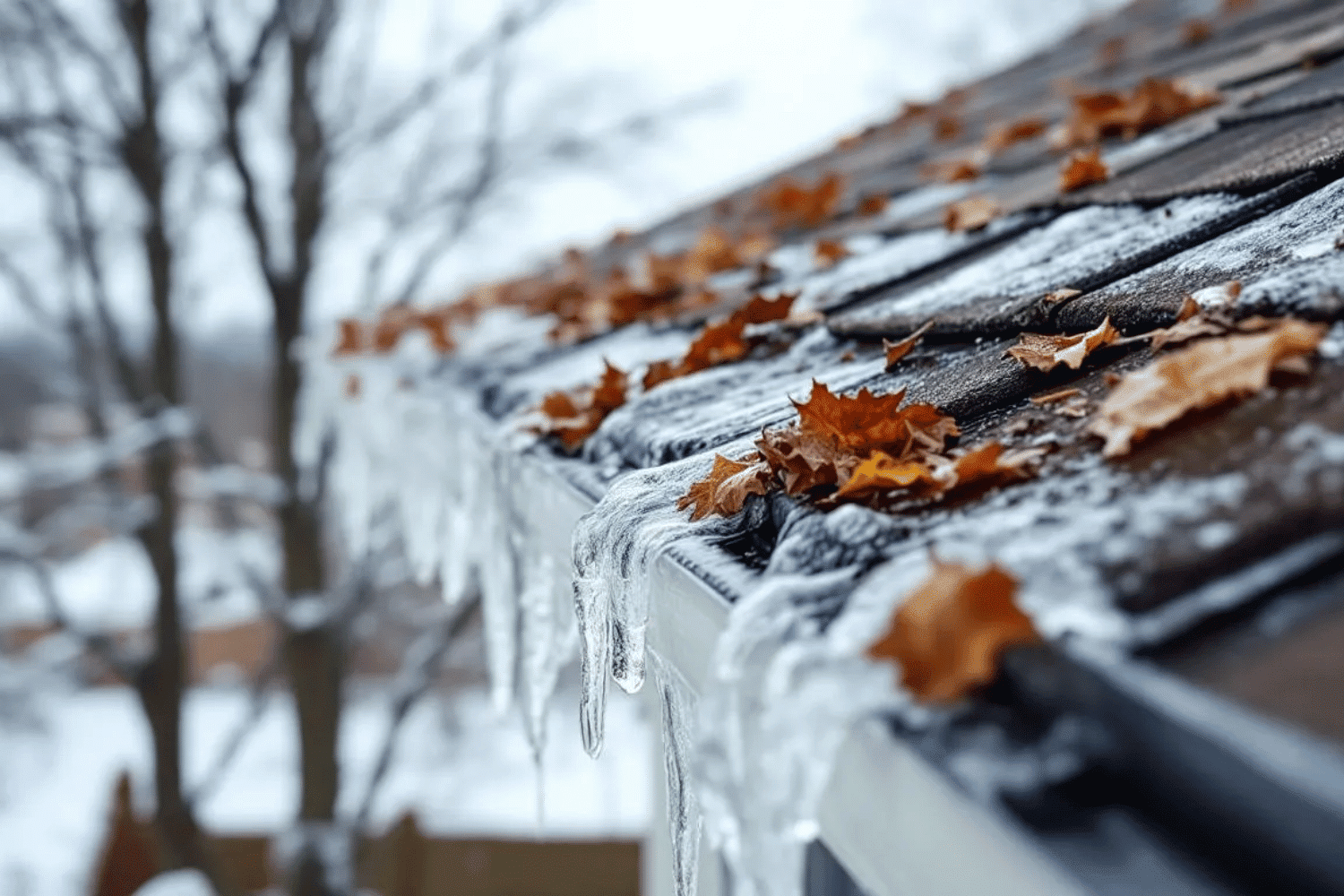
Clogged gutters create particularly problematic conditions for soft spot development. When gutters fill with debris, water backs up along your roof edge, creating ice dams during winter months. This backup forces water under your shingles and into the roof decking, where it saturates the wood and begins the deterioration process. Regular maintenance of your gutters provides essential protection against this common cause of roof soft spots.
Inadequate ventilation in your attic creates another significant risk factor for developing soft spots. Poor air circulation allows humidity to build up in the space beneath your roof, leading to condensation on the underside of your roof decking. This trapped moisture creates ideal conditions for wood rot and mold growth, weakening your roof’s structural foundation from within.
Aging roofing materials naturally become more susceptible to water penetration as they approach the end of their expected lifespan. Asphalt shingles typically last 20-30 years, but harsh weather conditions can accelerate their deterioration. Failed flashing around chimneys, vents, and other roof penetrations also creates entry points for water infiltration that leads to soft spot development.
Storm damage from hail, wind, or heavy snow loads can cause immediate damage that creates conditions for soft spots to develop. While the initial impact might seem minor, compromised shingles or damaged flashing can allow water infiltration that progressively worsens over time. Understanding these various causes helps homeowners recognize risk factors and take preventive action before major problems develop.
When Repair is Sufficient vs. When Replacement is Your Best Option
Signs That Indicate Repair Can Address the Problem
Single isolated soft spots smaller than 4×4 feet often represent localized damage that targeted repairs can effectively address. When you can identify a specific source for the water infiltration, such as recent storm damage or a fallen branch, the problem likely hasn’t had time to spread throughout your roofing system. In these cases, a professional roofing contractor can remove the affected decking, replace the damaged sections, and restore your roof’s structural integrity.
Recent damage from identifiable sources typically responds well to prompt repair efforts. If your roof age remains under 15 years and the rest of your roofing system shows good condition, investing in repairs often provides excellent value. The key factor involves ensuring that no interior water damage or mold growth has developed, indicating that the problem remains contained to the roof structure itself.
Cost considerations play a crucial role in determining repair feasibility. When repair costs remain less than 20% of full roof replacement expenses, addressing the specific problem areas makes financial sense. Professional evaluation helps determine whether the soft spot represents an isolated incident or part of a larger pattern of deterioration affecting your entire roofing system.
Clear Indicators That Replacement is the Better Choice
Multiple soft spots scattered across different roof sections signal systemic problems that individual repairs cannot adequately address. When soft spots appear in non-adjacent areas, the underlying causes likely affect your entire roofing system. Attempting to patch these widespread issues often results in recurring problems and escalating repair costs that exceed replacement expenses.
Industry guidelines generally recommend full roof replacement when soft spots cover more than 25% of your total roof area. At this threshold, the cost of necessary repairs approaches replacement costs while providing inferior long-term results. Extensive damage requires removing large sections of roofing material and decking, making comprehensive replacement more efficient and cost-effective.

Visible sagging of roof lines or structural deformation indicates serious structural issues that extend beyond surface-level problems. When your roof’s structural integrity becomes compromised to this degree, repairs cannot restore proper load-bearing capacity. Professional assessment becomes essential to determine whether supporting rafters or trusses have sustained damage requiring extensive reconstruction.
Roof age exceeding 20-25 years for asphalt shingles, combined with soft spot development, typically justifies replacement consideration. Older roofing systems often have multiple vulnerabilities that make them susceptible to continued deterioration. Even successful soft spot repairs on aging roofs frequently lead to additional problems within a few years.
Extensive interior water damage, mold growth, or ceiling damage indicates that moisture infiltration has affected your home’s living spaces. When soft spots have progressed to this stage, the underlying moisture problems require comprehensive addressing that repair efforts cannot adequately provide. The health risks associated with mold growth and structural damage to interior spaces often necessitate complete roofing system replacement.
Cost Considerations: Repair vs. Replacement
Understanding the financial implications of repair versus replacement decisions requires examining both immediate costs and long-term value. Targeted soft spot repairs typically range from $300 to $1,500 per affected area, depending on the extent of damage and accessibility. These costs include removing damaged shingles, cutting away rotted roof decking, installing new plywood or OSB, and replacing the roofing material.
Full roof replacement costs average between $8,000 and $15,000 for standard asphalt shingle systems on typical residential properties. Complex roof designs, premium roofing materials, or challenging installation conditions can increase these costs to $25,000 or more. While replacement represents a significant investment, it provides comprehensive protection and typically includes warranties covering both materials and workmanship.
The long-term financial impact of repeated repairs often exceeds the cost of proactive replacement. Homeowners who attempt multiple repair approaches on aging or extensively damaged roofing systems frequently find themselves spending thousands of dollars over several years without achieving lasting solutions. Professional roofing contractors recommend replacement when repair costs exceed 50% of replacement expenses or when repairs cover more than 30% of the roof area.
Insurance coverage considerations significantly affect the financial equation for both repairs and replacement options. Storm-related damage typically receives coverage under standard homeowners policies, while damage from normal wear, poor maintenance, or gradual deterioration usually falls outside coverage parameters. Understanding your policy’s specific provisions helps you plan financially for necessary roof work.
Energy efficiency improvements that accompany full roof replacement provide ongoing value through reduced utility costs. Modern roofing systems include enhanced insulation, proper ventilation, and energy-efficient materials that improve your home’s thermal performance. These benefits often offset a portion of replacement costs through lower heating and cooling expenses over the roof’s lifespan.
Professional Assessment: Making the Right Decision
Hiring a licensed professional roofing contractor for accurate evaluation provides essential information for making informed repair versus replacement decisions. Experienced contractors possess the expertise to identify hidden damage, assess structural integrity, and evaluate the overall condition of your roofing system. Their professional assessment helps you understand the full scope of necessary work and avoid costly mistakes.
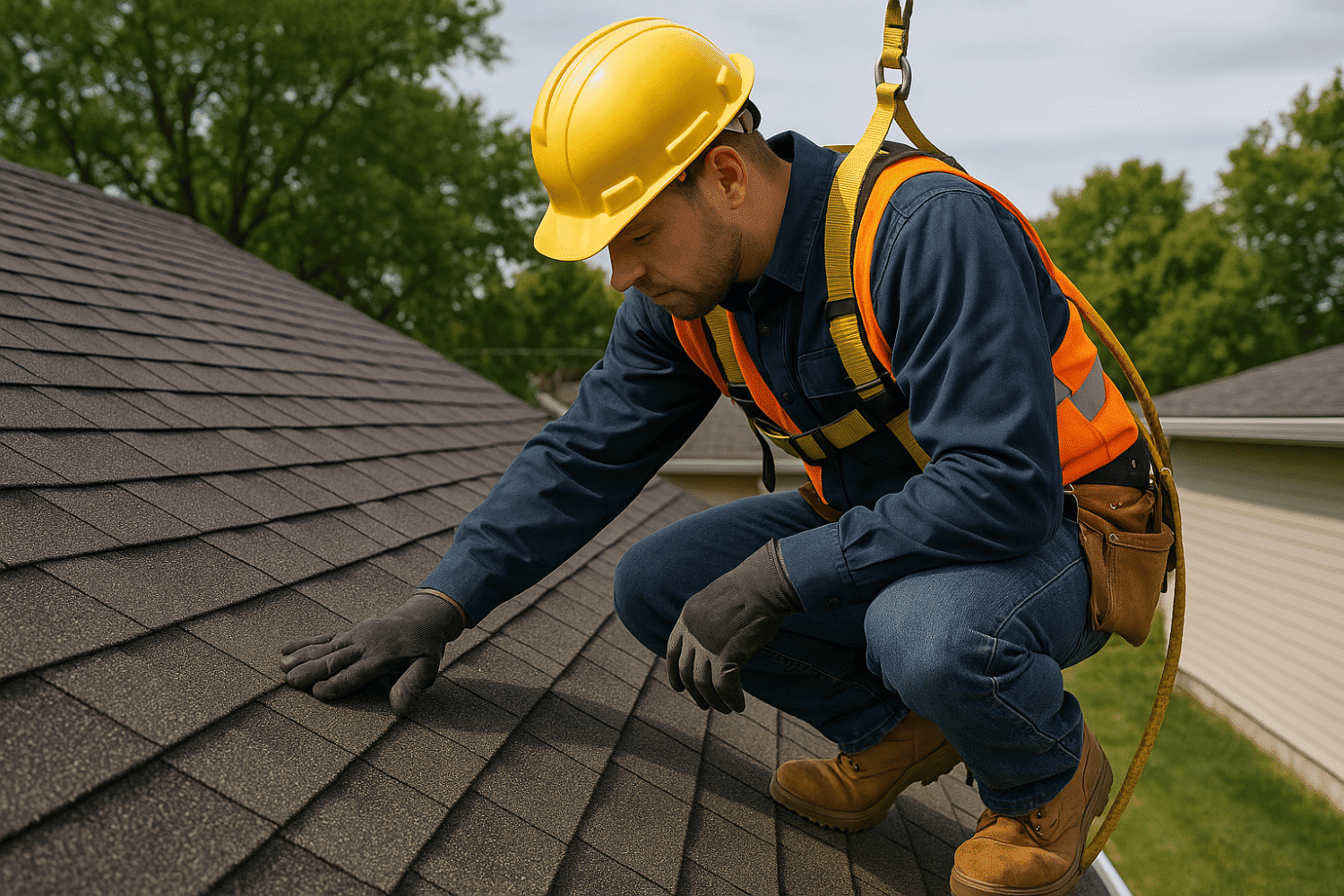
During a comprehensive roof inspection, qualified professionals examine both visible surface conditions and underlying structural components. They check for signs of water damage in your attic space, evaluate the condition of roof decking, and assess the integrity of flashing around penetrations. This thorough inspection reveals problems that might not be apparent during casual observation from ground level.
Questions to ask contractors about repair versus replacement recommendations include inquiring about the expected lifespan of proposed repairs, warranty coverage for different approaches, and the likelihood of recurring problems. Reputable contractors provide detailed explanations of their assessment process and clear reasoning for their recommendations. They should also discuss preventive measures to avoid future soft spot development.
Red flags indicating contractors might be pushing unnecessary replacement include high-pressure sales tactics, demands for immediate decisions, or reluctance to explain their assessment process. Legitimate professionals encourage homeowners to obtain multiple opinions for major roofing decisions and provide detailed written estimates that clearly outline the scope of recommended work.
Getting multiple opinions for significant roofing investments helps ensure you receive accurate assessments and fair pricing. Different contractors may identify various approaches to addressing your specific situation, providing valuable perspective on the most appropriate solution. Comparing these professional evaluations helps you make confident decisions about protecting your home’s structural integrity.
Preventing Future Soft Spots
Regular roof inspections, particularly after severe weather events, provide the foundation for preventing soft spots from developing on your roof. Annual professional inspections help identify minor issues before they evolve into major structural problems. These proactive assessments allow you to address small problems with simple repairs rather than waiting until extensive damage requires costly solutions.
Maintaining proper gutter function through regular cleaning and maintenance prevents water backup that commonly leads to soft spot development. Establishing a seasonal cleaning schedule ensures your gutters can effectively channel water away from your roof and foundation. Installing gutter guards reduces debris accumulation and minimizes maintenance requirements while protecting against clogs that cause water infiltration.
Ensuring adequate attic ventilation prevents moisture buildup that contributes to roof decking deterioration. Proper ventilation systems include both intake vents along the eaves and exhaust vents near the ridge, creating airflow that removes excess humidity. Balanced ventilation helps maintain consistent temperatures and prevents ice dam formation during winter months.
Prompt repair of damaged or missing shingles prevents water infiltration that leads to soft spot development. Addressing roofing material problems immediately after storms or when you notice issues during routine maintenance prevents minor damage from escalating. Professional roofers can quickly replace individual shingles or repair small sections before water reaches your roof decking.
Tree trimming around your home prevents debris buildup and reduces the risk of branch damage during storms. Overhanging branches deposit leaves and organic matter on your roof, creating conditions that retain moisture and accelerate roofing material deterioration. Maintaining appropriate clearance between trees and your roofing system provides protection against both debris accumulation and physical damage.
Taking Action: Next Steps When You Discover Soft Spots
Immediate safety precautions become essential when you discover compromised areas on your roof. Never walk on sections you suspect may be soft spots, as the damaged roof decking could give way and cause serious injury. Mark these areas for professional evaluation and avoid placing any additional weight on suspect sections until qualified contractors can assess the structural integrity.
Documenting damage with photographs provides valuable evidence for insurance claims and helps contractors understand the scope of problems before their on-site evaluation. Take pictures from multiple angles, including close-ups of affected areas and wide shots showing the overall roof condition. This documentation proves particularly important when working with insurance companies to determine coverage for storm-related damage.
Scheduling professional inspection within 48 to 72 hours of discovering soft spots helps prevent further deterioration and allows for prompt problem resolution. Many roofing contractors offer emergency inspection services for urgent situations. Rapid response becomes especially important during rainy seasons when continued moisture exposure can quickly worsen existing damage.
Temporary measures to prevent further water intrusion may include placing tarps over affected areas or using emergency sealants around obvious leak sources. While these short-term solutions cannot replace proper repairs, they help minimize additional damage until professional work can begin. Ensure any temporary measures don’t create additional safety hazards or interfere with professional assessment.
Timeline considerations for completing repairs or replacement depend on weather conditions, contractor availability, and the extent of necessary work. Simple repairs might be completed within a few days, while full replacement projects typically require one to two weeks. Planning for these timelines helps you arrange temporary accommodations if extensive interior damage requires additional restoration work.
Understanding the progression from discovery to resolution helps you maintain realistic expectations and coordinate necessary resources. Professional contractors provide detailed project timelines and help you understand how weather conditions or unexpected discoveries might affect completion schedules. Clear communication throughout this process ensures successful problem resolution and restoration of your roof’s protective function.
FAQ
How quickly do I need to address a soft spot on my roof?
Soft spots require immediate attention within days, not weeks, as they indicate active water damage that worsens rapidly with each rain event and can lead to structural failure or interior damage if left untreated. The longer you wait, the more extensive and expensive the necessary repairs become, as moisture continues to deteriorate the wood decking and potentially spread to other areas of your roofing system.
Can I walk on my roof to inspect soft spots myself?
Never walk on areas you suspect are soft spots, as the compromised decking could give way and cause injury; instead, observe from ground level with binoculars or hire a professional inspector who has proper safety equipment and training. Professional roofers have the expertise to safely navigate damaged roofs and the tools necessary to properly assess structural integrity without risking personal safety.
Will homeowners insurance cover soft spot repairs or replacement?
Coverage depends on the cause – storm damage, wind, or hail-related soft spots are typically covered, while soft spots from normal wear, poor maintenance, or gradual deterioration are usually excluded from standard homeowners policies. Review your policy carefully and document the circumstances that led to the damage, as proper documentation can significantly impact your claim’s success.
How do I know if multiple small repairs will cost more than replacement?
Generally, if repair costs exceed 50% of replacement cost, or if you need repairs covering more than 30% of your roof area, replacement becomes more economical and provides better long-term value than piecemeal fixes. Professional contractors can provide detailed cost comparisons that factor in the likelihood of future problems and warranty coverage differences between repair and replacement options.
What happens if I ignore soft spots on my roof?
Ignored soft spots lead to progressive structural damage, potential roof collapse, extensive interior water damage, mold growth, compromised insulation, and ultimately much higher repair costs that could reach tens of thousands of dollars. The self-reinforcing nature of water damage means that small problems quickly become major structural issues that threaten both your home’s safety and your family’s health.
