
Sliding vs Casement Windows: Which is Better for Your Missouri Home
Key Takeaways
- Casement windows provide superior energy efficiency and ventilation, making them ideal for Missouri’s extreme temperature swings from hot summers to freezing winters
- Sliding windows offer better space utilization and are more affordable upfront, perfect for Missouri homes with limited exterior space or budget constraints
- For Missouri’s severe weather conditions including thunderstorms and tornadoes, casement windows create tighter seals but sliding windows are safer during high winds
- Energy savings from casement windows can offset higher initial costs within 5-7 years in Missouri’s climate with average energy bills of $150-200 monthly
- Both window types work well in Missouri, but your choice should depend on room layout, budget, and specific climate priorities for your Kansas City, St. Louis, or Columbia area home
Quick Answer: Casement Windows Generally Win for Missouri Homes
When it comes to sliding vs casement windows for Missouri homes, casement windows typically emerge as the superior choice for most situations. Missouri’s challenging climate demands windows that can handle extreme temperature fluctuations, from scorching 85°F summers to frigid 25°F winters, often within the same season.
Casement windows excel in Missouri’s climate because they seal tightly against the frame when closed, creating an almost airtight barrier that dramatically reduces heat loss during harsh winters and keeps cool air inside during humid summers. This compression seal technology makes them significantly more energy efficient than sliding windows, which rely on weatherstripping that naturally allows some air leakage.
However, sliding windows aren’t without merit for Missouri homes. They offer distinct advantages for homes with limited exterior space, ranch-style layouts common throughout Missouri, and situations where outward-opening windows might interfere with patios, walkways, or landscaping. Additionally, sliding windows perform better during Missouri’s severe weather events, including thunderstorms and occasional tornadoes, since they don’t protrude outward and risk wind damage.
The choice ultimately depends on your specific priorities: maximum energy efficiency and ventilation favor casement windows, while space constraints and severe weather safety lean toward sliding windows.
Understanding Casement Windows in Missouri
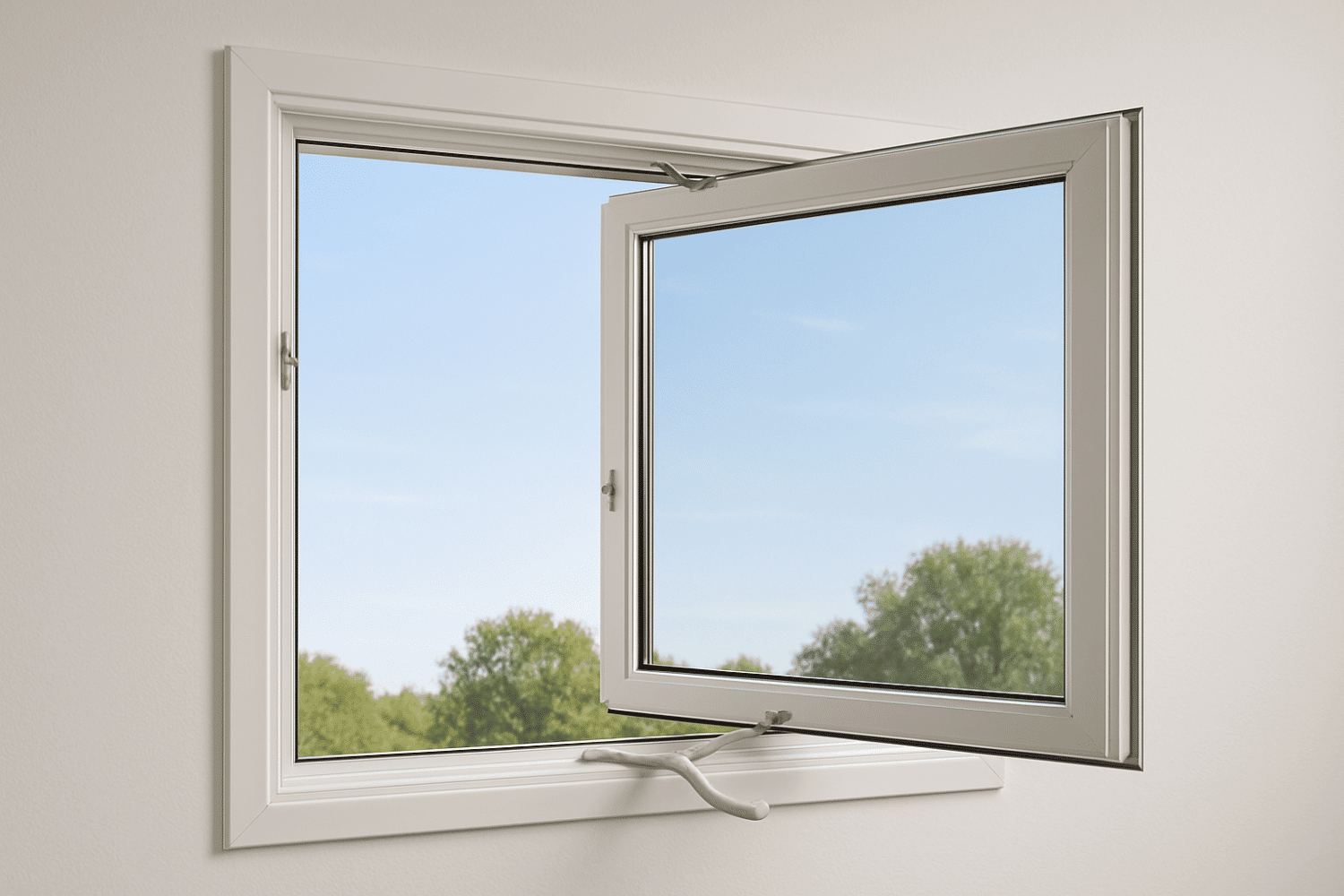
Casement windows are hinged windows that open outward from one side, operated by an easy-to-use crank mechanism. These side-hinged windows have become increasingly popular in Missouri because they address several key challenges that Show-Me State homeowners face throughout the year.
The crank windows design allows the entire window opening to function for ventilation, which proves invaluable during Missouri’s notoriously humid summers when maximum airflow becomes essential for comfort. When you open a casement window fully, you get 100% of the window opening for fresh air circulation, compared to sliding windows that only provide half the opening at any given time.
Missouri’s architectural diversity, from historic neighborhoods in St. Charles to modern developments in Overland Park, accommodates casement windows beautifully. Their clean lines and unobstructed views complement both traditional colonial styles and contemporary designs. The hinges attached to one side create expansive views when closed, making rooms feel larger and brighter.
Most importantly for Missouri’s climate, casement windows create a compression seal when closed. As you turn the crank to close the window, the sash presses tightly against the frame, forming a weather-tight barrier that’s crucial for maintaining indoor comfort during Missouri’s temperature extremes. This sealing mechanism significantly outperforms the flexible seal system used in sliding windows.
Understanding Sliding Windows in Missouri
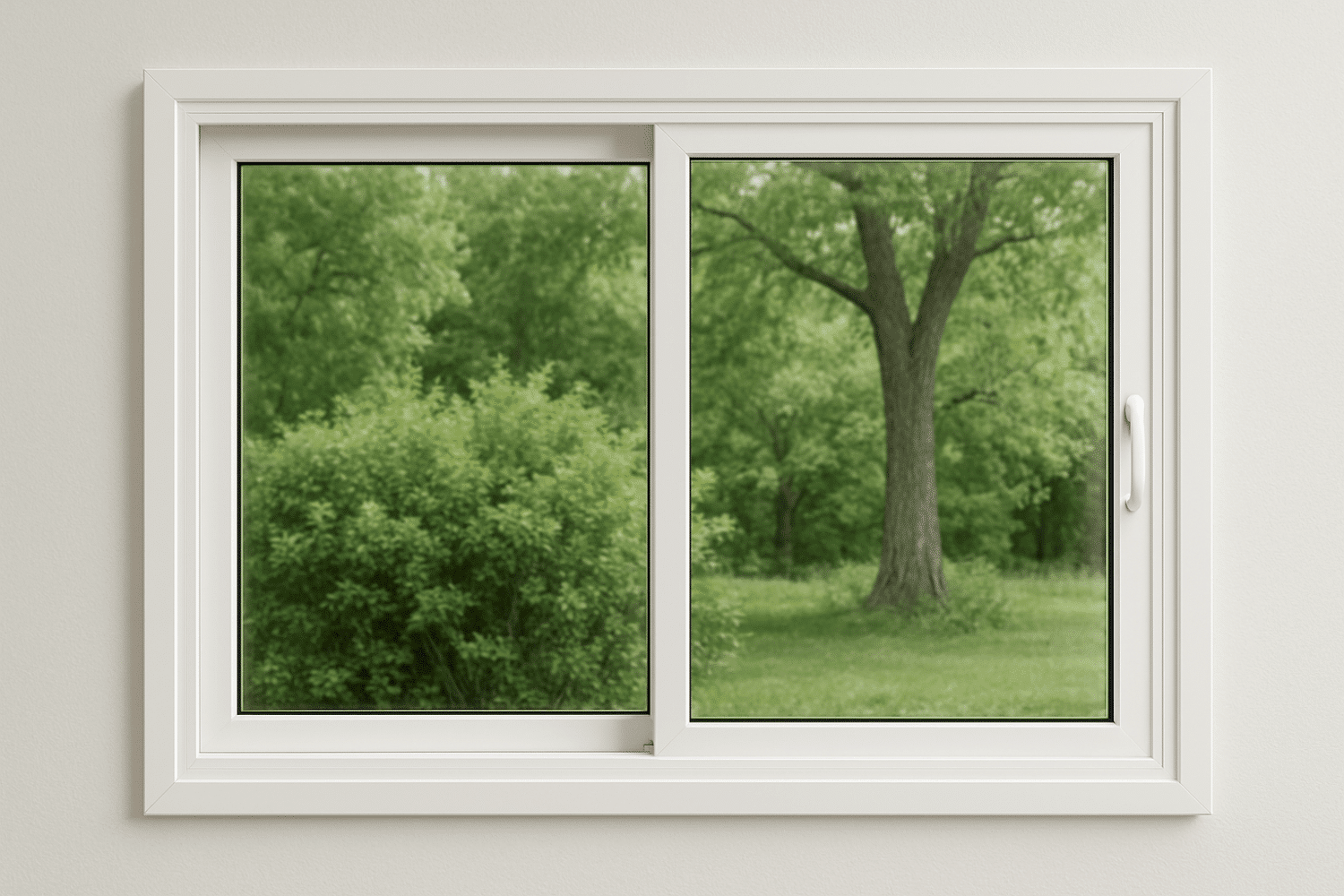
Sliding windows consist of one or more sashes that move horizontally within the window frame, with at least one panel sliding past another to create the window opening. This simple mechanism has made them a popular choice for Missouri’s ranch-style homes and newer construction projects throughout the state.
The primary advantage of sliding windows lies in their space-saving design. Since the sashes slide within the frame rather than opening outward, they don’t require any exterior space for operation. This makes them ideal for Missouri homes where windows face patios, decks, walkways, or are positioned near landscaping where casement windows might interfere with outdoor activities or garden spaces.
Missouri’s severe weather patterns, including thunderstorms with winds exceeding 70 mph and occasional tornadoes, make the non-protruding design of sliding windows a significant safety advantage. While casement windows left open during sudden storms can be damaged or even torn from their hinges, sliding windows remain safely within their frames regardless of wind direction.
Modern sliding windows have evolved significantly from their basic origins. Today’s energy efficient options feature improved weatherstripping, insulated frames, and high-performance glass that performs much better than older slider designs. However, they still cannot achieve the airtight seal that casement windows provide due to their fundamental operating mechanism.
Energy Efficiency Comparison for Missouri Climate
Missouri’s dramatic temperature swings demand exceptional window performance to maintain comfortable indoor conditions while controlling energy bills. The difference in energy efficiency between sliding and casement windows becomes particularly pronounced in Missouri’s challenging climate.
Casement windows achieve superior energy efficiency through their compression seal design. When closed, the window sash presses against the frame with considerable force, creating an almost airtight barrier. This tighter seal dramatically reduces air infiltration, which is crucial during Missouri’s harsh winters when heating costs can skyrocket, and during humid summers when air conditioning systems work overtime.
Independent testing consistently shows casement windows outperforming sliding windows in air leakage tests. While specific performance varies by manufacturer and model, casement windows typically achieve 10-20% better energy efficiency ratings compared to sliding windows using similar frame materials and glass technology.
For Missouri homeowners paying average utility rates of $0.11 per kWh with monthly energy bills ranging from $150-200, this efficiency difference translates to meaningful savings. A typical Missouri home replacing old sliding windows with energy efficient casement windows might see annual energy savings of $200-400, while upgrading to high-performance sliding windows might yield $100-250 in savings.
The freeze-thaw cycles common in Missouri winters particularly challenge window sealing systems. Casement windows’ mechanical compression seals maintain their integrity better through these cycles compared to the weatherstripping used in sliding windows, which can become brittle or lose elasticity over time.
Ventilation and Air Quality in Missouri Homes
Missouri’s climate creates unique ventilation challenges that significantly impact indoor air quality and comfort. The state’s high humidity levels, averaging around 70% during summer months, combined with periods of stagnant air, make effective ventilation crucial for maintaining healthy indoor environments.
Casement windows provide maximum ventilation because they open fully, allowing the entire window space to function for airflow. More importantly, when opened at an angle, the outward-projecting sash acts like a scoop, actively catching and directing outside breezes into the home. This feature proves particularly valuable during Missouri’s humid summer evenings when even slight breezes can significantly improve indoor comfort.
The ability to catch and direct airflow becomes especially important in Missouri’s typical ranch-style homes, which often have box-shaped layouts that can trap stagnant air. Casement windows positioned on opposite walls can create excellent cross-ventilation patterns that help move humid air out while drawing fresh air in.
Sliding windows, by design, can only open halfway at most, since one sash must slide past another. This limited ventilation capacity becomes problematic during Missouri’s stagnant summer days when maximum airflow is essential for comfort and air quality. While you can install double-sliding units where both sashes move, this still provides less airflow than fully opened casement windows.
During Missouri’s notorious spring pollen season, when tree pollen counts soar, the ventilation differences become even more significant. Casement windows can be opened just a crack for minimal air exchange during high pollen days, then opened fully when pollen counts drop, providing better control over indoor air quality.
Space and Installation Considerations for Missouri Homes
Missouri’s diverse housing stock, from compact urban condos in Kansas City to sprawling suburban homes in St. Louis County, presents varying space challenges that significantly influence window choice. Understanding these spatial requirements helps determine which window type works best for specific situations.
Casement windows require clear exterior space to open fully. The sash typically projects 6-12 inches outward when opened, which can interfere with walkways, patios, decks, or landscaping common around Missouri homes. This becomes particularly problematic for ground-level windows facing outdoor living spaces or garden areas.
However, this space requirement isn’t necessarily a disadvantage. In many Missouri suburban homes with adequate yard space, the outward opening provides easy access to exterior glass surfaces for cleaning and maintenance. This accessibility proves valuable for two-story homes where cleaning exterior window surfaces can otherwise require professional services.
Sliding windows excel in tight spaces where exterior clearance is limited. This makes them ideal for Missouri apartments, condominiums, and urban homes where windows may face narrow side yards, air conditioning units, or neighboring structures. They’re also perfect for basement windows or ground-level installations where outward-opening windows might create safety hazards.
Installation complexity varies between the two types. Casement windows require precise alignment of hinges and crank mechanisms, and proper adjustment to ensure tight sealing. Sliding windows generally offer simpler installation since they rely on track systems and don’t require the mechanical precision of hinged systems. However, both window types require professional installation to ensure proper weatherproofing for Missouri’s moisture and temperature variations.
Missouri building codes don’t favor either window type, but they do require specific egress requirements for bedrooms, which both casement and sliding windows can meet when properly sized.
Cost Analysis for Missouri Homeowners
Understanding the true cost of window replacement involves more than just initial purchase price. For Missouri homeowners, the total cost equation must include purchase price, installation costs, long-term energy savings, and maintenance expenses over the window’s lifespan.
Initial costs for sliding windows in Missouri markets typically range from $300-800 per window, depending on size, frame material, and energy efficiency features. Casement windows generally cost $400-1000 per window, reflecting their more complex hardware and sealing systems. These prices reflect averages across major Missouri markets including Kansas City, St. Louis, Springfield, and Columbia.
Installation labor costs in Missouri vary by region but typically add $150-300 per window for either type. However, casement windows sometimes require slightly higher installation costs due to their mechanical components and the precision required for proper operation and sealing.
The long-term savings potential dramatically favors casement windows in Missouri’s climate. With average heating and cooling costs representing 40-50% of home energy usage, the superior energy efficiency of casement windows can generate substantial savings over time. A typical Missouri home replacing old windows with energy efficient casement windows might recover the higher initial investment through energy savings within 5-7 years.
Property value considerations also factor into the cost analysis. High-quality windows of either type add value to Missouri homes, but energy efficient options with superior performance tend to provide better returns during resale. Real estate professionals in Missouri markets consistently report that energy efficient features, including high-performance windows, appeal strongly to buyers concerned about ongoing utility costs.
For budget-conscious Missouri homeowners, sliding windows represent a more affordable option that still provides significant improvements over old or damaged windows, even if they don’t achieve the maximum energy savings possible with casement windows.
Weather Performance in Missouri’s Extreme Conditions

Missouri’s location in Tornado Alley and its continental climate subject homes to extreme weather conditions that test window performance throughout the year. Understanding how sliding and casement windows handle these challenges helps inform the best choice for long-term durability and safety.
During Missouri’s severe thunderstorms, which frequently produce winds exceeding 70 mph, the two window types perform very differently. Casement windows, when properly closed and latched, create extremely secure seals that resist wind infiltration and water penetration. However, if left open during sudden storms, the outward-projecting sash can catch wind and potentially suffer damage or even be torn from hinges.
Sliding windows provide inherent storm safety since they operate within their frames and cannot be caught by wind regardless of their position. This makes them safer choices for Missouri homeowners who may forget to close windows before storms arrive, or for homes in areas where sudden weather changes are common.
Ice storms, which regularly affect Missouri during winter months, create unique challenges for window operation and sealing. The compression seals of casement windows generally maintain their integrity better during freeze-thaw cycles, while the weatherstripping on sliding windows can become brittle or lose flexibility when repeatedly frozen and thawed.
Hail damage represents another significant concern in Missouri. Both window types are equally vulnerable to glass damage from large hail, but casement windows’ outward-opening design can potentially suffer frame damage if caught open during hail storms. Modern impact-resistant glass options are available for both window types to address this concern.
The key to weather performance lies in proper installation and regular maintenance. Both sliding and casement windows need professional weatherproofing appropriate for Missouri’s climate variations, including proper flashing, sealing, and insulation around the frame.
Pros and Cons Specific to Missouri
Casement Windows in Missouri
Advantages:
- Maximum energy efficiency for Missouri’s extreme temperature swings
- Superior air sealing reduces drafts during harsh winters and keeps cool air in during humid summers
- Excellent ventilation captures Missouri’s evening breezes for natural cooling
- Easy cleaning access for Missouri homes with adequate yard space
- Enhanced security with multiple locking points
- Unobstructed views ideal for Missouri’s scenic rural and suburban settings
- Better performance during Missouri’s freeze-thaw cycles
Disadvantages:
- Require exterior clearance space that may interfere with Missouri’s popular outdoor living areas
- Higher initial cost may strain budgets for extensive window replacement projects
- Vulnerable to wind damage if left open during Missouri’s sudden severe weather
- More complex hardware requires regular maintenance in Missouri’s varied climate conditions
- Professional installation essential for proper performance in Missouri’s weather extremes
Sliding Windows in Missouri
Advantages:
- More affordable option for Missouri homeowners on tight budgets
- Space-saving design perfect for Missouri’s ranch-style homes and urban properties
- Storm-safe operation during Missouri’s frequent severe weather
- Simple mechanism requires minimal maintenance
- Low maintenance makes them ideal for Missouri’s busy suburban lifestyles
- Easy operation for elderly residents or those with mobility limitations
Disadvantages:
- Limited ventilation reduces natural cooling options during Missouri’s hot, stagnant summer days
- Lower energy efficiency increases heating and cooling costs year-round
- Air leaks through weatherstripping become more problematic in Missouri’s extreme conditions
- Tracks can collect Missouri’s abundant pollen, dust, and debris, requiring regular cleaning
- More difficult exterior cleaning for multi-story Missouri homes
- Weatherstripping degradation accelerated by Missouri’s UV exposure and temperature extremes
When to Choose Sliding Windows in Missouri
Despite casement windows’ general advantages, specific situations in Missouri favor sliding windows as the optimal choice. Understanding these scenarios helps homeowners make informed decisions based on their unique circumstances.
Limited Exterior Space: Many Missouri homes, particularly in urban Kansas City, St. Louis, and Columbia, have windows positioned near walkways, patios, air conditioning units, or property lines. Sliding windows work perfectly in these situations where outward-opening casement windows would interfere with outdoor activities or neighboring properties.
Budget Constraints: For Missouri homeowners replacing multiple windows simultaneously, the cost difference between sliding and casement windows can be substantial. Sliding windows provide significant improvement over old, inefficient windows while keeping replacement costs manageable for extensive projects.
Severe Weather Safety: In Missouri areas prone to sudden severe weather, sliding windows offer peace of mind since they cannot be damaged by wind when open. This makes them ideal for homes where windows might be left open during rapidly changing weather conditions.
Ranch-Style Homes: Missouri’s abundant ranch-style homes often feature long, horizontal window openings that suit sliding windows perfectly. The horizontal lines of sliding windows complement these architectural styles while providing appropriate scale for wide wall spaces.
Accessibility Needs: For Missouri residents with mobility limitations or elderly family members, sliding windows’ simple operation requires minimal force and no reaching outside to operate cranks. This makes them more accessible than casement windows for many users.
Basement and Lower-Level Applications: Many Missouri homes feature basement family rooms or lower-level living spaces where sliding windows provide appropriate egress options without the clearance requirements of casement windows.
When to Choose Casement Windows in Missouri
Casement windows represent the optimal choice for Missouri homes when energy efficiency, ventilation, and long-term value take priority over initial cost considerations.
Energy Efficiency Priorities: Missouri homeowners focused on minimizing heating and cooling costs should choose casement windows for their superior sealing capabilities. The energy savings become particularly significant in homes with many windows or in areas with extreme temperature variations.
Maximum Ventilation Needs: Kitchens, bathrooms, and laundry rooms in Missouri homes benefit from casement windows’ superior airflow capabilities. These spaces generate heat and humidity that require excellent ventilation for comfort and moisture control.
Historic Home Renovations: Many of Missouri’s historic neighborhoods feature older homes that originally had casement windows. Replacing them with modern energy efficient casement windows maintains architectural authenticity while dramatically improving performance.
Rural and Suburban Homes: Missouri homes with adequate yard space can take full advantage of casement windows’ benefits without space constraints. These properties often have the exterior clearance needed for safe casement operation.
View Optimization: Missouri homes with scenic views of countryside, rivers, or urban skylines benefit from casement windows’ unobstructed glass areas. The lack of center rails or muntins maximizes the view area.
Long-Term Investment Mindset: Homeowners planning to stay in their Missouri homes for many years can benefit from casement windows’ superior performance and durability, even though the higher initial investment takes time to recover through energy savings.
New Construction: Building new homes in Missouri provides the opportunity to design adequate clearance space around casement windows, maximizing their benefits while avoiding space conflicts.
Professional Installation in Missouri
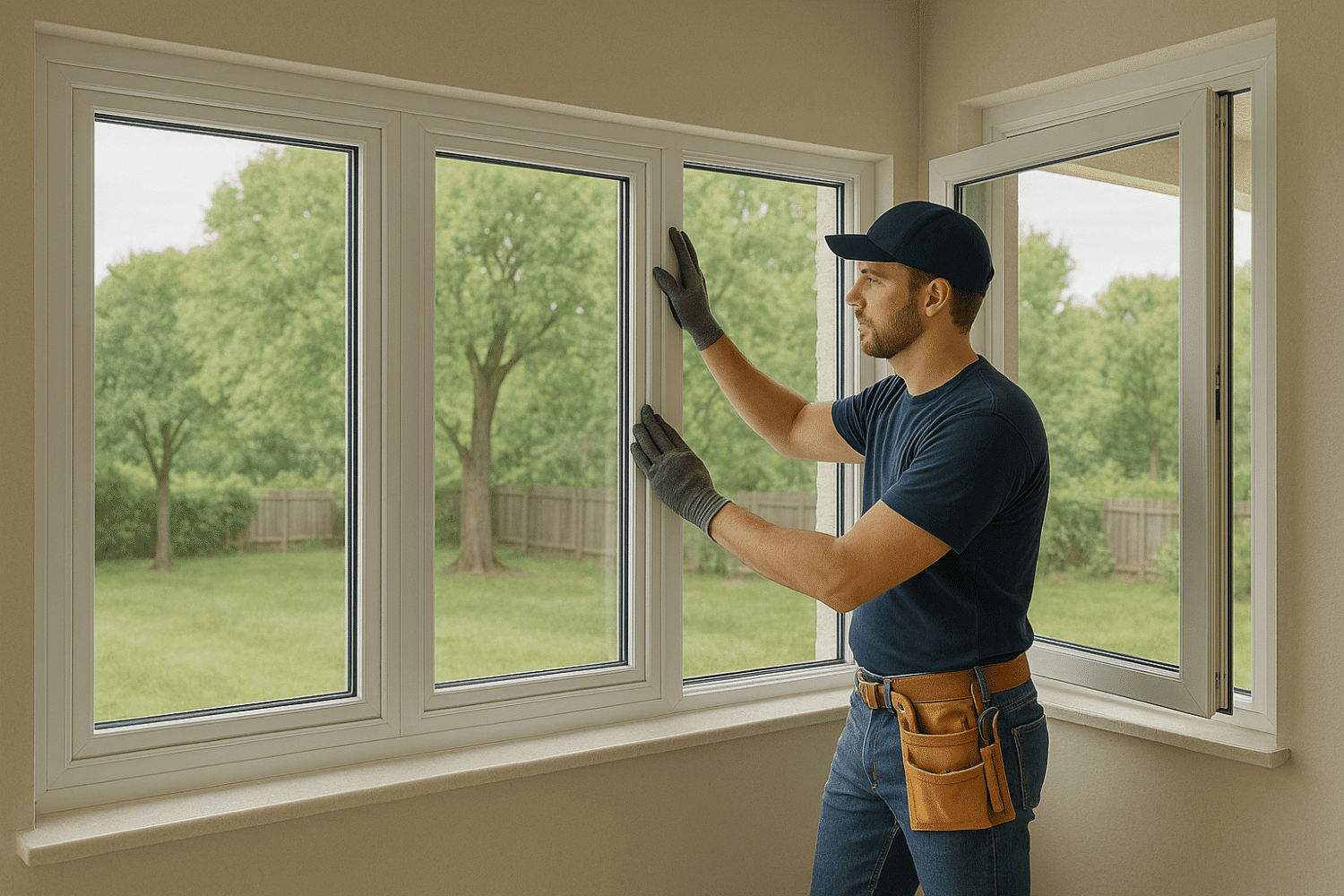
Proper installation proves crucial for both sliding and casement windows to perform effectively in Missouri’s challenging climate. The state’s temperature extremes, humidity variations, and severe weather demand precision installation techniques that many homeowners cannot achieve with DIY approaches.
Missouri’s climate creates unique installation challenges that require professional expertise. Temperature swings from below freezing to over 90°F cause significant expansion and contraction in window materials. Professional installers understand how to account for this movement while maintaining proper sealing and operation throughout all seasons.
Moisture control becomes particularly critical in Missouri installations. The state’s high humidity levels and frequent precipitation require precise weatherproofing techniques, including proper flashing, vapor barriers, and drainage systems around window openings. Improper installation can lead to water infiltration, mold growth, and structural damage that far exceeds the cost of professional installation.
CoMo Premium Exteriors brings specific expertise with Missouri homes and climate conditions to every window installation project. Their understanding of local building codes, weather patterns, and architectural styles ensures that both sliding and casement windows perform optimally throughout Missouri’s diverse seasons.
Professional installation also ensures proper warranty coverage. Most window manufacturers require professional installation to maintain warranty protection, which becomes particularly important for Missouri homeowners who depend on their windows to perform reliably through extreme weather conditions.
The complexity of modern energy efficient windows, with their multiple sealing systems, insulated frames, and precision hardware, demands professional installation techniques that ensure optimal performance and longevity.
Making the Right Choice for Your Missouri Home
Selecting between sliding and casement windows for your Missouri home requires careful consideration of multiple factors specific to your situation and local conditions. A systematic approach helps ensure you choose the window type that best serves your long-term needs.
Climate Priorities: If energy efficiency and draft prevention rank as top concerns due to Missouri’s extreme temperatures, casement windows generally provide superior performance. However, if severe weather safety and storm resistance take priority, sliding windows offer advantages.
Space Evaluation: Measure the available clearance around your existing windows. Casement windows need 6-12 inches of exterior space for full operation, while sliding windows require no exterior clearance. Consider how window operation will affect outdoor activities, landscaping, and neighboring properties.
Budget Planning: Factor both initial costs and long-term energy savings into your decision. While casement windows typically cost more upfront, their energy efficiency can offset this difference over 5-7 years in Missouri’s climate. Sliding windows provide good value for budget-conscious projects.
Architectural Compatibility: Consider your home’s style and the visual impact of different window types. Casement windows suit traditional and contemporary styles with their clean lines, while sliding windows complement ranch and modern horizontal designs.
Maintenance Preferences: Casement windows require more maintenance attention due to their mechanical hardware, while sliding windows offer simpler operation but need track cleaning in Missouri’s dusty conditions.
Consulting with local Missouri window experts helps ensure your choice accounts for regional factors like local building codes, typical weather patterns, and neighborhood architectural standards. Professional evaluation of your specific home’s conditions provides valuable insights that generic recommendations cannot address.
Professional Installation in Missouri
The importance of professional window installation cannot be overstated for Missouri homes facing the state’s diverse weather challenges. Both sliding and casement windows depend on precise installation techniques to achieve their designed performance levels and provide decades of reliable service.
Missouri’s continental climate subjects windows to extreme stress through dramatic temperature variations, high humidity, severe storms, and freeze-thaw cycles. Professional installers understand these local conditions and implement installation techniques specifically designed for Missouri’s climate challenges.
CoMo Premium Exteriors has developed expertise installing both sliding and casement windows throughout Missouri’s varied housing stock. From historic homes in Columbia’s established neighborhoods to new construction in Kansas City suburbs, they understand the unique requirements each situation presents.
Professional installation ensures proper integration with Missouri building codes and energy efficiency standards. Local code requirements address wind load resistance, egress specifications, and weatherproofing standards that vary by municipality. Professional installers stay current with these requirements and ensure compliant installations.
The warranty implications of professional installation become particularly important for Missouri homeowners. Most manufacturers require professional installation to maintain warranty coverage, and this protection proves valuable when windows must perform reliably through Missouri’s extreme weather conditions.
Quality installation also maximizes the energy efficiency benefits that make window replacement worthwhile. Proper sealing, insulation, and weatherproofing techniques ensure that high-performance windows achieve their rated efficiency levels and provide the energy savings that justify their cost.
Frequently Asked Questions
Do casement windows hold up better in Missouri tornadoes compared to sliding windows?
Both window types are equally vulnerable to tornado damage since the extreme winds and debris associated with tornadoes can destroy any residential window. However, for severe thunderstorms with high winds, sliding windows are actually safer because they cannot be caught by wind when open, while casement windows left open can be damaged or torn from their hinges. The key for Missouri homeowners is having a plan to quickly secure all windows when severe weather approaches.
Which window type saves more money on heating bills during Missouri’s cold winters?
Casement windows typically save more money on heating bills because their compression seal design creates a much tighter barrier against cold air infiltration. In Missouri’s harsh winters, this can translate to 10-20% better energy efficiency compared to sliding windows. For an average Missouri home with $150-200 monthly winter heating bills, casement windows might save $20-50 per month during peak winter months compared to sliding windows with similar glass and frame specifications.
Are sliding windows easier to clean on Missouri homes with second-story installations?
Yes, sliding windows are generally easier and safer to clean on multi-story Missouri homes because both glass surfaces can be cleaned from inside the home on most modern designs. Casement windows require reaching outside to clean the exterior surface when the window is open, which can be dangerous on upper floors. However, casement windows that open 90 degrees do allow easier exterior cleaning compared to those with limited opening angles.
How do both window types handle Missouri’s high pollen seasons?
Casement windows provide better control during Missouri’s intense spring pollen season because they can be opened just a crack for minimal ventilation when pollen counts are high, then opened fully when counts drop. Their superior sealing also keeps more pollen out when closed tightly. Sliding windows’ weatherstripping seals aren’t as effective at blocking fine pollen particles, and their tracks can accumulate pollen and debris that requires regular cleaning to maintain smooth operation.
What’s the typical lifespan difference between casement and sliding windows in Missouri’s climate?
Both window types can last 20-30 years in Missouri’s climate with proper installation and maintenance, but their maintenance needs differ. Casement windows have more mechanical components (cranks, hinges, seals) that may require attention or replacement over time, especially in Missouri’s humid conditions. Sliding windows have fewer moving parts but their tracks and weatherstripping may wear faster due to Missouri’s temperature extremes and UV exposure. The key factor is choosing quality materials and maintaining proper weatherproofing regardless of window type.
