
Window Condensation: What’s Normal and What’s a Red Flag
You walk into your kitchen on a cold winter morning and notice water droplets forming on your window glass. Your first thought might be panic – is something wrong with your windows? The truth is, window condensation can be completely normal, or it can signal serious problems that need immediate attention. Understanding the difference between normal moisture patterns and red flag situations can save you thousands in unnecessary repairs – or help you catch problems before they cause significant damage to your home.
Window condensation occurs when moist air contacts a cool surface, causing water droplets to form. While this natural process happens in every home, the location, timing, and persistence of condensation on your windows tells a crucial story about your home’s health and your windows’ performance.
Key Takeaways
- Exterior window condensation is completely normal and actually indicates good energy efficiency
- Light interior window condensation during temperature changes is normal, but persistent heavy condensation signals high humidity issues
- Condensation between window panes is always a red flag indicating seal failure and need for immediate professional attention
- Normal condensation appears temporarily and clears naturally, while red flag condensation persists and worsens over time
- Understanding condensation patterns helps homeowners distinguish between harmless dew and serious moisture problems requiring intervention
Understanding Normal vs Red Flag Window Condensation
The key to evaluating window condensation lies in understanding three critical factors: location, duration, and accompanying symptoms. Normal condensation appears temporarily in predictable situations and clears naturally without leaving lasting effects. Red flag condensation, however, persists, worsens over time, and often brings concerning symptoms like musty odors or visible damage.
Location matters most when assessing condensation on windows. Exterior condensation on the outside of your windows typically indicates excellent energy efficiency – your windows are preventing warm indoor air from escaping and heating the glass. Interior condensation can be normal in small amounts during specific circumstances, but becomes problematic when excessive or persistent. Condensation inside windows – between window panes in double glazed windows or triple pane windows – always signals a serious problem requiring immediate professional attention.
Duration and timing provide crucial clues about condensation severity. Normal condensation appears during predictable circumstances (temperature changes, high-moisture activities) and typically disappears within 2-3 hours as conditions stabilize. Red flag condensation persists throughout the day, appears daily regardless of weather conditions, or worsens progressively over weeks or months.
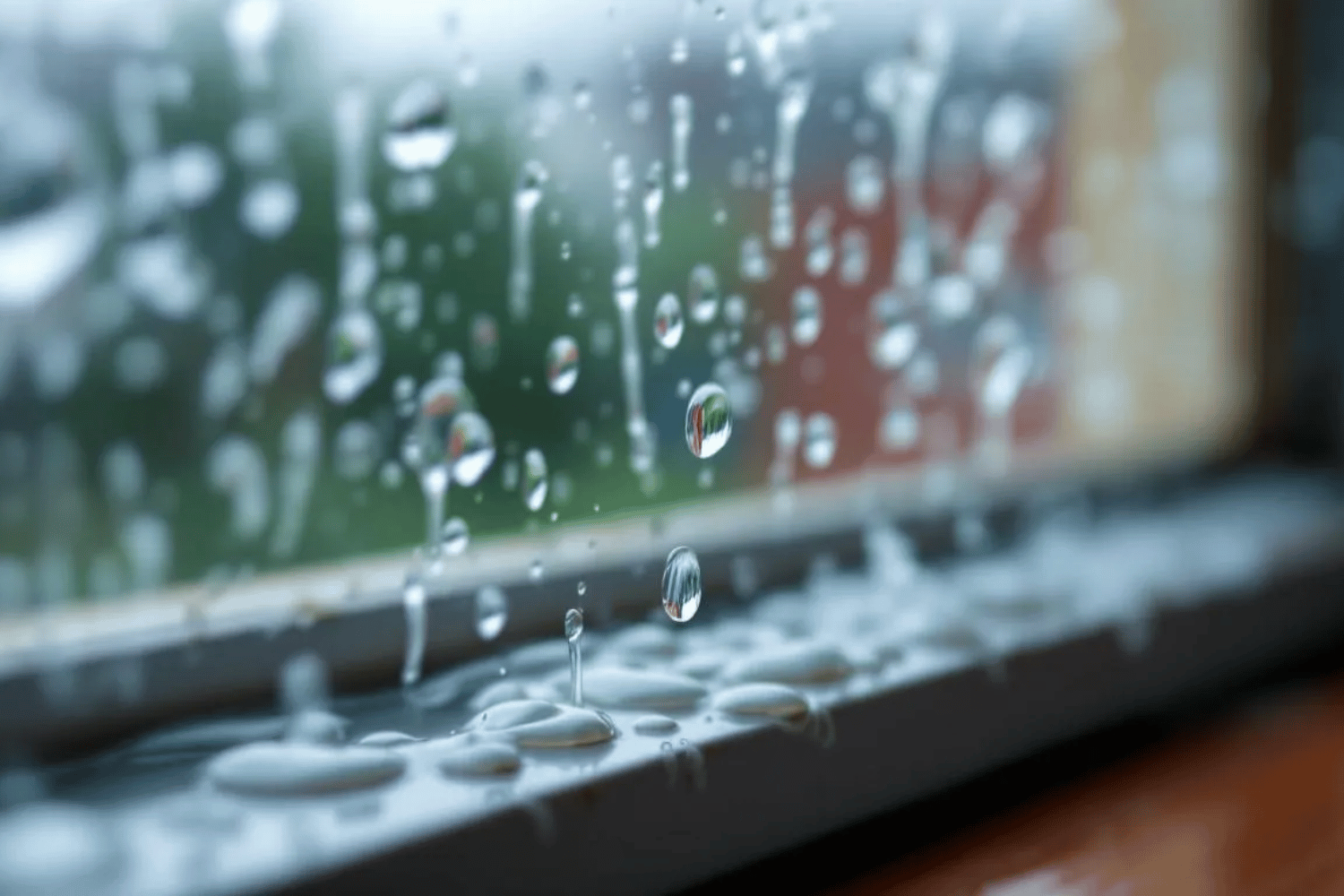
Visual indicators help distinguish normal from problematic moisture patterns. Light, temporary fogging that you can easily wipe away represents normal condensation. Heavy water droplets that run down the glass surface, pool on window sills, or create streaming patterns indicate excess moisture that requires attention.

Normal Condensation Scenarios You Can Ignore
Understanding when condensation is completely normal helps prevent unnecessary worry about your windows’ performance. These scenarios represent natural moisture patterns that actually indicate your energy efficient windows are functioning properly.
Exterior window condensation during spring and fall mornings appears as dew on the outside of your windows and typically evaporates once sunlight hits the glass surface. This exterior condensation occurs when humid air contacts cool glass during overnight temperature drops, then disappears naturally as air temperature rises. This pattern actually demonstrates that your windows are preventing warm indoor air from heating the glass – a sign of excellent insulation performance.
Brief interior fogging during rapid temperature changes commonly occurs during weather fronts when outside air temperature fluctuates dramatically. New windows may show light interior condensation for the first few weeks after installation as your home’s humidity levels adjust to improved energy efficiency. This temporary pattern should diminish as your indoor humidity stabilizes.
Bathroom and kitchen condensation during high-moisture activities represents normal moisture condensation from cooking, showering, or other humid activities. Brief fogging on nearby windows during these activities is expected, provided proper exhaust fans remove the excess moisture within 15-20 minutes and condensation clears naturally.
Minimal seasonal patterns in homes with older windows that have been replaced with energy efficient windows may show increased condensation initially. This occurs because your previous drafty windows allowed moisture to escape through air leaks, while your new windows create a tighter envelope that retains humidity. This adjustment period typically lasts 4-6 weeks as you optimize your indoor humidity levels.
Red Flag Condensation Warning Signs
Certain condensation patterns demand immediate attention because they indicate underlying problems that can cause significant damage if left untreated. Recognizing these red flags helps you respond quickly before minor issues become major repairs.
Persistent heavy condensation on interior windows lasting more than 2-3 hours signals excessive indoor humidity that exceeds your windows’ ability to manage temperature difference. When warm indoor air consistently creates heavy water droplets that run down window glass, you’re dealing with humidity levels that promote mold growth and can damage window frames, walls, and surrounding materials.
Condensation between double or triple pane windows always indicates seal failure in your insulated glass unit. When moisture appears inside your windows between glass panes, the protective seal has failed, allowing humid air to enter the space that should remain completely dry. This seal failure destroys your windows’ insulation value and requires immediate professional evaluation for window replacement.
Water pooling on window sills or running down walls from persistent condensation creates conditions for mold growth within 24-48 hours. This excess moisture can penetrate window frames, damage drywall, and create health hazards that extend far beyond window performance issues.
Condensation accompanied by musty odors or visible mold growth indicates that excess moisture has already begun causing secondary problems. Musty smells suggest mold colonies are established in areas affected by persistent moisture, requiring both humidity control and professional remediation.
Windows that fog up immediately every morning regardless of weather conditions suggest chronic humidity problems rather than normal seasonal patterns. This daily condensation pattern typically indicates inadequate ventilation, failed exhaust fans, or moisture sources within your home that need professional diagnosis.
Seasonal Condensation Patterns: What to Expect
Understanding normal seasonal condensation patterns helps you distinguish between expected moisture behavior and problems requiring attention. Each season brings predictable condensation patterns based on temperature differences and humidity changes.
Spring condensation typically appears as exterior condensation during cool mornings when humid air contacts glass that has cooled overnight. This exterior pattern increases during spring’s temperature fluctuations but should clear quickly as sunlight warms the window’s glass surface. Interior spring condensation should be minimal in properly ventilated homes with balanced humidity levels.
Summer patterns often show exterior condensation early in the morning when your air conditioner has cooled interior surfaces while outside air carries high moisture content. This normal exterior condensation indicates your windows are effectively preventing warm, humid outdoor air from entering your conditioned space.
Winter Condensation Guidelines
Winter presents the highest risk for problematic interior condensation because cold glass surfaces contact warm indoor air heated by your furnace system. Understanding winter expectations helps you manage humidity levels appropriately.
Expected winter condensation levels should be minimal on quality energy efficient windows with proper indoor humidity control. Brief interior fogging during extreme cold snaps is normal, but persistent daily condensation suggests your indoor humidity exceeds recommended levels for winter conditions.
Indoor humidity levels during heating season should remain between 30-35% to prevent excess condensation while maintaining comfortable air moisture. Higher humidity levels create persistent condensation that can damage window frames and promote mold growth in surrounding areas.
Winter window condensation crosses from normal to problematic when it appears daily, persists longer than 2-3 hours, or creates water pooling. Red flag winter condensation often indicates inadequate ventilation, failed exhaust fans, or humidity sources like improperly vented clothes dryers.
Summer Condensation Expectations
Summer condensation patterns differ significantly from winter because air conditioner operation creates different temperature and humidity relationships between indoor and outdoor environments.
Normal exterior condensation during humid summer mornings occurs when your air conditioner cools interior surfaces while outside air carries high moisture content. This pattern typically appears during high-humidity periods and clears as outdoor air temperature rises and humidity decreases.
Air conditioning effects on condensation patterns can create normal exterior moisture when cold air inside contacts warm, humid outside air through the window glass. Properly functioning energy efficient windows show this exterior pattern without interior moisture problems.
Summer interior condensation should be rare in homes with adequate air conditioner capacity and proper humidity control. Persistent summer interior condensation often indicates air conditioner problems, inadequate ventilation, or moisture sources requiring professional attention.
How to Address Different Types of Condensation
Effective condensation management requires different approaches depending on whether you’re dealing with normal patterns requiring minor adjustments or red flag situations demanding immediate intervention.
Immediate actions for normal condensation focus on optimizing your home’s moisture balance through improved air circulation and humidity control. Monitor condensation patterns for 2-3 weeks to establish whether adjustments resolve the issue or if professional help is needed.
Emergency response for red flag condensation situations requires documenting the problem with photos showing timing, location, and severity, then contacting professionals immediately. Don’t wait for condensation between window panes or persistent heavy interior moisture to worsen – these problems require expert diagnosis and typically cannot be resolved with DIY solutions.
Managing Normal Interior Condensation
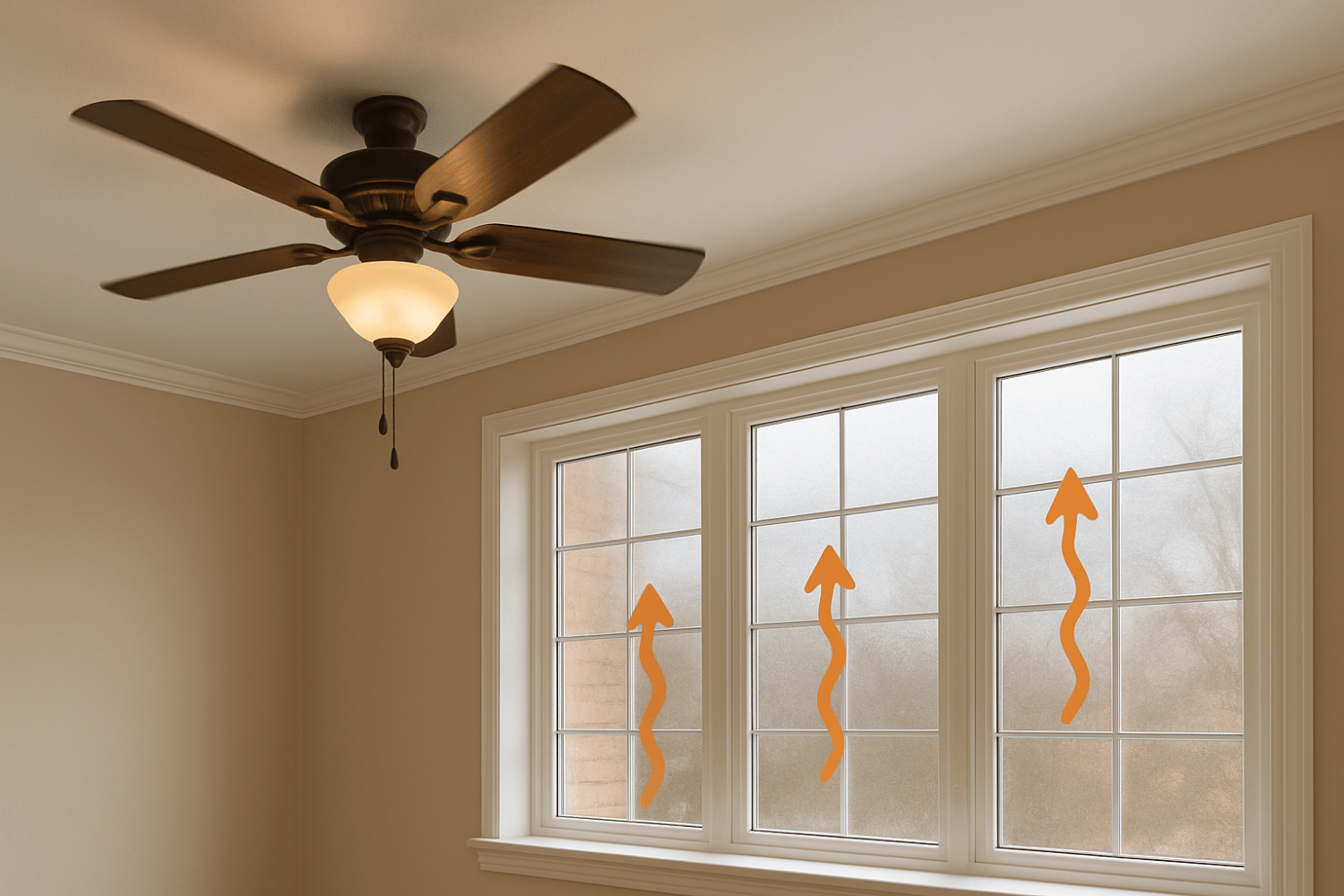
Improve air circulation using ceiling fans and by opening interior doors to promote air movement throughout your home. Stagnant air around windows increases condensation risk, while proper air circulation helps distribute moisture evenly and prevents localized humidity buildup.
Use exhaust fans during cooking and showering for 15-20 minutes to remove excess moisture before it spreads throughout your home. Ensure exhaust fans vent directly outside rather than into attic spaces, as improperly vented fans can actually increase whole-home humidity levels.
Maintain proper indoor humidity levels with dehumidifiers during high-moisture seasons or humidifiers during dry winter periods. Monitor humidity levels with a digital hygrometer and adjust as needed to maintain the 30-50% range that prevents both excessive condensation and overly dry conditions.
Adjust thermostat settings to prevent excessive temperature swings that create rapid condensation when warm air contacts suddenly cooled glass surfaces. Gradual temperature changes reduce the likelihood of sudden condensation formation on interior window surfaces.
Addressing Red Flag Situations
Document condensation patterns with photos showing the timing, location, and severity of moisture problems. Record when condensation appears, how long it persists, and any accompanying symptoms like odors or visible damage. This documentation helps professionals diagnose underlying causes and develop appropriate solutions.
Check for underlying moisture sources like leaking pipes, failed caulking around windows, or inadequate ventilation in bathrooms and kitchens. Red flag condensation often results from multiple moisture sources rather than window problems alone.
Contact CoMo Premium Exteriors for professional window assessment when condensation between window panes indicates seal failure, or when persistent interior condensation doesn’t respond to humidity control measures. Professional evaluation determines whether window replacement, improved ventilation, or other solutions will resolve the problem effectively.
Implement immediate humidity reduction while planning permanent solutions by using portable dehumidifiers, increasing exhaust fan usage, and temporarily reducing moisture-producing activities. These short-term measures prevent additional damage while you arrange professional services.
When to Call CoMo Premium Exteriors for Professional Help
Certain condensation problems require professional expertise to diagnose underlying causes and implement effective solutions. Recognizing when DIY measures aren’t sufficient helps you avoid wasting time on ineffective approaches while preventing additional damage.
Condensation between window panes requires immediate professional attention because this always indicates seal failure in your insulated glass unit. Attempting DIY repairs on failed window seals typically worsens the problem and may void manufacturer warranties. Professional replacement of the insulated glass unit or entire window unit restores energy efficiency and eliminates moisture infiltration.
Persistent interior condensation despite humidity control efforts suggests complex issues that require professional diagnosis. When proper ventilation, humidity control, and air circulation fail to resolve ongoing condensation problems, underlying issues like inadequate window insulation, structural air leaks, or HVAC system problems may be contributing to excess moisture.
Signs of mold, mildew, or water damage around windows indicate that condensation has already caused secondary problems requiring professional remediation. Water damage to window frames, surrounding drywall, or flooring suggests moisture problems have persisted long enough to compromise structural materials.
Windows over 15-20 years old showing efficiency decline may need replacement to prevent ongoing condensation problems. Older windows often develop air leaks, failed seals, or reduced insulation that creates persistent condensation regardless of humidity control efforts.
Multiple windows showing condensation problems simultaneously suggests whole-home issues rather than isolated window failures. Professional evaluation can determine whether window replacement, ventilation improvements, or HVAC system modifications will most effectively resolve widespread moisture problems.
CoMo Premium Exteriors’ window experts can distinguish between condensation caused by window problems versus environmental factors, ensuring you invest in solutions that actually address the root cause of your moisture issues.
Frequently Asked Questions
Q: Is it normal for new windows to have condensation for the first few weeks? A: Yes, new energy efficient windows often show increased condensation initially because they seal your home more effectively than old windows. Your previous drafty windows allowed moisture to escape through air leaks, while new windows retain humidity indoors. This adjustment period typically lasts 4-6 weeks as you optimize indoor humidity levels. Light, temporary condensation during this period is normal, but heavy persistent moisture indicates humidity levels need adjustment.
Q: How long should normal condensation take to clear up naturally? A: Normal condensation should disappear within 2-3 hours as temperature and humidity conditions stabilize. Exterior condensation typically clears within 30-60 minutes once sunlight hits the glass surface. Interior condensation from temporary activities like cooking or showering should dissipate within 15-20 minutes with proper ventilation. Condensation that persists longer than 3 hours or appears daily regardless of weather indicates underlying problems requiring attention.
Q: Can window condensation cause permanent damage to my home? A: Yes, persistent condensation can cause significant damage if left untreated. Excess moisture promotes mold growth within 24-48 hours, which can spread to walls, insulation, and other building materials. Water running down windows can damage window frames, sills, flooring, and surrounding drywall. Condensation between window panes indicates seal failure that reduces energy efficiency and can lead to further moisture infiltration problems throughout the window unit.
Q: What’s the difference between condensation and a window leak? A: Condensation forms evenly across the glass surface as small water droplets, while leaks typically appear as water entering around window frames, sills, or corners. Condensation occurs during specific conditions (temperature changes, high humidity) and follows predictable patterns, whereas leaks worsen during rain or snow and may be accompanied by drafts. Leaks require immediate professional repair to prevent structural damage, while normal condensation can often be managed through humidity control.
Q: Should I be concerned about condensation that only appears in certain rooms? A: Localized condensation often indicates room-specific moisture sources or ventilation problems. Bathrooms and kitchens naturally produce more moisture, so some condensation during high-activity periods is normal if it clears quickly. However, persistent condensation in specific rooms may indicate failed exhaust fans, inadequate ventilation, hidden leaks, or air circulation problems. If condensation appears consistently in the same rooms despite humidity control efforts, professional evaluation can identify room-specific moisture sources requiring targeted solutions.
