Storm Damage Roof Repair in Columbia MO: How Your Roof Protects Your Home
Columbia, Missouri sees its fair share of severe weather, and those frequent storms can really do a number on your roof. Between hail, high winds, and falling debris, your roof works hard to shield your home—but it has its limits. When Missouri weather strikes, getting timely repairs is crucial to prevent leaks, avoid more extensive problems, and save you from shelling out for a full replacement down the road. This guide walks you through everything you need to know about roof restoration after storms in Columbia, from common issues to practical solutions that’ll keep your Mid-Missouri home safe.
Key Takeaways
Columbia MO experiences frequent hail and wind damage, with 79 reported hail incidents and 36 severe weather warnings in the past year.
Missing shingles and leaks are common after a bad storm—putting off repairs can lead to bigger problems and steeper bills later.
Getting professional help with storm damage is essential for lasting protection and can save you from needing a new roof before its time.
Understanding Storm Damage Roof Repair in Mid Missouri
Living in Mid Missouri means dealing with a climate that can turn on a dime. According to the Missouri Climate Center, 2024 was particularly active, with 105 tornado reports and a massive hail event on May 8. At CoMo Premium Exteriors, we witness the aftermath of these events season after season. Storm damage isn’t always as obvious as a fallen tree—sometimes it’s subtle shingle bruising that develops into a leak months down the line.
According to the National Weather Service, 73% of significant hail reports in Missouri occur between March and June. This spring surge keeps Columbia roofers like us busy restoring homes across the area. Boone County’s adoption of the 2015 International Codes means any quality repair must meet specific safety standards, and being local means we know these requirements inside and out.
Common Types of Wind Damage and Storm Damage
Mid Missouri storms can wreak havoc on your roof in several ways:
Hail damage – Dents, cracks, or granule loss that weakens shingle integrity.
Wind damage – Missing or lifted shingles and exposed underlayment that let water sneak in.
Debris impact – Fallen branches puncturing the roof deck or denting the flashing.
Water leaks – Usually caused by compromised shingles or damaged gutters that can’t channel water away properly.
Why Immediate Repair Prevents Further Damage
Turning a blind eye to storm damage can trigger mold growth from trapped moisture and compromise your home’s structural integrity as water seeps deeper. Those small holes or cracked shingles might seem minor now, but once the underlying wood starts rotting, you’re looking at a much bigger bill. Tackling these problems quickly keeps your home dry and protects your investment for the long haul.
Signs You Need Storm Damage Repair After a Bad Storm
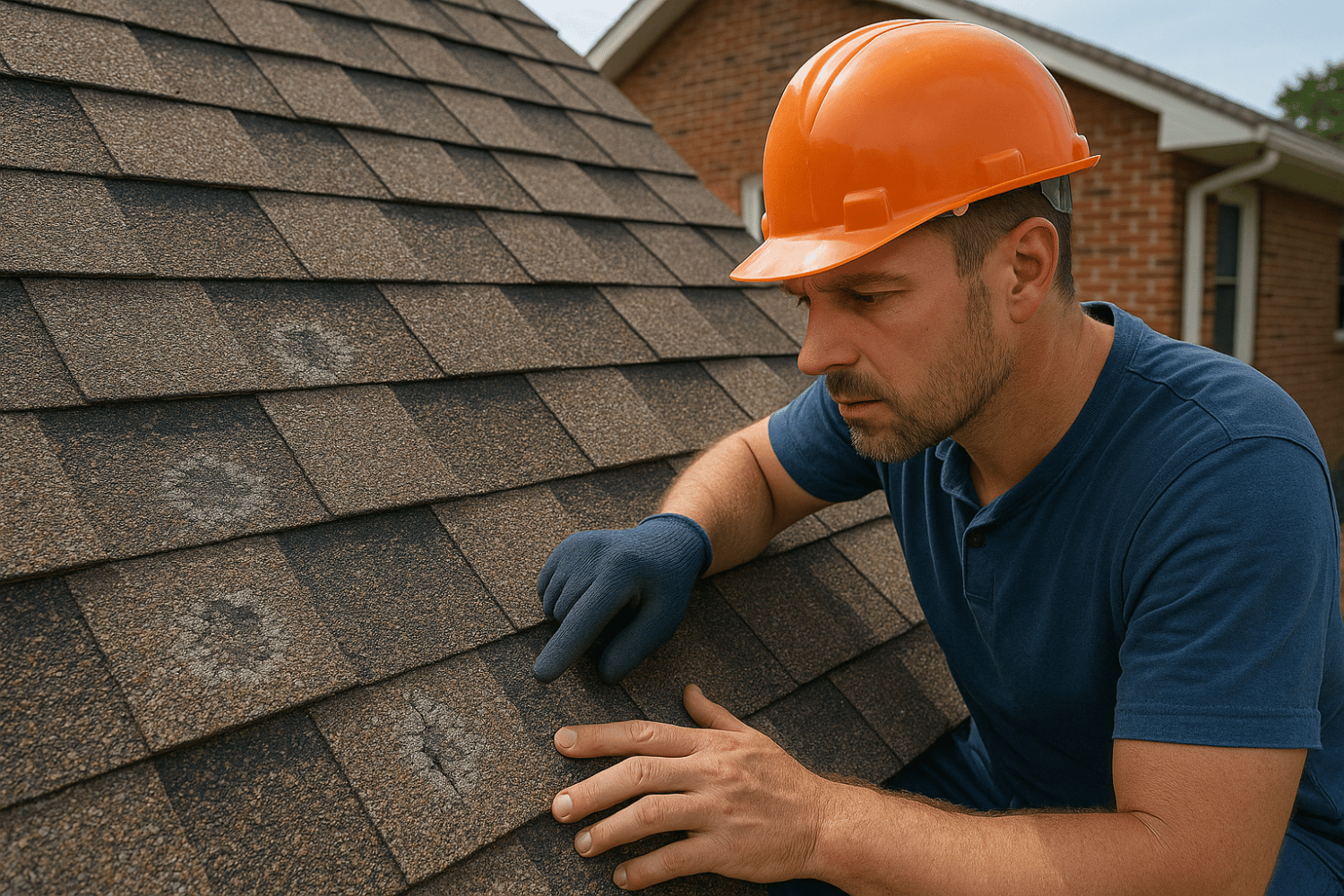
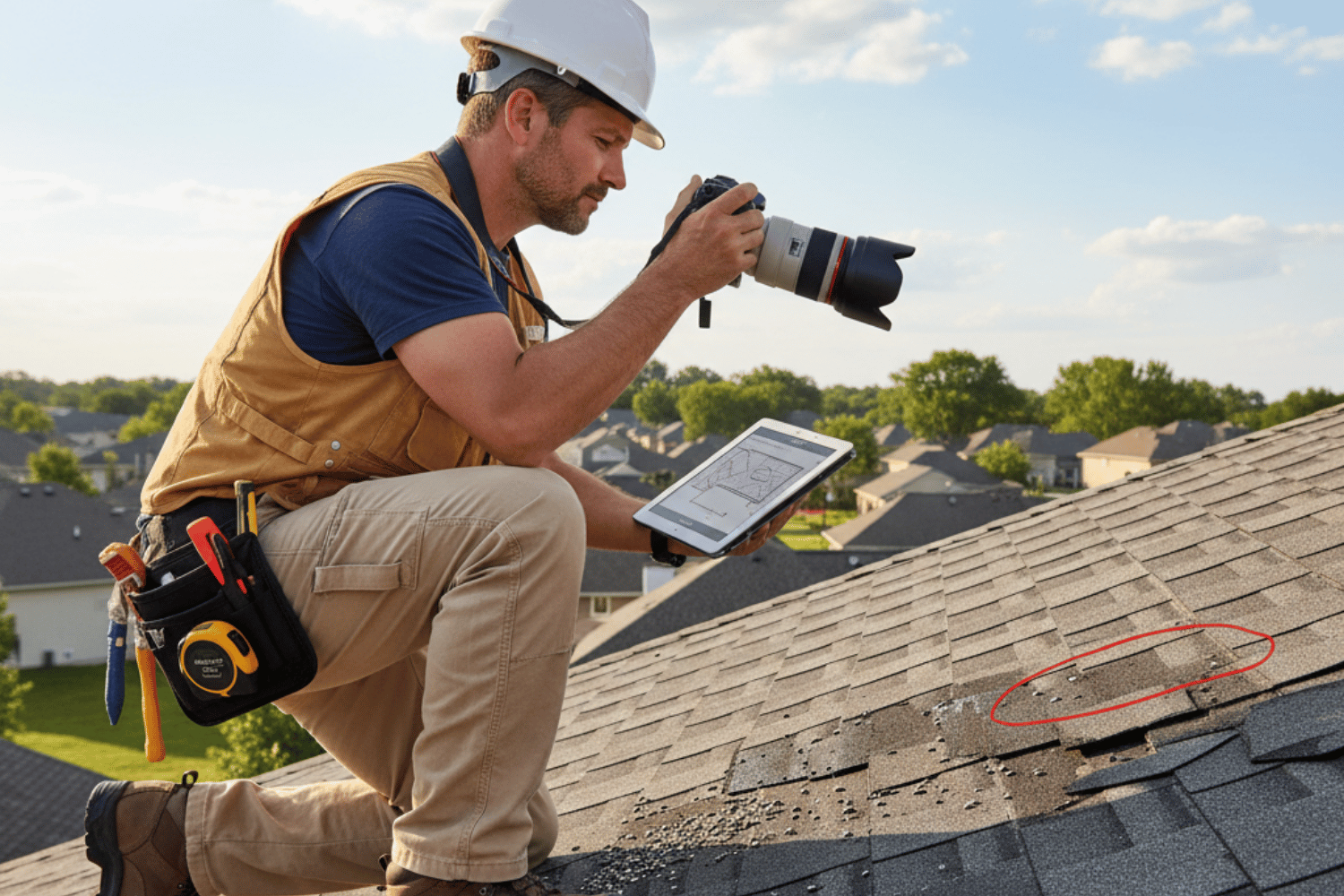
Once a storm clears out of Columbia, take a walk around your property and glance up at your roof. No ladder required to spot the most common warning signs. Keep an eye out for missing shingles or pieces of flashing that might have landed in your yard. Dark spots on shingles or “bruises” resembling thumbprints usually mean hail damage that calls for professional attention.
Peek inside your gutters for granule buildup—they look like coarse sand. Shingles shed these protective granules when pounded by hail or stressed by high winds, leaving the asphalt layer exposed to harsh UV rays. Inside, scan the ceilings of your upper floors. Water stains or bubbling paint are telltale signs that a leak has already begun. Spotting any of these red flags means it’s time to call a trusted Columbia storm restoration company to assess the full scope of the problem.
At CoMo Premium Exteriors, we frequently guide homeowners through the insurance claim maze. According to the Missouri Department of Commerce and Insurance, claims spike between March and July. Getting a professional assessment early smooths out the entire process. We’ll document the damage thoroughly so your insurance company has everything needed to process your claim efficiently.
The Cost of Storm Damage Roof Repairs vs. Roof Replacements
Homeowners often wonder whether a few missing shingles warrant a complete roof replacement. The answer really comes down to your roof’s age and how intense the storm was. While a full replacement in Missouri averages around $12,767, plenty of storm-related problems can be solved with targeted repairs. That said, Missouri and Kansas roofs frequently fail to reach the eight-year mark thanks to our brutal weather patterns, making the repair-versus-replace decision a major financial consideration.
Localized damage confined to one slope or a small section typically calls for a repair—the most sensible approach. But when a storm causes widespread granule loss or multiple punctures across your roof, investing in a full replacement often makes more sense for the long haul. Most homeowners insurance policies do cover hail and wind damage, with average payouts hovering around $12,000—often enough to cover a substantial portion of a new roof when damage is extensive.
Keep in mind that Boone County Building Inspections requires permits for most roofing work. At CoMo Premium Exteriors, we take care of all that paperwork for our clients, making sure every job meets code. Whether you’re looking at a simple patch job or a complete overhaul, premium materials like GAF or Owens Corning shingles will help your roof weather the next decade of Missouri’s unpredictable climate.
How to Protect Your Roof from Future Storm Damage
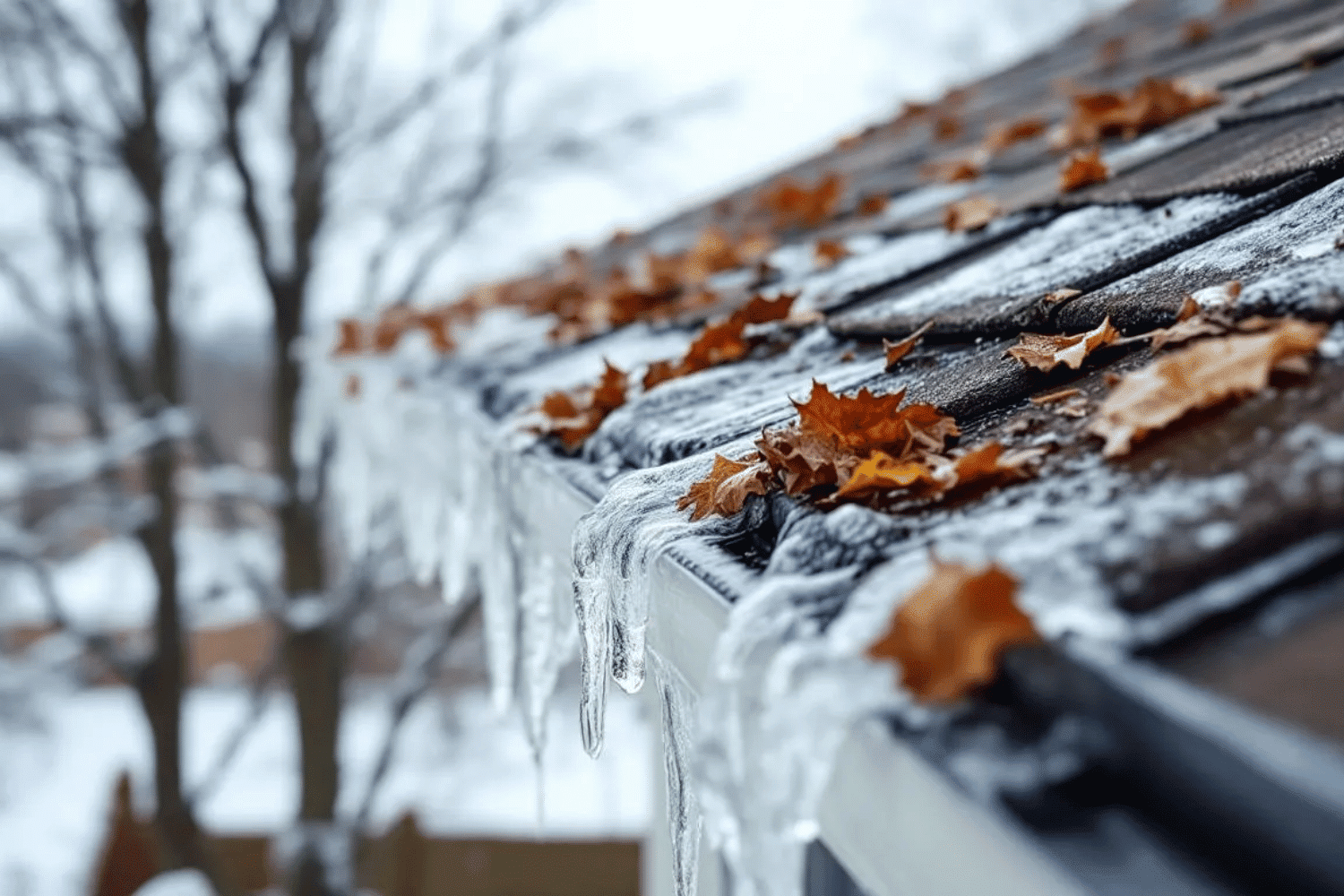
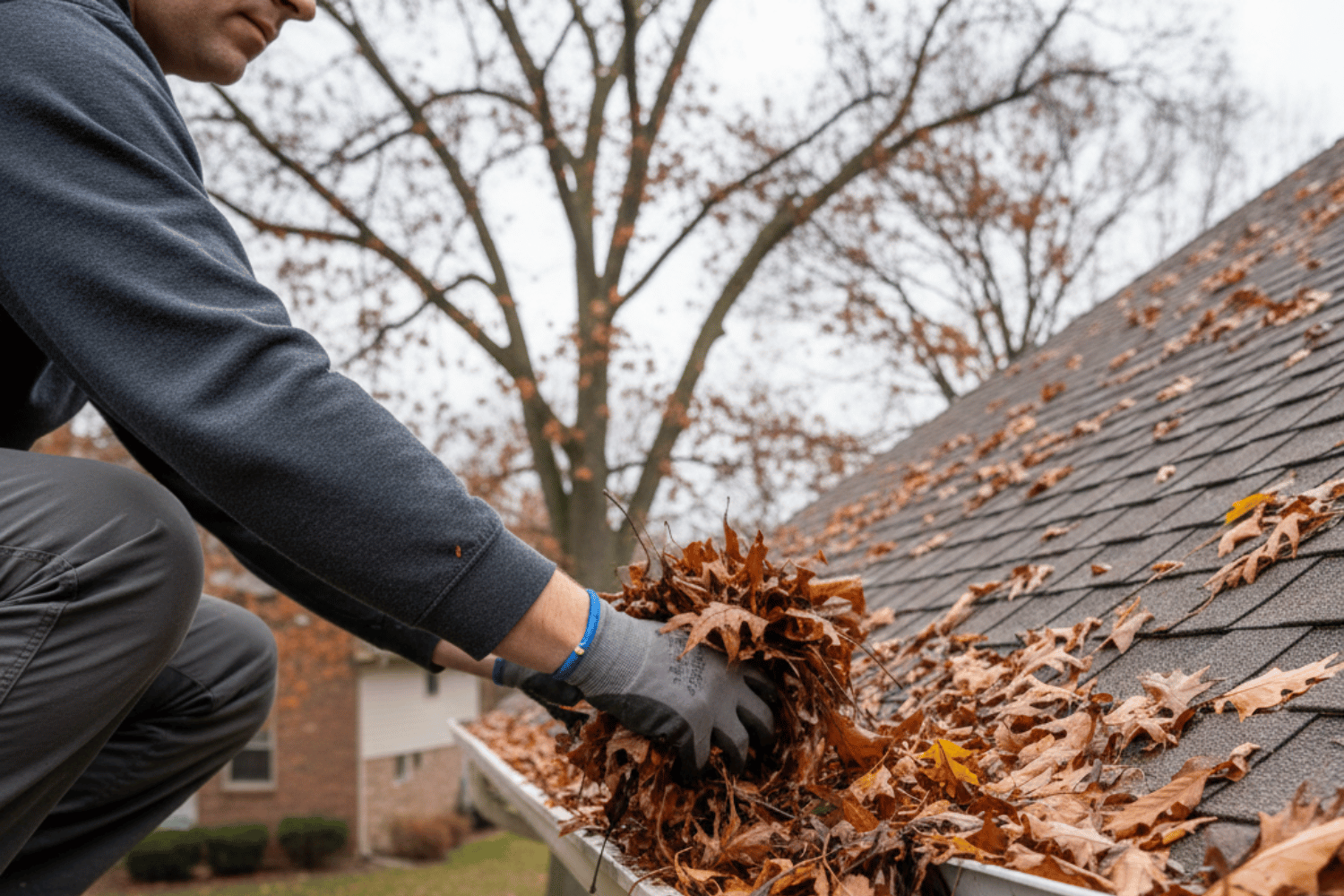
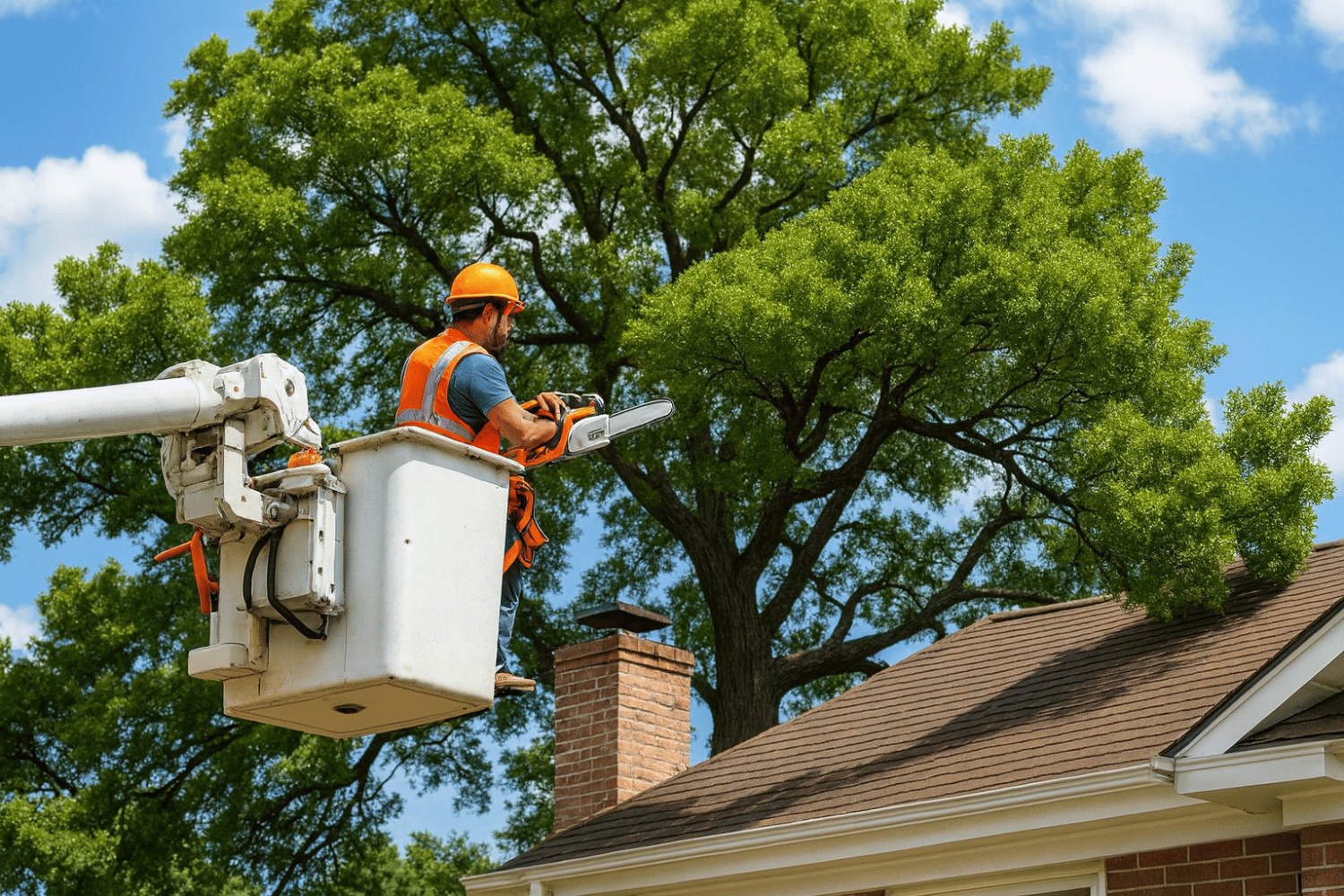
While you can’t control the weather, you can definitely prepare for it. Preventive maintenance is your best defense against a roofing emergency when the next big storm rolls in. Begin by trimming any overhanging branches that could break off and pierce your roof during high winds. Clean gutters are equally important—when water backs up, it can sneak under shingles and cause rot or even ice dams during Missouri’s frigid winters.
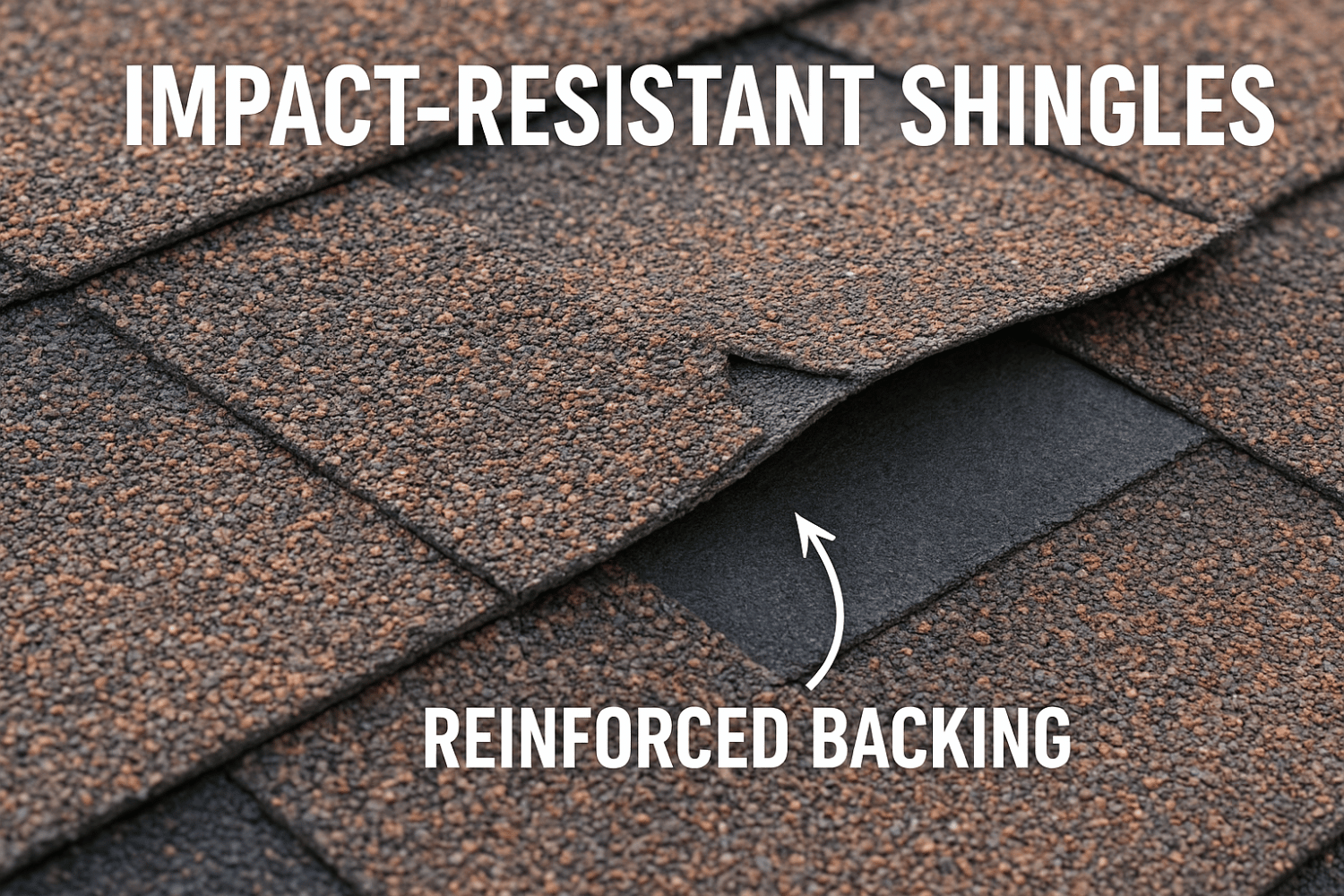
Thinking ahead to your next roof replacement? Consider upgrading to impact-resistant shingles, which are engineered to take a beating from larger hail without cracking. Don’t forget to inspect your attic ventilation, either. Good airflow stops heat and moisture from accumulating, keeping your roof deck healthy and preventing shingles from “baking” from the inside out. This straightforward measure can tack years onto your roof’s lifespan.
Make it routine to book a professional inspection annually or following any major weather event. Nipping small problems in the bud keeps them from ballooning into major disasters later. At CoMo Premium Exteriors, we provide honest assessments of your roof’s condition and help you determine the smartest way to protect your home.
FAQ
How soon should I repair storm damage?
Acting fast is crucial to prevent leaks and stop small issues from snowballing. Even tiny openings let water soak into insulation and drywall, creating mold and structural problems that cost far more to fix than replacing a few shingles.
Does homeowners insurance cover storm damage roof repair in Columbia MO?
Most policies do cover hail and wind damage, though you’ll want to verify your deductible and coverage limits. Having a professional inspection before filing a claim helps ensure the damage qualifies for a successful payout.
Can I inspect my roof myself after a storm?
You can spot obvious signs from the ground, but a professional evaluation is safer and more comprehensive. Trained experts can detect “bruised” shingles and subtle flashing problems that untrained eyes typically miss.
What’s the most common storm damage in Mid Missouri?
Hail and wind top the list of roof problems in our region. High winds can peel shingles back, while hail strikes strip away protective granules and crack the asphalt mat underneath.
How long does a roof repair take?
Most minor repairs wrap up in a single day. Full replacements generally require two to five days, depending on your roof’s size and complexity.
Roof Soft Spots: What They Mean and When Replacement is Your Best Option
Walking across your roof and feeling a spongy, bouncy section beneath your feet is never a good sign. According to insurance industry data, roof leaks and associated damage account for over 30% of homeowners insurance claims related to weather and water losses. When you discover roof soft spots on your property, you’re facing a critical decision that could impact both your home’s structural integrity and your wallet.
Understanding what roof soft spots mean and when replacement becomes your best option requires careful evaluation of multiple factors. While some homeowners rush into costly repairs without proper assessment, others delay action until minor issues become major structural disasters. This comprehensive guide will help you make an informed decision about whether targeted soft spot repairs or full roof replacement provides the most effective solution for your specific situation.
Key Takeaways
Roof soft spots are spongy, bouncy areas that indicate water damage and deteriorating roof decking beneath shingles
Replacement becomes necessary when soft spots cover more than 25% of the roof area or structural damage is extensive
Multiple soft spots, sagging roof lines, and interior water damage often signal that repair won’t be sufficient
Professional inspection is essential to determine whether targeted repairs or full replacement will provide the most cost-effective solution
Acting quickly on soft spots can prevent minor issues from escalating to full replacement scenarios
What Roof Soft Spots Mean
A roof soft spot refers to any area where the roofing surface feels noticeably less rigid, creating a spongy or bouncy sensation when walked upon. These soft areas indicate serious underlying problems with your roof’s structural integrity, specifically involving the deterioration of roof decking materials like plywood sheeting or oriented strand board (OSB) that forms the foundation beneath your roofing materials.
Unlike surface-level issues with missing or damaged shingles, soft spots signal that moisture has penetrated deep into your roofing system. The wood rot occurring in your roof decking creates these compromised areas where the structural support has weakened significantly. When moisture buildup reaches the wood components, fungi begin breaking down cellulose and lignin, causing the once-solid foundation to become soft and unreliable.
Visual warning signs often accompany the tactile sensation of soft spots. You might notice sagging shingles, buckled roofing material, or darkened patches across your roof surface. These visible indicators suggest that the underlying problems have progressed beyond the initial stages of water damage. Areas with poor drainage frequently show these symptoms first, as standing water accelerates the deterioration process.
The relationship between moisture penetration and structural deterioration creates a self-reinforcing cycle. Once soft spots develop, they allow even more water to infiltrate your roofing system, leading to more soft spots and expanding the affected area. This progression explains why prompt action becomes crucial when you first discover these problem areas on your roof.
Common Causes Behind Roof Soft Spots
Water infiltration from damaged or missing shingles represents the most common pathway for moisture to reach your roof decking. Storm damage, aging roofing materials, and improper installation create vulnerabilities where water can penetrate your roofing system. Even small gaps in your roofing material can allow significant moisture intrusion over time, especially during heavy rain or snow events.
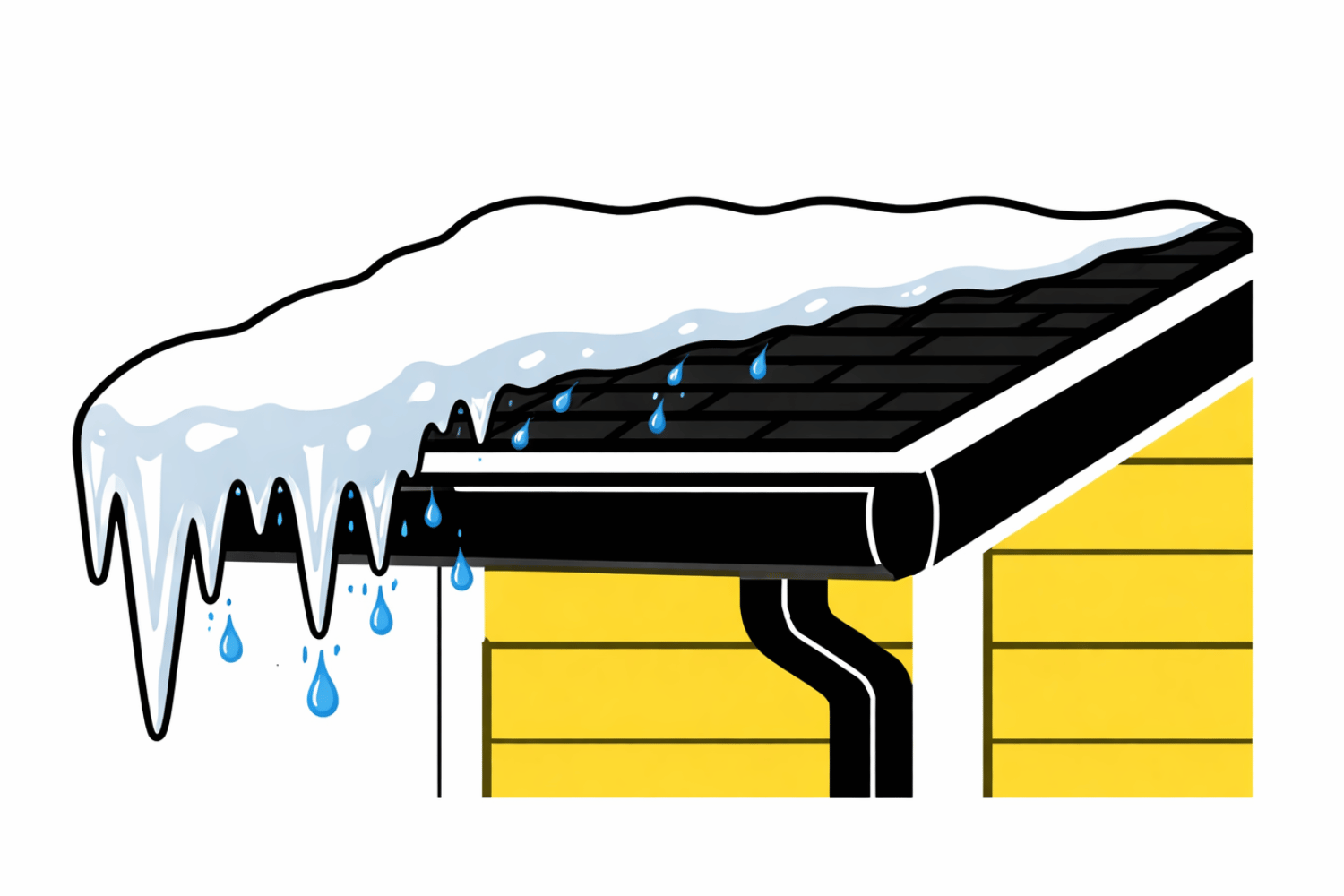
Clogged gutters create particularly problematic conditions for soft spot development. When gutters fill with debris, water backs up along your roof edge, creating ice dams during winter months. This backup forces water under your shingles and into the roof decking, where it saturates the wood and begins the deterioration process. Regular maintenance of your gutters provides essential protection against this common cause of roof soft spots.
Inadequate ventilation in your attic creates another significant risk factor for developing soft spots. Poor air circulation allows humidity to build up in the space beneath your roof, leading to condensation on the underside of your roof decking. This trapped moisture creates ideal conditions for wood rot and mold growth, weakening your roof’s structural foundation from within.
Aging roofing materials naturally become more susceptible to water penetration as they approach the end of their expected lifespan. Asphalt shingles typically last 20-30 years, but harsh weather conditions can accelerate their deterioration. Failed flashing around chimneys, vents, and other roof penetrations also creates entry points for water infiltration that leads to soft spot development.
Storm damage from hail, wind, or heavy snow loads can cause immediate damage that creates conditions for soft spots to develop. While the initial impact might seem minor, compromised shingles or damaged flashing can allow water infiltration that progressively worsens over time. Understanding these various causes helps homeowners recognize risk factors and take preventive action before major problems develop.
When Repair is Sufficient vs. When Replacement is Your Best Option
Signs That Indicate Repair Can Address the Problem
Single isolated soft spots smaller than 4×4 feet often represent localized damage that targeted repairs can effectively address. When you can identify a specific source for the water infiltration, such as recent storm damage or a fallen branch, the problem likely hasn’t had time to spread throughout your roofing system. In these cases, a professional roofing contractor can remove the affected decking, replace the damaged sections, and restore your roof’s structural integrity.
Recent damage from identifiable sources typically responds well to prompt repair efforts. If your roof age remains under 15 years and the rest of your roofing system shows good condition, investing in repairs often provides excellent value. The key factor involves ensuring that no interior water damage or mold growth has developed, indicating that the problem remains contained to the roof structure itself.
Cost considerations play a crucial role in determining repair feasibility. When repair costs remain less than 20% of full roof replacement expenses, addressing the specific problem areas makes financial sense. Professional evaluation helps determine whether the soft spot represents an isolated incident or part of a larger pattern of deterioration affecting your entire roofing system.
Clear Indicators That Replacement is the Better Choice
Multiple soft spots scattered across different roof sections signal systemic problems that individual repairs cannot adequately address. When soft spots appear in non-adjacent areas, the underlying causes likely affect your entire roofing system. Attempting to patch these widespread issues often results in recurring problems and escalating repair costs that exceed replacement expenses.
Industry guidelines generally recommend full roof replacement when soft spots cover more than 25% of your total roof area. At this threshold, the cost of necessary repairs approaches replacement costs while providing inferior long-term results. Extensive damage requires removing large sections of roofing material and decking, making comprehensive replacement more efficient and cost-effective.
Visible sagging of roof lines or structural deformation indicates serious structural issues that extend beyond surface-level problems. When your roof’s structural integrity becomes compromised to this degree, repairs cannot restore proper load-bearing capacity. Professional assessment becomes essential to determine whether supporting rafters or trusses have sustained damage requiring extensive reconstruction.
Roof age exceeding 20-25 years for asphalt shingles, combined with soft spot development, typically justifies replacement consideration. Older roofing systems often have multiple vulnerabilities that make them susceptible to continued deterioration. Even successful soft spot repairs on aging roofs frequently lead to additional problems within a few years.
Extensive interior water damage, mold growth, or ceiling damage indicates that moisture infiltration has affected your home’s living spaces. When soft spots have progressed to this stage, the underlying moisture problems require comprehensive addressing that repair efforts cannot adequately provide. The health risks associated with mold growth and structural damage to interior spaces often necessitate complete roofing system replacement.
Cost Considerations: Repair vs. Replacement
Understanding the financial implications of repair versus replacement decisions requires examining both immediate costs and long-term value. Targeted soft spot repairs typically range from $300 to $1,500 per affected area, depending on the extent of damage and accessibility. These costs include removing damaged shingles, cutting away rotted roof decking, installing new plywood or OSB, and replacing the roofing material.
Full roof replacement costs average between $8,000 and $15,000 for standard asphalt shingle systems on typical residential properties. Complex roof designs, premium roofing materials, or challenging installation conditions can increase these costs to $25,000 or more. While replacement represents a significant investment, it provides comprehensive protection and typically includes warranties covering both materials and workmanship.
The long-term financial impact of repeated repairs often exceeds the cost of proactive replacement. Homeowners who attempt multiple repair approaches on aging or extensively damaged roofing systems frequently find themselves spending thousands of dollars over several years without achieving lasting solutions. Professional roofing contractors recommend replacement when repair costs exceed 50% of replacement expenses or when repairs cover more than 30% of the roof area.
Insurance coverage considerations significantly affect the financial equation for both repairs and replacement options. Storm-related damage typically receives coverage under standard homeowners policies, while damage from normal wear, poor maintenance, or gradual deterioration usually falls outside coverage parameters. Understanding your policy’s specific provisions helps you plan financially for necessary roof work.
Energy efficiency improvements that accompany full roof replacement provide ongoing value through reduced utility costs. Modern roofing systems include enhanced insulation, proper ventilation, and energy-efficient materials that improve your home’s thermal performance. These benefits often offset a portion of replacement costs through lower heating and cooling expenses over the roof’s lifespan.
Professional Assessment: Making the Right Decision
Hiring a licensed professional roofing contractor for accurate evaluation provides essential information for making informed repair versus replacement decisions. Experienced contractors possess the expertise to identify hidden damage, assess structural integrity, and evaluate the overall condition of your roofing system. Their professional assessment helps you understand the full scope of necessary work and avoid costly mistakes.
During a comprehensive roof inspection, qualified professionals examine both visible surface conditions and underlying structural components. They check for signs of water damage in your attic space, evaluate the condition of roof decking, and assess the integrity of flashing around penetrations. This thorough inspection reveals problems that might not be apparent during casual observation from ground level.
Questions to ask contractors about repair versus replacement recommendations include inquiring about the expected lifespan of proposed repairs, warranty coverage for different approaches, and the likelihood of recurring problems. Reputable contractors provide detailed explanations of their assessment process and clear reasoning for their recommendations. They should also discuss preventive measures to avoid future soft spot development.
Red flags indicating contractors might be pushing unnecessary replacement include high-pressure sales tactics, demands for immediate decisions, or reluctance to explain their assessment process. Legitimate professionals encourage homeowners to obtain multiple opinions for major roofing decisions and provide detailed written estimates that clearly outline the scope of recommended work.
Getting multiple opinions for significant roofing investments helps ensure you receive accurate assessments and fair pricing. Different contractors may identify various approaches to addressing your specific situation, providing valuable perspective on the most appropriate solution. Comparing these professional evaluations helps you make confident decisions about protecting your home’s structural integrity.
Preventing Future Soft Spots
Regular roof inspections, particularly after severe weather events, provide the foundation for preventing soft spots from developing on your roof. Annual professional inspections help identify minor issues before they evolve into major structural problems. These proactive assessments allow you to address small problems with simple repairs rather than waiting until extensive damage requires costly solutions.
Maintaining proper gutter function through regular cleaning and maintenance prevents water backup that commonly leads to soft spot development. Establishing a seasonal cleaning schedule ensures your gutters can effectively channel water away from your roof and foundation. Installing gutter guards reduces debris accumulation and minimizes maintenance requirements while protecting against clogs that cause water infiltration.
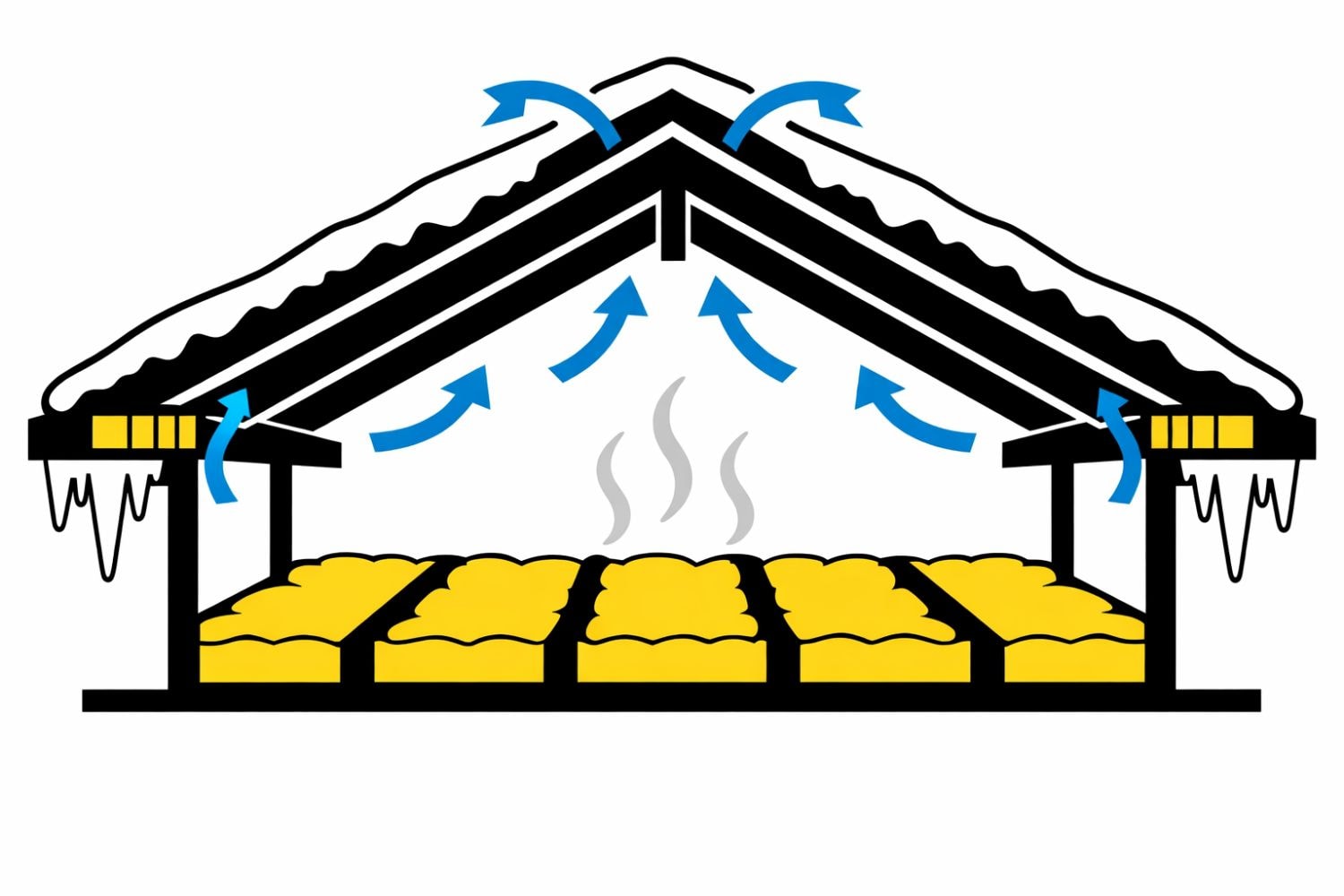
Ensuring adequate attic ventilation prevents moisture buildup that contributes to roof decking deterioration. Proper ventilation systems include both intake vents along the eaves and exhaust vents near the ridge, creating airflow that removes excess humidity. Balanced ventilation helps maintain consistent temperatures and prevents ice dam formation during winter months.
Prompt repair of damaged or missing shingles prevents water infiltration that leads to soft spot development. Addressing roofing material problems immediately after storms or when you notice issues during routine maintenance prevents minor damage from escalating. Professional roofers can quickly replace individual shingles or repair small sections before water reaches your roof decking.
Tree trimming around your home prevents debris buildup and reduces the risk of branch damage during storms. Overhanging branches deposit leaves and organic matter on your roof, creating conditions that retain moisture and accelerate roofing material deterioration. Maintaining appropriate clearance between trees and your roofing system provides protection against both debris accumulation and physical damage.
Taking Action: Next Steps When You Discover Soft Spots
Immediate safety precautions become essential when you discover compromised areas on your roof. Never walk on sections you suspect may be soft spots, as the damaged roof decking could give way and cause serious injury. Mark these areas for professional evaluation and avoid placing any additional weight on suspect sections until qualified contractors can assess the structural integrity.
Documenting damage with photographs provides valuable evidence for insurance claims and helps contractors understand the scope of problems before their on-site evaluation. Take pictures from multiple angles, including close-ups of affected areas and wide shots showing the overall roof condition. This documentation proves particularly important when working with insurance companies to determine coverage for storm-related damage.
Scheduling professional inspection within 48 to 72 hours of discovering soft spots helps prevent further deterioration and allows for prompt problem resolution. Many roofing contractors offer emergency inspection services for urgent situations. Rapid response becomes especially important during rainy seasons when continued moisture exposure can quickly worsen existing damage.
Temporary measures to prevent further water intrusion may include placing tarps over affected areas or using emergency sealants around obvious leak sources. While these short-term solutions cannot replace proper repairs, they help minimize additional damage until professional work can begin. Ensure any temporary measures don’t create additional safety hazards or interfere with professional assessment.
Timeline considerations for completing repairs or replacement depend on weather conditions, contractor availability, and the extent of necessary work. Simple repairs might be completed within a few days, while full replacement projects typically require one to two weeks. Planning for these timelines helps you arrange temporary accommodations if extensive interior damage requires additional restoration work.
Understanding the progression from discovery to resolution helps you maintain realistic expectations and coordinate necessary resources. Professional contractors provide detailed project timelines and help you understand how weather conditions or unexpected discoveries might affect completion schedules. Clear communication throughout this process ensures successful problem resolution and restoration of your roof’s protective function.
FAQ
How quickly do I need to address a soft spot on my roof?
Soft spots require immediate attention within days, not weeks, as they indicate active water damage that worsens rapidly with each rain event and can lead to structural failure or interior damage if left untreated. The longer you wait, the more extensive and expensive the necessary repairs become, as moisture continues to deteriorate the wood decking and potentially spread to other areas of your roofing system.
Can I walk on my roof to inspect soft spots myself?
Never walk on areas you suspect are soft spots, as the compromised decking could give way and cause injury; instead, observe from ground level with binoculars or hire a professional inspector who has proper safety equipment and training. Professional roofers have the expertise to safely navigate damaged roofs and the tools necessary to properly assess structural integrity without risking personal safety.
Will homeowners insurance cover soft spot repairs or replacement?
Coverage depends on the cause – storm damage, wind, or hail-related soft spots are typically covered, while soft spots from normal wear, poor maintenance, or gradual deterioration are usually excluded from standard homeowners policies. Review your policy carefully and document the circumstances that led to the damage, as proper documentation can significantly impact your claim’s success.
How do I know if multiple small repairs will cost more than replacement?
Generally, if repair costs exceed 50% of replacement cost, or if you need repairs covering more than 30% of your roof area, replacement becomes more economical and provides better long-term value than piecemeal fixes. Professional contractors can provide detailed cost comparisons that factor in the likelihood of future problems and warranty coverage differences between repair and replacement options.
What happens if I ignore soft spots on my roof?
Ignored soft spots lead to progressive structural damage, potential roof collapse, extensive interior water damage, mold growth, compromised insulation, and ultimately much higher repair costs that could reach tens of thousands of dollars. The self-reinforcing nature of water damage means that small problems quickly become major structural issues that threaten both your home’s safety and your family’s health.
Why Missouri Homes Need Impact Resistant Shingles and When to Upgrade
Key Takeaways
Missouri experiences over 60 severe weather events annually, making Class 4 impact-resistant shingles essential for protecting homes from hail damage up to 2 inches in diameter
Impact-resistant shingles can reduce insurance premiums by 15-35% and qualify for manufacturer warranties up to 50 years, offsetting higher upfront costs
Homeowners should upgrade when shingles are 15+ years old, after major storms, or when planning roof replacement to maximize protection and savings
Professional installation by certified contractors ensures proper performance and maintains warranty coverage for impact-resistant roofing systems
Columbia and central Missouri homes benefit most from upgrading due to frequent hailstorms and tornado activity in “Tornado Alley”
Missouri’s Severe Weather Demands Superior Roof Protection
Missouri homeowners face a harsh reality every spring and summer: their state ranks among the nation’s most hail-prone regions. Central Missouri experiences hailstones up to 5 inches in diameter traveling at speeds exceeding 90 mph, creating devastating conditions that standard asphalt shingles simply cannot withstand.
Missouri ranks in top 10 states for hail damage claims, reflecting the severe impact of extreme weather on residential properties throughout the state. The Columbia area alone experiences an average of 8-12 severe hailstorms per year between April and August, making impact resistant shingles not just a luxury but a necessity for protecting Missouri homes.
Standard 3-tab asphalt shingles fail catastrophically under Missouri’s extreme weather conditions. When hailstones strike traditional shingles at high velocity, they create cracks, splits, and granule loss that compromise the roof’s protective barrier. This damage leads to costly repairs, interior water damage, and premature roof replacements that can devastate homeowners financially.
The unpredictable nature of Missouri’s storm patterns makes impact resistant shingles essential for long term protection. Unlike other regions with predictable weather seasons, Missouri homeowners face severe weather threats from spring through early fall, requiring roofing materials capable of withstanding repeated impacts throughout extended storm seasons.
The Hidden Costs of Standard Roofing in Missouri
Standard asphalt shingles typically require replacement every 12-15 years in Missouri’s harsh climate, compared to 20-25 years in milder regions. This shortened lifespan results from cumulative damage caused by hail impact, high winds, and extreme temperature fluctuations that characterize central Missouri weather patterns.
Water damage from failed shingles can cost Missouri homeowners between $5,000-$15,000 in interior repairs. When traditional shingles crack or lose protective granules, moisture penetrates the roof system, causing damage to insulation, drywall, flooring, and personal belongings. These repair costs often exceed the expense of upgrading to impact resistant materials.
Insurance deductibles for storm damage claims average $1,000-$2,500 per incident in Missouri. Homeowners with standard shingles frequently file multiple claims throughout their roof’s lifespan, accumulating thousands in out-of-pocket costs while risking policy cancellation or premium increases due to claims frequency.
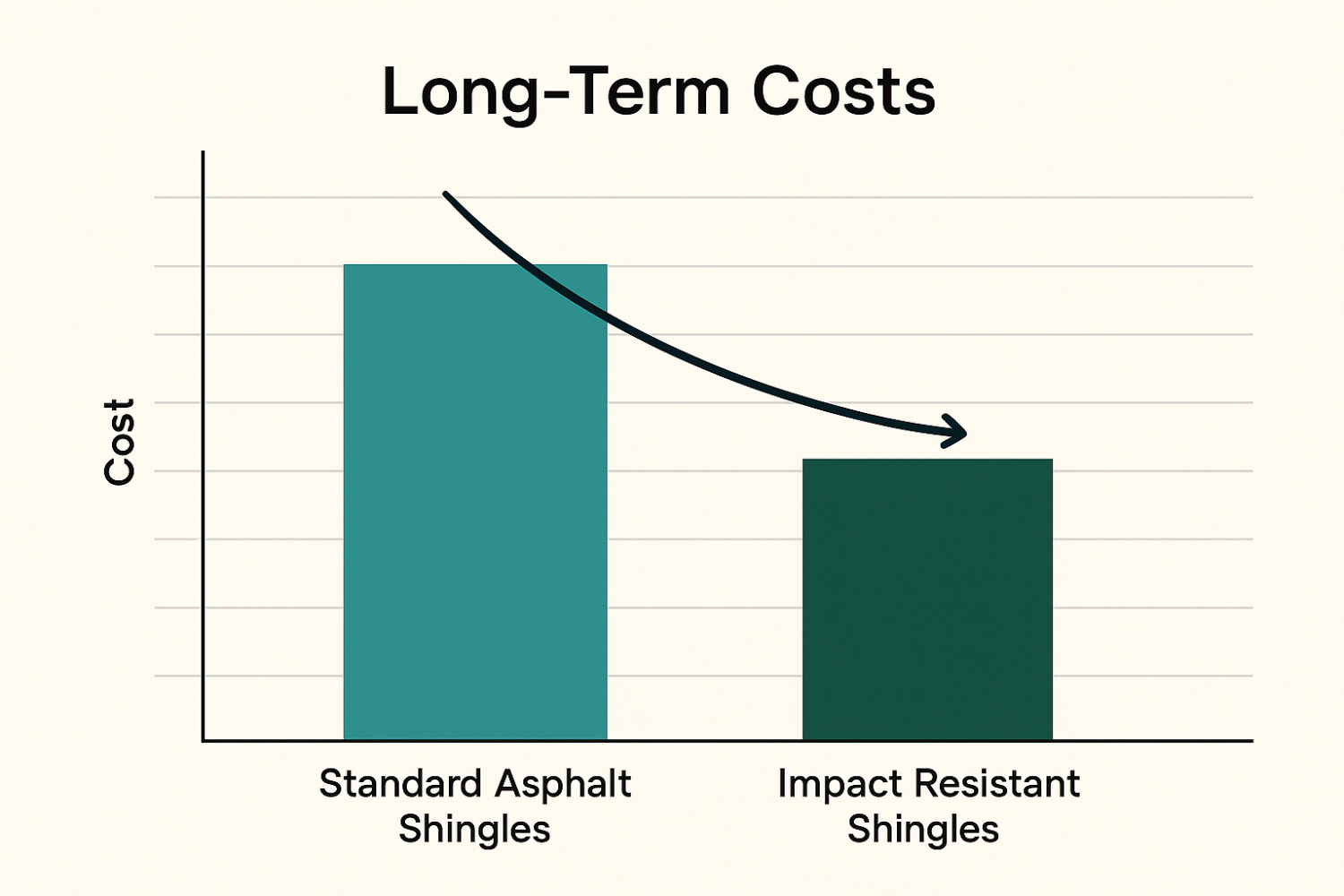
The false economy of choosing cheaper roofing materials becomes apparent when calculated over decades. Frequent repairs, early replacements, and damage claims make standard asphalt shingles significantly more expensive than impact resistant alternatives when viewed through a long term value perspective.
Understanding Impact Resistant Shingles and UL Rating System
Impact resistant shingles represent advanced roofing technology specifically engineered to withstand severe weather conditions common in Missouri. These specialized roofing materials undergo rigorous testing by Underwriters Laboratories (UL) using the UL 2218 standard, which simulates real-world hail impacts through controlled steel ball drop tests.
The UL rating system classifies impact resistance from Class 1 through Class 4, with each level representing progressively higher protection levels. Class 1 shingles withstand impacts from 1.25-inch diameter steel balls, while Class 4 impact resistant shingles—the highest available rating—successfully resist impacts from 2-inch diameter steel balls dropped from 20 feet multiple times without cracking or splitting.
Class 4 rating requirements are particularly important for Missouri homeowners because this classification provides maximum insurance discounts and represents the gold standard for hail resistance. The steel ball testing protocol accurately simulates hailstone impacts, ensuring that Class 4 resistant shingles protect homes against approximately 85-90% of Missouri’s hailstorms.
Leading manufacturers like GAF, CertainTeed, and Owens Corning offer Class 4 impact resistant options featuring advanced materials and construction techniques. These products combine traditional asphalt with polymer reinforcements, specialized backing materials, and enhanced granule systems designed for superior protection against Missouri’s severe weather.
Types of Impact Resistant Roofing Materials
Modified asphalt shingles represent the most popular choice for Missouri homeowners seeking impact resistance. These products feature SBS (styrene-butadiene-styrene) polymer backing that provides flexibility and energy absorption during hail impacts. The rubber-like properties allow shingles to flex and recover rather than crack under stress.
Metal roofing with standing seam or stone-coated steel construction offers exceptional impact resistance and longevity. While metal roofs require higher upfront investment, they provide decades of maintenance-free protection against Missouri’s severe weather while qualifying for substantial insurance discounts.
Synthetic slate and shake materials combine aesthetic appeal with practical impact resistance. These products replicate the appearance of natural materials while providing Class 4 protection and lighter weight compared to traditional slate or wood options.
Architectural asphalt shingles with impact resistant features provide enhanced protection compared to standard 3-tab products. These dimensional shingles offer improved wind resistance and durability while maintaining the traditional appearance preferred by many Missouri homeowners.
When Missouri Homeowners Should Upgrade to Impact Resistant Shingles
Immediate upgrade becomes necessary after hail damage, even when shingles appear intact from ground level. Hail impacts create micro-cracks and granule displacement that may not be visible initially but compromise long term performance and water resistance. Professional inspection after any hailstorm helps identify hidden damage requiring attention.
Proactive replacement should occur when roofs reach 15-20 years old, particularly before peak storm season beginning in March. Missouri homeowners who wait for visible damage risk experiencing devastating storms with compromised roof protection, leading to extensive interior damage and costly emergency repairs during peak contractor demand periods.
The insurance claim process following storm damage presents an ideal opportunity to upgrade to impact resistant materials. Insurance settlements often provide sufficient funding for premium roofing materials, and the upgrade investment pays dividends through reduced future premiums and enhanced protection against subsequent storms.
Home sellers should consider upgrading to impact resistant shingles to increase property value and attract buyers in Missouri’s competitive real estate market. New roofs with Class 4 ratings provide marketing advantages and may qualify for insurance discounts that transfer to new owners, making properties more attractive to potential buyers.
Signs Your Missouri Roof Needs Immediate Attention
Granule loss visible in gutters or around the house perimeter indicates shingle deterioration that compromises weather resistance. Missouri’s severe storms accelerate granule loss, and homeowners should monitor for excessive accumulation following each storm season to assess roof condition.
Cracked or missing shingles, especially after recent storms, signal immediate replacement needs. Even minor cracks allow moisture penetration that leads to progressively worsening damage throughout the roof system, making prompt attention essential for preventing costly interior repairs.
Water stains on ceilings or walls provide clear evidence of roof failure requiring immediate professional evaluation. These stains often indicate advanced damage that threatens structural integrity and necessitates emergency repairs to prevent further deterioration.
Shingle edges curling or lifting create vulnerability to wind damage and moisture penetration. Missouri’s high winds exploit these weaknesses, leading to progressive shingle loss and exposed roof deck that requires comprehensive replacement rather than patch repairs.
Financial Benefits of Upgrading to Impact Resistant Shingles
Insurance premium reductions of 15-35% are available to Missouri homeowners who install Class 4 impact resistant shingles. These discounts, combined with reduced claim frequency, often offset the higher material costs within 3-5 years while providing superior protection throughout the roof’s lifespan.
Extended manufacturer warranties up to 50 years provide significant value compared to 20-25 year warranties on standard asphalt shingles. These extended warranties reflect manufacturer confidence in product durability and provide homeowners with long term protection against defects and premature failure.
Reduced frequency of roof replacements saves Missouri homeowners $15,000-$25,000 over a 30-year period compared to multiple replacements of standard materials. Impact resistant shingles withstand Missouri’s severe weather without requiring premature replacement, providing substantial long term cost savings.
Increased home value and marketability result from impact resistant roofing installations. Real estate professionals report that homes with Class 4 roofing materials command higher prices and sell more quickly in Missouri’s competitive market, particularly among buyers concerned about weather-related risks.
Insurance Considerations for Missouri Homeowners
Major insurers including State Farm and Shelter offer specific discounts for Class 4 impact resistant installations. These programs recognize the reduced claim risk associated with superior roofing materials and provide immediate premium reductions upon verification of proper installation.
Documentation requirements for discount eligibility include manufacturer certificates, contractor installation verification, and sometimes inspector confirmation of proper installation techniques. Missouri homeowners should maintain these records to ensure continued discount eligibility and warranty coverage.
Claims frequency reduction leads to improved insurance rates and coverage options over time. Homeowners with impact resistant roofing experience fewer weather-related claims, resulting in preferred customer status and access to additional coverage options at competitive rates.
Professional installation certificates may be required for warranty validity and insurance discounts. Certified contractors provide documentation proving proper installation techniques and materials compliance, protecting homeowners’ investment and ensuring benefit eligibility.
Choosing the Right Impact Resistant Shingles for Central Missouri
Class 4 impact rating represents the mandatory minimum for maximum protection and insurance benefits in Missouri. Lower ratings provide insufficient protection against the state’s severe hailstorms and may not qualify for significant insurance discounts, making Class 4 materials the only practical choice for mid Missouri homeowners.
Wind resistance ratings of 130+ mph are essential for Missouri’s severe storm conditions. Impact resistant shingles should meet or exceed ASTM D6381 Class F wind resistance standards to provide comprehensive protection against the combined threats of hail and high winds common during Missouri storms.
Energy-efficient options featuring cool roof technology help reduce cooling costs during Missouri’s hot, humid summers. Reflective coatings and specialized granule systems reduce heat absorption, lowering attic temperatures and reducing air conditioning demands throughout the summer months.
Color and style selection should complement neighborhood aesthetics while providing optimal performance for Missouri homes. Darker colors may absorb more heat but often provide better curb appeal, while lighter colors offer energy efficiency advantages during hot summer weather.
Professional Installation Requirements
Certified contractors ensure proper installation techniques essential for warranty compliance and optimal performance. Impact resistant shingles require specific installation procedures, including proper nail placement, sealing techniques, and underlayment selection that affect long term performance and weather resistance.
Quality underlayment and flashing represent critical components of complete weather protection systems. Synthetic underlayment provides superior protection compared to traditional felt, while properly installed flashing prevents water intrusion around roof penetrations, valleys, and edges.
Proper ventilation design prevents ice dams and extends shingle lifespan in Missouri’s variable climate. Adequate intake and exhaust ventilation maintains consistent attic temperatures, reducing thermal stress on roofing materials and preventing moisture-related problems.
Post-installation documentation is required for insurance discounts and warranty claims. Contractors should provide certificates of installation, material specifications, and warranty registration to protect homeowners’ investment and ensure benefit eligibility.
Local knowledge of Missouri building codes and weather patterns is essential for optimal results. Experienced contractors understand regional requirements and best practices developed through years of working in Missouri’s challenging climate conditions.
Frequently Asked Questions
How much do impact resistant shingles cost compared to standard shingles in Missouri?
Impact resistant shingles typically cost 10-20% more upfront than standard asphalt shingles, but insurance discounts and longer lifespan often offset the initial investment within 3-5 years through reduced premiums and maintenance costs. When factoring in the reduced frequency of roof replacements and repair costs, impact resistant materials provide superior long term value for Missouri homeowners.
Will impact resistant shingles survive Missouri’s largest hailstorms?
Class 4 impact resistant shingles are tested to withstand 2-inch diameter hail at terminal velocity, which covers approximately 85-90% of Missouri hailstorms. While extremely large hail above 2.5 inches can still cause damage to any roofing material, impact resistant shingles provide the highest available protection and significantly reduce the risk of roof failure during severe weather events.
How long does it take to install impact resistant shingles on a typical Columbia home?
Most residential roof replacements in the Columbia area take 2-4 days depending on size and complexity, with weather delays possible during Missouri’s unpredictable spring and summer storm seasons. Reliable roofing contractors schedule installations during favorable weather windows and maintain flexibility to accommodate Missouri’s changing conditions while ensuring quality work.
Do I need to upgrade my entire roof or can I repair sections with impact resistant materials?
While partial repairs are possible, mixing different shingle types can create aesthetic mismatches and potential warranty issues. Full roof replacement is recommended when transitioning to impact resistant materials for optimal protection and insurance benefits. This approach ensures uniform appearance, consistent performance, and maximum insurance discount eligibility.
What maintenance is required for impact resistant shingles in Missouri’s climate?
Impact resistant shingles require minimal maintenance beyond annual inspections, gutter cleaning, and prompt removal of debris after storms. Professional inspections every 3-5 years help maintain warranty coverage and identify any issues before they become costly problems. The durable construction of impact resistant materials significantly reduces maintenance requirements compared to traditional shingles.
How to Read Your Roofing Estimate: What the Numbers Really Mean
Key Takeaways
Roofing estimates should be itemized with separate costs for materials, labor, permits, and disposal clearly listed
Labor typically accounts for 60-70% of total project cost, while materials make up 30-40%
Roofing squares (100 sq ft units) are the standard measurement – your 2,000 sq ft home likely needs 20-22 squares
Watch for red flags like missing insurance proof, unusually low bids, or large upfront payment demands
Quality estimates include material specifications, warranty details, and clear project timelines
Understanding the Basic Structure of Your Roofing Estimate
When you receive a roofing estimate from Como Exteriors or any roofing contractor, understanding its basic structure helps you evaluate whether you’re working with a professional roofing company. A comprehensive roof replacement estimate should contain several essential sections that provide complete transparency about your roofing project.
The company information section serves as your first indicator of professionalism. This area should display the roofing contractor’s license number, liability insurance details, workers compensation insurance coverage, and complete contact information. Como Exteriors always includes our roofing contractor’s license verification and current insurance certificates, ensuring most homeowners can verify our credentials before signing any agreement.
Your roofing estimate should clearly outline the project scope, describing specific work to be performed on your existing roof. This section details whether you’re getting a complete roof replacement, roof repairs, or roof installation on new construction. The scope should specify roof removal procedures, roof inspection protocols, and protection measures for your property during the roofing work.
The itemized cost breakdown represents the heart of your roof replacement estimate, separating material costs from labor costs and additional services. Professional roofers like Como Exteriors list every component individually, from asphalt shingles to roof flashing, allowing you to understand exactly where your investment goes. This transparency helps you compare estimates effectively and saves money by avoiding hidden charges.
Timeline information with estimated start and completion dates provides realistic expectations for your roofing job. Weather delays, permit processing times, and material delivery schedules all factor into the project timeline. Como Exteriors includes contingency planning in our estimates, acknowledging that roofing work depends heavily on weather conditions.
Payment terms and warranty information should be clearly outlined in every professional estimate. The payment schedule typically includes a small deposit, progress payments tied to project milestones, and final payment upon completion. Warranty details should cover both workmanship warranty from your roofing team and manufacturer’s warranty on roofing materials.
Decoding the Cost Breakdown Numbers
Material Costs: What Each Line Item Means
Understanding material costs in your roofing estimate requires familiarity with how roofing materials are measured and priced. Roofing contractors typically price materials per square foot or per roofing square, with one roofing square covering 100 square feet of roof surface. Your roof size determines the total quantity needed, though roof’s decking conditions and architectural complexity affect the final material count.
Roofing shingles represent the largest material expense in most roof replacement projects. Asphalt shingles remain the most popular choice, with architectural shingles offering enhanced durability compared to basic three-tab options. Metal roofing costs significantly more upfront but provides longer lifespan and energy efficiency benefits. Clay tiles, wood shingles, and slate roofs command premium pricing due to specialized installation requirements and material costs.
Underlayment costs typically range $50-$100 per square depending on quality and type selected. Synthetic underlayment outperforms traditional felt paper in moisture resistance and durability. Water shield, also called ice and water barrier, protects vulnerable areas like valleys, eaves, and roof penetrations from water intrusion.
Flashing materials appear as separate line items, priced by linear feet for valleys, chimneys, and roof penetrations. Proper roof flashing prevents water damage and extends your roof’s lifespan significantly. Como Exteriors uses high-quality flashing materials that exceed manufacturer requirements for superior protection.
Additional materials include fasteners, starter shingles, ridge capping, drip edge, and ventilation components. Professional estimates include a waste factor of 10-15% for normal projects, accounting for cuts, damaged pieces, and future repairs. Complex roofs with multiple angles and dormers require higher waste allowances.
Labor Costs: Understanding the Work Breakdown
Labor costs represent the largest portion of most roofing projects, typically accounting for 60-70% of the total cost. Understanding how roofing contractors calculate labor hours helps you evaluate estimate accuracy and identify potential red flags in competing bids.
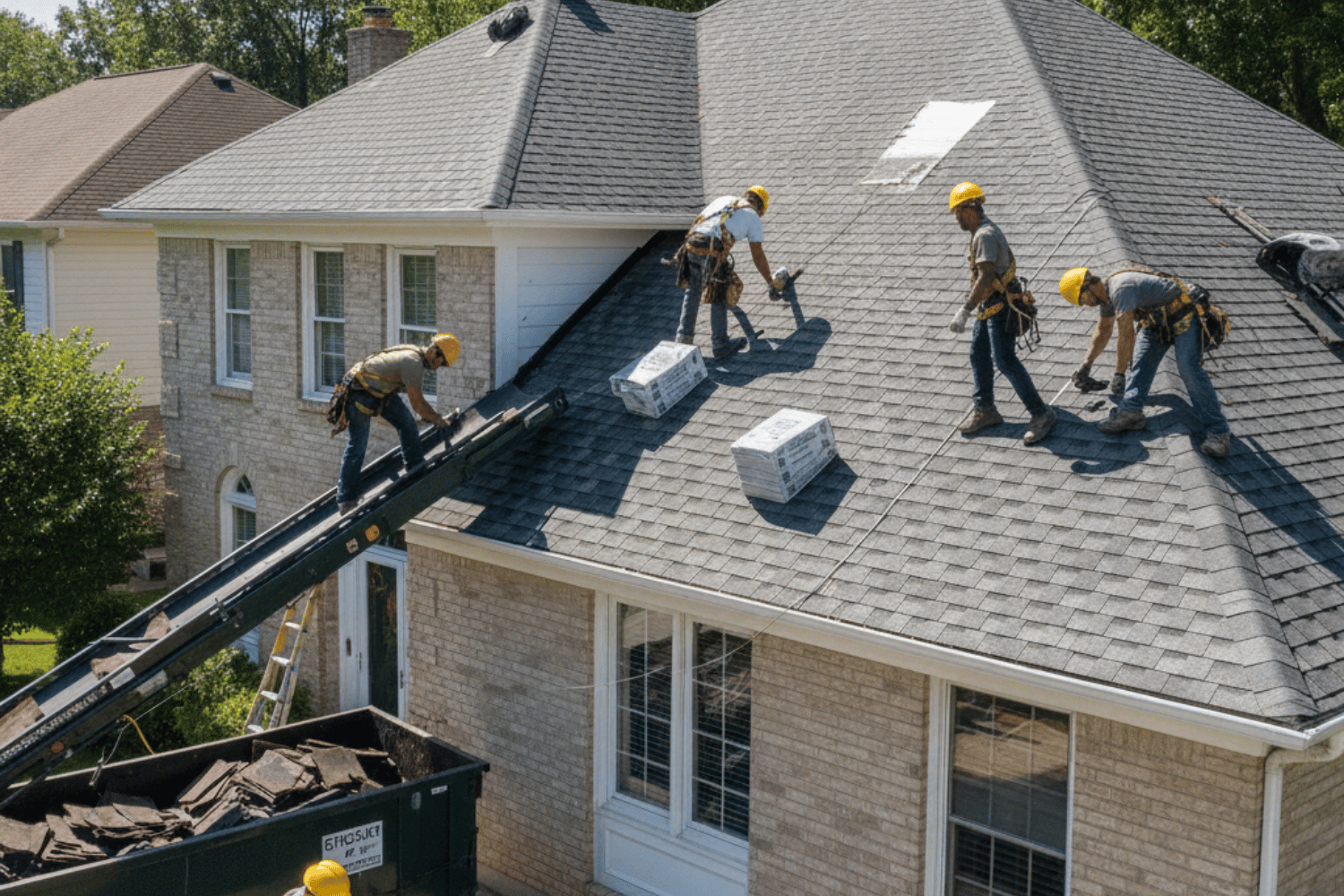
Roof removal or tear-off labor typically costs $100-$150 per square for single-layer removal. Multiple layers of old roofing materials increase removal time and disposal costs significantly. Steep roofs, limited access areas, and complex architectural features require additional labor hours and specialized safety equipment.
Installation labor ranges $200-$400 per square depending on roof complexity and material type. Asphalt shingle installation requires fewer labor hours than metal roofs or specialty materials like slate. The roofing industry recognizes that quality installation directly impacts your new roof’s performance and longevity.
Additional labor charges apply for specialized work like chimney flashing, skylight installation, or extensive roof decking repairs. Multi-story homes require additional safety equipment and procedures, increasing overall labor costs. Difficult access situations, such as homes surrounded by landscaping or tight spaces, also affect labor pricing.
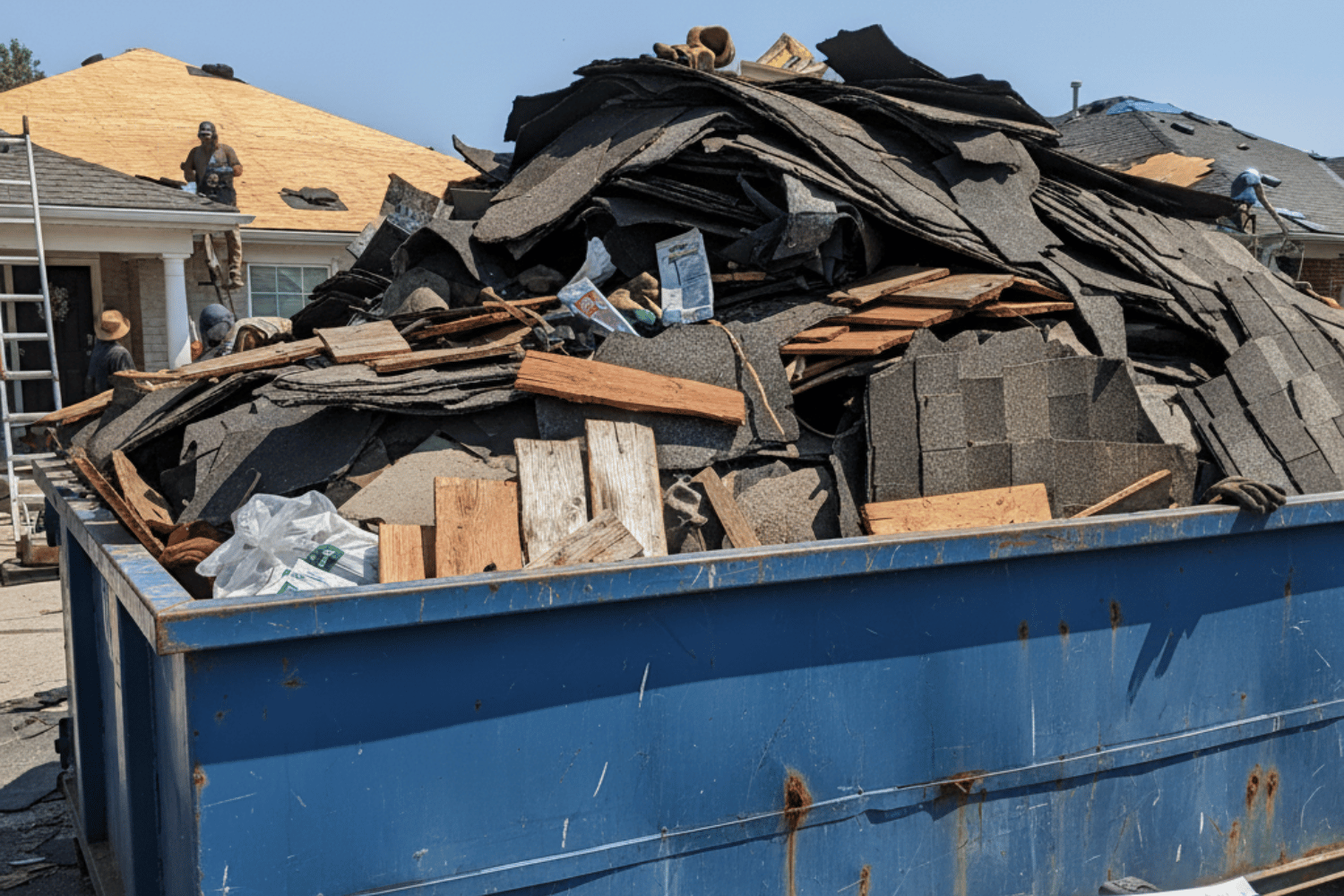
Clean-up and disposal represent often-overlooked labor components. Professional roofing companies include thorough site cleaning and proper disposal of old roofing materials. Construction debris removal typically costs $250-$500 per truckload, depending on local disposal costs and hauling distances.
Como Exteriors provides detailed labor breakdowns in our estimates, explaining why certain aspects of your roofing project require additional time and expertise. Our experienced roofing team completes projects efficiently while maintaining the highest quality standards.
Additional Costs and Fees Explained
Beyond materials and labor, several additional costs contribute to your overall roof replacement cost. Understanding these fees helps you budget accurately and avoid surprise expenses during your roofing project.
Building permits range $100-$500 depending on your local municipality requirements and project scope. Most roof replacements require permits to ensure work complies with current building codes. Como Exteriors handles permit applications and inspections, streamlining the process for homeowners.
Dumpster rental or debris disposal fees typically cost $300-$800 per project, varying by roof size and local disposal rates. Proper disposal of old roofing materials protects the environment and complies with local regulations. Some roofing companies include disposal costs in their labor rates, while others list them separately.
Equipment rental costs for scaffolding, lifts, or specialized tools appear on estimates for multi-story homes or challenging installations. Safety equipment and proper access tools ensure worker safety and protect your property during construction. These overhead costs reflect professional standards and insurance requirements.
Potential roof decking repair charges address structural issues discovered during tear-off. Water damage, insect infestation, or age-related deterioration may require partial or complete deck replacement. Quality estimates include contingency allowances for these discoveries, typically 5-10% of the project total.
Upgrade costs for enhanced ventilation, improved insulation, or premium materials provide opportunities to improve your roof’s performance. Proper ventilation extends roof life and improves energy efficiency. Como Exteriors discusses upgrade options during the estimation process, helping you make informed decisions about your investment.
Transportation costs may appear as separate line items, covering material delivery and equipment transport to your job site. Remote locations or challenging access situations increase these expenses. Professional roofing contractors factor these logistics into their estimates rather than surprising customers later.
Red Flags in Roofing Estimates to Watch For
Identifying problematic roofing estimates protects you from substandard work, cost overruns, and potential scams. Como Exteriors helps homeowners recognize warning signs that indicate unprofessional or potentially fraudulent roofing contractors.
Estimates lacking specific material brands, grades, or quantities represent major red flags. Vague descriptions like “standard shingles” or “as needed repairs” prevent accurate cost comparisons and create opportunities for substitutions or upcharges. Professional estimates specify exact materials, including model numbers and color choices.
Missing insurance certificates or license verification information indicates potential liability issues. Uninsured contractors expose homeowners to significant financial risk if accidents or property damage occur. Como Exteriors provides current insurance documentation and license verification with every estimate.
Vague language throughout the estimate, particularly regarding potential additional work, creates confusion and dispute opportunities. Phrases like “additional charges may apply” without specific pricing leave customers vulnerable to unexpected costs. Professional estimates address common contingencies with clear pricing structures.
Unusually low bids that fall 20% or more below other estimates often indicate corner-cutting, substandard materials, or contractors planning to demand additional payments during the project. Extremely low bids rarely represent genuine savings and frequently result in higher actual costs and inferior results.
Large upfront payment requests before work begins signal potential fraud or cash flow problems. Reputable roofing contractors require minimal deposits and structure payments around project milestones. Never pay large sums before materials arrive and work commences.
Missing warranty information or unclear warranty terms create problems when issues arise after project completion. Professional estimates detail both workmanship warranty coverage and manufacturer’s warranty terms. Como Exteriors provides comprehensive warranty documentation with every roofing job.
Door-to-door solicitation, especially following storms, often involves scam artists targeting vulnerable homeowners. Legitimate local roofers build reputations through quality work and customer referrals, not aggressive sales tactics.
Comparing Multiple Estimates Effectively
Effective estimate comparison requires ensuring all roofing contractors bid on identical project scopes and material specifications. Small differences in scope or quality can create significant price variations that don’t reflect true value differences.
Start by verifying each estimate includes the same work scope and materials for accurate comparison. One contractor might include roof removal while another assumes you’ll handle disposal separately. Material specifications should match across estimates – comparing basic asphalt shingles to architectural shingles creates meaningless price differences.
Compare labor hour estimates between contractors to identify potential issues. Significantly lower labor hours might indicate rushed work or insufficient crew experience, while excessive hours could signal inefficiency. Como Exteriors provides realistic labor estimates based on our extensive experience and efficient processes.
Evaluate material specifications to ensure quality equivalence between bids. Different roofing shingles brands offer varying lifespans, warranties, and performance characteristics. Understanding these differences helps you make informed decisions rather than simply choosing the lowest price.
Consider warranty terms and contractor reputation alongside pricing information. Longer warranties and established local presence provide value that extends beyond initial cost savings. Como Exteriors’ reputation in the community and comprehensive warranties justify our competitive pricing.
Focus on total project value rather than lowest price alone. Quality materials, professional installation, proper permits, and reliable warranties contribute to long-term value that exceeds initial cost savings from low-quality alternatives.
Review each contractor’s approach to potential complications like roof decking repairs or weather delays. Professional contractors address these possibilities upfront rather than surprising customers with additional charges later.
Questions to Ask About Your Estimate
Asking specific questions about your roofing estimate clarifies unclear items and demonstrates the contractor’s knowledge and professionalism. Como Exteriors welcomes detailed questions and provides thorough explanations of every estimate component.
Request clarification on any line items that seem unclear or unusually priced compared to other estimates. Understanding why certain costs differ between contractors helps you evaluate true value rather than simply comparing numbers.
Ask about material upgrade options and associated cost differences. Higher-quality underlayment, enhanced ventilation systems, or premium roofing materials might provide better long-term value despite higher upfront costs. Como Exteriors discusses upgrade benefits and costs transparently.
Verify what happens if additional repairs are needed during tear-off. Discovering rotted roof decking or structural issues is common in roof replacements. Understanding pricing for these contingencies prevents surprise costs and disputes during construction.
Understand the payment schedule and what triggers each payment milestone. Professional contractors structure payments around material delivery, project phases, and completion milestones rather than demanding large upfront payments.
Confirm project timeline expectations and weather delay policies. Roofing work depends heavily on weather conditions, and professional contractors plan accordingly. Understanding delay policies and revised timelines prevents frustration during your roofing project.
Inquire about permit handling, inspection scheduling, and code compliance requirements. Professional roofing companies manage these administrative requirements, ensuring your project meets all local requirements.
Ask about crew size, project supervision, and quality control measures. Understanding who will work on your roof and how quality is ensured provides confidence in the contractor’s professionalism.
Como Exteriors encourages homeowners to ask detailed questions about their roof replacement estimates. Our team provides comprehensive answers that demonstrate our expertise and commitment to customer satisfaction.
Reading your roofing estimate effectively requires understanding industry terminology, recognizing quality indicators, and identifying potential red flags. Como Exteriors provides transparent, detailed estimates that empower homeowners to make informed decisions about their roofing investments.
Professional roofing estimates should clearly separate material and labor costs, address potential complications, and provide comprehensive warranty information. By understanding what the numbers really mean, you can confidently select a roofing contractor who will deliver quality results at fair prices.
Como Exteriors’ commitment to transparency ensures our estimates provide all the information needed to understand your roofing project completely. Contact us today for a detailed, professional estimate that explains every aspect of your roof replacement or repair project.
FAQ
What does “per square” mean in roofing estimates?
A roofing square equals 100 square feet of roof surface area. Most contractors price materials and labor per square rather than per square foot to simplify calculations. A typical 2,000 square foot home requires about 20-22 squares of materials depending on roof pitch and complexity.
Why do labor costs vary so much between different roofing estimates?
Labor costs depend on crew experience, project complexity, roof accessibility, and local wage rates. Steep roofs, multiple stories, or intricate designs require more time and specialized skills, increasing labor costs. Geographic location also significantly impacts prevailing wage rates for roofing work.
Should I be concerned if one estimate is significantly lower than others?
Yes, estimates that are 20% or more below others often indicate potential issues like substandard materials, corner-cutting on labor, or contractors who may demand additional payments during the project. Always verify the scope of work and materials are equivalent before choosing the lowest bid.
What additional costs might not be included in my initial estimate?
Common additional costs include deck repair if rotted sheathing is found during tear-off, upgraded ventilation requirements, additional flashing for complex roof areas, and permit fees that vary by municipality. Quality contractors should address these possibilities upfront in their estimates.
How can I verify that the materials listed in my estimate are appropriate for my home?
Research the specific shingle brands and grades listed to ensure they meet manufacturer requirements for your roof pitch and climate. Verify that underlayment and flashing materials comply with local building codes. Como Exteriors always specifies materials that exceed minimum requirements for superior performance and longevity.
Preparing Your Roof for Winter in Mid Missouri: 5 Must-Do Steps Before the Snow
Mid Missouri’s unpredictable winter weather creates unique challenges for homeowners across Columbia, Jefferson City, and Boone County. With freeze-thaw cycles that can wreak havoc on roofing materials and the potential for heavy snow accumulation, preparing your roof for winter in Mid Missouri requires a strategic approach tailored to our region’s specific climate patterns.
At Como Exteriors, we’ve spent over a decade helping Mid Missouri homeowners protect their most valuable investment. Our local expertise in dealing with everything from sudden ice storms to heavy snowfall has taught us that proactive roof maintenance is far more cost-effective than emergency repairs during the harsh winters that define our region.
The five essential steps outlined below will help ensure your roof is ready to handle whatever Missouri winters throw at it, from the first freeze in November through the unpredictable weather patterns that can persist well into March.
Key Takeaways
Schedule a professional roof inspection by mid-October to identify and repair damage before Missouri’s first freeze typically hits in November
Clean gutters and ensure proper drainage to prevent ice dams, which are common in Mid Missouri’s freeze-thaw cycles
Improve attic insulation to at least R-38 and ensure proper ventilation to combat Missouri’s temperature fluctuations
Remove tree debris and trim branches overhanging your roof before winter storms arrive between December and February
Install ice dam prevention measures like heated cables or improve roof edge protection before temperatures drop below 32°F consistently
Step 1: Schedule a Professional Roof Inspection
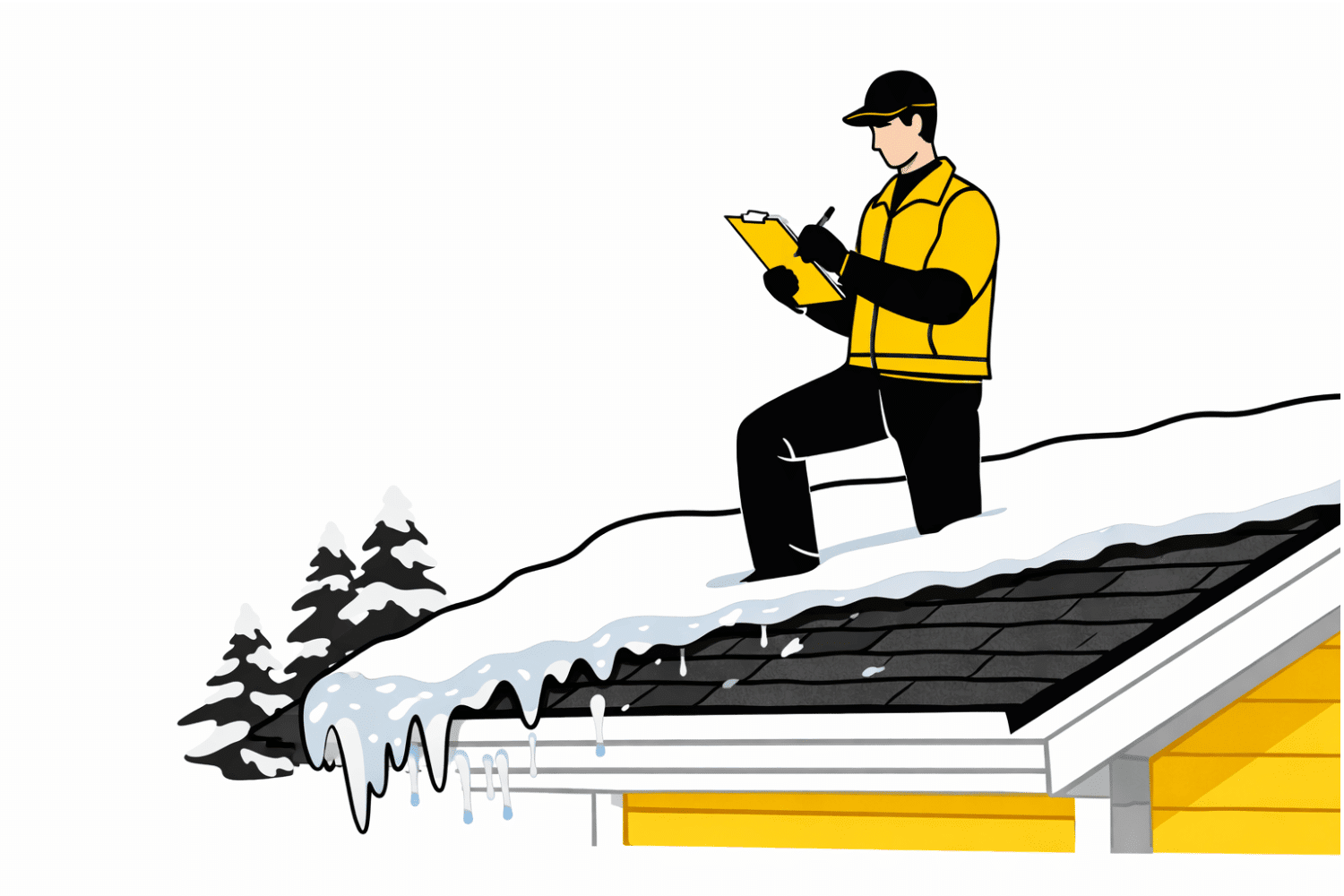
When preparing your roof for winter in Mid Missouri, timing is everything. We recommend scheduling your professional roof inspection by mid-October, well before Missouri’s average first freeze hits in mid to late November. This timing allows for necessary repairs while temperatures remain conducive to proper material adhesion and safe working conditions.
At Como Exteriors, our winter preparation inspections focus specifically on vulnerabilities that Missouri’s climate tends to exploit. We examine damage from the spring and summer storm season, which often includes hail damage that may not be immediately visible to untrained eyes. Our thorough inspection process identifies weak points that could become major problems when subjected to Missouri’s winter freeze-thaw cycles.
The roof’s current condition determines how well it will handle the winter season. We look beyond surface-level issues to identify structural concerns that could lead to costly damage once heavy snow and ice accumulate.
What We Check During Winter Prep Inspections
Our comprehensive inspection process addresses the unique challenges posed by Missouri winters. We examine asphalt shingles for granule loss and cracking that commonly occurs after Missouri’s intense summer heat and storm activity. Missing shingles or loose shingles are flagged for immediate repair, as these vulnerabilities can quickly lead to water infiltration during winter weather.
Flashing around chimneys, vents, skylights, and other roof penetrations receives special attention. Missouri’s temperature fluctuations cause expansion and contraction that can create gaps where ice and water can penetrate. We also check the roof deck for soft spots or water stains that indicate previous water damage, which could compromise the roof’s ability to support snow loads.
Our team evaluates the overall structural integrity to ensure your roof can handle Missouri’s average 20-40 inches of annual snowfall. We look for signs of sagging, damaged rafters, or other structural issues that could lead to catastrophic failure during heavy snow events.
Timing Your Inspection in Mid Missouri
The key to successful winter roof preparation lies in completing inspections before Halloween, when temperatures in central Missouri consistently drop below 50°F. This timing allows 2-3 weeks for necessary repairs before winter weather systems typically arrive in December. Cold weather can make roofing materials brittle and affect the performance of sealants and adhesives.
Como Exteriors maintains a flexible schedule throughout the winter months to provide emergency inspections when needed. Winter storms in Columbia and Jefferson City can cause unexpected damage, and we’re prepared to assess and address issues quickly to prevent further deterioration.
Early signs of problems caught during fall inspections can prevent emergency repairs that are both dangerous and expensive during Missouri’s unpredictable winter weather patterns.
Step 2: Clean and Maintain Gutters and Downspouts
Missouri’s abundant fall foliage from oak, maple, and hickory trees creates significant challenges for gutter maintenance. Clogged gutters are one of the primary causes of ice dams during Mid Missouri’s winter months, making thorough cleaning by early November essential for winter roof preparation.
Clear gutters ensure proper drainage during winter thaws, preventing water from backing up and refreezing at the roof’s edge. When gutters cannot drain properly, melting snow has nowhere to go, creating ice buildup that can force water under roofing materials and into your home’s interior.
The installation of gutter guards can significantly reduce maintenance requirements during Mid Missouri’s unpredictable winter weather. These systems help keep debris out while allowing water to flow freely, even during the freeze-thaw cycles that characterize our regional climate.
Preventing Ice Dams in Missouri’s Climate
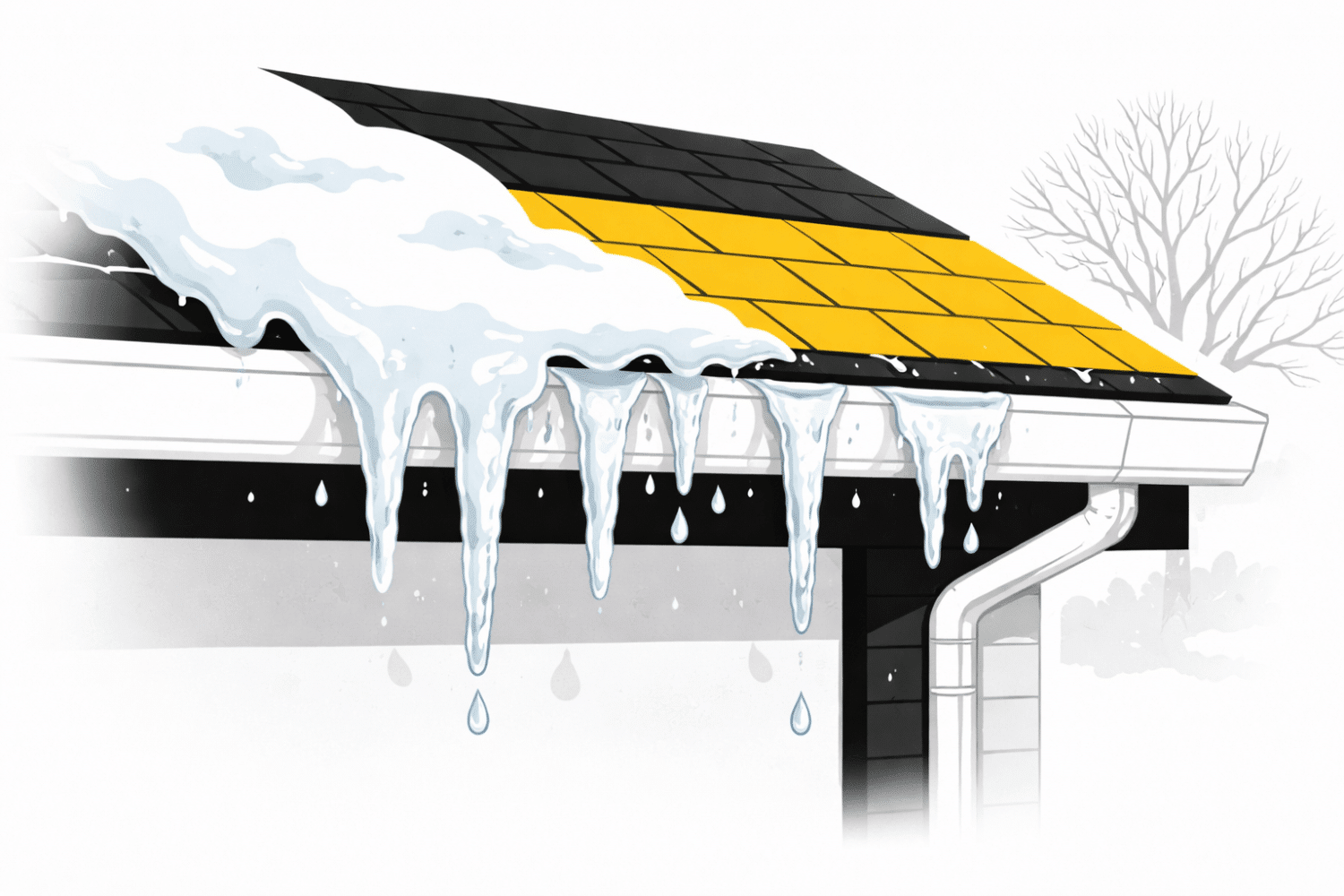
Ice dam formation is particularly problematic in areas where Missouri’s fluctuating winter temperatures create repeated freeze-thaw cycles. Warm air from poorly insulated attics melts snow on the roof, which then refreezes at the colder eaves, creating dams that force water back under shingles.
Installing heated gutter cables in problem areas provides an effective solution for homeowners who have experienced ice dams in previous winters. These systems create channels for melting snow to escape, reducing the risk of ice buildup that can damage both gutters and roof shingles.
Proper gutter slope is crucial for preventing ice dams. Gutters should slope toward downspouts at a rate of 1/4 inch per 10 feet to ensure adequate drainage. Any gaps between gutter sections should be sealed to prevent water from freezing and expanding, which can damage the entire gutter system.
Gutter Maintenance Schedule for Winter
A final comprehensive cleaning should be completed by Thanksgiving, before winter weather intensifies across central Missouri. This cleaning removes all accumulated debris and allows for a final inspection of gutter condition before the winter season begins.
Monthly checks during January and February thaw periods help identify problems before they become severe. Missouri winters often feature periods of warming that can cause rapid snow melts, putting stress on gutter systems. Safe removal of icicles may be necessary during Missouri’s typical ice storms, but this should be done carefully to avoid damage to gutters or injury.
When gutters are too high or dangerous to access safely, professional cleaning services provide the expertise and equipment necessary to maintain your system without risk. Como Exteriors offers comprehensive gutter maintenance as part of our winter preparation services.
Step 3: Address Attic Insulation and Ventilation Issues
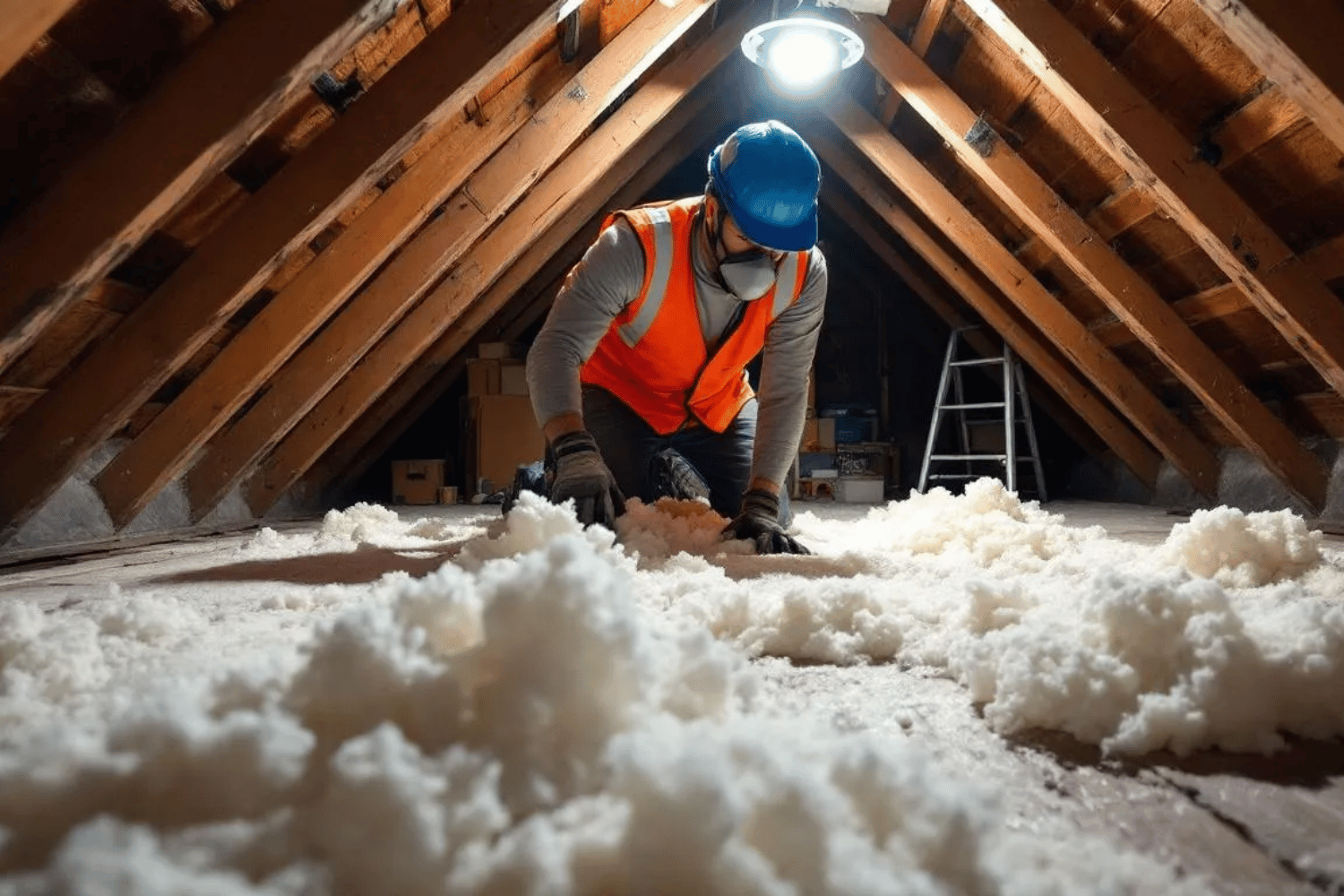
Proper attic insulation serves as your primary defense against ice dam formation and energy inefficiency during Missouri’s cold months. The Department of Energy recommends a minimum R-38 insulation value for Missouri’s climate zone 4, though R-49 to R-60 provides optimal performance during our region’s variable winter conditions.
Adequate insulation maintains a consistent temperature in your attic, preventing warm air from melting snow unevenly on your roof surface. When combined with proper ventilation systems, quality insulation helps prevent the conditions that lead to ice buildup and the potentially damaging water backing that can result.
Air leaks around chimneys, recessed lights, and attic access points can undermine even high-quality insulation. Sealing these gaps is essential for maintaining the thermal barrier that keeps your attic at ambient temperature during winter weather.
Missouri-Specific Insulation Requirements
Missouri homeowners should target R-49 to R-60 for optimal energy efficiency during our winter months, which can extend from November through March. Blown-in cellulose or fiberglass batts work well in our climate, providing the thermal resistance needed to combat Missouri’s temperature fluctuations.
Vapor barriers installed on the warm side of insulation help manage moisture levels that can be problematic during Columbia and surrounding areas’ humid winters. This is particularly important in Mid Missouri, where temperature swings can create condensation issues that compromise insulation effectiveness.
Homes with metal roofs, which are common in rural Mid Missouri, may benefit from radiant barriers in addition to traditional insulation. These systems help manage heat transfer that can contribute to uneven snow melting and ice dam formation.
Ventilation Solutions for Winter
Continuous ridge vents work effectively with Missouri’s variable winter wind patterns, providing consistent air movement that helps maintain proper attic temperatures. These systems work in conjunction with soffit vents to create the air circulation necessary during still winter days when natural convection is limited.
Baffles installed between rafters maintain air flow pathways while preventing insulation from blocking ventilation channels. This is particularly important in older Missouri homes where insulation may have settled or been improperly installed.
The general rule of thumb for Missouri homes is one square foot of ventilation per 150 square feet of attic space. Good ventilation helps prevent moisture buildup that can lead to mold, rot, and other problems that compromise your roof’s structural integrity.
Step 4: Remove Debris and Trim Overhanging Branches
Missouri’s abundant tree cover, while beautiful, poses significant risks during winter storms. Trimming branches to maintain at least 10 feet of clearance from your roof should be completed before the winter storm season, which typically runs from December through February in our region.
Dead or diseased branches are particularly dangerous during the ice storms common in January and February across central Missouri. These weakened limbs can break under the weight of ice accumulation, potentially causing severe damage to roof shingles, gutters, and even structural components.
Removing debris from the roof surface prevents moisture retention during freeze-thaw cycles that can accelerate deterioration of roofing materials. Accumulated leaves and organic matter can also provide ideal conditions for moss and algae growth that compromise shingle integrity over time.
Tree Management for Missouri Winters
Large hardwood trees typical in Mid Missouri landscapes, including oak, maple, and ash trees, require special attention before winter arrives. These species are common around the Columbia area and can pose significant risks when branches overhang rooflines during severe weather events.
Professional trimming should be scheduled in late fall when trees are dormant but weather conditions still permit safe work. This timing minimizes stress on trees while ensuring the work can be completed before winter weather makes the job dangerous or impossible.
Branches showing signs of disease or damage from summer storms should be removed immediately, as these are most likely to fail during winter weather. A qualified arborist can identify problem areas that may not be obvious to homeowners but could pose serious risks during ice storms or heavy snow events.
Roof Surface Preparation
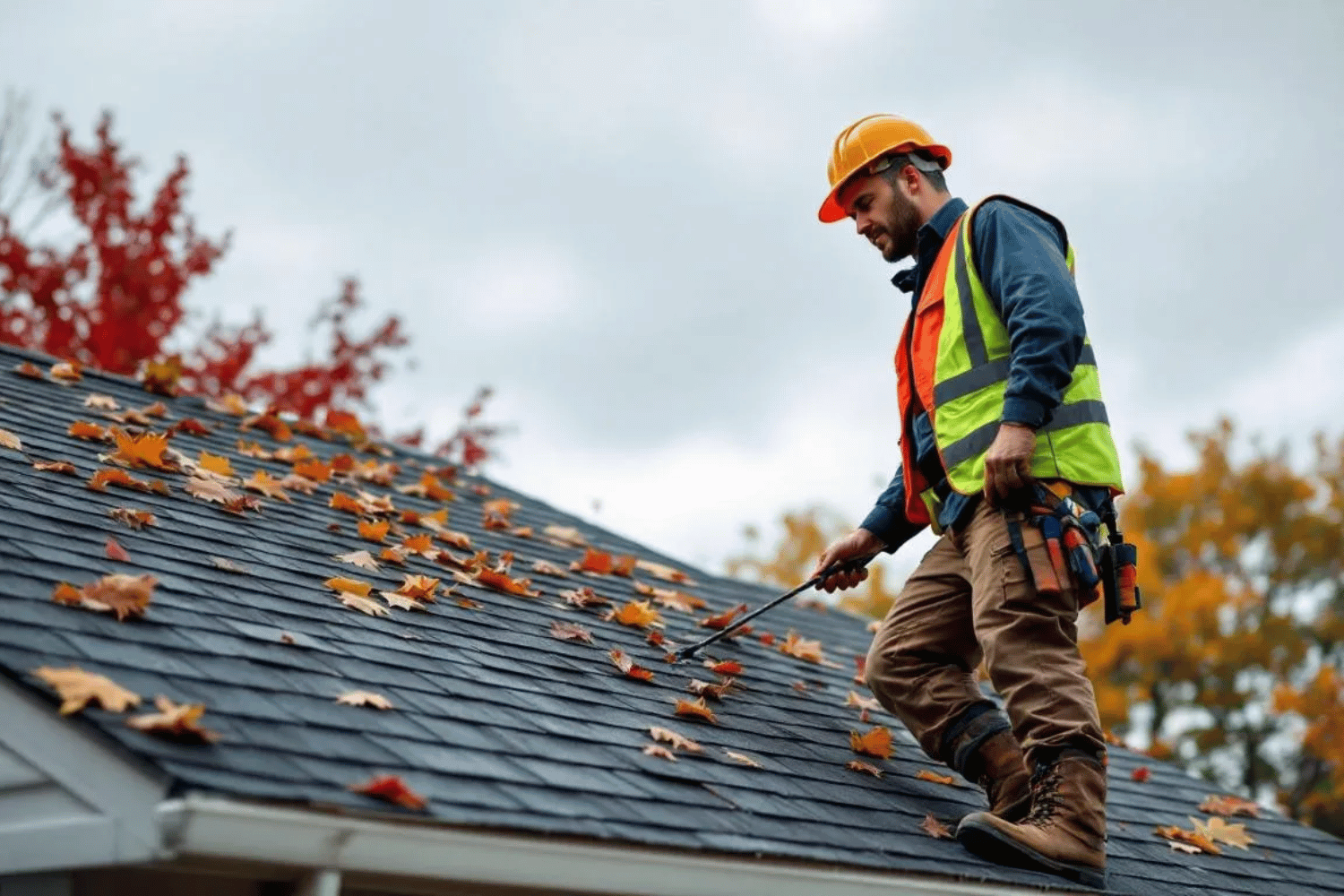
Cleaning your roof surface requires gentle techniques that won’t damage asphalt shingles or other roofing materials. A soft brush or leaf blower can effectively remove debris without causing the granule loss that can result from more aggressive cleaning methods.
Moss or algae growth, which is common in Missouri’s humid climate, should be addressed before winter arrives. These organisms can retain moisture and create conditions that accelerate freeze-thaw damage to roofing materials. Professional treatment may be necessary for severe infestations.
Special attention should be paid to roof penetrations like vents and chimneys, where debris commonly accumulates. These areas are already vulnerable to leaks, and accumulated debris can exacerbate problems during winter weather. Roof valleys also require careful cleaning, as they naturally collect debris and are critical drainage areas during snow melts.
Step 5: Prepare for Ice Dam Prevention
Ice dam prevention requires a comprehensive approach that addresses both immediate winter preparations and long-term system improvements. Installing ice and water shield membrane in vulnerable areas before winter provides additional protection against the water backing that occurs when ice dams form along roof edges.
Self-regulating heated roof cables offer an effective solution for areas that consistently develop ice dams during Missouri’s winter weather patterns. These systems activate automatically when temperatures drop, creating channels for melting snow to drain properly even during extended cold periods.
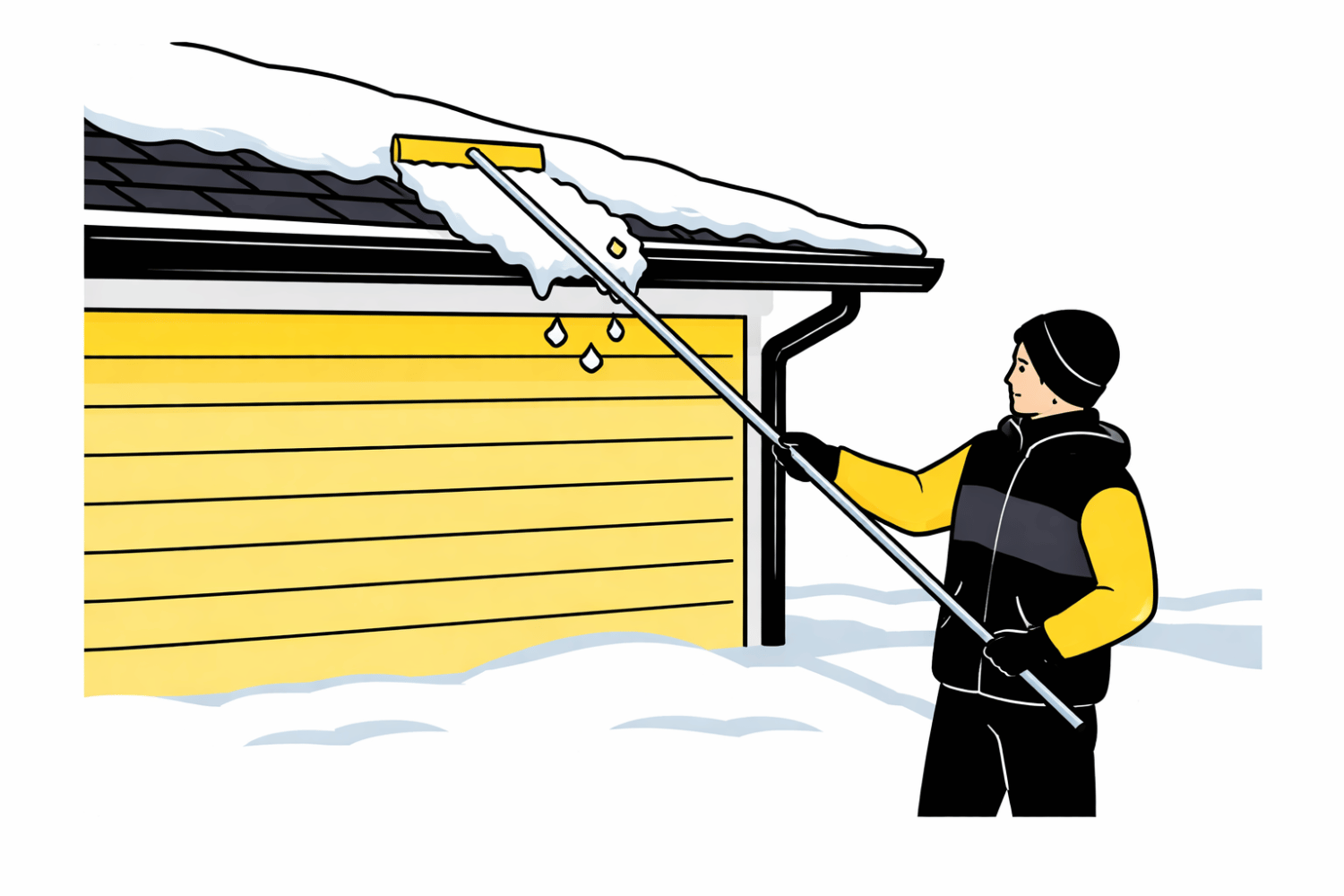
Planning your snow removal strategy using proper roof rakes designed for Missouri’s typical snow loads helps prevent the excess snow accumulation that contributes to ice dam formation. Professional removal services should be considered for steep roofs or when conditions become dangerous.
Ice Dam Prevention Systems
Self-regulating heat cables installed along roof edges where ice typically forms provide automated protection against ice buildup. These systems are particularly effective in areas of your roof that receive less direct sunlight or where architectural features create cold spots that promote ice dam formation.
Ice and water shield extending 24 inches past exterior walls provides additional protection against water infiltration when ice dams do occur. This membrane creates a watertight barrier that can prevent interior damage even when surface water cannot drain properly.
Zinc strips installed near roof ridges can help prevent ice buildup in gutters by creating a chemical reaction that inhibits ice formation. While not a complete solution, these strips can be part of a comprehensive ice dam prevention strategy for Missouri homes.
Emergency Winter Preparations
Keeping a roof rake accessible allows for safe snow removal from ground level when accumulation becomes excessive. Missouri homeowners should plan to remove snow after every 6-8 inches of accumulation to prevent the weight buildup that can stress roof structures and contribute to ice dam formation.
Emergency roofing materials including tarps and roofing cement should be stored in an accessible location for temporary repairs during severe winter weather. While permanent repairs should wait for appropriate weather conditions, emergency materials can prevent further damage during active storms.
Como Exteriors maintains 24/7 emergency services during the winter months to address urgent roofing issues that can’t wait for regular business hours. Having our contact information readily available ensures quick response during winter storms common in Jefferson City and surrounding areas.
Documentation of your roof’s current condition with photographs before winter begins provides valuable evidence for insurance purposes if storm damage occurs. This documentation can expedite claims processing and help ensure proper coverage for necessary repairs.
Why Choose Como Exteriors for Your Winter Roof Preparation
Como Exteriors brings over a decade of specialized experience in Mid Missouri’s unique winter weather challenges and local building codes. Our understanding of central Missouri’s climate patterns, from the freeze-thaw cycles that plague our region to the ice storms that can develop suddenly, allows us to provide targeted solutions that work in our specific environment.
Our expertise extends beyond roofing to include understanding of Columbia area soil conditions and how they interact with foundation systems that can affect roof performance. This comprehensive knowledge helps us identify problems that other contractors might miss and provide solutions that address root causes rather than just symptoms.
We maintain extensive experience with Missouri’s insurance requirements and storm damage claims processes, helping homeowners navigate the complex requirements that can determine whether repairs are covered. Our detailed documentation and professional reporting meet insurance industry standards and can support claims when storm damage occurs.
Emergency services available 24/7 during winter storms ensure that urgent problems receive immediate attention when they can’t wait for regular business hours. Whether you’re in Jefferson City, Columbia, or anywhere in central Missouri, our emergency response team can address critical issues that threaten your home’s integrity during severe weather.
Frequently Asked Questions
When should I start preparing my roof for winter in Mid Missouri?
Begin preparations by early October to complete all work before Missouri’s first freeze typically occurs in mid to late November. Schedule inspections and major repairs during September and October when weather conditions remain mild and conducive to quality work. Complete final preparations like gutter cleaning by Thanksgiving before winter weather intensifies across the region.
How much snow can my Missouri roof typically handle?
Most Missouri homes are built to handle 20-30 pounds per square foot of snow load according to state building codes. Fresh, powdery snow weighs about 5-10 pounds per square foot, while wet, heavy snow can weigh 15-20 pounds per square foot. Consider professional snow removal if accumulation exceeds 18 inches or if you notice any signs of roof sagging or stress.
What are the signs that my roof has ice dam damage?
Water stains on ceilings or walls near exterior walls typically indicate ice dam leaks have occurred. Icicles longer than 2 feet hanging from gutters often suggest poor attic ventilation and potential ice dam formation. Ice buildup in gutters or along roof edges that persists after snow melts from other areas is a clear sign of ice dam problems that need immediate attention.
Should I remove snow from my roof myself?
Use a roof rake from ground level only – never climb on an icy or snow-covered roof due to extreme safety risks. Remove snow after every 6-8 inches of accumulation to prevent excessive weight that can stress roof structures. Contact Como Exteriors for professional snow removal if you’re uncomfortable doing it safely or if your roof design makes ground-level removal impossible.
How often should I have my roof inspected in Missouri?
Schedule annual inspections each fall before winter weather arrives and after any severe weather events throughout the year. Missouri’s frequent hail storms and high winds during spring and summer require additional inspections after major storms to identify damage before it worsens. Consider bi-annual inspections if your roof is over 15 years old or has experienced previous problems.