
Roof Leak After Storm: What To Do Right Now (Mid-Missouri Homeowner Guide)
Key Takeaways
- Storms in Mid-Missouri—from Columbia to Jefferson City to Lake of the Ozarks—frequently cause sudden roof leaks that require a calm, clear response. The first priority is always safety: protect people and valuables, contain water inside your house, and avoid climbing on a wet roof.
- Your next critical step is calling a trusted local roofing contractor like CoMo Premium Exteriors for an emergency inspection and temporary protection before water damage spreads further.
- Document damage with photos and video before any cleanup begins—this documentation proves invaluable for insurance claims and helps your contractor design the right permanent repair.
- Understanding the difference between emergency protection and permanent roof repair helps you make informed decisions about your roofing project without overpaying or under-fixing.
- Most leaks can be fixed effectively when addressed quickly, and CoMo Premium Exteriors can help you navigate both the repair process and your insurance claim from start to finish.
Step 1: What To Do The Minute You Notice a Roof Leak After a Storm
If you’re reading this with water dripping into your living room, take a breath. Post-storm leaks are incredibly common across Central Missouri, especially after the strong thunderstorms, hail events, and high winds that roll through each spring and fall. You’re not alone, and there’s a clear path forward.
Think of this section as your emergency quick-start checklist—actions you can take right now, even while rain is still falling outside.
Immediate Safety Actions
|
Priority |
Action |
Why It Matters |
|---|---|---|
|
1 |
Keep family and pets away from the leak area |
Water near electricity creates shock hazards |
|
2 |
Turn off power to affected rooms if water is near outlets or light fixtures |
Prevents electrical fires and injuries |
|
3 |
Avoid standing water near power strips or appliances |
Eliminates shock risk while you work |
Protect Your Belongings
Move furniture, electronics, and valuables away from the leak immediately. For items too heavy to relocate, cover them with plastic sheeting or thick towels. A few minutes of protection now can save thousands in damaged property later.
Contain the Water
Here’s how to limit the spread of water damage inside your home:
- Place buckets, plastic totes, or large pots directly under active drips
- Use towels to soak up water on floors and create barriers around spreading puddles
- If your ceiling is bulging with trapped water, call a professional immediately—but if you feel safe and comfortable, you can carefully poke a small hole in the center of the bulge with a screwdriver and position a bucket below to relieve pressure and prevent a larger ceiling collapse
Important safety reminder: Do not climb on your roof or into the attic during active lightning, heavy wind, or if you feel unsafe at any point. Personal safety matters more than stopping every drop of water. A leaky roof can be fixed; injuries cannot be undone.
Once you’ve stabilized the immediate situation inside, your next move is contacting a professional who can assess and protect your roof.

Step 2: Call a Local Roofing Expert Before You Call Insurance
After stabilizing the inside of your home, your next priority is contacting a qualified professional roofing contractor—not your insurance company first. This order matters more than most homeowners realize.
A reputable roofer can confirm whether the leak is actually storm-related (versus an ongoing maintenance issue), document the damage correctly using industry standards, and help you decide if filing an insurance claim makes sense based on your roof’s age, condition, and your policy’s deductible.
Why a Local Contractor First?
At CoMo Premium Exteriors, we serve Columbia, Jefferson City, Boonville, Moberly, and the Lake of the Ozarks area. We commonly respond to leaks after specific storm types our region experiences—hail events peaking from April through June, and wind damage from late summer thunderstorms. Our familiarity with Mid-Missouri’s 40-50 annual thunderstorm days means we understand exactly what local roofers face and what your roof has endured.
Our triple certifications—GAF Master Elite, Owens Corning Platinum Preferred, and James Hardie Elite Preferred—aren’t just plaques on a wall. We’re the only contractor in our region holding all three, and these designations require:
- Annual factory training on proper installation techniques
- Maintaining a 4.0+ customer satisfaction rating
- Meeting strict quality standards that insurance companies recognize when reviewing repair scopes and warranties
Questions to Ask Any Contractor You Call
Before scheduling an inspection, ask potential contractors:
- Do you have a local physical address in Mid-Missouri?
- Can you provide proof of current insurance and licensing?
- How many years have you worked specifically in this region?
- Do you offer emergency tarping or temporary repairs?
CoMo Premium Exteriors can often provide same-day or next-day leak response after major storms, including a thorough inspection, photographs for your records, and temporary protection to prevent further damage while permanent repairs are planned.
Having a contractor’s written findings and photos in hand before you contact insurance makes that conversation smoother and more accurate.

Step 3: Document the Roof Leak and Storm Damage Thoroughly
Careful documentation can be the difference between an easy insurance claim and a frustrating one. It also helps your contractor design the right long-term repair by understanding exactly what happened and where.
Interior Photo Checklist
Take these photos before any cleanup begins:
- Wide shots of each affected room showing the overall context
- Close-ups of ceiling stains, bubbling paint, and wet drywall
- Detail shots of wet flooring, damaged furniture, and any visible drips
- Water stains on walls, especially near exterior corners
Exterior Documentation (From the Ground Only)
Stay safe and photograph these items from ground level:
- Shingles or debris scattered on your lawn
- Damaged gutters, bent downspouts, or separated seams
- Visible missing shingles or curled shingles on the roof surface
- Dents or cracks in metal flashing around chimneys and vents
- Downed tree branches, especially those that may have struck the roof
Create a Storm Log
Note the exact date and approximate time the storm passed—for example, “June 14, 2025, evening thunderstorm around 7:30 PM.” Record what you observed:
- Hail size (marble, quarter, golf ball)
- Strong wind gusts
- Driving rain from a particular direction
- Duration of the severe weather
Keep a simple written log of when the leak started, where it appeared (e.g., “dining room ceiling near exterior wall”), and whether it worsens during certain conditions like wind direction or rain intensity.
Professional Documentation
CoMo Premium Exteriors’ inspectors will add their own comprehensive documentation—roof photos, attic photos, and written notes on shingle, flashing, and underlayment damage. We use this to provide a complete picture of the roof damage you can share directly with your insurance adjuster.
Pro tip: Save all receipts for emergency work—fans, tarps, shop vac rentals, even hotel stays if you had to leave temporarily. Many homeowners insurance policies cover these expenses, but you’ll need documentation to submit during the claim process.
Step 4: Contact Your Homeowners Insurance the Smart Way
It usually makes sense to speak with a roofing contractor first, then call your insurance carrier once you have a clearer picture of the damage and potential repair cost. This approach prevents you from filing claims for damage that falls below your deductible or isn’t covered.
What to Have Ready Before Your Call
|
Document |
Details |
|---|---|
|
Policy number |
Found on your declarations page |
|
Storm date and time |
From your log created in Step 3 |
|
Photos |
Both interior and exterior damage |
|
Contractor notes |
Preliminary findings if available |
|
Damage list |
Visible damage inside and outside |
How a Typical Claim Works in Mid-Missouri
- Phone intake: You call your insurance company and describe the storm damage
- Claim number issued: Keep this number handy for all future communication
- Adjuster visit scheduled: Often within a few days after a large storm event, though major storms can create backlogs
Understanding ACV vs. RCV
Your policy likely uses one of two methods to determine your payout:
- Actual Cash Value (ACV): Insurance pays what your roof is worth today, accounting for age and wear. A 15-year-old roof receives less than a 5-year-old roof, even for identical damage.
- Replacement Cost Value (RCV): Insurance covers the full cost of replacing your roof with materials of similar quality, regardless of depreciation.
Your deductible applies either way. Understanding your coverage helps you anticipate out-of-pocket costs before repairs begin.
How We Help With Insurance
At CoMo Premium Exteriors, we routinely meet with insurance adjusters on-site throughout Central Missouri. We help point out storm damage they might miss—like hidden issues in valleys, around flashing, and at ridge vents. Studies suggest adjusters can miss up to 50% of secondary damage during initial inspections.
We provide detailed written estimates that align with insurance scope language, making it easier for your claim to be approved without endless back-and-forth.
Ask your insurance company if emergency tarping or temporary repairs are covered, and how to submit those receipts for reimbursement. Most policies include provisions for reasonable measures to prevent further damage.
You don’t have to “speak the adjuster’s language” alone. We can help explain line items, code requirements, and material choices so you feel confident throughout the process.
Step 5: Emergency Protection vs. Permanent Roof Repair
Understanding the difference between short-term emergency measures and the permanent fix your roof ultimately needs helps you make informed decisions and set realistic expectations.
Temporary Protection Options
|
Method |
Purpose |
Duration |
|---|---|---|
|
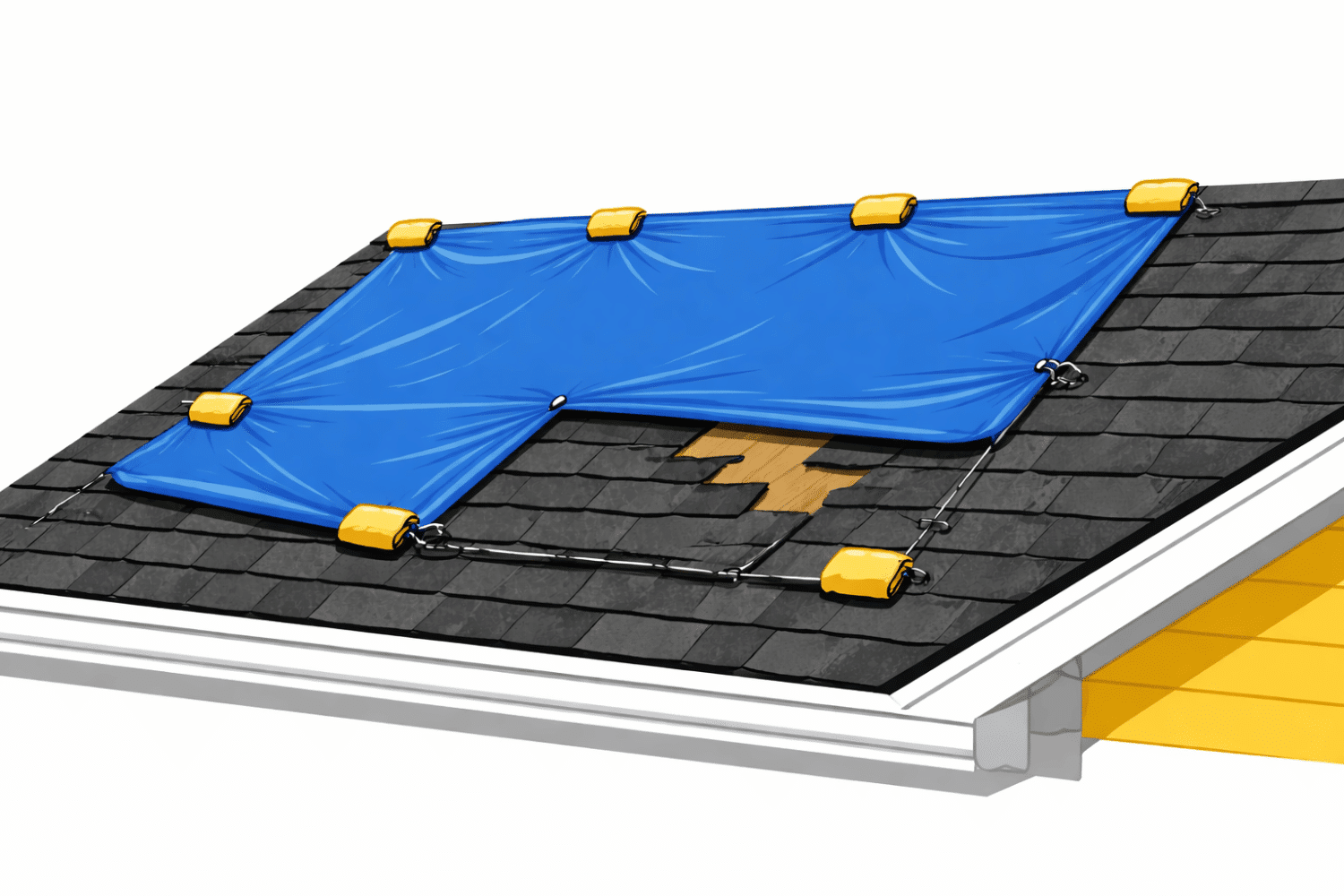
Professional roof tarping |
Covers large damaged sections |
Weeks to months if properly secured |
|
Plastic coverings at penetrations |
Protects around chimneys, vents, skylights |
Until permanent repair |
|
Sealing around flashing |
Slows active leaks at vulnerable points |
24-72 hours under moderate conditions |
These temporary repairs should be installed by professionals whenever possible. Improperly secured tarps can blow off in the next storm or cause additional shingle damage when removed. Attempting DIY repairs on a wet or damaged roof creates serious safety risks.
Our Emergency Response Approach
At CoMo Premium Exteriors, we approach emergency work with a clear priority order:
- Quick response to active leaks
- Stabilize the home with proper temporary protection
- Thorough inspection once conditions allow
- Detailed proposal for a long-term repair or roof replacement plan
Permanent Solutions
Depending on the extent of damage, permanent repairs might include:
- Replacing missing or creased shingles in affected slopes
- Reworking flashing around chimneys and skylights where water intrusion occurred
- Addressing damaged shingles across multiple roof sections
- Installing a complete new roof when hail and wind damage is widespread
In Mid-Missouri, building codes and manufacturer requirements often call for replacing damaged roofing components—like underlayment, drip edge, and ventilation—rather than just patching small areas. We’ll explain these requirements in plain language so you understand exactly what your roof needs and why.
Our Warranty Protection
CoMo Premium Exteriors backs our work with strong material warranties from GAF, Owens Corning, and James Hardie, plus a limited lifetime workmanship warranty. This gives you confidence that your leak repair—or new roof—will hold up through future Mid-Missouri storms.
Step 6: How to Tell If Your Roof Leak Means You Need a New Roof
Not every leak requires a full roof replacement. However, recurring leaks or widespread storm damage often signal it’s time to consider a new roofing system rather than another patch.
Signs Your Leak May Be Part of a Larger Problem
Age and condition factors:
- Your roof is 15-25 years old (typical lifespan for asphalt shingles in our climate)
- You’ve had multiple prior repairs in the same area
- Shingles appear brittle, cracked, or curling across large sections
- A single storm left numerous missing or blown-off shingles
Interior warning signs:
- Large, spreading ceiling stains that keep growing
- Multiple leak points appearing in different rooms
- Musty odors in the attic indicating moisture problems
- Visible mold on rafters, roof deck, or insulation
Research shows that moisture problems can foster mold growth in 70% of cases when water intrusion goes unaddressed for just 48 hours—especially during Mid-Missouri’s warm, humid summers.
How We Evaluate Replacement vs. Repair
Our evaluation process includes:
- Full-roof inspection examining every slope and penetration
- Attic check for ventilation adequacy and moisture signs
- Storm history review for your neighborhood
- Honest discussion about your budget and long-term plans for the home
We can price both targeted repairs and full replacement so you can compare short-term savings against long-term value. If a new roof is the better solution, we offer financing options to make it manageable.
Building for Mid-Missouri Weather
We install roofing systems designed specifically for our region’s challenges:
- Impact-resistant Class 4 shingles tested to withstand 2-inch hail at significant speeds
- Upgraded synthetic underlayment that provides superior moisture protection
- Ice and water shield in valleys and around penetrations
- Proper attic ventilation to prevent ice dams and moisture buildup
These upgrades can reduce claim denials and extend roof lifespan significantly compared to standard installations.
Don’t delay a professional evaluation, even if the leak seems small. Catching problems early almost always costs less than waiting until damage spreads to the roof deck, attic insulation, or interior walls.
Preventing Future Roof Leaks After the Storm Is Over
Use your recent experience as motivation to make your home more resilient before the next storm season arrives. A little prevention now can save significant stress and expense later.
Schedule Regular Professional Inspections
Have your roof inspected by a professional at least once a year—and after any major hail storm or wind event in the Columbia and Jefferson City area. Annual inspections can cut repair needs by up to 80% by catching loose shingles, failing sealant, or early flashing problems before they become leaks.
Maintenance You Can Manage From the Ground
You don’t need to climb on your roof to protect it. Handle these tasks safely from ground level:
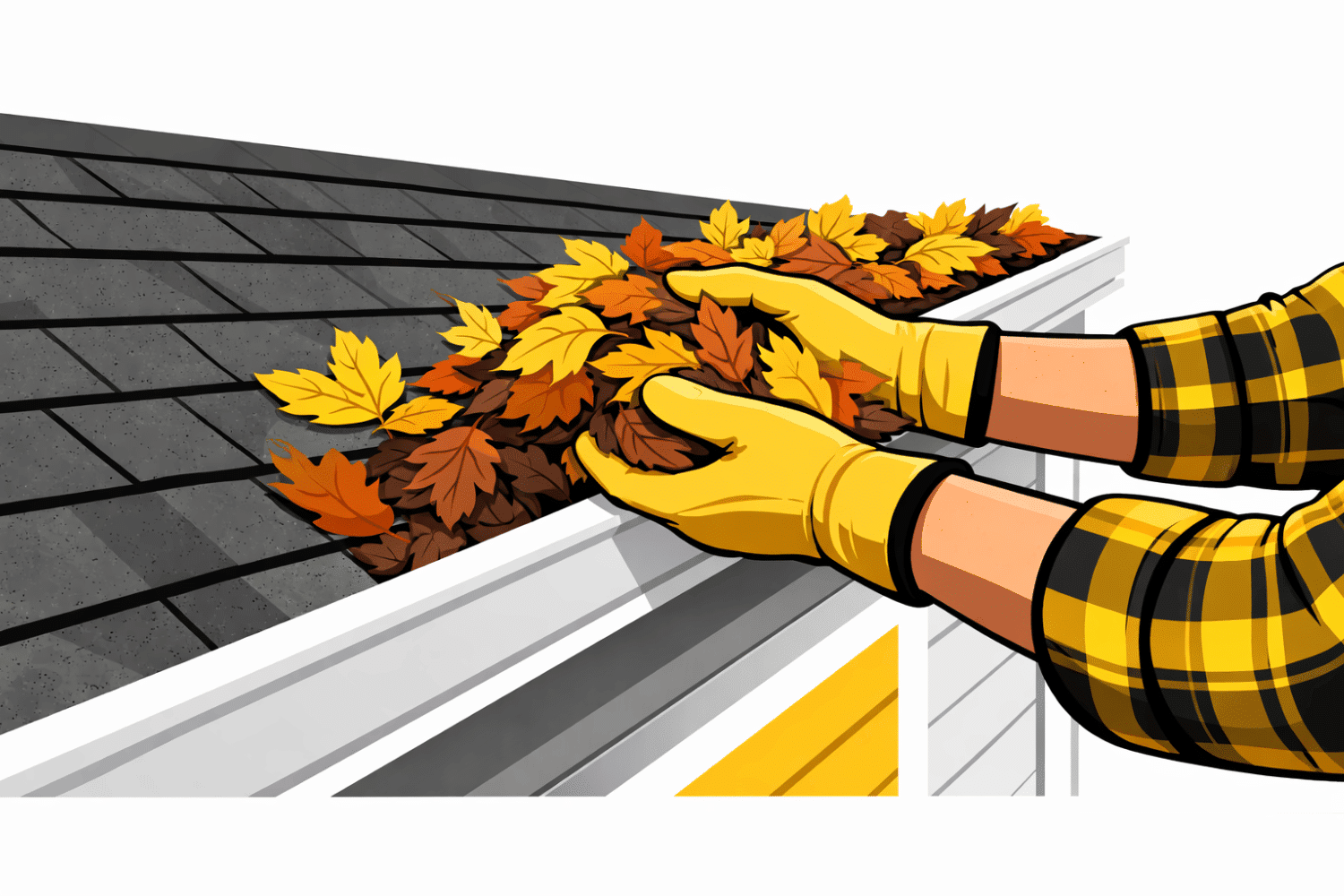
- Keep gutters and downspouts clear of leaves and debris—clogged gutters can cause water to back up under shingles
- Trim overhanging tree limbs that could fall during storms or scrape shingles during wind
- Watch for shingle granules accumulating around downspouts (a sign of shingle wear)
- Note water pooling near your foundation, which can indicate drainage problems
Upgrade Materials for Better Protection
When it’s time for repair or replacement, consider upgrades that handle Mid-Missouri’s weather patterns:
|
Upgrade |
Benefit |
|---|---|
|
Impact-resistant shingles |
Better hail protection, potentially lower insurance premiums |
|
Synthetic underlayment |
Superior moisture barrier compared to felt |
|
Ice and water shield |
Prevents ice dam damage in valleys and at eaves |
|
Balanced attic ventilation |
Reduces moisture, extends shingle life, prevents ice dams |
Full Exterior Evaluation
CoMo Premium Exteriors offers complete exterior evaluations—not just roofing. We inspect siding, windows, and gutters for storm weaknesses that could lead to future water intrusion. Catching a cracked window seal or damaged siding now prevents interior damage during the next severe weather event.
Create a Storm Folder
Keep a simple “storm folder” (digital or paper) containing:
- Past inspection reports
- Warranty documents
- Photos of your roof in good condition
- Receipts for previous repairs
This makes it easy to compare conditions after a new storm, respond quickly with documentation, and demonstrate proper maintenance if questions arise during an insurance claim.
Having a trusted, local, long-term contractor on call—rather than relying on out-of-town storm chasers who disappear after collecting payment—makes each future storm much less stressful.
A roof leak after a storm doesn’t have to become a long-term headache. With quick action, proper documentation, and the right local partner, you can protect your home and move forward with confidence.
If you’re dealing with a leak right now—or you want to catch potential problems before the next storm hits—give us a call at (573) 424-9008. We’re happy to walk you through your specific situation, answer questions, and schedule an inspection at your convenience. No pressure, just honest advice from a team that’s been helping Mid-Missouri homeowners for over 25 years.
FAQs
Is a small ceiling stain after a storm really a big deal?
Yes, even small water stains can indicate water getting into your roof system. What looks like a minor discoloration on your ceiling might mean wet insulation above, moisture reaching electrical wiring, or the early stages of mold development. It’s wise to schedule an inspection within a few days rather than waiting for the next rain to see if it gets worse. The cost to inspect is far less than the cost to remediate mold or replace saturated insulation.
How long can I safely wait to fix a roof leak?
Moisture problems can worsen significantly within 24-48 hours, especially during warm, humid Mid-Missouri weather. Mold can begin developing within this window, and water can spread horizontally through insulation and along rafters, affecting areas far from the original leak. Contact a roofer as soon as you notice a leak, even if water stops once the rain ends. Act quickly to prevent what starts as a simple repair from becoming a major roofing project.
Will my insurance premium automatically go up if I file a storm damage claim?
Every policy and insurance company handles this differently. Storm claims (sometimes called “act of God” claims) are often treated differently than claims resulting from homeowner negligence. We encourage you to discuss this with your agent and weigh the claim amount against your deductible. CoMo Premium Exteriors can help estimate repair costs so you can make an informed decision about whether filing a claim is worthwhile for your situation.
Can CoMo Premium Exteriors help if my adjuster already denied part of my claim?
Absolutely. We can review the inspection report, provide our own detailed findings with photos and measurements, and supply supplemental documentation to your insurance company for reconsideration. Our experience working with adjusters throughout Central Missouri means we know what documentation carriers typically require and how to present it effectively. Many initially denied claims are approved after proper supplemental information is submitted.
Do you offer financing if I need a new roof because of repeated leaks?
Yes, CoMo Premium Exteriors offers financing options for qualifying homeowners. We understand that an unexpected roof replacement can strain any budget, especially if insurance coverage falls short. Contact us at (573) 424-9008 to review payment plans that fit your financial situation while still getting a long-term, storm-ready roof installed correctly.
