Roof Shingle Types for Mid-Missouri Homes: What Actually Matters
If you are comparing roof shingle types for your Mid-Missouri home, you do not need an endless catalog. You need to know which options hold up to hail, wind, heat, and normal aging without overbuying or getting sold on the wrong system.
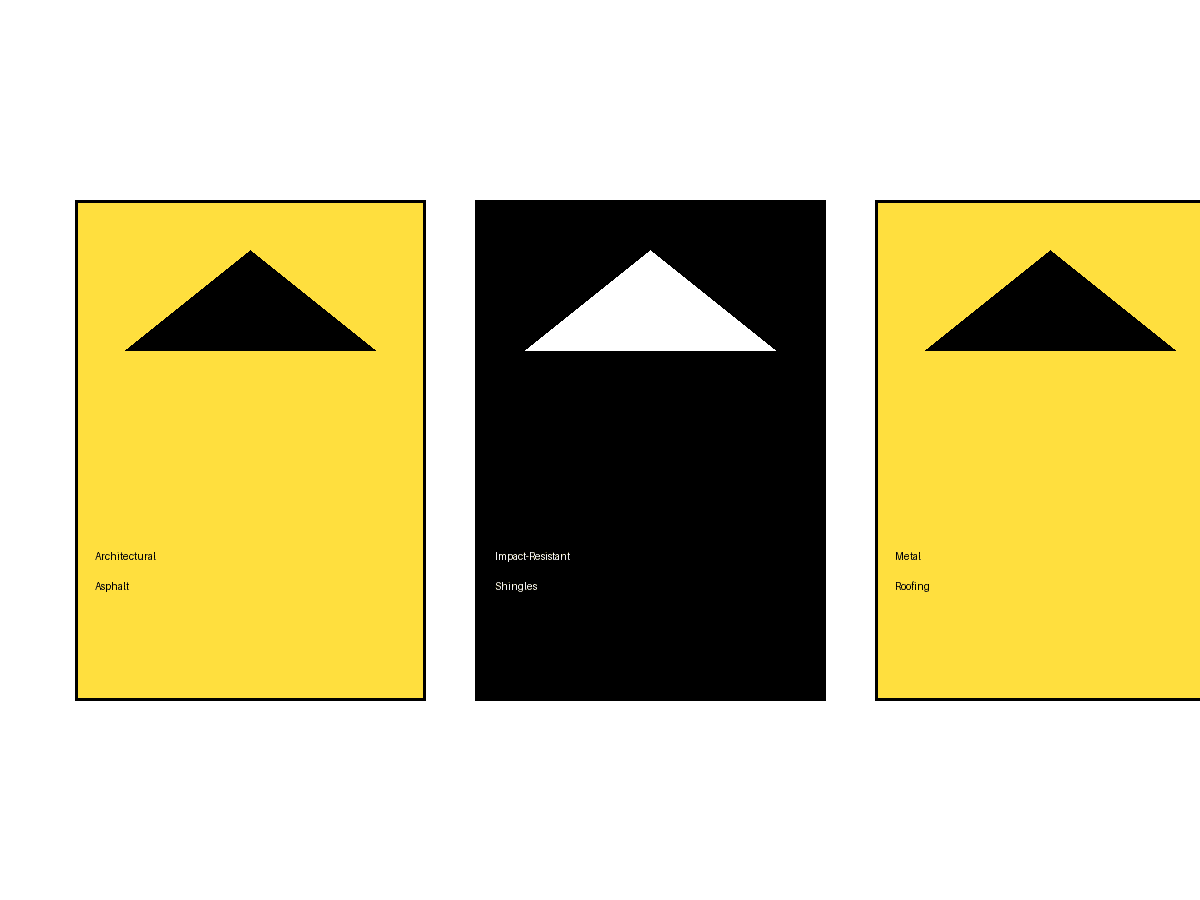
For many homes in Columbia, Jefferson City, and the surrounding area, architectural asphalt shingles are the practical baseline. They are not the only option, but they usually give homeowners the best balance of cost, curb appeal, repairability, and weather performance. If your roof has taken repeated storm hits or you plan to stay in your home long-term, impact-resistant shingles or a metal roofing system may also be worth a close look.
If you need help sorting those options around your actual roof — not a sales pitch — our roofing team can walk you through the comparison in plain language.
What Mid-Missouri weather changes about the shingle decision
A roofing article written for everywhere is usually useful nowhere. Mid-Missouri roofs deal with a specific set of problems: hail, high winds, heavy rain, summer heat, winter freeze-thaw swings, and tree debris. According to Missouri Climate Center data, the state recorded 105 tornado reports in 2024 alone — one short of the all-time record — and severe hail events are a regular spring and summer occurrence across Boone, Cole, and Callaway counties.
That weather reality matters because the right roof on paper is not always the right roof on your house. A cheaper shingle can look fine in a quote and still age badly if the roof already has ventilation issues, storm wear, or weak flashing details. A premium product is not automatically the smart answer either if the roof structure, budget, or long-term plan points toward a simpler option.
The better question is not just “Which shingle type is best?” It is “Which roofing system fits this house, this weather, and this stage of the roof’s life?”
The roof shingle types most Mid-Missouri homeowners should actually compare
Architectural asphalt shingles (dimensional shingles)
For most residential homes in this area, architectural shingles — also called dimensional or laminate shingles — are the default starting point. Products like the GAF Timberline HDZ and the Owens Corning Duration series are two of the most common choices contractors install here, and for good reason.
They offer a heavier, more dimensional profile than old three-tab shingles, better visual depth, and a stronger balance of price and durability. Most carry wind ratings up to 130 mph when installed with the manufacturer’s recommended methods, and limited lifetime warranties are standard on both lines.
If your roof is in replacement territory and you want a dependable option without stepping up to a specialty system, this is usually where the conversation starts.
Impact-resistant shingles (Class 4)
If your neighborhood sees frequent hail or you have already filed storm damage claims, impact-resistant shingles deserve serious consideration. These are rated Class 4 under the UL 2218 impact test, which means they survived steel ball impacts at specific velocities during testing.
Both GAF and Owens Corning offer impact-rated versions of their architectural lines. They typically cost more up front, but that premium can pay off through reduced storm damage, fewer insurance claims, and sometimes lower homeowners insurance premiums — check with your provider.
They are not magic. They still need proper installation, and they do not eliminate storm risk entirely. But for homeowners tired of Missouri weather turning the roof into an annual surprise, they can be a smarter fit.
Designer and luxury shingles
Designer shingles are usually about appearance first, with durability and cost following behind. Some homeowners like the heavier profile, thicker tabs, and higher-end look — especially on homes where curb appeal is a priority.
That can be a valid choice, but it should be intentional. If the goal is straightforward performance and sensible value, many Mid-Missouri homes do not need to move this far up the product ladder.
Metal roofing as the main alternative
Metal roofing is not a shingle, but it belongs in the conversation because many homeowners compare it against shingle replacement. Standing seam and exposed-fastener metal systems can offer 40 to 70 years of service life, strong shedding of rain and snow, and a different aesthetic altogether.
It also changes the budget, repair strategy, and look of the house. Metal typically costs two to three times what an architectural shingle installation runs in this market. If you are weighing shingles against metal, compare the whole job — not just material hype. Our roof replacement page is a better next stop if that decision is already on the table.
What usually does not belong at the center of the decision
Clay tile, slate, wood shake, solar shingles, and other specialty systems get a lot of space in generic list posts. For most Mid-Missouri homeowners, they are not where the real decision starts. They can be viable in the right situation, but they are often higher-cost, less commonly installed in this area, or structurally more demanding than what most homes here actually need.
How to choose without talking yourself into the wrong roof
A lot of bad roofing decisions come from narrowing the choice too early. Homeowners fixate on one factor — usually price or appearance — and miss the part that actually controls the outcome.
- Start with roof condition. If the decking, flashing, ventilation, or drainage are already compromised, the shingle product alone will not save the job.
- Consider storm exposure honestly. If hail and wind are part of your roof’s real history, durability should move up the priority list.
- Match the roof to your ownership timeline. A house you plan to keep for decades may justify a different choice than one you expect to sell sooner.
- Do not confuse premium with necessary. The most expensive option is not automatically the smartest one for your situation.
- Factor in insurance. Some impact-resistant shingles qualify for insurance discounts. Ask your agent before assuming the upgrade costs more net.
If your roof already shows storm wear, leaks, lifted shingles, or repeated patching, it may make sense to sort out the roof condition first through a storm-damage inspection before locking in a replacement material.
When a repairable roof should not be treated like a replacement project
Not every roof problem means you need a brand-new system. If the damage is limited and the rest of the roof is still performing, a targeted repair may be the smarter move.
The trouble starts when homeowners shop materials before they know whether the roof is in repair range, replacement range, or somewhere in between. That is how people end up overspending on the wrong decision or underspending on a roof that is already past the point of a simple fix.
A proper inspection gives you that boundary line. Once you know where the roof actually stands, the shingle comparison gets a lot simpler.
What shingle replacement costs look like in Mid-Missouri
National cost averages are not that useful when you are trying to budget for a roof in Columbia or Jefferson City. Here is what actually drives the number:
- Roof size and pitch — Steeper and larger roofs cost more in labor and materials.
- Number of layers — If there are two layers of old shingles to tear off, the job costs more than a single-layer removal.
- Decking condition — Rotting or soft decking has to be replaced before new shingles go on.
- Product tier — Moving from a standard architectural shingle to an impact-rated or designer line changes the material cost noticeably.
- Flashing, ventilation, and detailing — These are not optional add-ons. Done wrong, they undermine even the best shingle.
For a straightforward architectural shingle replacement on a typical Mid-Missouri home, the range usually falls between the mid-hundreds to low-thousands per roofing square (100 square feet), depending on those factors. Impact-resistant shingles add a premium on top of that, and metal roofing runs significantly higher.
The only way to get a real number is to have someone measure the roof, check the condition, and quote the specific product you are considering. That is what our free inspection is designed to do.
A practical next step
If you are choosing between shingle types because your roof is aging, storm-damaged, or starting to fail, start with the facts. A good contractor should explain what shape the roof is in, which options make sense for your home, and where a more expensive system would or would not pay off.
CoMo Premium Exteriors helps Mid-Missouri homeowners compare roofing options without turning the conversation into theater. If you want a clear read on the roof first, request a free inspection. If you want to explore your options for a specific area, our Columbia roofing page and roofing services overview have more detail.
Frequently Asked Questions
What is the best roof shingle type for most Mid-Missouri homes?
For many homes, architectural asphalt shingles are the strongest all-around starting point. Products like GAF Timberline HDZ and Owens Corning Duration balance cost, durability, curb appeal, and repairability better than niche materials for the typical homeowner.
Are impact-resistant shingles worth it in Missouri?
They can be. If your roof regularly sees hail or repeated storm exposure, Class 4 impact-resistant shingles may justify the higher upfront cost. The value depends on your storm history, budget, how long you plan to stay in the home, and whether your insurance provider offers a discount for impact-rated roofing.
Are three-tab shingles still a smart choice?
Sometimes, but usually only when budget is the main constraint. Most homeowners now compare three-tab against architectural shingles because the performance and visual upgrade is often worth the modest price difference.
Is metal roofing better than shingles?
Not automatically. Metal roofing can last longer and perform very well, but it changes the look, cost, and repair approach. The better choice depends on your house, your budget, and what you want the roof to do over the next few decades.
How do I know if I need a new roof instead of just different shingles?
If the roof has widespread wear, recurring leaks, storm damage, or multiple failing areas, the bigger question is replacement versus repair — not product selection alone. An inspection helps sort that out before you commit to a material.
Should I choose shingles based only on price?
No. Price matters, but it should be weighed alongside storm durability, appearance, expected lifespan, repairability, and the actual condition of the roof underneath. The cheapest bid with the cheapest shingle is often the most expensive decision over time.
How long do architectural shingles typically last in Mid-Missouri?
Most architectural shingles carry a limited lifetime warranty, but real-world lifespan in Mid-Missouri depends heavily on storm exposure, ventilation quality, and installation. In this climate, 20 to 30 years of service is common for a properly installed architectural shingle roof, though severe hail years can shorten that.
Do I need to tear off old shingles before installing new ones?
In most cases, yes. Missouri building codes generally limit roofing to two layers. A full tear-off lets the contractor inspect the decking, fix hidden damage, and ensure the new shingles are nailed to solid wood — not layered over an aging surface that could fail early.
