
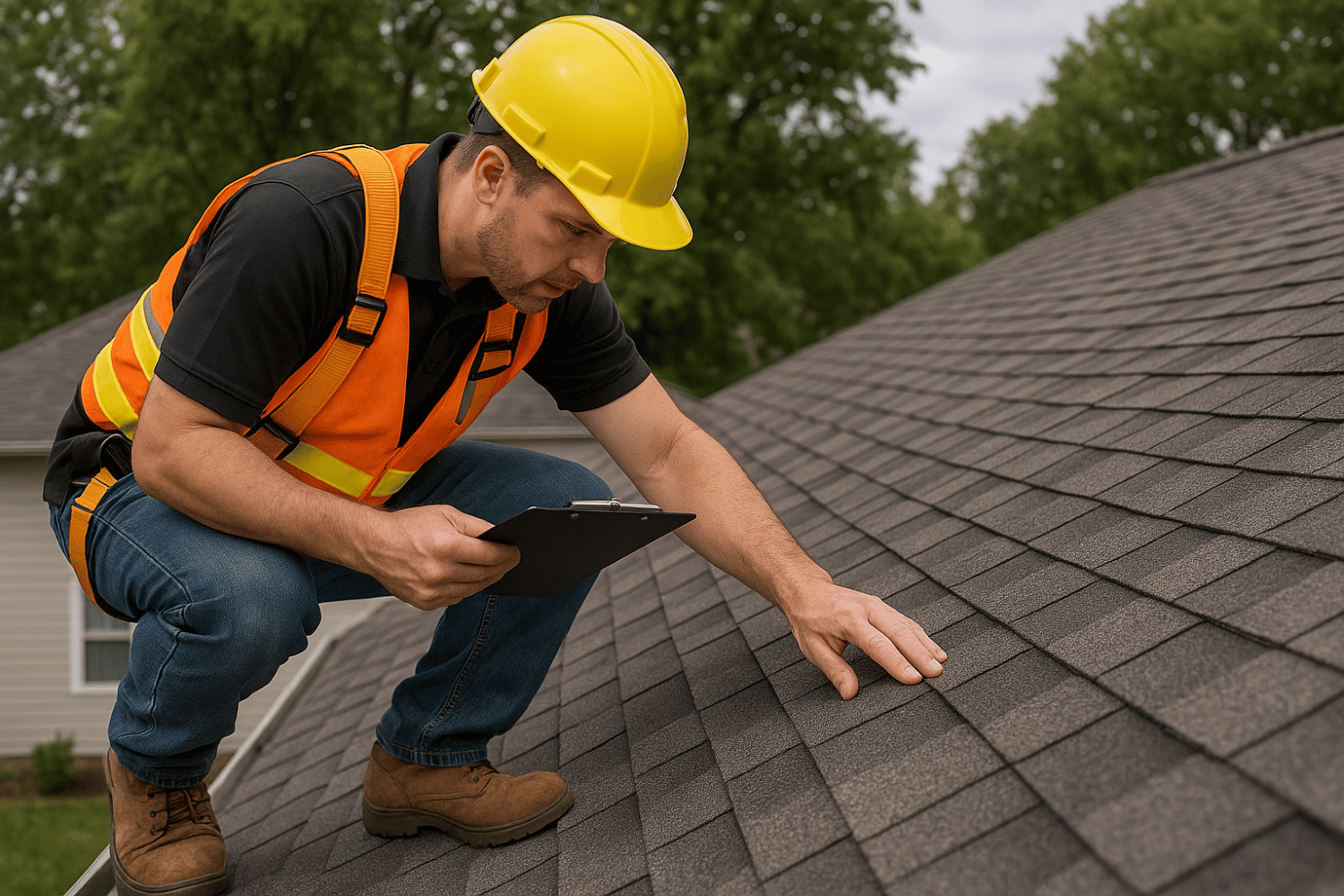
What Is a Roof Inspection Worth: A Homeowner’s Guide
Many homeowners hesitate when facing a roof inspection cost, questioning whether the investment is truly worthwhile. At Como Exteriors, we understand this concern, but the data tells a compelling story: a single professional roof inspection averaging $331 can prevent thousands of dollars in costly repairs and extend your roof’s lifespan significantly.
The reality is that most homeowners view roof inspections as an unnecessary expense until it’s too late. However, when you consider that roof replacement costs typically range from $15,000 to $30,000, and water damage from undetected roof leaks can cost $3,000 to $15,000 to repair, the value proposition becomes crystal clear.
This comprehensive guide will break down exactly what a roof inspection is worth, helping you understand the true return on investment and when these inspections provide maximum value for your property.
Key Takeaways
- Professional roof inspections typically cost between $125-$571, with an average of $331, but can save thousands in prevented damage
- Regular annual inspections can extend your roof’s lifespan by 5-10 years and help maintain home value
- Roof inspections are essential for insurance claims, real estate transactions, and catching problems before they become major repairs
- The return on investment for roof inspections can be 10:1 or higher when considering prevented water damage and structural issues
- Professional inspections provide detailed reports with actionable recommendations that DIY checks cannot match
Understanding Roof Inspection Value and Cost
The roof inspection cost landscape in 2024-2025 shows a clear range based on several factors. A basic roof inspection typically costs between $125-$400, while more comprehensive inspections using advanced technology can reach $571. The national average sits at $331, making this investment remarkably affordable when compared to potential repair costs.
Consider this cost-benefit analysis: that $331 inspection can prevent a single roof leak that might cause $3,000-$15,000 in water damage to your ceiling, walls, flooring, and belongings. When you factor in potential mold remediation costs, which can easily exceed $10,000, the return on investment becomes even more dramatic.
The numbers speak for themselves when comparing inspection costs to typical roof replacement expenses. A complete roof replacement ranges from $15,000-$30,000, depending on your roof’s size and roofing materials. Even major roof repairs for storm damage or structural issues typically cost $2,000-$8,000. Against these figures, annual inspections represent less than 2% of replacement costs while potentially preventing the need for premature roof replacement entirely.
Professional roof inspectors consistently report finding issues that, if left unaddressed, would have resulted in 10:1 to 45:1 cost ratios. For example, identifying and fixing loose flashings around chimneys during a $300 inspection prevents potential water infiltration that could cost $4,000-$12,000 to remediate once it damages roof decking, insulation, and interior structures.
Much does a roof inspection save in the long run? Regular inspections can extend your roof’s lifespan from the typical 20 years to 25-30 years through proper preventative maintenance. This extension alone represents thousands in delayed replacement costs, making the inspection investment pay for itself many times over.
What Factors Determine Roof Inspection Worth
Several factors significantly impact both the roof inspection costs and the value you receive from professional inspections. Understanding these variables helps homeowners make informed decisions about when and how often to schedule inspections.
Your roof’s size directly affects inspection duration and thoroughness. Larger, more complex roofs require additional time for proper assessment, influencing the overall cost. However, these complex roofs also present greater potential for hidden issues, making comprehensive inspection even more valuable.
The age of your roof plays a crucial role in determining inspection frequency and value. Roofs over 15 years old require more frequent inspections as roofing materials begin showing signs of wear. For these older roofs, bi-annual inspections often provide better value than annual checks, as problems can develop more rapidly.
Local weather conditions significantly impact your roof’s condition and the frequency of needed inspections. Areas experiencing frequent storms, high winds, hail, or extreme temperature fluctuations benefit from more regular monitoring. Homeowners in these regions often find that post-storm inspections provide immediate value by identifying damage before it leads to leaks or further damage.
The type of roofing material on your home affects both vulnerability and inspection requirements. Asphalt shingles, while cost-effective, require more frequent monitoring due to granule loss and weather sensitivity. Metal roofs, though more durable, need specific expertise to assess for proper ventilation and expansion joint integrity. Tile and slate roofs require specialized knowledge to evaluate without causing damage during the inspection process.
Accessibility challenges can increase inspection costs but also highlight the value of professional expertise. Steep pitches, multiple levels, and complex architectural features require specialized equipment and training to inspect safely. These same features often hide problems that only experienced roof inspectors can identify.
Insurance company requirements increasingly influence inspection value. Many insurers now require documented roof maintenance for claim approval, making regular professional inspections essential for maintaining coverage. Some insurance companies even offer discounts for homes with documented inspection histories.
Types of Roof Inspections and Their Value
Different types of roof inspections offer varying levels of value depending on your specific needs and roof’s condition. Understanding these options helps homeowners choose the most appropriate inspection type for their situation.
Standard visual inspections, costing $125-$400, provide comprehensive exterior and interior assessments. These basic roof inspection services include examining all visible roofing materials, flashings, gutters, and vents from ground level and accessible areas. While basic, these inspections effectively identify most common issues like missing shingles, damaged gutters, and obvious signs of wear.
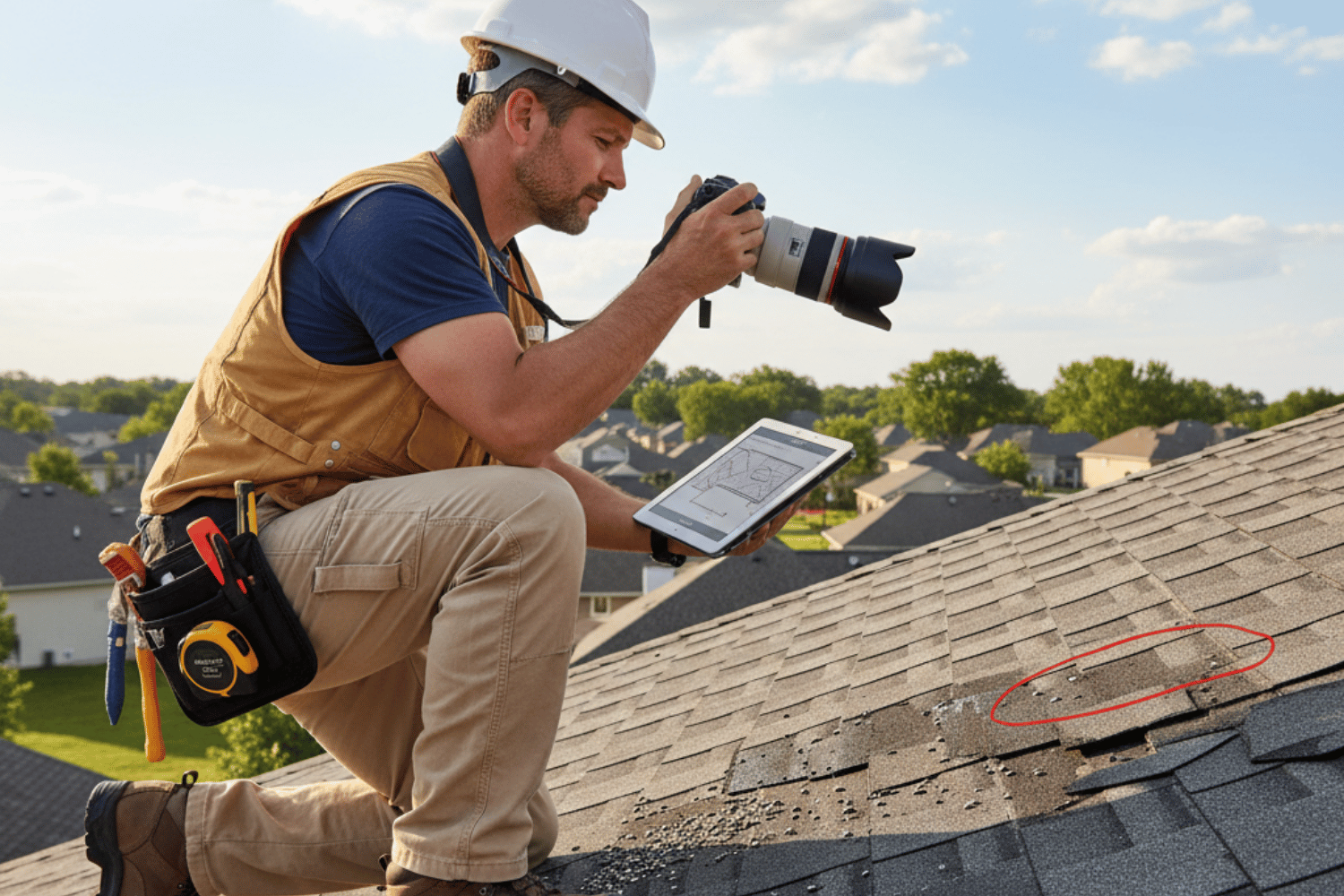
Drone inspections, typically priced between $350-$450, offer significant value for steep or hard-to-access roofs. Professional roof inspectors use high-resolution cameras to document roof conditions safely, providing detailed imagery impossible to achieve from ground level. This technology particularly benefits homeowners with complex roofs where safety concerns might otherwise limit inspection thoroughness.
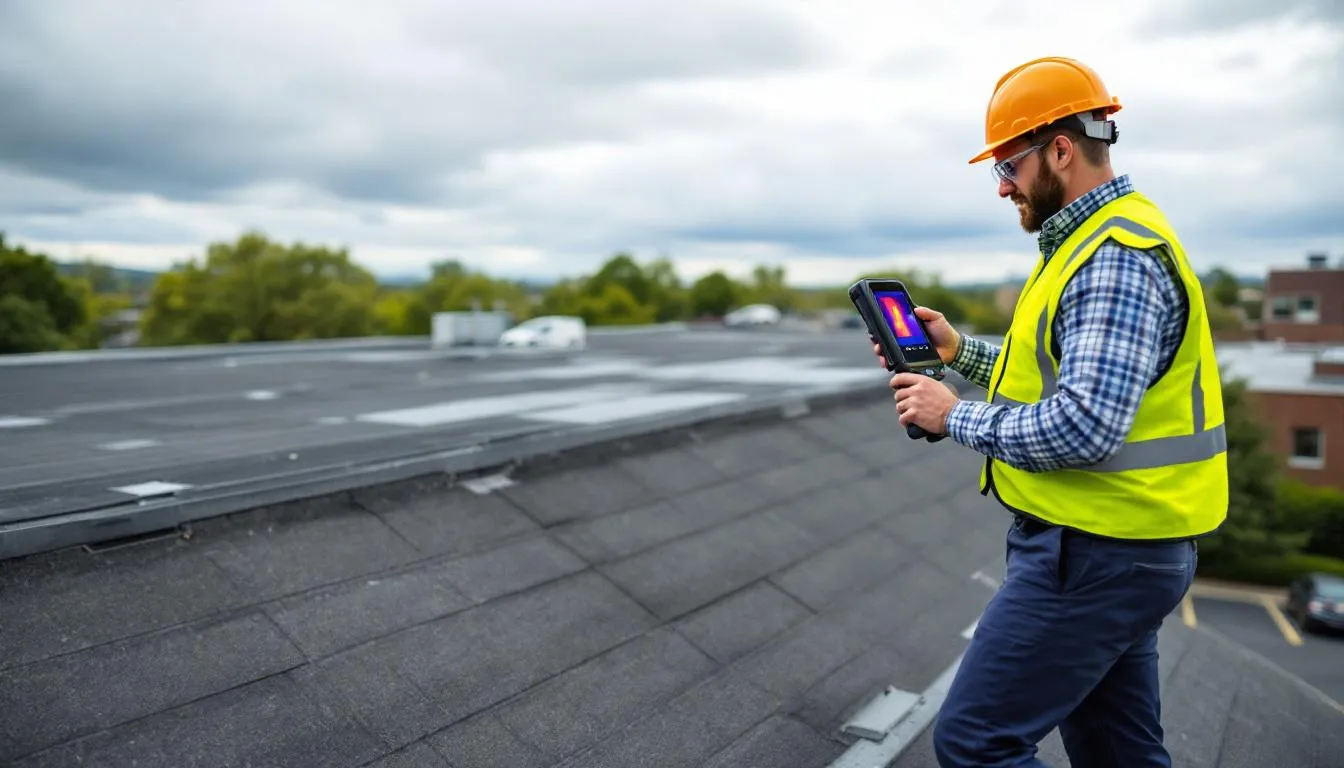
Infrared thermal imaging inspections, ranging from $400-$600, detect hidden moisture and insulation problems invisible to standard visual assessment. This advanced technology identifies water intrusion before visible signs appear, potentially preventing extensive water damage. For homes with suspected leaks or energy efficiency concerns, thermal imaging provides exceptional value.
Storm damage assessments represent specialized inspections following severe weather events. These focused evaluations document specific storm-related damage for insurance claims while identifying potential problems that might not be immediately apparent. Given that high winds over 60 mph can cause significant roof damage, these inspections often pay for themselves through successful insurance claim processes.
Pre-purchase inspections protect buyers from unexpected roof costs. A thorough professional inspection before buying a home can identify issues requiring immediate attention or major repairs in the near future. This information proves invaluable during real estate negotiations and helps new homeowners budget for necessary maintenance.
Insurance inspections ensure coverage validity and facilitate the claims process. Many insurance companies require professional documentation of roof conditions, especially for older homes or following storm events. These inspections often determine whether you maintain insurance coverage and can significantly impact claim approval rates.
When Roof Inspections Provide Maximum Value
Timing plays a crucial role in maximizing the value of your roof inspection investment. Strategic scheduling ensures you catch problems early while optimizing the cost-benefit ratio of professional assessments.
Annual preventive inspections provide the foundation for optimal roof maintenance. Most homeowners benefit from scheduling these comprehensive evaluations during mild weather months when roof inspectors can thoroughly assess all components safely. This regular schedule allows early detection of wear patterns and gradual deterioration before they become costly repairs.
Post-storm inspections deliver immediate value following severe weather events. After storms with high winds exceeding 60 mph, hail, or heavy precipitation, professional roof inspectors can identify damage that might not be visible from ground level. Quick identification of storm damage is essential for insurance claims and preventing further damage from compromised roofing materials.
Pre-transaction inspections protect both buyers and sellers during real estate transactions. Buyers gain crucial information about potential roof repairs or replacement costs, while sellers can address issues proactively or adjust pricing accordingly. These inspections often prevent deal complications and provide negotiating leverage for all parties.
Visible damage situations require immediate professional assessment. When you notice missing shingles, water stains on ceiling surfaces, or gutters filled with granules from deteriorating shingles, scheduling an inspection quickly can prevent minor issues from escalating into major problems requiring costly repairs.
Age-based inspection scheduling becomes critical as roofs approach 15-20 years old. During this period, roofing materials experience accelerated wear, and the risk of component failure increases significantly. More frequent inspections during these years help extend roof’s lifespan through targeted maintenance and timely repairs.
Pre-renovation inspections ensure your roof can support planned additions or modifications. Before major home improvements that might affect roof structure or load-bearing capacity, professional assessment protects your investment and ensures proper ventilation and structural integrity.
What Professional Roof Inspections Include
Understanding what professional roof inspections encompass helps homeowners appreciate the value they receive from this investment. Comprehensive inspections examine multiple systems and components that affect your roof’s performance and longevity.
Exterior examinations form the foundation of thorough roof inspections. Professional roof inspectors systematically evaluate all roofing materials, checking for missing shingles, cracked or curled edges, and proper installation. They assess flashings around chimneys, vents, and skylights for signs of deterioration or improper sealing that could allow water infiltration.
Gutters and downspouts receive detailed attention during professional inspections. Inspectors check for proper drainage, secure attachment, and signs of damage that could affect water management. Clogged or damaged gutters can cause water backup, leading to roof damage and potential interior water damage.
Interior inspection components include comprehensive attic evaluations when accessible. Licensed inspectors examine roof decking for signs of water damage, structural integrity issues, and proper ventilation systems. They look for visible signs of leaks, mold growth, and insulation problems that could indicate roof performance issues.
Structural assessments evaluate rafters, trusses, and support systems for signs of stress, damage, or inadequate construction. Professional roof inspectors identify sagging areas, cracked supports, or other structural concerns that could compromise roof safety and require immediate attention.
Ventilation system evaluation ensures proper airflow throughout your roof system. Adequate ventilation prevents moisture buildup, ice dams, and premature deterioration of roofing materials. Inspectors assess intake and exhaust vents, checking for blockages or inadequate capacity.
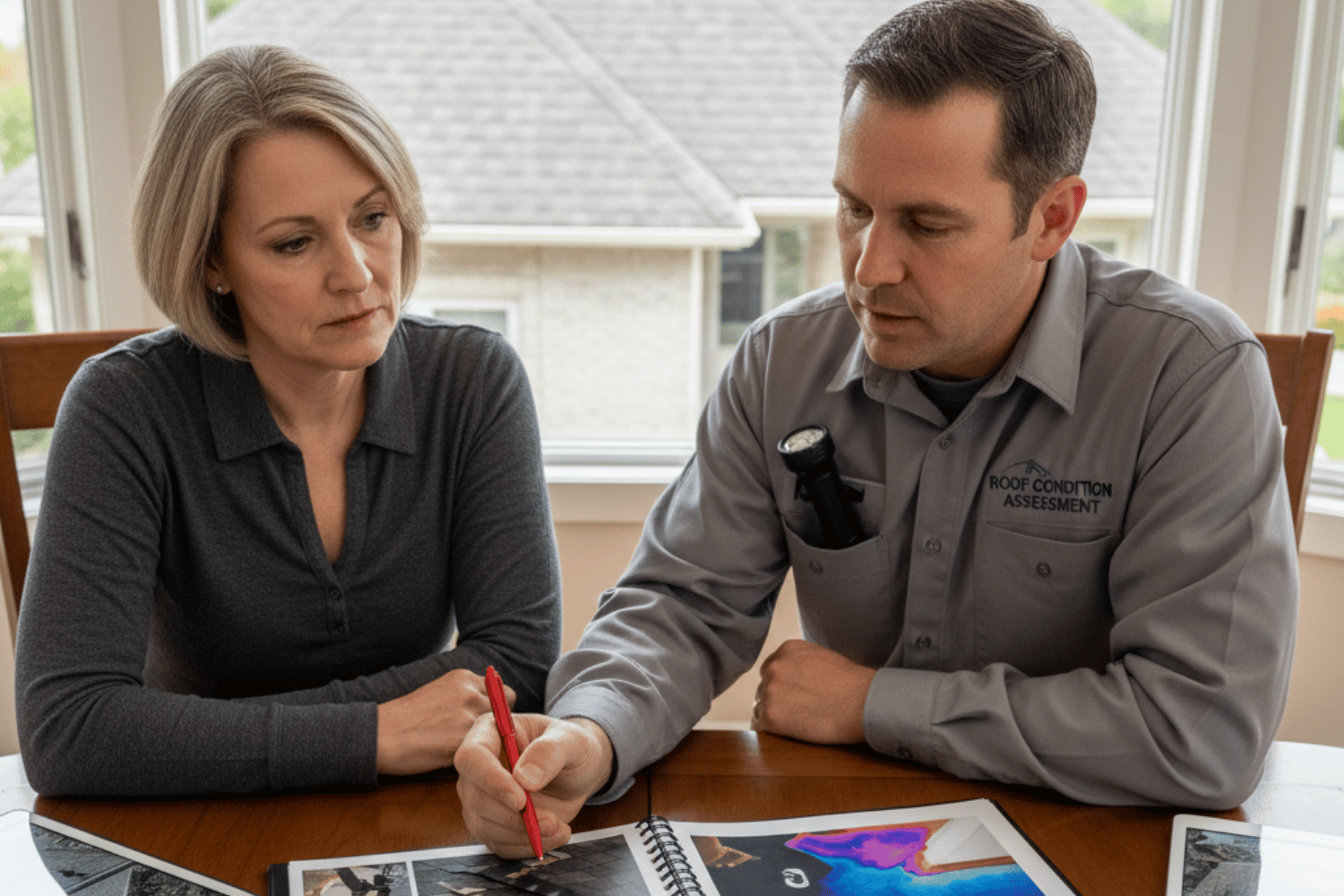
Documentation and reporting distinguish professional inspections from DIY assessments. Comprehensive written reports include detailed findings, photographic evidence, and prioritized repair recommendations with estimated costs. This documentation proves invaluable for insurance claims, warranty issues, and planning future maintenance.
Long-term Financial Benefits of Regular Inspections
The long-term financial impact of regular roof inspections extends far beyond immediate repair cost savings. Consistent professional monitoring creates compounding benefits that significantly improve your home’s financial picture over time.
Extended roof lifespan represents one of the most significant long-term benefits. Properly maintained roofs through regular inspections typically last 25-30 years instead of the standard 20-year expectancy. This 5-10 year extension delays roof replacement costs, representing $15,000-$30,000 in avoided expenses when calculated over the roof’s extended life.
Home value maintenance and improvement result from documented roof care. Properties with well-maintained roofs command higher resale values and sell more quickly than homes with questionable roof conditions. Real estate professionals consistently report that visible roof problems significantly impact buyer interest and negotiated prices.
Insurance benefits accumulate over time for homeowners maintaining inspection records. Many insurance companies offer premium discounts for documented preventative maintenance programs. Additionally, comprehensive inspection histories improve claim approval rates and settlement amounts when roof damage occurs.
Energy efficiency improvements often result from addressing issues identified during regular inspections. Proper ventilation, adequate insulation, and sealed penetrations reduce heating and cooling costs. These energy savings compound annually, often offsetting inspection costs while improving home comfort.
Prevention of secondary damage provides substantial long-term value. Water damage from undetected roof leaks affects flooring, walls, furniture, and personal belongings. Mold remediation, structural repairs, and content replacement costs can easily exceed $20,000-$50,000 for severe incidents that regular inspections would have prevented.
Warranty protection maintains value for both roofing materials and installation work. Many manufacturers and roofing contractors require documented maintenance for warranty coverage. Regular professional inspections satisfy these requirements, preserving thousands in potential warranty benefits.
How to Maximize Your Roof Inspection Investment
Maximizing the value from your roof inspection investment requires strategic planning and informed decision-making. The right approach ensures you receive comprehensive assessments while building long-term roof health.
Choosing qualified professional roof inspectors significantly impacts the value you receive. Look for licensed inspectors with proper insurance coverage and certifications from recognized organizations. Experienced inspectors familiar with your specific roofing material type provide more accurate assessments and valuable maintenance recommendations.
Requesting detailed written reports with photographic documentation enhances your inspection value. Comprehensive reports serve multiple purposes: insurance documentation, repair planning, and tracking roof condition changes over time. Quality workmanship in reporting reflects the thoroughness of the actual inspection process.
Optimal scheduling maximizes inspection effectiveness and value. Plan inspections during favorable weather conditions when inspectors can safely access all roof areas. Avoid scheduling immediately after storms when demand is high and inspectors may be rushed.
Following up promptly on recommended repairs prevents minor issues from escalating into major problems. The greatest value from roof inspections comes from acting on findings before small problems become costly repairs. Delayed action often negates the preventative benefits that make inspections worthwhile.
Maintaining inspection records creates long-term value for insurance claims, warranty issues, and property transactions. Organized documentation of regular inspections and completed maintenance demonstrates responsible homeownership and can significantly impact insurance settlements and property values.
Consider maintenance programs offered by reputable roofing companies for ongoing roof health monitoring. These programs often combine regular inspections with priority repair services, providing comprehensive protection and potential cost savings compared to individual service calls.
Red Flags: When Roof Inspections Become Critical
Recognizing warning signs that require immediate professional inspection can prevent catastrophic damage and costly repairs. Certain indicators signal urgent need for expert assessment regardless of your regular inspection schedule.
Water stains on ceiling or walls represent the most critical warning sign requiring immediate inspection. These visible signs indicate active roof leaks that could cause extensive structural damage, mold growth, and interior destruction if not addressed quickly. Water damage spreads rapidly and compounds exponentially with time.
Missing, cracked, or curling shingles visible from ground level signal potential widespread roof problems. While individual damaged shingles might seem minor, they often indicate broader issues with roofing material failure or installation problems that require professional assessment to prevent further damage.
Granule accumulation in gutters suggests advanced shingle deterioration. As asphalt shingles age and weather, they shed protective granules that collect in drainage systems. Significant granule loss indicates approaching end of roof life and necessitates professional evaluation to determine remaining roof’s lifespan.
Sagging roof lines or visible structural deformation require immediate professional inspection. These signs indicate serious structural problems that could pose safety risks and require emergency intervention. Never delay inspection when structural integrity appears compromised.
Ice dam formation during winter months signals ventilation and insulation problems that cause uneven roof temperatures. Professional roof inspectors can identify the underlying causes and recommend solutions to prevent recurring ice dams and associated water damage.
Increased energy bills may indicate roof performance problems affecting home efficiency. Poor ventilation, inadequate insulation, or air leaks around roof penetrations can significantly impact heating and cooling costs. Professional inspection can identify these efficiency issues and quantify potential energy savings from repairs.
Frequent pest activity in attic spaces often indicates roof damage creating entry points. Professional inspectors can identify where pests are entering and assess any related roof damage that needs attention to maintain proper ventilation and structural integrity.
FAQ
How often should I get my roof inspected and is the cost worth it?
Annual inspections are recommended for most roofs, with bi-annual inspections for roofs over 15 years old. The $331 average annual cost is minimal compared to preventing a $15,000+ roof replacement or thousands in water damage repairs. Regular inspections can extend your roof’s lifespan by 5-10 years, making the investment pay for itself many times over through delayed replacement costs and prevented emergency repairs.
Will my homeowner’s insurance cover the cost of roof inspections?
Most insurance policies don’t cover routine inspections, but they may cover inspections after covered storm damage. However, having regular inspection records can help with claim approvals and may qualify you for insurance discounts of 5-15% on premiums. The documentation also significantly improves your chances of successful claims and full settlement amounts when damage occurs.
Can I inspect my own roof to save money, or do I need a professional?
While homeowners can do basic visual checks from ground level, professional inspections are essential for insurance purposes, real estate transactions, and detecting hidden problems like moisture infiltration or structural issues. DIY inspections also pose serious safety risks, and most homeowners lack the training to identify subtle signs of damage or proper ventilation problems that can lead to costly repairs.
What’s the difference between a roof inspection and a home inspection?
A roof inspection is a specialized, detailed examination focusing solely on roofing systems, typically taking 1-4 hours and costing $125-$571. Home inspections include only a basic roof check from ground level and accessible areas, lacking the depth needed to identify specific roofing issues, assess structural integrity, or provide detailed repair recommendations with cost estimates.
How do I know if a roof inspection company is worth hiring?
Look for licensed, insured inspectors with certifications from organizations like NACHI or ASHI. Reputable companies provide detailed written reports with photos, don’t pressure you for immediate repairs, and have positive local reviews with verified customer feedback. Avoid inspectors who also offer to do repairs, as this creates a conflict of interest. Quality inspectors will explain their findings clearly and provide prioritized repair recommendations with estimated timelines and costs.
