
What Makes a Roof Storm-Ready: Materials That Perform Best in Missouri Weather
Mid-Missouri roofs take a beating. Between spring hail that can reach golf-ball size, straight-line winds exceeding 70 mph, summer downpours dumping 40+ inches annually, and winter freeze-thaw cycles, your roof faces challenges that many regions simply don’t experience. What makes the difference between a roof that holds up for decades and one that fails after a single severe storm? It comes down to two things: the right roofing materials and quality installation.
Key Takeaways
- Mid-Missouri weather demands roofs built to handle hail, high winds, heavy rain, and ice—material choice and installation quality together determine how storm-ready a roof truly is.
- Class 4 impact-rated asphalt shingles, standing seam metal roofs, stone-coated steel, and quality synthetic roofing products perform best in Missouri’s mix of hail and wind, offering the strongest blend of value and storm protection.
- Hidden components matter just as much as visible materials—upgraded underlayment, proper flashing, balanced ventilation, and correct fastener placement often determine whether a roof leaks during severe storms.
- CoMo Premium Exteriors has been installing storm-ready roofs across Mid-Missouri since 2010, helping homeowners navigate insurance-driven upgrades and choose the right roofing material for their specific situation.
- This article walks through specific materials, ratings, and design choices tailored to Columbia, Jefferson City, Lake of the Ozarks, and surrounding areas so you can make an informed decision about your next roof.
Why Storm-Ready Roofing Matters in Missouri
Missouri’s continental climate creates a unique set of challenges for any roofing system. Spring brings the bulk of our hail season from March through June, with storms regularly producing 1.5 to 2-inch diameter hailstones. Summer means intense thunderstorms with wind-driven rain and occasional straight-line wind events. Winter adds freeze-thaw cycles that exploit any weakness in your shingles, flashing, or roof deck.
Mid-Missouri communities like Columbia, Jefferson City, Boonville, Moberly, and Lake of the Ozarks sit squarely in the path of storm systems that move across the state each year. According to National Weather Service data, Missouri ranks among the top states for severe thunderstorm and hail events, with Mid-Missouri experiencing an average of 10-15 severe storm days annually. Those numbers translate directly into roof damage claims across our region.
The main risks to your roof in this climate include:
- Wind uplift: Strong winds get under shingle edges and can peel them back or blow them off entirely
- Hail impact: Stones strike shingles and cause cracking, bruising, or granule loss that accelerates aging
- Driven rain: Wind pushes water horizontally, finding any gap in flashing or shingle coverage
- Freeze-thaw cycles: Water seeps into micro-cracks, freezes, expands, and creates larger failures over time
A storm-ready roof isn’t just about surviving one big event. It’s about minimizing recurring repairs and preventing interior damage over 20-30 years of Missouri weather. We’ve been repairing and replacing storm-damaged roofs across Mid-Missouri since 2010, and that experience has taught us which materials actually hold up in our climate—and which ones don’t.
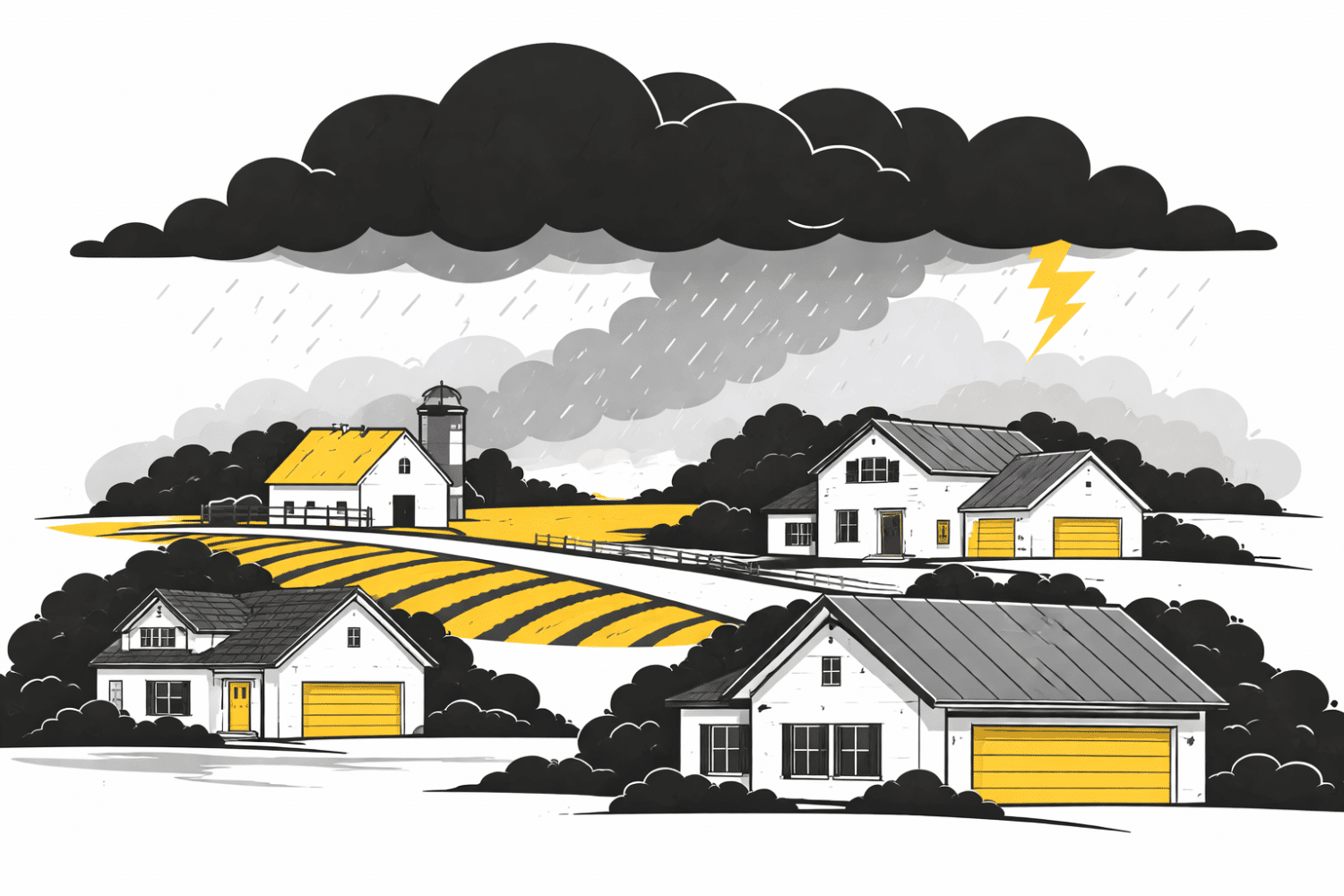
What Makes a Roof Truly Storm-Ready?
Storm readiness is a full-system concept. The shingles or metal panels you see from the street are only part of the story. A truly storm-ready roofing system includes the outer material, underlayment, decking, fasteners, flashing, and ventilation all working together as a unified barrier against Missouri’s extreme weather conditions.
In our region, a storm-ready roof must handle three core threats:
|
Threat |
What It Does |
Where Damage Shows Up |
|---|---|---|
|
High winds |
Creates uplift pressure under shingles, can tear or peel materials |
Edges, ridges, valleys, areas near trees |
|
Hail |
Cracks shingle mats, dislodges granules, dents metal |
Open roof fields, gutters (granule accumulation) |
|
Heavy, wind-driven rain |
Forces water through gaps standard shingles can’t seal |
Flashing points, valleys, low-slope sections |
Your roof’s ability to resist these threats depends on both visible materials (shingles, metal panels, tile, synthetic options) and hidden components you’ll never see after installation—decking quality, underlayment type, ice and water shield placement, flashings, and ventilation balance.
We design roofs based on each home’s specific conditions: roof pitch, surrounding tree coverage, exposure direction, and typical storm patterns in that neighborhood. A lakefront home at Lake of the Ozarks faces different wind exposure than a ranch in a Columbia subdivision. A new roof isn’t a one-material-fits-all proposition.
The sections below compare the main roofing materials we install across Mid-Missouri and explain how each performs when severe storms roll through.
How Roofing Materials Are Rated for Hail and Wind
When comparing storm-resistant products, look for third-party ratings rather than marketing claims. Two testing standards matter most for missouri homeowners concerned about storm durability.
Impact Ratings (UL 2218)
The UL 2218 test simulates hail by dropping steel balls of increasing sizes onto roofing materials and checking for cracks or ruptures. The ratings work like this:
|
Class |
Steel Ball Size |
Approximate Hail Equivalent |
|---|---|---|
|
Class 1 |
1.25 inches |
Small hail |
|
Class 2 |
1.5 inches |
Moderate hail |
|
Class 3 |
1.75 inches |
Large hail |
|
Class 4 |
2 inches |
Very large hail |
Class 4 is the highest rating, meaning the material withstands impacts from 2-inch steel balls dropped from 20 feet without cracking. Given that central Missouri regularly sees hail in the 1.5 to 2-inch range, Class 4 impact resistant materials offer meaningful protection for our area.
Wind Ratings
Common asphalt shingle wind tests include ASTM D3161 and ASTM D7158, which measure how well shingles resist uplift in sustained high winds. Premium architectural shingles typically carry wind ratings of 110-130 mph when installed with proper nailing patterns and starter strips. Standing seam metal roofs can achieve even higher ratings—some systems are tested to 160 mph.
Many insurers in Missouri offer discounts for UL 2218 Class 4 impact-rated roofs, with savings averaging 20-30% on premiums in storm prone areas. The exact discount varies by company and policy, so confirm with your specific insurer before making material decisions based on potential savings.
We routinely specify Class 4 and high-wind-rated products when repairing storm damage or doing proactive upgrades, especially in hail-prone neighborhoods around Columbia and Jefferson City.
Best-Performing Roofing Materials for Missouri Storms
This section compares the main roofing materials we install or encounter across Mid-Missouri. Each has distinct advantages and limitations depending on your budget, home style, and tolerance for maintenance.
There is no single “perfect” material, but Class 4 impact resistant shingles, standing seam metal, stone-coated steel, and quality synthetic products tend to offer the best roofing blend of value and performance in Missouri’s climate. Below, we’ll look at each category and explain what you can realistically expect during real storms.
Class 4 Impact-Rated Asphalt Shingles
Architectural (laminate) shingles with a UL 2218 Class 4 rating represent one of the most practical storm-ready choices for Missouri homeowners. They balance affordability with genuine storm protection in a way that traditional shingles simply can’t match.
Class 4 asphalt shingles are designed with polymer-modified bitumen that gives them flexibility to absorb hail strikes without cracking the mat underneath. When the mat stays intact, granule loss stays minimal, and your roof maintains its water-shedding ability. Standard shingles often crack on impact, which leads to accelerated aging and leaks.
Typical wind resistance for premium architectural shingles ranges from 110-130 mph when properly installed with the correct nailing pattern and starter courses. Products like GAF Timberline HDZ and similar Class 4 lines have demonstrated significantly less granule loss after storms compared to Class 3 alternatives—some testing shows roughly 50% better performance.
We frequently install Class 4 impact resistant shingles after hail claims across Columbia, Fulton, and Moberly. Many clients report fewer shingle blow-offs and emergency repairs in subsequent storms compared to their previous standard shingles. That track record matters when you’re deciding whether the higher upfront cost makes sense.
What Class 4 shingles cost: A typical 2,000-2,500 square foot roof runs $12,000-$16,000 installed for Class 4 materials, roughly 30-50% more than basic three-tab shingles. For most homeowners, that premium pays off through longer service life, potential insurance credits, and fewer calls to repair storm damage after severe weather.
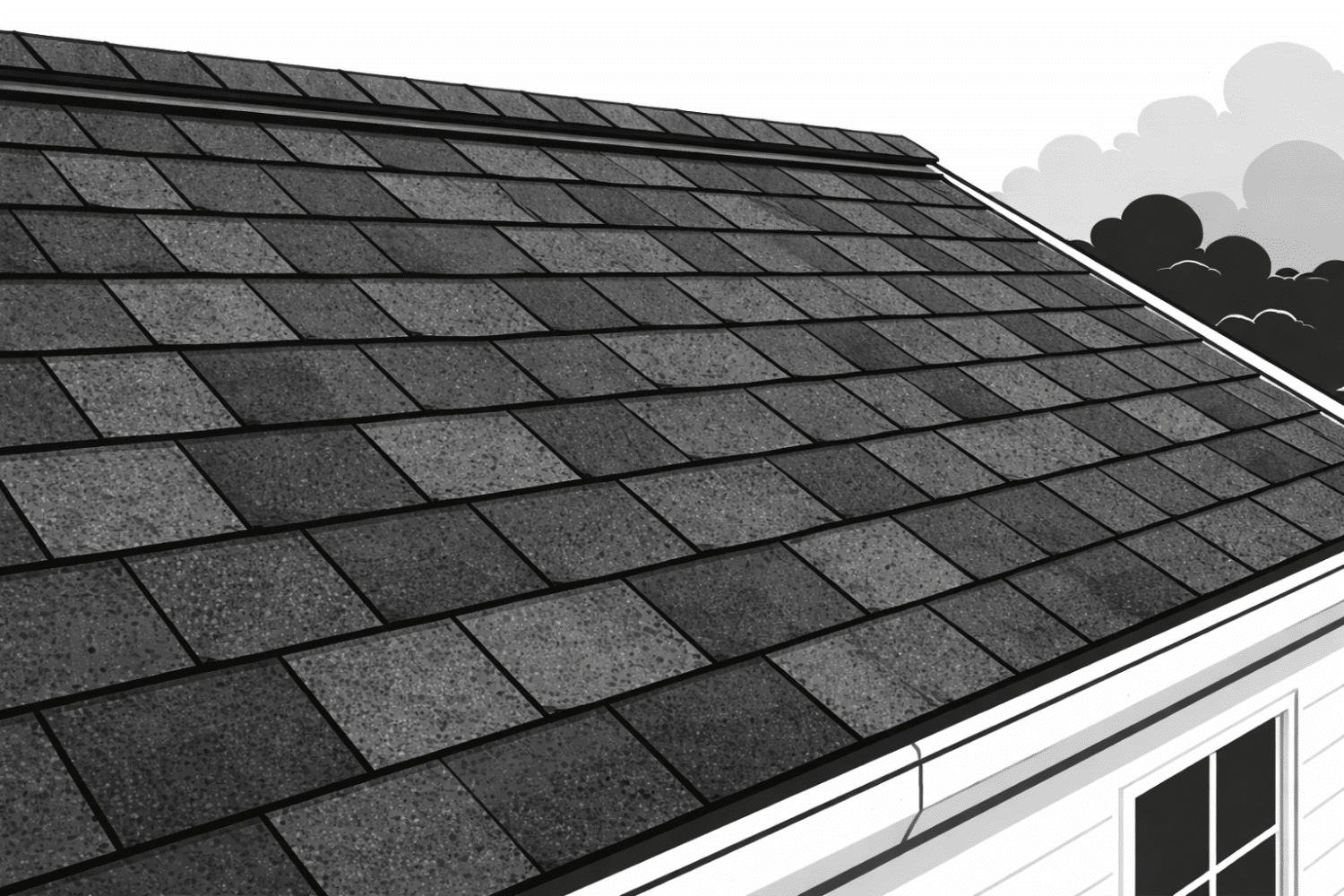
Standing Seam Metal Roofing
Metal roofing represents a premium, long-life option that performs exceptionally well against high winds, heavy rain, and repeated hail. It’s increasingly popular on both rural properties and higher-end homes in Columbia and Lake of the Ozarks.
Standing seam systems use continuous metal panels with concealed fasteners and interlocking seams. This design eliminates exposed fastener penetrations—a common leak point on other roofing options—and provides exceptional durability against wind uplift. Quality systems are rated for winds up to 160 mph, which exceeds what even strong thunderstorm gusts typically produce.
Metal may dent in large hail events, especially on lighter-gauge panels. However, denting rarely compromises the roof’s primary job: keeping water out. The panel remains watertight even when cosmetically damaged, which is ultimately what matters during storms.
Additional benefits that matter in Missouri:
- Excellent shedding of heavy rain due to smooth, continuous surfaces
- Snow and ice slide off rather than accumulating (important for lake homes)
- Reflective coatings reduce heat absorption, cutting cooling costs 20-30% in summer
- 40-70 year lifespan means you may never need another roof
Standing seam metal roofs require skilled professional installation to meet wind and weather performance expectations. We use manufacturer-specified clips, fasteners, and trim details on every metal project—shortcuts in these areas void warranties and compromise storm protection.
Stone-Coated Steel Roofing
Stone-coated steel combines the strength of steel metal panels with the familiar appearance of shingles, shakes, or tile roofs. It’s a strong choice for hail-prone areas of Mid-Missouri where homeowners want storm durability without the industrial look of standing seam.
The stone coating serves multiple purposes: it provides texture and color variation that mimics other roofing materials, protects the steel from UV exposure and corrosion, and helps diffuse hail impact. Many stone-coated products carry Class 4 impact ratings and can minimize visible denting compared to smooth metal panels.
These systems install with interlocking panels and robust fastening patterns, which improves wind resistance during the strong winds common in Missouri thunderstorms. Most products are tested for winds exceeding 120 mph when installed properly.
Stone-coated steel is lighter than concrete tiles or clay tiles but more durable than asphalt shingles remain after decades of exposure. For homeowners who want a long-term storm-ready upgrade without overloading existing roof structures, this material often hits the right balance.
We can help you compare the cost and expected lifespan of stone-coated steel versus high-end asphalt and standing seam metal—especially when you’re already replacing a hail-damaged roof and insurance is covering part of the cost.
Synthetic Slate and Shake Roofing
Synthetic roofing products offer the upscale appearance of natural slate or cedar wood shakes without the weight and maintenance challenges that come with natural materials.
Modern synthetic products are engineered from polymer/fiberglass blends that absorb hail strikes rather than cracking or splitting. Where natural slate might shatter and real wood shingles or wood shakes might split from impacts, quality synthetics flex and recover. This impact resistance translates directly into better storm durability.
Weight matters for older homes. Synthetic materials typically weigh 2-3 pounds per square foot compared to 8-12 pounds for natural slate. For historic homes in Columbia’s older neighborhoods or lake homes where structural upgrades would add significant cost, synthetics offer premium curb appeal without requiring rafter reinforcement.
Quality synthetic systems often carry 50-year warranties and strong wind/impact ratings when installed to manufacturer specifications. Products like DaVinci Roofscapes have gained traction in our region for combining Class 4 ratings with exceptional durability and low maintenance.
We review manufacturer testing data and installation requirements before recommending any synthetic system. Not all products perform equally in Mid-Missouri’s mix of heat, UV exposure, and severe storms.
Concrete, Clay Tile, and Natural Slate in Missouri
While concrete tiles, clay tiles, and slate roofing offer excellent longevity and wind resistance, they’re more common on specific architectural styles and require careful evaluation in Missouri.
Concrete tiles are heavy (7-10 pounds per square foot) and resist wind well, but large hail can crack or chip individual pieces. In central Missouri’s frequent hailstorms, cracked tiles become an ongoing maintenance issue.
Clay tiles are lighter but more brittle, making them particularly susceptible to hail damage and breakage from flying debris. They’re less frequently chosen in hail-prone Mid-Missouri neighborhoods for exactly this reason—the fire resistance and longevity benefits don’t outweigh the vulnerability to our weather.
Natural slate can last 75-100 years and withstand severe weather when properly installed by specialists. However, the weight (8-12 pounds per square foot), cost ($10-$30 per square foot), and need for experienced installers typically reserve it for high-end or historic properties where other roofing materials wouldn’t match the architecture.
We primarily focus on asphalt, metal, stone-coated steel, and synthetics for new roof installs and replacements—the most common roofing materials that make sense for Mid-Missouri conditions. However, we can inspect tile roofs or slate for storm damage and advise on repair or replacement options.
Beyond Shingles and Panels: Underlayment, Flashing, and Roof Design
The components you don’t see—underlayment, ice and water shield, flashing, decking, and even roof shape—often determine whether a roof leaks during a severe Missouri storm. Premium materials installed over poor underlayment or with inadequate flashing will still fail.
We treat every roof as a system. On full replacements, we upgrade these hidden components to match the performance of the outer material. On storm repairs, we pay close attention to whether these elements were compromised and need addressing.
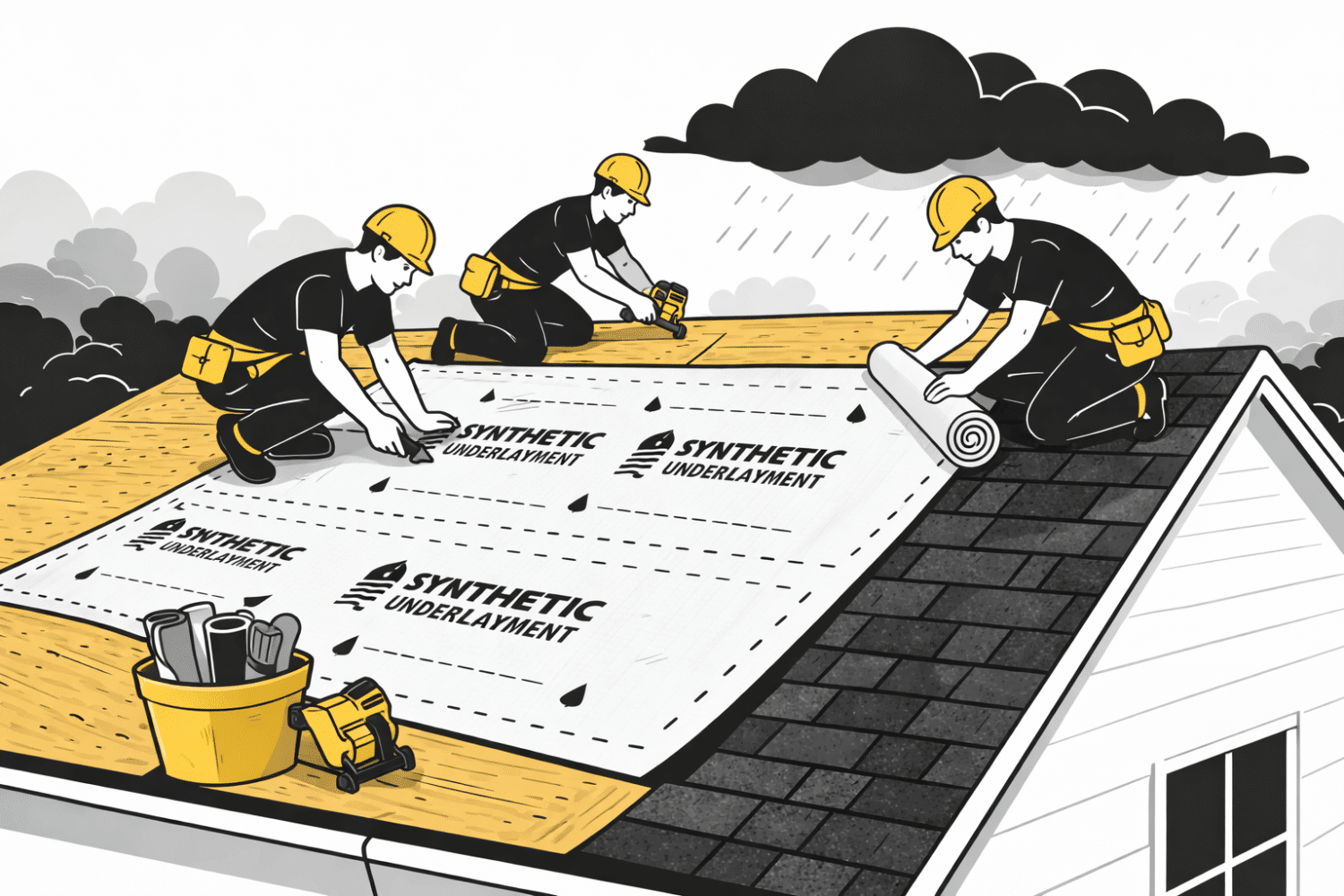
Modern Underlayment and Ice & Water Shield
Underlayment acts as a secondary water barrier when shingles or panels are damaged, lifted, or overwhelmed by wind-driven rain. During multi-inch rain events common in Missouri thunderstorms, this backup layer is what keeps water out of your roof deck and attic.
Traditional felt (tar paper) has been the standard for decades, but modern synthetic underlayments outperform it significantly:
- Approximately 6x the tear strength of felt—important when wind gets under edges
- Better sealing around fastener penetrations
- UV-resistant if installation is delayed
- Lies flatter and provides a better substrate for shingles
Self-adhering ice and water shield provides an even higher level of protection in vulnerable areas. We typically install it in valleys, along eaves (the first 3 feet minimum), around chimneys and skylights, and in any low-slope or high-exposure sections. This creates a waterproof barrier that seals around nails and prevents both wind-driven rain intrusion and ice dam damage.
For complex roofs with lots of valleys and penetrations—common in many newer subdivisions around Columbia and Jefferson City—upgraded underlayment systems aren’t optional. They’re essential for proper drainage and weather resistance over the roof’s lifetime.
Flashing, Valleys, and Other Leak-Prone Details
Many “storm leaks” don’t start in the open field of your roof. They start at flashing points—chimneys, skylights, sidewalls, roof-to-wall transitions, vents, and valleys. Even premium materials can’t prevent water intrusion if these details aren’t handled correctly.
Best practices for Missouri conditions include:
- Step flashing at walls with proper counter-flashing to shed water
- Counter-flashed chimneys with cricket (diverter) on the upslope side
- Metal valley liners that channel water without relying solely on shingle overlap
- Sealed pipe boots rated for temperature extremes
- Proper flashing at all penetrations with adequate overlap and sealant
Previous storm damage or poor original construction in these areas can create slow leaks that only show up months after a major event. Water stains on ceilings, mold in attics, and rotted decking often trace back to flashing failures that went unnoticed during initial storm inspections.
We replace critical flashings on full roof projects and carefully evaluate whether existing flashing can be reused on insurance-funded storm repairs. The goal is long-term watertightness, not just passing a final inspection.
Roof Pitch, Shape, and Ventilation
Your roof’s geometry affects how it handles weather:
Pitch: Steeper roof pitches shed water and debris faster than low-slope sections. They’re less prone to ponding during heavy rain and generally perform better in snow and ice. Low-slope or flat sections (common on porches and room additions) may require specialized membranes instead of standard shingles for proper drainage.
Shape: Hip roofs generally perform better in high wind areas than large, open gable ends because they present less surface area for wind to push against. Complex rooflines create more valleys and junctions—each one a potential leak point if not detailed correctly.
Ventilation: Balanced intake and exhaust ventilation helps manage attic moisture and temperature. In winter, proper ventilation reduces ice dam risk by keeping the roof deck cold. In Missouri summers, it reduces heat absorption in the attic, which extends shingle life and reduces cooling costs.
We evaluate existing ventilation on every replacement project and often recommend adding intake vents, ridge vents, or other upgrades as part of a storm-ready roof design. A durable roof that fails from interior moisture damage is still a failed roof.
Installation Quality and Fasteners: Where Storm Readiness Succeeds or Fails
Here’s a reality we see too often: the best roofing materials can fail in a single storm if they’re nailed or fastened incorrectly. Even premium materials installed by less-experienced crews blow off in conditions they should easily withstand.
Proper nailing patterns, fastener type, and adherence to manufacturer specifications and local building codes are critical for achieving stated wind ratings. Most shingle blow-offs we repair aren’t material failures—they’re installation failures.
For asphalt shingles, correct installation includes:
- Nails placed in the nailing zone (not too high, not too low)
- Correct number of fasteners per shingle (typically 4-6 depending on slope and product)
- Roofing nails of appropriate length for the roof deck thickness
- Ring-shank nails in areas prone to high winds for improved pull-out resistance
- Starter strips at eaves and rakes to seal against wind uplift
For metal and stone-coated systems, installation quality means:
- Correct clip spacing per manufacturer specifications
- Proper fastener torque to avoid crushing panels or leaving them loose
- Sealant application where specified
- Thermal expansion allowance in long panel runs
Our crews are factory-trained through GAF, Owens Corning, and James Hardie programs. As the only triple-certified contractor in Mid-Missouri (GAF Master Elite, OC Platinum Preferred, James Hardie Elite Preferred), we maintain strict installation quality standards across every project. These certifications require annual training and maintaining customer satisfaction ratings above 4.0—standards we’ve exceeded for over a decade.
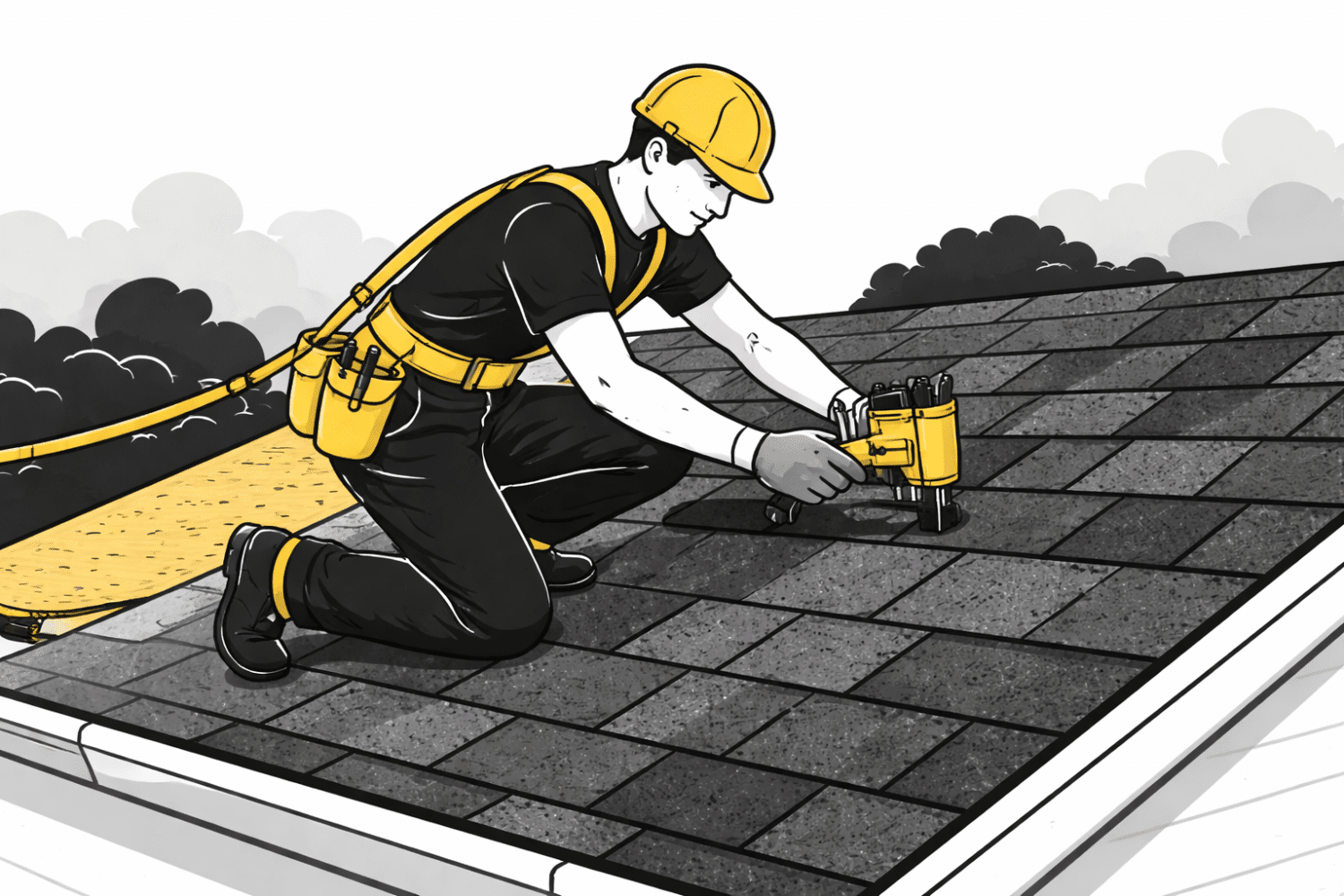
Maintenance, Inspections, and Working With Insurance After Storms
Even the most storm-ready roof in Missouri needs periodic attention. No material is invincible, and small issues left unaddressed become expensive problems during the next severe weather event.
Recommended inspection schedule:
- Annual professional inspection (spring or fall ideal)
- Additional inspection after any storm bringing hail or 60+ mph winds
- Visual check of gutters after storms (granule accumulation indicates shingle damage)
Small issues like a few missing shingles, cracked pipe boots, or loose flashing can turn into interior water intrusion during the next heavy rain if they’re not addressed. Roofs over 15 years old fail at roughly 3x the rate of newer roofs during severe storms, making proactive inspections even more important as your roof ages.
We offer free storm damage inspections across Mid-Missouri—Columbia, Jefferson City, Boonville, Moberly, Lake of the Ozarks, and surrounding areas. After major storm systems move through, we document hail and wind damage with detailed photos, showing exactly what insurance adjusters look for when evaluating claims.
Working with insurance:
The claims process can be confusing. ACV (Actual Cash Value) policies depreciate your roof’s value over time—typically 1-2% per year—meaning older roofs receive less payout. RCV (Replacement Cost Value) policies cover the full cost of a new roof meeting current standards.
Insurance adjusters sometimes miss secondary damage in valleys, at flashing points, or in areas not visible from the ground. We help homeowners navigate this process, from meeting with adjusters on-site to ensuring storm upgrades like Class 4 shingles or better underlayment are correctly reflected in estimates when the policy allows.
Over 25 years, we’ve filed over 1,000 claims successfully, with a 98% approval rate when we’ve documented damage thoroughly. That experience means we can advocate for you and help reduce insurance costs long-term through appropriate upgrades.
Choosing the Right Storm-Ready Roof With CoMo Premium Exteriors
In Mid-Missouri, the best storm-ready roofs combine Class 4 impact resistant roofing materials, properly installed metal or stone-coated steel options, upgraded underlayments, strong flashing details, and professional installation that meets manufacturer specifications.
You don’t need to become a roofing expert. You need a local partner who understands Columbia- and Jefferson City-area weather patterns, local building codes, and insurance requirements—someone who can translate that knowledge into a right roofing system for your specific home and budget.
As a triple-certified, locally owned contractor, we’ve protected homes and businesses across Mid-Missouri since 2010. Beyond roofing, we handle siding, windows, doors, gutters, decks, and storm restoration—essentially everything that makes up your home’s exterior envelope.
Ready to evaluate your roof’s storm readiness?
- Call (573) 424-9008 for honest answers and expert advice
- Request a free inspection through our website
- Schedule a storm-readiness evaluation before severe weather season
Whether you’re filing an insurance claim after hail or planning a proactive upgrade, we’ll walk you through your options without pressure. We stand behind our work with strong manufacturer warranties and a limited lifetime workmanship warranty because we expect to be here servicing Mid-Missouri homes for decades to come.
FAQs
How often should I have my roof inspected in Mid-Missouri?
Schedule a professional roof inspection at least once a year, plus after any major storm that brings hail or winds over 55-60 mph. Regular inspections catch minor storm damage—lifted shingles, cracked flashing, damaged pipe boots—before it turns into interior leaks and mold issues. We offer free inspections across Columbia, Jefferson City, Boonville, Moberly, and Lake of the Ozarks, especially following big storm systems that move through the region.
Will upgrading to Class 4 shingles or metal roofing lower my insurance premiums?
Many insurers in Missouri offer discounts for UL 2218 Class 4 impact-rated roofs, with savings typically ranging from 20-30% on premiums. However, the exact discount and qualification rules vary by company and policy. Ask your insurance agent specifically about impact resistant roofing credits before choosing materials. We can provide documentation on product ratings and installation to support any qualification process for such discounts.
Do I need to replace my whole roof after hail, or can I just repair the damaged spots?
The answer depends on hail size, roof age, material type, and how widespread the damage is. Isolated damage on a newer roof may be repairable with spot fixes. However, widespread bruising, granule loss, or cracked mats often justifies full replacement—especially when insurance is involved and the damage affects a significant percentage of the roof surface. We document damage with photos and explain repair versus replacement options in plain language so you can make informed decisions with your adjuster.
Is metal roofing too noisy during Missouri thunderstorms and hail?
Modern metal roofs installed over solid decking with proper underlayment aren’t significantly louder than asphalt shingles during storms. The “tin roof” noise reputation comes from older agricultural buildings with exposed metal over open rafters. Residential installations include the roof deck, underlayment, and attic insulation—all of which dampen sound. Ventilation design also affects perceived noise levels inside the home. If you’re unsure, we can show you local metal roof projects in the Columbia or Jefferson City area and share homeowner feedback on noise and performance.
What’s the best time of year to install a storm-ready roof in Missouri?
We install roofs in all seasons, but peak replacement work happens from late spring through fall when temperatures are more consistent and extreme weather is easier to work around. Scheduling a proactive replacement in late winter or early spring ensures your new roof is in place before the main hail and severe thunderstorm season hits Mid-Missouri. After major storm events, emergency tarping and temporary repairs are available immediately, with full replacements scheduled as quickly as materials arrive and insurance approvals come through.
