Fascia Board Materials: How to Choose the Right Option for Mid-Missouri Homes
When you look at your home’s exterior, you likely notice the siding, the windows, and the shingles on your roof. However, there is a crucial component bridging the gap between your roof and your walls that often goes unnoticed until something goes wrong. This component is the fascia. Located directly along the roof’s edge, fascia boards play a vital role in protecting your home from the local weather conditions and unpredictable patterns we experience here in Mid-Missouri. From the scorching humidity of a Columbia summer to the biting frost and snow of winter, your fascia faces the elements head-on every single day.
Choosing the right fascia boards for this specific part of your home is about more than just good looks. It is about ensuring the structural integrity of your roof structure and supporting your gutter system effectively. With the wide variety of options available on the market today, making a decision can feel overwhelming for many homeowners. Whether you are building a new house or replacing fascia boards on an existing property, understanding the different materials is key. This guide will walk you through the process and everything you need to know to make an informed choice that balances durability, maintenance, and style.

Key Takeaways
- Fascia boards are essential for protecting roof rafters and supporting your gutter system against water and debris.
- Wood fascia offers a classic look but requires regular maintenance to prevent wood rot and insect damage.
- Aluminum fascia boards and wraps provide superior weather resistance and are ideal for Mid-Missouri’s fluctuating temperatures.
- Composite and fiber cement fascia boards offer a blend of durability and aesthetics, made from engineered materials that resist moisture damage.
- Signs of damaged fascia boards include peeling paint, soft spots, and sagging gutters, all of which require immediate attention.
- Professional installation ensures your fascia materials are correctly integrated with the drip edge and soffits for maximum protection.
- Choosing the best material involves balancing your budget, aesthetic preferences, and desire for low maintenance solutions.
- Fascia and soffit work together to protect the eaves, support attic ventilation, and seal the roof deck from moisture intrusion.
Understanding the Role of Fascia Boards
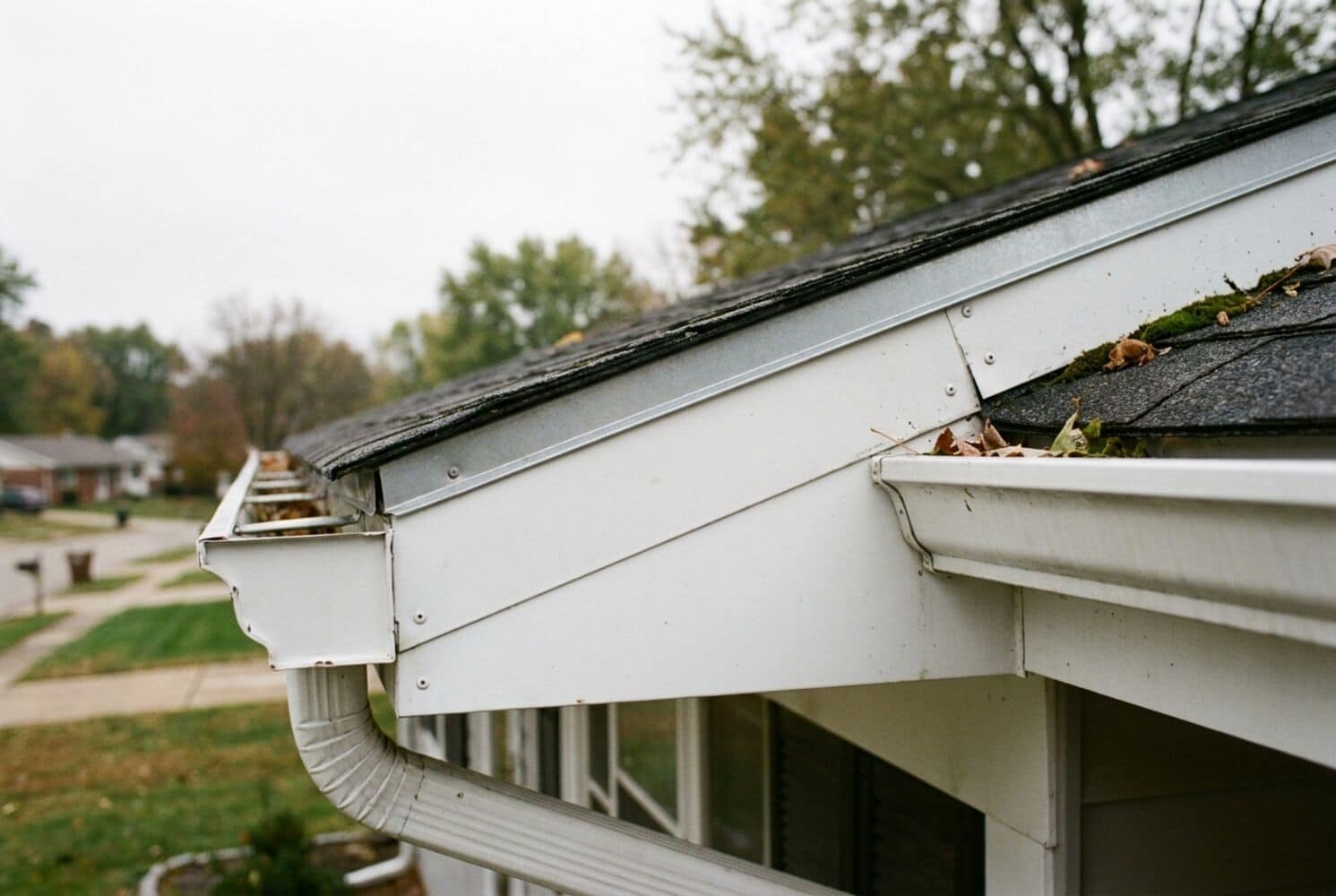
Before diving into the specific types of fascia board materials available, it is important to understand exactly what fascia does for your home. The fascia board is the long, straight board that runs along the lower edge of the roof, providing essential roof edge protection. It is fixed directly to the lower ends of the exposed roof rafters and usually does all the heavy lifting when it comes to supporting your gutters and gutter attachment systems. When you look up at the roof line, the board you see facing outward is the fascia, playing an important role in your home’s exterior trim.
This component serves a dual purpose: functional protection and aesthetic finish. Functionally, it acts as a moisture barrier designed to prevent water damage, pests, and debris from entering the sensitive wooden structures of your roof. Without sturdy fascia providing structural support, water from clogged gutters or wind-driven rain could easily seep into the rafters, leading to roof leaks, significant wood rot, and structural issues. It creates a finished edge that seals off the attic space from the outdoors, which is critical for maintaining energy efficiency and preventing small animals from nesting in your attic. In essence, the fascia board serves as the first line of defense for your roof edge, working alongside the drip edge, flashing, and gutter system to channel water safely away from the home.
Aesthetically, fascia provides a clean, finished look to the roof’s edge. It hides the rough ends of the rafters and creates a smooth transition between the roof and the siding. This contributes significantly to your home’s overall appearance, enhancing curb appeal and overall exterior design. Because it is so visible, the condition and style of your fascia can make or break the visual harmony of your house. Whether you prefer a modern, sleek look or a traditional, textured appearance, the fascia plays a pivotal role in defining that style.
How Fascia and Soffit Work Together
While fascia runs vertically along the roof’s edge, the soffit sits horizontally underneath the eaves, connecting the fascia board to the exterior wall. Together, these two components form a protective seal around the perimeter of your roofline and are integral to proper roof edge protection. The soffit typically contains small perforations or ventilation channels that allow air to circulate into the attic, which is essential for proper attic ventilation. Without adequate ventilation, heat and moisture can build up in your attic space, leading to ice dams in winter and premature aging of your roofing materials.
When you replace or repair fascia boards, it is important to inspect the soffit panels at the same time. Damage to one often indicates issues with the other. A compromised soffit can allow moisture intrusion behind the fascia, accelerating rot and biological degradation even on materials that would otherwise hold up well. Ensuring both your fascia and soffit are in good condition creates a weather-resistant barrier that protects the roof deck, prevents pest entry, and maintains proper airflow through your attic. This is especially important in Mid-Missouri, where temperature swings between seasons put constant stress on your home’s eaves protection system. Proper flashing integration where fascia meets the roof is also critical in preventing water intrusion at these vulnerable transition points.
Common Materials for Fascia Boards
When it comes to selecting the right product for your home, you have several distinct categories to choose from. Each material comes with its own set of advantages and drawbacks regarding cost, longevity, and upkeep. We will explore the most common fascia board materials found on homes throughout Central Missouri to help you determine which fits your needs best, depending on your budget and lifestyle.
Wood Fascia Boards: The Traditional Choice
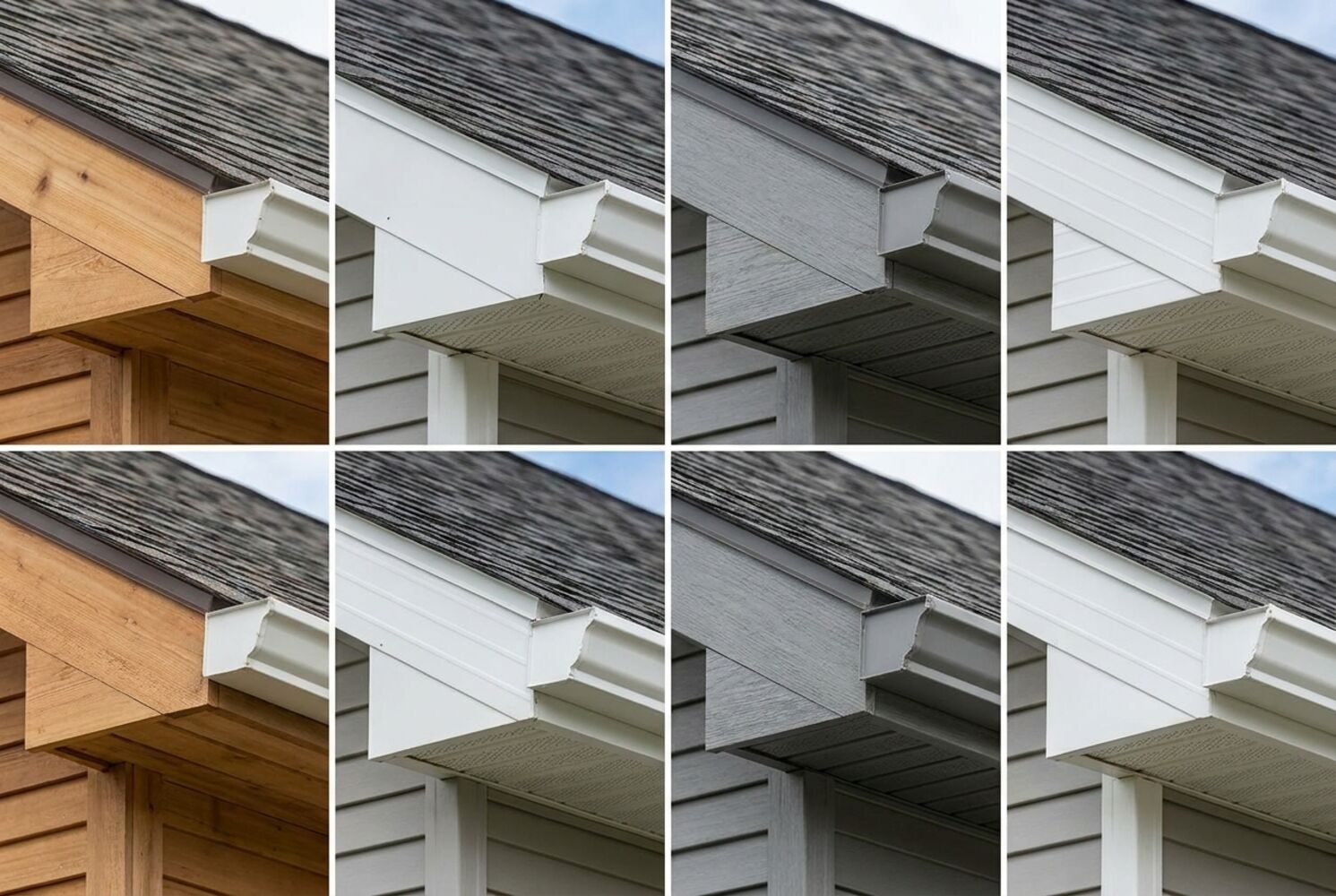
Wood fascia boards have been the standard in home construction for decades and remain one of the most recognized types of fascia boards. Typically made from spruce, pine, or fir, wood offers a natural look and authentic appearance that many homeowners love. For those willing to invest a bit more, cedar and redwood are popular wood species known for their natural resistance to moisture and insects. Wood is structurally stiff, making it excellent for holding heavy gutters and gutter hangers, which is a frequent necessity during our intense Midwestern thunderstorms. Standard wood fascia boards are typically available in 1-inch by 6-inch or 1-inch by 8-inch dimensions, though custom sizes can be milled for specific applications.
However, the beauty of wood comes with a price in the form of maintenance. Wood is organic, meaning it is susceptible to the elements. If not properly primed, painted, and protected with sealant, wood fascia can absorb water, leading to decay, rot, and fungal growth. In our climate, where humidity fluctuates wildly, wood expands and contracts, which can cause paint to start cracking or peeling over time. This means you must commit to proper maintenance, including scraping and repainting every few years or applying new finishes, to keep it in good condition and protecting your home effectively.
Despite the maintenance requirements, wood remains a popular choice for historic renovations or homes where a specific custom profile is desired. It is easily cut and shaped, allowing for intricate designs that other materials might not replicate as easily. If you choose wood, we highly recommend using high-quality lumber and ensuring it is professionally sealed or treated with staining. This proactive approach and the extra effort can extend the life of the board significantly, keeping wood rot at bay for many years. We also suggest scheduling regular inspections to catch issues early.
Composite Fascia Boards: A Durable Alternative
For homeowners seeking the look of wood without the intensive upkeep, composite fascia boards are an excellent solution. These boards are typically manufactured from a blend of wood fibers, plastic, and binding agents, often utilizing recycled materials. The result is a product that is designed to be dense, durable, and rot-resistant against the issues that plague natural lumber. Composite materials are engineered to withstand moisture, meaning they will not rot, warp, or crack due to water exposure.
One of the biggest selling points of composite is that it is considered a low maintenance option, making it a practical and cost-effective choice for many homeowners. Most composite boards come pre-finished in a variety of colors and textures, some even mimicking the grain of real wood, looking quite similar to the real thing. You typically do not need to paint them, although they can be painted if you decide to change your home’s color scheme later. They are also impervious to insect damage, acting as a reliable pest barrier, so you won’t have to worry about termites or carpenter bees boring into your roof line, making it easy to care for.
The cost of composite is generally higher upfront than standard wood, but the long-term savings on maintenance often balance this out. Because the material is heavier and more flexible than solid wood, proper fascia board installation is critical. It requires specialized fastening techniques and concealed fasteners to allow for thermal expansion and contraction while maintaining dimensional stability. When installed correctly by a professional roofing contractor, composite fascia can provide decades of worry-free performance while maintaining its aesthetic appeal. Many composite products also offer UV resistance, which helps prevent fading and keeps the boards looking new even after years of sun exposure.

Aluminum Fascia Boards: Superior Weather Protection
Aluminum fascia boards–or more commonly, aluminum fascia wrap installed over existing fascia or a wooden sub-fascia–are incredibly popular in Columbia and the surrounding areas. Aluminum is a robust yet lightweight metal that is completely immune to rot, rust, and insect damage. It serves as a protective shell, often bent custom on-site by a skilled roofing contractor. This combination provides the structural strength of wood to hold gutters while offering the weather-proof surface of metal, creating a truly weather-resistant solution for your home.
One of the primary benefits of aluminum is its longevity in heavy rainfall, extreme temperatures, and other environmental stresses. Its non-porous surface does not absorb water, so it protects the wood underneath from moisture damage effectively while providing corrosion resistance that other metals lack. Aluminum fascia usually comes with a factory-applied baked-on enamel coating available in a wide spectrum of colors. This finish is extremely durable and resistant to peeling paint, fading from UV radiation, and discoloration, making it a true minimal maintenance option that can withstand harsh weather conditions for busy homeowners. Aluminum is also fully recyclable, making it a more environmentally friendly option compared to vinyl or treated wood.
Another advantage is versatility. Because aluminum is pliable, it can be bent to cover intricate molding or oddly shaped eaves, ensuring a watertight fit. It works seamlessly with other aluminum exterior products, such as soffits and siding trim, creating a unified look. For homes in Mid-Missouri, where we see everything from ice storms to heat waves, the resilience of aluminum fascia pairs perfectly with metal roofing systems.
Why Aluminum Fascia is a Smart Investment
Choosing aluminum fascia is often seen as an upgrade that pays for itself. By capping your wooden fascia with aluminum, you eliminate the need for scraping and painting high up on a ladder, helping you save time and money. This safety factor alone makes it worth it for many. Furthermore, because it creates a non-porous barrier, it significantly extends the life of the wood roof rafters beneath it while also protecting the roof deck from water-related damage.
However, it is important to note that aluminum can dent easily from impact or severe weather, such as a large falling branch or heavy hailstone. While dents are cosmetic rather than structural, they can be difficult to repair without replacing the affected section. It is also crucial that the fascia board installation allows for airflow behind the metal, and that the aluminum is tucked under the metal drip edge, to avoid condensation buildup, which could rot the underlying wood from the inside out. Proper ventilation behind aluminum fascia wrap helps prevent moisture accumulation and maintains the health of your roof structure. A professional installation team will know exactly how to vent and secure the aluminum to ensure it performs perfectly.
Vinyl and PVC Fascia: Pros and Cons
Vinyl fascia is another option commonly found in modern construction. Standard vinyl fascia is made from PVC (polyvinyl chloride), typically the same material as vinyl siding, and it is the most budget-friendly option on the list. A premium alternative is cellular PVC, which is denser and more rigid than standard vinyl, offering better impact resistance and a more wood-like appearance. Like aluminum and composite, both vinyl and cellular PVC are rot-proof and insect-proof. They come in standard sizes and include a variety of pre-molded accessories for corners and joints, which can make installation straightforward for most exterior contractors.
The main drawback of vinyl in a climate like ours is its reaction to cold temperatures. In extremely cold temperatures, standard vinyl can become brittle and may crack or shatter if impacted by a falling branch or hailstone. It also has a higher rate of thermal expansion than wood or aluminum, meaning it moves quite a bit as temperatures change. If nails are driven too tightly, it can buckle or warp, creating a wavy appearance along the roof’s edge. With prolonged UV exposure, standard vinyl can become chalky and fade over time, though cellular PVC handles sun exposure better. Vinyl is also not fire-resistant, which is worth considering when comparing it to materials like aluminum or fiber cement that offer better fire resistance properties. Additionally, it can be challenging to repair or replace individual sections of vinyl fascia seamlessly, as color matching between old and new panels is often difficult.
Standard vinyl is strictly aesthetic and cannot support gutters or gutter hangers on its own; it must be installed over a wood backer board that bears the structural load. Cellular PVC, on the other hand, is dense enough to accept screws and fasteners directly, though a wood backing is still recommended for gutter support in most applications. While vinyl and PVC are great low-cost solutions that require little more than an occasional power wash and offer lower maintenance costs, they may not offer the same crisp, high-end look as aluminum or wood. It is also worth noting that standard vinyl has limited eco-friendliness due to its synthetic manufacturing process, though some manufacturers now offer recycled-content PVC options. For many homeowners, however, the price point and lack of maintenance requirements make vinyl or cellular PVC a perfectly suitable choice for protecting the eaves of their home.
Fiber Cement Fascia Boards: Engineered for Durability
Fiber cement fascia boards represent one of the most advanced engineered wood alternatives available today for fascia board replacement and new construction alike. Manufactured by combining Portland cement, sand, and cellulose fibers under high pressure, fiber cement boards are exceptionally strong and dimensionally stable. Brands like James Hardie have made this material a popular choice for homeowners who want a product that resists moisture, rot, fire, and insects all in one package. The manufacturing process creates a non-porous surface that prevents water absorption and biological degradation.
One of the most compelling advantages of fiber cement is its fire resistance. Unlike wood, vinyl, or even some composite products, fiber cement is non-combustible and carries a Class A fire rating. This gives homeowners an extra layer of safety, particularly in neighborhoods where homes are built close together. Fiber cement fascia is also highly water-resistant and will not swell, warp, or crack when exposed to the heavy rains and freeze-thaw cycles common in Central Missouri. The material also resists rot, warping, and insect damage, making it immune to the biological degradation that affects natural wood over time. Unlike vinyl, fiber cement does not become chalky with prolonged UV exposure, maintaining its appearance through years of direct sunlight.
The material can be painted in any color, and it holds paint exceptionally well, often going 15 years or more between repainting. Some fiber cement fascia boards also come pre-primed or pre-finished from the factory, which reduces the labor needed during fascia board installation. While fiber cement does require occasional painting, this is far less frequent than the every-few-years cycle demanded by natural wood. The main considerations with fiber cement are its weight and installation requirements. It is heavier than wood or vinyl and requires specialized cutting tools, so professional installation by a qualified roofing contractor is strongly recommended. It is important to prime and seal all cut ends during installation to prevent moisture from entering the board through exposed surfaces. One limitation to be aware of is that fiber cement can develop cracking under significant stress or improper handling, so careful transport and installation by experienced professionals is essential. When properly installed, fiber cement fascia boards can deliver 50 years or more of reliable, low maintenance performance and maintain dimensional stability through countless freeze-thaw cycles.
Fascia Board Material Comparison
With so many options available, it can be helpful to see how each fascia board material stacks up across the key factors that matter most to homeowners. Here is a quick comparison of the most popular fascia materials to help guide your decision-making process.
Wood is the most affordable upfront at roughly $1 to $3 per linear foot for materials, but it requires repainting every 3 to 5 years and is susceptible to rot, insects, and moisture damage. Expected lifespan with proper maintenance is 15 to 25 years.
Composite costs more initially, typically $3 to $8 per linear foot, but it is rot-resistant, pest-proof, and requires virtually no maintenance beyond occasional cleaning. Lifespan ranges from 25 to 50 years.
Aluminum (wrap or sheet) generally runs $3 to $6 per linear foot and provides excellent weather protection with minimal upkeep. It is lightweight, recyclable, and can last 30 to 50 years or longer when properly installed.
Vinyl (PVC) is the most cost-effective option at $1 to $4 per linear foot, but it cannot support gutters independently and may become brittle in cold climates. Lifespan is typically 20 to 30 years.
Fiber cement is a premium choice at $4 to $10 per linear foot, offering superior fire resistance, moisture resistance, and dimensional stability. With proper painting every 10 to 15 years, fiber cement fascia boards can last 50 years or more.
When comparing these fascia board materials, keep in mind that the total cost of ownership matters more than the upfront price. A material with higher initial costs but virtually no maintenance needs can save you thousands of dollars over the service life of your home. For most Mid-Missouri homeowners, aluminum fascia wrap over a solid wood substrate offers the most cost-effective balance of durability and performance. Consider also that the material you choose for your fascia board replacement can extend or reduce the lifespan of your entire gutter and drainage system, making this a decision with consequences well beyond the boards themselves.
Choosing Fascia Boards: Important Considerations
When it comes to choosing fascia boards, there is no single “right” answer for everyone. The decision depends on the specific architecture of your home, your budget, and your willingness to perform maintenance. You must weigh the initial installation costs against the expected lifespan of the material. Here are the critical factors you should consider before making your final decision.
Determining the Best Material for Your Home
To find the best material for your specific situation, look at the existing conditions of your home. If you have a historic Victorian home in downtown Columbia, keeping the original wood look might be essential for historical accuracy, even if it requires more work. On the other hand, if you are upgrading a ranch-style home and want to stop worrying about painting forever, aluminum or composite is likely the superior choice.
Consider the load your fascia needs to bear. If you have a heavy, high-capacity gutter system with sturdy gutter hangers that deals with massive runoff during spring rains, you need a strong substrate. While aluminum wrap protects the wood, the underlying wood must be sound to ensure the strength and stability needed. If you are replacing everything, a solid composite or fiber cement board might offer the strength of wood without the risk of future rot, serving as the perfect anchor to support the weight of your gutters.
Cost is always a factor for homeowners. Wood is often cheapest to buy but most expensive to own due to painting and repairs. Aluminum offers a middle ground with moderate upfront costs and very low long-term costs. Composite and fiber cement are often the premium options upfront but offer exceptional longevity. We help homeowners calculate the total cost of ownership to see which investment makes the most sense for their financial goals.
Balancing Aesthetic Appeal with Functionality
Your home’s aesthetic appeal is heavily influenced by the trim details. The fascia creates a defining line between the roof and the walls. You want a material that complements your siding and window trim. For example, a crisp white aluminum fascia provides a sharp, clean contrast to dark brick or vinyl siding, brightening the home’s appearance. Conversely, a dark bronze or black fascia can create a modern, sophisticated outline.
Aesthetic preferences are subjective, but functionality is objective. You should never sacrifice the structural integrity of your roof’s edge just for a specific look. Fortunately, modern manufacturing allows materials like fiber cement and aluminum to mimic the texture of wood grain effectively. This allows for customization and means you can often achieve the visual style you want without compromising on the weather resistance you need.
Climate and Environmental Factors
Mid-Missouri’s climate creates unique demands on exterior building materials. Our region experiences extreme temperature swings, from summer highs above 100 degrees Fahrenheit to winter lows well below zero. This constant expansion and contraction cycle puts stress on every fascia board material differently. Wood swells and shrinks, vinyl can buckle or crack, and improperly installed aluminum may develop condensation issues behind the panels. UV exposure intensity during long summer days also accelerates the degradation of unprotected wood and lower-quality vinyl, causing fading, warping, and splitting over time.
Moisture is the primary enemy of fascia boards in our area. Spring thunderstorms bring heavy rainfall, and winter ice storms can cause water to pool along the eaves where fascia meets the roof deck. The freeze-thaw cycles that are common in Central Missouri can work moisture deep into wood grain, accelerating rot from the inside out. Materials with high moisture resistance, such as aluminum, fiber cement, and composite, are generally better suited for these demanding conditions. Homeowners should also consider the environmental impact of their material choice. Aluminum is fully recyclable, composite often uses recycled content, and fiber cement is made from abundant natural materials, making all three relatively environmentally friendly options for fascia board replacement.

Fascia Board Installation Best Practices
Whether you are completing a fascia board replacement or installing fascia on new construction, following proper installation techniques is essential for maximizing the lifespan of any material. The fascia board installation process begins with ensuring the rafter tails are cut to a uniform length and are structurally sound. Damaged or uneven rafter tails should be repaired or shimmed before any fascia material is attached, as imperfections at this stage will telegraph through to the finished surface.
Proper flashing integration is one of the most critical aspects of fascia board installation. The drip edge flashing must extend over the top of the fascia board and under the first course of roofing material. This creates a continuous moisture barrier that directs water into the gutter rather than behind the fascia. If the flashing is not properly lapped, water can wick behind the board by capillary action, causing hidden rot that goes undetected until the damage is severe.
Adequate ventilation spacing behind fascia materials is also important, particularly when using aluminum wrap or vinyl. Without small gaps for air movement, condensation can form between the fascia material and the wood substrate, creating moisture accumulation that promotes rot. Professional installers use ventilation channels or leave small gaps at strategic points to ensure airflow while maintaining a finished appearance. Joint sealing at corners and where boards meet should be done with compatible sealants that accommodate thermal movement without cracking or separating over time.
Identifying Damaged Fascia Boards
Because fascia is high up and often hidden behind gutters, damage can go unnoticed for months or even years. Identifying deteriorating or damaged fascia boards early is critical to preventing extensive repairs later. Fascia damage is one of the common roofing problems found during inspections. One of the most obvious signs of weathering is peeling paint or discoloration on specific sections of wood fascia. This usually indicates that moisture has penetrated the surface and is causing the wood fibers to swell and separate.
Another clear signal is a sagging gutter. Since the fascia provides the primary support for your gutters, any weakness in the board will cause the gutter hangers and fasteners to pull out. If you see your gutters pulling away from the roof line, or if they look uneven, it is highly likely the wood behind them has succumbed to wood rot. This compromises the overall structural integrity and structural support of the entire drainage system.
Look for signs of animal activity as well. Squirrels and birds love to exploit soft, rotted fascia to gain entry into attics. If you see holes, gnaw marks, or nesting materials protruding from the eaves, you likely have a fascia issue. Insect damage from termites or carpenter ants can also turn solid wood into dust, leaving the board hollow and weak. Regularly inspecting your roof’s edge with a pair of binoculars can help you catch these issues before they escalate into major moisture intrusion problems that affect the roof deck and attic space.
When to Repair vs. Replace Fascia Boards
Not every sign of damage means a full replacement is necessary. If the damage is limited to a small section of peeling paint or minor surface deterioration, a repair may be sufficient. Scraping, priming, and repainting wood fascia can extend its life by several years if the underlying wood is still structurally sound. Pressing a screwdriver into the board is a simple test; if it sinks in easily, the wood has rotted and needs replacement rather than cosmetic repair.
Full fascia board replacement becomes necessary when rot has spread through a significant portion of the board, when the fascia can no longer support the gutter system, or when moisture intrusion has reached the roof rafters behind the fascia. At this point, many homeowners take the opportunity to upgrade from wood to a more durable, low maintenance material like aluminum wrap, composite, or fiber cement. Replacing fascia is also the ideal time to inspect and replace damaged soffit panels, ensuring the entire eaves protection system functions properly as a unified weather-resistant barrier. A qualified roofing contractor will check the condition of the rafter tails, flashing, and roof deck during replacement to address any hidden damage before new fascia materials are installed.
Decorative Fascia Trim Options
For homeowners looking to elevate their exterior design, decorative fascia trim offers a way to add character and elegance. Standard fascia is usually a flat board, but it doesn’t have to be. Layering trim pieces, such as adding a piece of molding at the top or bottom of the fascia board, can create shadow lines that add depth and visual interest to the roof line.
In some architectural styles, stepped fascia (where multiple boards are layered) is used to create a grander scale. This is often seen in Craftsman or Colonial style homes. Using materials like composite, fiber cement, or PVC for these decorative elements is ideal because they can be milled and shaped like wood but will hold their form without warping. This allows for intricate details that remain sharp and clean-looking for years.
Color is another aspect of decorative trim. While white is traditional, matching your fascia color to your window sashes or front door can tie the whole exterior design together. Fascia trim acts as a picture frame for your home; choosing the right profile and color can transform a plain exterior into a standout property in your neighborhood.
Enhancing Curb Appeal with Quality Fascia
Real estate agents often talk about curb appeal, and for good reason. Just remember, the condition of your exterior trim speaks volumes about the overall maintenance of the home. Old, rotting, or dirty fascia boards make a house look neglected, regardless of how nice the landscaping is. Conversely, enhancing curb appeal is easily achieved by installing crisp, clean, new fascia boards that complement the rest of your exterior.
A cohesive look where the fascia, soffit, and gutters match or complement each other signals a well-cared-for property. This is particularly important if you plan to sell your home in the near future. Buyers are wary of deferred maintenance, and visible rot at the roof line is a major red flag. Investing in high-quality fascia materials demonstrates that the home is solid and secure, which can increase property value and buyer confidence.
Even if you aren’t selling, the pride of ownership is valuable. Pulling into your driveway and seeing sharp lines and a clean exterior is satisfying. Whether you choose the warmth of wood, the sleekness of aluminum, the fire resistance of fiber cement, or the durability of composite, ensuring your fascia is in top condition is one of the most cost-effective ways to polish your home’s appearance.
Why Choose CoMo Premium Exteriors
At CoMo Premium Exteriors, we understand the unique challenges that homes in Mid-Missouri face. We are not just another roofing company; we are your neighbors, with over 25 years of local expertise. We are proud to hold the triple crown of certifications: GAF Master Elite, Owens Corning Platinum, and James Hardie Elite Preferred. We are the only contractor in Mid-Missouri with this level of manufacturer backing, which speaks to our commitment to quality and to ensure products are installed properly.
We believe in an educational approach. We want you to understand your options–whether it is explaining why aluminum fascia boards might be better for your shady, moisture-prone lot, or why composite or fiber cement is worth the investment for your forever home. We don’t just want to sell you a project; we want to provide a solution that protects your investment for decades. When you hire us, you get a team of professionals and a professional roofing contractor dedicated to doing the job right the first time.
From replacing a few feet of damaged fascia boards to a complete exterior overhaul including roof, siding, and gutters, we have the skills and experience to handle it. Whether you need roof repair services or storm damage repair, we’re here to help. When sections need to be replaced, we ensure that every component, from the drip edge to the downspout, works together to keep your home dry and beautiful. Trust us to handle your exterior projects with the professionalism and care you deserve.

Frequently Asked Questions
What is the best material for fascia boards?
The best material depends on your goals. For absolute durability and zero rot, composite, fiber cement, or aluminum-wrapped wood are top choices. If you prioritize low cost, vinyl or standard wood are common, though they carry different maintenance risks. For most Mid-Missouri homes, we often recommend aluminum wrapping over solid wood for the best balance of strength and weather resistance.
How long do fascia boards last?
This varies by material. Unprotected wood can rot in as little as 10 years if neglected, while maintained wood can last 20+ years. Aluminum fascia boards and composite materials can easily last 30 to 50 years or more with minimal maintenance. Fiber cement fascia can last 50 years or longer. Proper installation by a qualified roofing contractor is the biggest factor in longevity.
Can damaged fascia boards cause roof problems?
Yes, absolutely. Fascia supports the bottom row of shingles and the drip edge. If the fascia rots, it can allow water to wick up under the shingles, rotting the roof rafters and roof deck. It also leads to loose gutters, which can cause water to back up and overflow, further damaging the foundation and siding. Damaged fascia can also compromise attic ventilation by allowing the soffit system to fail.
How much does fascia replacement cost?
Cost varies based on the fascia materials chosen, the height of your home, and the linear footage required. Wood fascia materials typically cost $1 to $3 per linear foot, composite runs $3 to $8, aluminum is $3 to $6, and fiber cement is $4 to $10. Replacing wood fascia is generally labor-intensive due to painting. Aluminum, composite, and fiber cement have higher material costs but lower labor costs over time due to reduced maintenance. We provide free, detailed estimates to help you budget accurately.
What is the difference between fascia and soffit?
Fascia is the vertical board that runs along the lower edge of the roof, covering the exposed ends of the roof rafters. Soffit is the horizontal panel that sits underneath the eaves, connecting the fascia to the exterior wall of the house. The soffit typically includes vents for attic ventilation. Both fascia and soffit work together to protect the roof structure from moisture intrusion, pests, and weather damage. When one is damaged, the other is often compromised as well.
Do I need to replace fascia and soffit at the same time?
Not always, but it is often recommended. If your fascia has rotted due to moisture, there is a good chance the adjacent soffit panels have also been affected. Replacing both at the same time ensures a complete, weather-resistant seal around the eaves of your home. It is also more cost-effective to address both components during a single project rather than paying for separate labor visits.
Can I install fascia boards myself?
While basic wood fascia board replacement is within the skill set of experienced DIY homeowners, we recommend professional fascia board installation for most projects. Working at the height of your roofline carries safety risks, and improper installation can lead to water damage, poor gutter performance, and premature material failure. Materials like aluminum, fiber cement, and composite require specialized tools and fastening techniques for correct installation, especially around corners and where fascia meets the drip edge, flashing, and soffit. Proper flashing integration and adequate ventilation spacing are details that professionals handle routinely but are often overlooked by DIY installers.
What size fascia board do I need?
The most common fascia board dimensions are 1-inch by 6-inch and 1-inch by 8-inch, which work for most standard residential roofing applications. The correct size depends on the depth of your rafter tails and the size of your gutter system. Larger homes or those with oversized gutters may require wider boards for adequate coverage and support. During fascia board replacement, your roofing contractor will measure the existing boards and recommend the appropriate dimensions to ensure proper fit with the drip edge, soffit, and gutter attachment systems.
How do I maintain my fascia boards?
Maintenance requirements vary by material. Wood fascia boards need repainting or staining every 3 to 5 years, along with regular inspection for rot, insect damage, and peeling paint. Composite and fiber cement fascia require minimal upkeep beyond occasional cleaning with a garden hose or mild detergent. Aluminum fascia wrap is essentially maintenance-free, though you should inspect it annually for dents, loose sections, or gaps where the sealant may have failed. Regardless of material, keeping your gutters clean prevents water from backing up and overflowing behind the fascia, which is the most common cause of fascia damage across all material types.
Protect Your Home Today
Don’t let rotting wood or sagging gutters compromise your home’s structural integrity or curb appeal. If you suspect your fascia needs attention, or if you are ready to upgrade to a low-maintenance, weather-resistant solution, reach out to the experts at CoMo Premium Exteriors. We are here to help you make the best choice for your home.
Call us today at (573) 424-9008 for a free inspection and consultation.