Mansard Roof Guide: Styles, Benefits, and What Mid-Missouri Homeowners Should Know
A mansard roof features two slopes on each side — a steep lower pitch and a gentle upper one — giving you more usable attic space than nearly any other roof style. If you’ve spotted these distinctive roofs around Columbia, Jefferson City, or older neighborhoods in Mid-Missouri and wondered whether one makes sense for your home, this guide covers what you need to know.
What Is a Mansard Roof?
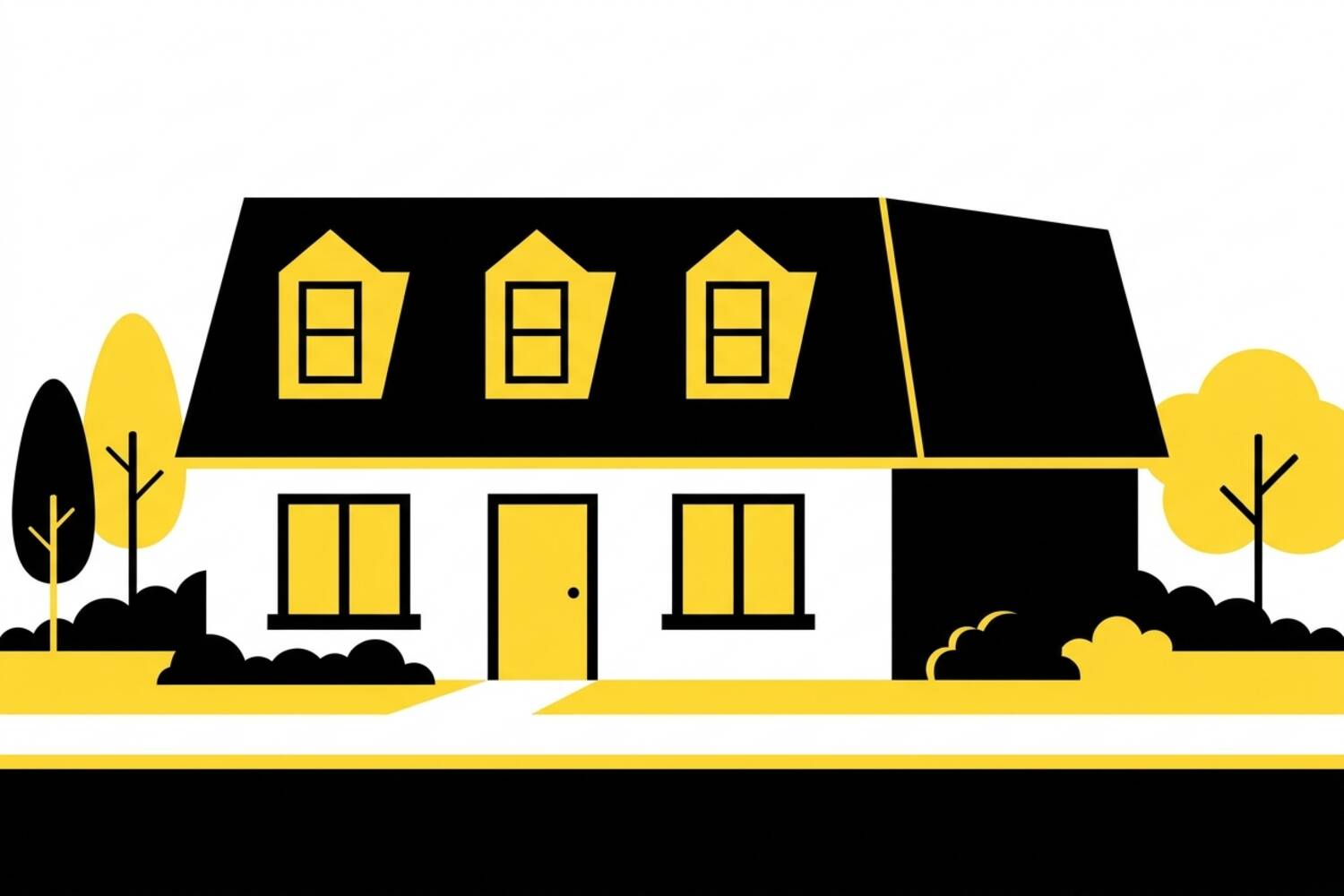
A mansard roof (sometimes called a French roof or curb roof) has two distinct slopes on all four sides. The lower slope is nearly vertical, while the upper slope has a much gentler pitch. This design creates a spacious attic area that can serve as a full living space rather than just storage.
The style traces back to 16th-century French architecture — specifically the work of François Mansart — and became a signature look of the Second Empire period. You’ll see these roofs on historic homes and commercial buildings throughout Missouri, especially in older Columbia and Jefferson City neighborhoods.
Benefits of a Mansard Roof
Extra Living Space
The steep lower slope is what sets a mansard apart. Instead of a cramped attic with sloped ceilings you can’t stand under, you get a full-height upper floor. Many Mid-Missouri homeowners convert this space into bedrooms, offices, or bonus rooms without adding to the home’s footprint.
More Natural Light
Dormer windows are a natural fit for mansard roofs. They bring daylight deep into the upper floor and improve ventilation — something that matters during humid Missouri summers when attic heat can build up fast.
Distinctive Curb Appeal
A mansard roof stands out. Whether you prefer a classic look or a more modern interpretation, the dual-slope profile adds architectural character that can increase your home’s value and differentiate it from neighboring properties.
If you’re considering a full roof replacement for your Columbia-area home, a mansard design is worth discussing with your contractor to see if it fits your home’s structure and your goals.
Challenges to Consider
Complex Construction
The dual-slope design requires more framing, more materials, and a contractor who understands the structural demands. This complexity means higher installation costs compared to a standard gable or hip roof. For accurate pricing in the Mid-Missouri market, it’s best to get a local estimate.
Maintenance Requirements
The shallow upper slope of a mansard roof behaves somewhat like a flat roof — water and debris can collect if drainage isn’t properly managed. Regular inspections are important, especially after heavy rain or snow. According to the National Weather Service St. Louis office, Mid-Missouri sees an average of 18 inches of snow annually, which can stress low-pitch roof sections.
Weather Vulnerability
Missouri’s storm season brings hail, high winds, and heavy rain. The lower pitch on the upper slope means water sheds more slowly than on a steep gable, so proper flashing and waterproofing are critical. If you have storm damage concerns, our storm damage roofing page covers what to look for and next steps.
Mansard Roof Variations
Straight Mansard
The most common style. Uniform lower slopes create clean lines and maximize interior space. This is what you’ll see on most residential mansard roofs in Missouri.
Concave Mansard
The lower slope curves inward, creating a dramatic visual effect. You trade a bit of interior space for a bolder exterior look. Less common in residential construction but striking when done well.
Convex Mansard
The lower slope bows outward, adding both interior volume and a baroque aesthetic. This style is more often seen on commercial buildings or high-end custom homes.
S-Shaped Mansard
Combines concave and convex curves for a flowing S-profile. This is the rarest variation and requires skilled craftsmanship to execute properly.
Best Roofing Materials for a Mansard
Material choice matters more on a mansard than on many other roof types because both slopes are visible and the upper slope needs to handle standing water risk.
Asphalt Shingles
The most popular choice for mansard roofs in Missouri. They handle the steep lower slope well, come in styles that complement traditional and modern homes, and keep costs reasonable. Architectural shingles are a good balance of durability and appearance for the lower slope.
Metal Roofing
Metal handles precipitation effectively and works well on the gentler upper slope where water runoff is slower. It’s durable enough to withstand Missouri hail and wind. The sleek look also pairs well with modern mansard interpretations.
Slate Tiles
Slate delivers the classic mansard look and can last over a century. The trade-off is cost and weight — your home’s structure needs to support it. For a premium project where longevity and appearance are the top priorities, slate is hard to beat.
Material recommendations vary by your specific roof pitch, budget, and how long you plan to stay in the home. The Missouri building code also dictates minimum standards for roof installations, which a licensed local contractor will factor into the project.
Working with a Local Contractor
A mansard roof is not a standard installation. It requires a contractor who understands the framing complexity, proper flashing techniques, and material selection for both slopes. If you’re in Columbia, Jefferson City, or anywhere in Mid-Missouri, working with a local team familiar with Missouri weather patterns and building codes makes a real difference in the final result.
Planning a mansard roof project? Contact our Columbia roofing team at CoMo Premium Exteriors for a free consultation. Call (573) 424-9008 or schedule your inspection online.
Frequently Asked Questions
What is the main advantage of a mansard roof?
The biggest advantage is usable space. The steep lower slope creates a full-height attic that can become a bedroom, office, or living area without changing your home’s footprint. No other residential roof style provides as much interior space per square foot of roof area.
Are mansard roofs more expensive to build?
Yes. The dual-slope design requires more framing, more materials, and specialized labor. Expect higher upfront costs compared to a standard gable or hip roof. However, the added living space can offset the investment by increasing your home’s usable square footage.
How does a mansard roof hold up in Missouri weather?
The steep lower slope handles wind and rain well, but the shallow upper slope can collect snow and water. Proper flashing, waterproofing, and regular inspections are essential in Mid-Missouri’s climate, where heavy spring rain and winter snow are common. NWS data shows the region averages 40+ inches of rain per year.
Can I add a mansard roof to an existing home?
It’s possible but involves significant structural work. The framing requirements are different from standard roofs, so a structural assessment is necessary before committing. A qualified contractor can evaluate whether your home’s walls and foundation can support the additional load.
What materials work best for mansard roofs in Missouri?
Architectural asphalt shingles are the most common choice for the steep lower slope due to cost-effectiveness and durability. For the upper slope, metal roofing is a strong option because it sheds water well on the lower pitch. Slate is the premium choice for both slopes if budget allows.
How often should a mansard roof be inspected?
At least once a year, ideally in fall before winter weather arrives. After any severe storm with hail or high winds, schedule an additional inspection to check for damage on both the steep and shallow slopes. Missouri’s storm season (April through June) is the highest-risk period.
