
How to Prepare Your Roof for Storm Season Before the First Hailstorm Hits
If you’ve lived in Central Missouri for any length of time, you know spring storms don’t knock politely. One afternoon the sky turns that particular shade of green, the wind picks up, and suddenly quarter-sized hail is hammering everything in sight. The question isn’t whether a big storm will hit—it’s whether your roof will be ready when it does.
Let’s walk through exactly how to prepare your roof for storm season before the first hailstorm hits, so you’re not scrambling for tarps and contractors when everyone else in Columbia is doing the same thing.
Key Takeaways
- Mid-Missouri’s hail and wind season typically ramps up from March through June, and roofs across Columbia, Jefferson City, and surrounding areas need preparation before the first major cell hits.
- A pre-season roof inspection—both a visual check from the ground by the homeowner and a thorough inspection on the roof by a professional—is the single most important step to prevent leaks and emergency tarps after hailstorms.
- Specific actions matter: inspect your roof for loose or missing shingles and damaged flashing, clean and secure gutters and downspouts, trim overhanging branches, consider upgrading to impact resistant shingles where possible, and document your roof’s condition for insurance claims.
- CoMo Premium Exteriors offers free, no-obligation storm-readiness inspections across Mid-Missouri and can help with both preventive upgrades and future insurance claims when storm damage occurs.
Understand Mid-Missouri’s Hail and Storm Season
Mid-Missouri experiences a predictable—and intense—storm cycle each year. Strong spring and early summer storms bring frequent hail and high winds across Columbia, Jefferson City, Boonville, Moberly, and Lake of the Ozarks. This pattern typically runs from March through June, with April and May bringing the most severe weather.
Hail larger than one inch (about quarter-size) is common during these months and can bruise, crack, or dislodge asphalt shingles even when you don’t see leaks right away. The damage isn’t always dramatic. Sometimes it shows up as granule loss that exposes the underlying roof deck to UV degradation. Sometimes it creates hairline cracks that let heavy rain seep through months later.
Here’s what many homeowners don’t realize: repeated smaller hail events and strong winds over several seasons can cumulatively weaken a roof structure. That means the “first big hailstorm” of the year can wreak havoc on a roof that was already compromised—even if it looked fine from the ground.
Preparing before storm season begins helps you avoid:
- Last-minute emergency repairs when every roofer in town is booked
- Interior water damage from leaks you didn’t know were possible
- Stressful insurance claims with incomplete documentation
- Costly repairs that could have been prevented with timely maintenance

Inspect Your Roof Before Storm Season Starts
A pre-season roof check—ideally in late winter or very early spring—is your first line of defense before hail hits. Research consistently shows that loss rates are significantly lower at properties where annual visual roofing inspections are performed and documented. This isn’t just good advice; it’s statistically validated.
What Homeowners Can Check Safely
From the ground or a sturdy ladder at the roofline (not on the roof itself), look for:
|
What to Look For |
What It Means |
|---|---|
|
Missing shingles or gaps |
Direct exposure to water intrusion |
|
Curled, cracked, or buckled shingles |
Age-related wear or past storm damage |
|
Exposed nail heads |
Potential leak points during heavy rain |
|
Loose shingles or flapping tabs |
Wind damage that will worsen in the next storm |
|
Rusted or lifted flashing |
Vulnerable areas around chimneys, skylights, and vents |
|
Sagging spots or uneven rooflines |
Possible roof deck damage beneath |
When to Call a Professional
Don’t walk steep or high roofs yourself. If your home is more than one story, if the roof pitch is steep, or if the roof is over 10–12 years old, a professional roof inspection is the smarter move.
We offer free roof inspections across Mid-Missouri. During these visits, we check shingles, flashing, vents, pipe boots, and roof penetrations specifically for past hail and wind damage. We also look for early signs of wear that could become major problems once storm season hits.
Addressing small issues—like a few damaged shingles or cracked pipe boots—before March and April storms arrive is significantly cheaper than fixing water damage after it’s entered your home.
Clean and Secure Gutters and Downspouts
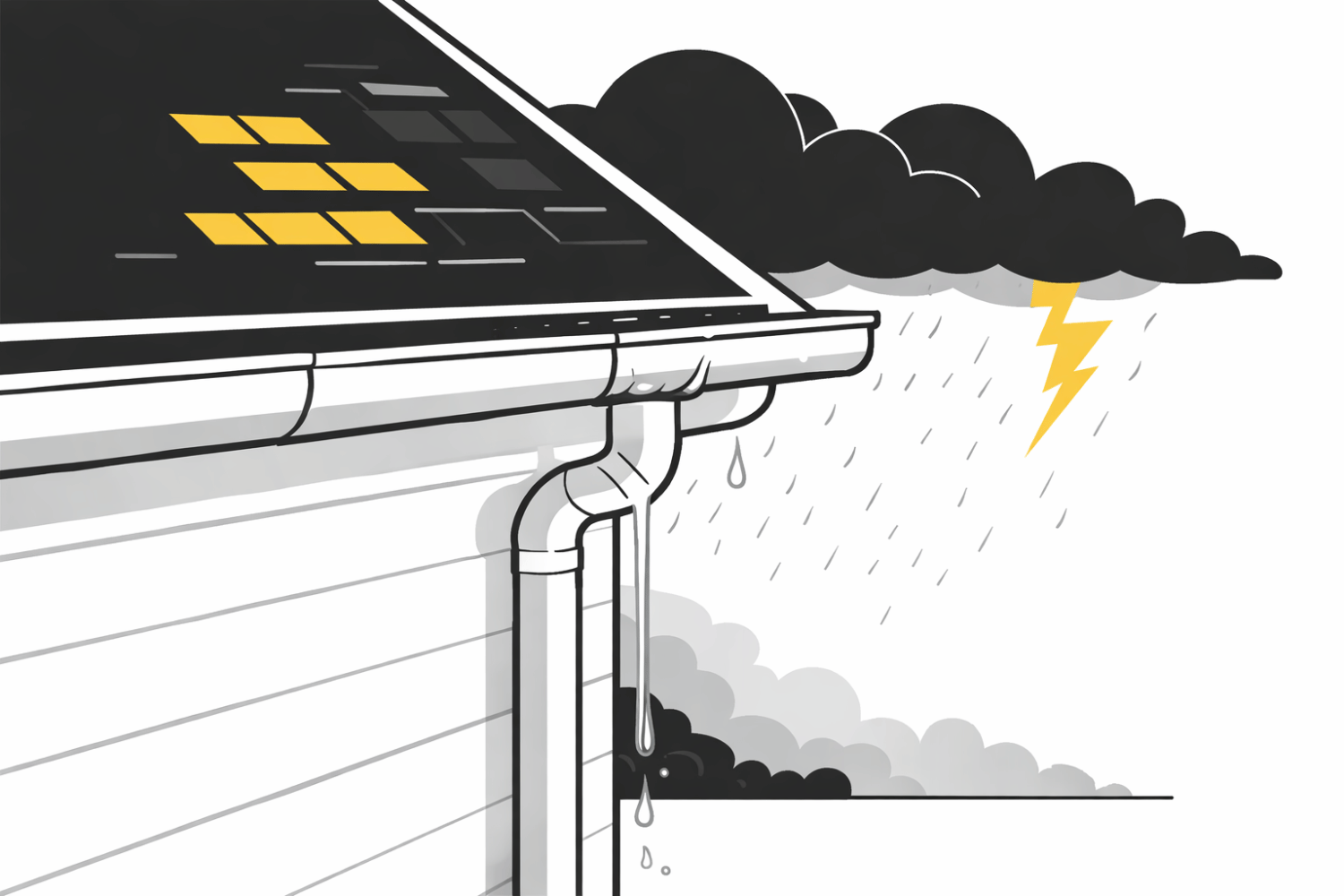
Clean, properly secured gutters and downspouts are critical during hail and heavy rain because they move water off the roof and away from your foundation. When they’re working, you barely notice them. When they fail during a storm, you notice quickly.
Pre-Season Gutter Maintenance Checklist
- Clear all debris: Remove leaves, twigs, and roofing granules from gutters at least once before storm season—ideally in late winter. Clogged gutters cause water to back up under shingles, leading to roof leaks and fascia damage.
- Check downspout connections: Make sure downspouts are securely fastened and extend several feet away from your foundation. Pooling water near the foundation can cause basement leaks and structural issues.
- Inspect for damage: Loose or sagging gutters can be torn off by high winds or weighed down by hail accumulation and heavy rain, causing further damage along the roof edge.
Here’s something worth noting from our research: ice damming from significant hail accumulation can back up rainwater even in well-maintained drainage systems. If your gutters are already compromised by debris, the threat from temporary hail accumulation gets amplified considerably.
Consider quality gutter guards or screens to reduce clogs from the oaks and maples common throughout Mid-Missouri neighborhoods. We can recommend and install guards that work well with local storm patterns and your specific gutter system.
Trim Trees and Manage Overhanging Branches
Large branches hanging over your roof or close to power lines are a major cause of storm damage when high winds and even hail arrive. Flying debris from nearby trees can cause as much damage as direct hail impact itself.
What to Look For
Walk your property and identify:
- Dead, cracked, or diseased limbs on trees near the house
- Branches that hang directly over the roof
- Limbs that brush against shingles (these scrape off protective granules over time)
- Trees that could drop debris into your gutters during storms
Older oaks, maples, and ornamental trees common in Columbia neighborhoods are particularly worth examining. Trim nearby trees to remove branches that overhang the roof or could fall during severe weather.
When to Hire an Arborist
Larger or higher limbs—especially those close to the roof, windows, or utility lines—should be removed by a professional arborist. Attempting to trim overhanging branches yourself near power lines or at significant heights creates serious personal injury risks and potential property damage.
Proactive trimming in late winter or very early spring is ideal. Get the work completed before strong April and May storm fronts move through, when tree services become extremely busy.
Check for Existing Hail and Wind Damage
Many Mid-Missouri roofs already carry hidden hail or wind damage from previous storm seasons, even if the homeowner never filed an insurance claim. This existing damage makes the roof more vulnerable when the next storm hits.
Signs of Past Hail Impact
|
Location |
What to Look For |
|---|---|
|
Shingles |
Bruised or dark spots, missing granules exposing black asphalt, soft spots when pressed |
|
Metal vents |
Dents, dings, or punctures |
|
Gutters and downspouts |
Dents along the top edges |
|
Skylights |
Cracks or clouding in plastic covers |
Signs of Wind Damage
- Lifted or flapping shingles
- Missing tabs or entire loose shingles
- Creased shingles along the bottom edge
- Loose ridge caps along the peak
Don’t forget to check your siding, window wraps, and metal trim for dings or chipped paint. These areas can confirm that past hail events were strong enough to harm the roof, even when shingle damage isn’t immediately visible from the ground.
Summer heat matters too. Missouri’s scorching summers—with extended stretches above 95 degrees and high humidity—can buckle and erode shingles even without a single storm. If you see warped, cupped, or crumbling shingles heading into spring, that heat damage from last summer may have left your roof more vulnerable to the first hailstorm than you realize.
We can inspect for and document pre-existing storm damage, then help you decide if an insurance claim is appropriate before the next storm makes things worse. Catching significant damage now—before it leads to roof leaks and water intrusion—puts you in a much stronger position.
Reinforce Vulnerable Roof Areas Before Hail Season
Most roof failures during hail and wind storms start at vulnerable areas like flashing, roof edges, vents, and old sealants. These are the weak points where water finds its way in, even when the main shingle field looks intact.
Key Areas to Reinforce
Flashing around penetrations: Damaged flashing around chimneys, dormers, skylights, and roof penetrations should be repaired with proper metal and high-quality sealants—not quick caulk-only fixes that fail within a season or two.
Valleys, hips, and ridges: These areas take the brunt of hail and wind. Check for worn shingles, exposed nails, or damaged ridge caps. These components protect the roof’s integrity at its most critical junctions.
Pipe boots: The rubber boots around plumbing vents become brittle over time from UV exposure. Replace cracking or deteriorated boots with upgraded materials that hold up better under hail impact and temperature extremes.
Roof-mounted equipment: Satellite dishes, HVAC components, and other roof-mounted equipment can be damaged by hail and may create additional vulnerable areas if not properly secured and sealed.
As a triple-certified roofing contractor (GAF Master Elite, Owens Corning Platinum, and James Hardie Elite Preferred), we follow manufacturer best practices for sealing and reinforcing these vulnerable areas so they perform through repeated Mid-Missouri storm seasons.
Upgrade to Impact-Resistant and Storm-Ready Materials
If your roof is already 15–20 years old or shows widespread wear, upgrading before hail season can be smarter than repeatedly patching after each storm. At some point, the math simply works out better for a roof replacement with high quality roofing materials designed for storm protection.
Understanding Impact Ratings
UL Standard 2218 establishes impact ratings for roofing materials, with four classification levels:
|
Class |
Impact Resistance |
Best For |
|---|---|---|
|
Class 1 |
Basic protection |
Low-risk areas |
|
Class 2 |
Moderate protection |
Moderate exposure |
|
Class 3 |
Good protection |
Higher exposure areas |
|
Class 4 |
Highest protection |
Severe hail exposure (like Mid-Missouri) |
Impact resistant shingles achieve their hail resistance through special construction. Many incorporate SBS (synthetic rubber) blended into the asphalt, providing elasticity and “bounce” that helps absorb and deflect impact energy rather than cracking or puncturing. This isn’t marketing hype—it’s engineered protection backed by standardized testing.
Options Worth Considering
- Class 4 asphalt shingles: Provide excellent hail resistance while maintaining traditional appearance
- Metal roofing systems: Extremely durable against hail and wind, with long-term value
- Class 3 shingles: A middle-ground option balancing cost and protection
Some insurance carriers in Missouri may offer premium discounts for Class 4 impact-resistant roofs. It’s worth checking with your agent before making decisions about roofing materials.
We install a range of Class 3 and Class 4 roofing systems and can walk you through cost, appearance, and long-term value. Our focus is on 25–30 year performance rather than quick fixes that need replacing after a few hail events.

If a Roof Replacement Is Needed: How to Prepare
If your pre-season inspection reveals damage that calls for a full replacement rather than repairs, knowing what to expect makes the process much smoother. Most residential roof replacements in Mid-Missouri take just one day, and during non-storm periods you can typically schedule within two weeks of signing a contract. After major storm events, demand for materials and labor spikes and wait times grow—another reason to act early.
Preparing Your Home
- Inside the house: Take down wall-mounted items like pictures, mirrors, and shelves. Vibrations from hammering and equipment travel through walls and can knock fragile items loose. Secure valuables and family heirlooms near exterior walls.
- Outside the house: Move vehicles out of the driveway so crews have access and don’t get blocked by work trucks. Relocate garden ornaments, bird baths, and patio furniture away from the house perimeter. If you have a pool, hot tub, or delicate landscaping near the roofline, cover them with tarps to catch stray nails and shingle debris.
- After the work: Your roofing crew should clean gutters and sweep for nails after the job, but do your own walk-through as well. Stray nails hiding in grass are one of the biggest post-replacement hazards—especially in areas where kids play or you walk barefoot.
Columbia and several surrounding municipalities have specific building codes for roof replacements. Your contractor should walk you through permit requirements and code compliance before work begins. Even in areas without strict local codes, following the highest standards protects the quality and longevity of your new roof.
Protect Your Attic, Ventilation, and Interior
Storm prep isn’t just about shingles—the attic and ventilation system play a huge role in preventing roof leaks and mold after heavy rain and hail. Problems in these areas can cause damage that gets mistaken for storm-related issues or makes actual storm damage worse.
Attic Inspection Checklist
On a dry day, head into your attic with a flashlight and look for:
- Water stains on rafters or decking (signs of past or ongoing leaks)
- Damp or compressed attic insulation (indicates moisture problems)
- Moldy smells (suggests trapped moisture and poor ventilation)
- Daylight showing through the roof deck (obvious penetration points)
Ventilation Matters
Proper ventilation—intake at soffits and exhaust at ridge or roof vents—helps prevent moisture buildup and reduces condensation-related damage. Over time, weathering from temperature extremes and expansion/contraction cycles can weaken roof components, making proper ventilation even more critical.
Hail and strong winds can damage plastic or cheap metal vents. The research is clear: skylights with plastic covers become brittle from UV exposure and are particularly vulnerable to hail impact. Upgrading to stronger, better-sealed vents before storm season hits can reduce blow-offs and water intrusion when the next storm arrives.
During a professional inspection, we evaluate attic ventilation and insulation levels and can recommend adjustments that improve both energy efficiency and storm resilience.
Document Your Roof Condition for Insurance Purposes
Having “before” photos from early in the year is incredibly helpful if a hailstorm in April, May, or June damages your roof and you need to file insurance claims. Documentation is the difference between a smooth claims process and a frustrating dispute.
What to Document
- Exterior photos: Take clear, date-stamped photos from the ground of all sides of your home, rooflines, gutters, downspouts, and any existing wear you can see safely
- Close-up details: Capture images of any existing damage, wear patterns, or areas of concern
- Supporting documents: Keep digital copies of photos, past repair invoices, and any inspection reports together in one accessible location
Why This Matters for Claims
Insurance adjusters need to determine what damage occurred during a specific hail event versus what existed before. Without documentation, you may face disputes about whether damage is new or pre-existing.
During a free inspection, we can also document your roof’s condition and keep records. This makes it easier to show an insurance adjuster exactly what changed after a specific storm—and helps ensure you receive fair compensation for actual storm damage rather than getting shortchanged.
The goal here isn’t to create fear about the claims process. It’s to help you feel more confident and prepared if you ever need to navigate it.
Create a Storm Response Plan Before the First Hailstorm
Having a simple plan in place before storm season reduces stress when the first severe thunderstorm or hailstorm warning is issued. You don’t want to be searching for phone numbers or figuring out what to do while the sirens are going off.
Before the Storm
Keep a contact list accessible including:
- Your roofer (CoMo Premium Exteriors: 573-424-9008)
- Your insurance agent
- Local utility providers
Designate a safe interior space for the family during severe weather—ideally an interior room on the lowest floor, away from windows.
Secure loose items when storms are forecast:
- Move patio furniture, grills, and potted plants indoors or to a sheltered location
- Secure loose objects in the yard that could become flying debris
- Clear debris from around the property that could blow onto the roof
After the Storm Hits
Once it’s safe to go outside, walk the property from the ground to look for:
- Missing shingles or exposed roof deck
- Dented gutters and downspouts
- Broken windows or damaged siding
- Debris on the roof or in the yard
Important: Take photos of any visible damage immediately, even if it doesn’t look severe. Some damage may not manifest into problems for weeks or months. Do not attempt temporary repairs or climb onto the roof yourself—call a trusted local roofer first.
We offer emergency tarping and post-storm inspections across Mid-Missouri and can coordinate directly with insurance adjusters to document storm damage properly. Getting professional eyes on the damage before making claims decisions helps ensure you understand what you’re dealing with.
Why Work With a Local, Triple-Certified Contractor in Mid-Missouri
When hail season arrives, so do the out-of-town storm chasers. These crews move into damaged areas temporarily, knock on doors, collect deposits, and often disappear before warranty issues arise. Working with a stable, local contractor matters more than ever during these vulnerable times.
Our Local Roots
CoMo Premium Exteriors was founded in 2010 right here in Columbia. We serve Mid-Missouri through locations in Columbia, Jefferson City, Boonville, Moberly, and Lake of the Ozarks. With over 25 years navigating Central Missouri’s unique weather patterns, we understand exactly what the harshest weather conditions do to roofs in this region—and how to prepare for hurricane season, hail events, and everything in between.
What Triple Certification Means
We’re the only contractor in the region with all three major manufacturer certifications:
|
Certification |
What It Means |
|---|---|
|
GAF Master Elite |
Top 3% of contractors nationwide; requires annual factory training and 4.0+ customer rating |
|
Owens Corning Platinum Preferred |
Proven installation quality and customer satisfaction standards |
|
James Hardie Elite Preferred |
Specialized training in premium siding installation |
These certifications aren’t just logos on a truck. They unlock stronger material and workmanship warranties for our customers and require us to maintain consistent quality standards through ongoing training.
Insurance Claims Advocacy
As local insurance-claim advocates, we help homeowners understand adjuster reports, identify missed damage, and push for fair coverage when hail and wind storms strike. We speak adjusters’ language so you don’t have to figure out the technical details yourself.
If you’re ready to get your roof storm ready before the first major storm rolls through, give us a call at (573) 424-9008 to schedule a free pre-storm inspection. No pressure, no obligation—just honest advice from local experts who’ll be here in Mid-Missouri long after storm season ends.
FAQs
When should I schedule a roof inspection in Mid-Missouri before hail season?
Late winter through early spring (February–April) is ideal for a professional roof inspection. This timing gives you the window to complete any necessary repairs or address further damage before the first major hail and wind events typically arrive in late April and May.
You should also schedule inspections after any significant hailstorm—roughly 1-inch hail or larger—or if you notice missing shingles, dented gutters, or interior water stains. We offer free inspections year-round, but pre-season visits give you the best opportunity for true prevention rather than reactive repairs.
How do I know if hail has damaged my roof if I don’t see leaks yet?
Hail damage often doesn’t cause immediate roof leaks. Instead, it can bruise shingles, knock off protective granules, and shorten the roof’s lifespan by years—all without obvious water intrusion right away.
From the ground, look for these clues that suggest your roof took a hit:
- Dents in gutters, downspouts, and metal fascia
- Dings on air conditioning units or outdoor equipment
- Chipped paint or dents on siding
- Granule piles at gutter downspout exits
- Damage to window screens or patio furniture
Only a close-up inspection on the roof can confirm shingle bruising, mat fractures, and other subtle damage that leads to costly storm damage down the road. That’s why a thorough inspection from a professional is recommended after any hail event with stones 1 inch or larger.
Are impact-resistant shingles worth the extra cost in Mid-Missouri?
For a region that routinely sees severe spring storms with quarter-size or larger hail, impact-resistant shingles (Class 3 or Class 4 rated) are worth serious consideration. These products are specifically engineered to absorb and deflect hail impact better than standard asphalt shingles.
The benefits include:
- Reduced repair frequency after hail events
- Potential insurance premium discounts (check with your agent)
- Peace of mind during storm season
- Longer overall roof lifespan
The upfront cost is higher than standard shingles, but the long-term math often works out favorably—especially when you factor in avoided costly repairs and potential insurance savings. We can compare different impact-resistant options and help you weigh cost versus season long performance for your specific situation.
What should I do right after a hailstorm hits my neighborhood?
First, make sure everyone in your household is safe. Wait until the storm has fully passed before going outside.
Once it’s safe:
- Walk your property from the ground and look for visible issues—missing shingles, broken glass, dented gutters, debris on the roof
- Take photos and videos of any damage you can see, noting the date
- Save a copy of local weather reports showing hail size and storm date
- Do not climb on the roof or attempt DIY repairs
Call us for a detailed inspection before filing an insurance claim. Having a clear understanding of the roof’s condition and necessary repairs puts you in a stronger position when dealing with adjusters and prevents you from accepting settlements that don’t cover the full scope of damage.
Will my homeowner’s insurance cover a roof replacement from hail damage?
Many Mid-Missouri homeowner policies do cover storm-related roof damage, but coverage varies significantly. Two key policy types affect what you’ll receive:
- Replacement Cost Value (RCV): Covers the full cost of a new roof meeting current standards
- Actual Cash Value (ACV): Pays what your roof is worth today, accounting for age and wear—often significantly less
Review your policy or talk to your insurance agent ahead of storm season to understand your deductible, any hail-specific exclusions, and whether hurricane straps or impact-resistant roofing might affect your premiums.
We regularly work with insurance adjusters, help document hail and wind damage thoroughly, and advocate for fair compensation on behalf of homeowners. If you’re unsure whether damage warrants a claim, a free inspection can help you understand your options before making that decision.
