EPDM Roofing Explained: Advantages and Considerations for Mid-Missouri Properties
If you own a commercial building or a home with a flat or low-slope roof in Central Missouri, you have probably heard of EPDM roofing. It is one of the most widely used flat roofing materials in the country, and for good reason — it is affordable, durable, and well-suited to the temperature extremes we experience in the Mid-Missouri region. But like any roofing material, it has both strengths and limitations that are worth understanding before you commit to a project.
At CoMo Premium Exteriors, we have installed and repaired EPDM roofing systems on properties throughout Columbia, Jefferson City, Fulton, and the surrounding areas. This guide covers what EPDM is, how it performs in our climate, how it compares to alternatives, and what you should know before making a decision.
What Is EPDM Roofing?
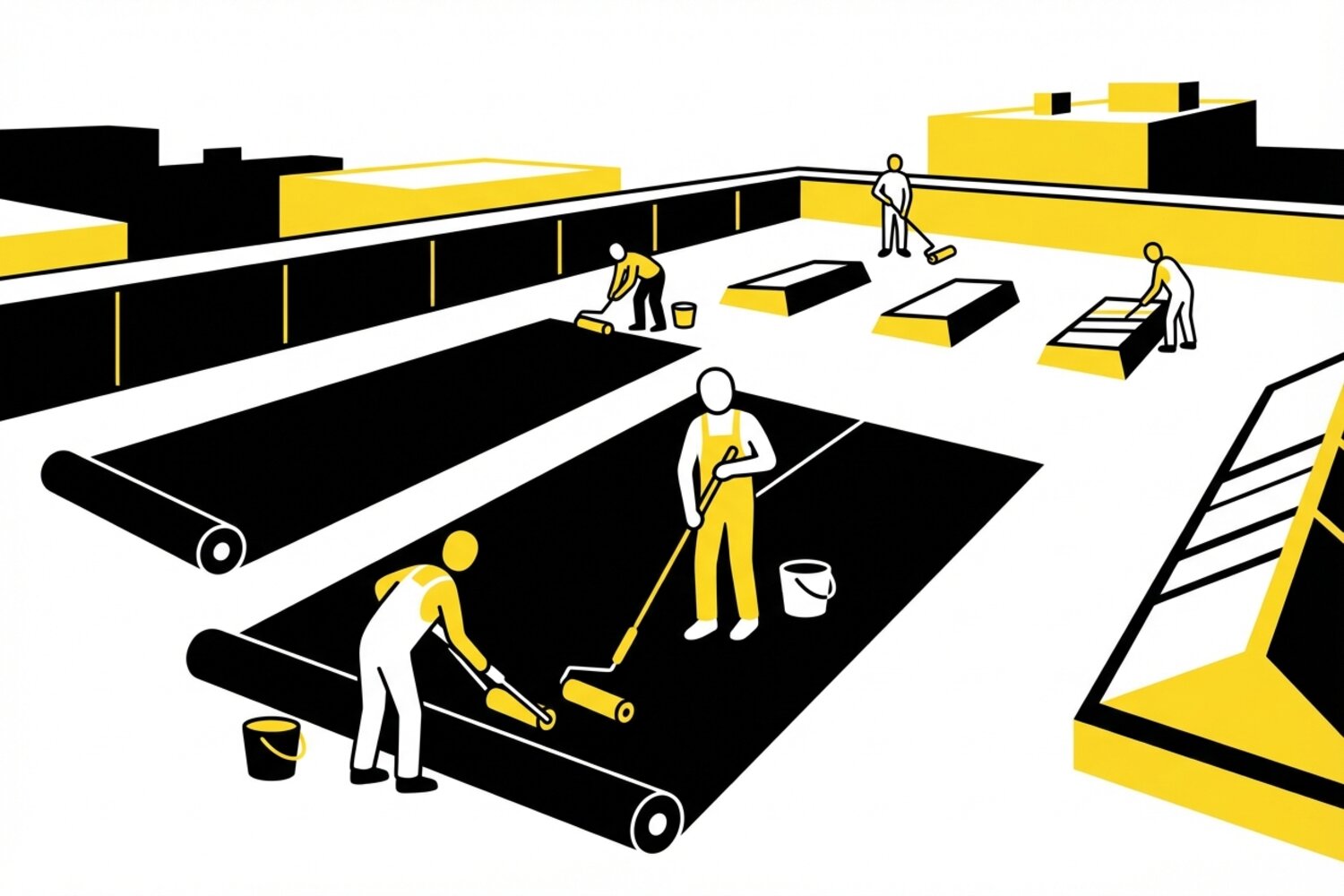
EPDM stands for ethylene propylene diene monomer — a synthetic rubber membrane that has been used in commercial and residential flat roofing since the 1960s. It is manufactured in large sheets (typically 10 to 50 feet wide) that are rolled out across the roof surface and either adhered with adhesive, mechanically fastened, or held in place with ballast (gravel or pavers).
The material comes in two colors: black and white. Black EPDM is the traditional option and absorbs heat, which can be beneficial for heating in colder months. White EPDM reflects sunlight and reduces cooling costs in summer. Both perform well, and the choice often depends on the building’s energy priorities and local climate considerations.
According to the National Roofing Contractors Association (NRCA), EPDM remains one of the most common single-ply roofing membranes in North America, with an estimated 1 billion square feet installed annually.
Why EPDM Works Well in Mid-Missouri
Central Missouri’s climate presents specific challenges for flat roofing. We experience temperature swings from below zero in January to over 100 degrees in July, heavy spring thunderstorms, occasional hail, ice damming in winter, and high humidity through the summer months. EPDM handles these conditions well for several reasons:
- Temperature flexibility — EPDM remains flexible across a wide temperature range, from -40 degrees to over 300 degrees Fahrenheit. This means it does not crack in our coldest winters or soften and flow in our hottest summers.
- UV resistance — The material resists degradation from ultraviolet radiation, which is important given the intense sun exposure flat roofs receive during Missouri summers.
- Hail resistance — Standard EPDM membranes handle moderate hail well. FleeceBACK EPDM (a thicker, reinforced version) can withstand hailstones up to 4 inches in diameter — relevant given that Central Missouri sits in an active hail corridor according to NOAA’s National Weather Service data for our region.
- Moisture resistance — EPDM does not absorb water, which prevents the freeze-thaw damage that destroys some other materials in our climate.
Installation Methods
There are three primary methods for installing EPDM roofing, and the right choice depends on the building’s structure, the roof’s slope, and the owner’s priorities.
Fully Adhered
The membrane is glued directly to the roof substrate (typically insulation board) using a bonding adhesive. This method provides the best wind uplift resistance and creates a smooth, uniform appearance. It is the most common choice for commercial buildings in the Columbia and Jefferson City areas where wind exposure is a concern.
Mechanically Attached
The membrane is fastened to the roof deck with screws and plates along the seams. This is faster to install and works well on steel deck structures. It is a good option when the existing roof substrate is not suitable for adhesive or when budget is a primary concern.
Ballasted
The membrane is laid loose over the roof and held in place by a layer of smooth river rock (typically 10 to 12 pounds per square foot) or concrete pavers. This is the least expensive installation method and protects the membrane from UV exposure and physical damage. However, it adds significant weight to the roof structure, so the building must be engineered to handle the load.
Key Advantages of EPDM Roofing
Longevity
A properly installed EPDM roof typically lasts 25 to 30 years, with some systems exceeding 40 years. This is significantly longer than modified bitumen (15 to 20 years) and competitive with TPO and PVC membranes. For Mid-Missouri building owners, this longevity translates directly to lower cost per year of service.
Cost-Effectiveness
EPDM is generally the most affordable single-ply roofing option. Material costs run lower than TPO or PVC, and installation labor is typically less expensive because the large sheet sizes mean fewer seams to fabricate. For a typical 10,000-square-foot commercial roof in the Columbia area, EPDM can save 15 to 25 percent compared to TPO.
Low Maintenance
EPDM requires minimal ongoing maintenance. An annual inspection to check seams, flashings, and membrane condition is generally sufficient. Small repairs — punctures, seam separations, or minor damage — can be patched quickly with EPDM-compatible materials without requiring professional equipment.
Energy Efficiency
White EPDM membranes reflect a significant portion of solar radiation, reducing rooftop temperatures and lowering cooling costs. When combined with proper insulation (polyiso board is the standard in our region), an EPDM system can meaningfully reduce a building’s energy consumption. Black EPDM absorbs heat, which can reduce heating costs in winter — a real consideration given that our heating season runs roughly from November through March.
Common Concerns and Limitations
No roofing material is perfect, and EPDM has some limitations worth understanding:
Vulnerability to Petroleum Products
EPDM can be damaged by petroleum-based solvents, oils, and greases. If your roof has HVAC equipment, kitchen exhaust vents, or other sources of petroleum-based discharge, those areas need protective walkway pads or additional membrane protection. This is a common consideration for restaurants and commercial kitchens in the Columbia area.
Seam Integrity Over Time
While EPDM seams are strong when properly installed, they can separate over time — particularly in older installations that used liquid adhesive rather than modern seam tape. Annual inspection of seams is the best preventive measure. If caught early, seam repairs are straightforward and inexpensive.
Puncture Risk
Standard 45-mil EPDM can be punctured by sharp objects or heavy foot traffic. For roofs that require regular maintenance access (HVAC service, for example), upgrading to 60-mil membrane or FleeceBACK EPDM provides significantly better puncture resistance. Walkway pads should be installed along any regular traffic paths.
Appearance
EPDM is a utilitarian material. It does not offer the design flexibility of metal roofing or the aesthetic options of architectural shingles. For most flat-roof applications, this is not a concern since the roof is not visible from ground level. But for buildings where the rooftop is visible or used as occupied space, other materials may be more appropriate.
EPDM vs. Other Flat Roofing Materials
Here is how EPDM compares to the other common flat roofing options available in Central Missouri:
- EPDM vs. TPO — TPO (thermoplastic polyolefin) is a newer material that has gained popularity for its heat-welded seams and white reflective surface. TPO costs more than EPDM but offers potentially better seam strength. EPDM has a longer track record (60+ years vs. 30+ for TPO) and its long-term performance is better understood.
- EPDM vs. PVC — PVC membranes offer excellent chemical resistance and heat-welded seams. They cost more than EPDM and are typically chosen for environments with chemical exposure (restaurants, processing facilities). For standard commercial buildings, EPDM usually provides better value.
- EPDM vs. Modified Bitumen — Modified bitumen is a multi-layer system that provides good waterproofing but has a shorter lifespan (15 to 20 years) and requires more maintenance. EPDM is lighter, easier to repair, and lasts longer.
- EPDM vs. Built-Up Roofing (BUR) — BUR (tar and gravel) is the oldest flat roofing technology. It provides excellent waterproofing but is heavy, difficult to repair, and increasingly expensive due to labor requirements. EPDM has largely replaced BUR for new construction.
Repair and Maintenance
One of EPDM’s strongest selling points is how straightforward repairs are. Common repair scenarios include:
- Puncture repair — Clean the area, apply EPDM primer, and press on an EPDM patch that extends at least 2 inches beyond the damaged area in all directions. Roll firmly to ensure full adhesion.
- Seam repair — Clean both sides of the separated seam, apply primer, and apply new seam tape or adhesive. Roll to compress.
- Flashing repair — Flashings around pipes, vents, and roof edges are the most common point of failure. Peel-and-stick EPDM flashing makes these repairs relatively simple.
For annual maintenance, we recommend:
- Inspect all seams and flashings for separation or lifting.
- Clear drains and scuppers of debris (leaf buildup is common in fall across Mid-Missouri).
- Check for standing water — any area where water remains more than 48 hours after rain needs attention.
- Look for membrane shrinkage at the edges, which can pull flashings loose over time.
- Inspect after any major storm — our spring thunderstorms and summer hail events can cause damage that is best caught early.
Accessories and Customizations
EPDM roofing systems can be enhanced with several accessories:
- Walkway pads — Protect the membrane in high-traffic areas and along maintenance routes to HVAC equipment.
- Pressure-sensitive flashing — Simplifies waterproofing around pipes, vents, and other penetrations.
- Edge termination strips — Secure the membrane at roof edges and provide a clean finished appearance.
- Drip edge and gravel stops — Direct water off the roof and prevent ballast from shifting.
- Solar panel mounting systems — EPDM roofs can accommodate solar arrays, which is increasingly popular among commercial building owners in Columbia looking to reduce energy costs. The membrane’s flexibility makes it compatible with both ballasted and mechanically attached solar mounting systems.
Choosing a Contractor for EPDM Installation
The quality of an EPDM installation depends heavily on the crew doing the work. When evaluating contractors in the Mid-Missouri area, look for:
- Experience specifically with EPDM systems (not just general roofing experience)
- Manufacturer certifications from companies like Carlisle SynTec, Firestone, or GenFlex
- Familiarity with local building codes — Columbia’s building code requirements for commercial roofing differ from residential
- Willingness to provide references from similar projects in the area
- A clear warranty that covers both materials and workmanship
At CoMo Premium Exteriors, we work with leading EPDM manufacturers including GAF and CertainTeed to deliver installations backed by strong manufacturer warranties. If you have a flat or low-slope roof in Central Missouri that needs attention, we would be glad to take a look and discuss your options. Call us at (573) 424-9008 or schedule a free inspection.
Frequently Asked Questions
How long does an EPDM roof last in Mid-Missouri?
A properly installed EPDM roof typically lasts 25 to 30 years in our Central Missouri climate, with some systems exceeding 40 years. The key factors affecting lifespan are installation quality, membrane thickness (45-mil vs. 60-mil), and regular maintenance. Our region’s temperature extremes and storm activity make annual inspections particularly important for catching small issues before they become expensive problems.
Is EPDM roofing suitable for residential homes?
Yes, EPDM is an excellent choice for residential flat roofs and low-slope roof sections. Many homes in Columbia and Jefferson City have flat-roof additions, sunrooms, or covered porches where EPDM provides reliable, long-lasting protection. It is also commonly used on carports and detached garages with flat or nearly flat roofs. For the main roof on a traditional pitched-roof home, conventional shingles or metal roofing would be more appropriate.
Can EPDM roofing withstand Missouri hail storms?
Standard 45-mil EPDM handles moderate hail (up to about 1.5 inches) without damage. For better protection in our hail-prone region, FleeceBACK EPDM with its 145-mil reinforced membrane can withstand hailstones up to 4 inches in diameter. If your building is in an area that sees frequent hail (Central Missouri averages 2 to 4 significant hail events per year), the thicker membrane is worth the additional investment.
How much does EPDM roofing cost compared to other options?
In the Central Missouri market, EPDM typically costs $4 to $8 per square foot installed, depending on membrane thickness, installation method, and project complexity. This compares to $5 to $10 for TPO, $6 to $12 for PVC, and $3 to $7 for modified bitumen. While EPDM may not always be the cheapest upfront option, its combination of longevity and low maintenance costs often makes it the most economical choice over the full life of the roof.
What maintenance does an EPDM roof require?
EPDM is one of the lowest-maintenance roofing options available. We recommend an annual inspection (ideally in spring after winter weather and before our stormy season) to check seams, flashings, and overall membrane condition. Keep drains and scuppers clear of debris, address any ponding water issues promptly, and inspect after major storms. Small repairs like seam resealing or puncture patching are straightforward and inexpensive when caught early.
Can I install solar panels on an EPDM roof?
Absolutely. EPDM roofs are compatible with both ballasted and mechanically attached solar panel mounting systems. The membrane’s flexibility and durability make it a good substrate for solar installations. Many commercial building owners in Columbia are adding solar arrays to their EPDM roofs as energy costs rise. Just make sure the solar installer coordinates with a roofing professional to maintain the membrane warranty and ensure proper waterproofing at all attachment points.
How does EPDM compare to metal roofing for a flat roof?
Metal roofing (typically standing seam) can work on low-slope roofs but requires a minimum pitch of about 1:12 and costs significantly more than EPDM — often 2 to 3 times the price. Metal offers excellent longevity (40 to 60 years) and a more attractive appearance, but for true flat roofs (less than 2:12 pitch), EPDM is the more practical and cost-effective choice. For our Mid-Missouri roofing projects, we help each client evaluate which material makes the most sense for their specific building and budget.
