
How Long Will My New Siding Actually Last? Expectations vs. Reality in Missouri
Key Takeaways
- Realistic Mid-Missouri siding lifespans differ from brochure claims: Vinyl typically lasts 20–35 years (not the 40–60 advertised), James Hardie fiber cement delivers 40–50+ years with proper care, and engineered wood reaches 25–35+ years depending on maintenance.
- Central Missouri weather is the great equalizer: Hail events averaging 4–6 times yearly, freeze-thaw cycles exceeding 50 per winter, intense summer UV, and high humidity all compress manufacturer “lab condition” lifespans by 10–20 years for many siding materials.
- Installation quality matters as much as the material itself: We’ve seen two identical homes on the same street with completely different outcomes after 15 years—the difference almost always traces back to proper flashing, housewrap, and fastener placement during installation.
- Simple maintenance habits add 5–10+ years: Annual cleaning with mild soap, post-storm inspections for loose panels or cracks, and keeping caulk and paint intact on fiber cement and engineered wood dramatically extend siding life.
- CoMo Premium Exteriors is Mid-Missouri’s only triple-certified exterior contractor (GAF Master Elite, Owens Corning Platinum Preferred, James Hardie Elite Preferred), bringing 25+ years of local experience to help homeowners choose siding that fits real-world expectations—not just marketing promises.
What Missouri Homeowners Expect vs. What Really Happens
Picture this: A Jefferson City homeowner installs new siding in 2012, confident that their 40-year warranty means they won’t think about their house siding for decades. Fast forward to 2024, and they’re staring at faded panels, hail dings across the south wall, and buckling near the garage where a previous contractor nailed everything too tight. The brochure said one thing. Missouri weather said something else entirely.
This scenario plays out across Columbia, Boonville, Moberly, and Lake of the Ozarks more often than most homeowners realize.
- National blogs and manufacturer brochures quote optimistic numbers like “vinyl 40–60 years” and “fiber cement 50+ years,” but these figures come from controlled lab conditions—not the real-world punishment of Central Missouri’s climate.
- What we actually see on Mid-Missouri homes built or re-sided between 1995–2015 tells a different story. Vinyl siding often shows significant fading, chalking, and impact damage by years 15–20. Even premium materials develop moisture issues when installation was rushed or corners were cut.
- The siding material itself rarely fails first. In our experience inspecting hundreds of exteriors across the region, problems typically trace back to installation quality, missing or improper flashing, and moisture management failures—not the product sitting in the box.
- As a local exterior remodeler serving Columbia to Lake of the Ozarks since 2010, we routinely inspect 10–20-year-old siding that’s performing either far better—or far worse—than the warranty card promised. The difference? How it was installed and maintained.
- The sections ahead break down each major siding type’s “marketing lifespan” versus “Missouri reality” so you can make decisions based on what actually happens here, not what happens in a Phoenix test lab.
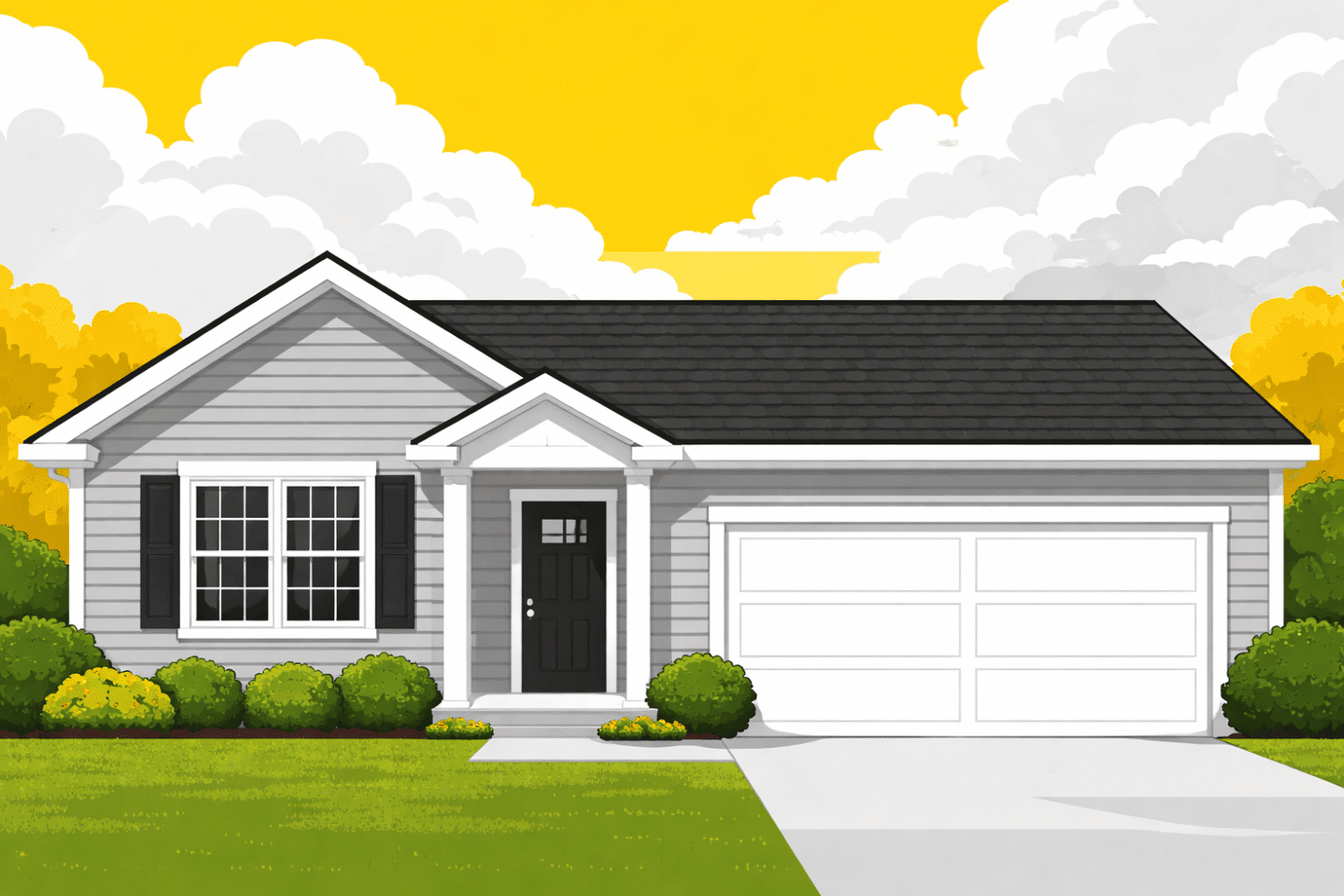
How Long Does Siding Really Last in Mid-Missouri?
Before diving into specifics, here’s a high-level view of what we see across central Missouri communities—Columbia, Jefferson City, Boonville, Moberly, and Lake of the Ozarks—under typical care and weather exposure.
|
Siding Type |
Marketing Claims |
Missouri Reality |
Key Variables |
|---|---|---|---|
|
Vinyl Siding |
40–60 years |
20–35 years |
Color, sun exposure, hail history |
|
Fiber Cement (James Hardie) |
50+ years |
40–50+ years |
Installation quality, paint upkeep |
|
Engineered Wood (LP SmartSide) |
30–50 years |
25–35+ years |
Caulking, paint maintenance |
|
Traditional Wood Siding |
40+ years |
15–30 years |
Repainting frequency, moisture control |
|
Brick/Stone Accents |
50–100+ years |
50+ years |
Mortar condition, weep details |
- Vinyl siding is often advertised at 40–60 years, but our Missouri reality puts it at 20–35 years on average. Dark colors on western and southern exposures fade faster, and repeated hail impacts shorten that window considerably.
- James Hardie fiber cement claims 50+ years with a 30-year product warranty. In Mid-Missouri, we see 40–50+ years when installed correctly with proper flashing and periodic paint touch-ups—making it one of the most durable siding options for our climate.
- LP SmartSide siding and other engineered wood products advertise 30–50 years. Here, expect 25–35+ years, heavily dependent on keeping paint and caulking maintained through our wet-dry-freeze cycles.
- Traditional wood siding can reach 40+ years in moderate climates, but Missouri’s humidity and insect pressure typically compress that to 15–30 years without aggressive repainting and moisture control.
- Brick and stone accents often do last generations here—50+ years is common—but mortar joints and weep details still require attention. Most homes use these as accents rather than full cladding.
- These numbers assume professional siding installation and basic maintenance. Poor installation or neglect can cut these lifespans in half, while premium installation combined with proper care pushes them toward the high end.
How Missouri Weather Really Treats Your Siding
Mid-Missouri delivers a unique combination of weather conditions that few other regions match. We get severe hail and straight-line winds in spring, 90°+ sun through July and August, dozens of freeze-thaw cycles each winter, and persistent humidity—especially around the lake communities.
- Hail and straight-line winds are annual realities here. Even siding marketed as “hail-resistant” can be cracked or chipped by 1–1.75” hailstones like those that hit Columbia and Jefferson City in 2018, 2020, and 2023. The 2023 derecho brought winds exceeding 100 mph across Mid-Missouri, tearing loose panels off homes that had stood for 20 years without issue.
- UV exposure and extreme heat hit south- and west-facing walls hardest. Vinyl remains vulnerable to embrittlement under intense sun, especially darker colors that absorb more heat. Fiber cement holds color significantly better when painted with quality coatings, but no material is immune to prolonged exposure.
- Freeze-thaw cycles and moisture infiltration cause some of the most insidious damage. Water that gets behind siding—often through poor flashing around windows and doors—expands and contracts through 50+ freeze-thaw cycles each winter. This stresses caulk joints, trim boards, and panel connections, eventually compromising structural integrity.
- Humidity and biological growth affect shaded north walls and properties near trees. Mold, mildew, and algae growth are common near lake properties and wooded lots. Regular gentle cleaning prevents surface degradation, but neglect accelerates aging.
- Micro-climate variations mean neighboring homes can have vastly different outcomes. We’ve seen hail tracks move from Boonville through Columbia where one side of a neighborhood sustained significant siding damage while homes a few blocks away escaped with minor scratches. Weather exposure varies block by block.
- Choosing materials rated for hail, wind-driven rain, and moisture resistance—and installing them precisely to manufacturer specs—is what keeps “expected” average lifespan closer to reality in Missouri.
Vinyl Siding in Missouri: Affordable, But What’s the Real Lifespan?
Vinyl siding is the most common replacement siding we encounter on homes built from the late 1990s through the 2010s around Columbia, Fulton, and Jefferson City. It’s popular for good reason—but understanding its realistic vinyl siding lifespan in our climate helps set proper expectations.
- Lifespan expectations vs. reality: While manufacturers often claim 40–60 years, our Missouri reality is 20–35 years on average. Cheaper builder-grade vinyl from early 2000s subdivisions sometimes shows major issues—cracking, severe fading, warping—by years 15–20.
- Strengths worth noting: Vinyl offers low maintenance compared to wood, solid resistance to rot and insects, and lower upfront cost than premium alternatives. High quality vinyl siding with insulation backing slightly improves energy efficiency on older homes and provides modest weather resistance.
- Common Missouri failure points: We see fading and chalking on sun-exposed walls, cracking from hail impacts (1-inch hail penetrates roughly 40% of standard gauge vinyl), warping and buckling from improper nailing or grill heat, and panels blown off in 60+ mph wind gusts common during spring storms.
- Maintenance reality: Vinyl requires minimal upkeep—annual or bi-annual cleaning with mild detergent and a soft brush, plus post-storm inspections for loose panels or cracks. Avoid high-pressure washers, which can force water behind panels. This routine cleaning is typically all most homeowners need.
- When vinyl makes sense in Mid-Missouri: Vinyl is a strong budget choice for rentals, starter homes, or when owners plan to move within 10–15 years. For a “forever home” where you want 30+ years of performance, you may want to consider stepping up to a more durable siding material.
- During a free inspection, we can tell homeowners if their existing vinyl is worth keeping and repairing, or if they’re close to the point where replacing vinyl siding entirely is more cost effective than ongoing patch work.
Fiber Cement (James Hardie) and Engineered Wood: Premium Options That Last
When Mid-Missouri homeowners want long-term durability and enhanced curb appeal, James Hardie fiber cement siding and engineered wood options like LP SmartSide siding are the two most popular “step-up” choices we install across the region.
- James Hardie fiber cement combines cement, sand, and cellulose fibers into a dense, stable product. Realistic Missouri lifespan runs 40–50+ years with repainting around every 10–15 years depending on color and weather exposure. James Hardie siding has become the benchmark for premium exteriors in our area.
- Why fiber cement thrives here: It offers exceptional durability against rot, insects, fire resistance, and hail impacts. James Hardie fiber cement handles our temperature swings and humidity well when properly flashed and painted with quality coatings. Studies show fiber cement retains 90% integrity after 10,000 thermal cycles—compared to vinyl’s 70%.
- Engineered wood (LP SmartSide) delivers a warm wood aesthetic without traditional wood siding’s vulnerabilities. Made from wood strands bonded with resins and treated for moisture protection, realistic lifespan here is 25–35+ years. The catch? Diligent paint and caulk upkeep is essential to protect edges from moisture infiltration in our wet-dry-freeze cycles.
- Expectations vs. reality: Brochures may tout 50-year warranties, but these are product warranties against manufacturing defects—not guarantees that the installed system will be maintenance-free for 50 years in Missouri’s extreme weather conditions.
- Maintenance snapshot: Check siding every spring and fall, touch up caulk as needed at windows and trim, and plan to repaint in an 8–15 year window depending on exposure and color depth. This minimal maintenance pays dividends in extended lifespan.
- As a James Hardie Elite Preferred contractor—the only one in Mid-Missouri with all three major certifications—we’re trained and audited on installation details that directly impact how close homeowners get to that 40–50+ year mark.
Installation Quality: The “Hidden” Factor That Can Cut Lifespan in Half
Two homes on the same street, with the same siding brand, can have completely different outcomes after 10–15 years. The difference usually isn’t the product—it’s how the siding was installed properly or not.
- Common installation shortcuts we see in Mid-Missouri: Missing housewrap or improper taping at seams, windows and doors flashed incorrectly (or not at all), nails driven too tight that prevent natural expansion and contraction, and lack of proper clearances above roofs, decks, and ground level.
- How these shortcuts show up later: Warped vinyl panels that won’t lie flat, moisture trapped behind fiber cement causing paint failure, peeling and bubbling at trim boards, soft sheathing that crumbles when you push on it, and in severe cases, mold or structural rot inside the wall cavity.
- Why proper technique matters: Correct flashing details, breathable housewrap with sealed seams, and fasteners placed to allow panel movement are just as important as the right siding brand. When installation ignores rainscreen gaps or proper drainage planes, even premium materials fail prematurely. Research suggests 70% of premature siding failures trace back to installation errors.
- Our workmanship warranty in practice: Our limited lifetime workmanship warranty means if an issue is caused by our installation—not the manufacturer’s product—we come back and fix it. This gives homeowners confidence that their siding installation is backed for the long term.
- Questions to ask any contractor: Request proof of training and certifications (like James Hardie Elite Preferred status), ask to see sample installation details for tricky areas like roof-to-wall transitions, and verify they use manufacturer-required materials like proper flashing tape and trim.
- Paying more upfront for certified, trained installation is often what turns “brochure lifespan” into “reality” in Missouri weather conditions. Poor installation is the fastest path to costly repairs.
Maintenance: Small Habits That Add 5–10 Years to Your Siding
Here’s the good news: most Mid-Missouri homeowners don’t need complicated maintenance routines. A few simple yearly habits dramatically extend siding lifespan and keep your home’s curb appeal strong for several decades.
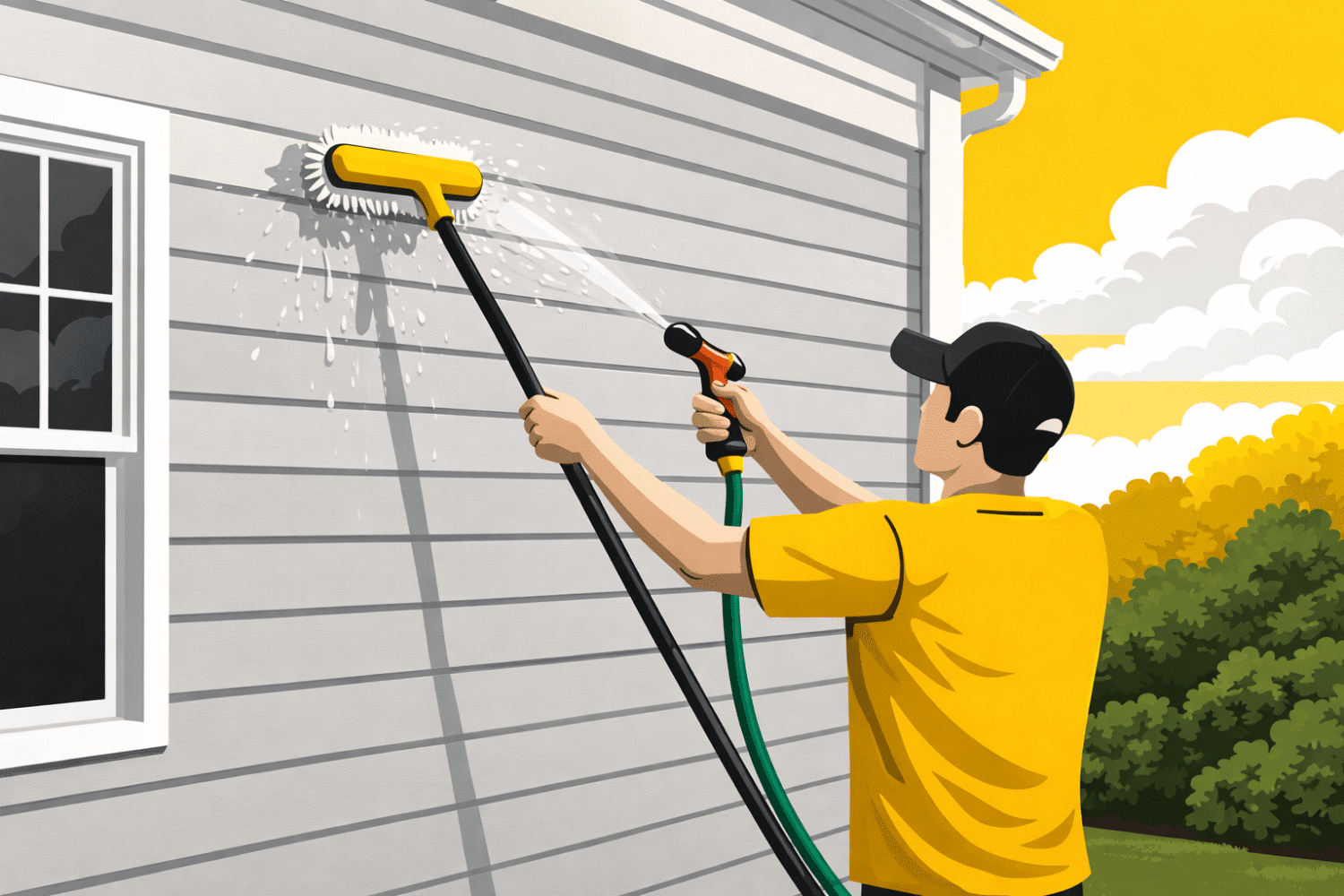
- Annual cleaning: Spring cleaning with a garden hose, mild soap, and a soft brush removes accumulated dirt, pollen, and mildew. A simple annual routine cleaning makes a visible difference. Avoid using a pressure washer on vinyl and fiber cement—water pressure above 1500 PSI can force moisture behind panels and etch finishes.
- Post-storm checks: After severe weather (hail, 50+ mph winds), do a quick walk-around looking for cracks, impact marks, or loose pieces. Focus on windward and upper-story walls where damage is most common. Document anything you find with photos—this helps with insurance claims and timely repairs.
- Caulk and paint maintenance: For fiber cement and engineered wood, keeping joints sealed and paint intact is critical during our wet and humid seasons. Small gaps at trim and window transitions allow moisture entry, which leads to swelling, peeling, or soft spots over time. Touch-ups prevent small problems from becoming replacement siding projects.
- Vegetation control: Trim trees and shrubs 1–2 feet away from siding to prevent constant moisture contact and scraping damage. We see this issue frequently on wooded properties and lake homes where landscaping grows against walls.
- Gutters and downspouts: Keep gutters clear so water doesn’t overflow and run down the siding surface. This is especially important on older homes in Columbia and Jefferson City where marginal drainage compounds moisture problems at foundation level.
- Schedule a professional inspection every few years—or after any major storm—to catch small issues before they reduce lifespan or turn into insurance claims. An experienced eye spots problems you might miss.
Missouri-Specific Red Flags: How to Tell Your Siding Is Near the End
Siding rarely fails overnight. Most Mid-Missouri homes show warning symptoms 3–5 years before full siding replacement becomes urgent. Knowing what to look for helps you plan ahead rather than react to emergencies.
|
Warning Sign |
What It Looks Like |
What It Means |
|---|---|---|
|
Persistent hail damage |
Cracked panels, pockmarks, chipped edges |
Impact damage compromises weather protection |
|
Widespread fading/chalking |
Washed-out color, chalky residue on hands |
UV degradation beyond cosmetic repair |
|
Swelling or soft spots |
Bubbling, peeling, spongy areas |
Moisture has penetrated the wall system |
|
Repeated repairs needed |
Annual patch work, recurring loose panels |
System is at end of useful life |
|
Interior clues |
Higher bills, musty smells, wall staining |
Moisture getting past siding layer |
- Persistent hail damage: Cracked vinyl panels, pockmarks on aluminum siding, or chipped fiber cement edges across multiple walls after hailstorms indicate both aesthetic appeal and weather resistance have been compromised.
- Widespread fading and chalking: When color is so washed out or chalky that routine cleaning and touch-ups no longer restore curb appeal, the material has reached its limits. This is common on 15–25-year-old vinyl siding in full sun exposure.
- Swelling, peeling, or soft spots: These symptoms—especially on older wood siding or engineered wood around windows, doors, and bottom edges where splashback hits—signal that resist moisture capabilities have failed.
- Repeated repairs becoming routine: If you’re calling for patch work every year or two, the old siding is typically at the end of its useful life. Full replacement often proves more economical than endless spot fixes.
- Interior warning signs: Higher energy bills, musty smells in rooms against exterior walls, or interior wall staining near exterior trouble spots suggest moisture is getting past the siding layer and affecting energy efficiency and indoor air quality.
- Take photos of concerning areas and request a free, no-pressure evaluation from a local professional. Clear documentation helps you decide between repair and siding replacement with confidence.
Choosing the Right Siding for Your Mid-Missouri “Time Horizon”
Instead of asking “what lasts longest on paper,” reframe the decision: How long do I plan to own this home, and how much maintenance am I willing to do? Your answer shapes siding choices more than any brochure ever could.
- 5–10 year horizon (planning to move): Vinyl siding may be most sensible. Lower upfront cost, quick aesthetic appeal upgrade, and strong return when selling in Columbia, Jefferson City, and surrounding towns. You likely won’t be around long enough to encounter its long-term limitations.
- 15–25 year horizon (growing family or investment property): Consider upgraded vinyl or engineered wood, balancing durability, cost, and the look you want. These options deliver solid performance across that window with reasonable maintenance.
- 25+ year “forever home” horizon: James Hardie fiber cement is a strong fit for Mid-Missouri homeowners wanting long-term stability, fire resistance, and consistent appearance that can withstand extreme weather conditions decade after decade. It’s a cost effective choice when amortized over 40+ years.
- Neighborhood and HOA considerations: Some communities around Columbia and at Lake of the Ozarks strongly prefer higher-end profiles and colors that hold up visually over decades. Check restrictions before committing to a specific siding material.
- Budget and financing: We help homeowners compare total cost of ownership—purchase price plus maintenance over likely lifespan—rather than just sticker price. We also offer financing options to spread the investment across manageable payments.
- Our local experience across thousands of Mid-Missouri projects helps match siding choices to real-world plans, not just brochure numbers. What works for a rental in Moberly differs from what makes sense for a forever home on the lake.
Why Work With a Local, Triple-Certified Exterior Contractor
National averages and generic manufacturer claims don’t always match what happens in Boone, Cole, Cooper, and surrounding counties. Local experience—understanding how our specific weather patterns affect home exteriors—makes the difference between siding that lasts and siding that disappoints.
- Our certifications matter for your siding lifespan: We’re the only contractor in Mid-Missouri holding GAF Master Elite, Owens Corning Platinum Preferred, and James Hardie Elite Preferred certifications simultaneously. Each requires annual factory training and maintaining high customer satisfaction ratings. This training and oversight directly protects your investment.
- We know Mid-Missouri weather: Since 2010, we’ve served Columbia, Jefferson City, Boonville, Moberly, and Lake of the Ozarks through every storm season. We understand how our freeze-thaw cycles, hail frequency, and humidity affect siding differently than contractors who learned their trade elsewhere.
- Complete warranty protection: Our limited lifetime workmanship warranty backs up manufacturer product warranties, giving you a complete protection picture. If installation issues arise, we return and make it right—no finger-pointing between contractor and manufacturer.
- Educational approach, not high-pressure sales: We walk homeowners through pros and cons of each material, real-world expectations for their exact home, and detailed written estimates. We want you to understand your options, not just trust us blindly.
- Free inspections and estimates: Schedule a free siding inspection—by phone at (573) 424-9008 or online—to get a specific, home-by-home assessment of expected lifespan and siding replacement options tailored to your situation.
- With the right material, properly installed correctly by certified professionals, and maintained with simple annual habits, Missouri homeowners can realistically enjoy several decades of strong siding performance—meeting or exceeding even optimistic expectations.
FAQs
How do I find out what type of siding I already have and how old it is?
Start with simple checks: Look for manufacturer stamps on the back of spare pieces (often stored in garages or attics), examine the style—lap profile, texture, and material feel—and check your home’s closing documents or building permits for installation dates. Vinyl has a distinct hollow sound when tapped, while fiber cement feels dense and heavy. Engineered wood shows wood strand patterns on cut edges. If you’re uncertain, give us a call—we can confirm the siding type during a free inspection and estimate age based on visible wear patterns and style characteristics common to specific eras.
Can I replace just the damaged sections, or do I need to re-side the entire house?
Spot repairs make sense when damage is limited—a few cracked vinyl panels from hail, minor impact damage to one wall, or localized moisture issues. Full replacement becomes smarter when damage is widespread, when fading is so severe that new panels won’t match old ones, when the product has been discontinued (making matching impossible), or when moisture issues have spread behind multiple walls. We often find that homes needing repairs every year or two have reached the point where full replacement is more economical than continued patching. During an evaluation, we’ll give you honest guidance on which approach makes financial sense for your situation.
Will my homeowner’s insurance pay to replace old siding that’s near the end of its life?
Insurance generally covers sudden storm damage—hail impacts, wind-torn panels, debris strikes—but not normal aging, fading, or wear. That said, significant hail and wind events common in Mid-Missouri can trigger covered claims even on older siding. The key is proper documentation. We help homeowners photograph damage with specific details adjusters need, understand what their policy covers, and communicate effectively with insurance companies. Adjusters often miss secondary damage in valleys and around windows—sometimes undervaluing claims by 40%—so having an experienced advocate matters.
Does new siding really improve my home’s energy efficiency in our climate?
While siding isn’t the only factor in energy performance, properly installed, well-flashed siding systems can reduce drafts and heat loss—especially on older homes common throughout Columbia and Jefferson City. Insulated vinyl options add modest R-value (around R-2.5 versus standard vinyl’s R-1), and any new siding installation includes updating housewrap and sealing gaps that may have developed over decades. Set realistic expectations: you’ll likely notice improved comfort and some reduction in heating and cooling bills, but siding alone won’t transform energy performance like new windows or attic insulation would.
What’s the best season in Missouri to install new siding for long-term performance?
Spring and fall are ideal—milder temperatures mean materials behave predictably, and we experience fewer weather delays. However, we install year-round when conditions are safe. Proper installation practices adjust to the season: accounting for thermal expansion differences in summer heat versus winter cold, ensuring caulk and sealants cure properly, and protecting materials from precipitation during installation. The season matters less than choosing a contractor who understands how to adapt techniques to current conditions. A February installation done correctly will perform just as well as one completed in October.
