
How to Choose a Roofing Contractor After a Storm — Before You Actually Need One
Key Takeaways
- Mid-Missouri storms are inevitable—severe hail and wind events hit every year between March and September, and waiting until your roof is leaking puts you at the back of the line for help from reputable contractors.
- Homeowners in Columbia, Jefferson City, Boonville, Moberly, and Lake of the Ozarks should identify one or two trusted local roofing contractors now, save their contact information, and understand their inspection and claims process before any storm arrives.
- Always verify local licensing, insurance, physical address, and storm experience for any roofer you’re considering—avoid out-of-state storm chasers who only appear after major hail events and disappear after collecting deposits.
- Ask specific questions about inspections, photo documentation, insurance claim support, workmanship warranties, and how long the company has operated in Mid-Missouri.
- CoMo Premium Exteriors serves as an example of a vetted contractor: triple-certified (GAF Master Elite, OC Platinum Preferred, James Hardie Elite Preferred), local since 2010, offering free inspections, insurance claim assistance, and a limited lifetime workmanship warranty.
Why You Should Choose a Roofing Contractor Before the Next Storm
Here’s something we’ve learned after 25+ years working with Mid-Missouri homeowners: the worst time to find a roofer is the day after a hailstorm.
In Columbia, Jefferson City, Lake of the Ozarks, Boonville, and Moberly, severe hail and wind storms hit every year, typically between March and September. When you wait until water is dripping through your ceiling to start searching for help, you’re competing with every other homeowner in the county for the same limited pool of qualified contractors.
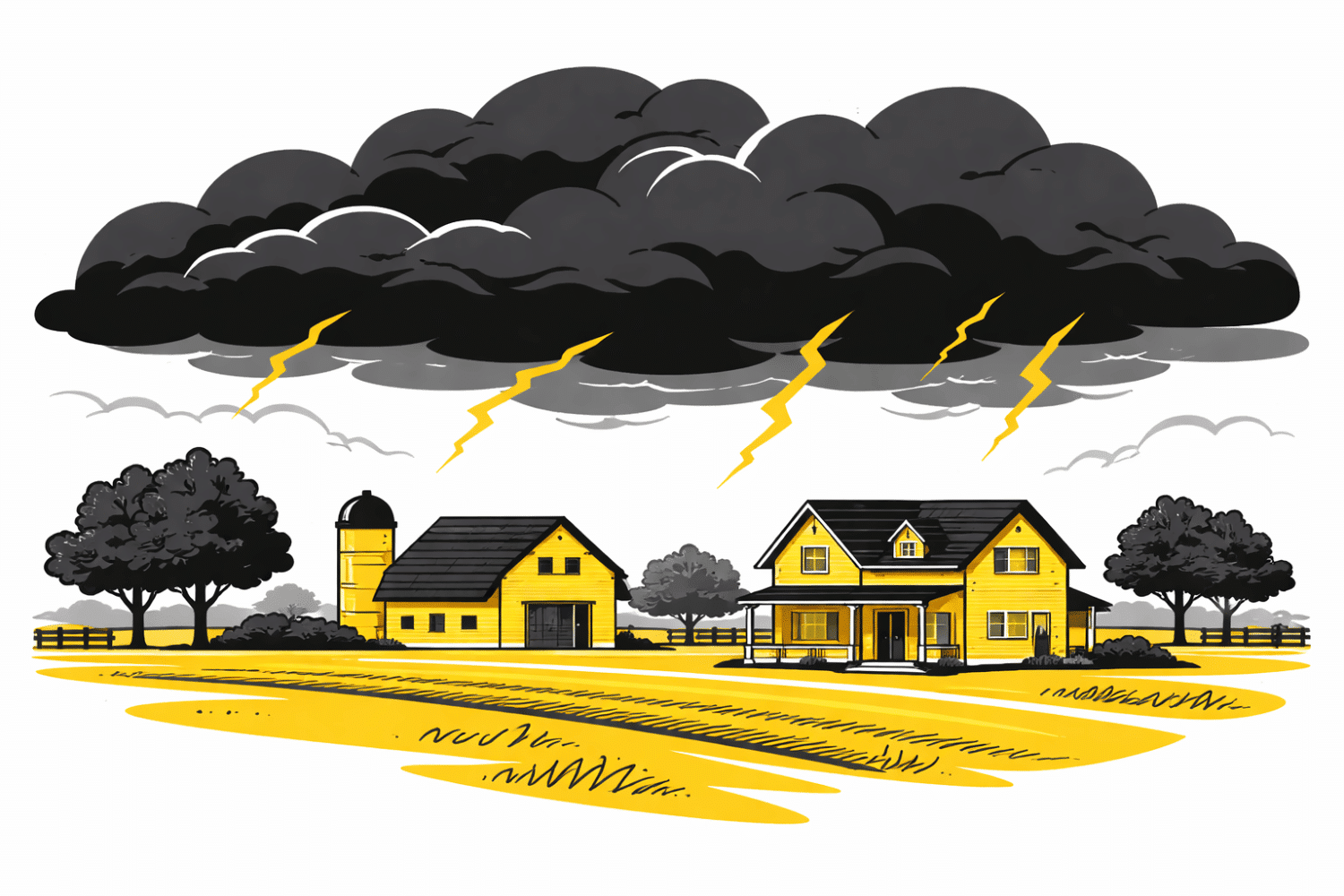
Post-storm chaos is predictable and stressful. Dozens of homeowners call at once. Insurance adjusters get booked out for weeks. And within 48 hours, out-of-state “storm chaser” companies start canvassing neighborhoods, knocking on doors with high-pressure sales tactics and promises that sound too good to be true.
Choosing a contractor calmly ahead of time changes everything. You can compare companies, read reviews, understand warranties, and ask detailed questions instead of making a rushed decision the day water appears in your ceiling.
Consider the 2023 hail storms that swept through Columbia or the 2024 straight-line wind events near Jefferson City. Within days, reputable local contractors’ schedules filled completely, while less-qualified roofers aggressively marketed door-to-door. Homeowners who had already established relationships with trusted local companies got priority scheduling and avoided the stress of vetting contractors during a crisis.
Creating a “go-to roofer” plan now is similar to knowing which mechanic or doctor you’ll use before you need one. Your home is likely your largest investment—protect it by being prepared.
Understand How Mid-Missouri Storms Affect Your Roof
Mid-Missouri’s weather patterns create unique challenges for roofing systems. We deal with hailstorms that can drop golf-ball-sized ice, strong spring and fall winds that exceed 60 mph, heavy summer downpours, winter ice accumulation, and sudden temperature swings that stress roofing materials year-round. Columbia’s climate, in particular, sees dramatic shifts that can age a roof faster than you’d expect.
Common Storm-Related Roof Issues
Here’s what severe weather typically does to roofs in our region:
|
Storm Type |
Common Damage |
What to Look For |
|---|---|---|
|
Hail |
Bruising, cracking, granule loss on shingles |
Dented gutters, dimpled soft metals, dark spots on shingles |
|
Wind |
Lifted or torn shingles, exposed underlayment |
Missing shingles in yard, curled edges along ridges and eaves |
|
Heavy Rain |
Leaks at penetrations, overwhelmed gutters |
Water stains on ceilings, damp attic insulation |
|
Ice |
Ice dams, backed-up water under shingles |
Water damage at eaves, icicle formations |
The trickiest part? Hidden damage. Your roof can look perfectly fine from the ground after a May hailstorm in Columbia but still have granule loss, fractured shingles, and dented flashing that shorten its lifespan by 5-10 years and may qualify for an insurance claim.
Signs You Might Have Storm Damage
Whether you’re in Moberly, Lake of the Ozarks, or anywhere in between, watch for these warning signs:
- Loose shingles scattered in your yard after a storm
- Shingle granules accumulating in gutters and downspouts
- New water spots on ceilings or walls
- Damp or wet insulation when you check your attic
- Daylight visible through the roof deck or around penetrations
- Dented or damaged gutters and drains
Understanding how storms affect your existing roof is exactly why having a knowledgeable, local, storm-experienced roofing contractor pre-selected matters so much.
Step 1: Start Your Search with Local, Established Roofers
“Local and established” isn’t just marketing language—it has real implications for your roofing project.
Local roofers understand Columbia and Jefferson City building codes. They work with the same insurance adjusters regularly and have established professional relationships. Most importantly, they’ll still be here years from now if you need warranty service or have concerns about your roof.
What “Local and Established” Should Mean
When evaluating roofing contractors, look for these concrete criteria:
- Physical office in Mid-Missouri (not just a P.O. Box or out-of-state address)
- Years in business in the region—ideally operating since at least the early 2010s
- History of responding to previous hail and wind events in local communities
- Consistent branding and contact information across their website and business listings
How to Find Local Roofers
Start with these practical steps:
- Ask neighbors who replaced roofs after recent storms (2021–2024) which contractors they used and would recommend
- Read Google and Facebook reviews for roofing companies in Columbia, Jefferson City, and surrounding towns
- Verify that company names, phone numbers, and addresses match across their website, Google Business listing, and social media
Storm Chasers vs. Long-Term Local Companies
There’s a significant difference between companies with deep community roots and short-term storm chasers. Storm chasers typically arrive within days of a large hail event, knock on doors aggressively, use temporary phone numbers, and have no long-term ties to the community. Data from the Better Business Bureau shows complaint spikes of 300% in storm-hit regions, with 70% involving unlicensed or uninsured roofers who vanish after collecting deposits.
CoMo Premium Exteriors is an example of the type of company to look for. We’ve served Mid-Missouri homeowners since 2010, with offices serving Columbia, Jefferson City, Boonville, Moberly, and Lake of the Ozarks. Storm damage restoration is an ongoing part of our business—not a temporary opportunity we chase.
Step 2: Verify Licensing, Insurance, and Certifications
Before any storm hits, verify a contractor’s paperwork. This basic safety and liability check protects you from significant risk on any roofing project—and it’s much easier to do calmly now than in the middle of an insurance claim.
What to Verify for Missouri Roofers
|
Documentation |
Why It Matters |
|---|---|
|
Active Missouri business registration |
Confirms legitimate business operation |
|
Local contractor licenses (city/county) |
Required in Columbia, Jefferson City, and other municipalities |
|
General liability insurance (minimum $1M) |
Protects your property from damage claims |
|
Workers’ compensation insurance |
Shields you from liability if a worker is injured |
What to Ask For
Request a current certificate of insurance that shows:
- Coverage limits (general liability should be at least $1 million)
- Policy expiration date (should extend through your project timeline)
- Confirmation of workers’ comp coverage for all employees working on your property in Boone, Cole, or surrounding counties
Why Manufacturer Certifications Matter
Manufacturer certifications indicate ongoing training, higher installation standards, and access to stronger manufacturer-backed warranties. As the only contractor in Mid-Missouri with triple certification—GAF Master Elite, Owens Corning Platinum Preferred, and James Hardie Elite Preferred—we can speak to what these credentials require.
GAF Master Elite status, for example, is held by only the top 3% of roofing contractors nationwide. It requires annual factory training, maintaining a 4.0+ customer rating, and meeting strict quality standards. These certifications aren’t just logos on a truck—they represent accountability and proven performance.
Red Flags to Watch For
Be cautious of contractors who:
- Refuse to show proof of insurance when asked
- Won’t put their company name on documents or contracts
- Rush you to sign before you can verify credentials
- Can’t provide local references from recent storm restoration work
- Have no physical business location you can visit
Step 3: Evaluate Each Roofer’s Storm Damage & Insurance Claim Experience
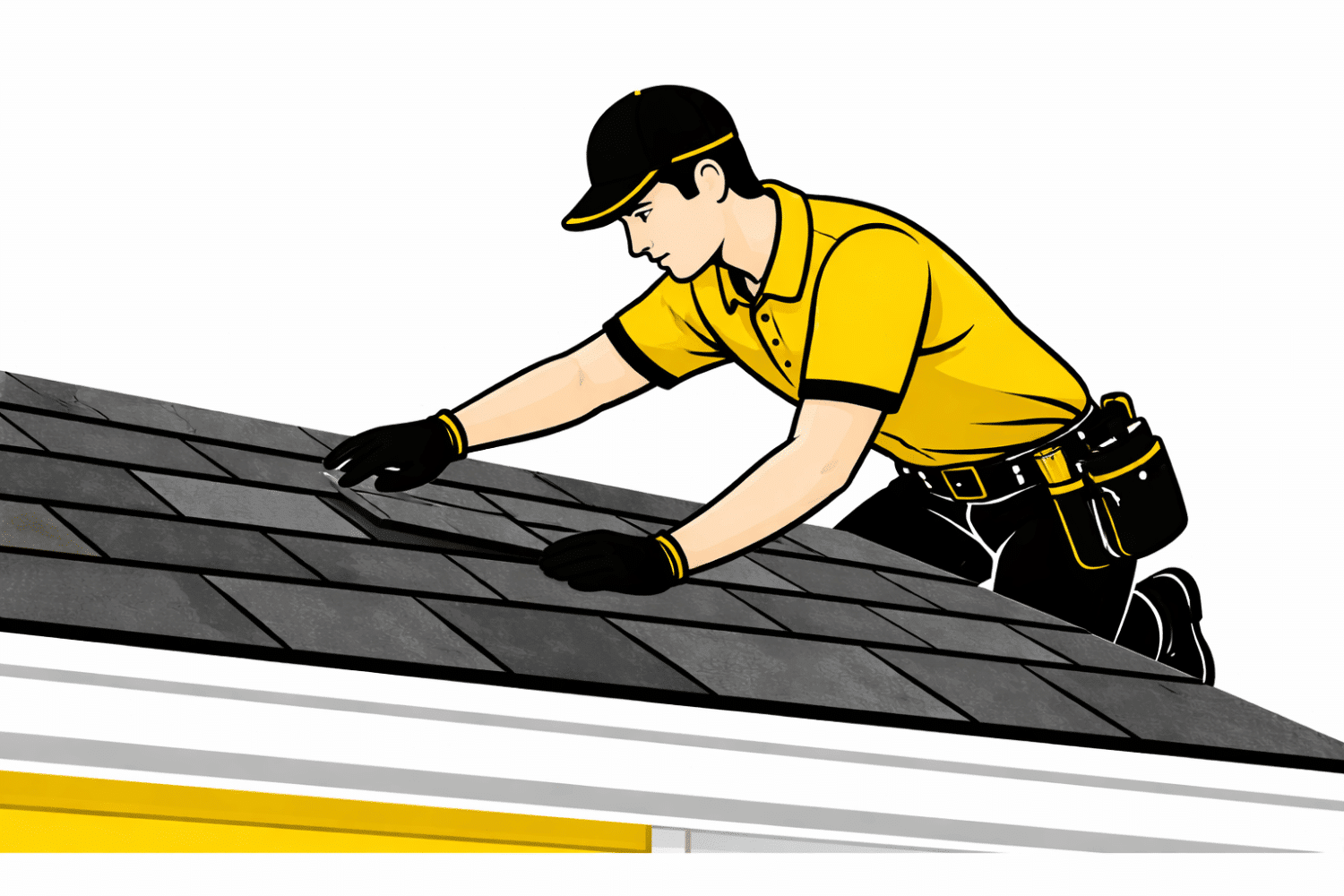
Storm damage restoration is different from a standard retail roof replacement. It involves detailed inspections, thorough documentation, and communication with insurance adjusters—a process many Missouri homeowners first encounter after a major hail event.
Questions to Ask Potential Contractors Now
Before you need help, ask these specific questions:
- How do you inspect for hail and wind damage?
- Do you take photo and video documentation of all damage found?
- How many insurance claims have you helped handle in the last 12–24 months?
- Will you meet adjusters on-site during inspections?
- Can you explain the difference between ACV and RCV policies?
- What happens if my adjuster misses damage that you documented?
What a Thorough Storm Damage Inspection Looks Like
A qualified contractor should provide:
- A free, on-roof evaluation (not just looking from the ground)
- Photos of shingles, flashing, soft metals, gutters, and siding
- Documentation of damage to vents, skylights, and other penetrations
- A clear, written summary of findings
- Materials you can send to your insurance company if needed
The National Roofing Contractors Association recommends homeowners avoid climbing on roofs themselves—thousands of injuries occur annually from DIY inspection attempts. Let trained professionals with proper safety equipment handle it.
How a Contractor Can Be Your Insurance Claims Advocate
Understanding insurance terminology empowers you during the claims process:
- Actual Cash Value (ACV): Pays what your roof is worth today, accounting for age and depreciation. A 15-year-old roof might receive only 50% of replacement cost.
- Replacement Cost Value (RCV): Covers the full cost of a new roof, minus your deductible.
- Wind/Hail Deductibles: Often 1-5% of dwelling coverage, higher than standard deductibles of 1-2%.
A contractor experienced with insurance claims can help you understand your policy, file claims properly, and ensure legitimate items like vents, drip edge, underlayment, and flashing aren’t overlooked in the adjuster’s report. Insurance adjusters often miss 40% of damage—having a knowledgeable contractor present during inspections helps ensure fair settlements.
At CoMo Premium Exteriors, we routinely document hail and wind damage across Columbia, Jefferson City, and Lake of the Ozarks. We provide detailed written estimates and photos, meet adjusters on-site, and advocate for homeowners to receive fair, accurate claim settlements.
Step 4: Ask About Warranties, Materials, and Installation Standards
Not all roofs and warranties are equal. Understanding both product warranties and workmanship warranties before any storm hits lets you make faster, more informed decisions if damage occurs.
Two Main Warranty Types
|
Warranty Type |
What It Covers |
Typical Length |
|---|---|---|
|
Manufacturer warranty |
Defects in roofing materials (shingles, underlayment, etc.) |
20-50 years depending on product |
|
Workmanship warranty |
How the roof was installed |
5 years to limited lifetime |
Many storm-related issues stem from installation problems, especially around valleys, flashing, and penetrations. A strong workmanship warranty from a qualified contractor is essential.
Key Warranty Questions to Ask
- What is the length of your workmanship warranty?
- Does the warranty transfer if I sell my home?
- What actions or circumstances could void the warranty?
- Are repairs after a storm covered under original warranty terms?
- Do your manufacturer certifications provide enhanced warranty coverage?
Premium Materials for Mid-Missouri Storms
When it comes to roofing materials designed for our weather, consider:
- Impact-resistant (Class 4) shingles: Tested to withstand 2-inch hail at 88 mph
- Quality synthetic underlayment: Provides secondary water protection
- Ice and water shield in valleys: Prevents leaks from ice dams and wind-driven rain
- Proper drip edge: Directs water away from fascia and into gutters
- Upgraded ventilation: Extends shingle life and prevents moisture issues
Quantitative data shows that replaced roofs with Class 4 impact-rated shingles last 25-50 years and can boost home value by 7-15% according to National Association of Realtors studies.
CoMo Premium Exteriors offers a limited lifetime workmanship warranty on many roofing projects. We install manufacturer-approved systems from leading brands like GAF and Owens Corning. This type of coverage and material quality is exactly what you should look for when pre-selecting a contractor.
Step 5: Review Communication, Timeline, and Emergency Response Plan
Communication often breaks down after a major storm. Phones ring off the hook. Adjusters get delayed. Multiple trades become involved—roofing, siding, gutters, sometimes windows and doors. Strong communication processes separate reliable contractors from stressful ones.
Communication Expectations to Discuss Before a Storm
Ask potential contractors:
- How quickly do you commit to returning calls during busy season?
- Who will be my primary point of contact throughout the project?
- How often will you provide updates once a claim is filed?
- Do you use text, email, phone, or an online portal for communication?
- How do you handle concerns or schedule changes?
Typical Project Timelines for Mid-Missouri
Understanding realistic timelines helps set expectations:
|
Scenario |
Typical Timeline |
|---|---|
|
Normal season roof replacement |
1-3 days of active work, 2-4 weeks from contract to completion |
|
Post-major-storm replacement |
3-8 weeks wait time, depending on storm scope |
|
Emergency tarping for active leaks |
Within 24-48 hours of contact |
When a large hailstorm affects thousands of homes in Columbia or Jefferson City at once, even the best contractors face longer timelines. Putting your roofing project on the schedule early matters.
What a Good Emergency Response Plan Looks Like
Your pre-selected contractor should offer:
- Availability for emergency tarping within 24 hours of contact
- Prioritization of active leaks or exposed decking
- Clear instructions for homeowners on immediate post-storm steps:
- Ensure family safety first
- Take photos/videos of visible damage from the ground
- Check for interior leaks
- Call your roofer for inspection and temporary protection
- Contact your insurance company
CoMo Premium Exteriors offers free inspections, clear written proposals, coordination with insurance, and prioritizes emergency roofing and exterior stabilization after major hail and wind events. Our team understands that a stress free claims experience starts with responsive communication.
Step 6: Compare Estimates and Protect Yourself from Storm Chasers
Even when you’ve pre-selected a preferred roofer, it’s reasonable to compare 2–3 estimates for significant work. But use clear criteria—not just lowest price—especially after a storm.

What Should Be Included in a Professional Roofing Estimate
A thorough estimate should include:
- Itemized materials and labor costs
- Clear scope of work (complete tear-off vs. overlay on existing roof)
- Details on flashing, underlayment, ventilation, and drip edge
- Gutter repairs or replacement if needed
- Any decking or structural repairs required
- Warranty terms for both materials and workmanship
- Estimated start and completion dates
- Payment schedule and terms
Warning Signs of Storm Chasers and Risky Agreements
Protect yourself from these red flags:
|
Warning Sign |
Why It’s Risky |
|---|---|
|
Signing a “contingency contract” at your door before inspection |
Locks you in before you can verify the company |
|
Demanding full deductible payment upfront |
Legitimate contractors use reasonable deposit schedules |
|
Offering to “eat” or “waive” your deductible |
This is insurance fraud and can void your claim |
|
“Today-only” pressure deals |
Creates urgency to prevent you from doing research |
|
No local address or references |
Company may disappear after the job |
|
Asking for full payment before work begins |
Leaves you with no leverage if problems arise |
Payment Terms That Protect You
We recommend a payment schedule like this:
- Modest deposit (10-30%) when contract is signed
- Second payment when materials are delivered to the site
- Final payment after passed inspection and punch-list completion
Never pay in full before materials arrive and work is complete.
A slightly higher estimate from a reputable, local, triple-certified contractor with a strong workmanship warranty often provides better long-term value than a bare-minimum bid from an unknown roofer. Poor repairs can lead to 20-30% higher lifetime costs from leaks and premature failure.
How CoMo Premium Exteriors Fits into Your “Before the Storm” Plan
When we talk about pre-selecting a roofing contractor, CoMo Premium Exteriors represents exactly the type of company you should have on your list: local to Mid-Missouri, experienced with storm damage restoration, and focused on long-term solutions rather than quick fixes.
Our Key Differentiators
- Founded in 2010 and serving Mid-Missouri ever since
- Multiple locations covering Columbia, Jefferson City, Boonville, Moberly, and Lake of the Ozarks
- Triple-certified: GAF Master Elite, Owens Corning Platinum Preferred, and James Hardie Elite Preferred (the only contractor in Mid-Missouri with all three)
- Limited lifetime workmanship warranty on many roofing projects
- Comprehensive roofing services including roof repair, roof replacement, and complete storm restoration
Our Storm Restoration Process
Here’s how we help homeowners from the first call through project completion:
- Free roof and exterior inspection at your property
- Photo documentation of all damage found
- Clear written proposal with itemized scope and pricing
- Direct communication with insurance adjusters to support fair claim settlements
- Coordinated repairs for roofing, damaged siding, gutters, windows, and decks when a storm affects multiple parts of the home
We’ve helped hundreds of Mid-Missouri customers navigate the insurance claim process. Our team speaks the adjusters’ language, identifies secondary damage in valleys and flashing that often gets missed, and advocates for complete coverage.
Your Knowledgeable Neighbor Resource
Think of us as the knowledgeable neighbor who happens to be certified roofing contractors. You can contact us before any damage occurs to:
- Get baseline information about your roof’s current condition
- Ask questions about your specific insurance policy
- Understand how a future claim would work
- Request a free estimate for any exterior concerns
For Mid-Missouri homeowners who want to be prepared: save our phone number and website, schedule a free pre-storm inspection if you haven’t had your roof checked since 2021–2022, and keep CoMo Premium Exteriors as your first call after severe hail or wind.
We’re here to help—whether you need us today or after the next big storm rolls through.
FAQs
When is the best time of year in Mid-Missouri to line up a roofing contractor?
Late winter and early spring—typically February through April—is ideal for pre-selecting a roofer in Mid-Missouri. This timing puts you ahead of the heaviest hail and wind season that typically hits between May and June.
Scheduling a free inspection and contractor interviews during this “off season” lets you avoid the rush that follows major spring storms. Reputable roofers like CoMo Premium Exteriors are available year-round for inspections, but our emergency schedule tightens significantly immediately after big storm systems move through Columbia, Jefferson City, and surrounding areas.
How often should I have my roof inspected if we get frequent storms?
We recommend at least one professional inspection every 1–2 years in Mid-Missouri, plus an additional inspection after any significant weather event—hail larger than pea size or wind gusts above 50 mph reported locally.
Many inspections, including those from our team, can be free and carry no obligation. Regular inspections create documentation of your roof’s condition before and after major weather events, which can significantly support an insurance claim if cumulative storm damage occurs over several seasons.
Can I wait until my insurance company sends an adjuster before calling a roofer?
Technically, yes—but it’s usually better to have a qualified local roofer inspect your home first, or at least at the same time as the adjuster. Experienced roofers can identify damage that adjusters might miss, particularly in hard-to-see areas like valleys, flashing, and around penetrations.
A roofer experienced with Mid-Missouri storm claims can also help you decide whether filing a claim makes sense based on the extent of damage and your policy’s deductible. We routinely meet adjusters on-site, share our photos and documentation, and help ensure that all storm-related items—roofing, gutters, siding, and sometimes windows—are evaluated properly.
Is every roof replacement after a storm automatically covered by insurance?
No. Coverage depends on your specific policy, the age and condition of your roof before the storm, and whether your insurer determines that hail or wind caused functional damage rather than just cosmetic issues.
Understanding your policy type matters here. ACV (Actual Cash Value) policies pay based on your roof’s current depreciated value—a 15-year-old roof might receive only partial replacement funds. RCV (Replacement Cost Value) policies cover the full cost to replace the damaged roof, minus your deductible. A detailed inspection and estimate from a contractor like CoMo Premium Exteriors helps both you and your adjuster understand the true scope and cost of necessary repairs or replacement.
What should I do right after a severe storm hits my neighborhood?
Follow these steps:
- Ensure family safety first—stay away from downed power lines and structural damage
- Take quick photos or videos of any visible exterior damage from the ground
- Check for interior leaks or water spots on ceilings and walls
- Call your pre-selected local roofer for an inspection and temporary protection if needed
- Contact your insurance company to report potential damage
Avoid climbing on the roof yourself, especially when it may be wet, slick, or structurally compromised. Trained professionals have proper safety equipment for this work.
Having a contractor like CoMo Premium Exteriors already chosen makes this entire process much less stressful. You know exactly who to call for tarping, documentation, and guidance on next steps with your insurance company.
