
What Happens During a Storm Damage Window Inspection?
What Happens During a Storm Damage Window Inspection?
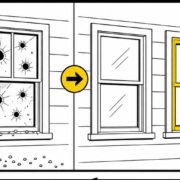
A storm damage window inspection is not just a quick look for broken glass. Glass matters, but windows have several parts that can be affected by hail, wind, debris, and driving rain. A useful inspection checks the full window area and explains what is damaged, what is aging, and what needs attention now. NOAA’s Hail Overview confirms that hail can damage homes, while NFRC’s Guide to Window Types and Parts explains why the frame, glazing, spacers, and other components all belong in the review.
For Mid-Missouri homeowners, the best inspection is specific by elevation. The side of the home that took the storm often tells a different story than the protected side. CoMo Premium Exteriors reviews those patterns so homeowners are not left guessing, especially when window concerns appear alongside siding, gutters, fascia, or other storm-facing materials.
What the exterior inspection includes
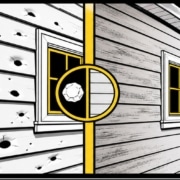
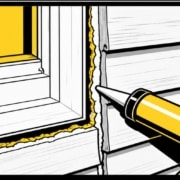
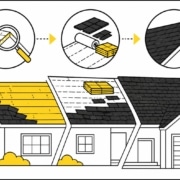
The inspection usually starts outside. CoMo looks at exposed elevations, window frames, screens, wraps, trim, caulking, nearby siding, gutters, downspouts, fascia, and other soft metal. Hail may dent metal wraps, tear screens, chip trim, crack brittle siding near the window, or leave marks that line up with damage on gutters and siding. Wind can loosen components or force water into weak areas. Window concerns should be reviewed alongside gutters, siding, screens, and trim on the same elevation so the documentation shows the complete visible pattern rather than one isolated close-up.
The goal is not to find one mark and call it done. The goal is to understand whether the damage forms a storm-related pattern and whether the window area is still keeping water and air where they belong.
What the interior inspection may include
Inside the home, the inspector may check for water staining, soft drywall, drafts, fogging between panes, moisture near trim, and windows that no longer open, close, or lock correctly. A window can look fine from the yard but still have seal or operation problems that show up indoors.
Homeowners should point out rooms where something changed after the storm: a new draft, a damp sill, fogging, rattling, or a window that suddenly feels harder to operate.
How documentation works
Good documentation is part of the process. Expect photos, notes by elevation, and a plain-English explanation of the findings. If the inspection is connected to an insurance claim, those details help show whether the window damage appears storm-related or whether it is likely age, wear, or prior installation trouble.
You can prepare by writing down the storm date, saving any hail photos if you have them, and noting rooms where you noticed leaks, drafts, or fogging. Move furniture away from affected windows if possible. You do not need to diagnose the problem before the inspection. Just point out what changed.
What happens after the inspection if storm damage is confirmed
If the inspection finds storm-related window damage, the next steps usually follow a predictable path, and knowing what to expect makes the process less stressful.
First, the inspector documents the damage with photos and notes organized by elevation. Those photos become the reference point for the estimate and for any insurance conversation. If you are filing a claim, your adjuster will rely on clear documentation that ties the window damage to the storm rather than to age or wear.
Next comes the estimate. For windows, an estimate is rarely a single number on the spot. If replacement is recommended, a separate precise measurement visit is usually needed before anything is ordered. Replacement windows are built to exact opening sizes, so the measure step exists to make sure the new window fits correctly the first time. That is also why a contractor may need to come inside your home during the measure, even if the damaged window faces the exterior.
Once measurements are complete and the scope is agreed on, the window order goes in. Replacement windows are custom-manufactured to your home’s openings, which means there is a production lead time between approval and installation day. That gap is normal and is not a sign that something stalled. Your contractor should give you a realistic timeline for production and delivery so you are not left wondering.
If only a screen, wrap, or trim piece is damaged, the timeline is usually shorter because those parts do not require a custom window order. Knowing whether your situation needs a full replacement or a component repair is one of the most useful things the inspection can clarify early.
What a contractor should and should not promise
The contractor should not promise what insurance will cover. That decision belongs to the carrier and your policy. What the contractor can do is inspect carefully, document visible damage, explain repair and replacement options, and help you understand whether the issue appears isolated or part of a larger exterior problem.
A clear inspection may show that you only need a screen repair. It may show hail damage to exterior wraps. It may show older windows that are ready for replacement regardless of the claim. The value is knowing which situation you are actually dealing with before the next storm rolls through.
Helpful related resources
- Window replacement and inspection help
- Storm damage services
- Storm damage and broken window seals
- Do window installers need to come inside your home?
Need a second look?
If you are trying to sort out storm damage, repair options, or an insurance conversation, CoMo Premium Exteriors can inspect the exterior and explain what we see in plain English. Call (573) 284-3227 or Request an Inspection.