
If you have driven through Jefferson City’s older neighborhoods — Capitol Avenue, Old Munichburg, High Street — you have seen slate roofs that have been there for a hundred years and still look solid. That longevity is what draws Mid-Missouri homeowners to slate. But slate roofing is a significant investment, and the right choice depends on your home’s structure, your budget, and how long you plan to stay.
This guide breaks down the real costs, lifespan expectations, and practical tradeoffs between natural and synthetic slate for homes in the Jefferson City and Columbia area. We will keep it straightforward so you can decide whether slate makes sense for your situation.
## What Is Slate Roofing?
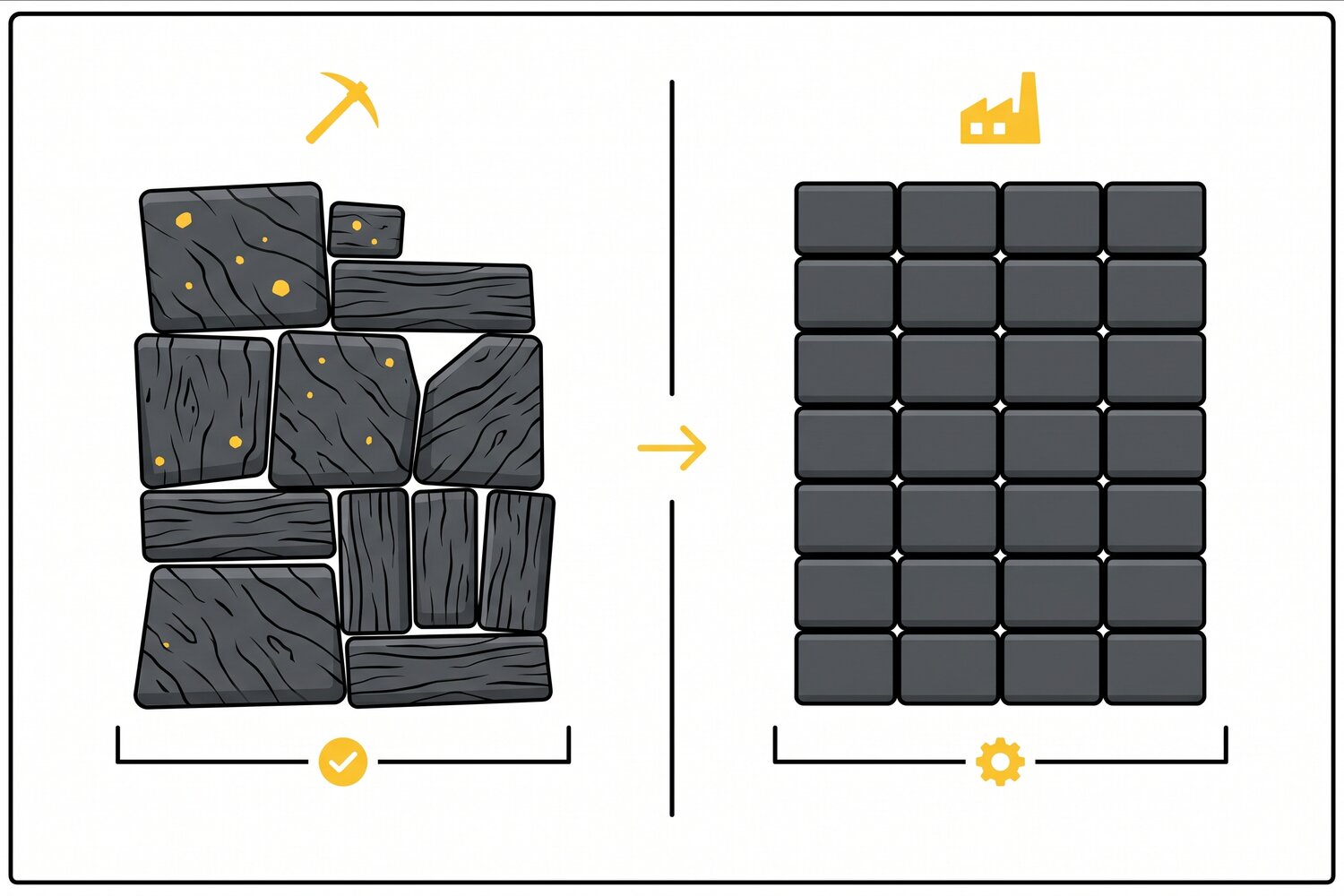
Slate is natural stone — metamorphic rock quarried primarily in Vermont, Pennsylvania, and Virginia, then split along natural grain lines into thin, flat shingles. The tiles interlock on your roof deck to create a surface that is watertight, fireproof, and resistant to insects and rot.
In Jefferson City, you will find slate most often on Victorian-era homes, Craftsman-style houses, and historic properties near the Capitol. The material fits the architectural character that defines those neighborhoods.
## Natural Slate vs. Synthetic Slate: The Real Comparison
This is the decision most homeowners face. Here is how they stack up.
| Factor | Natural Slate | Synthetic Slate |
|---|---|---|
| Lifespan | 75–200+ years | 40–60 years |
| Cost per sq ft (installed) | $25–$50 | $12–$22 |
| Weight | 800–1,500 lbs/square | 200–400 lbs/square |
| Fire rating | Class A (natural) | Class A (tested) |
| Structural reinforcement | Often required | Usually not needed |
| Best fit | Historic homes, forever homes | Most residential applications |
### Natural Slate: Two Grades to Know
Natural slate comes in two primary grades. Hard slate (S1) is the premium option — denser, less porous, and rated for 75 to 200+ years. Soft slate (S2) costs less but typically lasts 50 to 125 years. Both resist fire, mold, and insects far better than asphalt shingles.
Colors range from classic gray and black to green, purple, and red depending on the quarry. These natural variations mean no two slate roofs look exactly alike.
### Synthetic Slate: The Practical Alternative
Synthetic slate shingles are made from recycled rubber, plastic, or polymer composites that replicate the look of natural stone. Products from manufacturers like DaVinci Roofscapes and Brava Roof Tile carry Class A fire ratings and 50-year warranties at roughly half the installed cost of natural slate.
The weight difference matters. Natural slate runs 800 to 1,500 pounds per roofing square (100 sq ft). Synthetic weighs 200 to 400 pounds. For older Jefferson City homes that may not have been engineered for that kind of load, synthetic can be the smarter choice.
## What Slate Roofing Actually Costs in Mid-Missouri
Here are realistic numbers for Jefferson City and Columbia homeowners in 2026:
- Natural slate materials: $15–$30 per square foot, depending on grade, thickness, and quarry source
- Synthetic slate materials: $6–$12 per square foot
- Installation labor (natural): $10–$20 per square foot — specialized crews required
- Structural reinforcement: $1,000–$10,000 if your roof deck needs added support
- Total project cost (natural): $25,000–$75,000+ for a typical 2,000 sq ft roof
- Total project cost (synthetic): $12,000–$30,000 for the same area
For context, a standard asphalt shingle roof in our area typically runs $8,000 to $15,000 for the same square footage. Slate costs more upfront, but you may never need to replace it.
## How Long Do Slate Roofs Really Last?
According to the National Roofing Contractors Association (NRCA), properly installed natural slate roofs last:
- Hard slate (S1): 75 to 200+ years
- Soft slate (S2): 50 to 125 years
- Synthetic slate: 40 to 60 years (warranty-backed)
Mid-Missouri weather is a factor for any roof. Jefferson City sees temperatures from below 0°F in winter to above 100°F in summer, plus severe thunderstorms, hail, and occasional ice storms. Hard slate handles freeze-thaw cycles well because it absorbs very little water — typically less than 0.25%. Individual tiles can crack from direct hail impact, though, so inspections after severe weather are worth doing.
## When Slate Makes Sense for Your Home
Slate is not the right answer for every house. Here is when it genuinely makes sense:
You own a historic Jefferson City home. Many of these houses were built for slate. Replacing with slate preserves architectural integrity and can be required by local historic district guidelines.
You are building a long-term home. If you plan to stay for decades, the annual cost of natural slate ($333/year over 150 years at $50,000) is actually lower than asphalt shingles ($480/year over 25 years at $12,000).
Property value matters to you. Real estate appraisers in Cole County and Boone County recognize slate as a premium feature. It adds measurable resale value.
You want the lowest-maintenance option. A well-installed slate roof needs only periodic inspections and occasional individual tile replacement — no full tear-off every 20 to 30 years.
And when synthetic slate is the better call:
Structural capacity is limited. If your home was not built for the weight of natural stone, synthetic gives you the look without the engineering bill.
Budget is the primary constraint. Synthetic delivers most of the visual appeal at roughly half the installed cost.
You want a material with a predictable warranty. Synthetic products come with written 50-year warranties. Natural slate longevity depends on grade and installation quality.
## Installation Considerations
### Structural Assessment Comes First
Before any slate installation, a qualified contractor needs to evaluate your roof structure. Natural slate at 800 to 1,500 pounds per square is three to five times heavier than asphalt shingles. Many older Jefferson City homes already have the structural capacity because they were originally built for slate. Homes that were later re-roofed with lighter materials may need reinforcement.
### Installer Expertise Matters
Slate installation is specialized work. Look for contractors with experience on slate projects, or certification through the National Slate Association. The wrong nails, incorrect headlap, or poor flashing can cut a slate roof’s effective lifespan in half.
If you are looking at slate roofing options for your Jefferson City home, working with a contractor who understands both natural and synthetic products helps you make the right call.
## Slate Styles and Design Options
### Standard (Uniform) Slate
Uniform-width, uniform-thickness tiles create a clean, formal appearance. This style works well on Colonial and Federal-style homes common in Jefferson City’s historic districts.
### Textural (Rough) Slate
Varying thicknesses and rough-hewn surfaces give a rustic, dimensional look. This pairs well with Craftsman and Tudor-style homes in older Columbia neighborhoods.
### Multicolored Blends
Mixing slate colors — gray with green, black with purple — produces a distinctive roof that stands out. This style is popular on Victorian-era homes and makes a strong architectural statement.
## Why Slate Handles Mid-Missouri Weather Well
Slate is naturally fireproof (Class A rating), resistant to rot and mold, and impervious to insects. In a region where NOAA’s National Weather Service regularly issues severe thunderstorm warnings from April through September, that durability counts for something real.
The environmental angle is worth noting too. Slate is a natural, recyclable material that lasts so long it generates far less landfill waste over its lifetime than materials that need replacing every two or three decades.
## Making Your Decision
If you are weighing slate against other roofing options for your Columbia or Jefferson City home, here is the bottom line:
Natural slate is the best long-term roofing investment if your home can support the weight and you are comfortable with the upfront cost. It will almost certainly outlast you.
Synthetic slate is the smart choice when you want the slate look and most of the performance at a price point that works for more households.
Either way, get a professional assessment of your roof structure before committing. The material is only as good as the installation underneath it.
If you want to talk through your options with a Jefferson City roofing contractor who knows slate, call (573) 424-9008. No pressure — just an honest look at what makes sense for your home.
## Frequently Asked Questions
### How much does a slate roof cost in Jefferson City, Missouri?
A natural slate roof in the Jefferson City area typically costs $25 to $50 per square foot fully installed, with total project costs ranging from $25,000 to $75,000 or more depending on roof size and complexity. Synthetic slate alternatives run $12 to $22 per square foot installed.
### Can my existing home support a natural slate roof?
It depends on your home’s structural framing. Many older Jefferson City homes were originally built for slate and can handle the weight without modification. Newer homes or those re-roofed with lighter materials may need structural reinforcement. A professional structural assessment is the first step before committing to natural slate.
### How does Missouri weather affect slate roofs?
Mid-Missouri’s freeze-thaw cycles, severe thunderstorms, and occasional hail are real considerations. Hard slate handles the climate well because it absorbs very little water (less than 0.25%), so freeze-thaw damage is minimal. Individual tiles can crack from direct hail strikes, so annual inspections after storm season are a good practice.
### Is slate roofing worth the cost compared to asphalt shingles?
Over its full lifespan, slate often costs less per year than asphalt. An asphalt roof lasting 25 years at $12,000 runs about $480 per year. A natural slate roof lasting 150 years at $50,000 costs roughly $333 per year — and it adds more to your home’s resale value than asphalt ever will.
### What is the difference between hard slate and soft slate?
Hard slate (S1 grade) is denser, absorbs less water, and lasts 75 to 200+ years. Soft slate (S2 grade) is more porous and less expensive, with a typical lifespan of 50 to 125 years. For Mid-Missouri’s variable climate, hard slate is the better long-term investment if budget allows.
### How do I maintain a slate roof in Missouri?
Slate roofs require less maintenance than most materials, but they are not zero-maintenance. Schedule an annual inspection, especially after storm season (April through September). Replace cracked or missing individual tiles promptly, keep gutters clear, and check flashing around chimneys and valleys. Always use a contractor experienced with slate — walking on slate tiles incorrectly can cause breakage.
### Should I choose natural slate or synthetic slate?
It depends on your home and budget. If you own a historic property or plan to stay in your home for decades, natural slate is the stronger long-term investment. If you want the slate look at a more accessible price point, or your home cannot support the weight of natural stone, synthetic slate delivers most of the visual appeal with a written 50-year warranty.
