Maximize Window Energy Efficiency: Essential Tips for Homeowners
Up to 30% of your home’s heating and cooling energy can escape through outdated or poorly performing windows. In Mid-Missouri’s four-season climate—where we swing from sub-zero January nights to 95-degree August afternoons—smart window choices directly impact your comfort and utility bills year-round.
Key Takeaways
- ENERGY STAR® and NFRC labels are your fastest tools for comparing window efficiency. Look for these labels before getting lost in brand marketing.
- Upgrading from old single pane windows to properly rated double pane windows with low e coating can reduce heating and cooling costs by roughly 10–20%, depending on your home’s size and current condition.
- Federal tax credits through at least December 31, 2025, may cover up to 30% of qualifying window costs under the Energy Efficient Home Improvement Credit, with an annual cap of $1,200 for most improvements.
- This guide will show you exactly what ratings to look for, what’s realistic to save in Mid-Missouri, and how CoMo Premium Exteriors approaches long-term, energy-smart window projects—no pressure, just honest information.
Why Window Energy Efficiency Matters in Mid-Missouri
If you live in Columbia, Jefferson City, Fulton, or anywhere across Central Missouri, you already know our weather doesn’t pick sides. We get freezing winters that test every seal in your home and humid summers that make your air conditioning run overtime. Your windows sit right at the intersection of these extremes—and now, you can explore financing options for home improvement projects to make upgrades easier and more affordable.
Around 25–30% of residential heating and cooling energy can escape through windows that are old, leaky, or still rocking original single pane windows from the 1980s. That’s not a small leak—it’s like leaving a window cracked open all year.
Energy efficient windows reduce drafts, eliminate those uncomfortable hot and cold spots near the glass, and cut down how hard your HVAC system has to work. The result? More consistent temperatures in January cold snaps and August heat waves, plus lower energy bills every month. Other exterior upgrades, such as gutter installation, can further protect your home from the elements.
- Energy efficient home improvements like window upgrades can also enhance your home’s resale value and curb appeal while putting more money back in your pocket each month.
If you’re wondering how your current windows stack up against Mid-Missouri’s demands, CoMo Premium Exteriors is happy to provide a local assessment. No obligation—just honest answers from someone who’s been doing this for over 25 years in our specific climate.

What Makes a Window Energy Efficient?
A truly efficient window isn’t just fancy glass—it’s a system. The glass, frame, spacers, gas fills, and installation all work together to minimize heat transfer and air leakage. Skip any one of these components, and you’re leaving performance on the table.
Here are the main performance areas that determine whether a window earns its energy efficient label:
|
Component |
What It Does |
|---|---|
|
Insulating glass (double/triple-pane) |
Creates dead air space to slow heat transfer |
|
Low-E coatings |
Reflects heat energy back toward its source |
|
Quality frame construction |
Prevents thermal bridging around the glass |
|
Warm-edge spacers |
Reduces heat loss at glass edges |
|
Proper sealing and installation |
Stops air infiltration around the frame |
Every efficient window worth considering is tested and labeled by the National Fenestration Rating Council (NFRC) and often meets ENERGY STAR® guidelines for our climate zone.
Here’s the good news: efficient windows don’t have to be the most expensive option. They just need to be matched correctly to Mid-Missouri’s mixed heating and cooling needs. At CoMo Premium Exteriors, we focus on 20–30 year performance—not quick fixes that look great on paper but fail early.
Understanding Window Energy Labels and Ratings
Every modern efficient window should carry an NFRC label. Think of it as the nutrition label for windows—it tells you exactly what you’re getting in standardized terms that let you compare any brands fairly.
ENERGY STAR® certification builds on those NFRC ratings by setting minimum performance thresholds for each climate zone. Together, these two systems give you everything you need to make an informed decision.
One critical point: these ratings always apply to the whole window unit (glass + frame), not just the glass alone. A great pane of glass in a lousy frame won’t perform like the numbers suggest. For more insights on quality and customer satisfaction, read our customer reviews.
Once you know these numbers, you can compare any brands fairly—no guesswork, no marketing fluff.
ENERGY STAR® for Windows, Doors, and Skylights
ENERGY STAR® is a voluntary program run by the Environmental Protection Agency. The current criteria vary by climate zone, and Mid-Missouri falls into a mixed climate that demands both heating and cooling performance from your windows.
According to national data, ENERGY STAR certified windows can reduce heating and cooling costs by roughly 10–12% compared to old single pane windows. That translates to real energy savings on every utility bill.
You’ll find the blue ENERGY STAR® logo on window packaging, literature, and often right on the glass itself. It’s a quick pre-screen that tells you the window meets baseline efficiency standards for your region.
But ENERGY STAR® alone isn’t the full story. You should still compare NFRC numbers within the pool of qualified windows to find the best fit for your specific situation—your home’s orientation, your problem rooms, and your budget.
- Many ENERGY STAR® windows may also qualify for federal tax credits through at least December 31, 2025, if other IRS requirements are met under the Energy Efficient Home Improvement Credit.
NFRC Ratings: U-Factor, SHGC, VT, and Air Leakage
The National Fenestration Rating Council is an independent body that tests windows to the same standards nationwide. Here’s what each number on that label actually means:
U-Factor (0.20–1.20 range) This measures how easily heat escapes through the window. Lower is better. For Mid-Missouri homes, look for U-Factor values in the 0.20–0.30 range for high-efficiency replacement units.
Here’s a concrete example: a standard window with a U-value of 1.6 loses approximately 48 Watts of energy when there’s a 60°F temperature difference between inside and outside. A window with a low u factor of 0.3? Only 9 Watts under identical conditions. That difference adds up across every window in your home.
Solar Heat Gain Coefficient (0.0–1.0 range) The solar heat gain coefficient measures the fraction of solar heat that passes through the window. In mixed climates like Columbia, moderate SHGC values often work best—you want some solar heat gain in winter but not so much that your cooling system works overtime in summer.
Visible Transmittance (0.0–1.0 range) This indicates how much natural light enters through the glass. Typical VT ranges fall between 0.40–0.70. Higher VT means more visible light and daylight, but potentially more glare. Balance this against your SHGC needs.
Air Leakage (measured in cfm/ft²) This tells you how much air sneaks around the window edges. ENERGY STAR requirements specify 0.3 cfm/ft² or lower. Professional installation is critical for hitting these numbers in real-world conditions.
Condensation Resistance and Durability
Condensation Resistance (CR) is rated on a 1–100 scale where higher numbers mean better resistance to interior condensation and frost. If you’ve ever seen water pooling at the bottom of your windows on cold Missouri mornings, you understand why this matters.
Better CR ratings help reduce:
- Mold and mildew risk around window frames
- Paint damage and wood rot on interior trim
- Discomfort from cold, damp window sills in winter
Double and triple pane windows with warm-edge spacers and low e coating generally provide better condensation resistance than basic double-pane units.
At CoMo Premium Exteriors, we look at CR alongside U-Factor and SHGC when recommending windows for bathrooms, kitchens, and north facing windows that are especially prone to condensation.
CR isn’t always printed as prominently on labels, so asking a contractor who knows the ratings is helpful.
Energy-Efficient Glass Options
Glass type is usually the single biggest factor in window performance for both winter heat loss and summer heat gain. Get this right, and everything else falls into place.
Double-Pane Insulating Glass Replacing single pane windows with double pane windows featuring Low-E glass can realistically save several hundred dollars per year on energy costs in many older Mid-Missouri homes. This is the baseline for any modern efficient windows.
Triple-Pane Glass Triple pane windows offer better insulation and noise reduction but add cost and weight. They’re ideal for very drafty older homes, rooms facing busy streets, or areas with extreme temperature exposure.
Gas Fills Argon gas (and sometimes krypton) fills the space between panes to slow heat transfer without affecting clarity. These gas fills are standard in many modern efficient windows and work particularly well in our hot summers and cold winters.
Specialty Glass Options For specific needs, consider:
- Laminated glass for safety and noise reduction
- Tempered glass for impact resistance
- Tinted glass for UV protection and solar heat control
- Impact-resistant glass for severe weather protection
Low-E Coatings and Solar Control
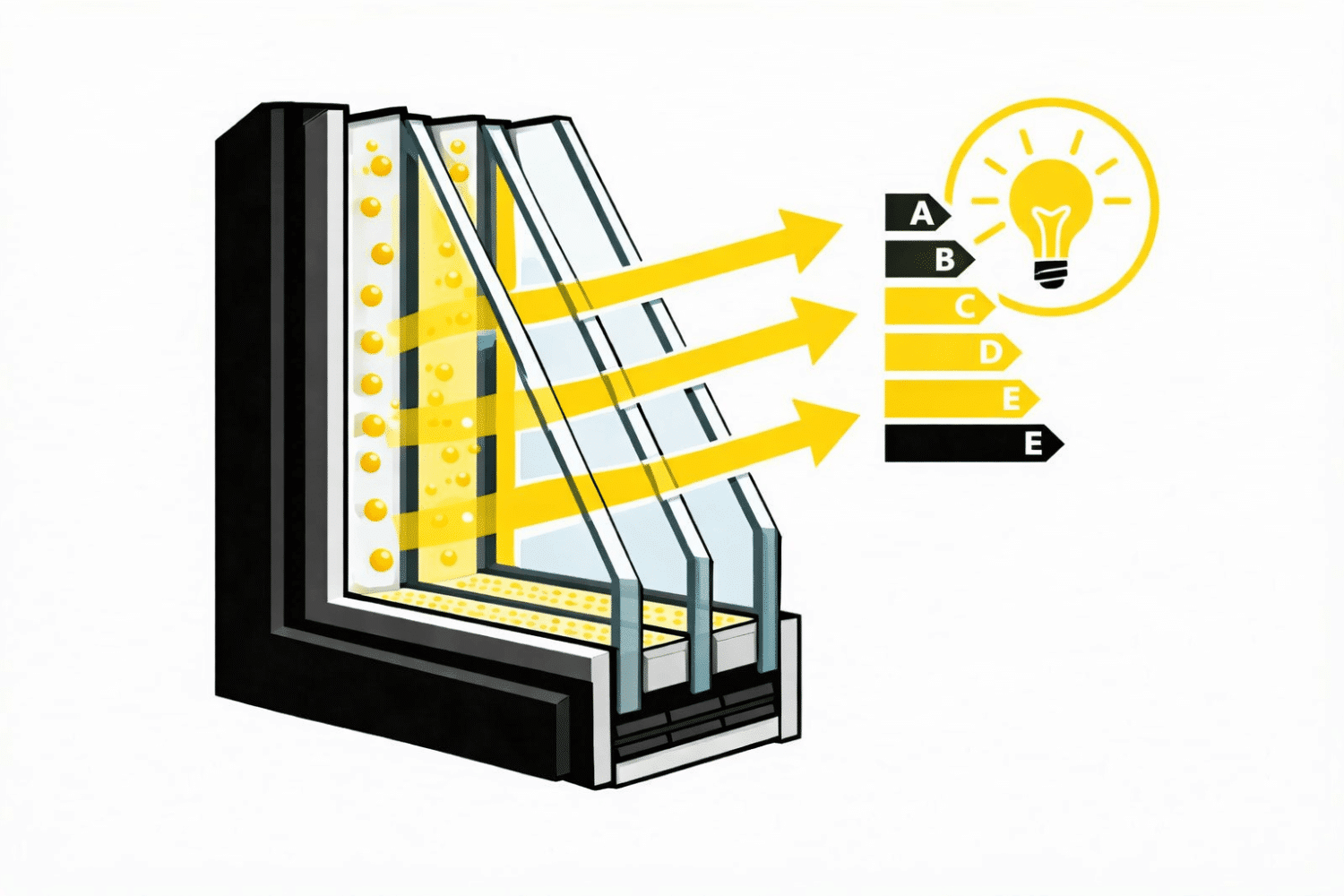
Low-E (low-emissivity) coatings are very thin, invisible metallic layers applied to glass during manufacturing. They work by bouncing heat energy back toward where it came from—keeping winter heat inside and summer heat outside.
In Mid-Missouri, Low-E glass is selected to serve both purposes. Different formulas exist:
|
Low-E Type |
Best For |
Performance |
|---|---|---|
|
High solar gain |
South-facing windows, passive solar heating |
Allows more winter solar heat through |
|
Low solar gain |
West-facing windows, hot climates |
Blocks summer heat gain |
|
Moderate/balanced |
Mixed climate applications |
Balances heating and cooling needs |
Low-E glass also blocks a significant portion of UV rays, reducing fading of hardwood floors, furniture, and drapes over the years. Combining Low-E windows with smart use of blinds, shades, or exterior shading can further reduce cooling costs in July and August.
Window Frame Materials and Construction
Frames matter more than most homeowners realize. They make up a significant portion of the window’s surface area and can become major sources of heat loss or air leakage if poorly designed.
Efficient frames work with the insulated glass to maintain a tight, thermally stable barrier—especially critical during Central Missouri’s dramatic temperature swings from morning to afternoon, season to season.
Premium frames often use foam-filled or thermally-broken profiles to further improve insulation along the edges of the glass, where heat loss is most common.
Vinyl, Fiberglass, Wood, and Composite Frames
Vinyl Frames Widely used, cost-effective, and low-maintenance. Multi-chamber designs with proper reinforcement provide good insulation. Vinyl is recommended as energy efficient, long-lasting, and affordable for most Mid-Missouri applications.
Fiberglass Frames Very stable across extreme temperature swings with excellent structural integrity. Superior long-term energy performance, though typically at a higher initial cost. Great for homeowners planning to stay long-term.
Wood Frames Natural insulation and classic appearance, but require regular painting or sealing in Mid-Missouri’s humid summers and freeze-thaw cycles. Shorter lifespan and higher maintenance than vinyl or fiberglass.
Composite/Clad Frames Combine a durable exterior (fiberglass or aluminum cladding) with a wood interior for aesthetics and improved weather resistance. Best of both worlds, but at premium pricing.
What to avoid: Aluminum frames. Aluminum is a poor insulator and tends to sustain damage during storms. The research is clear—skip aluminum for energy-conscious window projects.
Match your frame choice to your priorities: maintenance tolerance, budget, style preferences, and how long you plan to stay in the home.
Installation Quality and Window Placement
Even the highest-rated window will underperform if it’s installed poorly or positioned without considering sun exposure and prevailing winds. Installation quality is where many window projects succeed or fail.
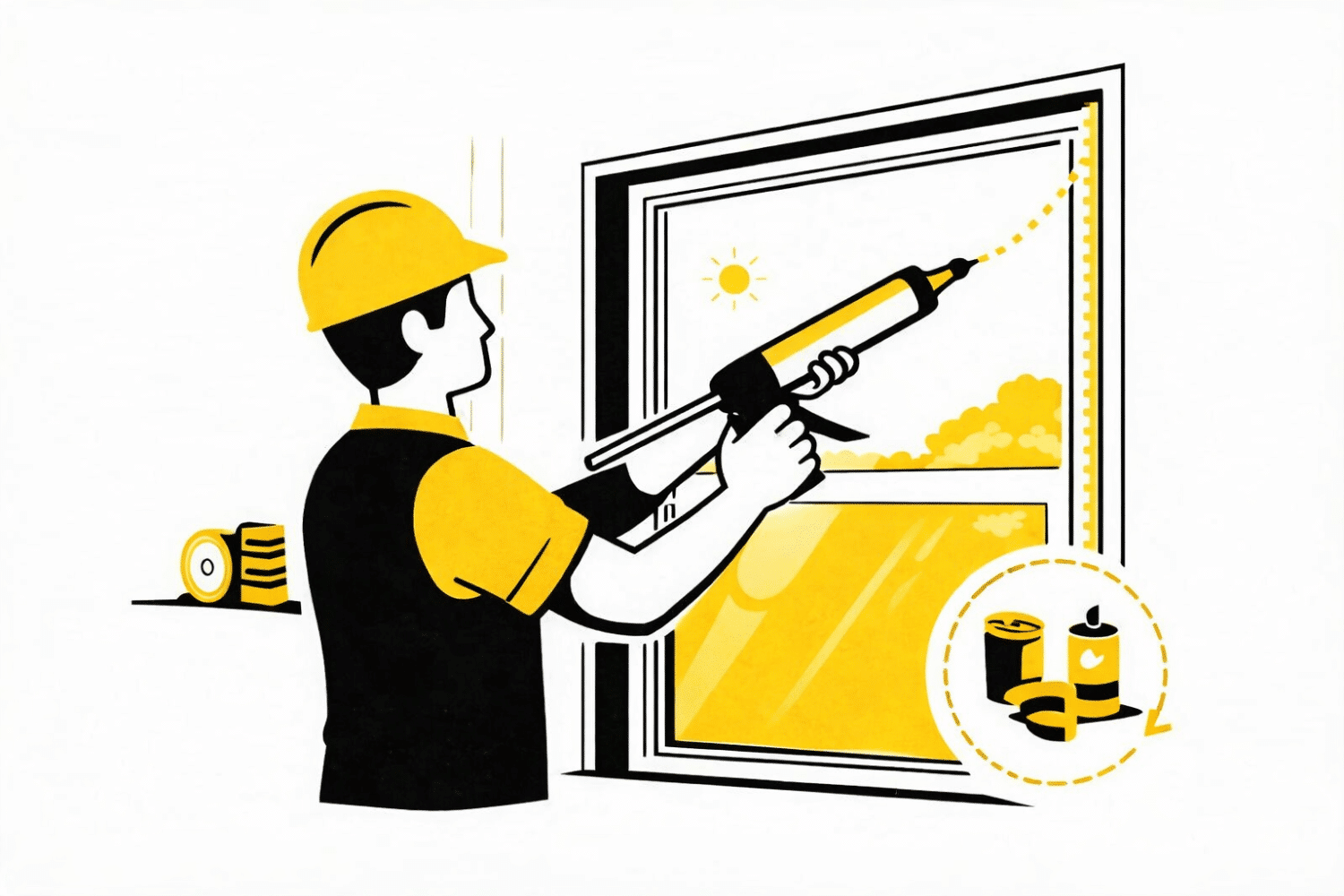
Professional installation with proper flashing, foam, and air sealing materials is critical for hitting the advertised NFRC performance numbers. Gaps as small as 1/16 inch can create noticeable drafts and energy loss.
At CoMo Premium Exteriors, we use installation techniques aligned with manufacturer specifications and local building codes to prevent air infiltration, water intrusion, and frame warping. Proper installation protects your investment for decades.
Orientation matters in Mid-Missouri:
|
Direction |
Considerations |
|---|---|
|
South-facing |
Most direct sunlight; benefits from passive solar heating in winter; may need overhangs for summer shade |
|
West-facing |
Intense afternoon sun; often needs lower SHGC to prevent overheating; consider exterior shading |
|
East-facing |
Morning sun; less intense but difficult to shade with overhangs |
|
North-facing |
Minimal direct sunlight; prioritize insulation value over solar control |
Casement windows and awning windows typically seal more tightly than sliding windows, which can help reduce air leakage in wind-exposed areas. A double sliding window or double hung window works fine in protected locations, but exposed walls may benefit from hinged windows with compression seals.
Signs of Poor Installation and Energy Loss
Watch for these symptoms that indicate your windows aren’t performing:
- Drafts near the window frame, especially on windy days
- Visible gaps between the frame and wall opening
- Water stains on drywall or window sills
- Condensation or fogging between glass panes (seal failure)
- Sticking, hard-to-operate sashes—sashes slide vertically or sashes slide horizontally with difficulty
- Cold spots on interior walls near windows in winter
Uneven or out-of-square installation can stress the frame and locks, reducing both security and efficiency over time. A window that doesn’t close properly is a window that’s costing you money.
Thermal imaging or simple hand tests on cold or windy days can quickly reveal where air is infiltrating around older or poorly installed units.
CoMo Premium Exteriors often starts with a thorough inspection to determine whether problems stem from the glass, the frame, or the installation method itself. In many 15–25-year-old Mid-Missouri homes, upgrading installation and air sealing can noticeably improve comfort even before replacing every window.
Climate, Costs, and Realistic Savings in Mid-Missouri
Mid-Missouri’s mixed climate—cold winters, hot summers, high humidity, and frequent severe storms—demands balanced window performance. We’re not a heating-only or cooling-only market; your windows need to work hard in both directions.
Realistic savings expectations: Replacing single pane windows with ENERGY STAR certified windows typically reduces heating and cooling costs by 10–20%, depending on home size, current window condition, and your cooling system and heating setup.
What affects total project cost:
- Window size and quantity
- Frame material (vinyl, fiberglass, wood)
- Glass package (double vs. triple pane, Low-E type)
- Installation complexity (full-frame replacement vs. insert)
- Necessary trim, siding, or flashing repairs
While energy savings matter, many homeowners choose window upgrades for comfort improvements, condensation control, noise reduction, and updated appearance—value that isn’t fully captured on your energy bills.
Local example: Consider a 1990s Columbia home with original aluminum or builder-grade vinyl windows. These homes commonly experience drafty bedrooms, condensation in bathrooms, and noticeably higher energy consumption in extreme months. After upgrading to quality double-pane Low-E windows with proper installation, homeowners typically report reduced energy costs, eliminated drafts, and significantly improved comfort—benefits that compound over the 20–30 year lifespan of quality windows.
Federal Tax Credits and Incentives Through 2025
Under current law, the federal Energy Efficient Home Improvement Credit offers up to 30% of qualifying costs for certain energy efficient products, with an annual cap. For most improvements including windows, the maximum annual credit is $1,200 per year through at least December 31, 2025.
Key requirements:
- Windows must meet specific ENERGY STAR® or efficiency criteria (and other exterior upgrades, such as vinyl siding, may also impact energy efficiency)
- The credit applies only to an existing principal residence in the U.S.—not new construction
- Credits are non-refundable and cannot create excess credit to carry forward to future tax years
- Certain qualified expenses may include installation costs depending on circumstances
Plan projects with your tax professional to maximize each year’s limit. Some homeowners spread larger projects across multiple tax years to capture more of the available energy tax credits.
CoMo Premium Exteriors doesn’t provide tax advice, but we can supply manufacturer documentation that homeowners may need for IRS Form 5695 when claiming the residential clean energy credit or efficient home improvement credit.
Local Mid-Missouri utilities or municipalities occasionally offer additional rebates for high-efficiency windows. These can sometimes stack with federal credits, further improving your return on investment.
Choosing Energy-Efficient Windows for Your Home
Here’s a simple step-by-step approach to narrowing your choices:
1. Assess your current windows Walk through your home and identify problem rooms. Are the issues drafts? Condensation? Noise from a busy street? Excessive heat gain from afternoon sun? Understanding the specific problems helps target solutions.
2. Set your priorities Rank what matters most: cost savings, comfort improvement, appearance, noise reduction, or maintenance reduction. Different windows excel in different areas.
3. Match ratings to your needs Ask contractors to show you NFRC labels and explain U-Factor, SHGC, VT, and air leakage in the context of Mid-Missouri’s climate zone. Don’t just accept “this is our best window”—understand why it’s best for your situation.
4. Consider all styles Window style still matters for your home’s appearance. Casement, double hung window, slider, awning windows, bay, and bow windows operate differently but can all be efficient if specified correctly. Don’t feel locked into one look just because someone told you casements are “more efficient.”
Home energy audits can help identify which windows are the biggest energy drains and prioritize your replacement order for maximum impact.
When you’re ready to explore options, CoMo Premium Exteriors can walk you through side-by-side comparisons—good, better, best—and explain payback periods, comfort benefits, and maintenance needs. No pressure, just the information you need to decide.
Maintaining Energy-Efficient Windows for Long-Term Performance
Even premium windows lose performance over time if seals fail, drainage clogs, or frames are neglected. Basic maintenance protects both your comfort and your investment.
Seasonal maintenance tasks:
- Clean tracks and weep holes to ensure proper drainage
- Check caulk lines around exterior trim for cracks or gaps
- Verify smooth operation—windows operate best when hardware is lubricated
- Inspect weatherstripping for wear, compression, or damage
- Look for any signs of wood rot or frame deterioration
Spotting seal failure early: Fogging or milky haze between glass panes indicates insulated glass seal failure. Catching this early allows for warranty claims on many modern units before the warranty period expires.
Recommended intervals:
- Quick visual checks every spring and fall
- Deeper inspections after major hail, wind, or ice storms (common in Mid-Missouri)
- Professional evaluation every 5–10 years for homes approaching window replacement age
CoMo Premium Exteriors can evaluate existing windows—even if they weren’t originally installed by us—and advise whether repair, glass replacement, or full replacement makes the most sense for your situation and budget.

FAQs About Window Energy Efficiency
Q: How do I know if my current windows are wasting energy?
Look for these telltale signs: drafts or cold air near windows, noticeable temperature differences between rooms, higher-than-expected winter and summer bills, difficulty opening or closing windows, or visible condensation between panes. A professional evaluation during Mid-Missouri’s shoulder seasons (spring or fall) can reveal problems that aren’t obvious on mild days. Thermal imaging during cold weather is particularly effective at identifying hidden air leakage.
Q: Are triple-pane windows worth it in Mid-Missouri’s climate?
Triple-pane can be a smart choice for very exposed walls, large north facing windows, or noise-sensitive areas like bedrooms facing busy streets. However, many Mid-Missouri homes perform excellently with high-quality double-pane Low-E windows at a lower price point. The decision depends on your specific situation, how long you plan to stay in the home, and whether the added cost fits your budget. We often recommend triple-pane selectively—for problem areas—rather than whole-house.
Q: Can I improve my existing windows without replacing them?
Yes, several options can improve performance without full replacement:
- Adding interior or exterior storm windows
- Upgrading weatherstripping and caulk
- Installing insulating cellular shades or curtains
- Applying selective window films to reduce solar heat
That said, very old or deteriorated frames may still be better off with full replacement. If the frame is warped, rotted, or the glass seal has failed, patches won’t solve the underlying problem.
Q: Will new energy-efficient windows stop condensation on the inside of the glass?
Better windows with improved CR ratings definitely help, but indoor humidity and ventilation also play major roles. In Mid-Missouri’s humid seasons, even excellent windows can develop interior condensation if indoor humidity levels are too high. Use bath fans during showers, run kitchen exhaust while cooking, and consider a dehumidifier during muggy summer months. The combination of better windows and humidity control typically eliminates condensation problems.
Q: How long do quality energy-efficient windows typically last?
Well-made, installed properly windows often last 20–30 years or more, depending on material and maintenance. Many manufacturers offer limited lifetime warranties on vinyl or fiberglass frames and multi-decade warranties on insulated glass units. Review warranty terms carefully—some cover only the original property owner, while others transfer to new owners. Natural gas furnaces, oil furnaces, heat pumps, and other HVAC equipment typically need replacement well before quality windows do, making windows one of the better long-term investments in your home’s energy efficiency.
Whether you’re replacing a few problem windows or planning a whole-house upgrade, understanding these ratings and options puts you in control of the decision. Energy-efficient windows are a 20–30 year investment in your home’s comfort, value, and reduced energy bills—not a quick cosmetic fix.
When you’re ready to explore what makes sense for your Mid-Missouri home, give CoMo Premium Exteriors a call at (573) 424-9008. We’ll walk you through your options, explain the numbers, and help you make a decision you’ll be happy with for decades. No pressure—just honest advice from your neighbors who’ve been doing this across Columbia, Jefferson City, and Central Missouri for over 25 years.
