The Best Siding for Termites: Why James Hardie is the Top Choice
Termites cause over $5 billion in property damage annually across the United States, with most homeowners’ insurance policies offering no coverage for this devastating threat. For homeowners seeking the ultimate protection against these destructive pests, choosing the right siding material becomes a critical first line of defense. While traditional wood siding practically invites termite infestations, James Hardie fiber cement siding stands as the undisputed champion in termite resistance, offering homeowners peace of mind through advanced material science and proven performance.
This comprehensive guide reveals why James Hardie represents the best siding for termites, examining the science behind its unmatched resistance, comparing it against alternative materials, and providing essential maintenance strategies to protect your home for decades. Whether you’re building new or replacing existing siding, understanding these critical factors will help you make an informed decision that protects both your property and your investment.
Key Takeaways
- James Hardie fiber cement siding provides superior termite resistance through its inorganic cement-based composition that termites cannot digest or penetrate
- Termites cause over $5 billion in annual property damage in the United States, with most insurance policies providing no coverage for termite-related destruction
- James Hardie siding outperforms wood siding, vinyl, and other materials in termite protection while offering a 30-year transferable warranty
- Proper maintenance including bi-annual cleaning, moisture control, and professional inspection maximizes long-term termite protection
- Professional installation by certified contractors ensures optimal performance and maintains warranty coverage for decades of pest-free protection

Why James Hardie Fiber Cement Siding Leads in Termite Protection
James Hardie siding achieves its exceptional termite resistance through a sophisticated fiber cement composition that fundamentally prevents pest infestations. Unlike wood siding, which contains cellulose that termites actively seek and consume, James Hardie siding consists of Portland cement, sand, water, and cellulose fibers that are inorganically bound within the cement matrix. This unique composition creates a material that termites simply cannot digest, making it completely unattractive as a food source.
The devastating impact of termite damage cannot be overstated. The National Pest Management Association reports that termites destroy property worth over $5 billion annually, with individual homeowners facing average repair costs of $3,000 per incident. Most standard homeowner insurance policies exclude termite damage coverage, leaving property owners financially vulnerable. This reality makes termite resistant materials like James Hardie siding not just preferable, but essential for long-term property protection.
The moisture resistance properties of fiber cement create an additional barrier against termite infestations. Termites thrive in moist conditions, and traditional wood siding that retains moisture provides ideal conditions for termite colonies to establish and expand. James Hardie siding’s moisture resistance eliminates these favorable conditions, preventing both primary termite infestations and secondary pest problems that often accompany moisture-damaged materials.
Understanding the Termite Threat to Your Home
Termites represent one of the most destructive forces threatening residential properties, with different species creating varying levels of risk depending on your geographic location. Subterranean termites, the most common and destructive type, build tunnels from soil to access wood components in your home’s structure. These industrious insects can build tunnels extending hundreds of feet from their underground colonies, making your home vulnerable even when the nest is located far from your foundation.
Drywood termites present a different but equally serious threat, establishing colonies directly within the wood structure of your home. These pests create distinctive frass (wood-colored pellet droppings) as warning signs of their presence. Dampwood termites target moisture-damaged wood, making proper moisture control around your home’s exterior critical for preventing infestations.
Termites typically access homes through several common entry points that every homeowner should understand. Foundation cracks provide direct pathways from soil to wood components, while moisture accumulation around foundations creates attractive conditions for termite colonies. Wood-to-soil contact, such as deck posts, steps, or siding touching the ground, offers termites easy access to begin their destructive work. Even minor gaps in exterior materials can become highways for termite infiltration.

Warning signs of termite infestation include mud tubes along foundation walls, swarms of winged insects near your house, hollow-sounding wood when tapped, and visible damage to wood structures. Frass accumulation, particularly near windowsills or baseboards, indicates active drywood termite colonies. Early detection proves crucial, as termite damage compounds rapidly once colonies become established.
The financial impact of termite damage extends far beyond immediate repair costs. Structural damage from prolonged termite activity can compromise load-bearing components, requiring extensive reconstruction. Property values decline when termite damage is discovered during home inspections, often forcing sellers to reduce asking prices or invest in costly treatments before completing sales.
Why Traditional Siding Materials Fail Against Termites
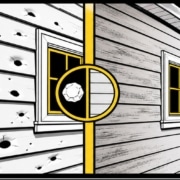
Wood siding represents the most vulnerable exterior material when facing termite threats. Termites are naturally attracted to cellulose, the primary component in wood, making wood siding an open invitation for infestation. Even pressure-treated wood, while offering some resistance through chemical treatments, gradually loses its protective properties as preservatives leach out over time, typically within 10-15 years depending on environmental conditions.
Moisture retention in wood siding creates ideal conditions that termites require to thrive. Wood’s porous nature absorbs and retains moisture from rain, humidity, and irrigation systems. This moisture creates the humid environment termites need to survive while simultaneously softening the wood structure, making it easier for termites to penetrate and consume. The combination of food source and favorable moisture conditions makes wood siding particularly attractive to termite colonies.
Warping, cracking, and deterioration in wood siding create additional entry points that facilitate termite access. As wood ages, natural expansion and contraction cycles create gaps at trim connections and lap joints. These openings provide termites with easy access to the structure behind the siding, where they can establish colonies and begin extensive damage before detection becomes possible.
James Hardie vs Other Siding Materials: Termite Resistance Comparison
When evaluating siding options for termite resistance, understanding how different materials perform reveals why James Hardie fiber cement stands superior to alternatives. The following comparison examines key materials based on termite resistance, durability, and long-term protection value.
Wood siding vulnerabilities extend beyond simple termite attraction. Regular maintenance requirements include annual inspections, frequent staining or painting, and immediate treatment of moisture damage or pest intrusion. The ongoing costs of maintaining wood siding often exceed initial material savings within the first decade of installation.
Vinyl siding limitations become apparent when examining installation methods and substrate materials. While vinyl itself doesn’t attract termites, installations often include wood or foam substrates that remain vulnerable to pest infiltration. Additionally, vinyl’s expansion and contraction properties create gaps over time, potentially allowing moisture infiltration that can lead to substrate damage and subsequent termite attraction.
Metal siding offers good termite resistance due to its inorganic composition, but practical limitations affect its suitability for residential applications. Rust concerns at scratches and joints can compromise long-term performance, while thermal expansion issues may create gaps that allow pest access to underlying materials. Installation costs for metal siding often exceed fiber cement while providing fewer aesthetic options.
Concrete-based sidings share some benefits with fiber cement but face practical limitations in residential applications. Weight considerations require additional structural support, increasing installation complexity and costs. Limited availability and fewer design options make concrete less appealing for most homeowners compared to the versatility and proven performance of James Hardie products.
Fiber cement siding combines the durability and termite resistance of cement-based materials with the aesthetic appeal of wood, making it a highly effective option for homeowners seeking long-lasting protection against pests and moisture-related damage.
The Science Behind James Hardie’s Termite Resistance
The termite resistance of James Hardie siding stems from its fundamental material composition and manufacturing process. The cement matrix that forms the backbone of fiber cement creates an impenetrable barrier that termites cannot breach or consume. Unlike wood-based products where cellulose exists in its natural, digestible form, the cellulose fibers in James Hardie siding are completely encapsulated within the cement structure, making them inaccessible to termites and other wood boring insects.
The manufacturing process binds cellulose fibers so thoroughly within the cement matrix that they lose their appeal as a food source. This integration occurs at the molecular level during curing, creating a homogeneous material where organic components cannot be separated from inorganic ones. Even if termites could somehow access individual cellulose fibers, the cement coating makes these fibers indigestible and nutritionally worthless.
Moisture resistance technology in James Hardie siding eliminates the humid conditions that termites require for survival and reproduction. The dense, non-porous surface prevents water absorption that would create the moist environment termites need to establish colonies. This moisture resistance also prevents the rot and decay that often accompanies termite infestations, addressing multiple threats simultaneously.

Essential Maintenance for Maximum Termite Protection
Maintaining James Hardie siding for optimal termite protection requires consistent but straightforward practices that homeowners can easily incorporate into their property maintenance routines. Bi-annual washing using a garden hose, mild soap, and soft-bristle brush technique effectively removes debris and organic matter that might otherwise attract pests or create moisture retention issues.
The washing process should begin with a thorough rinse using a garden hose to remove loose dirt and debris from the siding surface. Apply a mild soap solution using a soft-bristle brush, working from bottom to top to prevent streaking. Pay special attention to areas where organic matter tends to accumulate, such as under eaves or near vegetation. Complete the process with a thorough rinse, ensuring all soap residue is removed to prevent film buildup that could trap moisture.
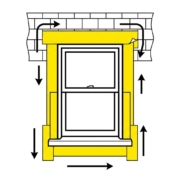
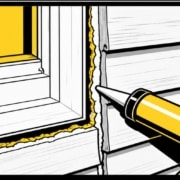
Caulking inspection represents a critical component of termite prevention maintenance. Examine all siding connections, trim intersections, and flashing points every six months for signs of cracking or separation. Properly maintained caulk lines prevent moisture infiltration and eliminate potential entry points for termites and other pests. Replace any compromised caulk immediately using high-quality exterior sealants designed for long-term weather resistance.
Gutter and downspout maintenance directly impacts termite prevention by controlling moisture around your home’s foundation and walls. Clean gutters seasonally to prevent overflow that could saturate soil near foundations or splash against siding. Ensure downspouts direct water at least six feet away from the foundation, preventing the moisture accumulation that attracts termites to your property.
Sprinkler system positioning requires careful attention to prevent water contact with siding surfaces. Adjust irrigation heads to direct water toward planted areas rather than against your home’s exterior. Excessive moisture against any siding material, including James Hardie, can create conditions that attract various pests and potentially compromise caulk lines or trim connections over time.
Tree and shrub trimming guidelines support termite prevention by eliminating bridges that pests might use to access your home. Maintain at least 18 inches of clearance between vegetation and siding surfaces. This spacing prevents branches from rubbing against the siding and allows air circulation that helps keep surfaces dry. Regular pruning also eliminates hiding places for other wood boring insects that might be attracted to your property.
Wood debris removal protocols around your home perimeter eliminate termite attractions that could lead to colony establishment near your house. Remove fallen branches, lumber scraps, mulch accumulations, and other organic material from areas within 20 feet of your foundation. Store firewood and lumber at least 30 feet from the house and elevate materials off the ground using concrete blocks or metal stands.
Professional Maintenance Services
Professional inspection services provide expertise that homeowners may lack in identifying potential termite risks and maintenance needs. Certified James Hardie contractors understand the specific requirements for maintaining fiber cement siding and can identify issues before they become significant problems. Annual professional inspections often reveal maintenance needs that untrained homeowners might overlook.
Professional maintenance schedules typically include comprehensive siding inspection, caulk assessment and renewal, trim evaluation, and moisture control verification. These services often prove cost-effective compared to addressing problems after they develop, particularly when considering the potential for termite infiltration through compromised maintenance areas.
Early detection strategies employed by professionals include moisture meter readings, thermal imaging to identify potential problem areas, and detailed inspection of all trim connections and flashing interfaces. Professional services also provide documentation of maintenance activities that may be required for warranty compliance and insurance purposes.
Professional Installation and Warranty Benefits
James Hardie Elite Preferred contractor certification ensures that your siding installation meets the highest industry standards for termite prevention and overall performance. These certified professionals undergo extensive training on proper installation techniques, moisture management, and quality control procedures that maximize the termite resistance benefits of James Hardie siding.
The 30-year non-prorated transferable warranty provided with James Hardie siding offers exceptional protection and peace of mind for homeowners. This warranty coverage includes material defects, color retention, and performance issues when the siding is properly installed and maintained according to manufacturer specifications. The transferable nature of the warranty adds significant value for homeowners who may sell their property within the warranty period.

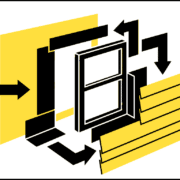
Installation best practices for termite prevention include proper flashing installation, adequate ventilation behind the siding, and careful attention to trim connections and transitions. Professional installers understand the critical importance of preventing moisture infiltration while maintaining the structural integrity that supports long-term termite resistance.
Proper installation directly affects long-term termite resistance by ensuring that all protective features of James Hardie siding function as designed. Poorly installed siding may develop gaps, moisture infiltration points, or structural weaknesses that could compromise the material’s inherent termite resistance. Professional installation eliminates these risks through proven techniques and quality control measures.
CoMo Premium Exteriors brings extensive expertise and local experience to James Hardie siding installations throughout the region. Our certified technicians understand the specific termite risks and climate challenges in our service area, ensuring that your installation provides maximum protection for your specific environment. Local expertise proves invaluable in addressing regional conditions that affect termite activity and siding performance.
Cost-Benefit Analysis: Investment Protection
The initial investment in James Hardie siding typically ranges 15-25% higher than basic wood siding options, but this upfront cost difference quickly becomes an investment advantage when considering long-term protection benefits. Quality termite resistant materials like James Hardie provide immediate risk reduction and ongoing savings that compound over the life of the installation.
Long-term savings from reduced termite damage and maintenance costs often exceed the initial investment premium within the first decade. Homeowners with wood siding face average annual maintenance costs of $800-1,200, including staining, repairs, and pest treatments. James Hardie siding requires minimal upkeep, typically costing less than $200 annually for basic cleaning and inspection activities.
Insurance considerations may include premium reductions for homes with termite resistant materials, particularly in high-risk regions. Some insurance providers offer discounts for homes with fiber cement siding due to the reduced likelihood of termite claims. Additionally, the fire resistance properties of James Hardie siding often qualify for additional insurance benefits that further improve the overall value proposition.
Home value increases from quality termite-resistant siding typically range from 70-85% of the installation cost, according to real estate industry studies. Properties with James Hardie siding consistently command higher selling prices and shorter market times compared to homes with wood or vinyl siding. The combination of aesthetic appeal, durability, and termite protection creates lasting value that benefits homeowners whether they stay long-term or sell within a few years.
Return on investment calculations over a 30-year lifespan demonstrate the superior financial benefits of choosing James Hardie siding. When factoring in reduced maintenance costs, avoided termite damage, insurance savings, and increased property value, the total return often exceeds 150% of the initial investment premium over the warranty period.
Frequently Asked Questions
Can termites still damage James Hardie siding if it’s not properly maintained?
While James Hardie siding itself remains completely resistant to termite consumption regardless of maintenance levels, poor maintenance can create conditions that allow termites to access other parts of your home. Compromised caulk lines, damaged trim connections, or moisture accumulation can provide entry points for termites to reach wood components behind the siding. However, the siding material itself will never be damaged by termite activity, even with minimal maintenance.
How does James Hardie siding compare to cedar and other naturally termite-resistant woods?
Even naturally termite-resistant woods like cedar contain cellulose and organic compounds that termites can eventually consume, especially as natural preservatives diminish over time. Cedar’s resistance typically decreases significantly after 10-15 years, requiring treatments or replacement. James Hardie siding provides permanent termite immunity that never diminishes, requires no chemical treatments, and maintains its resistance properties throughout its 40-50 year lifespan.
What happens to the warranty if termite damage occurs due to poor installation?
James Hardie’s warranty specifically covers material defects and performance issues but excludes damage caused by improper installation or maintenance. If termites damage your home due to installation errors that allowed pest access, the siding warranty remains valid for the siding material itself, but damage to other components would not be covered. This highlights the importance of choosing certified James Hardie contractors who guarantee proper installation techniques.
Is additional termite treatment necessary with James Hardie siding installation?
James Hardie siding provides complete protection for your home’s exterior surfaces, eliminating the need for chemical termite treatments on the siding itself. However, you may still want to consider foundation treatments or soil barriers if your area has high termite pressure, particularly to protect other wooden components like framing, flooring, or interior structures. The siding creates an impenetrable first line of defense, but comprehensive protection may include additional measures for extreme risk areas.
How quickly can James Hardie siding installation be completed for immediate termite protection?
Most residential James Hardie siding installations can be completed within 1-2 weeks for average-sized homes, providing immediate termite protection for your exterior surfaces. The timeline depends on home size, complexity, weather conditions, and preparation requirements. Once installation is complete, termite protection is immediate and permanent, offering peace of mind from the moment the final board is installed. Emergency installations for homes with active termite threats can often be prioritized to provide rapid protection.