


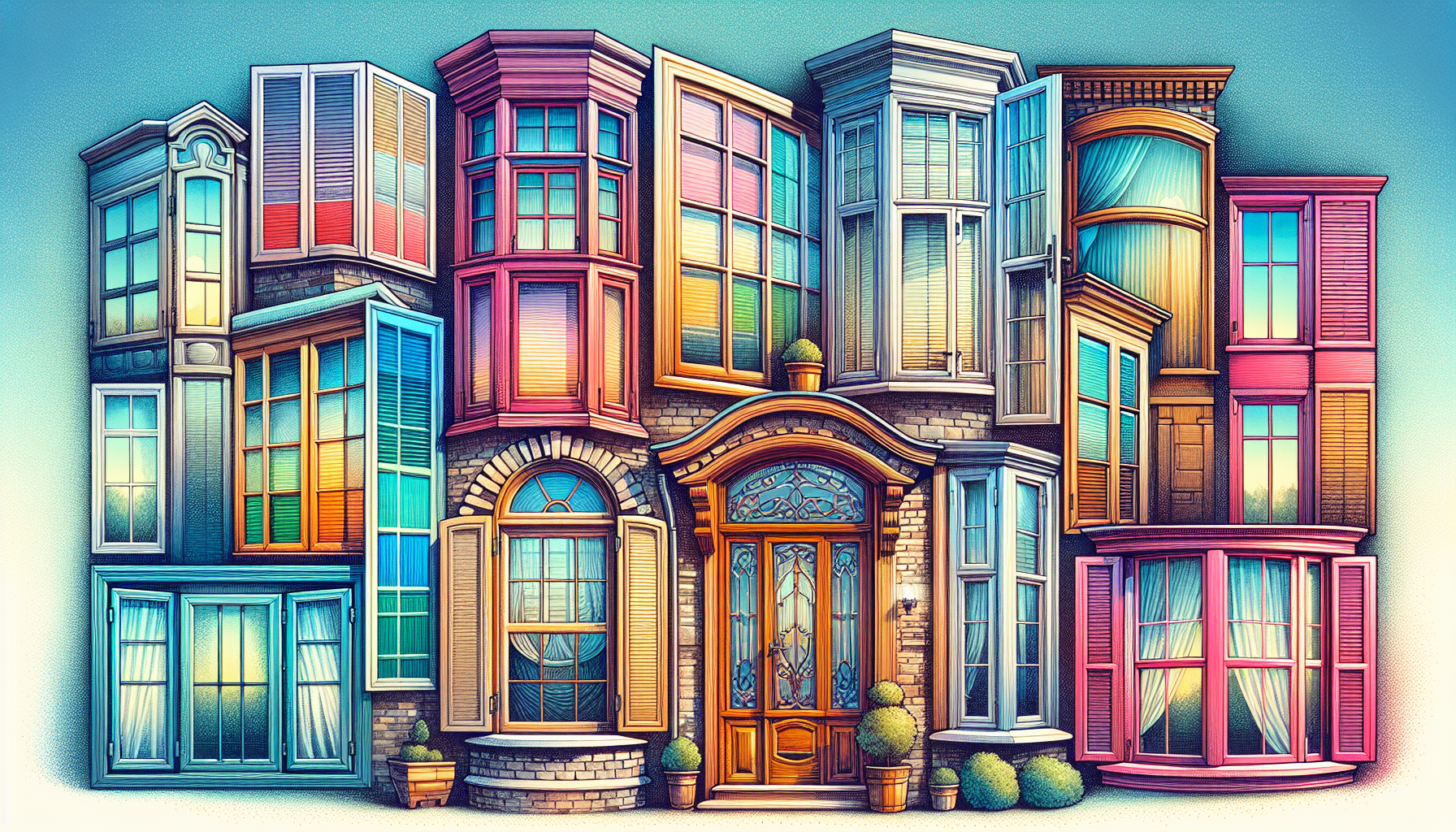
An illustration of various casement windows showcasing their features.
A casement window is hinged on one vertical side — left or right — and swings outward when you turn a crank handle at the bottom of the frame. Unlike double-hung windows, which slide up and down, a casement opens its entire pane to the outdoors. That means more airflow per square foot of window than almost any other style.
The crank mechanism closes the sash tightly against the frame, compressing the weatherstripping on all four sides. That compression seal is part of why casements test so well for air infiltration. When the window is locked, it’s genuinely locked — there’s no gap for drafts to sneak through the way there is with sliding or double-hung windows.
In Jefferson City’s climate, that matters. Summers here are muggy and hot — daytime highs regularly push into the mid-90s in July and August. Winters bring wind chill and ice storms that can stack up fast, especially in the river corridor. A window that seals tightly isn’t a luxury; it’s what keeps your HVAC system from working twice as hard.
Double-hung windows are the most common style in Mid-Missouri homes, and they’re versatile. But they only open about 50% of their frame — half goes up, half stays fixed. Casements open 100% of the frame area. If you’re catching a cross-breeze on a nice fall evening before the first freeze, that difference is noticeable.
Awning windows are close cousins — they’re hinged at the top and open outward at the bottom. You’ll see them stacked below casements in some designs, or used in basement openings. Picture windows are fixed (they don’t open at all) and prioritize views over ventilation. Sliding windows operate horizontally and tend to have looser seals than casements over time as the tracks wear.
One sash, one crank, one frame. This is the most straightforward version — useful for narrow openings, stairwells, and spots where you want ventilation but have limited width. Common in older Jefferson City homes where window openings were built to specific rough-opening dimensions.
Two sashes that meet in the middle without a center post. Both open outward from the center, giving you an unobstructed view when they’re open. The trade-off: no center lock point, so the weatherstripping has to work a little harder. French casements look great in dining rooms and living spaces where the view matters as much as the ventilation.
No crank mechanism — you push the sash open by hand and latch it at the desired angle. Simpler mechanically, which means fewer moving parts to wear out. Less common in the Jefferson City market, but worth knowing about if you want a more traditional European aesthetic.
Casements are frequently used as the operable flanking units in bay and bow window configurations. The center section is usually a fixed picture window for maximum view, and the casement sashes on either side provide the ventilation. This arrangement is popular in living rooms and master bedrooms throughout neighborhoods like Wardsville, Jefferson Crossing, and the older subdivisions near Holts Summit.

A sunny room with open casement windows providing fresh air.
This is casements’ biggest practical advantage. Because the entire sash swings open, you can angle the window to act like a wind scoop — catching airflow that would slide past a partially-open double-hung. On pleasant days in April or October when you’d rather not run the AC or heat, that extra airflow is welcome.
The compression seal is the key. When you crank a casement closed and engage the lock, the sash presses firmly against the frame on all sides. Air infiltration drops significantly compared to windows that rely on sliding contact between sash and frame. For a Jefferson City home trying to hold heat in during a January ice storm — or keep cool air in during a July heat wave — that sealed perimeter is a meaningful advantage.
Look for casements with Low-E coatings and argon or krypton gas fills between the panes. In Missouri’s climate, the right glazing combination can meaningfully reduce solar heat gain in summer while still allowing passive warming in winter.
Casements have no horizontal rail dividing the sash the way double-hung windows do. The only interruption to your sightline is the vertical frame on either side. If you’re on a lot with a decent view — whether that’s the Missouri River bluffs, a wooded backyard, or the Capitol dome from the right angle — casements maximize it.
The crank-and-lock mechanism on a casement makes it harder to force open from outside than a sliding or double-hung window. The sash presses against the frame all the way around, and the multi-point locking hardware on quality units is genuinely difficult to defeat without breaking the glass. For ground-floor windows in Jefferson City neighborhoods, that’s not a trivial consideration.
Some casement lines also offer sash locks that engage at multiple points along the frame, not just at the handle. If security is a specific concern for a first-floor bedroom or a window facing a side yard, ask about multi-point locking options when you’re comparing products.
Both panes of a casement — inside and outside — can typically be reached by rotating the sash out and cleaning through the opening. On a two-story home, that eliminates the need for a ladder to clean exterior glass on upper-floor windows. It’s a small thing, but homeowners who’ve dealt with second-floor double-hungs appreciate it.
No window style is perfect for every situation. Casements have real limitations worth understanding before you commit.
They can’t be used with window air conditioning units — the crank mechanism and outward swing won’t work with a box AC. If you have rooms that rely on window AC and you’re not ready to upgrade to central air, casements aren’t the right fit for those openings.
The crank mechanism adds a point of mechanical wear that double-hung windows don’t have. On lower-quality units, cranks strip or seize up over time. On quality windows with proper installation, this isn’t a common problem — but it’s worth asking about when comparing products.
Casements that open over a patio, walkway, or deck can be inconvenient. The swinging sash takes up exterior space when open. On tight lots or where windows are positioned close to high-traffic areas, this is worth thinking through during the planning stage.
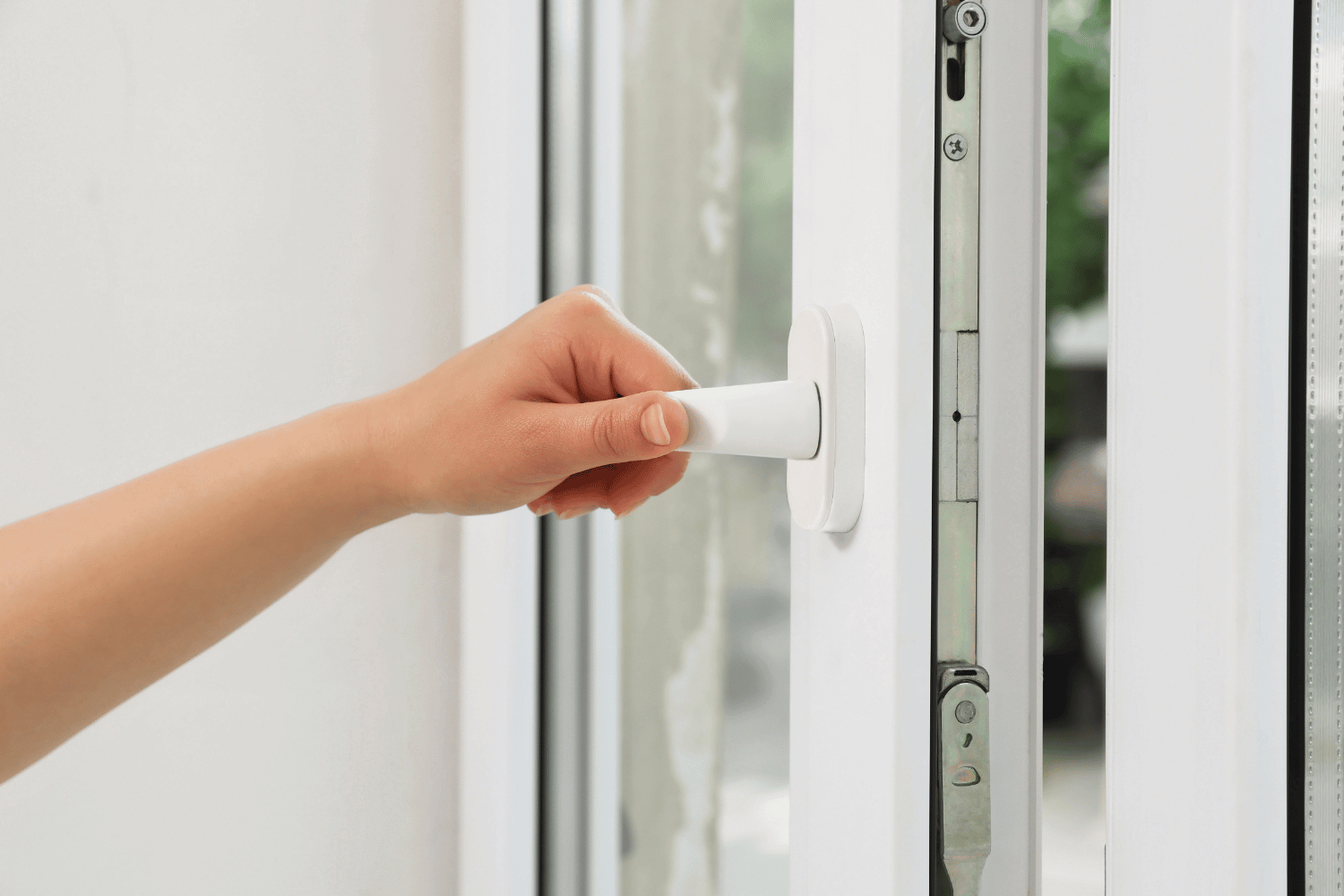
Different materials used for casement windows including wood and vinyl.
Vinyl is the most common choice in Jefferson City and the surrounding area — and for good reason. It doesn’t rot, it doesn’t need painting, and it handles Missouri’s humidity without swelling or contracting the way wood does. A quality vinyl casement holds its shape and seal for decades with minimal maintenance. Color options are somewhat limited compared to other materials, but the most popular finishes (white, tan, bronze) are widely available.
Fiberglass frames are dimensionally stable — they expand and contract at nearly the same rate as the glass itself, which means the seal stays tighter over time. They’re stronger than vinyl and can be painted to match virtually any trim color. Fiberglass costs more than vinyl upfront, but it’s the right call for homeowners who want maximum performance and plan to stay in their home long-term. For historic homes near Jefferson City’s Old Town or along Lafayette Street, the ability to paint fiberglass frames to match original trim profiles is a real advantage.
Wood casements are beautiful. There’s no manufacturing process that fully replicates the warmth and character of real wood grain. But wood in Missouri’s climate requires commitment. The humidity cycles here — wet springs, dry spells, humid summers — cause wood to move. Without regular painting or staining and prompt attention to any moisture intrusion, wood frames can rot at the joints within a decade. Wood-clad windows (wood interior, aluminum or fiberglass exterior) are a reasonable middle ground if you want the interior aesthetic without the exterior maintenance burden.
Aluminum frames are slim, strong, and good-looking in modern or commercial applications. The drawback for residential use in Jefferson City is thermal performance — aluminum is a natural heat conductor, which means frames can transfer cold in winter and heat in summer without a proper thermal break. Aluminum with a quality thermal break is a different story, but it comes at a price. For most homeowners here, vinyl or fiberglass is a better value.

A chart displaying the cost breakdown of casement windows.
Prices vary based on frame material, glass package, window size, and installation complexity. Here’s a realistic breakdown for the Jefferson City market in 2026:
Upgrading to triple-pane glass or specialty Low-E coatings adds $50–$150 per window, which is usually worth it in Missouri’s climate given the energy savings over time.
For a full-home window replacement on a typical Jefferson City home — say, 10–15 windows — you’re looking at $5,000–$18,000 depending on material tier and project complexity. Homes with non-standard rough openings, damaged framing around existing windows, or historic trim details that need to be preserved will sit toward the higher end.
The most accurate way to understand what your specific project will cost is to have someone walk through the home with you. Our team handles Jefferson City window replacement services and can put together a detailed, no-pressure estimate based on your actual openings, not a per-window average.
Casement windows can technically be installed by a skilled DIYer. The mechanics aren’t complicated — you’re removing the old window, prepping the opening, setting and shimming the new unit, securing it, and sealing around the exterior. If you’ve done it before and you have the right tools, it’s manageable.
That said, there are real reasons most Jefferson City homeowners hire a professional for this work.
First, fit is everything. A casement that isn’t perfectly plumb and level won’t operate correctly — the crank will bind, or the sash won’t compress evenly against the frame. Those are performance issues that defeat the entire point of choosing a casement. Getting the shim spacing right takes experience.
Second, the exterior seal has to be done correctly. Water infiltration around window frames is one of the most common sources of hidden damage in Missouri homes. A bad perimeter seal leads to moisture getting into the rough opening, and from there into framing and insulation. The damage isn’t always visible until it’s already expensive.
Third, manufacturer warranties on most quality window brands require professional installation. If you self-install and have a product issue, the warranty may not cover it.
If you’re replacing a single window that’s an easy swap — same rough opening, no frame damage, straightforward exterior trim — DIY is more defensible. A full-home window replacement is a different conversation.
Casements make the most sense when you want maximum ventilation and energy efficiency from a window that doesn’t interrupt sightlines. They work particularly well in:
They’re a harder fit in rooms where window AC is used, over patios or walkways with tight clearances, or in openings so wide that a single casement sash becomes unwieldy. In those situations, double-hung or sliding windows are usually the better call.
One thing worth knowing: casements can look significantly different from the street depending on the grille pattern you choose. A colonial grille (small divided-light squares) reads traditionally and fits in well with Jefferson City’s older residential areas. A prairie-style perimeter grille pairs well with craftsman architecture. No grilles at all gives you the cleanest, most modern look. This is more of a design conversation than a performance one, but it’s worth having before you finalize an order.
The other factor is your existing window configuration. Most Jefferson City homes were built with double-hung windows, and swapping to casements usually means working within the same rough opening — which is generally straightforward. Occasionally, a frame swap reveals moisture damage or rot in the surrounding framing, which needs to be addressed before the new window goes in. A good installer will flag that before it becomes a surprise.
Casement windows are a strong performer for Missouri homeowners who prioritize ventilation, energy efficiency, and clean sightlines. The compression seal makes them among the tightest windows on the market — an advantage that pays off through every Jefferson City winter and summer. Vinyl and fiberglass are the most practical frame choices for this climate. Installed costs run $350–$1,400 per window depending on material and complexity, with most whole-home projects landing between $5,000 and $18,000.
They’re not the right window for every situation, but where they fit, they’re hard to beat.
Yes, generally. Many older homes near the Capitol area and in established Jefferson City neighborhoods were built with standard rough-opening sizes that accept modern casement frames without modification. The clean lines of a casement complement both craftsman and colonial architecture well. The main thing to check is whether the existing frames have moisture or rot damage — older caulking and trim tend to let water in over time, and a window replacement is the right moment to address that before it gets worse.
Well, provided they’re quality units with proper installation. The compression seal on a casement is inherently better at blocking cold air infiltration than sliding-style windows. Look for windows with thermally broken frames and insulated glass — Low-E coatings and argon fill are worth the upgrade in Mid-Missouri’s freeze-thaw climate. Ice accumulation on the exterior crank hardware can be an issue in extreme events, but it’s rarely a practical problem with modern hardware designs.
Window replacements typically recoup 60–75% of their cost at resale, according to national remodeling cost-value studies. In Jefferson City’s market, buyers notice energy-efficient windows — especially on older homes where drafty single-panes are common. Casements signal a quality upgrade over standard double-hungs, which can be a positive differentiator when listing. That said, window replacement is primarily a comfort and efficiency investment rather than a pure ROI play.
A quality vinyl or fiberglass casement, properly installed and maintained, will last 25–35 years in this climate. Wood frames in good hands can last longer, but they require more active maintenance. The hardware — cranks, hinges, locks — typically outlasts the frame if the window was made by a reputable manufacturer. If a crank mechanism fails on an otherwise sound window, it’s usually replaceable without swapping the entire unit.
You can absolutely replace a single window. There’s no technical requirement to do all windows at once. The practical consideration is usually visual consistency — if your home has matching windows and you replace one with a slightly different profile or color, it may stand out. It’s also worth noting that many installers have minimum project sizes for scheduling purposes, so a single-window job sometimes costs proportionally more per unit than a multi-window project. Ask upfront.
A few things worth covering: Are they licensed and insured in Missouri? Do they offer a separate workmanship warranty beyond the manufacturer’s product warranty? Will they handle permit applications if required by the city? Can they show you recent local projects or references? And specifically for casements — ask whether they have experience with the brand they’re recommending, since proper installation of the crank hardware and compression sealing is technique-dependent. A company that mostly installs double-hungs and occasionally does casements isn’t the same as one that does them regularly.
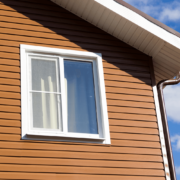
Vinyl windows typically last 20 to 40 years, depending on quality and installation. In this guide, we will explain the factors affecting their lifespan and address the question of how long does vinyl windows last, as well as how to maintain them.
Vinyl windows are a popular choice due to their durability, energy efficiency, and low maintenance, typically lasting between 20 to 40 years.
Factors like climate, sun exposure, and quality of installation significantly impact the lifespan of vinyl windows, making proper care and installation crucial.
Regular cleaning, inspections, and protective measures against UV damage can extend the life of vinyl windows, ensuring they remain functional and visually appealing.
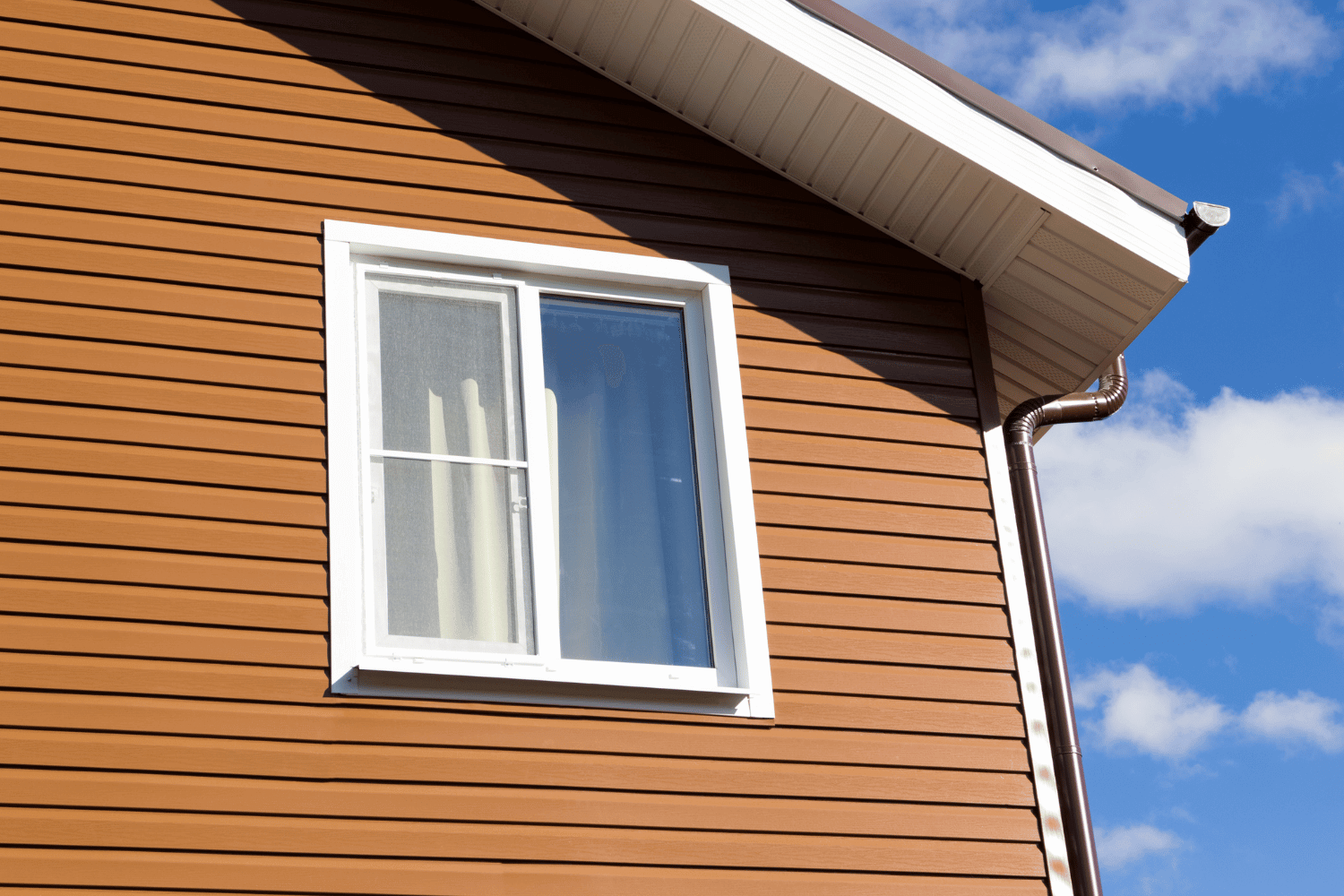
An illustration depicting various types of vinyl windows, showcasing their unique features.
For over 30 years, vinyl windows have been the top choice for homeowners, becoming the most popular window replacement option. So, what makes vinyl windows special? Vinyl windows are made from polyvinyl chloride (PVC), a strong, versatile plastic that resists environmental stresses. Most are specifically constructed from unplasticized polyvinyl chloride (uPVC), a more durable form of PVC.
Homeowners favor vinyl windows for their durability and low maintenance. They resist fading, weather damage, and decomposition, ensuring long life. Additionally, vinyl windows are cost-effective and energy-efficient, enhancing home comfort and value. Often called the ‘infrastructure plastic,’ vinyl is widely used in construction for these reasons.
When considering window replacements, long vinyl windows should be a top option. They offer lasting performance and come in various styles and finishes to suit any home design. Their blend of durability, energy efficiency, and aesthetic appeal makes them ideal for modern homeowners with vinyl window frames.

A diagram illustrating the average lifespan of vinyl windows compared to other window materials
Understanding the lifespan of new windows is crucial. Vinyl windows generally last between 20 to 40 years, a key reason they are popular among homeowners. Manufacturers offer warranties of 15 to 25 years, indicating how long do vinyl windows are expected to last.
Several factors, such as material quality, climate, and installation quality, influence vinyl windows’ lifespan. Premium vinyl windows, made from top-grade materials and professionally installed, can last over 30 years, often outlasting aluminum and wood alternatives. However, windows older than 20 years may show signs of decreased efficiency, suggesting replacement may be needed.
Comparing vinyl windows to wood and aluminum highlights their superior longevity and cost-effectiveness. Wood windows typically last 15-20 years and require significant maintenance to prevent decay and warping, whereas vinyl windows are more durable and low-maintenance.
Similarly, aluminum windows, although lightweight and robust, are prone to denting, scratching, and corrosion. This makes vinyl a more reliable choice for long-term performance.
The longevity of vinyl windows depends on factors such as climate, sun exposure, and installation quality. Being aware of these factors can help homeowners take steps to ensure their windows last as long as possible.
Let’s delve into each of these factors in more detail.
Climate conditions significantly affect the durability and longevity of vinyl windows. For example, severe temperature fluctuations can cause warping or shifting, especially in regions with extreme temperatures, leading to structural issues due to constant expansion and contraction.
High humidity can also speed up vinyl window deterioration, affecting their lifespan. In humid areas, proper sealing and maintenance are crucial to prevent moisture damage. Homeowners should consider reinforced, high-quality windows to withstand harsh conditions.
Sun exposure also significantly affects vinyl window longevity. Direct sunlight causes faster deterioration than shaded areas due to prolonged UV light exposure, which can break down vinyl material, leading to discoloration and reduced structural integrity.
Homeowners can use protective measures against UV rays to extend vinyl window lifespan. Applying protective films helps block harmful UV rays and preserve frame integrity. Installing awnings also provides a barrier against UV exposure, keeping windows cooler and extending their lifespan.
Proper installation is essential for vinyl window longevity and performance. Poor installation can cause gaps and drafts, reducing their lifespan. Ensure experienced professionals handle the installation.
Ask about the installation team’s experience and qualifications to guarantee proper window function and sealing. Proper installation ensures smooth operation and maintains energy efficiency by preventing air leaks, especially with casement windows.
Quality installation can save homeowners from costly repairs and replacements, making it a wise investment.

An illustration showing maintenance tips for extending the lifespan of vinyl windows.
Proper maintenance can greatly extend the life of vinyl windows. Regular cleaning and inspections prevent damage and maintain functionality, while UV protective measures preserve their integrity.
Let’s explore these maintenance tips in more detail.
Regular maintenance is crucial for vinyl window upkeep. Clean them at least once a year, or preferably twice. Regular cleaning prevents dirt and mold buildup. Use a soft brush or cloth to remove dirt, avoiding harsh chemicals, abrasive materials, or excessive pressure to prevent frame damage.
During annual inspections, check for cracks, gaps, or loose components. Regular inspections catch potential damage early, preventing more significant issues later.
A protective sealant on the glass can shield vinyl windows from UV damage, while awnings offer additional protection.
Harsh UV rays can damage vinyl windows, causing fading and degradation. Applying protective films blocks harmful UV rays and preserves frame integrity, significantly extending window life and keeping them looking new longer.
Awnings provide an effective barrier against UV exposure, keeping vinyl windows cooler and extending their lifespan. Combining these protective measures ensures vinyl windows stay durable and functional, even in areas with intense sun exposure.

An infographic comparing vinyl windows to wood, aluminum, and fiberglass windows.
When choosing vinyl windows, compare vinyl to other common window material to understand the benefits and drawbacks of each option, ensuring an informed decision.
Let’s look at how vinyl windows stack up against wood, aluminum, and fiberglass windows.
Vinyl windows generally outlast wood windows, which typically last 15-20 years and require significant maintenance due to susceptibility to mold, decay, and warping. This lower longevity and high maintenance cost make wood windows less cost-effective than vinyl windows last.
While wood windows offer a natural, classic look, vinyl windows are more durable and low-maintenance. Their cost-effectiveness and longevity make them an appealing choice for long-lasting replacement windows.
Vinyl and aluminum windows typically have a similar lifespan. However, aluminum windows are prone to denting, scratching, and corrosion, making vinyl a more durable long-term option.
Aluminum windows are generally less energy-efficient than vinyl windows and often have higher installation costs due to increased labor requirements. While aluminum windows are lightweight and robust, vinyl offers a better balance of durability, energy efficiency, and cost-effectiveness.
Fiberglass windows may last longer than vinyl, but their higher cost can be unappealing. They are also more expensive and harder to install compared to vinyl windows.
Fiberglass windows are durable, resistant to warping, cracking, and deterioration, energy-efficient, and low-maintenance. Despite these advantages, the cost and installation complexity make vinyl windows a more accessible and practical choice for many homeowners.

An illustration showing signs that indicate vinyl window replacement is necessary.
Signs that indicate the need for vinyl window replacement include drafts, energy loss, and operational issues. Recognizing these early can help maintain home comfort and efficiency.
Let’s explore these signs in more detail.
Drafts around windows indicate failing seals and escaping energy. This can cause higher energy bills due to decreased insulation from worn-out window frames. Deteriorating vinyl windows lead to increased energy loss, evident from changes in heating and cooling efficiency.
Awareness of drafts and energy bills can prompt timely maintenance or replacement of vinyl windows, ensuring better energy efficiency and comfort. Addressing these issues promptly helps maintain energy efficiency and reduce unnecessary costs.
Windows that stick or do not open may indicate underlying issues requiring replacement, affecting functionality and energy efficiency with windows installed.
Promptly addressing operational issues prevents further damage and enhances energy efficiency. Ensuring smooth window operation is key to maintaining home comfort and efficiency.
When choosing quality vinyl windows, consider factors like local climate, which significantly influence performance and durability. High-quality vinyl windows with heat-welded joints and premium materials withstand various weather conditions.
Warranties indicate the quality of both the product and installation. Look for companies offering product and workmanship warranties for comprehensive protection. Since warranties often don’t cover improper installation damage, choose an experienced installer.
Additionally, select windows with the EnergyStar® label to confirm energy efficiency. Vinyl windows’ aesthetic appeal can also enhance curb appeal and increase market value. Considering these factors ensures you choose durable, energy-efficient, and visually appealing vinyl windows.
In summary, vinyl windows offer a compelling combination of durability, low maintenance, and energy efficiency, making them an excellent choice for homeowners. Understanding the factors that influence their lifespan, such as climate conditions, sun exposure, and installation quality, can help you maximize their performance and longevity. Regular maintenance, including cleaning and inspections, and protective measures against UV damage, are essential steps to keep your vinyl windows in top condition.
Whether comparing vinyl windows to other materials like wood, aluminum, or fiberglass, it’s clear that vinyl provides a cost-effective and long-lasting solution. By recognizing the signs that indicate the need for replacement and choosing quality vinyl windows tailored to your specific needs, you can ensure your home remains comfortable, efficient, and aesthetically pleasing. Empower yourself with knowledge and make informed decisions that will benefit your home for years to come.
Vinyl windows usually last between 20 to 40 years, and if you go for premium options, they can even exceed 30 years. So, they’re a solid choice for long-term durability!
To ensure your vinyl windows last, focus on climate conditions, sun exposure, and quality installation. Regular maintenance and UV protection can really make a difference!
To safeguard your vinyl windows from UV damage, consider applying protective films that block harmful rays and installing awnings for added protection. This will help keep your windows cooler and extend their lifespan.
If you’re noticing drafts, rising energy bills, or your windows sticking and hard to operate, it’s definitely time to consider replacing your vinyl windows. These signs suggest they might not be working efficiently anymore.
Vinyl windows outlast wood and are more energy-efficient than aluminum, making them a practical choice for many homeowners. Although fiberglass may last longer, the cost and installation complexity can be a drawback.
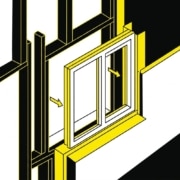
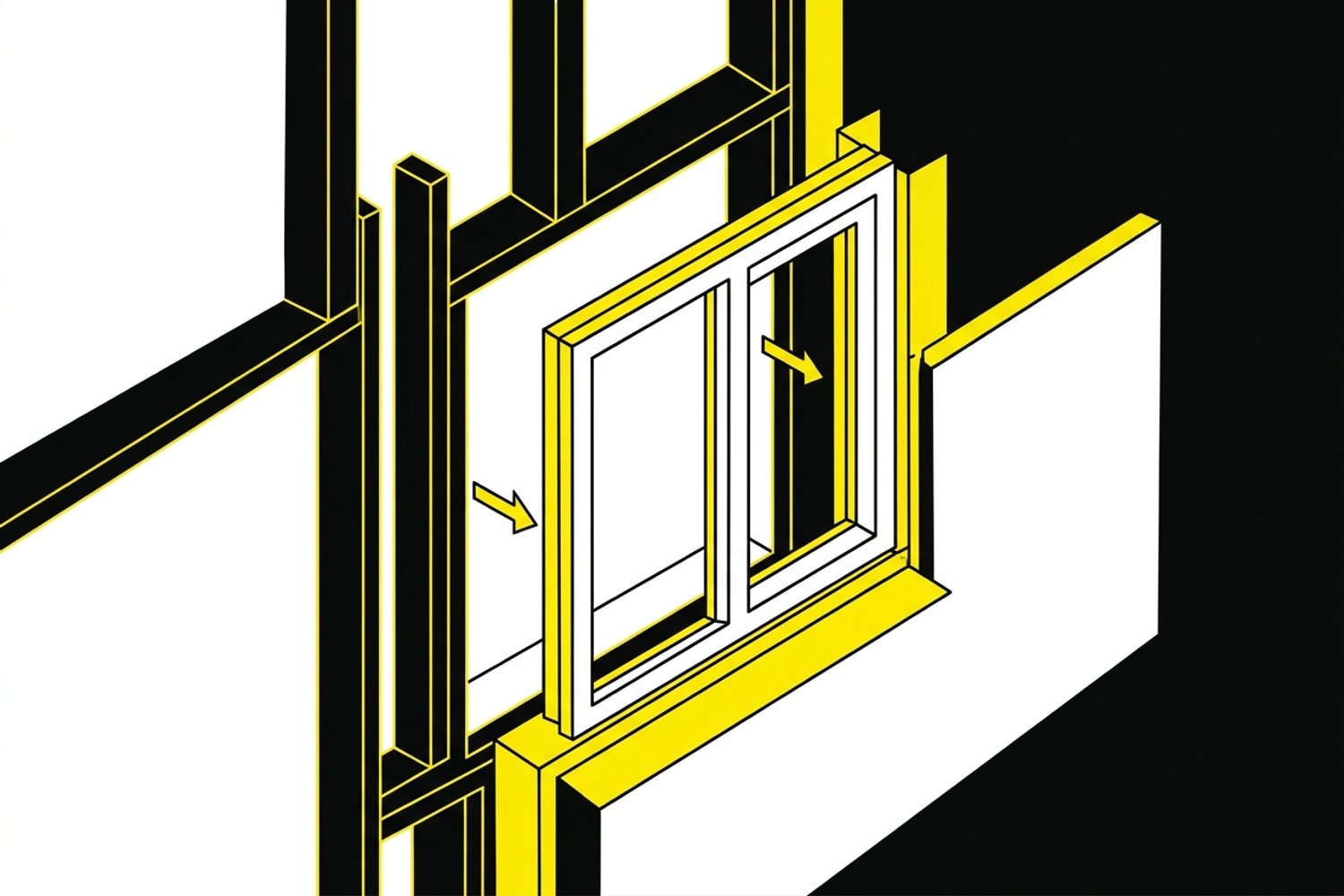
If you live in an older home in Columbia, Jefferson City, Fulton, or anywhere in Central Missouri, there is a good chance your original wood windows are showing their age. Drafty frames, stuck sashes, peeling paint, and visible rot are common problems we see in homes built before the 1990s across the Mid-Missouri region. Replacing those aging wood windows can dramatically improve your home’s comfort, energy efficiency, and curb appeal.
At CoMo Premium Exteriors, we have replaced thousands of windows in homes throughout Boone, Cole, Callaway, and surrounding counties. This guide walks through the full replacement process so you understand what is involved, whether you are planning to hire a professional crew or evaluating the scope of a DIY project.
Wood windows can last decades with proper maintenance, but Central Missouri’s climate puts them under constant stress. Our humid summers promote moisture absorption and rot, while winter freeze-thaw cycles cause wood to expand and contract repeatedly. Here are the signs that repair is no longer enough:
If you are seeing multiple issues from this list, replacement is almost always more cost-effective than continued repairs.
The first decision is whether you need a full frame replacement or an insert (pocket) replacement. Here is how to decide:
Full frame replacement removes everything — the sash, frame, trim, and casing — down to the rough opening. This is the right choice when:
Insert (pocket) replacement keeps the existing frame and slides a new window unit into it. This works well when:
In many Mid-Missouri homes from the 1960s through 1980s, we find that frames are still in reasonable shape even when the windows themselves have failed. In those cases, pocket replacement saves 30 to 40 percent compared to full frame work.
When replacing wood windows, homeowners typically choose from three materials:
The National Fenestration Rating Council (NFRC) provides standardized energy performance ratings for windows. For our Central Missouri climate (DOE Zone 4), look for windows with a U-factor of 0.30 or lower and a Solar Heat Gain Coefficient (SHGC) of 0.40 or lower for the best year-round performance.
Accurate measurements are critical. An incorrectly sized window means either a poor fit with air leaks or a costly reorder. Here is the process:
Always round measurements down to the nearest 1/8 inch when ordering. A window that is slightly small can be shimmed to fit perfectly, but a window that is too large cannot be installed without modifying the opening.
If your home was built before 1978, there is a strong possibility that the window frames and trim contain lead paint. This is especially common in the older neighborhoods of Columbia, Jefferson City, and Boonville. Before disturbing any painted surfaces:
With the old window out, the opening needs to be prepped for the new unit:
Proper insulation around the window is just as important as the window itself. For our Mid-Missouri climate where we face both heating and cooling demands:
A properly insulated window installation can reduce energy loss at that opening by 50 percent or more compared to the old wood window it replaced.
The final steps give the installation its polished appearance:
Window replacement costs in the Columbia and Jefferson City area vary based on several factors:
For a typical Mid-Missouri home replacing 10 to 15 windows with quality vinyl units, expect a total project cost in the range of $5,000 to $12,000. We provide free, no-pressure estimates so you can compare options and make an informed decision. Call us at (573) 424-9008.
We get asked this question often, and here is our honest answer: pocket window replacement on a single-story home with standard-sized windows is within reach for a skilled DIYer. Full frame replacement, second-story work, or anything involving structural modifications should be left to professionals.
Key reasons to hire a professional crew:
If you are considering window replacement for your Central Missouri home, we are happy to walk through the options with you. No pressure, no obligation — just honest advice from people who have done this work across the region for years. Reach us at (573) 424-9008 or schedule a free inspection.
If the rot is limited to a small area of the sill or frame, epoxy wood filler can extend the window’s life by several years. However, if you find soft wood in multiple locations, the sashes will not stay open, condensation appears between panes, or you feel noticeable drafts even when the window is closed and locked, replacement is the more cost-effective long-term solution. In our experience working on Mid-Missouri homes, once rot has spread to more than about 20 percent of the frame, repair costs start approaching replacement costs.
Full frame replacement removes everything down to the rough opening in the wall — the sash, frame, trim, and casing. This allows full inspection of the wall cavity and installation of modern flashing and insulation. Pocket (insert) replacement keeps the existing frame and slides a new window unit into it. Pocket replacement is faster, less expensive, and less disruptive, but it only works when the existing frame is structurally sound and square.
For a professional crew, a standard pocket replacement takes 30 to 60 minutes per window. A full frame replacement takes 1 to 2 hours per window. For a typical home with 10 to 15 windows, most projects are completed in 1 to 2 days. Weather can affect scheduling — we try to avoid replacement during rain or extreme cold (below 20 degrees) since sealants and foams do not perform well at those temperatures.
Several quality manufacturers serve the Central Missouri market. We work with brands that offer strong warranties, proven energy performance, and consistent availability. The key is to focus on performance specifications (U-factor, SHGC, air infiltration rating) rather than brand name alone. We are happy to walk you through the specific products we recommend for your situation when you call us at (573) 424-9008.
Yes. Under the current federal guidelines through the ENERGY STAR program, qualifying replacement windows can earn a tax credit of up to $600 per year. The windows must meet ENERGY STAR Most Efficient criteria for your climate zone. This can meaningfully offset the cost of upgrading to high-performance windows. We can help you identify which products qualify when we discuss your project.
The savings depend on what you are replacing and what you are installing, but homeowners in Central Missouri typically see a 15 to 25 percent reduction in heating and cooling costs after replacing single-pane wood windows with modern double-pane Low-E windows. For a home spending $200 per month on heating and cooling, that translates to $360 to $600 per year in savings.
If budget allows, replacing all windows at once is more cost-effective because of reduced mobilization costs and volume pricing. However, phased replacement is a perfectly reasonable approach. If you go this route, prioritize the windows with the most problems — typically north and west-facing windows that take the worst weather, and any windows with visible rot or failed seals. We can help you create a prioritized plan that fits your budget.
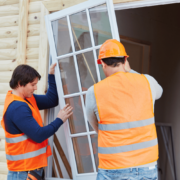
Installing new windows in an old house? This guide covers everything you need to know—from assessing your existing windows to choosing replacements that fit and maintain your home’s charm while considering the importance of installing new windows old house.
Assess the condition of your old windows to decide if repairs or replacements are necessary for energy efficiency and comfort.
Choose the right type and material of replacement windows to enhance your home’s aesthetic while improving energy efficiency.
Proper measurement and installation, including sealing and insulating, are crucial for ensuring new windows fit well and perform optimally.
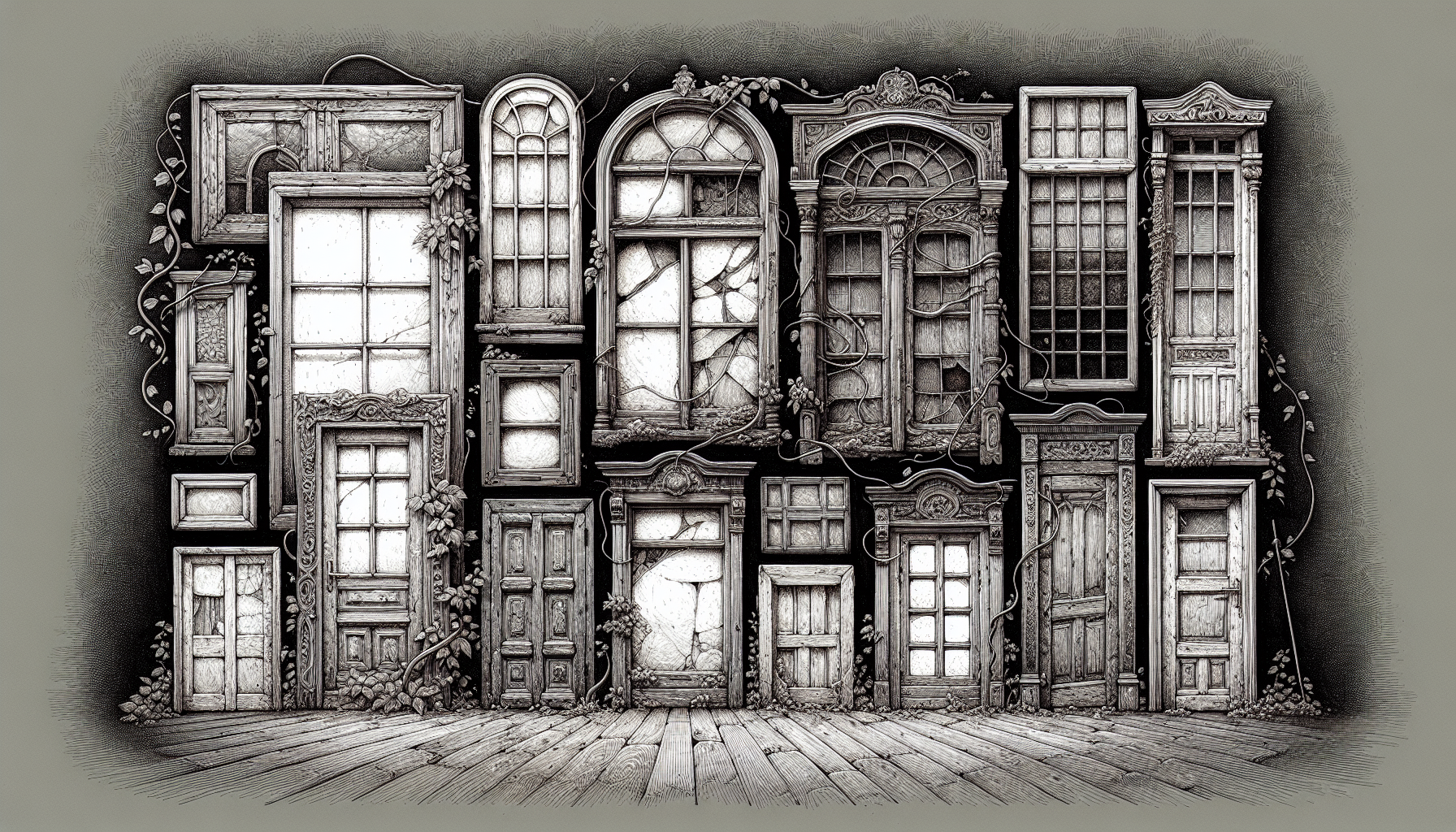
A detailed illustration showing various types of old window frames that need assessment.
Before starting the window replacement process, assess the condition of your current windows. This will help determine whether you need to repair or replace them. Windows that are over 20 years old typically require a thorough inspection to check for drafts, leaks, and other signs of inefficiency. Evaluating your old windows helps you make informed decisions, saving time and money while boosting energy efficiency and structural integrity.
Common problems in old windows, such as drafts and visible deterioration, can significantly impact your home’s comfort and energy bills. Spotting these issues early contributes to a more efficient and comfortable living space.
Old windows often suffer from a range of issues that compromise their functionality and efficiency. Visible deterioration in window frames, such as cracks or decay, is a clear signal that replacement is needed. Additionally, drafts and leaks are common problems that indicate your windows are no longer providing adequate insulation. Resolving these problems maintains energy efficiency and comfort in your home.
Neglected window maintenance can lead to significant problems, including increased energy bills and decreased indoor comfort. Recognizing these common problems allows you to take steps to enhance your windows and overall efficiency.
Whether to repair or replace old windows depends on factors like cost, energy efficiency, and the condition of the window frames. High-grade wood components in your window frames might indicate that repairs are a viable option. However, if the frames are significantly damaged, replacement might be the better choice.
Custom window replacements can fit perfectly into existing window frames, minimizing the need for extensive wall alterations and ensuring a seamless look. On the other hand, installing stock windows in old frames can lead to mismatched designs and poor fit, potentially reducing your home’s value.
New windows can cut down drafts and boost energy efficiency, making your home more comfortable and economical with new construction windows.
An illustration of a selection of replacement windows suitable for old houses.
Replacing old windows aims to enhance your home’s appeal, reduce energy costs, and improve natural light. Replacing old windows can transform your living space, making it brighter and more efficient. However, choosing the right type and material for your replacement windows is crucial to achieving these benefits.
Working with qualified window companies ensures you select the best window solutions for your old house. These experts can provide guidance, competitive pricing, and advice on the best options for your home.
There are several types of replacement windows to consider, each with its own set of benefits. Full-frame replacement windows are ideal when the old window frame, sill, or jambs are rotted. These windows involve replacing the entire window, providing a fresh start and ensuring a perfect fit.
Insert windows, also known as pocket windows, are designed to fit into the existing frame without the need for full replacement. This option is less invasive and can be more cost-effective, making it a popular choice for many homeowners.
The material of your replacement windows plays a significant role in their performance and aesthetic appeal. Wood is a traditional material that offers excellent insulation and can be restored to maintain historical integrity, but it requires regular maintenance to prevent rot and decay.
Vinyl replacement windows, on the other hand, are low-maintenance and energy-efficient, but they may lack the charm of natural materials. Aluminum windows are durable and resistant to the elements, but they may conduct heat, resulting in lower energy efficiency compared to wood and vinyl options.
Choosing the right material depends on your priorities, whether it’s maintaining historical accuracy, reducing maintenance, or enhancing energy efficiency.
An illustration depicting the measuring process for installing new windows in an old house.
Accurately measuring the existing window frame ensures the new window fits properly. This step is critical, as incorrect measurements can lead to poorly fitting windows and extra costs. Inspecting the framing around the opening is also necessary to identify any necessary repairs before installing a new window.
Ensuring the rough opening is level and square is vital for proper window installation. This will help avoid issues down the line and ensure that your new windows perform as expected.
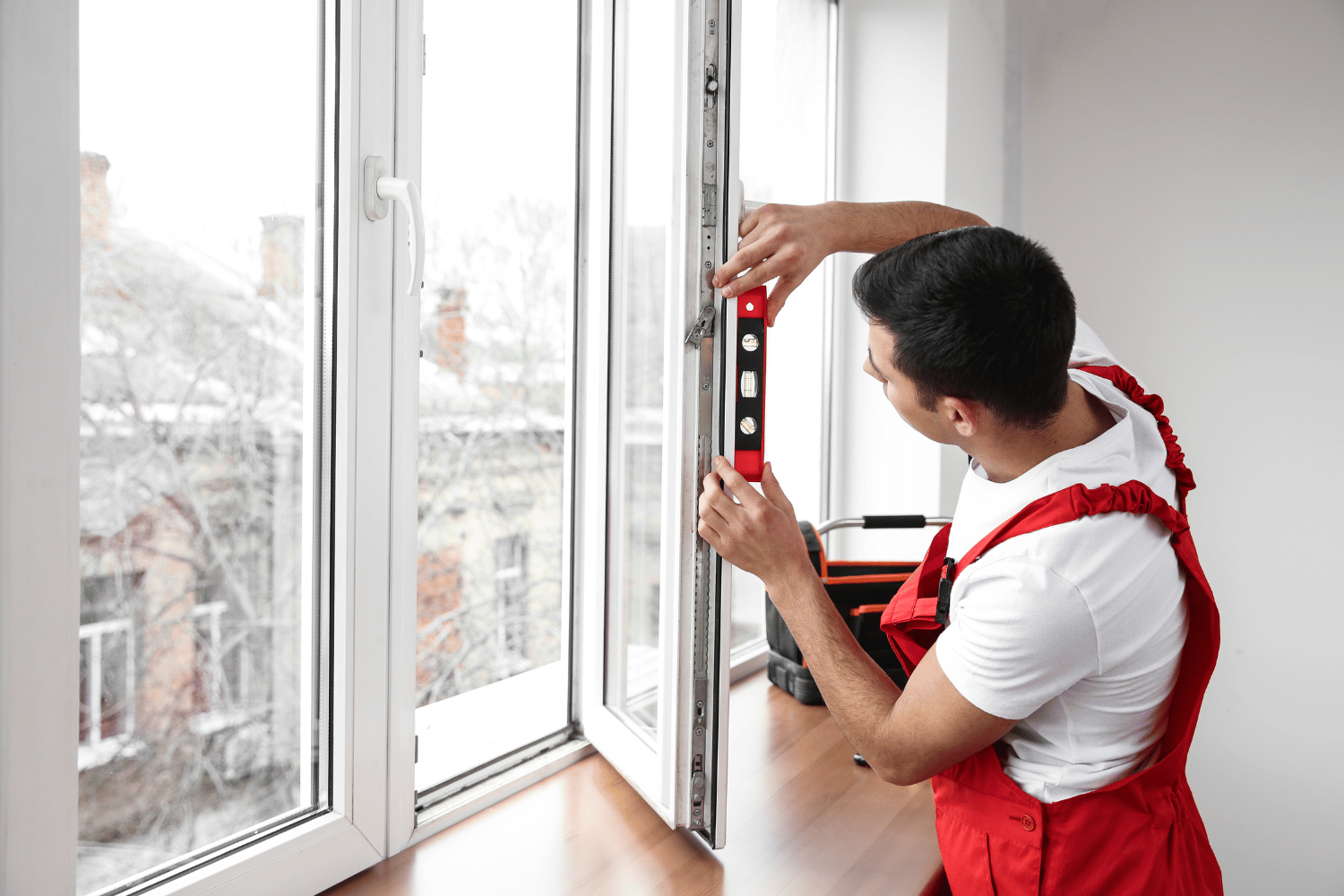
To measure accurately, you’ll need a tape measure for precision and a level to check the window is straight horizontally and vertically.
These tools ensure that your new windows fit perfectly and function properly.
When measuring for new windows, take multiple measurements to account for any irregularities in the opening. Measure the width of the window frame at the top, middle, and bottom to ensure a consistent fit. Similarly, measure the height from left to right and center to account for any variations.
Subtract a small amount from your measurements to allow for installation adjustments. This will help ensure that the new window fits snugly and can be installed without issues.
Before installation, proper preparation is key. Remove the old windows and ensure the opening is clean and ready for installation. A strong pry bar can help remove old window panes and frames without damaging the surrounding structure. Prepping the window opening includes cleaning the rough opening to ensure a proper fit for the new window.
Window installation often requires a fair amount of carpentry skills and home remodeling experience. Ensuring the area is debris-free and ready for the new window is vital for successful installation.
Proper removal of old window frames prevents damage to the surrounding structure. This step is particularly important in older homes, where the structural integrity of the walls is crucial. Additionally, old windows in homes built before 1978 may contain lead paint, requiring special precautions to ensure safe removal.
Carefully removing old windows smooths the installation process and helps avoid potential issues.
Cleaning the rough opening ensures a proper fit for the new window. This involves removing any debris, old caulk, or paint that could interfere with the installation. Making sure the opening is level and square helps the new window fit perfectly and function as intended.
Taking these steps will help ensure a smooth installation process and long-lasting performance of your new windows.
A step-by-step illustration of the process of installing new windows in an old house.
Installing new windows involves several steps, including inserting, sealing, and insulating the new window. Following detailed instructions ensures a successful installation. A quality power drill is essential for securing new windows into place. Additionally, using a durable caulking gun with sealant will help seal gaps around the new windows, enhancing their efficiency and durability.
Carefully following the installation steps ensures your new windows are installed correctly and perform as expected.
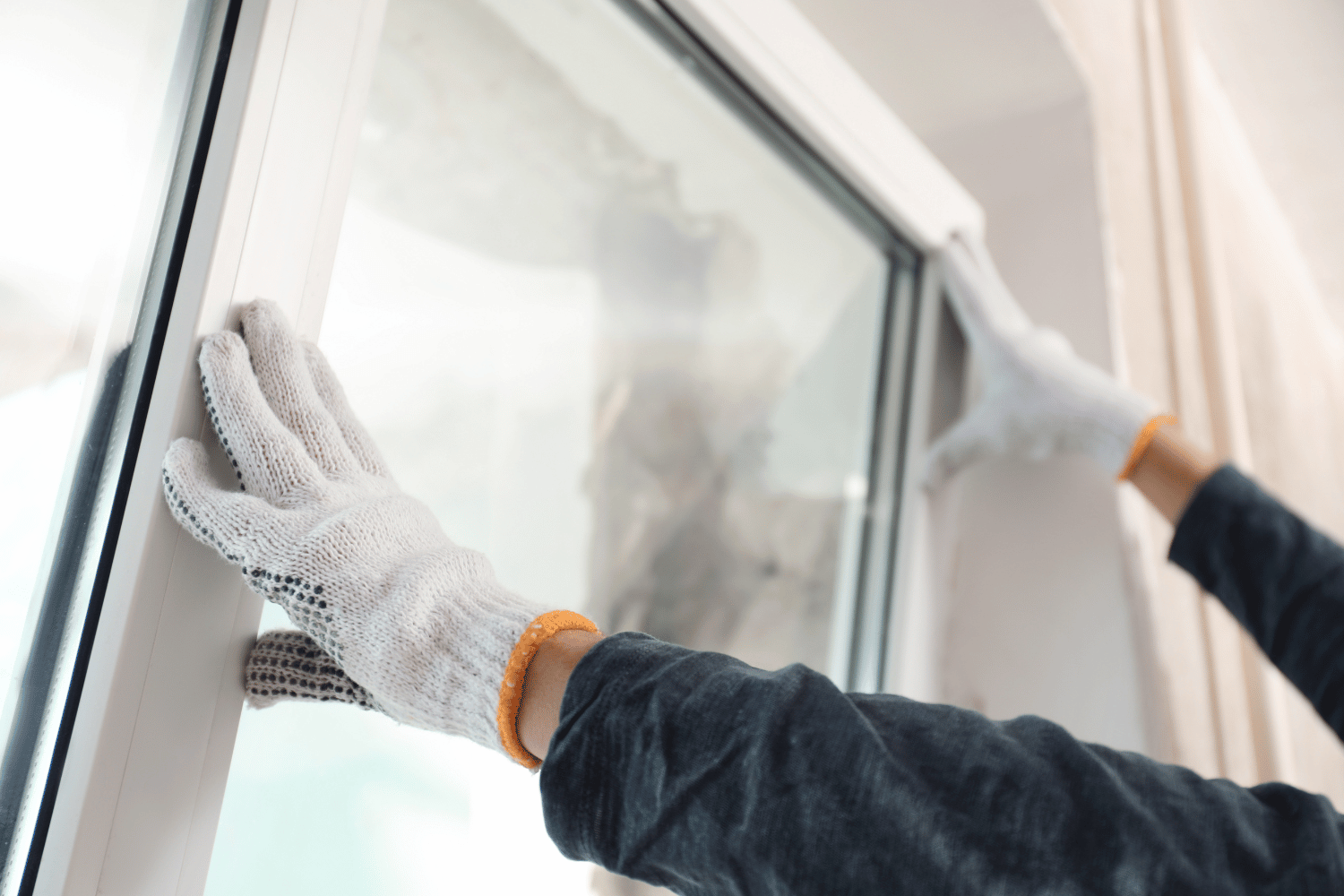
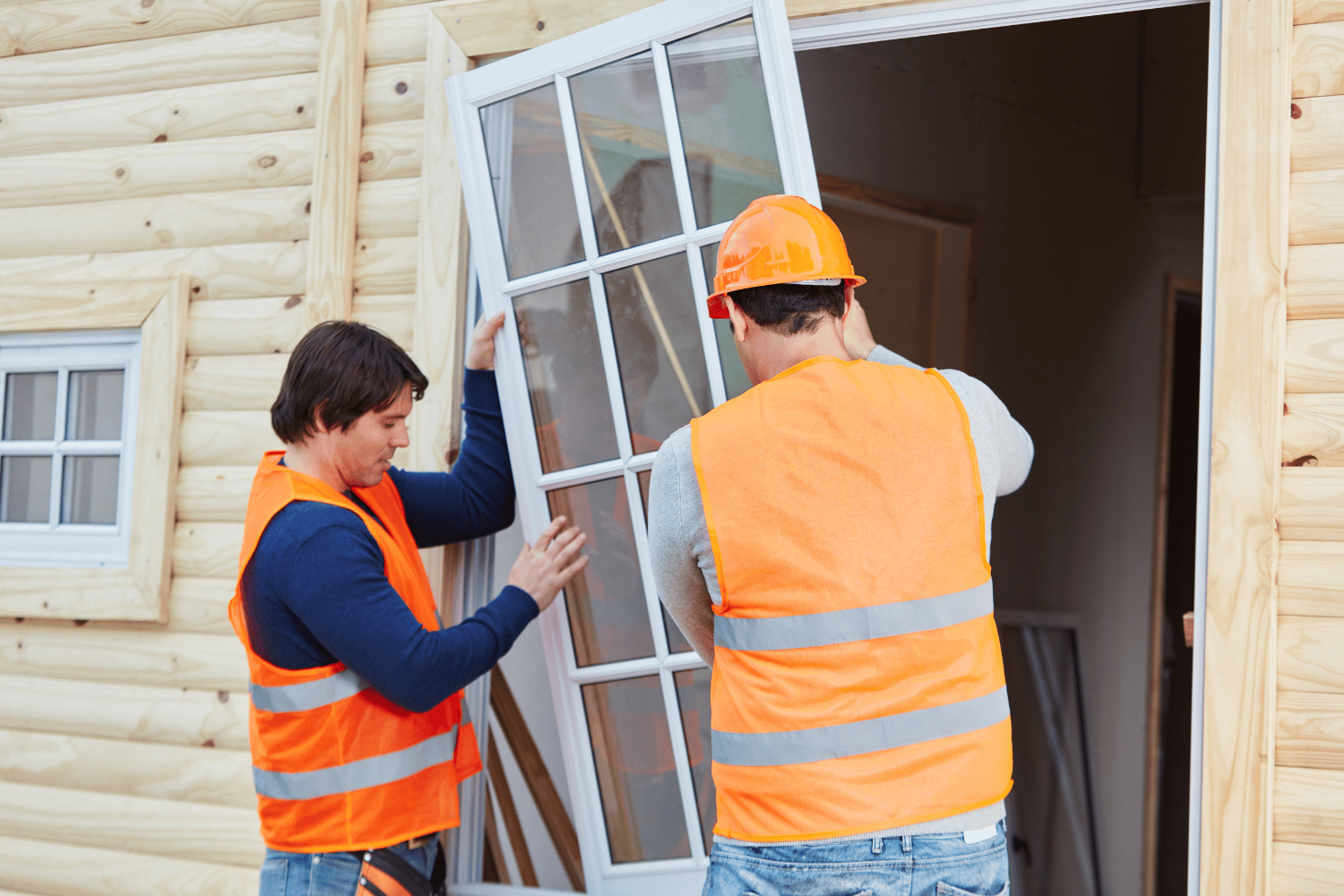
Lift the new window and place it into the prepared rough opening. Use a level to check that the window is even horizontally and vertically (plumb). Fasten the window frame to the structure with screws or brackets, ensuring it remains steady. Check the fit of the window and make any necessary adjustments to ensure it sits perfectly in place.
These steps will help ensure that your new window is securely window installed and functions properly.
Apply elastomeric caulk to the inner face of the casings and the sill before installing the window. Fill gaps around the window with minimally-expanding foam or caulk to complete the installation. Ensure weatherstripping at movable joints for proper storm window installation to enhance energy efficiency.
These steps will help ensure that your new windows are well-sealed and insulated, providing maximum energy efficiency and comfort.
Before installing interior trim, ensure the wall surface is clean and any old paint or debris is removed. Check that the window is properly aligned and secure to avoid issues with trim installation.
Start the trim installation by measuring and cutting pieces to fit the window frame accurately. Use a nail gun or finishing nails to attach the trimmed pieces securely to the wall around the window.
After installation, fill nail holes with wood putty and sand down for a smooth finish before painting or staining. This will give your new windows a polished and professional look.
An illustration highlighting the benefits of storm windows for energy efficiency in old houses.
Adding storm windows significantly enhances your home’s energy efficiency. Storm windows effectively seal drafts that affect old windows, enhancing indoor comfort. They can also reflect outside heat in summer and retain heat indoors in winter, providing year-round benefits.
Updating windows in an old house preserves its aesthetic appeal and improves energy efficiency. Carefully selecting and installing storm windows leads to a more comfortable and cost-effective home.
High-quality storm windows can reduce cooling costs by more than 30%. Low-E storm windows are designed to reflect infrared heat, significantly improving energy efficiency. Retrofitting historic windows with modern features improves energy efficiency while keeping the original character intact.
These benefits make storm windows an excellent investment for homeowners looking to improve energy efficiency and comfort.
Installing storm windows typically takes 20-30 minutes per window. Installing storm windows over new or existing windows helps enhance energy efficiency and protect the underlying windows. Properly installed storm windows effectively improve thermal efficiency without compromising aesthetics.
These steps will help you get the most out of your storm windows, ensuring they provide maximum benefits.
Upgrading windows while maintaining your old house’s charm preserves its historical significance and enhances energy efficiency. Newer storm windows can improve comfort by reducing drafts and cutting down outside noise. Thoughtful window upgrades contribute significantly to both the charm of the home and the comfort of its occupants.
Choosing designs and materials that reflect the original style ensures your home retains its unique character while benefiting from modern window technology.
Selecting window designs that align with your home’s architectural style enhances its aesthetic integrity. Window styles should reflect the architectural design of the home to enhance its visual appeal.
By carefully selecting window designs, you can maintain the historical charm of your home while enjoying the benefits of modern windows.
When selecting new windows, choose designs that closely mimic the original styles to maintain architectural integrity. Harmonizing window designs with exterior architectural elements creates a coordinated and appealing appearance.
Preserving historical features maintains the charm of your old house and respects its unique story and design. By paying attention to these details, you ensure that your home remains a testament to its historical roots while benefiting from modern advancements in window technology.
Replacing windows in an old house is a journey that starts with assessing the condition of your current windows and deciding on the best course of action. Whether you choose to repair or replace, selecting the right type and material for your new windows is crucial to maintaining both functionality and aesthetics. Accurate measurements and proper preparation ensure a smooth installation process, while thoughtful choices in design and materials help preserve the historical charm of your home.
In conclusion, updating your old windows can significantly enhance your home’s energy efficiency, comfort, and value. By following this guide, you can make informed decisions that balance modern benefits with historical integrity. Embrace the opportunity to revitalize your old house, making it a comfortable and beautiful place to live for years to come.
Deciding between repairing and replacing your old windows comes down to cost, energy efficiency, and the condition of the frames. If they’re significantly damaged, replacement might be the better way to go, while well-maintained frames can likely be repaired.
You’ve got options with replacement windows! The main types to consider are sash kits, insert replacements, and full-frame units, each offering unique benefits based on your existing frames.
Consider wood for great insulation, vinyl for low maintenance, and aluminum for durability. Each material has its advantages, so choose based on your needs!
To measure your windows accurately, grab a tape measure and check the width and height at different points to account for any irregularities. Just make sure the rough opening is level and square for the best fit!
Installing storm windows can significantly reduce cooling costs and enhance energy efficiency by sealing drafts and retaining heat. It’s a smart choice for improving your home’s comfort year-round.
Looking to upgrade windows in apartments? New windows can significantly cut energy costs, improve comfort, and reduce noise. Discover how the right windows can transform your apartment living experience, and get tips for choosing the best styles and materials.
Upgrading to energy-efficient windows improves insulation, reduces energy bills, and enhances comfort while decreasing outside noise.
Popular window styles like double-hung, casement, and sliding offer unique functionality and aesthetic benefits, suitable for various apartment needs.
Selecting the right materials, including vinyl, aluminum, and wood, is crucial for balancing cost, durability, and energy efficiency in window replacements.
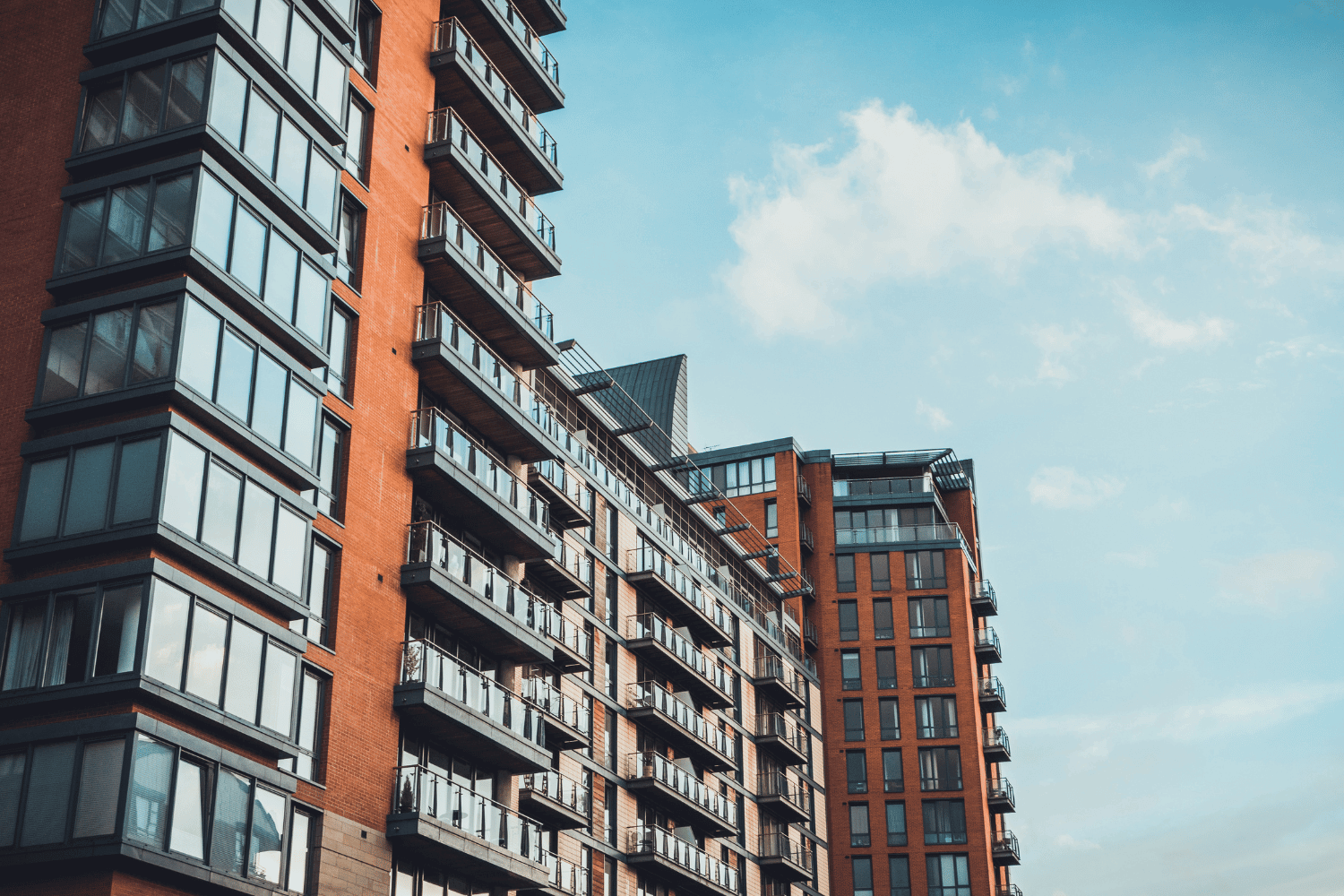
A modern apartment complex showcasing energy efficient windows.
Upgrading to energy-efficient windows can significantly reduce your energy bills while improving insulation in your apartment. Imagine walking into a living space where the temperature is just right, regardless of the season, and knowing that this comfort doesn’t come with skyrocketing energy costs. Energy-efficient windows are designed to keep the heat in during the winter and out during the summer, making your home more comfortable year-round.
Beyond the financial and comfort benefits, new windows can drastically decrease outside noise, creating a peaceful indoor environment. This is particularly important in bustling urban areas where street noise can be a constant disturbance. Modern windows are designed to block out noise, giving you a quieter, more serene living space.
Investing in modern windows also enhances the value of your property, making it more attractive to potential buyers or renters. A well-maintained apartment with updated features can command higher rent or a better sale price, allowing you to make more money. Prospective tenants or buyers often look for properties with energy-efficient and aesthetically pleasing windows, knowing they will save on energy bills and enjoy a quieter living environment.
Moreover, the aesthetic appeal of new windows can transform the look and feel of your apartment. Different styles of apartment windows can make spaces feel larger and more inviting. Whether you’re going for a modern look or a more traditional style, the right windows can complement your interior design and improve the overall ambiance of your home.

Various popular window styles displayed in an apartment setting.
Choosing the right window style for your apartment is crucial, as it affects both the functionality and the aesthetic appeal of your living space. The most favored window styles for apartments include double-hung, casement, and sliding windows, each offering distinct benefits suited to various needs.
High-quality windows can also improve the overall aesthetic appeal of an apartment building. We’ll delve into these popular window styles and see why they might be the perfect fit for your apartment.
Double-hung windows are known for their traditional look, featuring two sashes that slide vertically. This design allows for versatile ventilation, as you can open either the top or bottom sash, or both, to create a balanced airflow. This feature is particularly useful in apartments where air circulation might be limited, providing a practical solution for better indoor air quality.
Double-hung windows are also easy to clean, as both sashes can be tilted inward. This straightforward maintenance is particularly useful in high-rise apartments where exterior cleaning is challenging. Their classic appearance complements various architectural styles, enhancing both charm and functionality.
Casement windows open outward, offering optimal airflow and a modern look while sealing tightly against the frame. Their hinge design promotes excellent ventilation, making them ideal for rooms needing fresh air circulation, such as kitchens or bathrooms.
Their sleek design complements modern interiors and provides unobstructed views, making your living area feel more open and connected to the outside.
Sliding windows are favored for their space-saving design and horizontal operation, making them easy to use and ideal for apartments with limited space. They maximize available area and create seamless transitions between indoor and outdoor spaces, perfect for balconies or patios.
Their ease of use and low maintenance make sliding windows a practical option for busy tenants. Their modern look and functionality enhance the overall appeal of your living space, combining practicality with style.
Different types of windows in apartments
Selecting the right materials for apartment windows is crucial for balancing energy efficiency, aesthetics, and durability. Different materials, such as vinyl, aluminum, and wood, each provide unique benefits and drawbacks impacting their suitability for apartment settings.
We’ll explore the pros and cons of these materials to help you make an informed decision based on your needs and preferences.
Vinyl windows are cost-effective and require minimal upkeep. Their resistance to warping and fading ensures long-term durability and aesthetic maintenance, making them a popular choice for budget-conscious homeowners.
Double-pane vinyl windows feature two layers of glass with an insulating gas in between, offering substantial efficiency. This design maintains comfortable indoor temperatures and reduces energy bills.
Aluminum windows are lightweight and strong, offering excellent durability. Their strength allows them to withstand various weather conditions and impacts, making them reliable for apartment buildings. However, aluminum windows tend to have lower energy efficiency due to their high thermal conductivity.
Despite lower energy efficiency, aluminum windows are often chosen for their sleek, contemporary look. They require minimal maintenance and can last many years, making them a practical choice for apartment owners.
Although wood windows can be more expensive upfront, their durability can make them a worthwhile investment over time. They provide excellent natural insulation and aesthetic charm but require regular maintenance to prevent issues like rot.
Wood windows provide excellent insulation and aesthetic appeal but are generally more expensive and require more upkeep. Their classic look can enhance your apartment’s value and appearance, appealing to those willing to invest in long-term benefits.
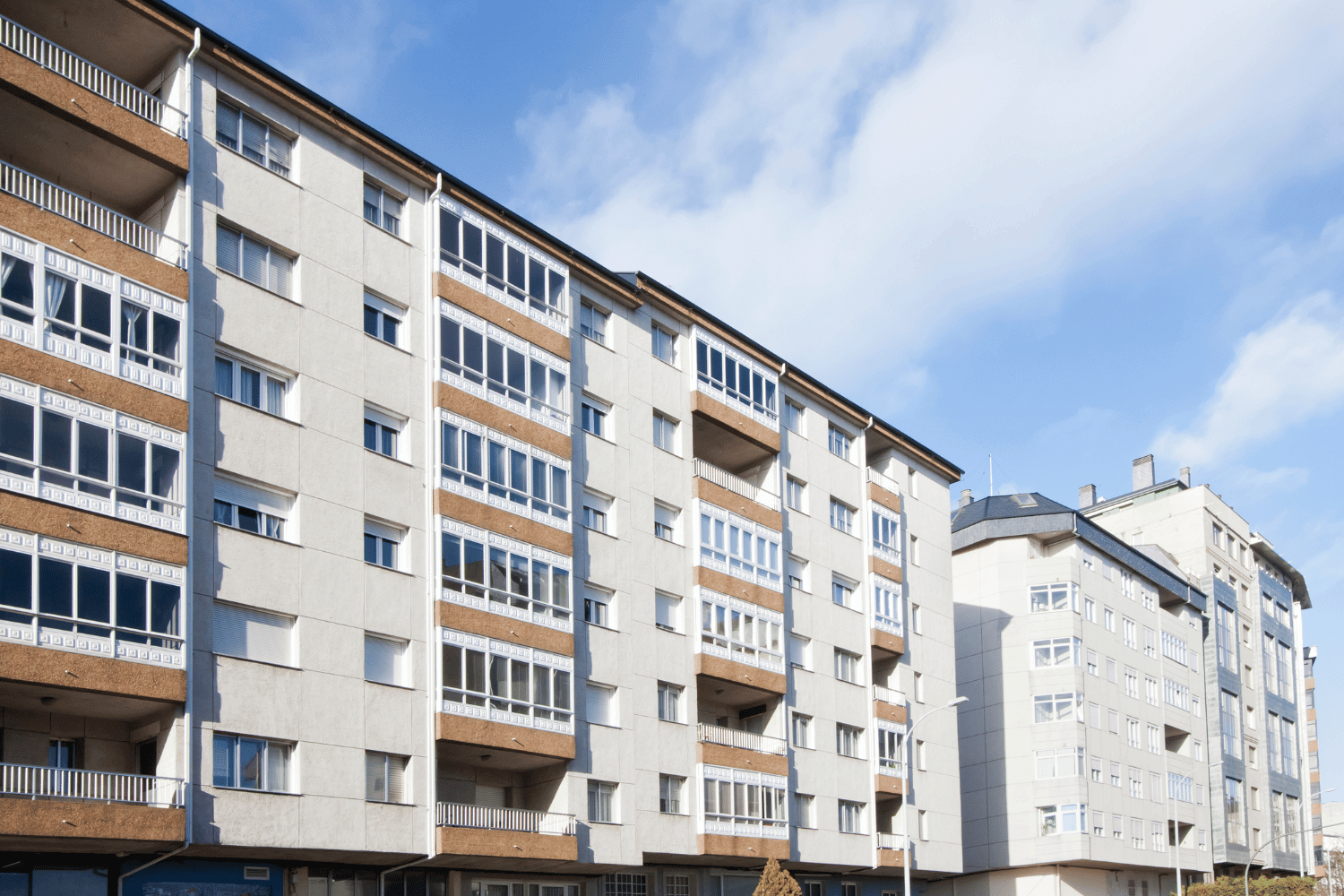
Illustration of energy-efficient features in apartment windows.
Upgrading to energy-efficient windows can lead to significant reductions in energy bills for residents. These windows contribute to better indoor air quality by minimizing drafts and humidity levels. Evaluating energy efficiency ratings of windows should be part of the selection process, as it impacts cost savings, insulation, and temperature control.
Energy-efficient windows offer cost savings, improved insulation, and better temperature control, making them a smart investment for any apartment window.
Double-pane and triple-pane glass offer better insulation than single-pane glass, significantly reducing heat transfer. These windows maintain comfortable indoor temperatures year-round, increasing energy efficiency and reducing energy costs.
Low-E coatings on these windows further enhance insulation by reflecting heat back into the building during winter, contributing to overall energy efficiency.
Low-E coatings reduce heat exchange, enhancing overall energy efficiency. They reflect infrared and ultraviolet light without compromising visible light, improving temperature regulation.
Effective weatherstripping prevents air leaks, significantly improving a window’s energy performance and maintaining energy efficiency.
This simple yet effective feature can greatly enhance the overall insulation and energy savings of your apartment complex.
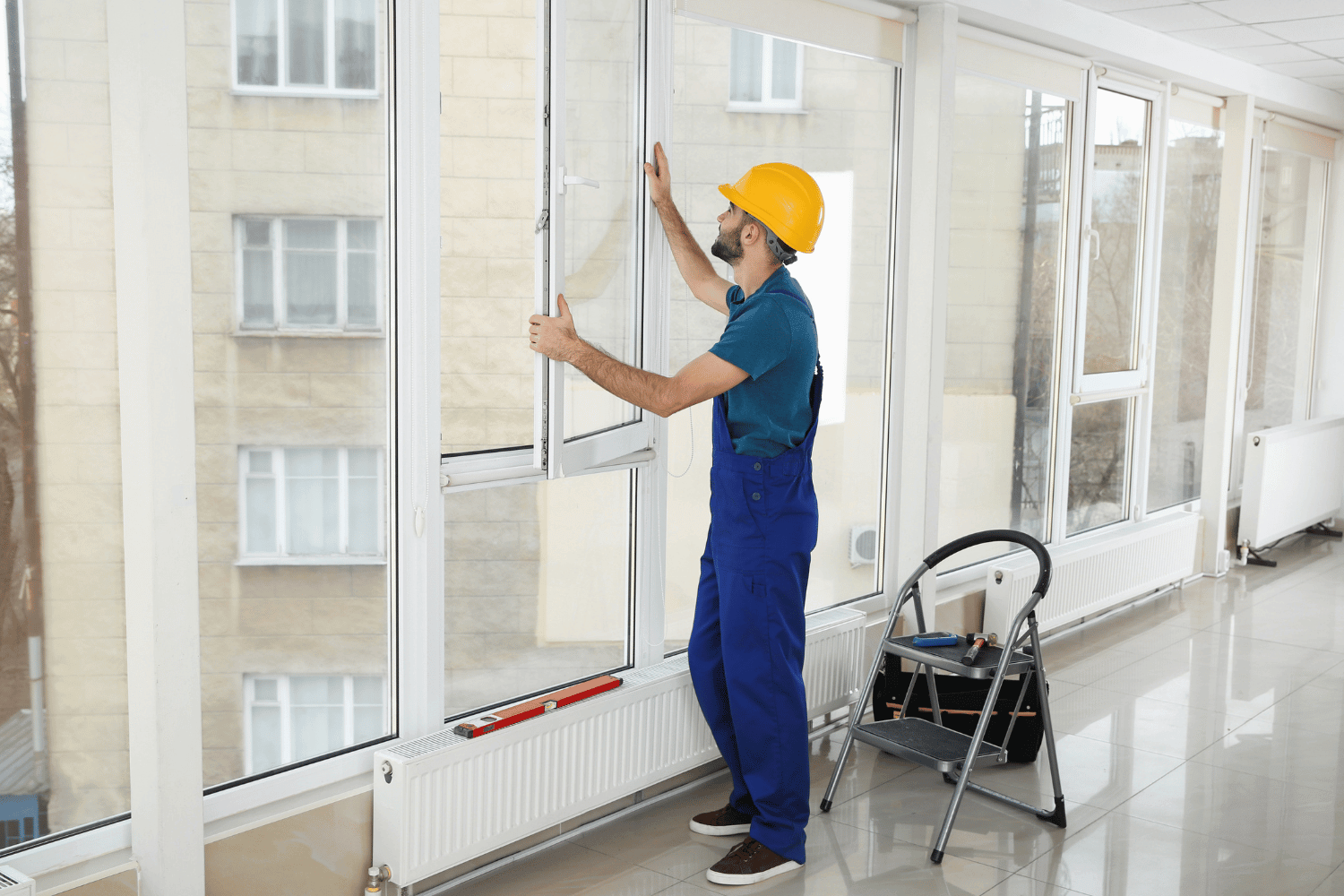
A breakdown of cost considerations for replacing apartment windows.
Several factors, including window style, size, and location, significantly influence the cost of window replacement. Larger windows generally incur higher costs due to the increased amount of materials and labor required. Custom window shapes often result in a higher replacement cost because of the added complexity in manufacturing and fitting.
The location of the property can affect window replacement costs because of regional differences in labor rates and material prices. Replacing windows with vinyl frames is considered cost-effective but may lack the aesthetic appeal of wood frames, which are more expensive.
The average cost to replace a window typically ranges from $200 to $1,200, with an average around $600, making it important to consider windows cost when planning your budget.
Hiring an experienced window installer minimizes risks associated with new installations. Select a company that specializes in window installations to ensure expertise. Inquire about the installation crew to verify their skill level and experience. A minimum of 10 years of experience is recommended for window installers.
Customer reviews are a valuable resource. Positive reviews from previous customers can help ensure reliability. Ensure the installer provides a lengthy warranty, which protects your investment in new windows. Be cautious of unusually low quotes, as they might indicate compromised service quality.
Upgrading windows in apartments offers numerous benefits, from energy savings and noise reduction to enhanced property value and aesthetic appeal. By choosing the right window styles and materials, and considering energy-efficient features, you can significantly improve the comfort and functionality of your living space.
Investing in high-quality windows and hiring a reliable installer ensures that your new windows perform optimally and last for years. Remember, the upfront costs are often outweighed by the long-term savings and improved quality of life. Take the step to upgrade your apartment windows today, and experience the difference it makes.
Upgrading your apartment windows is essential for reducing energy bills and decreasing outside noise, which enhances comfort and livability. Additionally, it can boost your property value and improve the overall aesthetic of your home.
Double-hung, casement, and sliding windows are the most popular styles for apartments, each providing unique advantages suitable for various preferences and needs.
Vinyl, aluminum, and wood are the best materials for apartment windows, each offering distinct advantages that can cater to your specific needs. Choose according to your priorities, such as maintenance demands, aesthetics, and insulation properties.
For energy-efficient windows, prioritize double or triple-pane glass, Low-E coatings, and effective weatherstripping. These features significantly reduce heat transfer and improve insulation.
To choose a reliable window installer, focus on their experience and customer reviews, and make sure they provide a comprehensive warranty for their services. This not only guarantees quality but also reflects their commitment to customer satisfaction.
How to install double hung windows and unsure where to start? Our step-by-step guide makes it easy to replace double hung window. You’ll learn how to measure accurately, remove the old window, install the new one, and ensure a perfect fit. Let’s get started!
Precise measurements are essential for a successful double-hung window replacement, including necessary adjustments for a snug fit.
Thoroughly inspect and prepare the window opening for structural integrity before installing the new window, addressing any damage or debris.
After installation, ensure the window operates smoothly and is properly sealed to enhance energy efficiency and prevent air leaks.
Replacing windows requires accurate measurements to ensure a successful window replacement project. Begin by using a metal tape measure to determine the width between the side jambs and the height between the top jamb and the sill. This precision ensures that your new window fits snugly and operates smoothly.
When measuring, always use the smallest dimensions to guarantee a proper fit for your new double-hung window. Subtract half an inch from these smallest dimensions to allow for slight adjustments during installation. This prevents any fitting issues once the window is in place.
For homes with brick walls, subtract a quarter-inch from the shortest exterior measurement, while for other wall types, subtract three-eighths of an inch to accommodate window trim. Ensure the depth of the jambs is between 3 ½ and 4 inches when measuring for double-hung windows. These adjustments ensure a perfect fit, streamlining the installation process.
When it comes to replacing double-hung windows, selecting the right replacement option is crucial for a successful project. One of the first decisions you’ll need to make is whether to install a full-frame replacement window or an insert window. Full-frame replacement windows involve replacing the entire window frame, which is ideal if the existing frame is damaged or you want to change the window size. On the other hand, insert windows, also known as pocket replacement windows, replace only the window sash, making them a popular choice for their ease of installation and cost-effectiveness.
Another important consideration is the material of the replacement window. Vinyl replacement windows are a top choice due to their durability, low maintenance, and energy efficiency. Brands like Andersen Silverline offer high-quality vinyl replacement windows that can enhance your home’s performance and aesthetics.
Additionally, it’s essential to choose a replacement window that matches the size and style of your existing window. Double-hung windows come in various sizes and styles, so ensure your new window aligns with the dimensions and design of your current setup. This attention to detail will help maintain the architectural integrity of your home while providing the benefits of modern window technology.
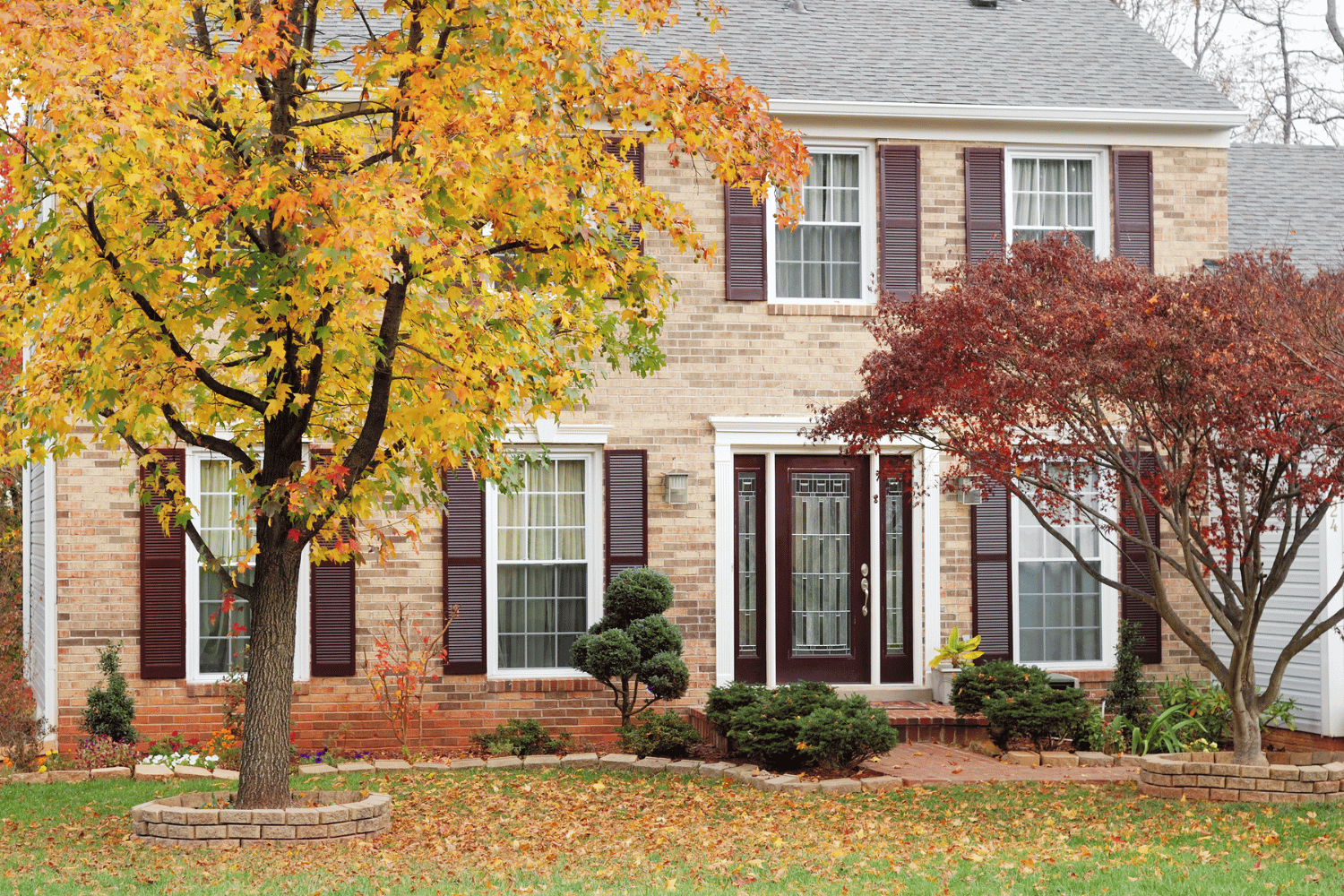
A person using a sharp utility knife to remove an old window frame, showcasing the process of removing a double hung window.
Before starting the removal process, test for lead paint if your house was built before 1978. Safety first! Use a stiff putty knife or a utility knife to carefully remove the interior stops. These stops will be reused, so handle them with care and set them aside safely.
Next, remove all hardware, including the crank mechanism and sash cords. Carefully handle the lower sash to avoid damage. After removing the window sash and hardware, keep the stops handy for later use.
The old window frame might be tricky to remove, especially if it’s been in place for many years. Use a utility knife to cut through any old paint or caulking that might be sealing the window in place. Carefully break the paint seal along the interior stops to avoid damaging them. Gently pry the window frame from the opening using a stiff putty knife and a pry bar, ensuring you don’t damage the surrounding wall or trim.
With the old window removed, inspect the opening for any signs of damage. This guarantees a solid foundation and perfect fit for your new window.
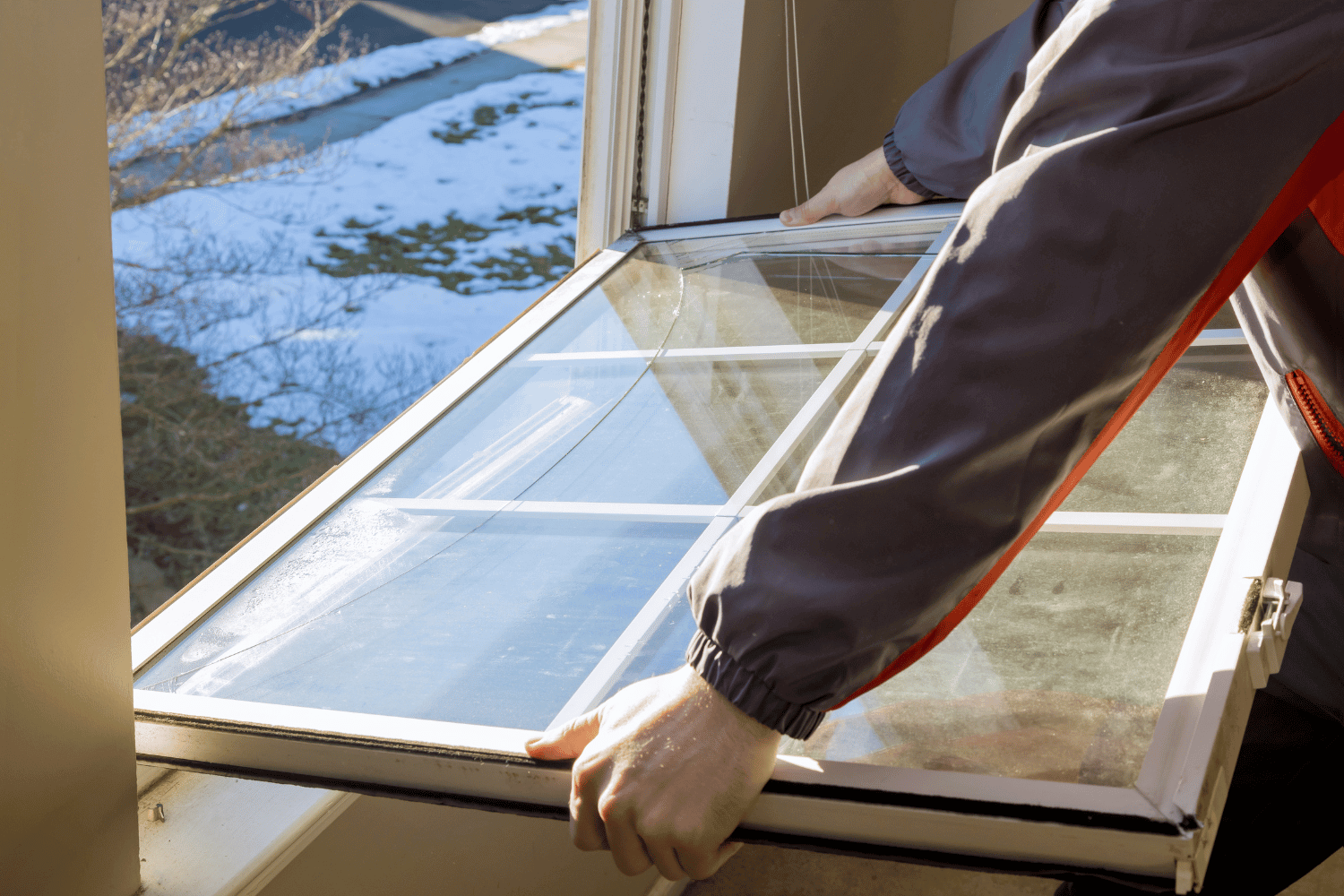
Illustration of preparing the opening of window replacement
With the old window out, prepare the opening for the replacement windows installation. Review the measurements and ensure the structural soundness of the frame, carefully extracting the window casing to avoid damage, as it may be reused during the installation of a new window. A visual inspection will help you spot any signs of water damage, warping, or loose components.
Common areas to check for rot include the windowsills and lower sections of the exterior trim. If you find any damage, address it before proceeding. Clean the opening of any loose debris to ensure a proper seal and fit for the new window.
In some cases, brace the wall structure to support the new window installation. This maintains the wall’s integrity and ensures smooth operation of the new window.
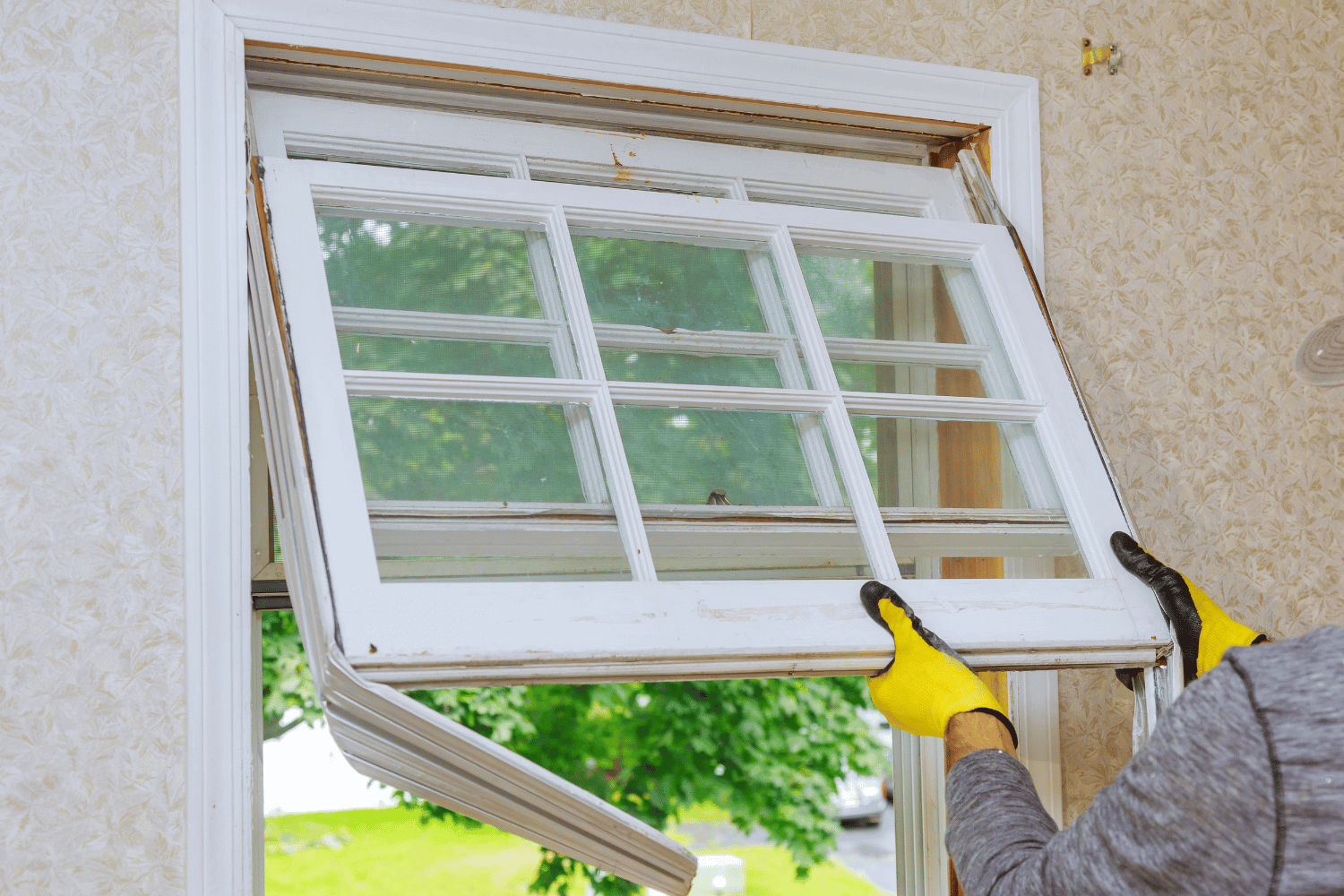
An illustration of a new double hung window being installed in a window opening, highlighting the installation process.
Check the rough opening for squareness and level before you install double hung windows. Set the window on the sill and tilt it into place against the blind stop. Ensure the window opening is slightly larger than the new window unit to allow for adjustments.
Use wood shims to level the window and secure it within the opening. Measure diagonally across the window and adjust the shims until the opposite corner measurements match. This step ensures the window is square and will operate correctly.
If the window is not positioned correctly, adjust it by removing and repositioning the screws. Be cautious when tightening the screws, as overtightening could warp the vinyl jamb. Proper alignment and securing of the window ensure its longevity and functionality.
With the entire window set and level, check the operation of both the upper and lower sashes. Ensure they slide smoothly and align correctly with the side jambs. This final check ensures that the window is properly installed and ready for the next steps.
If you’re looking to replace just the sash in an existing double-hung window, installing a double-hung sash kit is an excellent option. These kits typically include two new wood window sashes, two vinyl jamb liners, and all the necessary installation hardware. The process is straightforward and can be completed with a few basic tools.
Start by removing the old sash and cutting the sash cords. Carefully take out the parting stop and discard it. Next, attach the jamb liner clips to the jamb and snap the vinyl jamb liners over the metal clips. This step ensures the new sashes will slide smoothly. Add the top parting stop and position the sash lifts according to the manufacturer’s instructions.
Finally, install the new sash by placing it into the jamb liners and ensuring it is properly aligned and secured. Check that the sash operates smoothly and make any necessary adjustments. This method of replacing the sash can breathe new life into your existing double-hung window without the need for a full replacement.
A person securing and insulating a newly installed window, focusing on the finishing touches of window installation.
Install screws in the premade holes using a screw gun to secure the new double-hung window. Use the new securing screws that came with the window unit to ensure a proper fit. After leveling the window, tighten all installation screws to avoid alignment issues.
Proper insulation is key to the window’s performance and energy efficiency. Use low expansion foam insulation around the window to fill any gaps and prevent drafts. Proper insulation ensures your home remains comfortable and energy-efficient, reducing heating and cooling costs.
Apply insulation evenly and ensure it does not over-expand, which could warp the window frame. This maintains the structural integrity and proper operation of the new window.
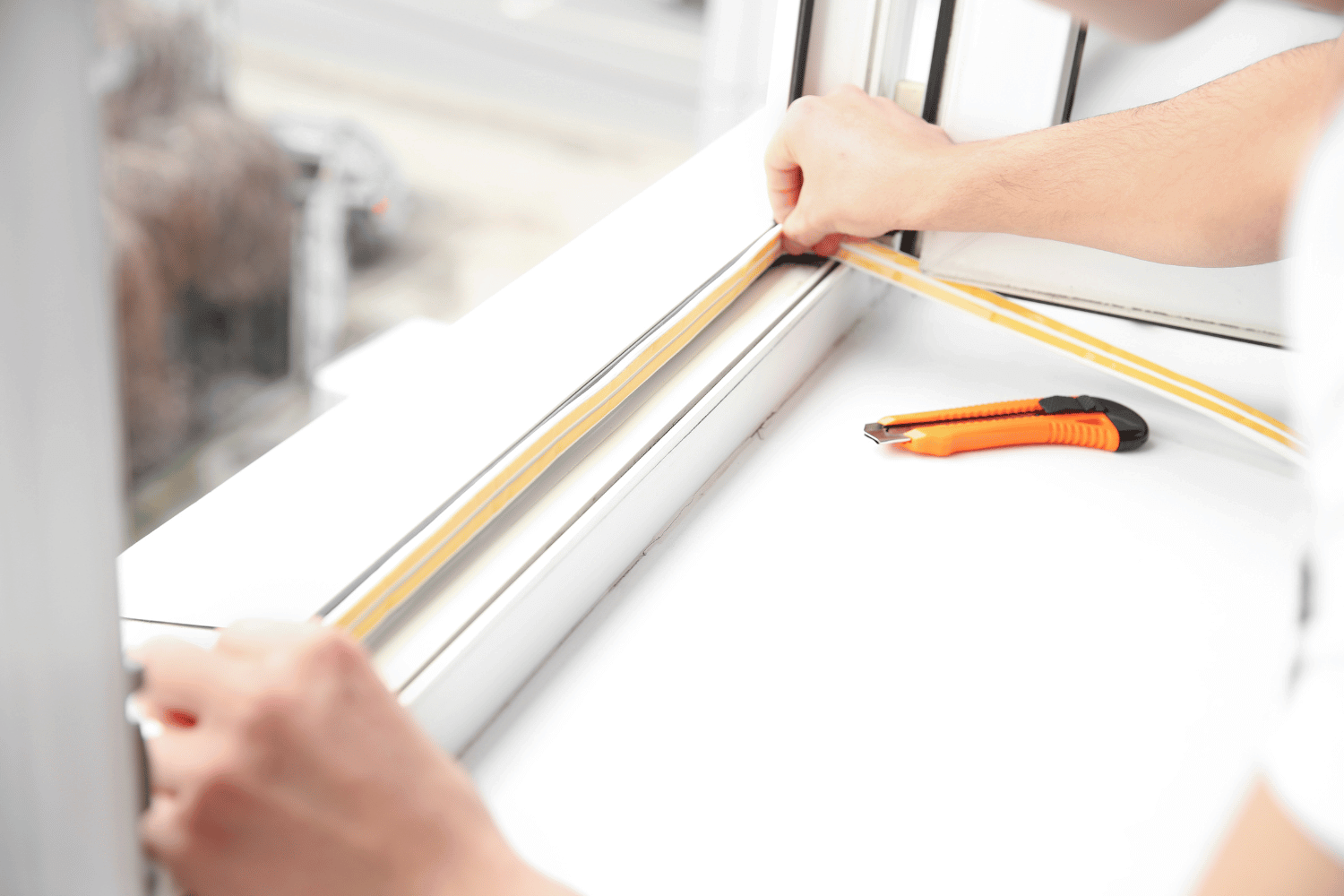
Illustration of window frame preparation
With the window insert securely in place, reinstall the wood interior stops on the sides and top of the window using 4d finish nails. These stops will hold the window sash in place and complete the installation.
To seal any gaps around the window frame, use a silicone-based caulk. This caulk provides a durable, weather-resistant seal that prevents air leaks and enhances the window’s energy efficiency.
Apply trim molding around the window frame for a polished look and additional sealing. This finishing touch not only improves the aesthetics of the window but also ensures a tight seal against air and water infiltration.
When replacing a double-hung window, it’s essential to assess the condition of the existing window frame. The frame should be structurally sound and free of rot or damage. If you find any issues, it may be necessary to replace the entire window frame to ensure a secure and long-lasting installation.
Consider the material of the window frame as well. Common materials include wood, vinyl, and aluminum. Vinyl window frames are particularly popular due to their durability, low maintenance, and energy efficiency. They can withstand various weather conditions and require minimal upkeep, making them a practical choice for many homeowners.
Proper sealing and insulation are also critical to prevent air leaks and moisture damage. Use high-quality caulk and weatherstripping to seal any gaps around the new window. This step not only enhances energy efficiency but also protects your home from potential water damage.
By carefully evaluating the condition of the existing frame and choosing the right materials and sealing techniques, you can ensure a successful and energy-efficient window replacement project.
Test both the upper and lower sashes to confirm they operate smoothly after installation. Check that the window is level and square by measuring diagonals and ensuring the sashes are parallel with the sill and top jamb.
Tighten the screws and check that the sashes slide easily and align correctly as the final step. This ensures that the window functions as intended and provides the expected benefits of improved energy efficiency and aesthetics.
Replacing double-hung windows may seem complex, but by following these steps, you can achieve professional results. Accurate measurements, careful removal of the old window, thorough preparation of the opening, precise installation, and proper securing and insulation are all crucial stages.
We hope this guide has provided you with the confidence and knowledge to tackle your window replacement project. Remember, the effort you invest today will pay off in improved energy efficiency and the enhanced beauty of your home.
To measure for a double-hung window replacement, use a metal tape measure to find the width between the side jambs and the height from the top jamb to the sill. Subtract ½ inch from the smallest dimensions to ensure a proper fit.
It is crucial to test for lead paint before proceeding with any renovations in homes built before 1978 to ensure safety. Always prioritize safety measures during such renovations.
To ensure the new window is level and square, utilize wood shims for leveling and check the diagonal measurements; they should match at the opposite corners. This method will help you achieve a properly aligned installation.
For improved energy efficiency, it is recommended to use low expansion foam insulation to fill gaps around the new window. This ensures a proper seal and enhances overall insulation performance.
To finish the installation, reinstall the wood interior stops with 4d finish nails, seal any gaps using silicone-based caulk, and apply trim molding for both aesthetic appeal and additional sealing. This will ensure a polished and complete look to your installation.
Wondering how to find the best Windows for Old House? This guide covers how to evaluate your current windows, the benefits of new ones, and how to choose replacements that match your home’s unique style.
Old windows, particularly those over 20 years or in poor condition, often need replacement for improved insulation and energy efficiency.
Replacing old windows enhances home comfort, energy savings, aesthetic appeal, and can increase property value.
Selecting the right replacement windows involves evaluating style, material, installation methods, and ensuring proper measurement for optimal performance.
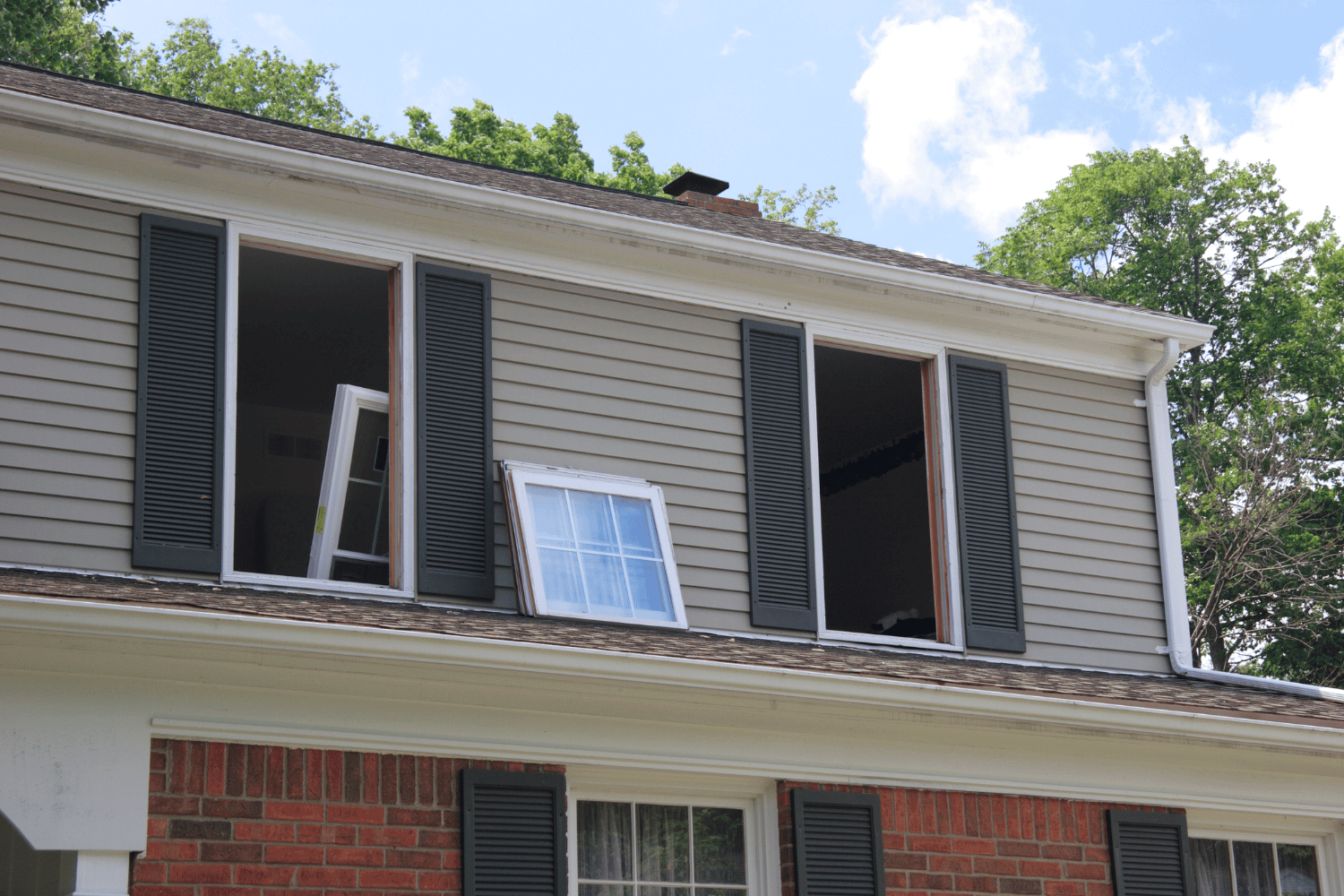
Assessing your old house windows helps determine if they need replacement. Windows over 50 years old or even more than 20 years old often require replacement due to wear and inefficiency. Cracks, warping, and drafts signal that windows are past their prime and need attention. These issues not only affect appearance but also significantly impact insulation and home comfort.
Single-pane windows, typical in older homes, lack proper insulation, contributing to drafts and higher energy costs. Assessing their performance is crucial, even if they seem in good condition, to ensure they meet modern standards. Upgrading to double pane windows can significantly improve energy efficiency.
Environmental factors and regular maintenance significantly affect window lifespan. Neglecting maintenance can lead to drafts and leaks, compromising efficiency. Thus, evaluate both the physical condition and maintenance history of your windows.
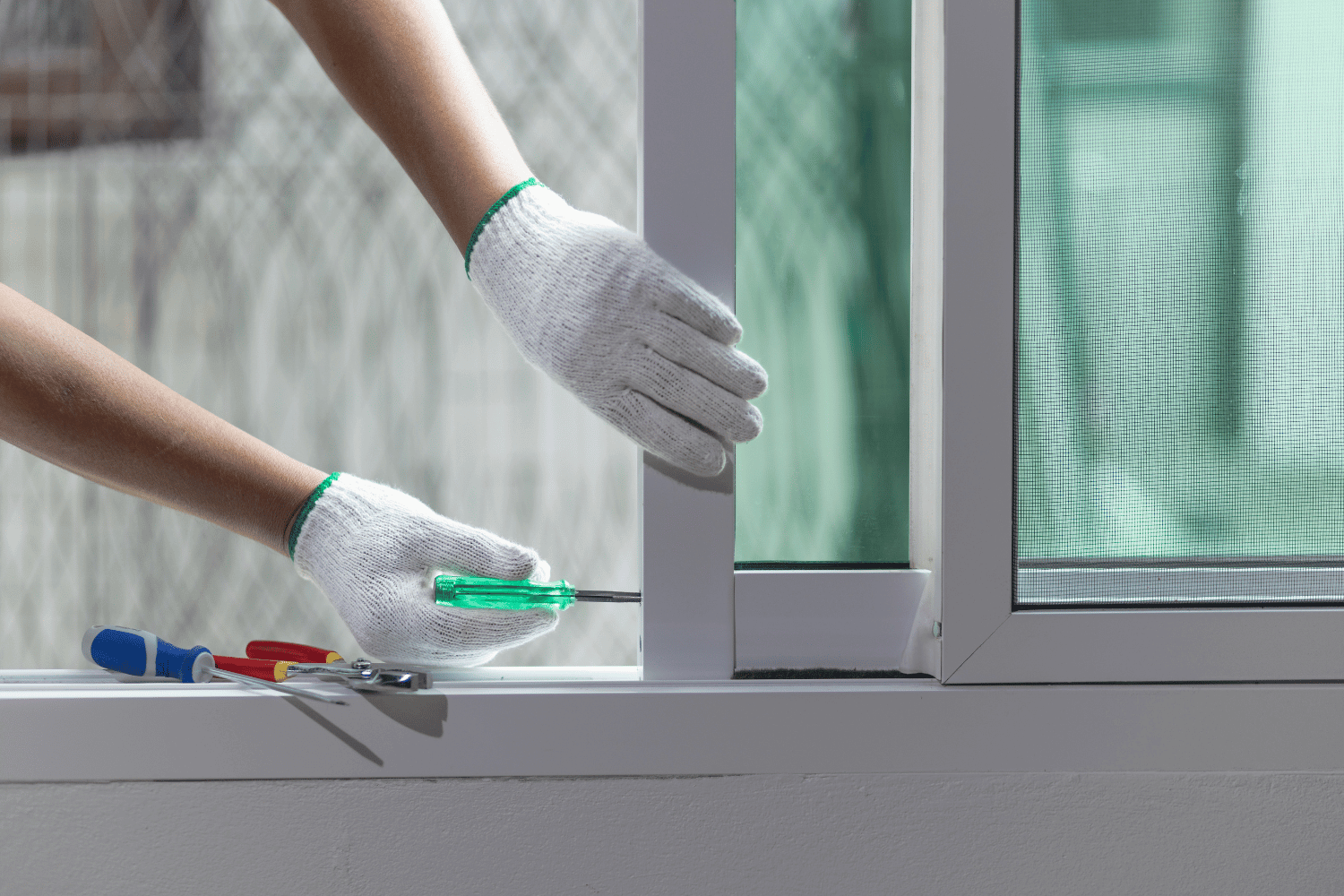
Replacing old windows offers numerous benefits, including improved energy efficiency. Windows installed two decades ago likely fall short of today’s energy standards, leading to higher costs. Modern replacement windows, such as double or triple-pane windows, provide better insulation, significantly lowering energy costs and improving home comfort.
New windows not only boost energy efficiency but also enhance your home’s aesthetic appeal. They fit seamlessly into your vision, whether modern or historical, and improve functionality with smoother operation and better security features.
Replacing old windows can increase property value and curb appeal, making your home more attractive to buyers. This investment pays off through energy savings, comfort, and added long-term value.
Deciding whether to repair or replace old windows can be challenging. Repairing is often more economical for minor issues, preserving the original windows’ beauty and craftsmanship. However, significant damage or irreparable issues may necessitate replacement.
New windows can be a substantial investment due to labor, manufacturing, installation, and finishing costs. Therefore, carefully evaluate the condition of your existing windows. Factors such as leakiness, the condition of the window frames, and regulatory requirements for historic homes are critical in deciding whether to repair or replace.
Repairing old windows can be a temporary solution, but consider long-term performance and energy efficiency. If you need to replace windows that are significantly damaged or non-compliant with current codes, replacement may ensure your home’s comfort and safety.
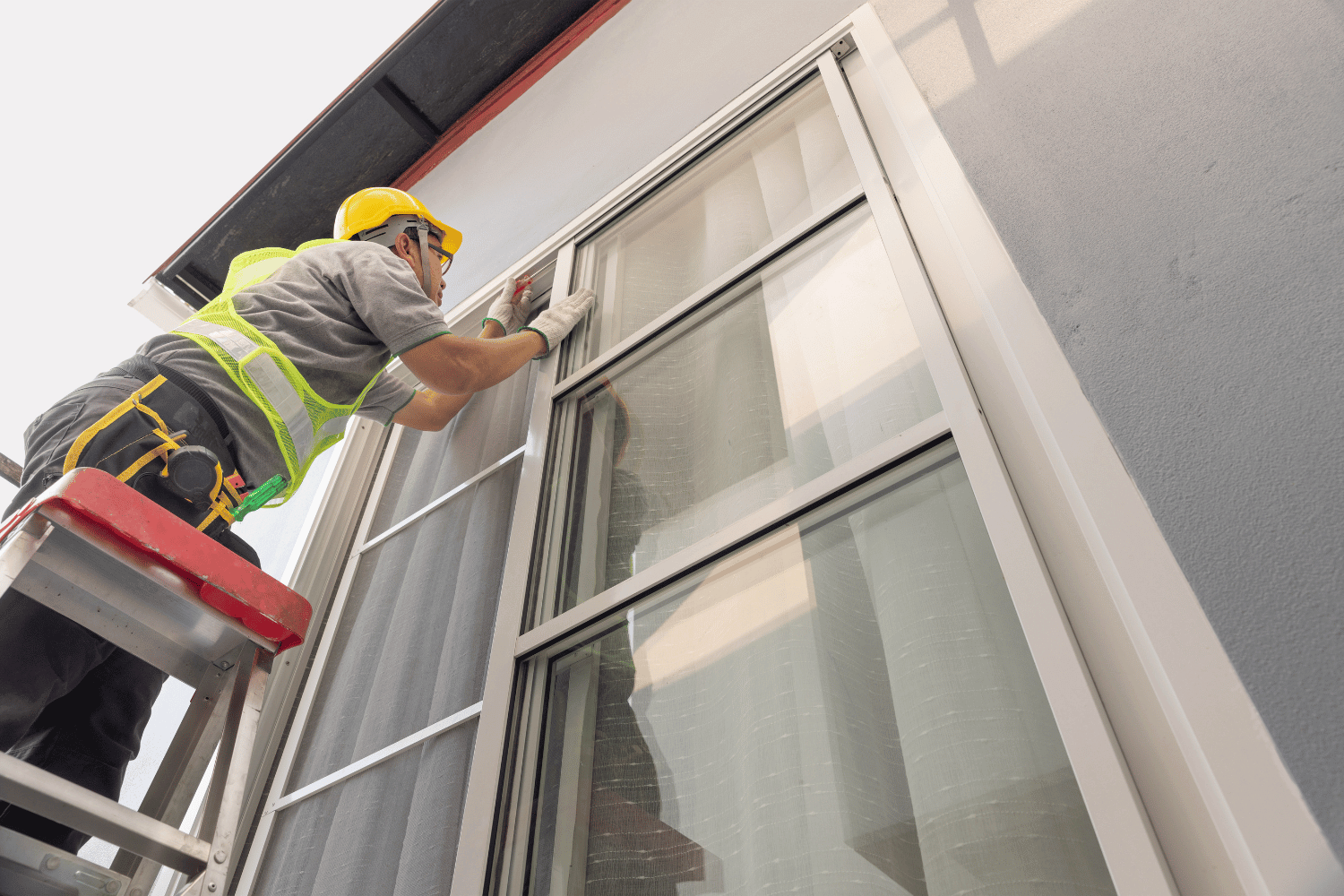
Choosing the right replacement windows for old houses involves considering style, performance, and material. Select windows that complement your home’s architectural style. For instance, colonial-style homes typically benefit from 6-over-6 casements or double-hung windows, while classic cottage homes should feature double-hung sash windows with multiple lights.
Options for replacing windows old windows include full-frame, insert replacement, and sash replacement kits. Understanding window components and types helps make an informed decision balancing aesthetics, performance, and cost.
Custom-made windows often accommodate unique, non-standard window openings in old houses. Designed to match the original architecture, they ensure historical accuracy and maintain your home’s charm. Custom windows provide a perfect fit, eliminating gaps, reducing leaks, and enhancing the overall aesthetics of your house.
Choosing custom-made windows preserves your home’s historical integrity while incorporating modern technology, blending old-world charm with contemporary functionality.
Energy-efficient windows are essential for any replacement project. With two or three panes, low air infiltration rates, and low-E coatings, they significantly boost energy efficiency. Using low-E coated windows can result in a 30% to 50% reduction in energy loss, substantially lowering your utility bills.
Choosing energy-efficient windows goes beyond saving money; they create a more comfortable living environment by maintaining indoor temperatures, reducing drafts, and boosting home value for energy-conscious buyers.
The material of window frames is crucial when selecting replacement windows. Common materials include wood, vinyl, aluminum, fiberglass, and composites. Historically, wood has been popular in older homes for its traditional look and workability.
Vinyl replacement windows offer durability and low maintenance but must be compatible with historical regulations before installation. Fiberglass frames, though durable and low-maintenance, can be more expensive and may lack the vintage look desired in older homes.
Composite frames, made from wood fibers and thermoplastic, need no maintenance and are similarly priced to wood. Aluminum frames, while economical, retain heat and are prone to condensation, affecting energy efficiency.
Consider maintenance needs and aesthetic preferences when selecting replacement windows to ensure they match your home’s style.
Proper installation is crucial for the performance and longevity of replacement windows. Though the process can be disruptive, the outcome justifies the temporary inconvenience. Installing an average-sized window on the ground floor takes about 4–6 hours, with disruption varying based on the size and number of windows replaced.
Inspect weatherstripping for wear to ensure airtight seals and prevent drafts. Regularly check for cracks or damage to glass and frames to catch minor issues early. Professional inspections can catch potential issues that might be overlooked during regular maintenance.
Accurate measurements are crucial when ordering replacement windows to ensure a proper fit. Measuring the dimensions of the existing window frame is a key step before installation. Measure height and width at multiple points to account for any irregularities.
Accurate measurements ensure a perfect fit, reducing gaps and leaks, and are essential for optimal performance and longevity of your replacement windows.
Choosing between full-frame and insert replacement windows is crucial. Full-frame replacements are used when frames, sills, and jambs are rotted or misaligned. Full-frame replacement windows offer a complete rebuild of the window opening, addressing any underlying issues.
Replacement windows are suitable if existing window frames are in good condition. Choose between full-frame and insert replacement window options based on frame condition and damage extent. This choice affects the overall cost and duration of the project.
Hiring a professional ensures correct installation for energy efficiency and longevity. Professional installation is often covered under a manufacturer’s warranty, providing peace of mind and protecting your investment. DIY installation risks mistakes that could void warranties or reduce window efficiency.
If measuring and installing windows yourself isn’t appealing, hire a window company or carpenter. This ensures the job is done correctly, saving time and avoiding potential headaches.
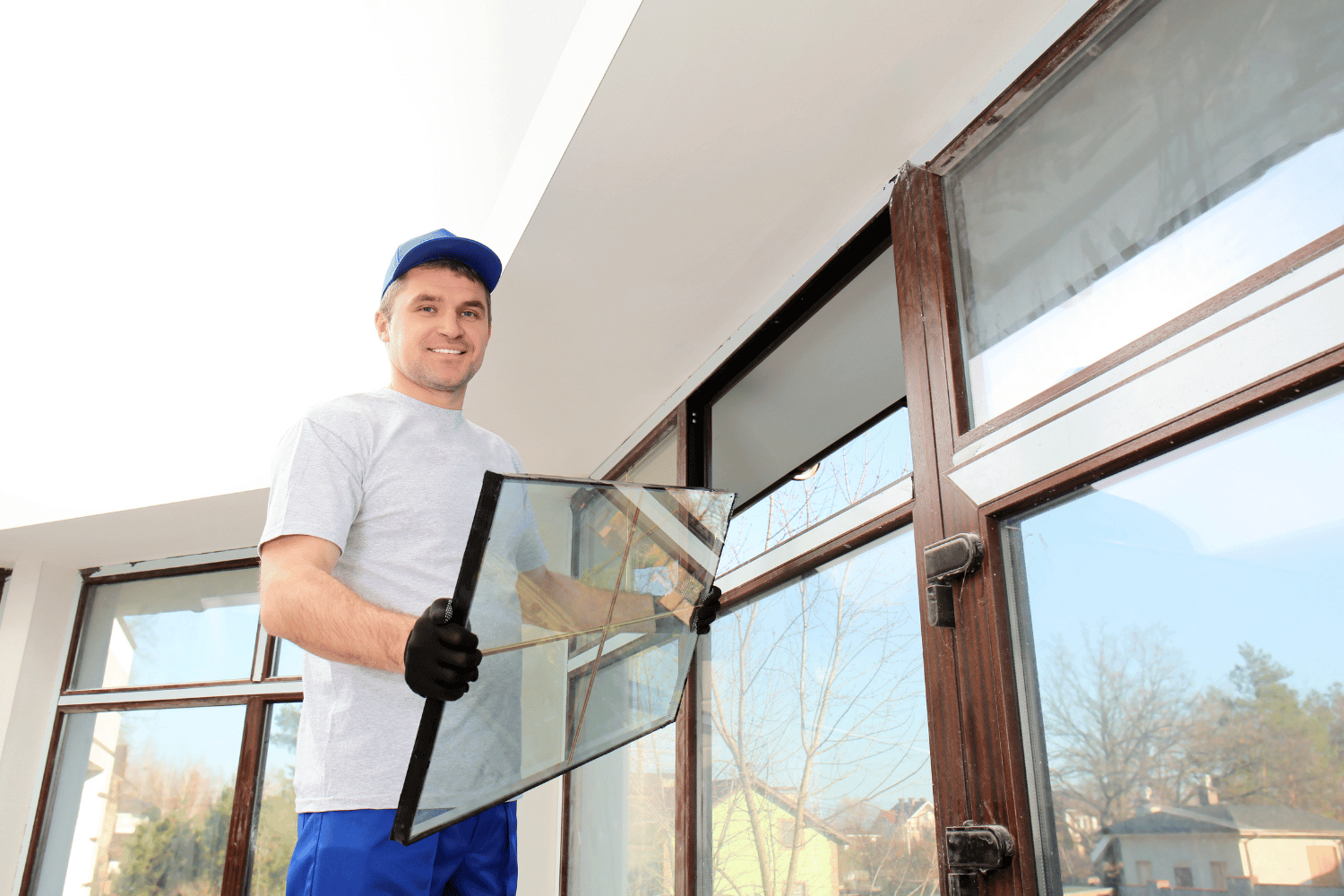
Adding storm windows to old windows significantly boosts energy efficiency, leading to reduced heating and cooling costs. Storm windows also enhance indoor comfort by reducing external noise, creating a quieter living environment.
Modern storm windows integrate well with existing architecture and can be designed for permanent installation. They provide effective insulation while preserving the original windows, adding value to the home and maintaining historical integrity.
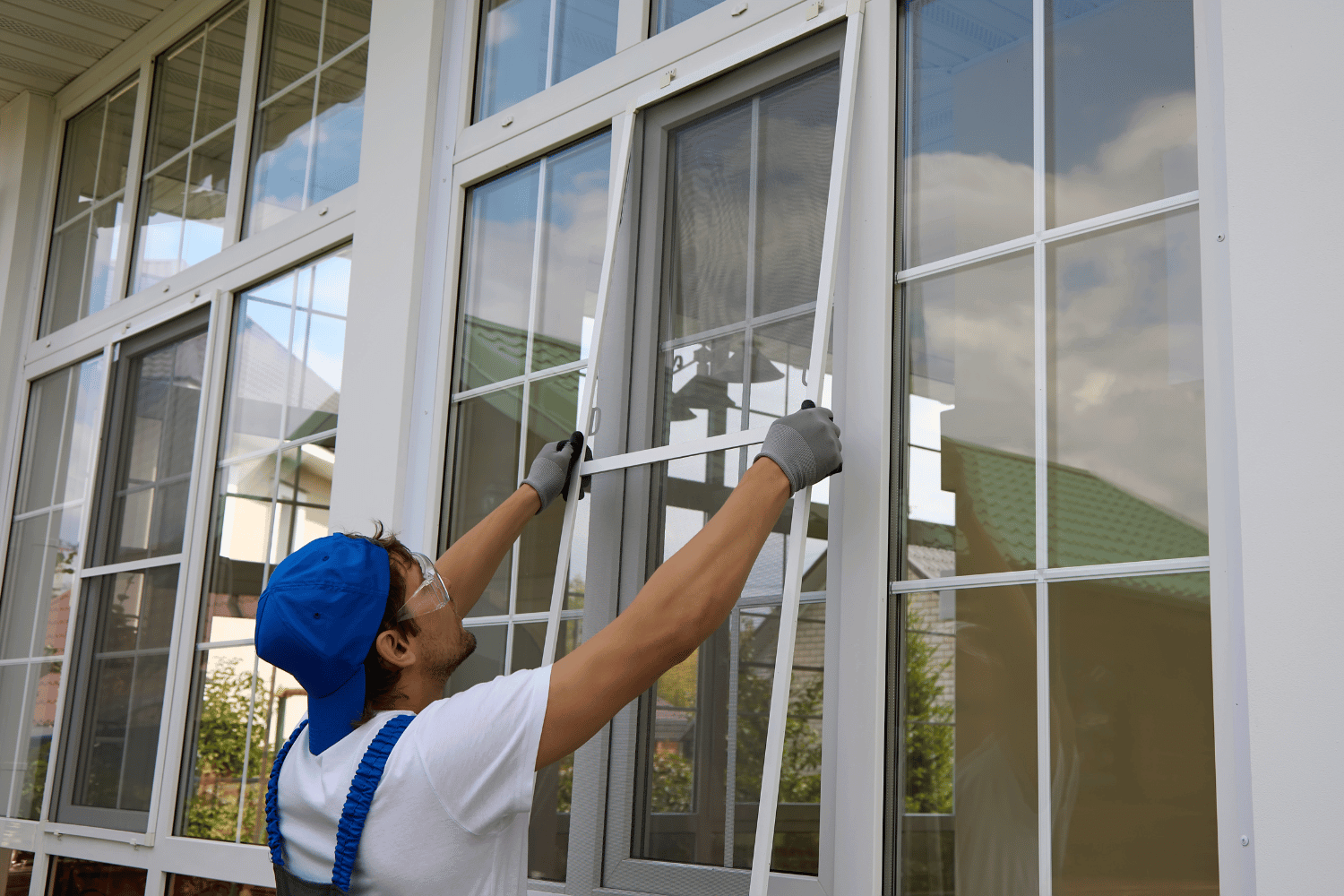
Replacing old house windows is a significant investment, with costs typically ranging from $450 to $1,400 per unit, including labor. Homeowners spend an average of $750 per window on replacements. Labor expenses account for about 15% of the total cost.
Emergency window replacements often incur additional fees due to urgency. Replacing all windows in a home can cost between $18,000 and $20,000 for 25 windows, depending on size, style, and material.
Historic homes may have specific style requirements that increase replacement costs. Low-emissivity coatings or argon gas fills can also raise window costs. Budget for these potential additional costs when planning a window replacement project.
New windows are easier to operate and maintain, reducing frustration from older, stuck windows. Modern windows offer enhanced durability and longevity, often outlasting older models. Routine cleaning with mild soap and a soft cloth maintains the appearance and functionality of windows.
Lubricate moving parts annually to ensure smooth operation and prevent sticking. Clear weep holes to avoid water damage and mold growth. Periodically tighten hardware to enhance security and maintain window functionality.
In summary, replacing old house windows can provide numerous benefits, including improved energy efficiency, enhanced aesthetics, and increased property value. Evaluating your windows, choosing the right replacement options, and considering proper installation methods are crucial steps in this process.
By taking the time to assess your windows and make informed decisions, you can ensure that your home remains comfortable, energy-efficient, and beautiful for years to come. Don’t hesitate to reach out to professionals for guidance and assistance in your window replacement journey.
Your old windows likely need replacement if you notice visible signs of wear such as cracks, warping, drafts, or leaks. Additionally, windows that are over 20 years old are generally good candidates for replacement.
Replacing old windows can notably reduce energy costs while simultaneously boosting home security and enhancing curb appeal, ultimately increasing your property’s value.
If your windows have minor issues, repairing them can be cost-effective; however, significant damage or inefficiency suggests that replacement is the better option. Always consider the condition of the frames and any relevant historical regulations in your decision.
Replacement windows for old houses include full-frame replacements, insert replacements, and sash replacement kits, with custom-made options available to ensure historical accuracy. Choosing the right type will help preserve the character of your home while enhancing energy efficiency.
Replacing old house windows typically costs between $450 and $1,400 per unit, including labor, with variations depending on size, style, and materials. It’s essential to consider these factors when budgeting for your project.

Are you considering upgrading your home’s windows to improve energy efficiency and enhance style? Then you’re in the right place! This comprehensive guide will walk you through the essentials of window replacement, including understanding the basics of the replacement of windows, selecting the right materials, decoding energy efficiency factors, and choosing popular window styles. By the end of this guide, you’ll be well-equipped to make informed decisions and boost your home’s value with stylish, energy-efficient windows.
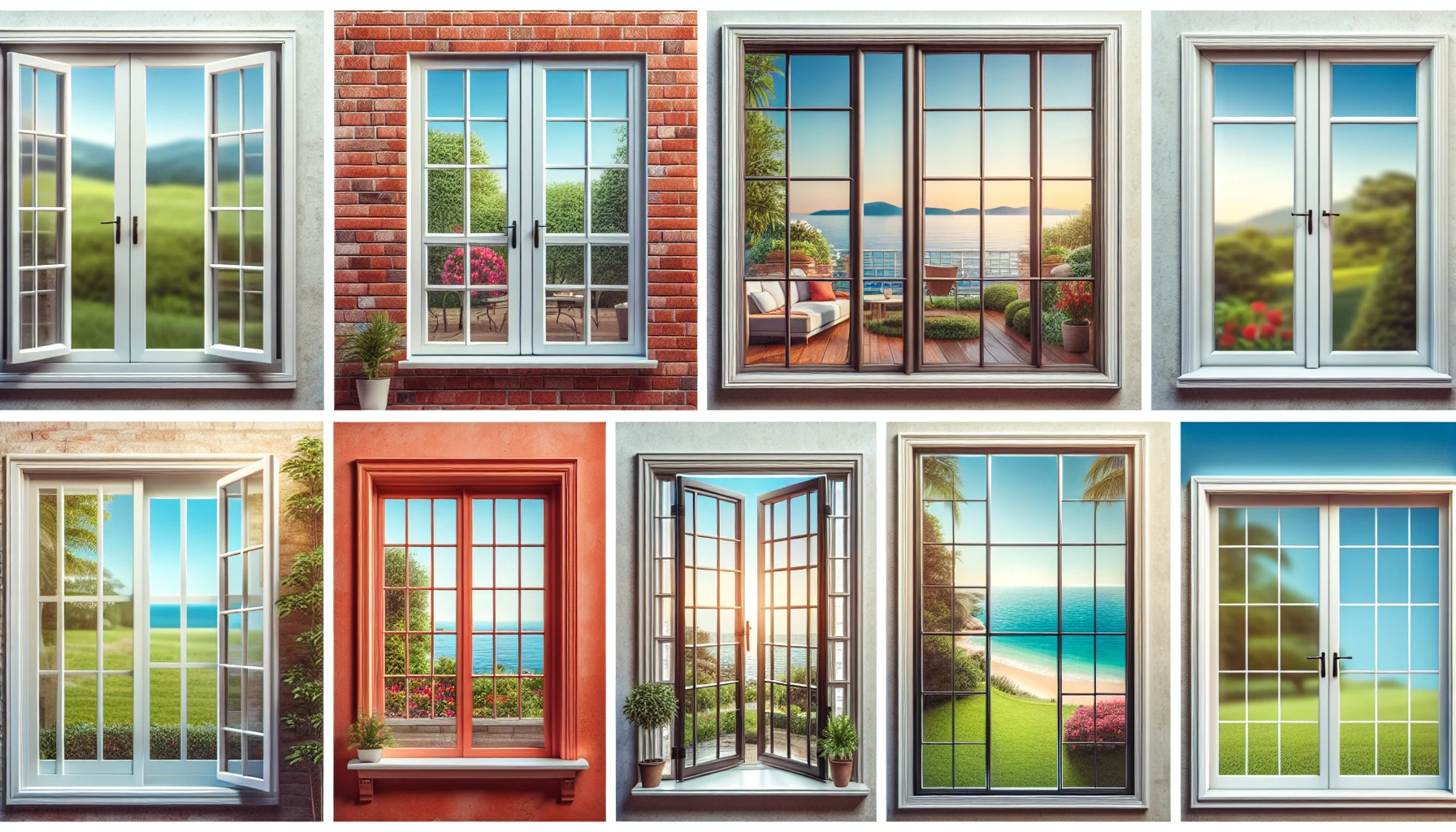
Illustration of different window styles
Window replacement can provide a range of advantages, such as:
Energy-efficient replacement windows can also help reduce energy consumption and lower utility bills. When it comes to choosing the best replacement windows, there are various types of windows available, such as vinyl, wood, and fiberglass, each offering unique benefits and drawbacks.
Understanding your options can guide you to make the most suitable choice for your home.
Recognizing the right time to replace your windows is key to maintaining your home’s comfort and efficiency. Generally, it’s recommended to replace windows every 15 to 20 years. Some signs that it’s time for window replacement include:
Before making a decision, consider factors such as window type, size, shape, material, energy efficiency, and cost.
The window replacement process involves several steps, from selecting the right materials to installing replacement windows, ensuring proper installation. First, set a budget for the project and identify the windows to be replaced.
Next, choose the most suitable window type for your needs and evaluate the energy efficiency of the materials by looking for the NFRC label and Energy Star label.
Finally, hire a qualified installer to guarantee proper installation and review the warranty offered for the replacement materials.
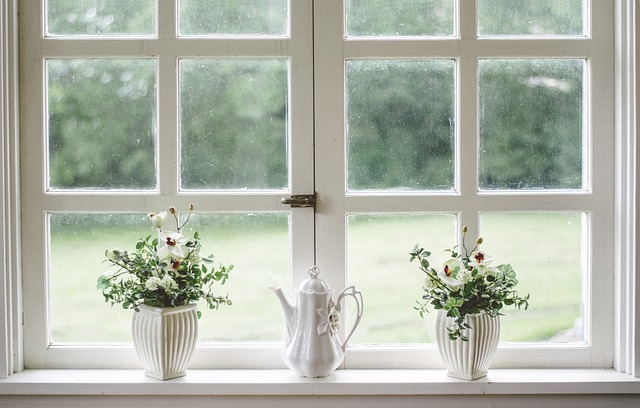
Illustration comparing wood, vinyl, and fiberglass windows
As you select the appropriate material for your new windows, there are several options to consider, such as:
Each material has its own set of advantages and disadvantages, which should be weighed carefully before making a decision.
As we proceed, we will detail each material, providing you with the information you need to make the best choice for your home.
Wood frame windows offer a classic look and allow for the interior to be painted or stained, providing customization options. However, wood windows require more upkeep than other materials and can be more expensive.
Vinyl windows, on the other hand, are a cost-effective solution and require minimal maintenance. However, they may not be as resilient as wood or fiberglass windows and can be susceptible to warping and discoloration over time, which is why some homeowners consider vinyl replacement windows.
Fiberglass windows provide an aesthetic similar to that of a solid wood window, while offering a more reliable structural foundation. They come in three standard colors and feature even coloring on both the interior and exterior surfaces. Although fiberglass windows can be more costly than vinyl windows, they offer excellent insulation, weather resistance, and energy efficiency.
Aluminum and composite windows are other options worth considering for your home. Aluminum windows are lightweight and durable, but they may not be as energy efficient as other materials.
Composite windows, made from a blend of materials like particleboard or laminated strand lumber combined with resin or fiberglass, boast strength and durability. However, they also require more upkeep and may be more expensive than other options.
Photo of a home with energy efficient windows
Energy efficiency is a significant factor to consider during window replacement, as it can contribute to energy savings and reduced utility bills. As we proceed, we will discuss the significance of Energy Star certified windows along with technologies that make windows energy-efficient, helping you better understand the benefits and make informed decisions for your home.
Energy Star certified windows have been evaluated, certified, and validated according to the protocols established by the National Fenestration Rating Council (NFRC) and are regarded as the industry’s highest rating for highly efficient energy-efficient windows. These windows can provide extended energy savings through the reduction of heat loss, as well as features like low-e coatings, argon gas, and double- or triple-pane glass.
Several technologies contribute to the energy efficiency of windows, such as:
These technologies help reduce energy consumption for heating and cooling.
Argon gas, denser than air, is added to the glass unit in double- or triple-paned windows to reduce heat transfer and improve energy efficiency.
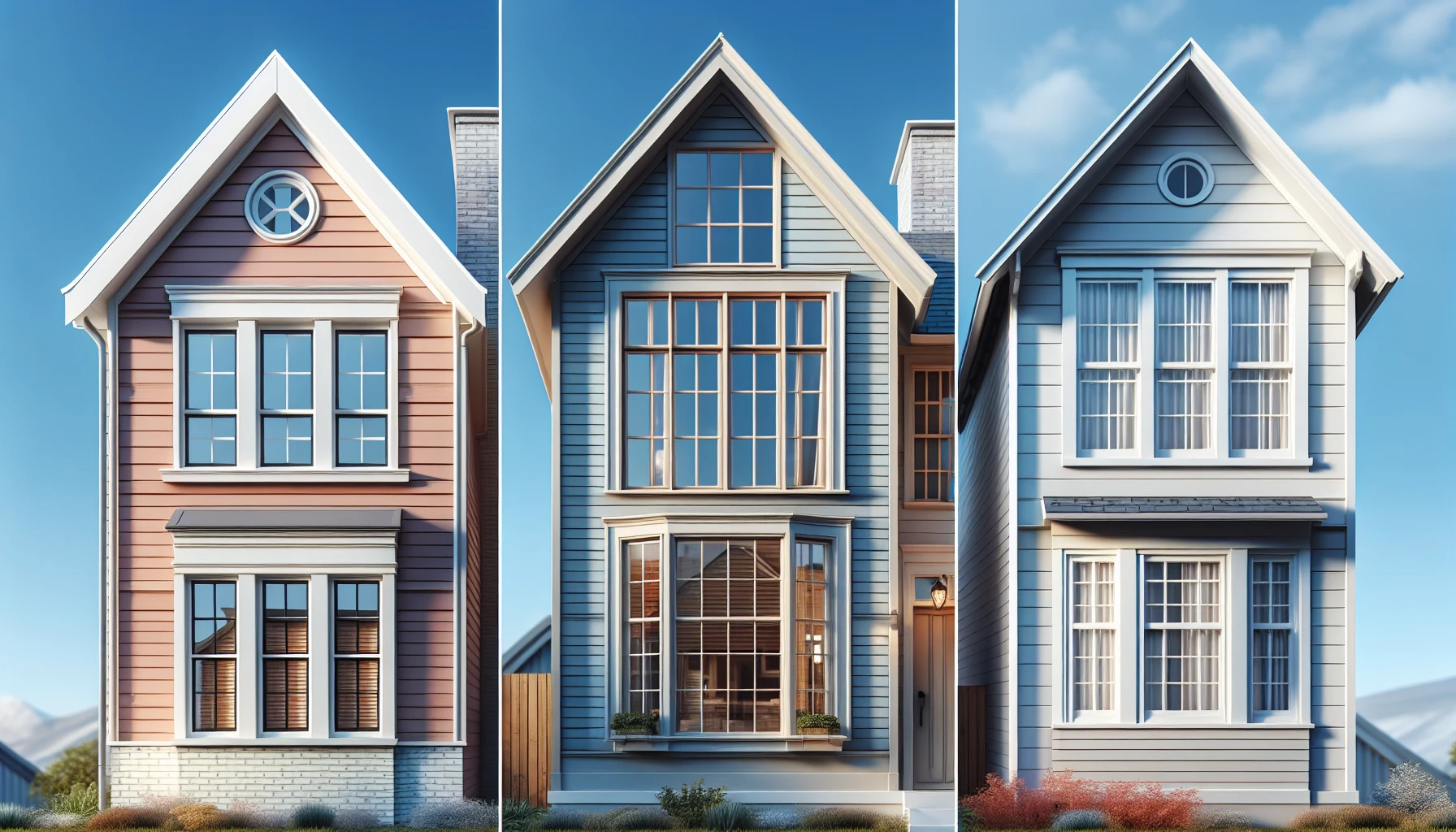
Illustration showcasing popular window styles
There are several popular window styles to consider for your home, each with its own unique features and benefits. We will proceed by discussing the versatility of double-hung windows and the benefits of casement and awning windows to maximize ventilation and natural light. Understanding these popular styles can help you make the best decision for your home’s aesthetics and functionality.
Double-hung windows are incredibly versatile, offering increased ventilation and flexibility in opening and closing both the top and bottom windows. This design allows for an excellent flow of fresh air and improved airflow compared to single-hung windows.
Their practicality and adaptability make double-hung windows a popular choice for various home styles.
Casement and awning windows offer optimal ventilation and natural light, as they open outwardly to the fullest extent, allowing for the most sunlight to enter the space. Casement windows provide precise control in terms of air direction and intensity, allowing for superior airflow in a room.
Awning windows can be securely left open during the night for improved air circulation and ventilation.
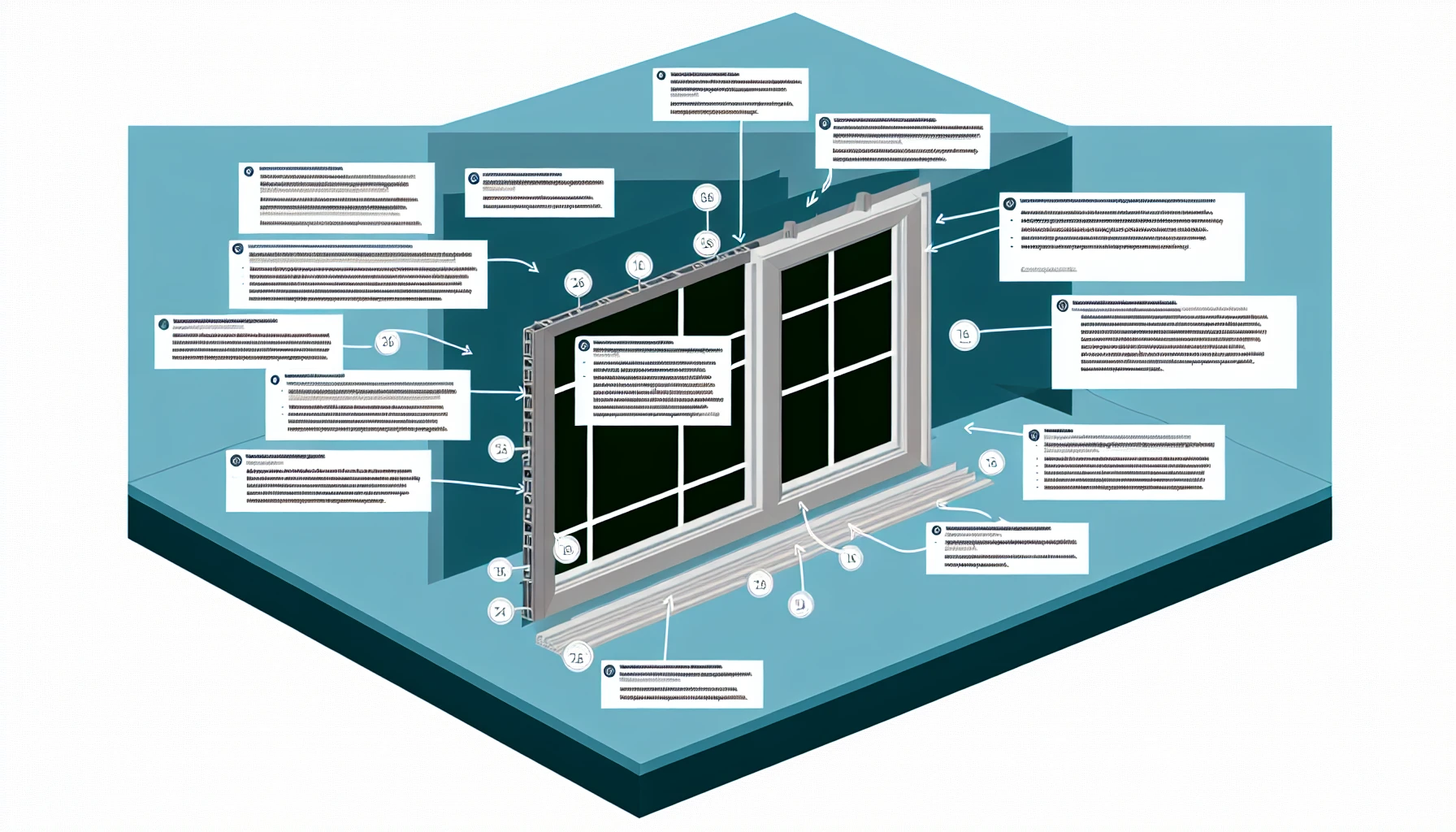
Photo of a window replacement cost breakdown
Accurate cost estimation is a key aspect to consider when planning a window replacement project. Factors that affect the cost of window replacement include the window’s location, the size of the home, and the time of year. We will now provide a breakdown of window replacement costs, including materials, labor, and additional expenses, as well as tips for getting accurate estimates.
Window replacement costs can vary greatly depending on the type of window, the size of the window, and the labor costs associated with the installation. On average, replacement windows cost around $700 per window, including materials and labor. However, the cost can range from $234 to $1,387 per window, depending on the window type and other factors that may influence the price.
In addition to the cost of the windows themselves, other expenses may include:
The labor cost makes up an average of 15% of the total window replacement. It can range from $100 to $400 per window.
To ensure accurate estimates for window replacement, we recommend following these steps:
Obtaining precise estimates from window replacement professionals is key to determining the accurate costs for your project. Potential risks in DIY window installation may include:
Though DIY window installation may appear appealing, one must consider the potential risks and challenges involved. Hiring a certified installer, such as CoMo Premium Exteriors, ensures the quality of the work and could avert potential issues in the future.
We will now discuss the risks associated with DIY window installation and the benefits of hiring certified installers.
DIY window installation may seem cost-effective, but it comes with several potential risks and challenges. Here are some of the potential issues you may encounter:
Considering these risks, it may be worth hiring a professional for your window installation needs.
Certified installers possess the expertise and understanding to guarantee that the window replacement project is carried out correctly and securely. They are also familiar with the most recent technologies and techniques, which can facilitate the project being completed expeditiously and with the best quality outcomes. CoMo Premium Exteriors employs knowledgeable installers who are authorized for the chosen brand and provides a 5 Year Workmanship Warranty.
Hiring a certified installer offers several benefits for your window replacement project:
The investment in a professional installation service is well worth it for these reasons.
Upgrading your home’s windows can not only improve energy efficiency but also enhance your home’s overall aesthetic appeal and boost its value. Selecting the right window design and style is vital to achieving the desired look and feel for your home.
We will now discuss the influence of window design on home aesthetics, and provide tips for selecting windows that enhance your home’s architecture.
Window design can significantly contribute to a home’s curb appeal. Replacing windows can give the home a modern and refreshed appearance, while also complementing the home’s architecture and adding visual appeal to the exterior.
Choosing the right window design can truly transform your home and elevate its overall look.
Selecting windows that complement your home’s architecture is essential to creating a harmonious visual aesthetic. For example, suitable windows for a Craftsman home include:
By taking into account your home’s architectural style and choosing windows that enhance its features, you can create a stunning, cohesive look that increases your home’s value and appeal.
Window replacement can be a significant investment, but there are financing options and incentives available to help make the process more affordable.
We will now explore a variety of financing options for window replacement projects and discuss government and utility incentives for energy-efficient windows.
When considering financing options for window replacement, you may wish to explore:
Many window manufacturers and installers offer financing options for people who want to replace their windows. These options make it easier to afford window replacement.
A home equity loan is a viable option to finance a window replacement project. It allows you to borrow money based on the equity in your home with a low-interest rate and is repaid over time. Be sure to research and compare the terms and interest rates of different financing options to determine the best fit for your needs.
There are government and utility incentives available to help offset the cost of energy-efficient window upgrades. Federal income tax credits are available through 2032, providing up to $3,200 annually to lower the cost of energy-efficient home upgrades. Various utility companies also offer rebates or incentives for energy-efficient windows, which are often provided through energy incentive programs offered by utilities, local governments, and state agencies.
In conclusion, upgrading your home’s windows can significantly improve energy efficiency, enhance style, and boost its value. By understanding window replacement basics, selecting the right materials, decoding energy efficiency factors, and choosing popular window styles, you can make informed decisions for your home. Don’t hesitate to invest in stylish, energy-efficient windows that will transform your living space and provide lasting benefits for years to come.
Replacing all windows at once is usually the more cost effective option, as many window replacement companies offer bulk pricing on both materials and labor. This means you will pay more upfront, but it could save you money in the long run.
Drafts, condensation, difficulty opening and closing, visible damage, and high energy bills are signs that replacement windows may be needed.
When making a decision to replace windows, type, size, shape, material, energy efficiency, and cost should be taken into account.
Energy Star certified windows provide substantial energy savings by reducing heat loss and featuring low-e coatings, argon gas, and double- or triple-pane glass.
Financing options for window replacement include personal loans, home equity loans, HELOCs, and credit cards.
Replacing windows in your home is more than just a cosmetic upgrade; it’s an investment in the comfort, energy efficiency, and overall value of your property. This comprehensive guide will walk you through the essential aspects of window replacement, from understanding the need to replace windows to selecting the right materials and style to suit your needs. Let’s jump right in!
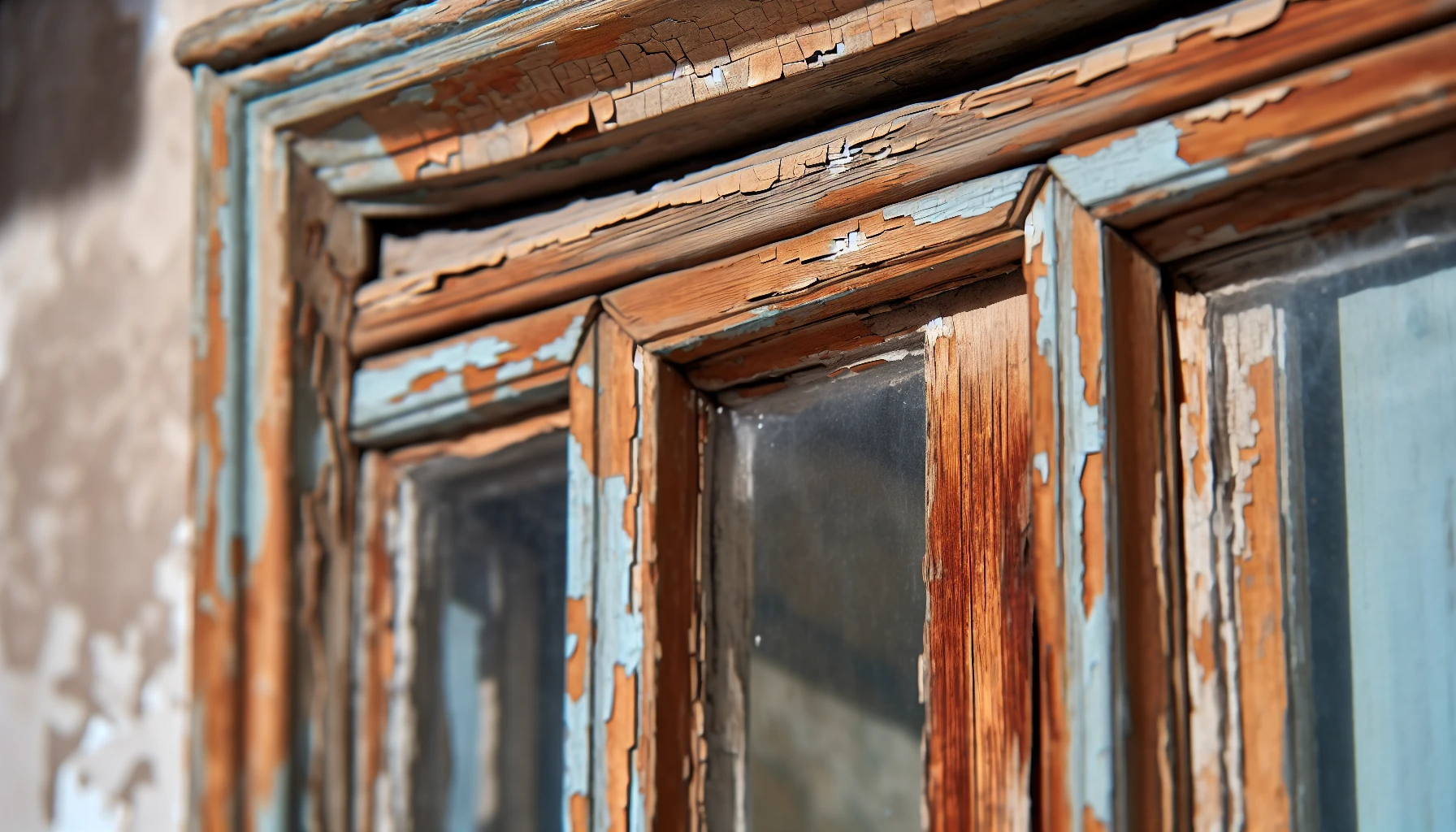
A wooden window frame with cracked paint and signs of aging
Window replacement may become necessary for various reasons, such as age, damage, or lack of energy efficiency in existing windows. To avoid further problems and save money over time, it’s necessary to identify the signs of window deterioration. Fogging, frame deterioration, and air infiltration in the interior are some indicators that suggest it’s time to replace your windows.
Installing replacement windows brings multiple benefits to your home. These include increased acoustic insulation, reduced air leakage, improved comfort, and an enhanced exterior aesthetic. When it comes to window replacement, you’ll encounter two main types: typical replacement windows and new-construction windows. The former is designed to fit within the existing window frame, while the latter necessitates the removal of the entire old window, including the frame, sill, and trim.
Keep in mind that all windows are not made the same. Different window styles, materials, and energy efficiency ratings can significantly impact the performance and longevity of your new windows. Doing a comprehensive study and understanding your specific needs will help you make a well-considered decision about replacing your windows.

A variety of window styles including double-hung, casement, and bay windows
Window styles vary, and the right choice for your home will depend on factors such as aesthetics, functionality, and energy efficiency. Some popular window styles include:
Double-hung windows are a common choice, offering versatility and ease of maintenance.
When selecting a window style, consider factors like energy efficiency, available styles and features, and the cost of the windows. For example, double-hung windows should effectively block out cold air or water, especially if you live in an area prone to chilly and windy or rainy weather.
Top window brands such as Andersen, Marvin, and Pella offer a range of window styles and customization options, including composite windows. Andersen windows, for example, feature various construction materials like wood, clad, vinyl, and composite, along with low-E and argon-filled glass for enhanced energy efficiency. By comparing various brands and what they offer, you’ll be able to find the right match for your home and budget.

A comparison of window frame materials including wood, vinyl, and aluminum
The window frame material plays a significant role in the overall performance, durability, and maintenance requirements of your windows. Common window frame materials include:
Each material has its own set of advantages and disadvantages.
Wood window frames offer a classic and customizable aesthetic, often favored in luxury and historic dwellings. Window materials other than these require less upkeep. However, they have their own set of limitations..
Vinyl window frames are cost-effective, long-lasting, and relatively easy to clean. However, they may not offer the same level of aesthetic appeal as wooden frames.
Aluminum window frames may not be as energy-efficient as other materials, especially if an insulated barrier is not present within the frame.
On the other hand, fiberglass window frames are highly insulating, weather-resistant, low-maintenance, and fairly energy-efficient while offering the ability to mimic other materials’ appearance.

A cross-section of a double-pane energy-efficient window
Besides the style and frame material of the window, glazing options significantly influence the insulation and energy efficiency of your windows. Double or triple-pane windows, as well as energy-efficient coatings, can significantly improve insulation and reduce energy costs.
Double-pane windows are a popular choice, with costs ranging from $450 to $1,000 per window. They offer better insulation than single-pane windows, which cost between $150 and $400 per window. Some window brands, such as Atrium, offer advanced glazing options like low-emissivity (low-E), argon-filled, and triple-pane glass.
When selecting energy-efficient windows, look for the Energy Star certification label. The Environmental Protection Agency administers the Energy Star program. It estimates that with the installation of Energy Star certified windows, the average homeowner can reduce their home energy bills by 12 to 13 percent.
Although installing windows yourself might seem like a way to save money, it is usually better to hire a professional installer because of the complex nature of the task, warranties, and assured results. Professional window installers ensure that the window is securely sealed to avoid air leakage and drafts.
To find a certified window installer, you can ask for referrals from friends and neighbors, consult window manufacturers, or check with home improvement stores like The Home Depot and Lowe’s. It’s important to get estimates from several window companies to compare costs and services before deciding.
Some window installation companies, like CoMo Premium Exteriors, offer the following services:
Knowing what factors influence window replacement costs can help you plan your budget and make well-considered decisions. Factors that influence window replacement costs include:
Window frame materials can significantly impact the window replacement cost. For example, wood windows can range from $250 to $800, while vinyl windows can cost between $80 and $500. Aluminum windows can be more expensive, with prices ranging from $400 to $1,300.
The style and features of the windows also contribute to the overall cost. Custom windows, for instance, may come with a higher price tag than standard window styles. Windows that are energy-efficient may have a higher initial cost. However, they could potentially save you money on energy bills in the long term.
Finding the right window brand for your home is essential for ensuring quality and longevity. Some of the top window brands in the market are:
These brands were selected based on their product offerings, warranties, years of experience, and customer reputation.
Different window brands offer various features, such as:
It’s important to study and compare these leading window brands to find the perfect fit for your needs and budget. Consider factors like:
when making your decision.
There are several ways to reduce window replacement costs without compromising on quality. One option is retrofit installation, where new windows are installed within the existing window frame, providing an efficient and cost-effective replacement method.
Another tip is to inquire about bulk discounts when purchasing multiple windows. Some companies offer wholesale pricing for bulk purchases, which could result in significant savings. Comparing prices between different suppliers or manufacturers can also help you find the best deal.
Scheduling your window replacement during the off-peak season, such as winter, may also help you save money. Discounts or promotions may be available during these times, and window installers may be more readily available for your project.
Appropriate preparation is necessary for a seamless window replacement process. Start by clearing the area around your windows, removing any obstacles that could hinder the installers’ access to the windows. Take down curtains, drapes, blinds, and other window treatments following the manufacturer’s instructions.
Ensure that the window installers have unobstructed access to the designated areas in your home. If you’re planning other upgrades or renovations, it’s a good idea to complete them before replacing the windows to reduce disruption.
In conclusion, window replacement is an important investment in your home’s comfort, energy efficiency, and overall value. By carefully considering factors like window style, frame material, glazing options, and installation methods, you can make an informed decision that meets your needs and budget. Don’t forget to research and compare top window brands and follow our tips for reducing window replacement costs. Now you’re well-equipped to embark on this home improvement project with confidence!
It can be cheaper to replace all windows at once due to bulk pricing offers from window replacement companies. This can result in significant cost savings over the years, compared to replacing a few windows at a time.
Replacing windows can be a costly project, but it pays off by adding an average of $13,766 in value to your home, approximately 69% of the project cost.
Installing energy-efficient windows can help reduce energy costs, improve insulation, and increase comfort in your home.
When choosing a window style for your home, take into account aesthetics, functionality, and energy efficiency to ensure the best result.
Finding a certified window installer can be achieved through referrals from trusted sources such as friends, neighbors or reputable manufacturers and stores.