Winter Roof Replacement: Can You Really Replace Your Roof in a Mid‑Missouri Winter?
Winter Roof Replacement: Can You Really Replace Your Roof in a Mid‑Missouri Winter?
Replacing your roof during the winter months might seem daunting, especially in Mid-Missouri’s cold weather. However, with the right conditions, materials, and experienced roofing contractors, a winter roof replacement can be both safe and effective. While colder temperatures do affect roofing materials like asphalt shingles, proper techniques and careful planning ensure your roof is installed correctly and protected against winter storms. In this guide, we’ll explore everything you need to know about winter roofing projects, including temperature considerations, safety precautions, and how to prepare your home for a successful winter roof replacement.
Key Takeaways
- Yes, you can replace a roof in a Mid-Missouri winter, but it requires the right temperatures, materials, and an experienced crew. Most shingle manufacturers prefer 40°F and rising, though with hand-sealing and proper jobsite prep, we can work effectively down into the mid-30s on sunny, dry days.
- Winter roof replacement stops active leaks, prevents ice dam damage, and often offers better scheduling flexibility and pricing than the spring rush. If your home’s roof is already compromised, waiting until April can turn small problems into major structural issues.
- Cold temperatures change how roofing materials behave—asphalt shingles become brittle below 40°F, and factory sealant strips need heat to activate. Experienced roofing professionals compensate with warmed materials, manual sealing, and adjusted tool settings.
Is Winter Roof Replacement in Mid‑Missouri Really a Good Idea?
We get this question every December, usually from a homeowner staring at a ceiling stain or watching shingles blow off during a cold front. The honest answer? Winter roofing is absolutely possible—but it’s not ideal for every situation, and it takes a roofing team that knows what they’re doing.
In Central Missouri—whether you’re in Columbia, Jefferson City, or out by Lake Ozark—we typically see usable winter roofing windows on dry days in the 35–50°F range. When the sun’s out and the wind stays calm, that’s often enough to get quality work done. We’ve installed over 500 roofs across the region, and a good portion of those happened between November and March.
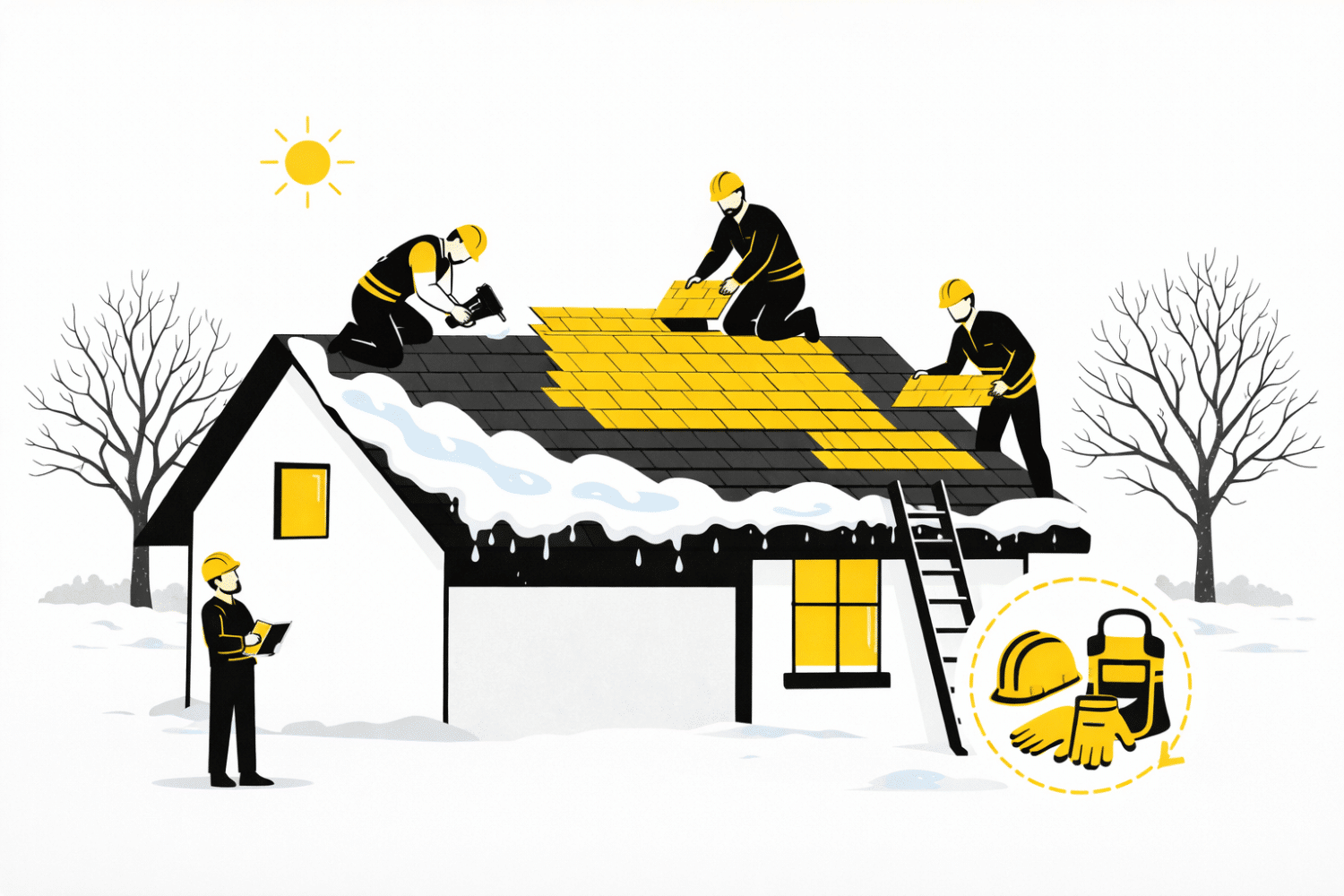
Here’s the thing: emergency situations shouldn’t wait. If you’ve got active leaks, damage from winter storms, or a roof deck that’s starting to fail, delaying until spring can mean thousands more in repairs. Water doesn’t care what month it is—it just keeps finding its way in.
That said, winter projects do come with tradeoffs:
|
Pros |
Cons |
|---|---|
|
Stops leaks before freeze-thaw damage worsens |
Slower progress due to shorter days |
|
Often faster scheduling (less backlog) |
More weather delays possible |
|
Prevents ice dam damage |
Extra care needed with cold materials |
|
Ready before late-winter storms |
Shingle sealing takes longer |
A trusted contractor should walk you through whether a temporary repair, partial replacement, or full winter reroof makes the most sense for your specific roof and budget. That’s exactly what we do at CoMo Premium Exteriors—no pressure, just straight answers based on what your roof actually needs.
What Temperatures Are Too Cold for a Winter Roof Replacement?
Temperature matters for two reasons in cold weather roofing: keeping workers safe on potentially icy roof surfaces, and making sure roofing materials perform the way they should. In Mid-Missouri winters, understanding these thresholds helps you know when winter work makes sense.
Manufacturer guidance is straightforward: Most standard asphalt shingles are designed for installation at 40°F (4°C) and above. The ideal range sits between 50–80°F, where shingles stay flexible and the thermally-activated sealant strips bond quickly.
Here’s how we break down the temperature ranges:
|
Temperature Range |
Workability |
What We Do |
|---|---|---|
|
50°F+ |
Ideal conditions |
Standard installation techniques |
|
40–50°F |
Good with care |
Monitor sealant activation, work during warmest hours |
|
32–40°F |
Workable |
Hand-sealing, warmed materials, midday scheduling |
|
Below 30°F |
Not recommended |
Emergency tarping and temporary measures only |
Between roughly 32–40°F, careful crews can still replace roofs using specific cold weather techniques. We store materials in warm spaces, apply roofing cement manually under shingle tabs, and schedule work during the warmest hours of the day—typically 10 AM to 3 PM.
A sunny 38°F January day in Columbia? That’s workable with the right approach. A 28°F cloudy, windy morning with frost on the roof surface? We’re rescheduling. CoMo Premium Exteriors will always reschedule rather than risk a poor install or unsafe winter conditions.
How Cold Weather Affects Asphalt Shingles and Other Roofing Materials
Cold doesn’t just make the job uncomfortable—it fundamentally changes how roofing materials behave and how long they’ll last. Understanding this helps explain why winter projects require different techniques.
Shingle flexibility is the biggest concern. Under about 40°F, asphalt shingles become stiffer and more brittle. The asphalt matrix that gives shingles their pliability stiffens up, and studies show cracking rates can increase by up to 30% if materials aren’t properly warmed before installing asphalt shingles. That means more care when handling, nailing, and walking on them.
Sealant behavior changes dramatically too. Every asphalt shingle has a factory adhesive strip designed to bond under the sun’s heat. In a July installation, this happens naturally within days. In January in Columbia, that bond might take weeks—or it might not happen at all until spring without intervention. That’s why manual sealing becomes essential in cold conditions, using quarter-sized dabs of approved roofing cement under each tab.
Other roofing materials have their own cold weather quirks:
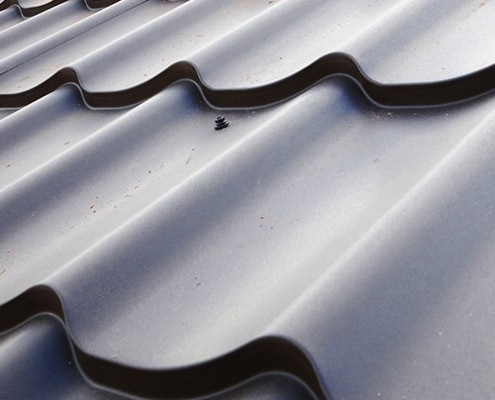
- Metal roofs can be installed in colder conditions since they don’t rely on adhesive bonding, but crews need to watch for condensation, thermal expansion, and proper fastener torque
- EPDM and low-slope membranes often need 45°F+ to bond correctly
- Slate tiles become more susceptible to cracking in freezing temperatures
An experienced crew adjusts everything—tool settings on nail guns, air pressure, storage locations, work timing—to match the actual temperatures on installation day.
Installer Safety and Project Timing in Winter
Ice, frost, and shorter December–February days change everything about how we plan roofing projects across Mid-Missouri.
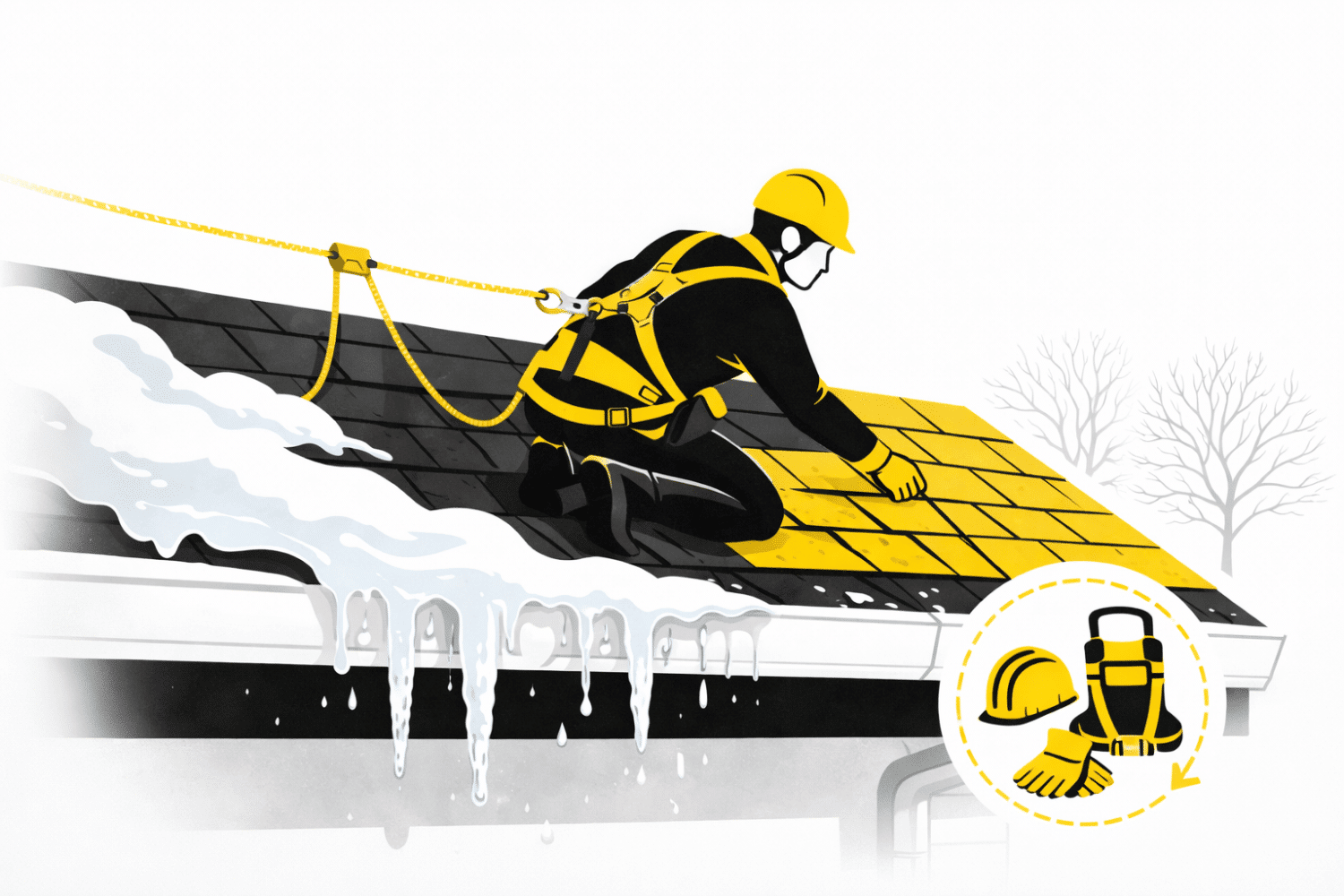
Safety comes first. Snow and ice, frost, and wet leaves make roofs dangerously slick. Our crews use harnesses, anchors, roof jacks, and winter-rated boots. They often work more slowly than in warm weather—and that’s intentional. The extra safety precautions aren’t optional when temperatures fall and surfaces get treacherous.
Winter days are simply shorter. A roof that might take two long summer days could require three or four shorter winter days, especially when start times get pushed back by morning frost. We typically wait until the roof’s edge and surface have thawed and dried before sending anyone up.
At CoMo Premium Exteriors, we build weather buffers into every winter schedule. If a cold snap or heavy snow hits, we pause the project, secure the site, and resume when conditions allow proper installation. The home stays “dried-in” each day before we leave—underlayment and flashings installed so you’re protected overnight, even if shingles extend into additional days.
Projects take a bit longer in January, but the focus is on correct installation and safety precautions, not rushing to finish by dark.
Pros and Cons of Replacing Your Roof During the Winter
Winter isn’t automatically bad or good for a new roof—it depends entirely on your roof’s condition and your timing. Let’s lay out the honest tradeoffs.
Advantages of winter roof replacement:
- Potentially faster scheduling since there’s less backlog than April–June
- Sometimes better pricing or off season promotions
- Stops active leaks before freeze–thaw cycles cause additional roof damage
- Gets your roofing system ready before severe late-winter storms
- Insurance claims from winter storms can often be processed more smoothly in the off season
Drawbacks to consider:
- More weather-related delays are likely
- Longer total project timeline
- Shingles need more careful handling to avoid cracking
- Slower shingle sealing compared to a July installation
- Crews work shorter days
Think about your specific scenario: A roof leaking in January after a windstorm near Jefferson City probably shouldn’t wait. But a cosmetically aged roof that’s still watertight? That might be a good candidate for a scheduled spring replacement.
CoMo Premium Exteriors will walk you through both options—winter versus spring replacement—so you can choose what fits your risk tolerance, schedule, and budget.
Potential Cost and Scheduling Benefits
Winter is typically a lighter season for roofing volume in Mid-Missouri, which can actually work in your favor.
Because many homeowners delay until warmer months, winter calendars often have more flexibility. That means faster start dates and more accommodating time slots. While you might wait 4–6 weeks for a spring appointment during peak season, winter projects often start within 1–2 weeks.
Some roofing contractors, including us, occasionally offer off-season bundled deals—like combining a roof with gutter upgrades—when schedules are less compressed. That said, quality and materials should never be discounted. Be wary of any reputable roofing company offering dramatically lower prices; it usually means corners are being cut.
The less obvious cost savings? Replacing a failing roof in winter avoids emergency call-outs, interior water damage, and the higher repair bills that come from waiting while problems compound. Melting snow finding its way through damaged shingles can ruin insulation, drywall, and even flooring—costs that dwarf the premium of a winter install.
Ask any contractor, including CoMo Premium Exteriors, about timing, availability, and whether winter scheduling might reduce wait time compared to peak season.
Risks of Waiting Until Spring
Sometimes waiting for warmer temperatures makes sense. But if your roof is already compromised, that delay carries real risks.
Freeze-thaw cycles are the enemy. From December through March in Central Missouri, water gets into small openings—missing shingles, cracked flashing, worn pipe boots—then freezes and expands overnight. This repeated cycle turns minor issues into rotten decking, soaked insulation, and interior ceiling damage. We’ve seen homeowners turn a $12,000 roof into a $20,000 project by waiting.
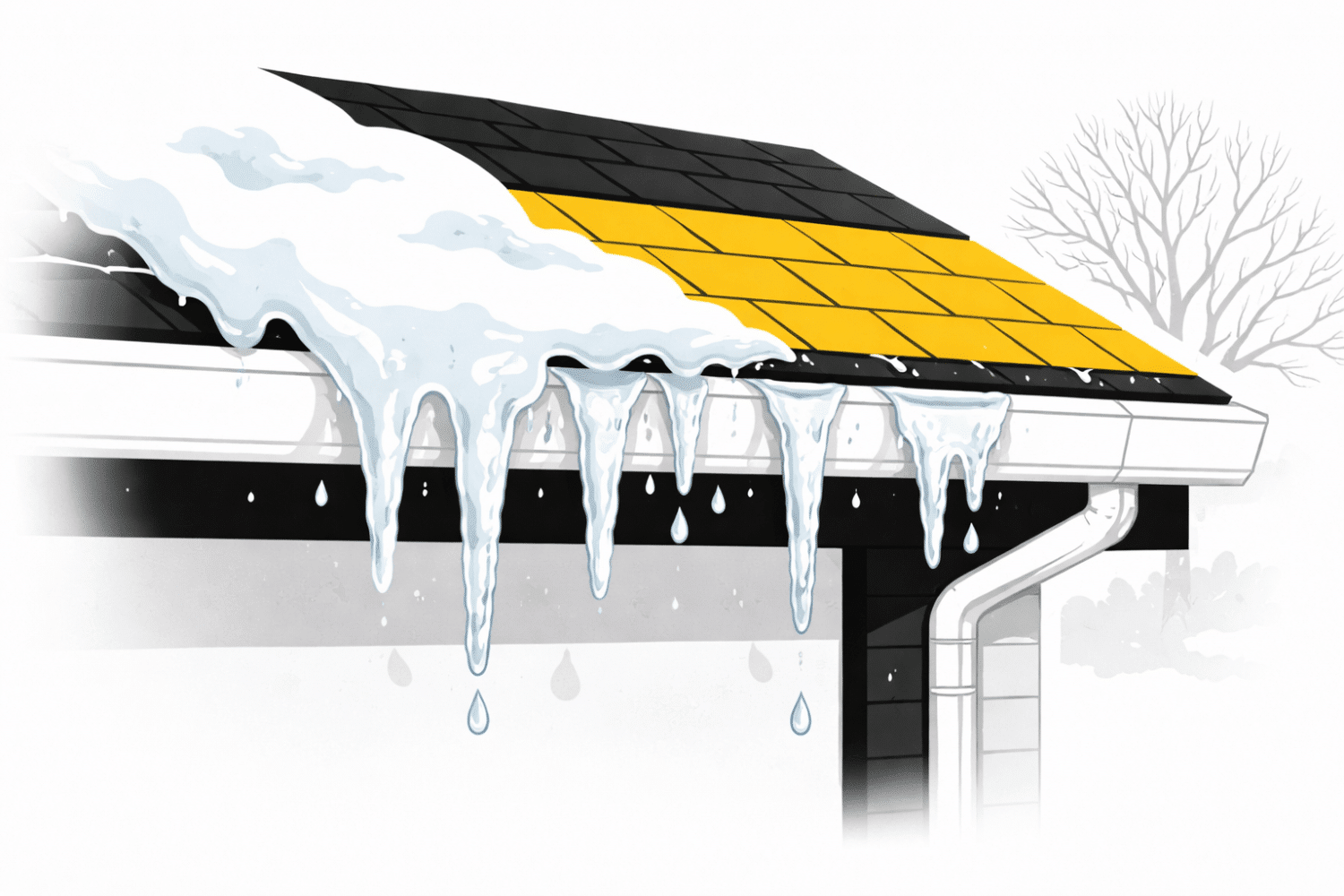
Ice dams form when poor attic insulation and ventilation combine with an aging roof. Heat escapes through the attic, melts snow on the upper roof, and that water refreezes at the roof’s edge where it’s colder. The ice dam formation backs water under shingles and into walls or soffits. Proper ventilation helps, but a compromised roof makes ice dams far more damaging.
Spring backlogs catch homeowners off guard. Many roofing contractors see their schedules explode in March and April. If you postpone a January decision, you might find yourself behind dozens of hail claims after an early-spring storm hits Columbia or Lake Ozark. Nationally, 15–20% of roofs are replaced during winter months, but that rises to 25% in Midwest storm zones like ours—because smart homeowners know waiting creates problems.
Have a professional roof inspections done before deciding to wait. CoMo Premium Exteriors can document your roof’s condition with photos and explain which issues can safely hold and which really shouldn’t.
How CoMo Premium Exteriors Handles Winter Roof Replacements
Winter roofing projects simply require more planning. After 25+ years in Mid-Missouri, we’ve learned how to work with our weather—not against it.
Our triple certifications—GAF Master Elite, Owens Corning Platinum, and James Hardie Elite —require ongoing factory training and strict quality standards that we maintain year-round. GAF’s cool-weather testing shows that properly sealed roofs withstand 110 mph wind speeds even when installed in cold climates. That’s the standard we hold ourselves to.
Here’s how we evaluate each winter job:
- Forecast review – Looking at temperature ranges for the entire project window
- Sun exposure assessment – Different roof slopes get different amounts of warming
- Roof complexity analysis – Valleys, chimneys, skylights, and wall intersections need extra attention
- Material planning – Ensuring everything stays warm and flexible until installation
We prioritize “dry-in” each day. That means underlayment and flashings are installed so your home is protected overnight, even if shingles or finishing details extend into additional days. If a cold snap hits, we pause, secure the site, and resume when the roof can be installed correctly to manufacturer standards.
We never force a job into unsafe or below-spec weather conditions.
Cold-Weather Installation Techniques We Use
Winter roof replacement isn’t about magic products—it’s about disciplined techniques, proper storage, and quality control on site.
Material storage matters. We store shingles, sealants, and coil nails in heated or insulated spaces—trailers, garages, or hot boxes—so they stay at 50–55°F and remain flexible. Power blanket-style material warmers can maintain 70°F in bundles, reducing brittle failures by up to 75% according to industry studies.
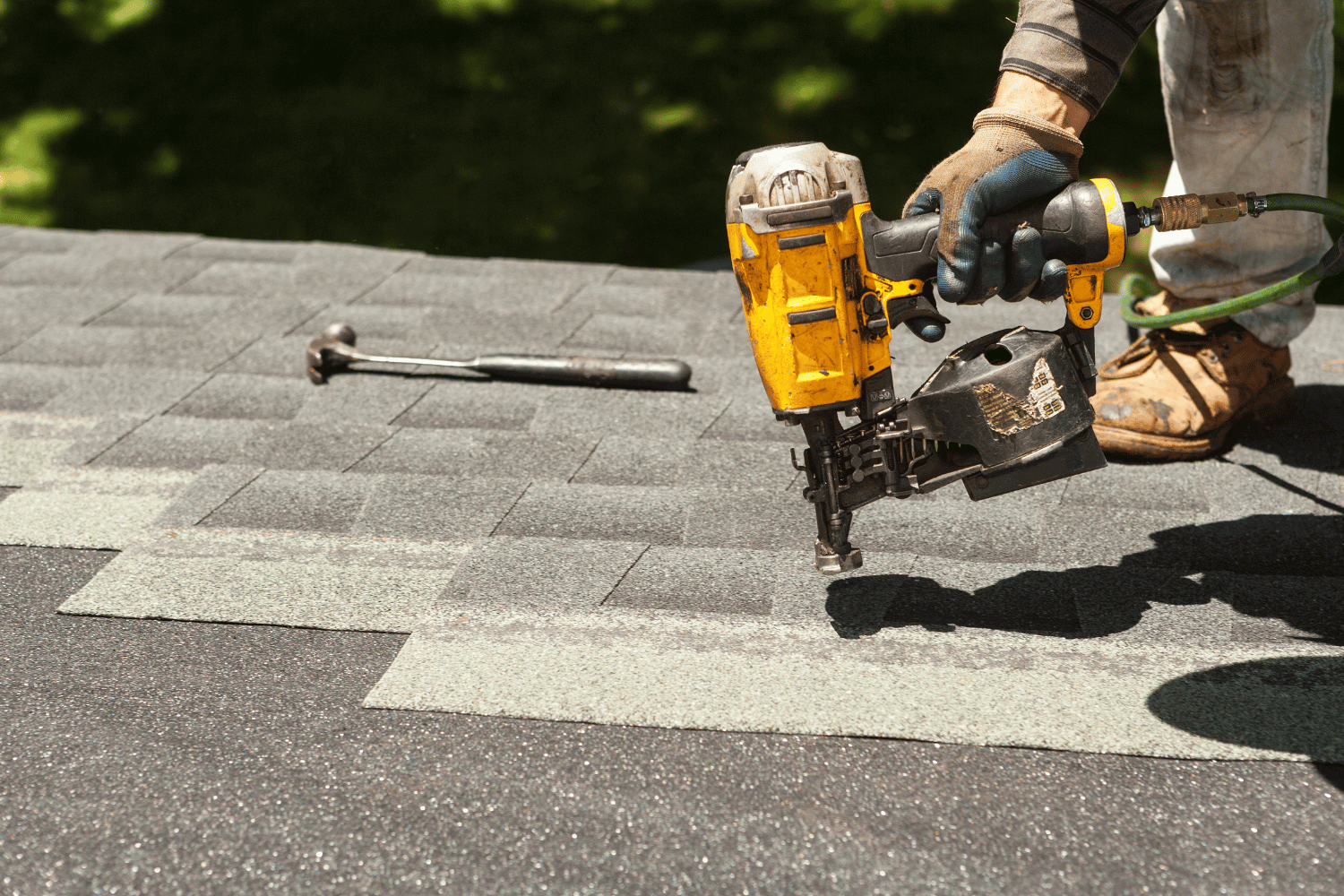
Manual sealing is essential. On colder days, especially along rakes, eaves, and ridges, our crews apply approved roofing cement manually under each shingle tab. This mimics the waterproof seal that would normally form from solar heat. Using a caulk gun or trowel, we apply quarter-sized dabs of adhesive to ensure proper bonding even before warm weather arrives.
Tool adjustments prevent damage. We dial in air pressure on nail guns so nails set correctly without over-driving through cold, brittle shingles. We monitor for jams caused by condensation or freezing moisture. GAF Master Elite guidelines require checking compressor pressure hourly in cold conditions.
Our crews pay extra attention to key details in winter:
- Valleys – Where two roof planes meet and water concentrates
- Pipe boots – Rubber seals that crack in extreme weather
- Step flashing – Where roof meets walls, common leak points
- Wall intersections – Anywhere shingles meet vertical surfaces
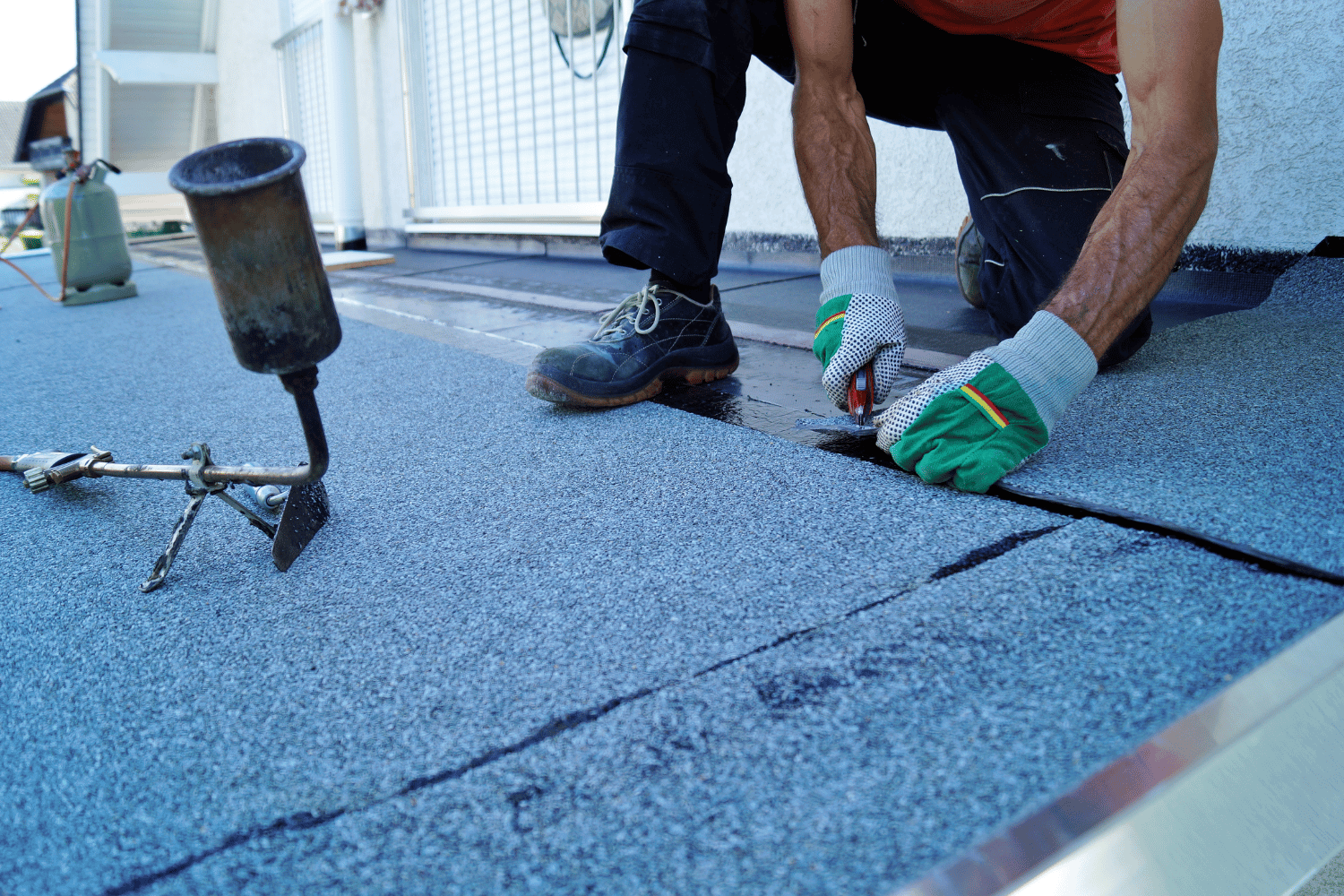
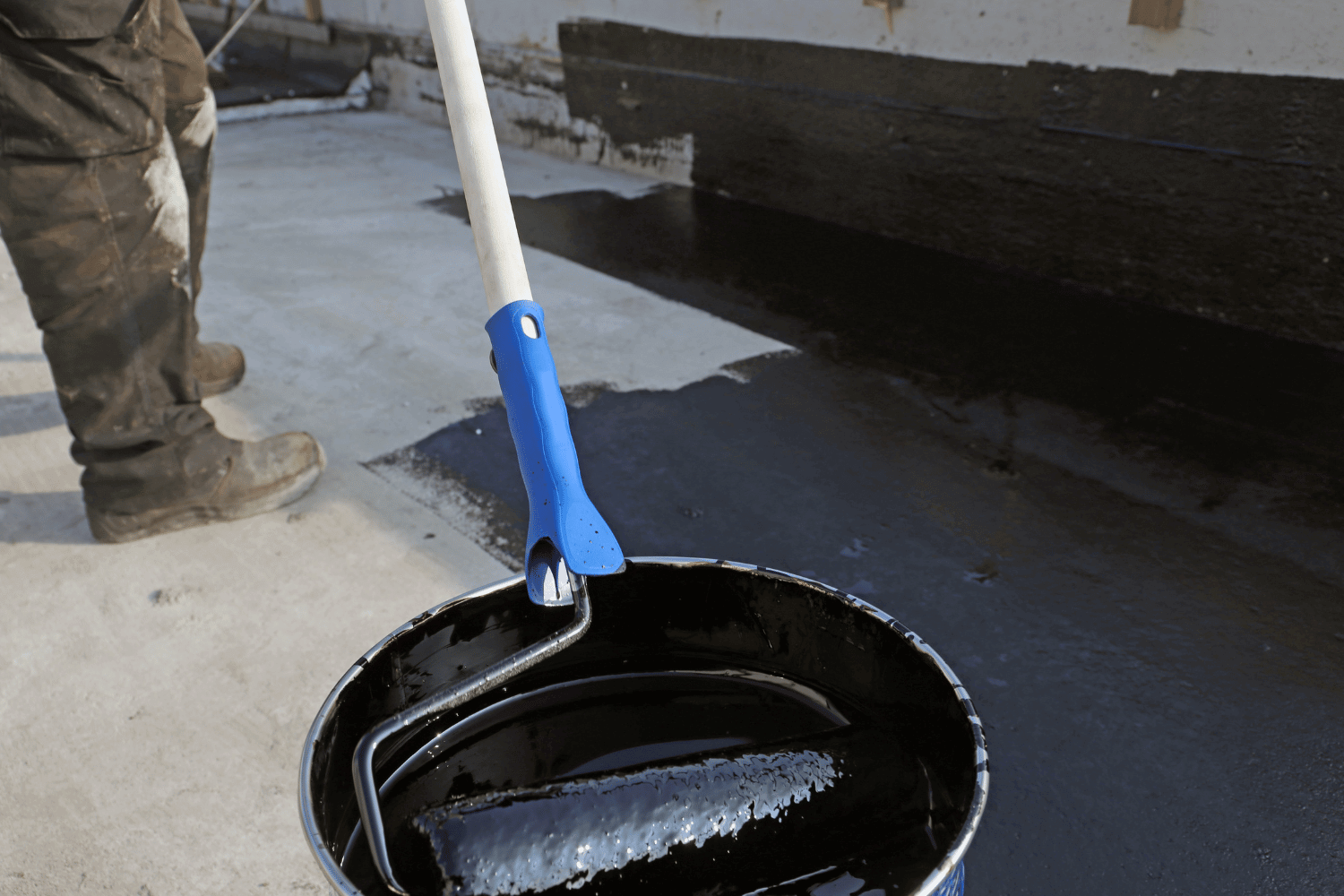
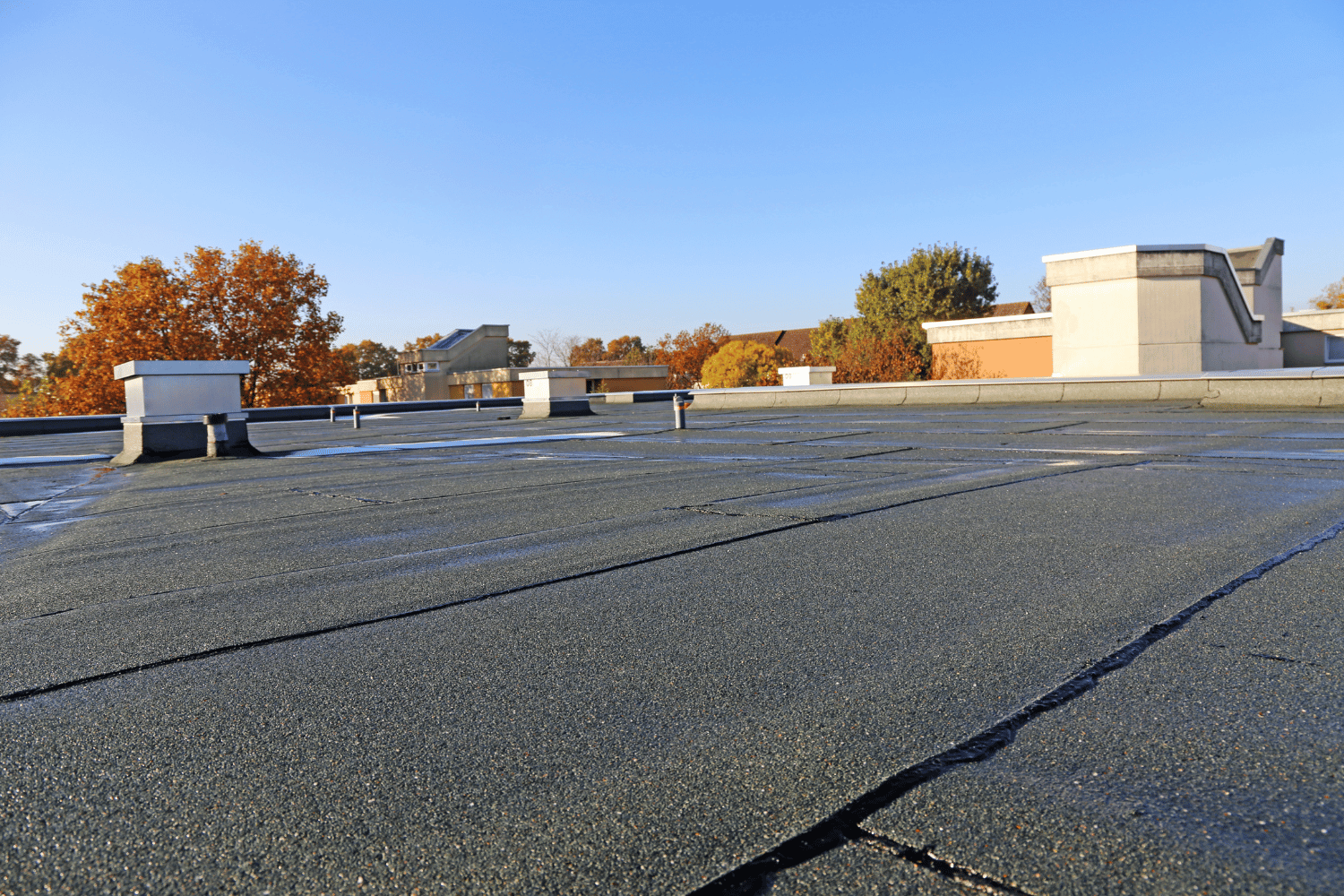
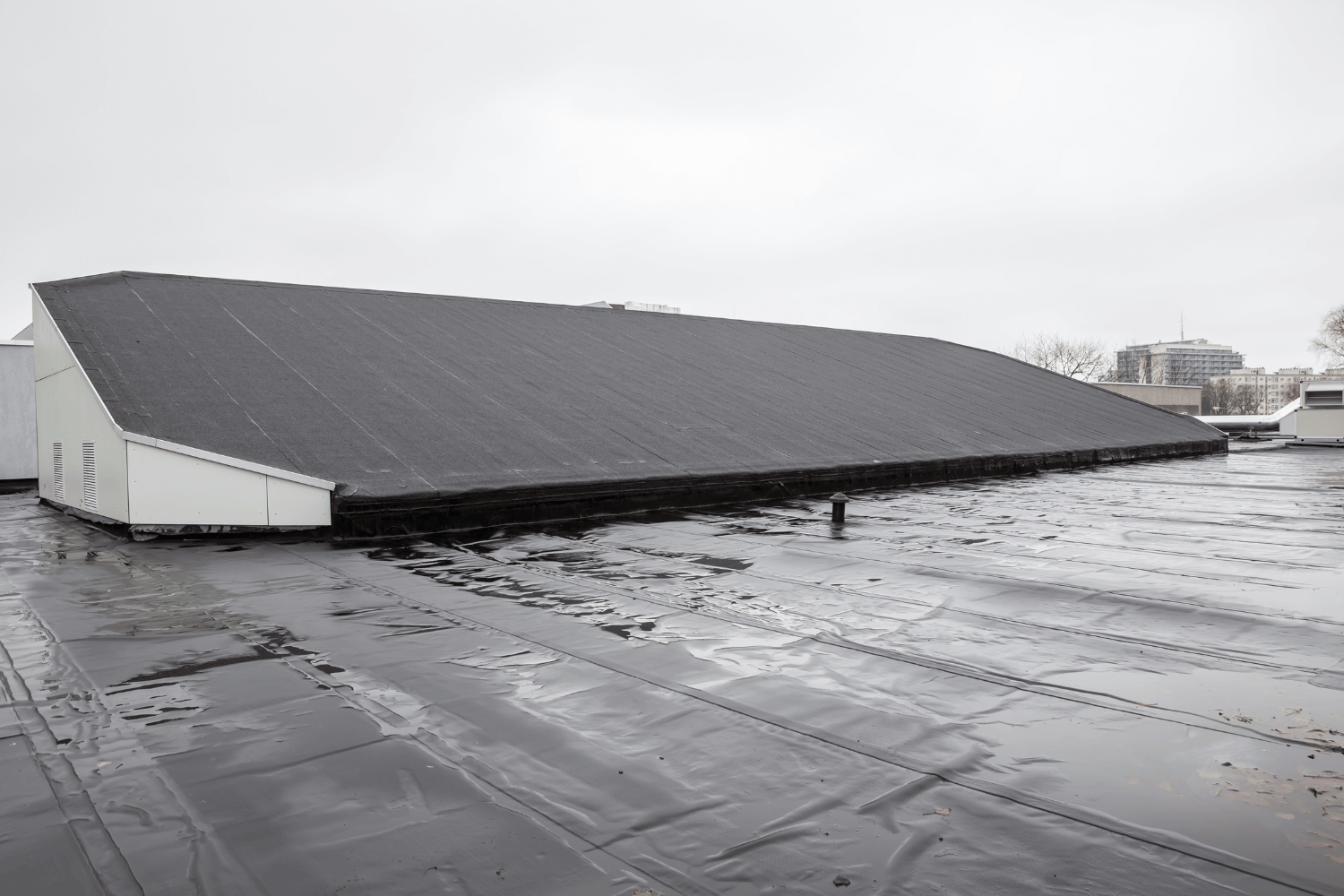
For information on flat roof materials, including their longevity and best practices, see our comprehensive guide.
These are the first places winter leaks show up if not installed correctly. We install ice-and-water shield underlayment in all valleys and along eaves for enhanced protection.
Safety, Site Protection, and Clean-Up in Winter
Winter isn’t just harder on workers—it affects your landscaping, driveway, and how debris gets handled.
Pre-work preparation:
- We clear snow, frost, and loose ice from work areas before starting
- Morning start times may be delayed until roof surfaces are safe
- Heavy snow gets removed using safe methods that avoid structural damage
Safety systems we use:
- Guardrails or roof jacks on steeper shingle roofs
- Harnesses and anchors on every project
- Warning lines to protect both crew and anyone on the ground
- Winter-rated footwear with aggressive tread
Property protection:
- Layered tarps catch shingles and nails on snow or frozen ground
- Dumpsters placed where driveway ice won’t create hazards
- Magnet sweeps performed even when winter snow is present
- Landscape protection in frozen conditions
We leave the site safe at the end of each day—no exposed roof deck, no loose materials at risk of blowing off in high winds, and clear communication on what’s completed and what’s scheduled next.
Preparing Your Home and Roof for Winter (Whether or Not You Replace It)
Even if a full winter replacement isn’t needed, every Mid-Missouri homeowner can take steps to protect their roof before and during the winter season.
Schedule an inspection. Either inspect your roof yourself from the ground using binoculars or have a professional evaluation done by a reputable company. Look for missing shingles, cracked pipe boots, or failing flashing. Catching problems early is always cheaper than emergency roof repairs.
Clean gutters and downspouts. Do this in late October or early November before temperatures drop below freezing. Clogged gutters contribute to ice dam formation along eaves. Roof rakes can help manage winter snow buildup, but clean gutters are the first line of defense.
Check attic insulation and ventilation. Proper ventilation keeps roof temperatures more even, lowering ice dam risk and improving your home’s energy efficiency. Most Mid-Missouri homes should have insulation meeting R-49 standards—we always inspect this during evaluations.
Trim overhanging branches. Heavy, wet Mid-Missouri snows can break limbs onto shingles and gutters. Removing overhanging branches before winter storms prevents damage and costly repairs.
Know your roof’s age. Most asphalt shingles last 20–30 years depending on quality and maintenance. If yours are approaching that range, a winter inspection helps you plan rather than react.
Addressing Small Problems Before They Become Winter Emergencies
Winter is not the time you want to discover a “small” issue has turned into a ceiling stain or sagging drywall.
Watch for these early warning signs:
- Lifted or missing shingles after a November windstorm
- Granules building up in gutters (a sign shingles are deteriorating)
- Flashing pulling away from chimney or sidewall
- Daylight visible in attic spaces
- Moisture or frost in the attic
Minor roof repairs—securing loose shingles, resealing flashing, replacing a cracked pipe boot—can often be done quickly in winter-friendly weather windows. These small fixes can add years of life to an otherwise sound roofing system.
CoMo Premium Exteriors documents all findings with photos and walks homeowners through whether they’re looking at a simple repair, a “watch and wait” situation, or a roof nearing the end of its service life.
Don’t ignore ceiling stains, attic moisture, or moldy insulation during winter. These signs mean water is already getting in and should be evaluated promptly. Waiting typically means the problem spreads—and the bill grows.
How to Decide: Repair, Temporary Fix, or Full Winter Replacement?
Deciding what to do in January when you spot damage can feel overwhelming and urgent. Let’s simplify the decision.
The choice usually comes down to three paths: for example, deciding how often you need a roof inspection is an important consideration.
|
Option |
Best For |
Considerations |
|---|---|---|
|
Targeted repair |
Isolated damage on newer roofs |
Quick, affordable, preserves existing roof |
|
Temporary protection |
Emergency situations, severe weather coming |
Buys time until full replacement in warmer months |
|
Full replacement |
Older roofs, widespread damage |
Best long-term solution, requires careful winter planning |
General guidelines:
- Roofs under 10–12 years old with isolated damage from a recent storm are often good candidates for repair, especially if the rest is in solid shape
- Very old roofs (20+ years for standard asphalt shingles) with widespread cracking, curling, or missing granules often make more sense to replace than keep patching
- Active leaks almost always require immediate action—at minimum, temporary protection
Shingle manufacturers like GAF and Owens Corning design their products to last, but every roof has a lifespan. When repairs start costing more than they’re worth, it’s time for a conversation about replacement.
Get a written inspection and photo documentation so you can make the decision with clear information—not just urgency or guesswork. That’s exactly what we provide.
Insurance, Storm Damage, and Winter Claims
Winter storms in Mid-Missouri—especially strong winds and sub zero temperatures followed by rapid warming—can create damage that may be covered by homeowners insurance.
Timely documentation is critical. Photos of missing shingles after a December windstorm, interior water damage, or damaged flashing can support a claim even if full replacement happens weeks later. Don’t assume damage isn’t covered just because it happened in winter.
As experienced insurance claims advocates, CoMo Premium Exteriors helps homeowners understand the difference between ACV and RCV:
- ACV (Actual Cash Value) – Insurance pays what your roof is worth today, accounting for age and wear
- RCV (Replacement Cost Value) – Covers the full cost of a new roof
We’ve recovered full costs on 95% of claims by speaking adjusters’ language so homeowners don’t have to.
Insurers typically require the roof to be protected from further damage—temporary tarping or emergency repairs—which is another reason not to wait until spring if you already see active leaks. Failing to mitigate damage can actually hurt your claim.
Call us if you’re unsure whether winter damage might be an insurance claim. We can inspect, take photos, and help you have a more informed conversation with your adjuster.
Conclusion
Your roof shouldn’t have to wait until April to get the protection it needs. Whether you’re dealing with winter storm damage, an active leak, or just want professional eyes on that aging roof, CoMo Premium Exteriors is here with honest answers and proven cold weather expertise.
Give us a call at (573) 424-9008 for a no-pressure winter roof evaluation. We’ll document everything with photos, explain your options, and help you make the right decision—whether that’s a quick repair, an immediate replacement, or a plan for spring. That’s what neighbors are for.
FAQ: Winter Roof Replacement in Mid‑Missouri
Can you replace only part of my roof in winter and finish the rest in spring?
Partial replacements are sometimes possible—for example, repairing a heavily damaged slope while leaving intact sections alone. However, transitions between old and new roofing must be carefully detailed so warranties and waterproofing aren’t compromised. We’ll advise on a case-by-case basis whether this makes sense for your specific situation, and help you understand how long your roofing lasts in Missouri.
Will my shingle warranty still be valid if the roof is installed in January?
Warranties depend on following roofing manufacturers’ instructions, not the month on the calendar. If temperature protocols, installation techniques, and materials meet guidelines—including proper hand-sealing in cold conditions—a winter installation can qualify for full manufacturer coverage, including GAF’s 50-year warranties.
How long will it take a winter-installed roof to fully seal?
The adhesive strip continues to bond as warmer temperatures return and the sun hits the roof. In Mid-Missouri, that typically means full sealing happens over the first few warm spells of late winter and early spring. Hand-sealing done during installation speeds this process significantly at critical areas like rakes, eaves, and ridges.
Will a winter roof replacement make my house very cold while you work?
Our crews tear off and replace in sections, keeping the home dried-in as they go. Attic insulation remains in place throughout the project. Most homeowners notice indoor temperatures drop only a few degrees while work is underway—far less than you might expect.
How do I know if I should call now or wait until warmer weather?
Simple guidance: If you see active leaks, missing shingles, sagging areas, or storm damage, call for an inspection right away. If the roof simply looks older but isn’t leaking, a scheduled evaluation can help plan for spring or summer replacement without pressure. Either way, knowing what you’re dealing with is better than guessing.