Hip
Hip vs Gable Roof: Pros, Cons, and Best Uses for Columbia, MO Homes
Choosing between a hip roof and a gable roof matters more in Mid-Missouri than you might think. Our weather — severe thunderstorms with straight-line winds, occasional tornado threats, and heavy winter snow — makes roof design a practical decision, not just aesthetic.
You’ll see both styles across Columbia, Jefferson City, and the surrounding area. Here’s a straightforward comparison based on what actually works in our climate.
What Is a Hip Roof?
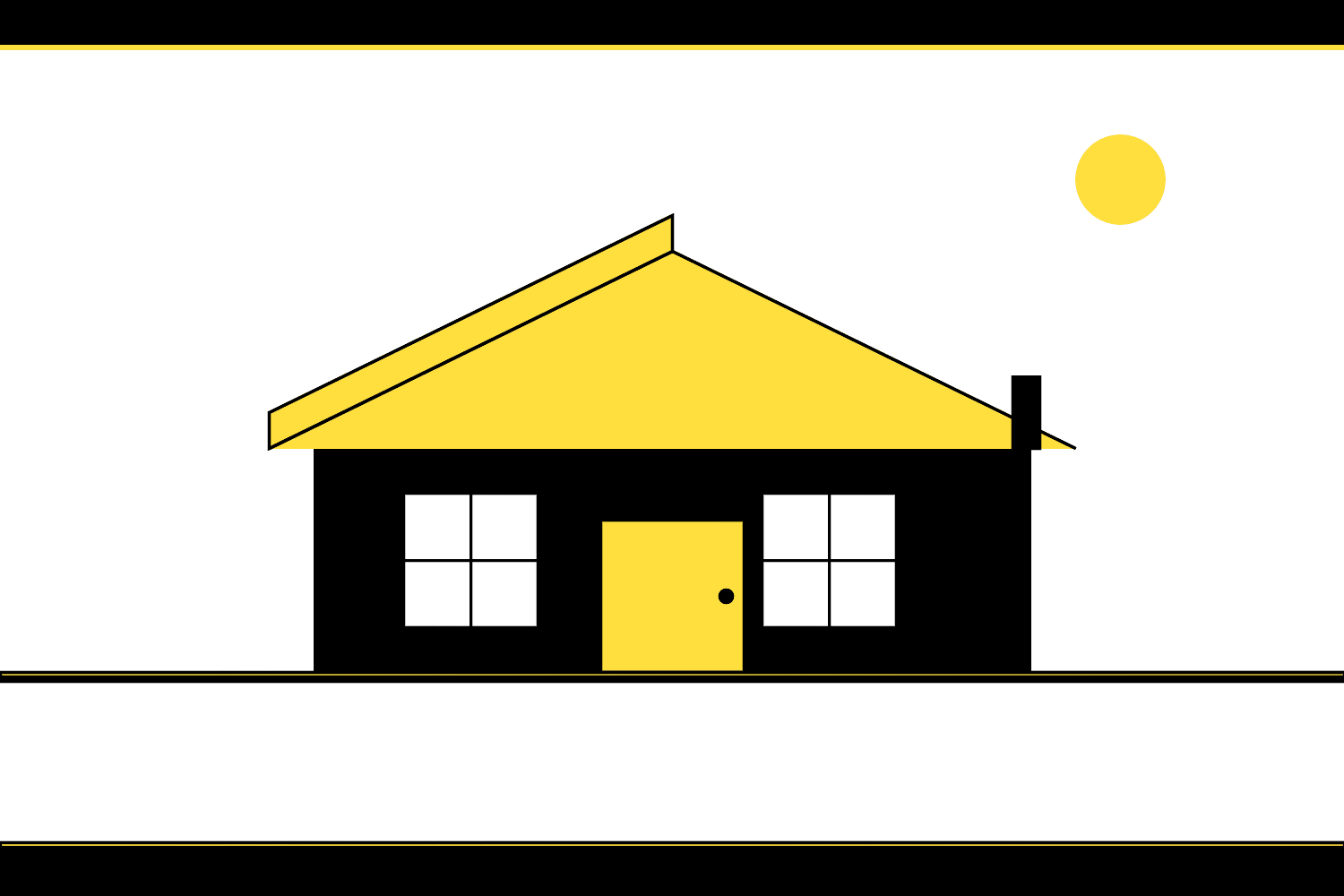
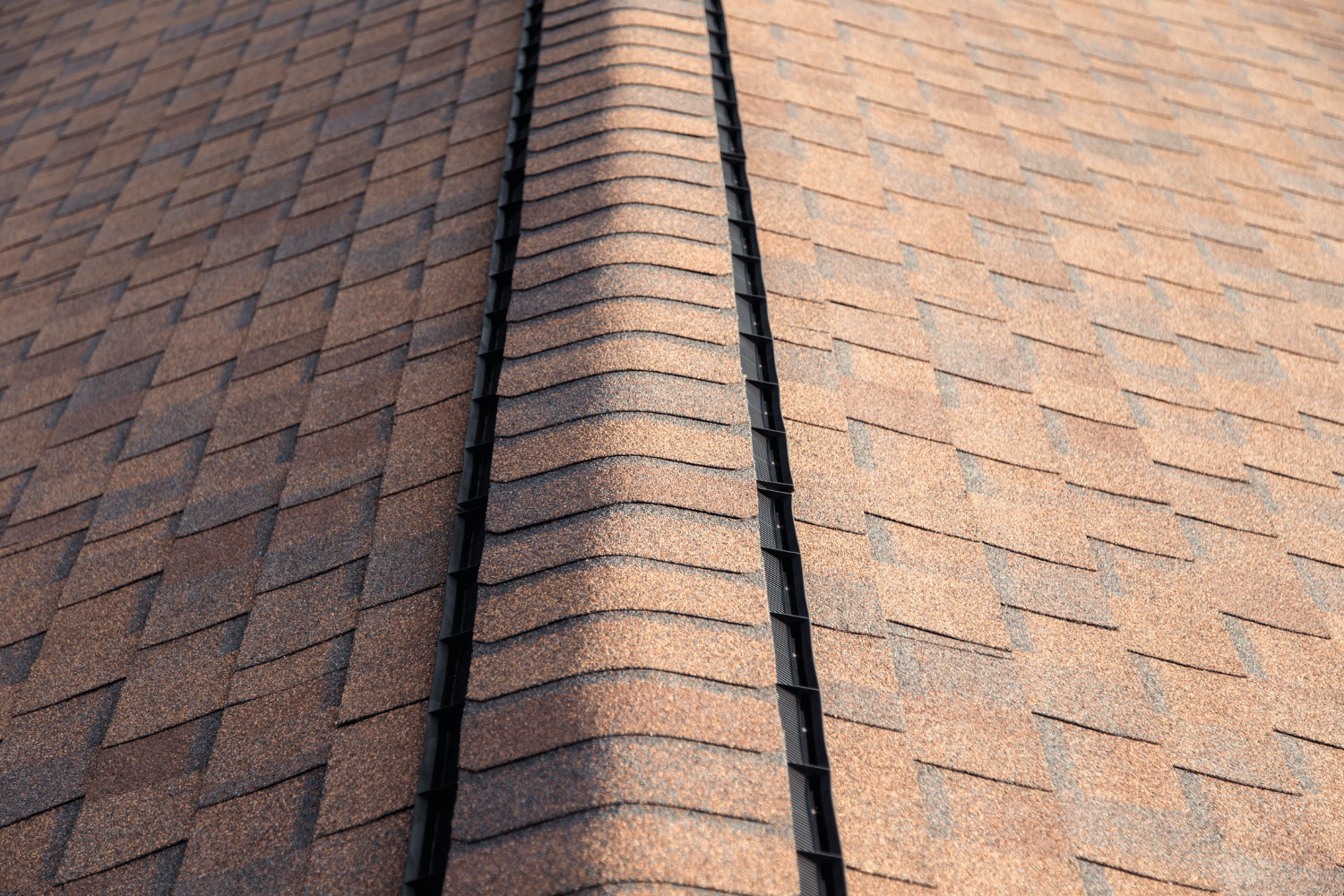
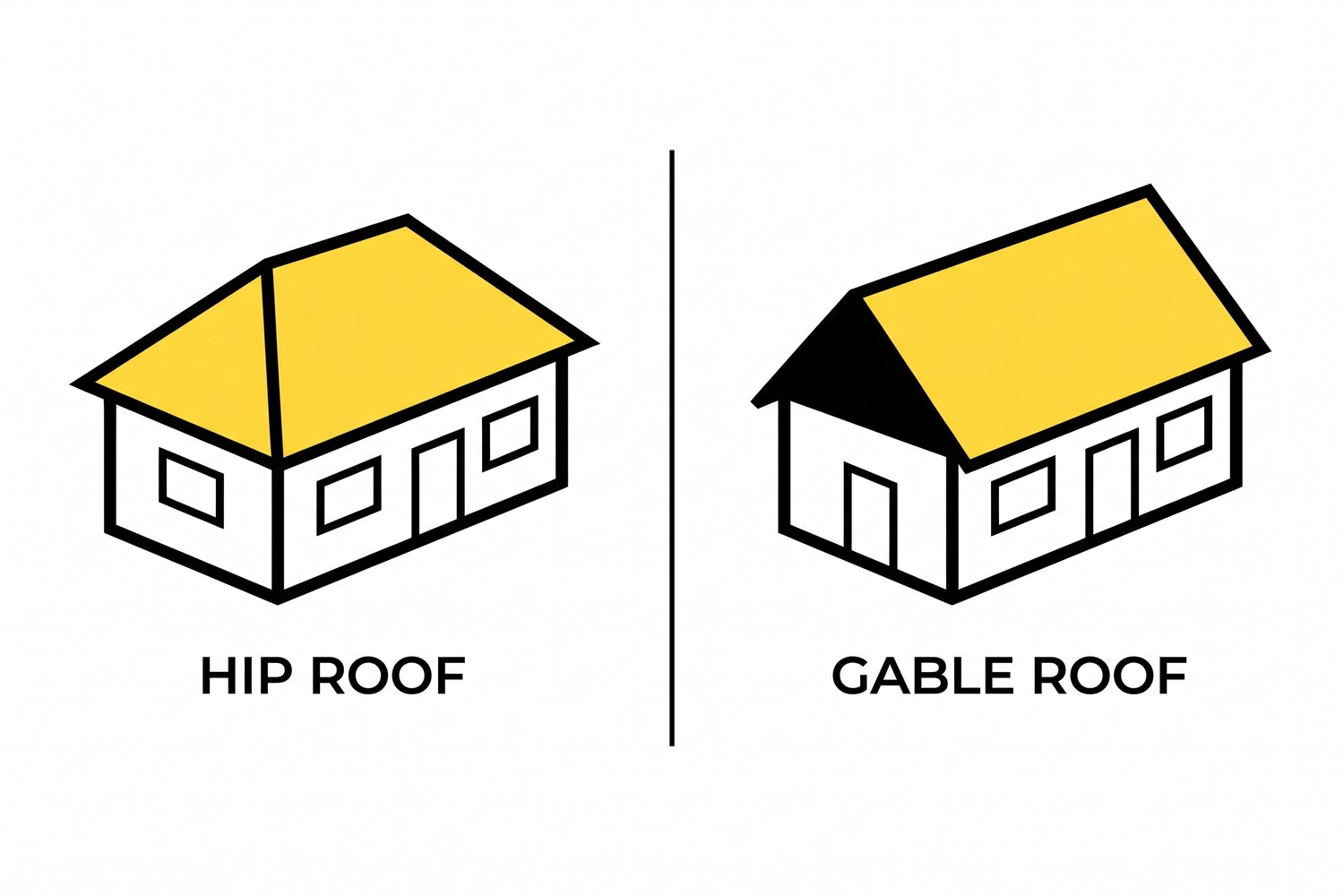
A hip roof has four sloping sides that all meet at a ridge or peak. No vertical ends, no flat gable walls — every side slopes downward from the ridge to the eaves. This creates a compact, aerodynamic shape that handles wind from any direction.
Common hip roof styles in Mid-Missouri homes:
- Simple hip: Four sides with two triangular ends and two trapezoidal sides, meeting at a central ridge. The most common hip roof style in Columbia neighborhoods.
- Pyramid hip: All four sides are equal triangles meeting at a single center point. More common on square structures like gazebos or detached garages.
- Cross-hipped: Two hip roof sections that intersect at a valley. Used on L-shaped or T-shaped floor plans.
- Half-hip (jerkinhead): A hybrid where the gable end is clipped short with a small hip section. Adds wind resistance while keeping some attic space.
What Is a Gable Roof?
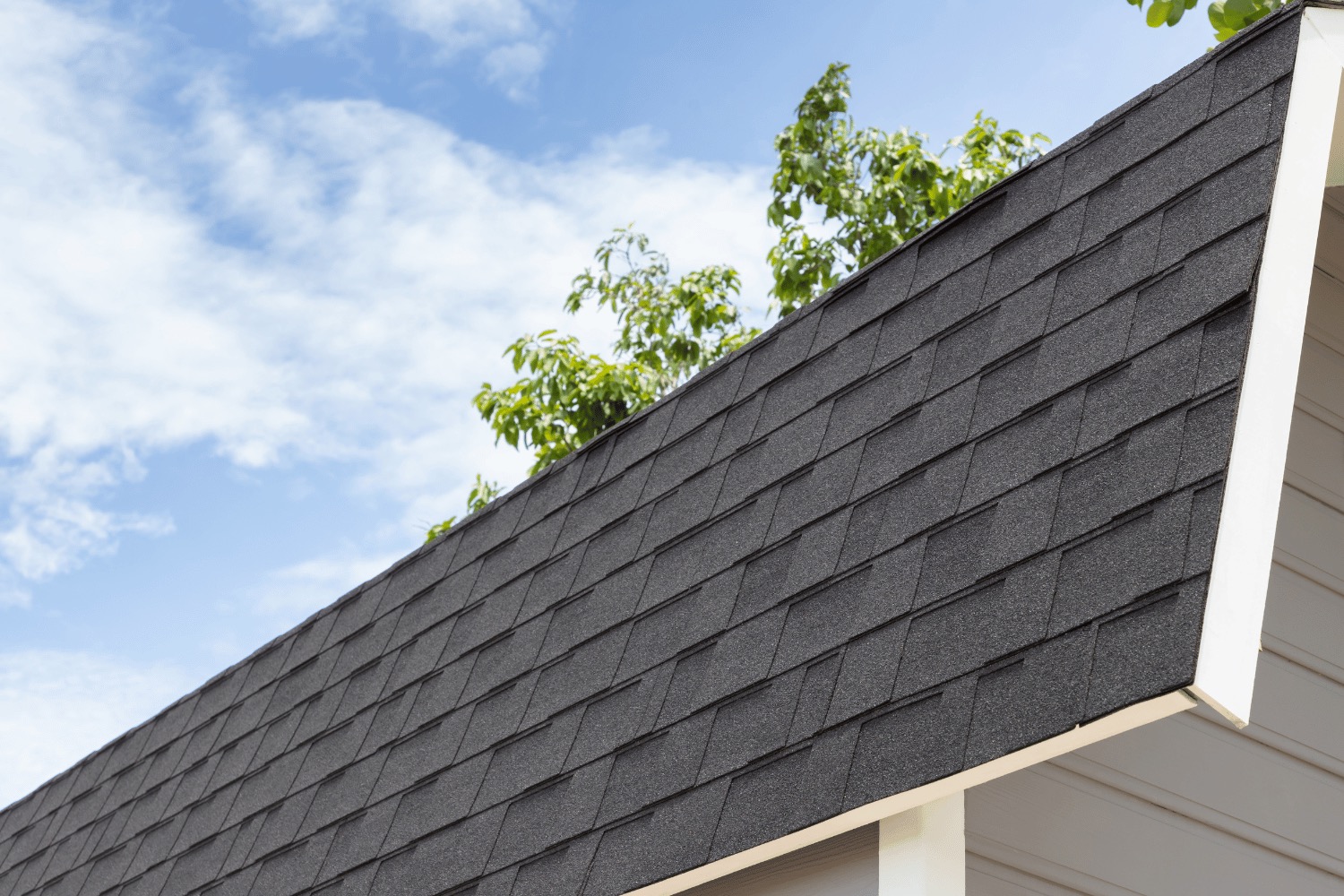
A gable roof has two sloping sides that meet at a ridge, creating a triangular wall section (the “gable”) at each end. It’s the most common roof style in America, and you’ll see it on most homes in Columbia — from the older Craftsman homes in East Campus to the new ranch developments in southwest Columbia.
Common gable roof styles:
- Front gable: The gable faces the street. Common in Colonial and Cape Cod styles found in many older Columbia neighborhoods.
- Side gable: The gable faces the sides, with the ridge running parallel to the street. Very common in ranch-style homes throughout Mid-Missouri.
- Cross gable: Two gable sections that intersect perpendicularly. Used on homes with complex floor plans or additions.
- Dutch gable: A gable sitting on top of a hip roof, combining both styles. Adds character and attic ventilation.
Side-by-Side Comparison
| Feature | Hip Roof | Gable Roof |
|---|---|---|
| Wind resistance | Excellent (all sides slope) | Good (gable ends vulnerable) |
| Snow/rain shedding | Good (all sides shed) | Excellent (steeper pitch possible) |
| Attic space | Less (slopes reduce space) | More (vertical walls maximize space) |
| Ventilation | Moderate (requires ridge/soffit vents) | Excellent (gable vents + ridge/soffit) |
| Construction cost | 15-20% more expensive | Baseline |
| Complexity | More complex framing | Simpler, faster to build |
| Insurance discounts | Often available | Usually not |
How Mid-Missouri Weather Affects Your Choice
Wind and Storm Performance
Mid-Missouri regularly experiences severe thunderstorms with straight-line winds exceeding 60 mph, plus the occasional tornado threat. Hip roofs have a clear advantage here. Their aerodynamic shape with no flat gable ends allows wind to flow over the roof from any direction without catching a large flat surface.
Gable ends act like a sail in high winds. If the gable end framing isn’t properly braced, wind can push the gable inward, potentially causing catastrophic failure. Proper gable end bracing — required by the Columbia building code — significantly reduces this risk but doesn’t eliminate the fundamental disadvantage.
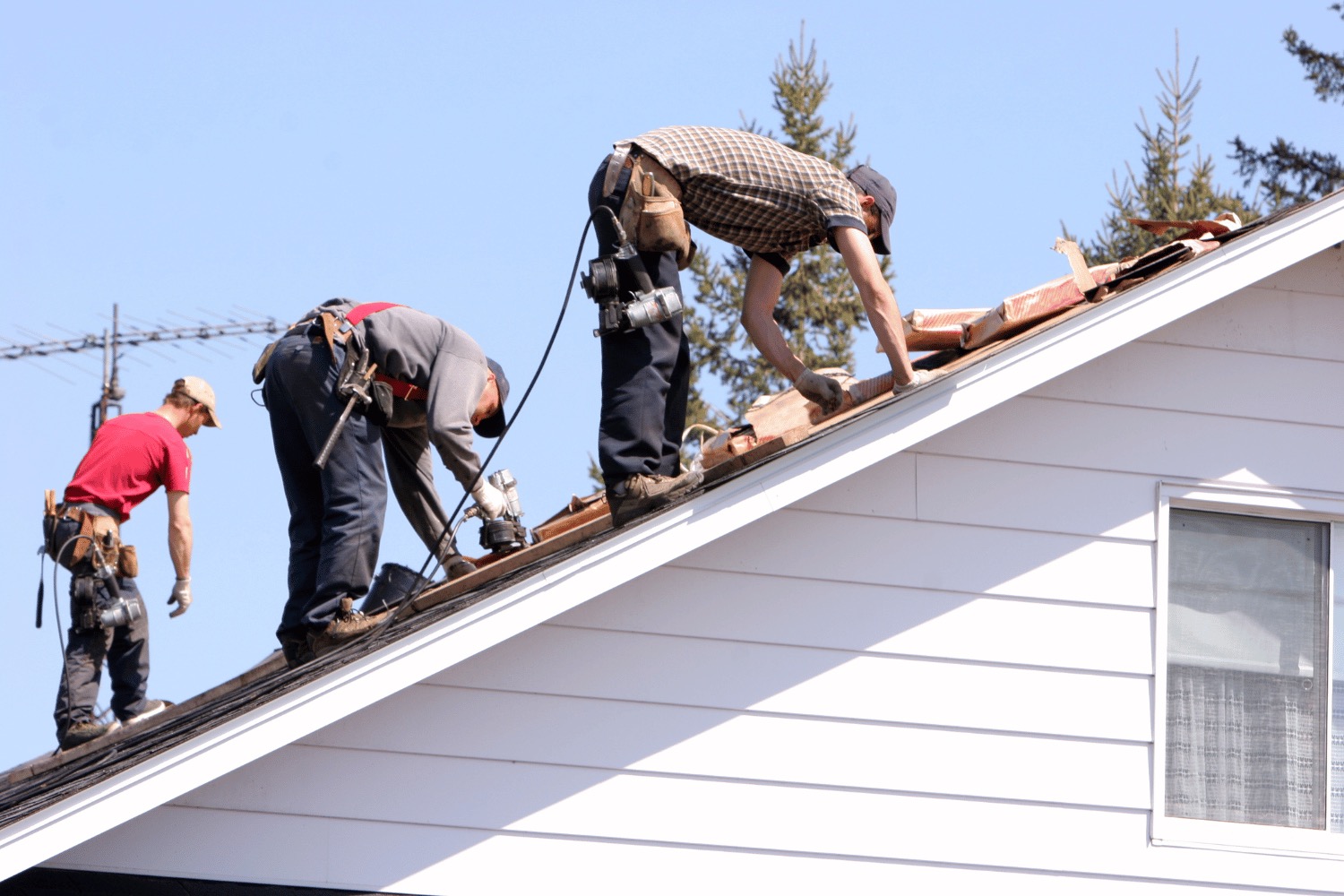
After a severe storm hits your area, it’s worth having a professional inspect your roof for wind damage. Storm damage inspections can catch problems early before they lead to leaks or structural issues.
Snow and Ice
Columbia averages about 20 inches of snowfall per winter, with occasional ice storms that can deposit heavy ice loads on roofs. Both roof styles handle snow well, but gable roofs have a slight advantage because they can be built with steeper pitches (8:12 or higher), which shed snow faster.
Hip roofs distribute snow load more evenly across all four sides, which helps with structural loading. However, the valleys where hip sections meet can accumulate snow and ice, creating potential ice dam locations if not properly ventilated and insulated.
Heat and Ventilation
Mid-Missouri summers are hot and humid. Proper attic ventilation is critical for both roof longevity and energy efficiency. Gable roofs have an inherent advantage — gable end vents provide natural cross-ventilation that helps exhaust hot air from the attic. Combined with soffit vents and a ridge vent, gable roofs can achieve excellent passive ventilation.
Hip roofs rely entirely on soffit-to-ridge ventilation since there are no gable ends for vents. This can work well when properly designed, but it requires careful attention to soffit vent sizing and unobstructed airflow channels in every rafter bay.
Cost Comparison in the Columbia, MO Market
For a typical 1,800-square-foot home in Columbia, here’s what you can expect to pay for each roof style in 2026:
| Cost Category | Hip Roof | Gable Roof |
|---|---|---|
| Framing (new construction) | $8,000-$14,000 | $6,000-$10,000 |
| Shingle installation | $9,000-$15,000 | $7,500-$12,000 |
| Total roofing cost | $17,000-$29,000 | $13,500-$22,000 |
| Annual maintenance | $200-$400 | $150-$300 |
The 15-20% cost premium for hip roofs comes from more complex framing, more roofing material, and more labor hours. However, you may recoup some of this cost through lower insurance premiums — many Missouri carriers offer wind mitigation discounts for hip roofs.
Which Roof Style Is More Common in Columbia?
Drive through Columbia’s neighborhoods and you’ll see both styles in abundance:
- Older neighborhoods (East Campus, Benton-Stephens, North Village): Predominantly gable roofs on the original Craftsman, Victorian, and Colonial homes. Many have cross-gable configurations.
- Mid-century neighborhoods (Parkade, Woodrail): Mix of gable and hip roofs on ranch-style homes. Low-pitch hip roofs were popular in the 1950s and 1960s.
- Newer developments (southwest Columbia, Battle High area): Both styles, with hip roofs becoming more common on larger custom homes for their modern appearance and wind resistance.
So Which Should You Choose?
The right choice depends on your priorities:
- Choose a hip roof if: Wind resistance is your top priority, you live in an area with severe storm exposure, or you want a modern, uniform appearance. The higher upfront cost may be offset by insurance discounts and reduced storm damage risk.
- Choose a gable roof if: You want more attic space, prefer a traditional look, or are working with a tighter budget. Just make sure your gable ends are properly braced for wind, and consider adding gable vents for better ventilation.
Frequently Asked Questions
Are hip roofs better in tornadoes?
Hip roofs perform better in high winds because their aerodynamic shape doesn’t present a large flat surface for wind to catch. While no roof is tornado-proof, hip roofs are less likely to suffer catastrophic failure from straight-line winds that often accompany severe storms.
Do hip roofs leak more than gable roofs?
Hip roofs have more ridges and valleys where sections meet, which are potential leak points if not properly flashed. However, when installed correctly by experienced roofers, hip roofs are no more prone to leaks than gable roofs. The key is quality workmanship and proper flashing at all transitions.
Can I convert a gable roof to a hip roof?
Yes, but it’s a major structural project that typically costs $25,000-$50,000 or more depending on the size of your home. It involves reframing the entire roof structure, so it’s usually only done during major renovations or additions rather than as a standalone project.
Which roof style lasts longer?
Both hip and gable roofs can last 25-30 years or more when properly installed with quality materials. Hip roofs may have a slight edge in severe weather areas because they’re less vulnerable to wind damage, but proper maintenance matters more than roof style for longevity.
Do hip roofs increase home value?
Hip roofs can increase home value slightly in areas where wind resistance is valued, such as storm-prone regions like Mid-Missouri. The modern appearance and potential insurance discounts can be selling points. However, the increase is usually modest — a few percent at most — and depends on buyer preferences in your specific neighborhood.
Which roof style is easier to maintain?
Gable roofs are generally easier to maintain because they have fewer ridges and valleys to inspect and repair. Hip roofs have more complex geometry with more transition points that require attention. However, the difference isn’t dramatic — both styles need regular inspections, especially after severe weather.
Need help deciding on the right roof style for your Columbia home? Contact CoMo Premium Exteriors for a free consultation. We’ll assess your home, discuss your priorities, and help you choose the roof that fits your budget and withstands our Missouri weather.