
Top Common Roofing Problems Found During Inspections
Top Common Roofing Problems Found During Inspections
A well-maintained roof is more than just a shelter over our heads. It’s a shield that protects our homes and families from the harsh elements, ensuring comfort and safety day in, day out. However, like any other component of a house, it can encounter issues that, if left unaddressed, could lead to costly repairs or even replacement. That’s where the critical role of professional roof inspections comes in, helping detect potential problems early and keeping your roof in top shape.
This comprehensive guide will delve into the common roofing problems found during inspections, shed light on the inspection process, and emphasize the importance of routine roof maintenance. To ensure you receive the best care for your roof, we introduce you to a trusted roofing partner – CoMo Premium Exteriors, a Missouri-based exterior remodeling company specializing in roofing, siding, windows, and deck installation.
Key Takeaways
- Routine roof inspections are essential for identifying issues such as leaks, damaged shingles, and poor ventilation, which can lead to serious damage and costly repairs if not promptly addressed.
- Professional roof inspections involve a comprehensive evaluation of both the home’s interior and exterior, including the attic, ceilings, walls, soffit, fascia, gutter systems, and structural elements, resulting in a detailed report with repair or maintenance recommendations.
- Regular roof maintenance, including cleaning gutters and removing debris, conducting inspections, and making prompt repairs, is crucial for preventing damage, extending the roof’s lifespan, and can lead to significant long-term cost savings.
Crucial Roofing Issues Discovered in Inspections
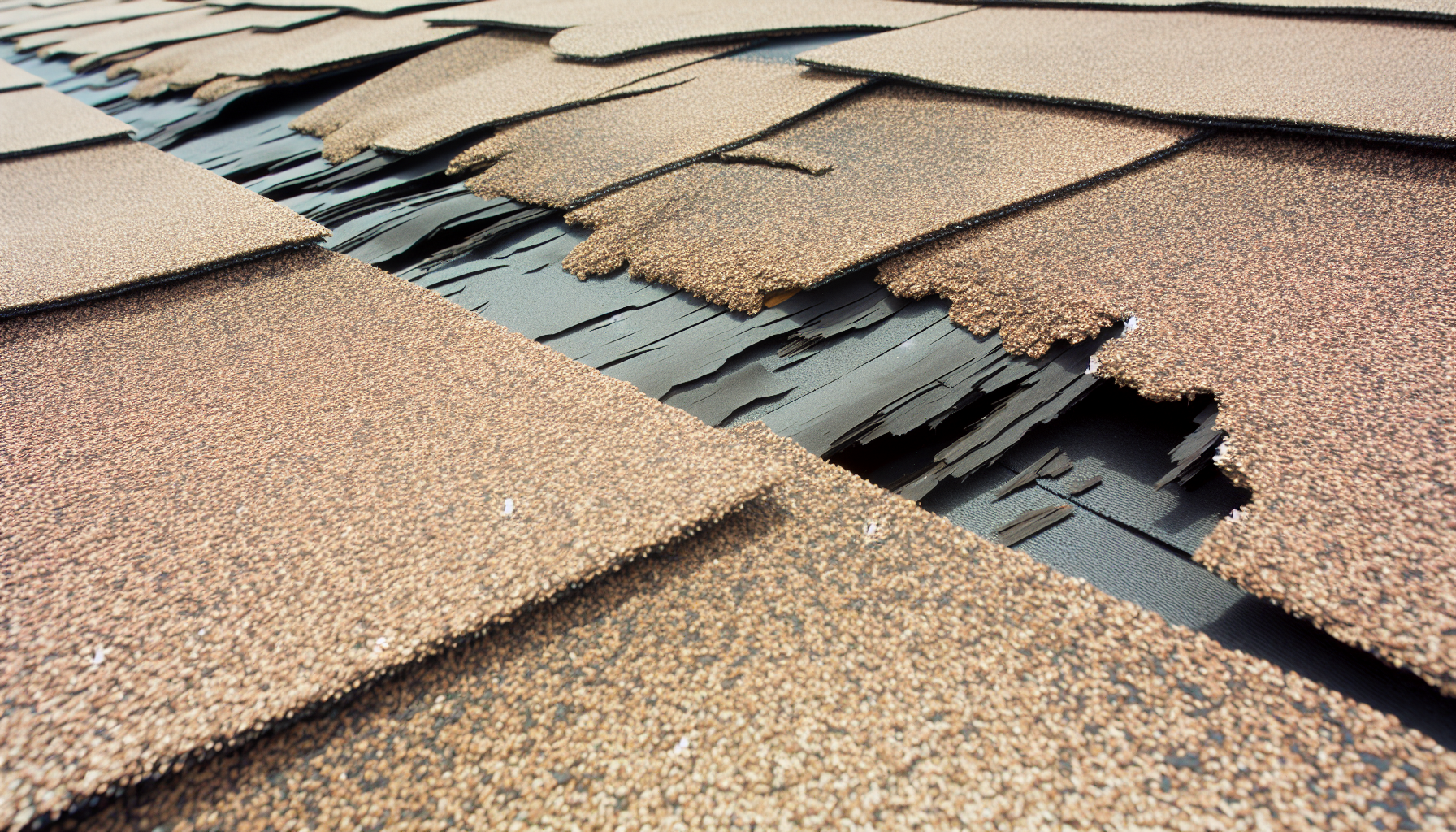
Damaged shingles on a roof
A professional roof inspection is a crucial part of proactive home maintenance. Roof inspections often uncover critical issues such as leaks, damaged shingles, and poor ventilation, which can lead to costly repairs if left unaddressed. A professional roofing contractor, acting as a roof inspector, will conduct a comprehensive assessment of your roof, examining its overall structure, including the soffit, fascia, and gutter system. They also perform an interior inspection, thoroughly examining the ceilings, attic, and walls inside the home for any indications of existing or previous roof system leaks and damage.
Each potential issue identified during a roof inspection has its unique consequences, which we will explore further. We will talk about common problems such as leaks and water damage, damaged or missing shingles, and poor ventilation. These issues can jeopardize your roof’s integrity if they aren’t promptly addressed.
Leaks and Water Damage
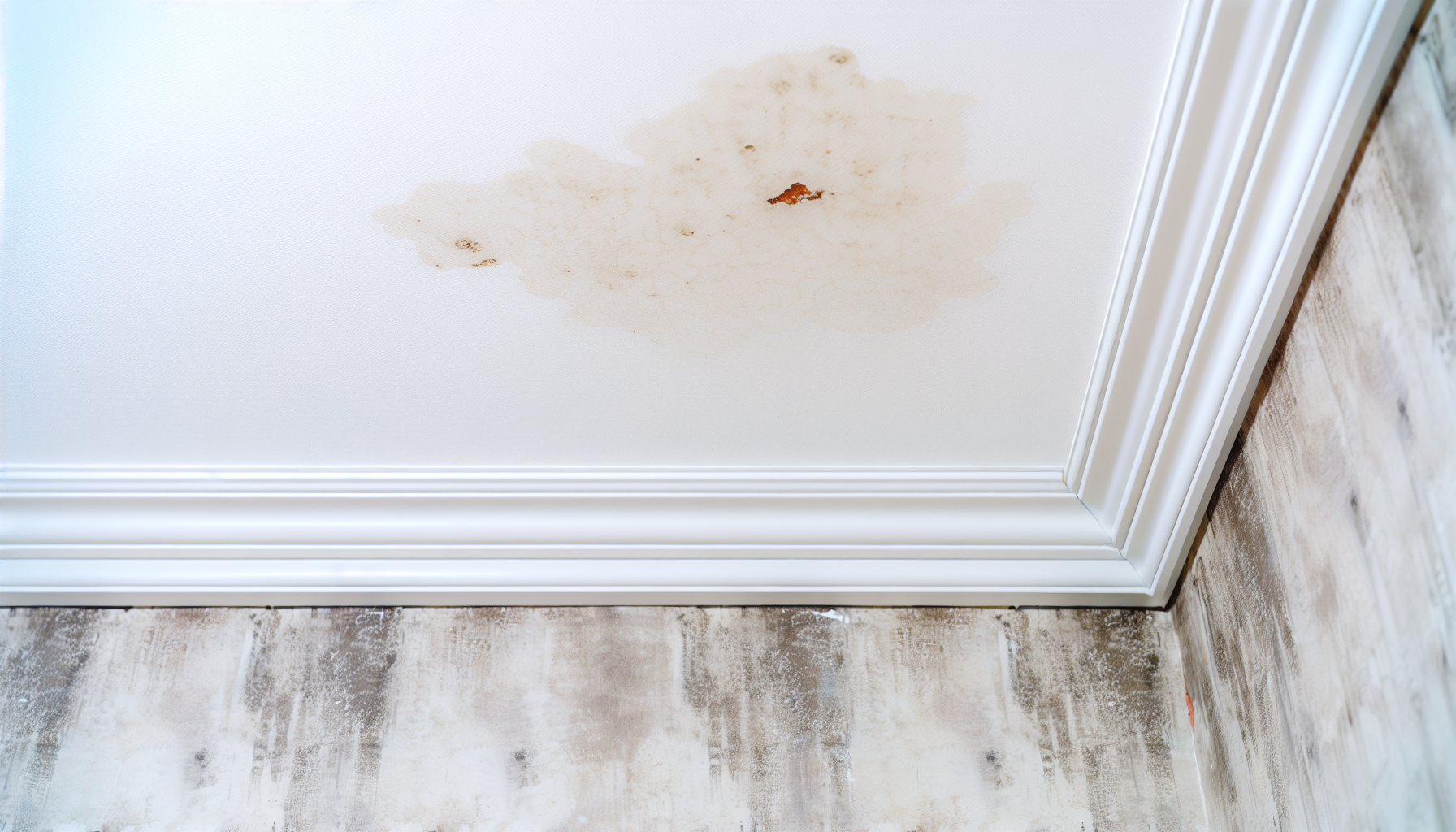
Water damage on a ceiling
Leaks and water damage are common yet potentially severe issues that can be unearthed during a roof inspection. When left unchecked, prolonged exposure to water can cause a gradual deterioration of wood, drywall, and other building materials, ultimately resulting in deformation, weakening, and potential structural failure. Such damage, if extensive, may even impact your insurance company’s coverage of the damage.
Therefore, it is recommended to address roof leaks and water damage as promptly as possible to minimize the risk of further damage. Luckily, some professional roofing contractors offer free roof inspections, which can help homeowners identify and address issues before they escalate.
Preventing water damage and mold growth within your home is contingent on regular roof maintenance, which includes inspections and repairs conducted in a timely manner.
Damaged or Missing Shingles

Poorly ventilated attic with mold growth
Another common issue that a roof inspection can reveal is the presence of damaged or missing shingles. Factors like hail damage, wind damage, and structural damage can lead to the deterioration or absence of shingles, compromising the structural soundness of your roof. The roof becomes vulnerable to the elements, heightening the likelihood of water infiltration, and potentially expediting the degradation of the underlying roofing materials.
Homeowners should be vigilant for signs such as:
- attic leaks
- missing shingles
- curling shingles
- shingle cracks from hail
These signs are indicators of damaged or missing shingles. If you find yourself facing these issues, professional roofing contractors can help address them and provide necessary repairs or replacements.
Ensuring you have a well-maintained “roof over your head” is key to the safety and comfort of your home, and it can also help you avoid potential issues with your insurance company.
Poor Ventilation
Inadequate roof ventilation is a less obvious but equally significant issue that can be identified during a roof inspection. Poor ventilation may result in the accumulation of excessive moisture, which can permeate the roof decking, leading to deformation, sagging, and deterioration. These issues may not be visible at first glance but can cause severe damage over time.
Roof inspectors identify poor ventilation issues by checking for signs like blocked vents, improper airflow, excessive moisture in the attic, and obstructed roof soffits. To enhance inadequate roof ventilation, measures include installing intake vents such as soffit vents and adding roof vents like ridge vents or turbine vents to facilitate the escape of hot air. A professional roof inspection can help identify the need for these improvements.
The Inspection Process: What to Expect
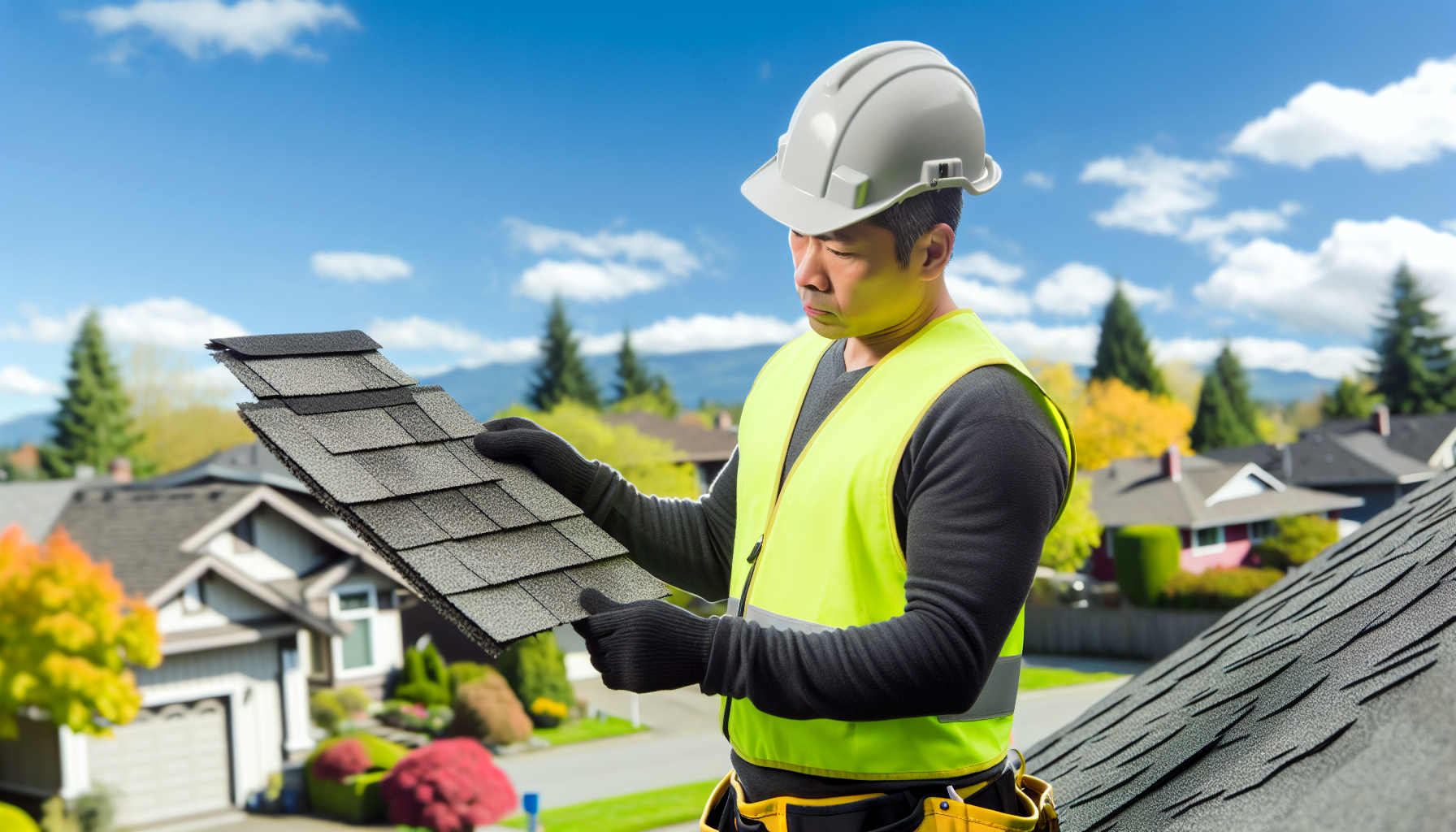
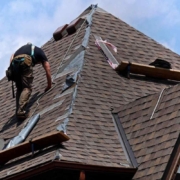
Roof inspector examining shingles
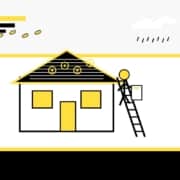
When it comes to roof inspection, knowing what to expect can help you prepare and make the process smoother. A comprehensive thorough roof inspection includes an assessment of all roofing components to evaluate the current state of the roof and pinpoint any necessary adjustments. This may encompass a physical examination of the roof, involving an inspector ascending to the roof for analysis.
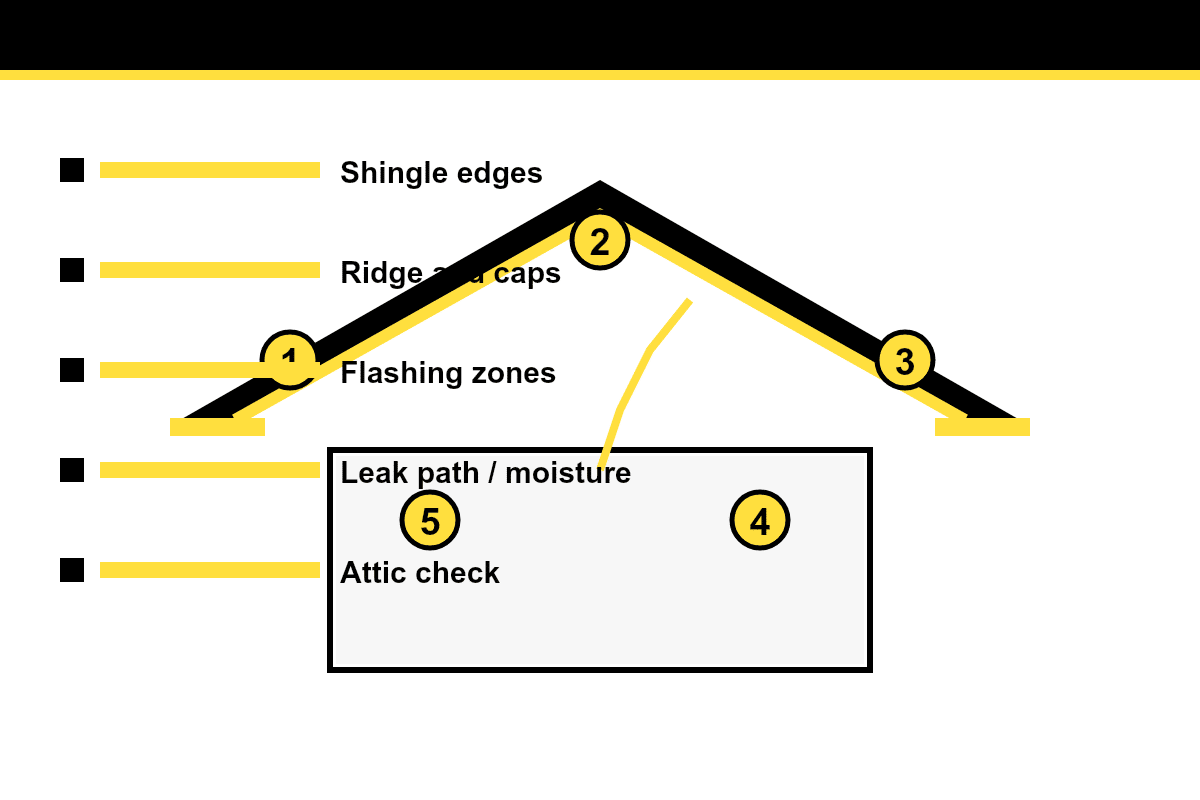
From a visual assessment of the exterior to an interior evaluation of the attic and ceilings, the inspection process covers a wide range of aspects. The result of the inspection is a detailed report, providing recommendations for repairs or maintenance, and offering a clear picture of your roof’s condition.
The subsequent sections will delve into each aspect of the inspection process in more detail.
Visual Assessment
The visual assessment is a vital part of a roof inspection. It involves checking for:
- Damaged or missing shingles
- Flashing issues
- Gutter problems
- Soffit, fascia, gutters, skylights, chimneys, vents, and other structural elements
- Roofing materials for any signs of damage, missing materials, stains
- Flashing underneath for leaks or cracks
The exterior inspection encompasses an assessment of all these elements to ensure the roof is in good condition.
Typical indicators of deteriorated or absent shingles encompass the age of the roof, water damage in the attic, visible asphalt shingle damage, damaged vent and chimney seals, gutter issues, missing, damaged, or curling shingles, and the existence of leaks in the attic. The visual assessment also checks for potential flashing issues by examining for indications of rust, damage, detachment, or loose flashing. It also identifies common gutter issues such as clogged gutters, sagging gutters, loose or missing gutter hangers, damaged or disconnected downspouts, and gutter leaks.
Interior Evaluation
Following the exterior visual assessment, a roof inspection also includes an interior evaluation. This part of the process focuses on the attic, ceilings, and walls, looking for any indications of damage, such as water marks, mold, or hidden structural issues.
Typical indicators of water damage in the attic and ceilings include:
- Water stains
- Sagging or bowed ceilings
- Damp insulation
- Discoloration
- Bulging walls or ceilings
- Musty smell
- Mold or mildew growth
- Peeling, bubbling or flaking paint
- Water rings
The inspection also involves looking for signs of mold damage, which may manifest as dark, furry, or slimy patches, particularly in damp areas.
Inadequate ventilation can lead to the concentration of indoor air pollutants, which may have both immediate and long-term health implications. Therefore, signs of inadequate ventilation are also checked for.
Detailed Report and Recommendations
At the end of the inspection process, the inspector compiles a comprehensive report that includes:
- Findings from the inspection
- Recommendations for repairs, maintenance, or replacement, if necessary
- The state of the exterior and interior elements of the roof
This report encapsulates the inspector’s discoveries during the free inspection and offers suggestions for repairs or upkeep.
The report effectively communicates the condition of the roof to the homeowner by providing comprehensive details on factors such as:
- the roof’s age
- manufacturer
- slope
- height
- type
Additionally, it may incorporate information on the homeowner’s insurance and any pertinent claims, offering a comprehensive overview of the roof’s condition. This information enables homeowners to comprehend the importance and immediacy of maintenance or, in certain instances, the requirement for a complete roof replacement.
The Importance of Routine Roof Maintenance
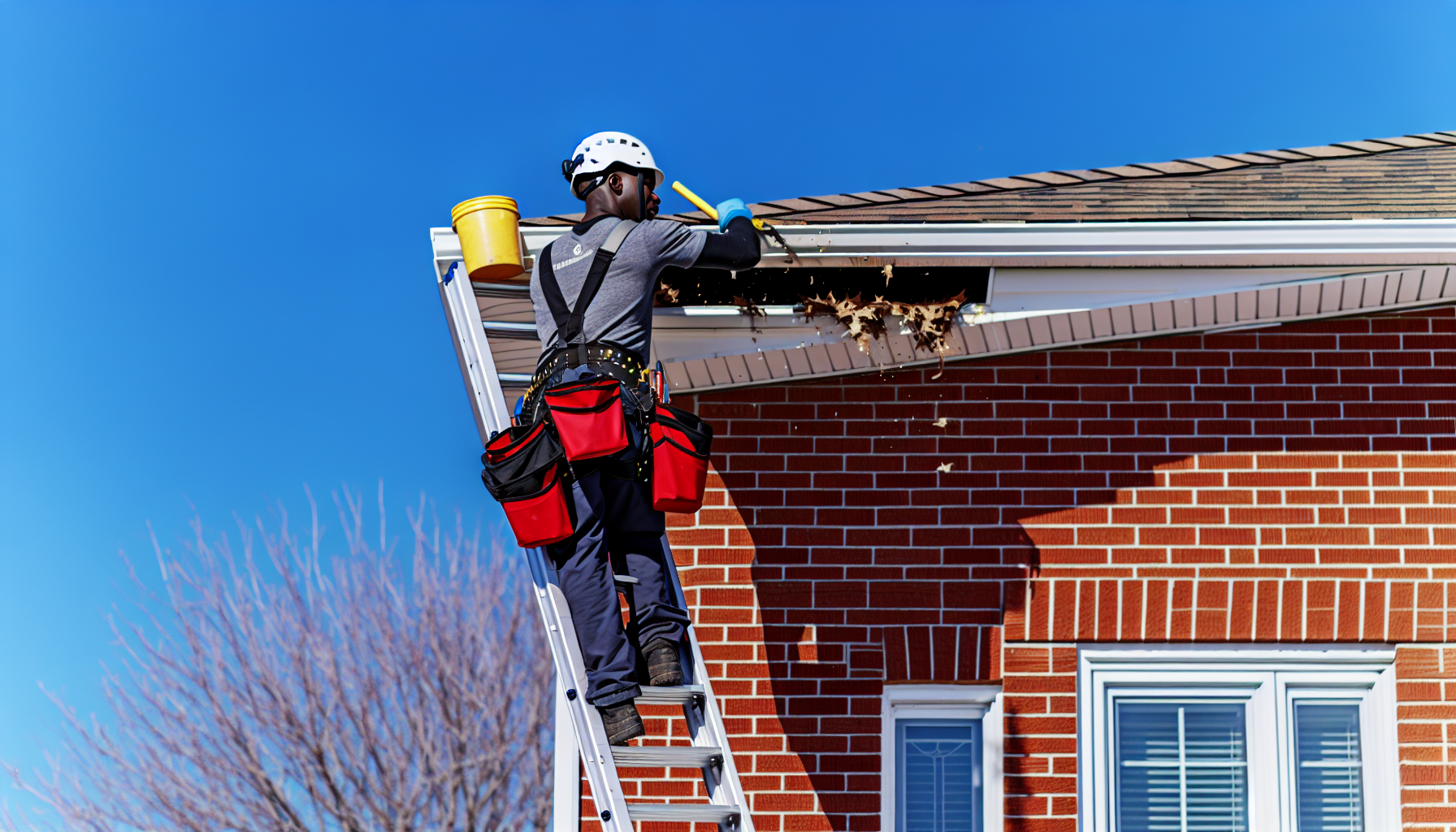
Professional cleaning of roof gutters
Despite the importance of inspections in identifying potential problems, it’s the regular roof maintenance that plays a key role in preventing these issues from arising. Conducting regular roof inspections is vital for pinpointing any needed repairs, evaluating the roof’s condition, and gauging its longevity. Neglecting regular roof inspections can result in undetected roofing issues, which may eventually lead to costly repairs.
Routine roof maintenance should primarily involve checking for interior signs of roof problems, maintaining cleanliness, inspecting the roof surface, and checking expansion joints. Additionally, starting in the attic, removing debris from the roof, cleaning out the gutters, trimming nearby trees, and checking the ventilation are crucial aspects of routine maintenance.
In the subsequent sections, we will explore specific maintenance activities that every homeowner should take into account.
Cleaning Gutters and Removing Debris
One of the key tasks in roof maintenance is cleaning the gutters and removing debris from the roof. The removal of debris from a roof is essential in preventing water damage as it ensures that gutters remain unclogged. Accumulated debris can obstruct water flow, leading to potential overflow and subsequent damage to the exterior of the house or building.
The process of cleaning roof gutters involves manually removing debris by hand or with a tool such as a gutter scoop. After removing the bulk of the debris, the gutters and downspouts should be flushed with water to ensure all remaining material is cleared out, allowing water to flow freely. gutters are generally recommended to be cleaned twice a year, although the specific frequency may vary based on factors such as the property’s location and the condition of the gutters.
Regular Inspections
Regular inspections are another crucial part of roof maintenance. They play a crucial role in preventing extensive damage by detecting signs of wear and tear, damage, and other issues that may impact the roof’s functionality. Early identification of potential problems can avert minor issues from developing into significant and expensive repairs.
According to the National Roofing Contractors Association, it is advisable to inspect a roof at least twice a year, during the fall and spring seasons. Additionally, it is suggested to conduct inspections annually, or more frequently in adverse weather conditions. The process of a regular roof inspection includes:
- Assessing the roof structure’s underside, such as the rafters, joists, and decking.
- Checking for any signs of damage or deterioration, such as cracked or missing shingles, leaks, or sagging areas.
- Inspecting the flashing around chimneys, vents, and skylights to ensure they are properly sealed.
- Clearing any debris, such as leaves or branches, from the roof.
- Engaging a professional for a roof inspection at least annually.
Regular roof inspections are important for identifying and addressing any potential issues before they become major problems. That’s why it’s wise to take advantage of a free roof inspection and follow a roof inspection guide.
Prompt Repairs
Lastly, prompt repairs are an essential component of roof maintenance. Timely roofing repairs offer various advantages such as:
- Enhanced roof performance
- Prevention of energy wastage
- Prolonged roof lifespan
- Potential long-term cost reductions
Prompt repairs can help homeowners save money in the long run by averting additional damage and reducing the need for more expensive repairs in the future. They also play a crucial role in maintaining the roof’s integrity by safeguarding it against weather damage, halting further deterioration, and upholding the structural integrity of the roof.
Moreover, timely roof repairs have the potential to prevent additional damages such as extensive water damage, mold growth, wood rot, and the need for more expensive repairs.
CoMo Premium Exteriors: Your Trusted Roofing Partner
For all your roofing needs, CoMo Premium Exteriors stands as one of the reliable roofing companies. With years of experience, CoMo Premium Exteriors provides a wide range of services, including roofing repairs and replacements. We emphasize professional project management and provide tailored solutions for each customer while establishing transparent project expectations.
Whether you’re looking at routine maintenance, repairs, or a complete roof replacement, CoMo Premium Exteriors is committed to delivering professional, licensed, and insured services, free estimates, and financing options. What exactly does CoMo Premium Exteriors offer, and how do they guarantee customer satisfaction? We will explore these details further.
Services Offered
CoMo Premium Exteriors provides a wide array of services to cater to all your roofing needs. From roof repair to new roofing installations, the company prioritizes quality and professionalism in each project they undertake. And it doesn’t stop at roofing; they also offer a variety of siding installations, including:
But what if you need services beyond roofing and siding? CoMo Premium Exteriors has got you covered. They also offer professional window replacement and door installation services, along with complimentary estimates in Columbia, MO. Each service is tailored to address the individual requirements of their clients, ensuring you receive top-notch, personalized service every time.
Warranties and Guarantees
In addition to their comprehensive services, CoMo Premium Exteriors also provides peace of mind to homeowners through their warranties and guarantees. They offer a 5-year workmanship warranty for new installations, along with a 1-year warranty for repairs. This ensures that any issues arising from the installation or repairs within the warranty period are covered.
Moreover, understanding that the cleanliness of a property is of utmost importance to homeowners, CoMo Premium Exteriors offers a 1-Year Clean-Up Guarantee, ensuring that the property is left clean after the completion of their services. This is in addition to the manufacturer’s warranties for their products, offering a comprehensive protection package for homeowners.
Serving Mid-Missouri Areas
CoMo Premium Exteriors proudly serves numerous Mid-Missouri areas, including Columbia, Jefferson City, and Moberly, among others. They understand the unique needs of homeowners in these areas and tailor their services to meet these requirements.
Whether you’re a homeowner in Columbia, with a median income of $57,463, or in Jefferson City or Fulton, CoMo Premium Exteriors is committed to providing you with top-notch roofing services that not only meet your needs but also fit your budget. They provide personalized solutions that are adapted to the individual needs of each location in Mid-Missouri, taking into account the distinct environmental factors and roofing material requirements.
Summary
Throughout this comprehensive roof inspection guide, we’ve explored the critical roofing issues that can be discovered during inspections, the importance of routine roof maintenance, and the excellent services offered by CoMo Premium Exteriors. It’s clear that maintaining the health of your roof is not just a one-time effort but a continuous process involving regular inspections, prompt repairs, and necessary maintenance.
As a homeowner, it’s your responsibility to ensure your roof remains in top condition, protecting your home from the elements and providing a safe and comfortable living space for you and your family. Whether you’re dealing with leaks, damaged shingles, or poor ventilation, remember that CoMo Premium Exteriors is always ready to be your partner in maintaining your roof’s integrity. Trust their professional services, warranties, and guarantees to keep your roof in the best shape for years to come.
Frequently Asked Questions
What are the common defects of roofing?
Some common defects of roofing include leaks, missing shingles, and poor installation. It’s important to address these issues promptly to prevent further damage.
How do I know if my roof is unsafe?
If you notice signs of sagging, leaks, sticking doors/windows, buckling ceilings, or cracks in masonry, your roof may be unsafe and should be replaced promptly. Date not available.
How much does a roof inspection cost in US?
A typical roof inspection in the US can cost anywhere from $100 to $400 on average, depending on factors such as the roof size and the type of inspection conducted. In addition to the inspection, homeowners may also opt for a roof certification, which can add extra costs.
How often should a roof be inspected?
A roof should be inspected at least twice a year, preferably during the fall and spring seasons, according to the National Roofing Contractors Association. Additional inspections might be needed in extreme weather.
What services does CoMo Premium Exteriors offer?
CoMo Premium Exteriors offers a range of services, including roof repair, new roofing, siding installation, and window and door replacement. They also provide free estimates in Columbia, MO. If you are in need of these services, CoMo Premium Exteriors has got you covered.