Is It Time for a New Roof in Hallsville, MO? Here’s What to Look For
Is Your Roof Failing? What Hallsville Homes Should Look For
Wondering if your roof is still doing its job? Missouri’s unpredictable weather can quietly wear down your shingles, flashing, and underlayment—until a small problem becomes a costly replacement. In Hallsville, where heavy rain and rapid temperature shifts are common, catching early roof damage is key to protecting your home and your budget.
At CoMo Premium Exteriors, we know what warning signs matter and how to address them with honest, local expertise. In this guide, we’ll walk through the most common signs you need a new roof—and exactly what steps to take if you spot them.
Key Takeaways
- Curling shingles, attic leaks, rusted nails, and moss growth are all signs your Hallsville roof may need replacing.
- Roof damage like sagging, mold, and missing shingles can lead to serious home repairs if ignored for too long.
- Photo documentation and insurance coverage reviews help Hallsville homeowners understand the full extent of roofing issues.
- Free inspections, quality roofing materials, and financing support give Hallsville homeowners trusted help when it matters most.
Curling or Cupping Shingles
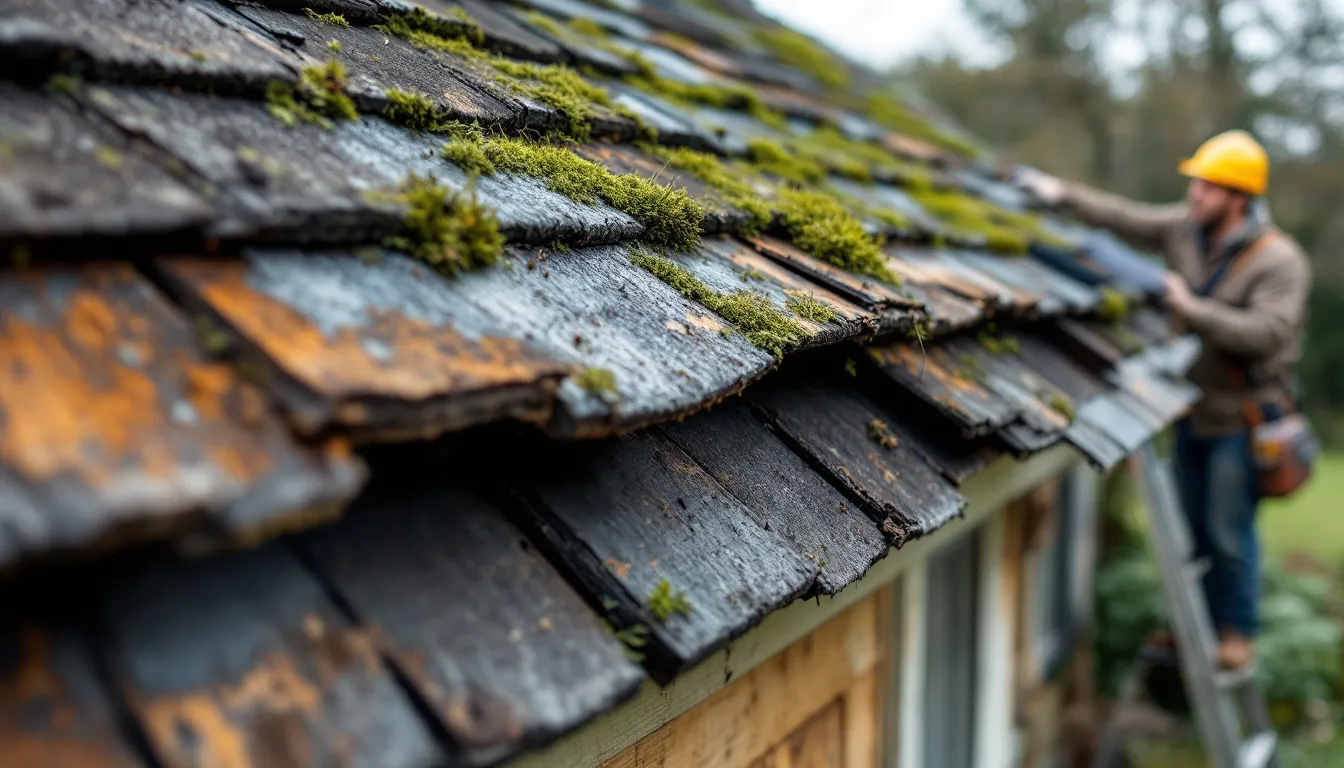
In Hallsville’s humid summers and snowy winters, asphalt shingle roofs often suffer from curling or cupping due to aging roofing material and trapped moisture. When the edges of shingles curl upward or the center lifts (cupped), it signals deterioration of the roof system.
This condition, caused by temperature swings and inadequate attic ventilation, reduces your home’s protection and can accelerate structural decline. It’s one of the common signs of aging roofs in town areas near Indian Hills or the Hallsville Community Center.
Missing or Dislodged Shingles After Storms
After heavy rain or wind, many homeowners in Hallsville, MO discover shingles are missing or damaged.
These visible issues are strong signs you need a new roof or at least a prompt roof repair. If ignored, water can penetrate the roof surface, leading to leaks, mold, and further deterioration of your home’s internal structure.
The extent of the damage might call for a full roof replacement, depending on the age and prior condition of the shingles.
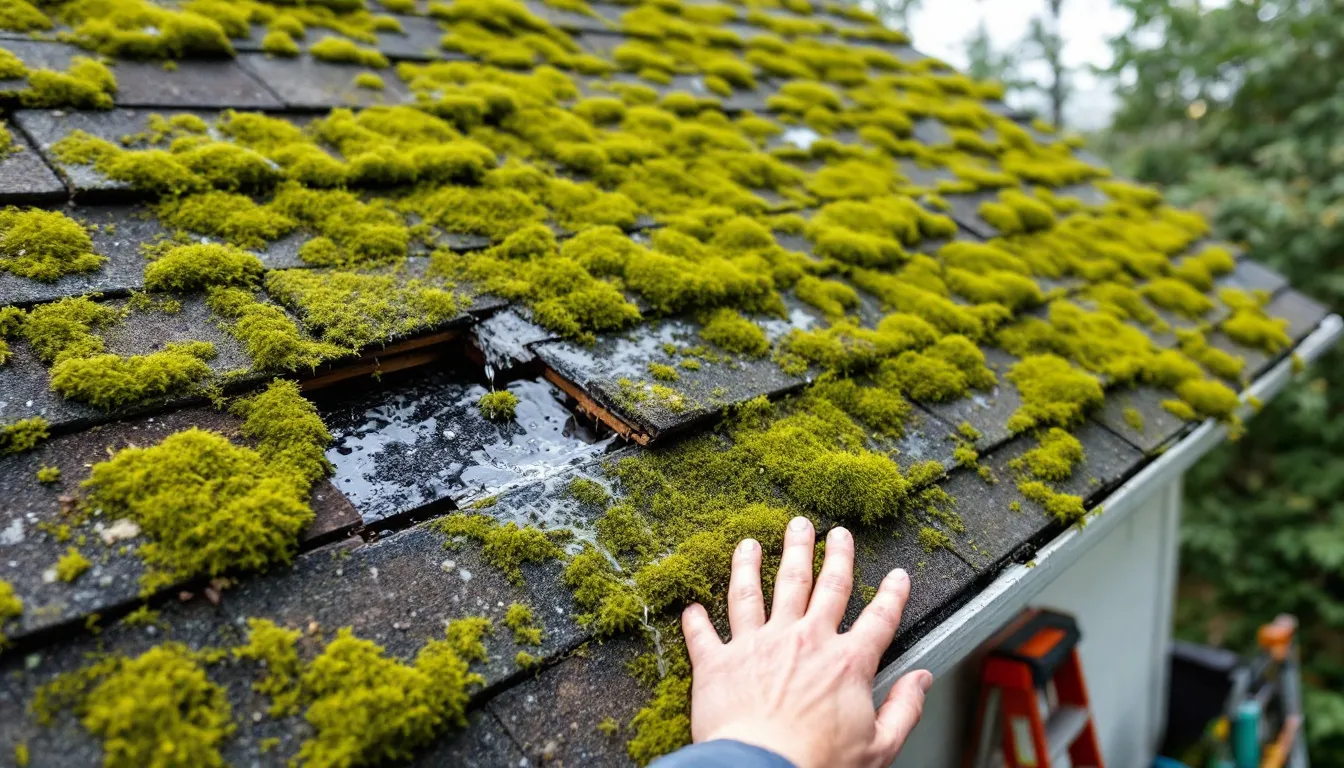
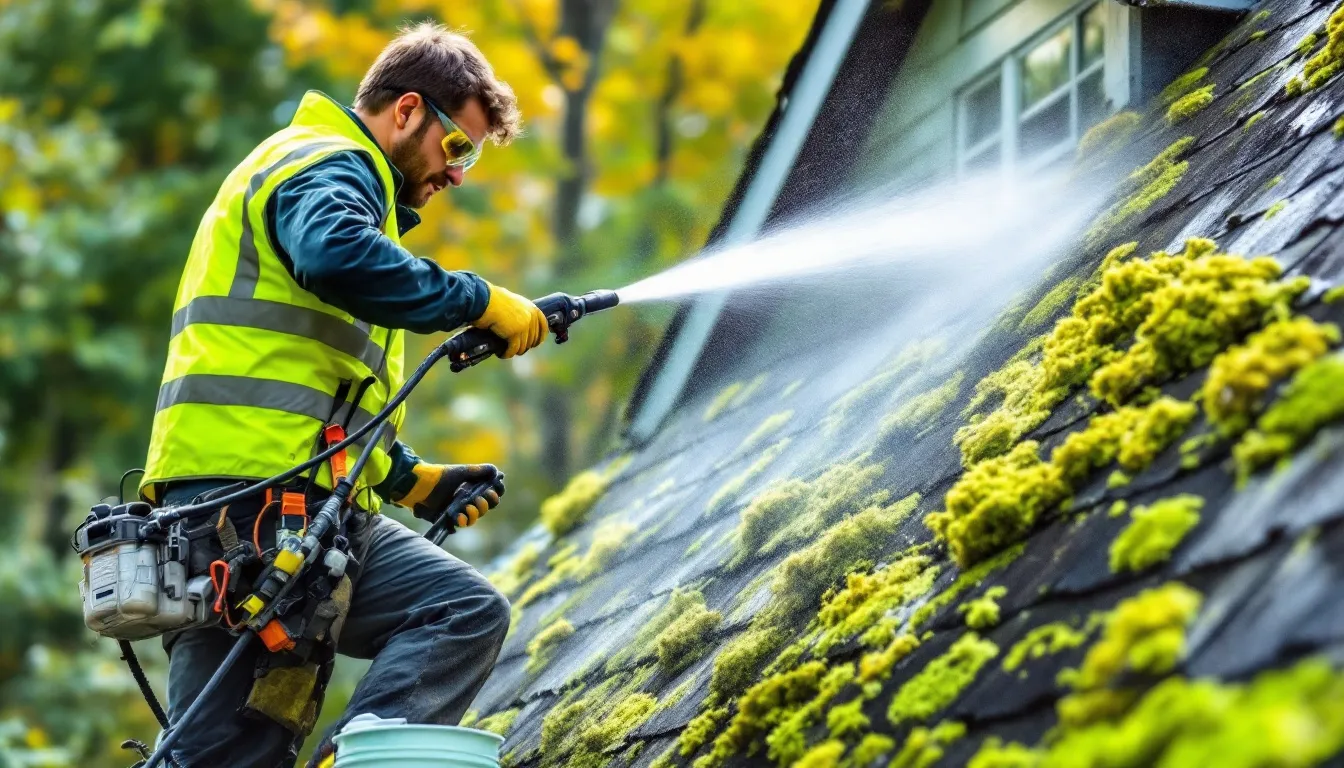
Moss or Algae Growth
Moss growth and algae growth are more than just aesthetic problems. They retain moisture on the surface of shingles and allow mold and mildew to form beneath.
In shaded locations around Hallsville, such as near wooded lots or homes with northern exposures, this can shorten the life of your roof and decrease its effectiveness in blocking out moisture and UV damage.
If allowed to grow unchecked, these organisms can cause significant long-term damage.
Sagging Roof Lines
A sagging roof often points to deeper structural concerns. Whether caused by water saturation, rusted fasteners, or improper installation, sagging represents a critical safety risk. It’s a serious warning sign, especially in homes built before modern building codes were enforced.
If your roof has started to bow or dip, it’s important to act quickly to protect your home and prevent further damage from spreading across the roofing structure.
Granule Loss in Gutters or Downspouts
Granules play a vital role in shielding shingles from the sun and elements. When you find granules in your gutters or at the base of your downspouts, it’s a sign the shingles are breaking down and losing their protective qualities.
This is one of the most overlooked problems that leads to premature roof replacement, especially in Hallsville, where storms can dislodge granules in a single event.
Water Leaks or Moisture in the Attic
Moisture found in your attic after a storm—particularly around vents, beams, or insulation—is one of the clearest indicators of roof failure. Hallsville homes in more open areas with fewer tree lines often face more direct wind and rain exposure, which can drive water under damaged roofing shingles.
Left unchecked, this moisture can lead to mold growth, material corrosion, and even wood rot.
Rusted or Exposed Roofing Nails
Exposed or rusted nails are not only unsightly but also dangerous. They compromise the structural hold of your roofing system and may lead to loose or lifted shingles.
This corrosion opens the path for leaks and surface water intrusion, making your home more vulnerable during every weather cycle. It’s especially common in older roofs that haven’t been maintained or properly installed.
Mold or Moisture Damage Inside the Home
Ceiling stains, musty smells, and wall bubbling are signs your roofing system is failing to protect your home. These internal symptoms often result from roof damage caused by prolonged exposure to water infiltration.
If you’ve started noticing these issues, especially in upper-level rooms, your roofing system could be nearing the end of its life—and it’s time to address it before more damage is caused.
What to Do If You Notice These Signs in Hallsville Homes
Noticing early signs of roof trouble? Here’s how you can take the right next steps—with local support and expert guidance at every turn.
Schedule a Free Roof Inspection with a Local Expert
If you’ve noticed any of these warning signs, it’s time to schedule a free inspection with a trusted roofing professional. CoMo Premium Exteriors proudly serves the Hallsville area with inspections that provide clarity, detail, and peace of mind.
Our team will walk your roof, assess all visible and hidden problems, and help you understand which roofing services will best extend the life of your roof.
Document the Damage with Photos and Notes
Be sure to record each issue you notice.
Whether it’s a wet attic, broken shingles, or moss on the roof’s surface, your documentation will help lead insurance decisions and guide next steps.
Accurate details make it easier to determine the cause, severity, and the correct replacement strategy—especially in complex re-roof project evaluations.
Check Your Homeowner’s Insurance Coverage
Depending on the cause—whether it’s storm damage, material failure, or improper installation—many homeowner policies will cover part or all of the replacement costs.
CoMo works directly with insurers to help Hallsville customers manage claims efficiently. This support minimizes delays and provides the attention needed to move your roofing project forward without stress.
Consider Long-Term Roofing Materials
Choosing durable roofing material helps extend your roof’s life and improve its overall performance. At CoMo, we install Owens Corning and GAF systems that meet the highest standards for Missouri’s climate.
These premium products offer resistance against algae, hail, and water infiltration—while improving your home’s safety and value in the long term.
Review Financing Options Available to Hallsville Residents
We know roof repairs and full replacements aren’t always planned.
That’s why we offer best-in-class financing and a new billing software system that simplifies monthly payments and offers real-time updates. Whether you’re managing repairs on a starter home or investing in a new roof for a long-term property, our billing software system makes it easier to budget and plan around your schedule.
Ready to Protect Your Hallsville Home?
Our roofing professionals receive continuous training to ensure every project meets the highest standard. Since 2010, our crew has helped homeowners in Hallsville address roof problems with confidence—from replacing aging asphalt shingle roofs to repairing storm damage with precision.
Whether you’re dealing with moss, corrosion, leaks, or full replacement needs, we know what’s wrong, how it was caused, and how to fix it right the first time. Remember, catching small issues early can help avoid more expensive repairs down the road.
Contact us now to schedule your free inspection. We’ve Got You Covered.
Frequently Asked Questions
What are lesser-known signs you need a new roof beyond missing or curling shingles?
Increased indoor humidity, uneven heating, or pests entering through roof gaps are often early signs that you need a new roof inspection.
Do asphalt shingle roofs vary in performance based on the city or environment?
Yes, your city’s climate impacts durability. In Mid-Missouri, we install materials designed to withstand local weather and environmental factors.
When does it make sense to stop patching and choose a full roof replacement instead?
If repairs continue yearly or involve structural issues, it’s time to consider a full roof replacement for lasting protection and value.
Where can I learn more beyond this page about roof durability and service options?
Our roofing services page explains material types, installation details, and financing choices available to improve long-term roof durability and coverage.