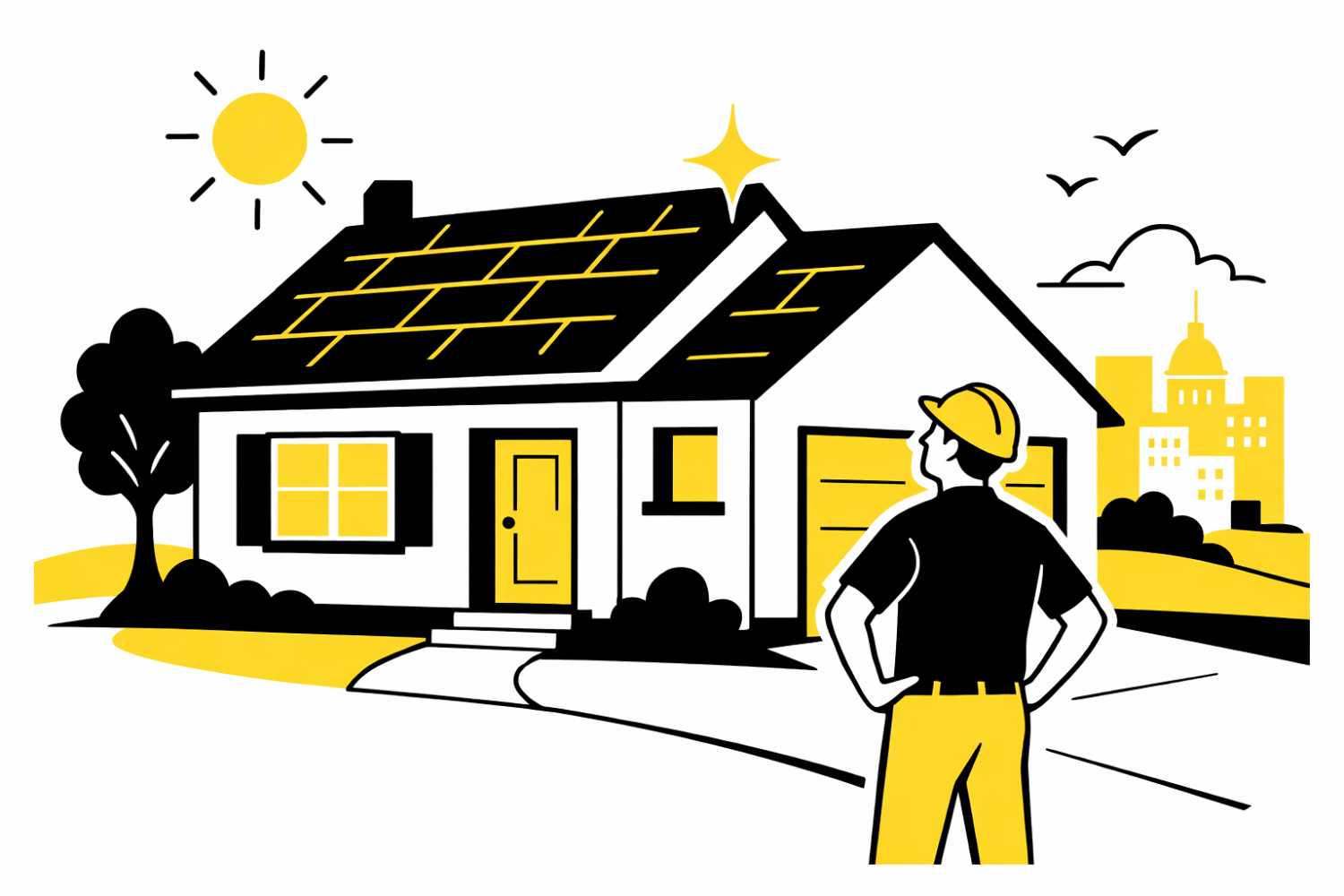
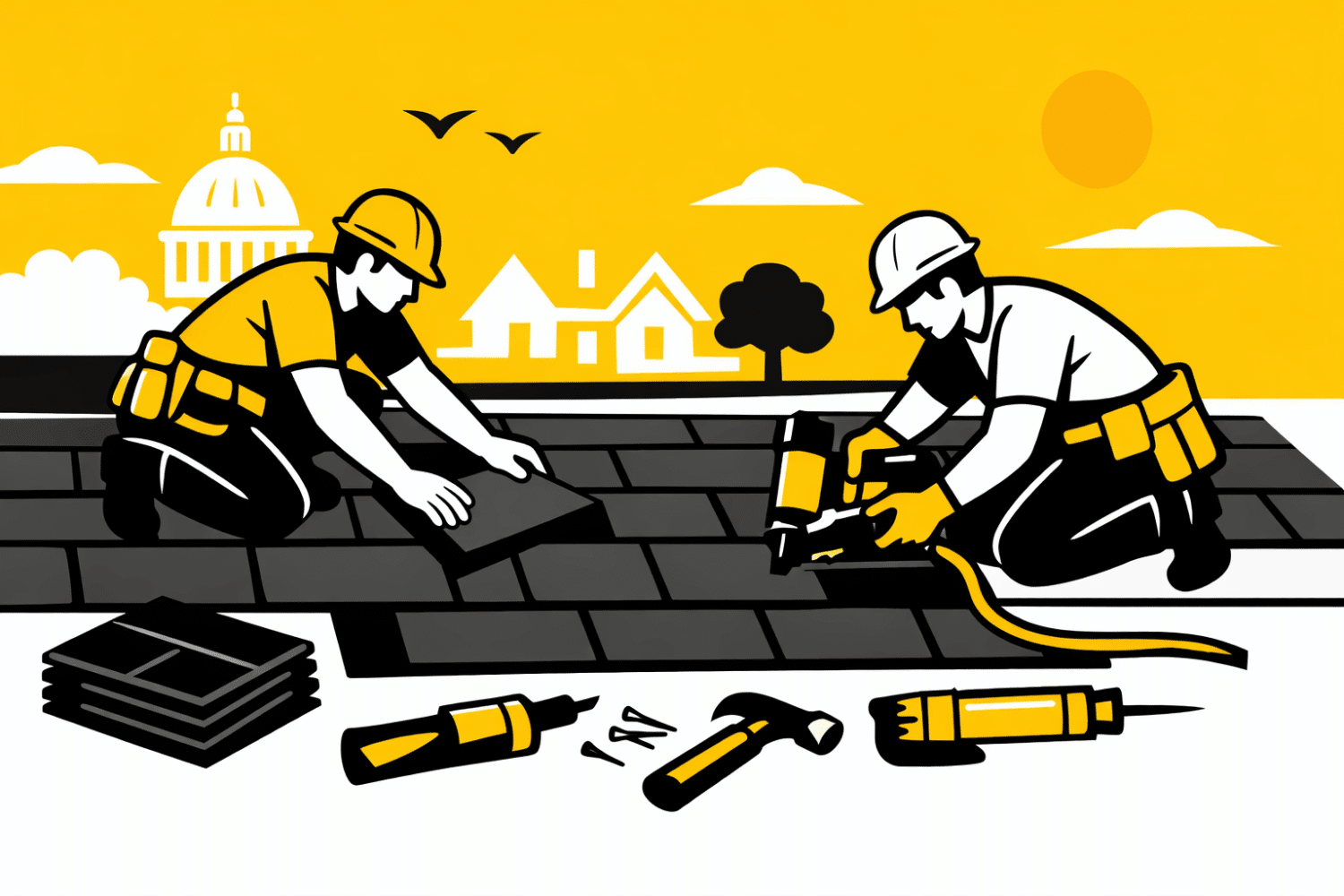
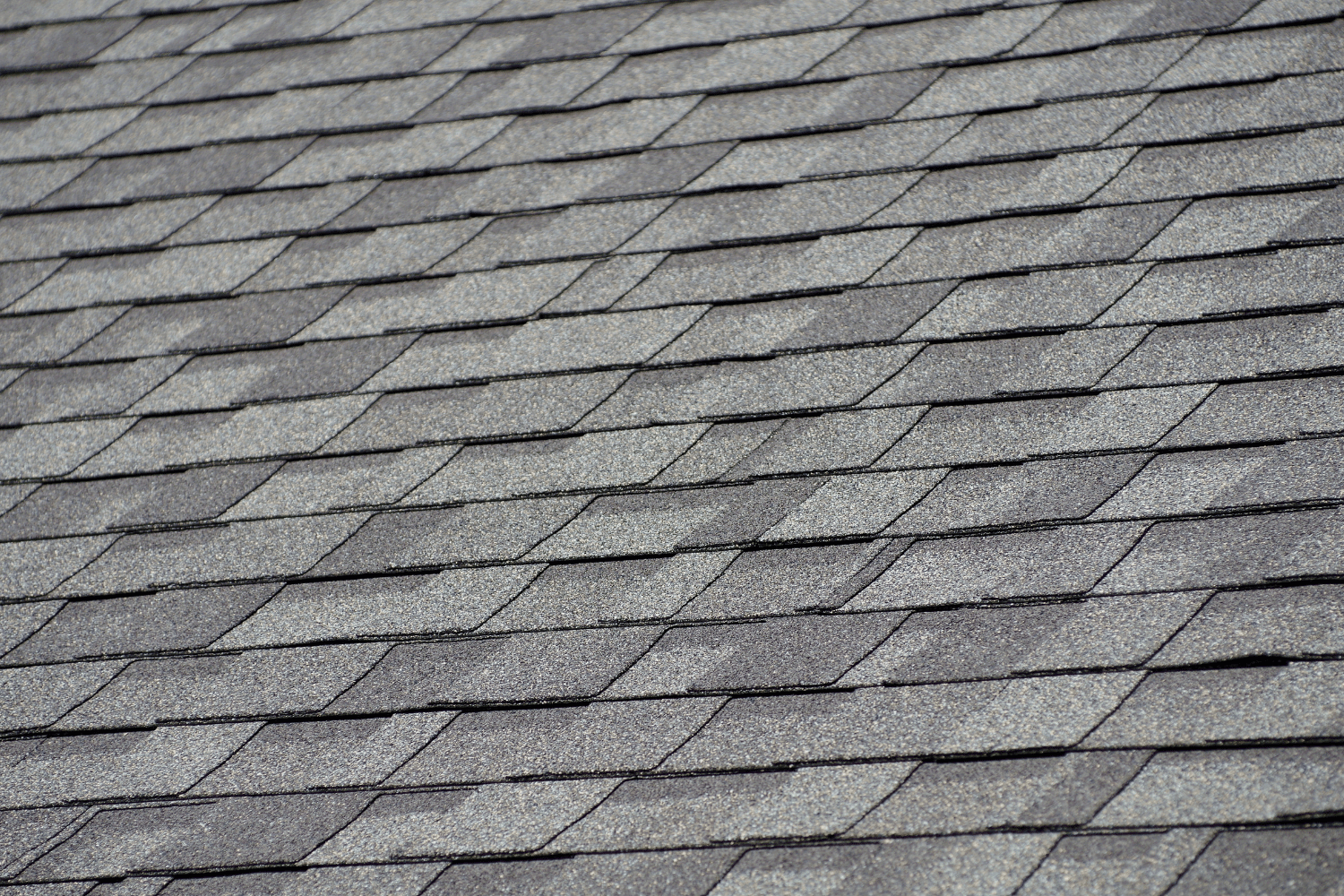
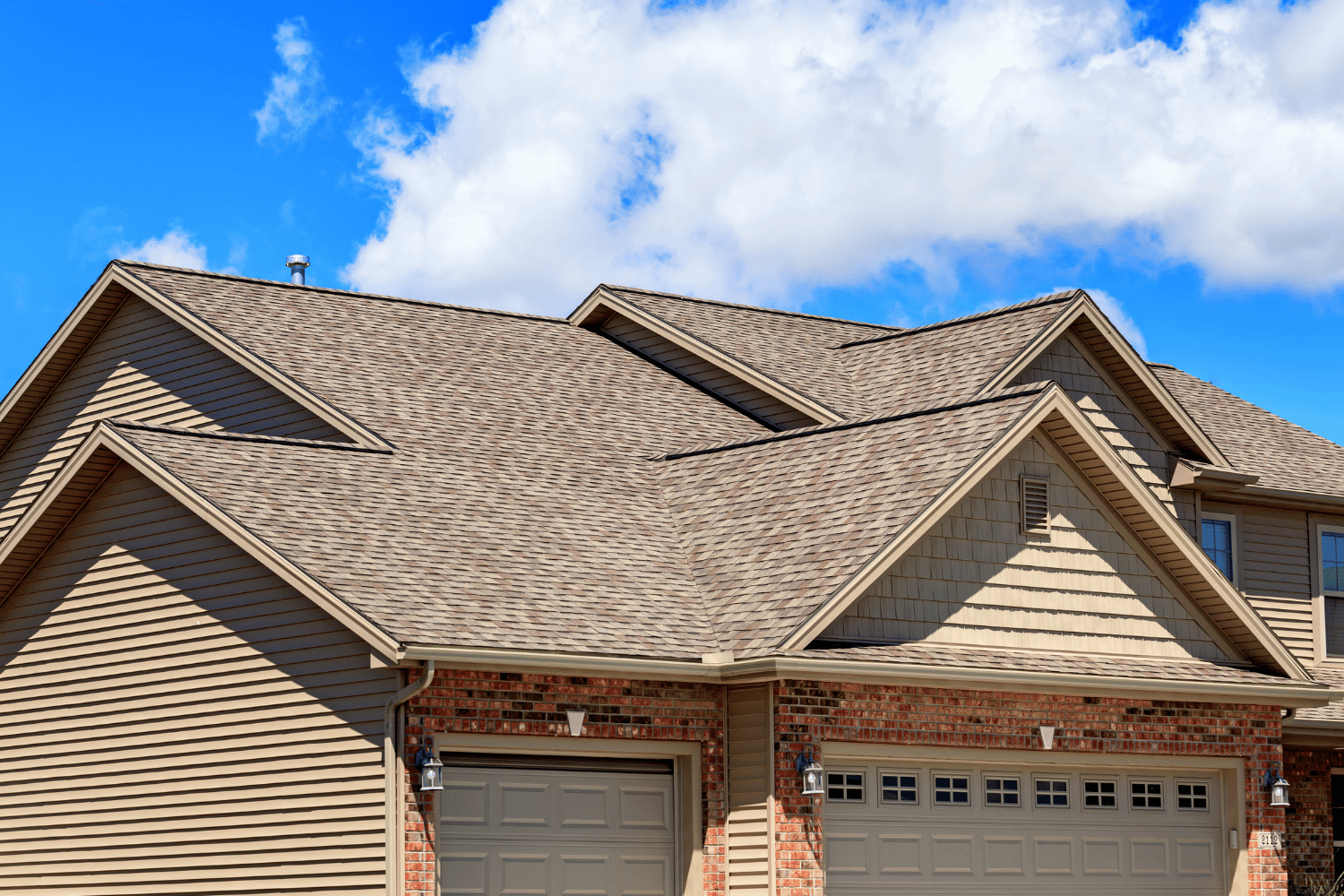
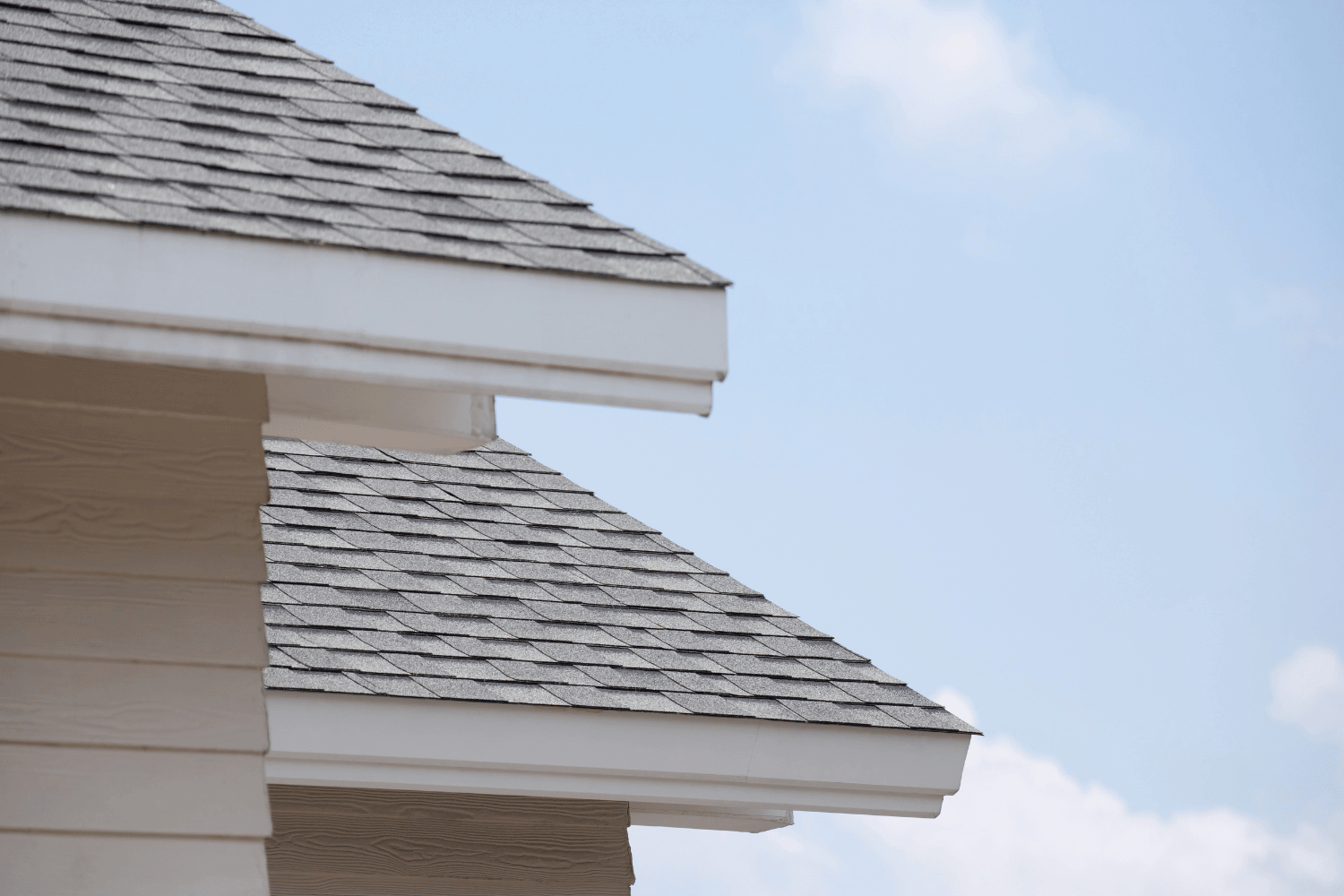
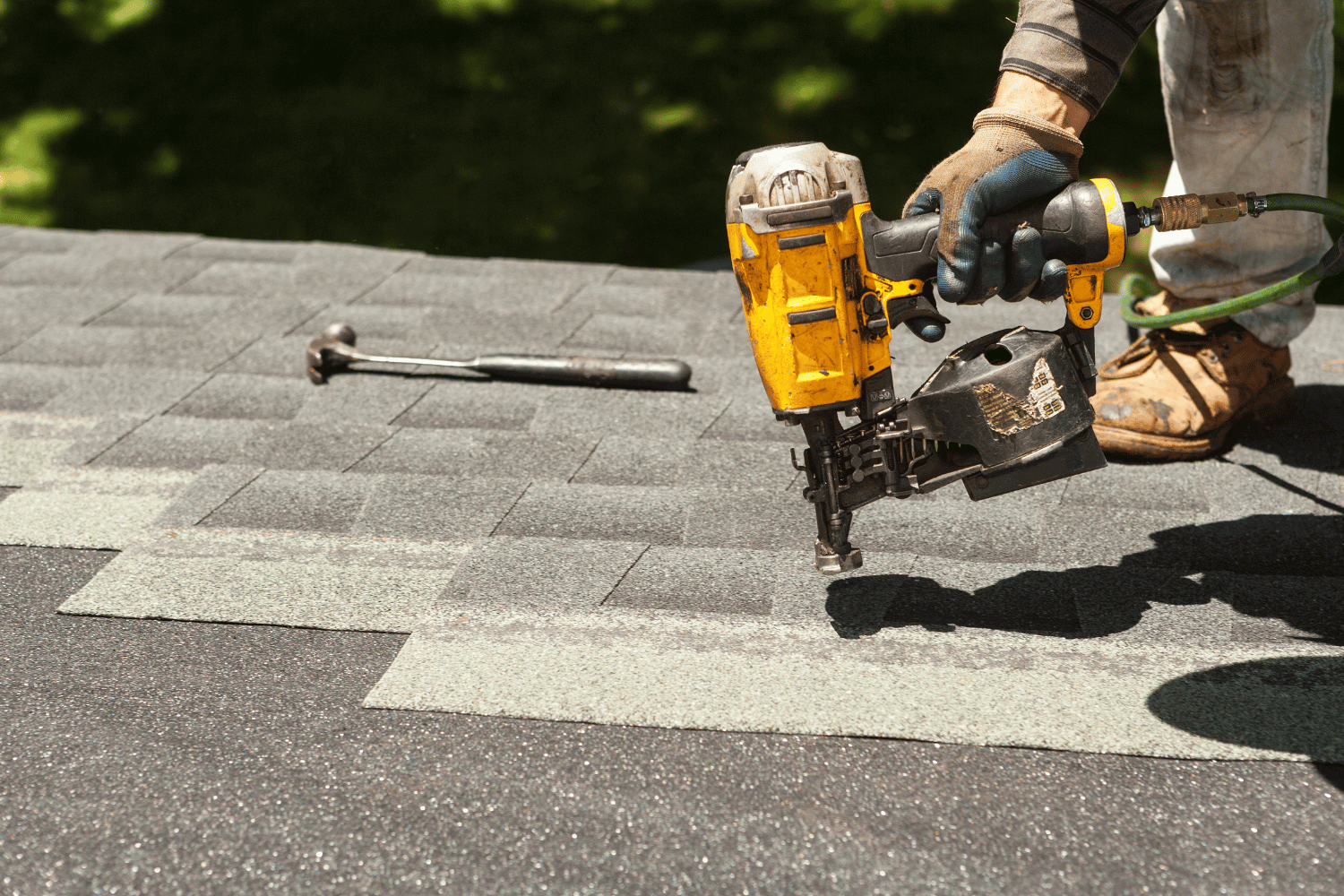
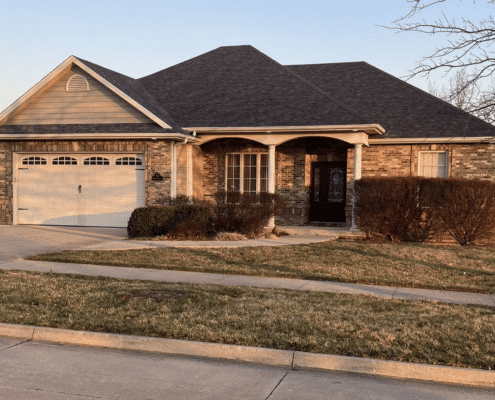
Black Roof Shingles vs Grey: Does Color Matter in Missouri?
Key Takeaways:
Grey shingles reflect roughly twice as much solar energy as black — about 20% versus 10% — which means a cooler attic and lower cooling bills in Missouri summers.
Black shingles run 50-70 degrees hotter than the air temperature on summer afternoons. Grey shingles run 30-50 degrees hotter. That difference affects both energy costs and shingle lifespan.
The energy cost difference is real but modest — roughly $50-$150 per year for a typical Mid-Missouri home, depending on insulation levels and HVAC efficiency.
Both colors are equally popular for resale. Charcoal and Weathered Wood (grey family) are the two most popular shingle colors nationally.
Grey shingles may last slightly longer because lower surface temperatures reduce the thermal cycling that breaks down asphalt over time.
It’s Not Just About Looks
Choosing between black and grey shingles for your Columbia or Jefferson City home feels like a purely aesthetic decision. And curb appeal matters — you’ll live with this color for 20-30 years, and it’s one of the most visible features of your exterior.
But shingle color also affects your roof’s temperature, your attic’s heat load, your cooling bills, and potentially how long the shingles themselves last. In Missouri’s climate — where summer roof surfaces can hit 160 degrees and winter lows drop well below zero — the color you choose has measurable consequences beyond aesthetics.
Neither color is wrong. But understanding the tradeoffs helps you make a choice you’ll be happy with for decades, not just at the paint-chip stage.
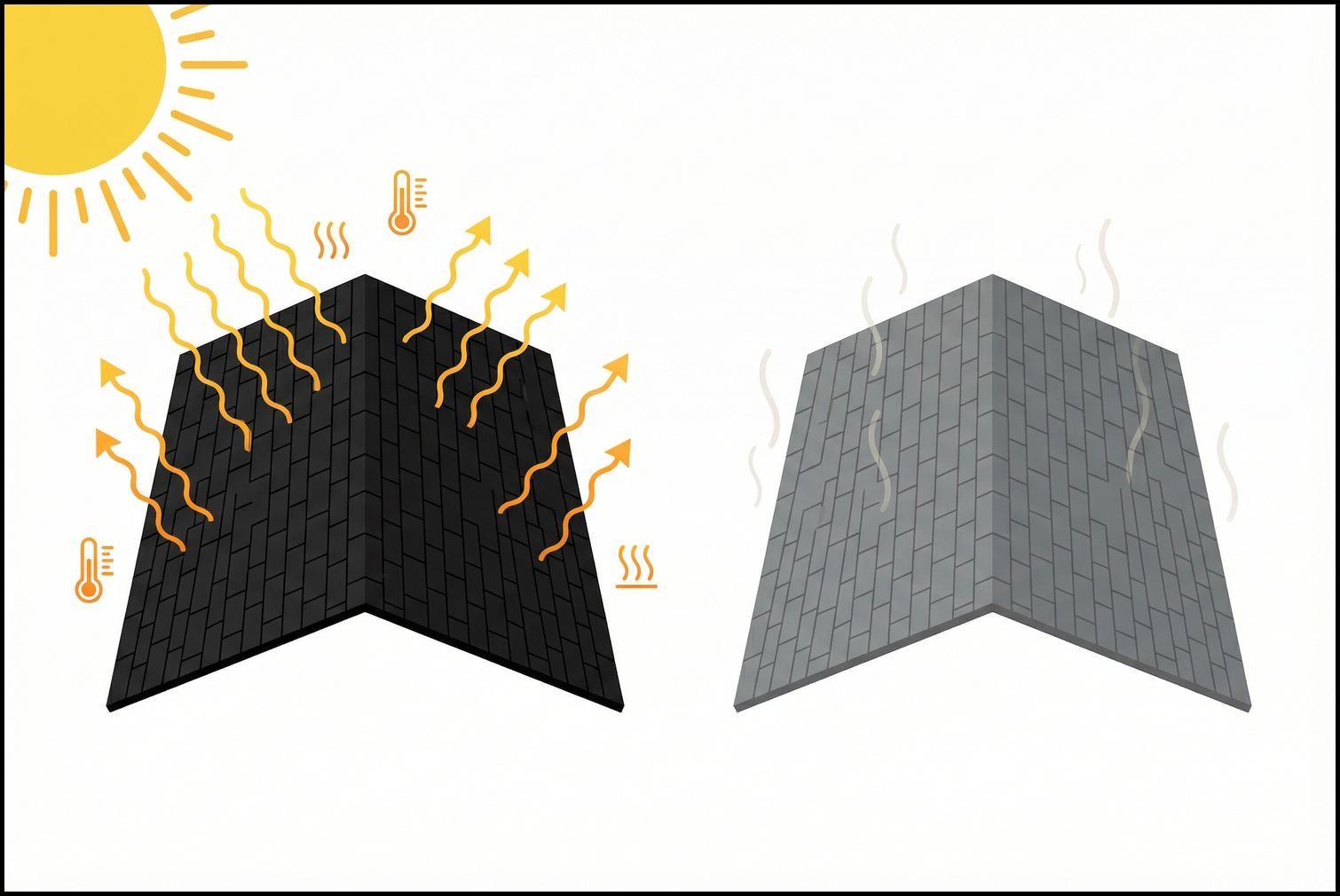
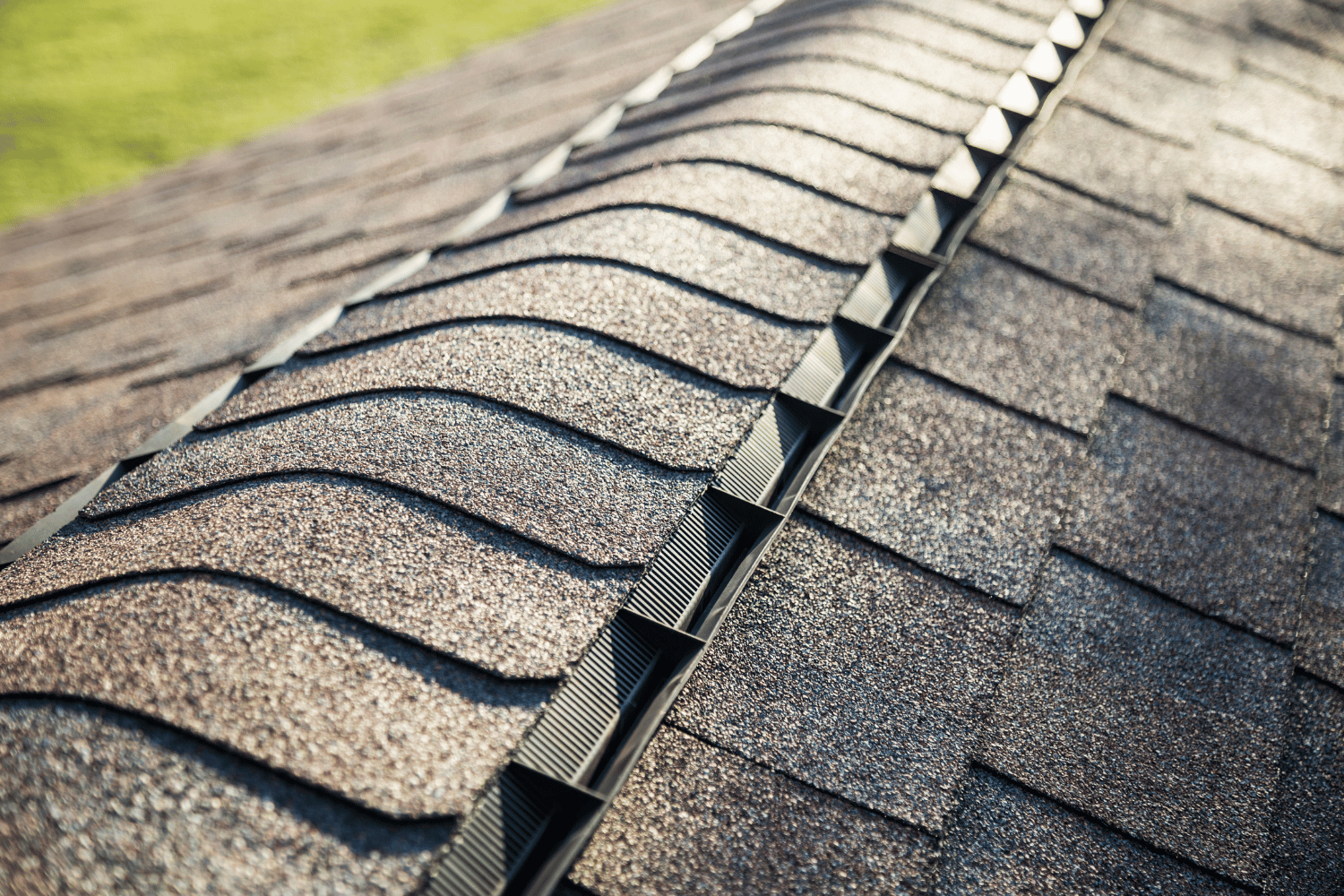
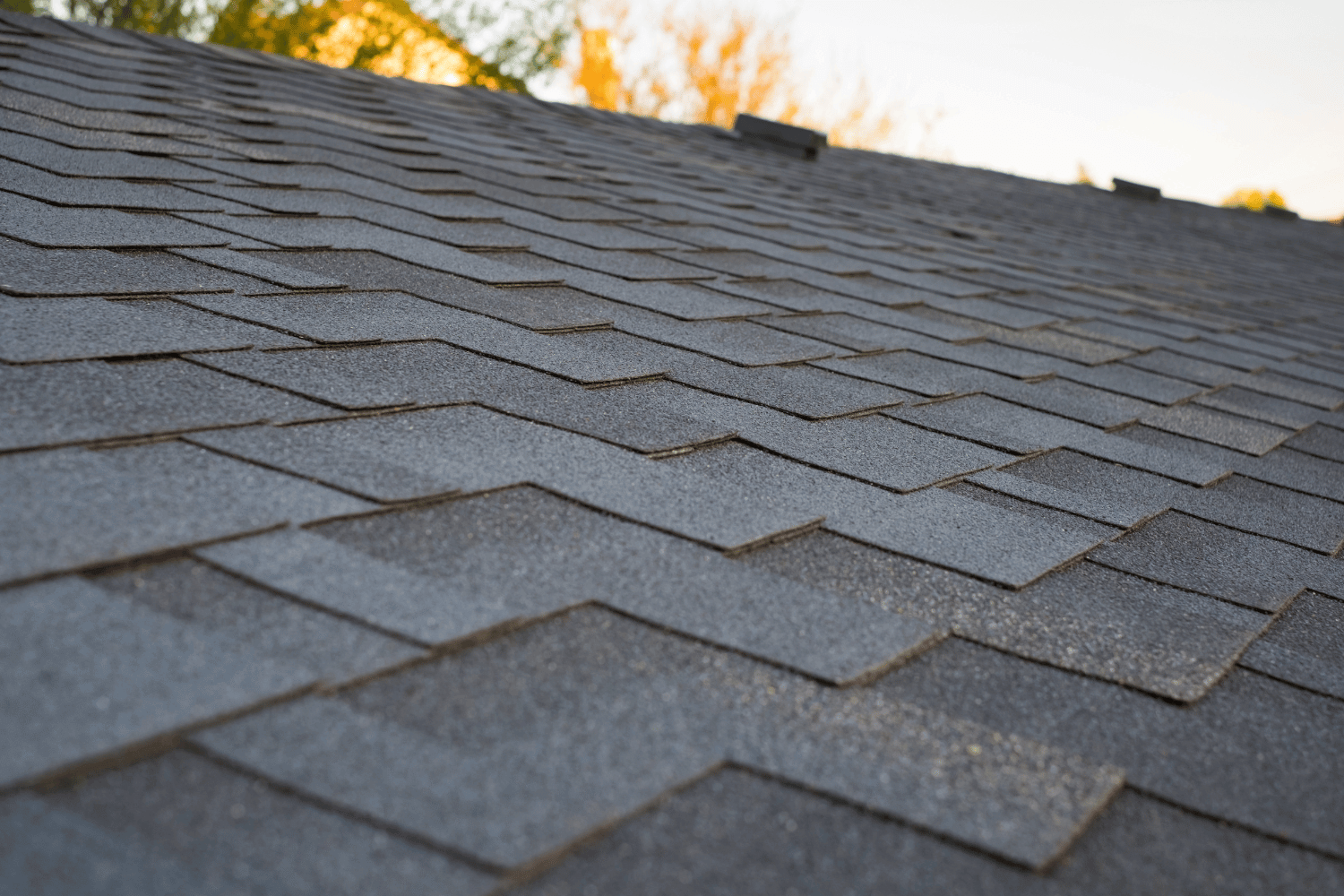
Black shingles reflect about 10% of incoming sunlight and absorb the rest. Roof surface temperatures run 50-70 degrees above ambient air temperature. On a 95-degree August afternoon in Columbia, that means your black roof is hitting 145-165 degrees.
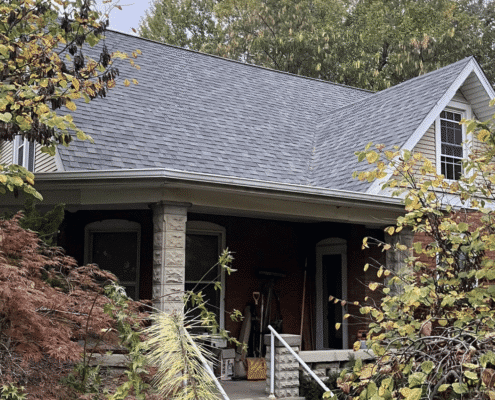
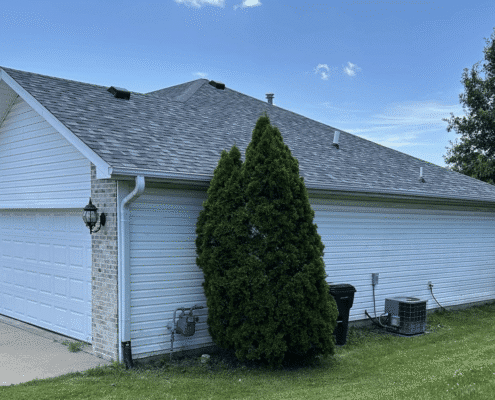
Grey shingles reflect about 20% of sunlight — double what black reflects. Surface temperatures run 30-50 degrees above ambient, putting a grey roof at 125-145 degrees on that same afternoon.
That 20-degree surface temperature difference doesn’t sound dramatic, but it compounds in two important ways. First, less heat transfers through your roof deck into your attic, which means your HVAC system works less hard to keep your living space cool. Second, lower temperatures mean less thermal stress on the shingle material itself — less expansion and contraction cycling that gradually breaks down the asphalt binder.
Energy Cost Impact in Missouri
Missouri sits in IECC Climate Zone 4A — a “mixed-humid” zone with roughly equal heating and cooling demands. That means shingle color affects both seasons, but in opposite directions.
Summer advantage: grey.Field studies from the Florida Solar Energy Center measured average air conditioning savings of 19% when dark roofs were given reflective coatings — with savings ranging from 2% to 43% depending on insulation levels and attic ductwork. Missouri summers aren’t as intense as Florida’s, but the principle holds: more reflective shingles mean less cooling load.
Winter consideration: black. Black shingles absorb more solar heat in winter, which marginally reduces heating demand. However, LBNL research confirms that across most of the U.S. — including Missouri — summer cooling savings from lighter-colored roofs outweigh winter heating penalties. The net annual effect favors grey, though the difference is modest.
For a typical 1,500-2,000 square foot Mid-Missouri home with adequate attic insulation, the annual energy cost difference between black and grey shingles is roughly $50-$150. Over a 25-year roof life, that’s $1,250-$3,750 — not enough to change your color decision alone, but worth knowing when the aesthetic choice is a coin flip.
Does Color Affect How Long Shingles Last?
Yes, modestly. Asphalt shingles age through thermal cycling — the repeated expansion and contraction as the roof heats up during the day and cools at night. More extreme temperature swings mean faster aging.
Black shingles experience a wider daily temperature range than grey. On a summer day, a black roof might swing from 165 degrees at 2 PM to 75 degrees by midnight — a 90-degree cycle. A grey roof on the same day might swing from 145 to 75 degrees — a 70-degree cycle. Over thousands of daily cycles across 25+ years, the cumulative stress difference is real.
Owens Corning’s Duration COOL shingles are engineered specifically to address this — they use solar-reflecting granules that reduce surface temperature even in dark colors. Their COOL line achieves meaningful temperature reduction without limiting your color options to white or light grey. GAF offers a similar Timberline Cool Series.
For standard (non-cool-rated) shingles, grey will likely outlast black by 1-3 years under identical conditions in Mid-Missouri. It’s not a dramatic difference, but it’s a real one.
Curb Appeal and Resale Considerations
Here’s where the decision often gets made — and color trends favor both options right now.
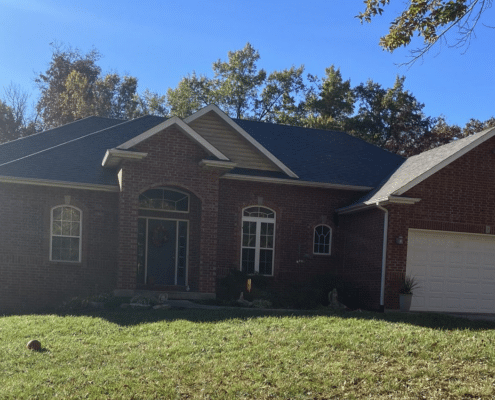
Black/charcoal shingles create a bold, high-contrast look that pairs well with lighter siding colors (white, cream, light grey). Charcoal is consistently the #1 or #2 most popular shingle color nationally across both GAF and Owens Corning lines. It photographs well in real estate listings and reads as classic rather than trendy.
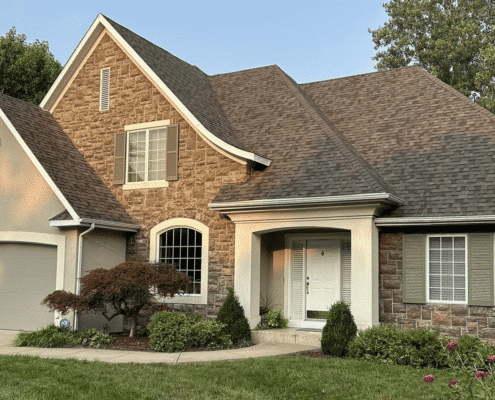
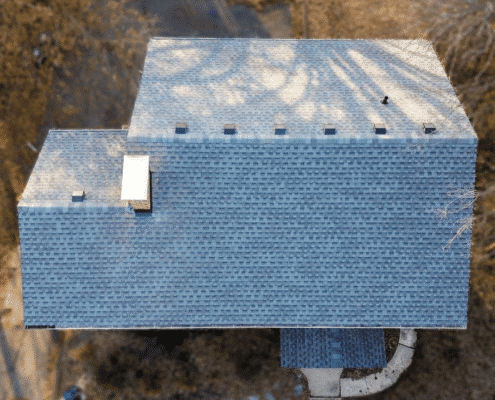
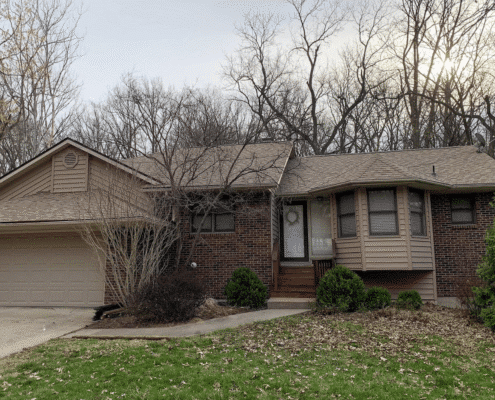
Grey shingles offer a softer, more versatile appearance that coordinates with almost any siding color. Williamsburg Gray was Owens Corning’s 2024 Shingle Color of the Year. Medium greys with warm undertones (taupe, driftwood, weathered wood) are trending upward in Mid-Missouri neighborhoods. Weathered Wood is the #2 most popular GAF color nationally.
For resale, both colors perform equally well. Real estate professionals consistently rank roof condition higher than roof color in buyer perception. A well-maintained grey roof and a well-maintained black roof both signal “this home is cared for.” What hurts resale is a faded, moss-covered, or visibly aging roof — regardless of color.
Making the Decision: A Practical Framework
Lean toward grey if:
Energy efficiency is a priority and your attic insulation is average (R-30 or less)
You prefer a softer exterior palette
Your home has significant south-facing roof exposure (more direct sun = more benefit from reflectivity)
You want to maximize shingle lifespan without paying for cool-rated products
Lean toward black if:
You want bold contrast with lighter siding
Your home has strong attic insulation (R-38+) and efficient HVAC, minimizing the energy difference
Your roof has significant tree shade, reducing direct solar exposure
You’re choosing cool-rated shingles (Owens Corning COOL or GAF Cool Series) that mitigate the heat absorption disadvantage
Either way, the color difference is secondary to choosing the right roofing contractor and material quality. A well-installed grey roof and a well-installed black roof will both protect your home for decades. The color question is about optimizing the margins.
Frequently Asked Questions
Do black shingles make your house hotter?
They make your roof hotter — 50-70 degrees above air temperature versus 30-50 degrees for grey. Whether that heats your living space noticeably depends on your attic insulation. Homes with R-38+ insulation and sealed attic ductwork see minimal indoor temperature difference between black and grey roofs. Homes with R-19 or less insulation feel the difference more.
Do black or grey shingles last longer?
Grey shingles experience less thermal cycling (smaller daily temperature swings), which means slightly slower aging of the asphalt binder. The practical difference is 1-3 years under identical Mid-Missouri conditions. Cool-rated shingles in dark colors can close that gap.
What is the most popular shingle color in Missouri?
Charcoal and Weathered Wood (medium grey) are the two most popular shingle colors both nationally and in Mid-Missouri. Both are available from GAF and Owens Corning in standard and architectural-grade shingles. Either choice will look current for the life of the roof.
Are lighter-colored shingles more energy efficient?
Yes. Lighter colors reflect more sunlight, reducing roof surface temperature and summer cooling loads. Lawrence Berkeley National Laboratory data shows grey shingles reflect about 20% of sunlight versus 10% for black. The net annual energy benefit in Missouri’s mixed climate favors grey, though the dollar savings are modest ($50-$150/year for most homes).
Should I choose cool-rated shingles instead of changing color?
If you prefer black shingles but want the temperature benefits, cool-rated options like Owens Corning Duration COOL or GAF Timberline Cool Series are worth considering. They use solar-reflecting granules that reduce surface temperature even in dark colors. The cost premium over standard shingles is modest. Call us at (573) 424-9008 to compare options in person.
Ready to Get Started?
We’ve been helping Mid-Missouri homeowners choose the right roofing materials for over 25 years — including color selection for both GAF and Owens Corning shingle lines. As GAF Master Elite and OC Platinum Preferred contractors, we carry the full range of standard and cool-rated shingles and can show you samples on your actual home exterior.
Roofing Material Comparison: Asphalt vs. Metal vs. Designer Shingles
Key Takeaways
Asphalt shingles offer the lowest upfront cost and fastest installation, making them ideal for budget-conscious Missouri homeowners or those planning to sell within 5-10 years.
Metal roofing delivers the longest roof lifespan (40-70+ years) and best energy efficiency, though the higher upfront cost means it works best for forever homes.
Designer shingles bridge the gap with upgraded curb appeal, stronger wind resistance, and 25-35 year lifespans at a mid-range price point.
Mid Missouri weather, including hail, high winds, humid summers, and freeze-thaw winters, should drive your material choice more than appearance alone.
CoMo Exteriors installs all three options across Columbia, Jefferson City, Boonville, Moberly, and Lake of the Ozarks and offers free roof inspections with side-by-side estimates.
Introduction: How Missouri’s Climate Shapes Your Roofing Choice
Central Missouri doesn’t give roofs an easy life. Spring brings golf ball-sized hail that can shred roofing shingles in minutes. Summer pushes temperatures past 95°F, baking roofs under relentless UV exposure. Winter swings from freezing rain to sunny 50-degree days within 48 hours, creating the freeze-thaw cycles that crack materials and invite leaks. If you own a home in Columbia, Jefferson City, Lake Ozark, or anywhere in between, your roof faces roughly 40 freeze-thaw cycles every year, more than most homeowners realize.
When Missouri homeowners reach out to us for a roof replacement, three options come up in nearly every conversation: standard architectural asphalt shingles, metal roofing, and premium designer shingles. Each handles Missouri’s wild weather differently. Each fits different budgets and timelines. And each has trade-offs that matter more here than in milder climates.
This guide focuses on practical comparisons you can actually use: real 2025 cost ranges for Mid Missouri, typical lifespans under our weather conditions, maintenance needs, and how each roofing material performs when severe weather rolls through. We’ve installed hundreds of each type across the region as the only triple-certified contractor (GAF Master Elite, Owens Corning Platinum Preferred, James Hardie Elite Preferred) in Mid Missouri. There’s no single “best” roof. The goal is matching the right roofing material to how long you’ll stay, your budget, and what matters most to you, whether that’s curb appeal, energy savings, or storm resilience.
Architectural asphalt shingles dominate Mid Missouri rooftops, and for good reason. They’re the most popular roofing material nationwide, covering over 80% of U.S. homes, because they balance performance and price better than any alternative for most homeowners.
Lifespan in Missouri Conditions
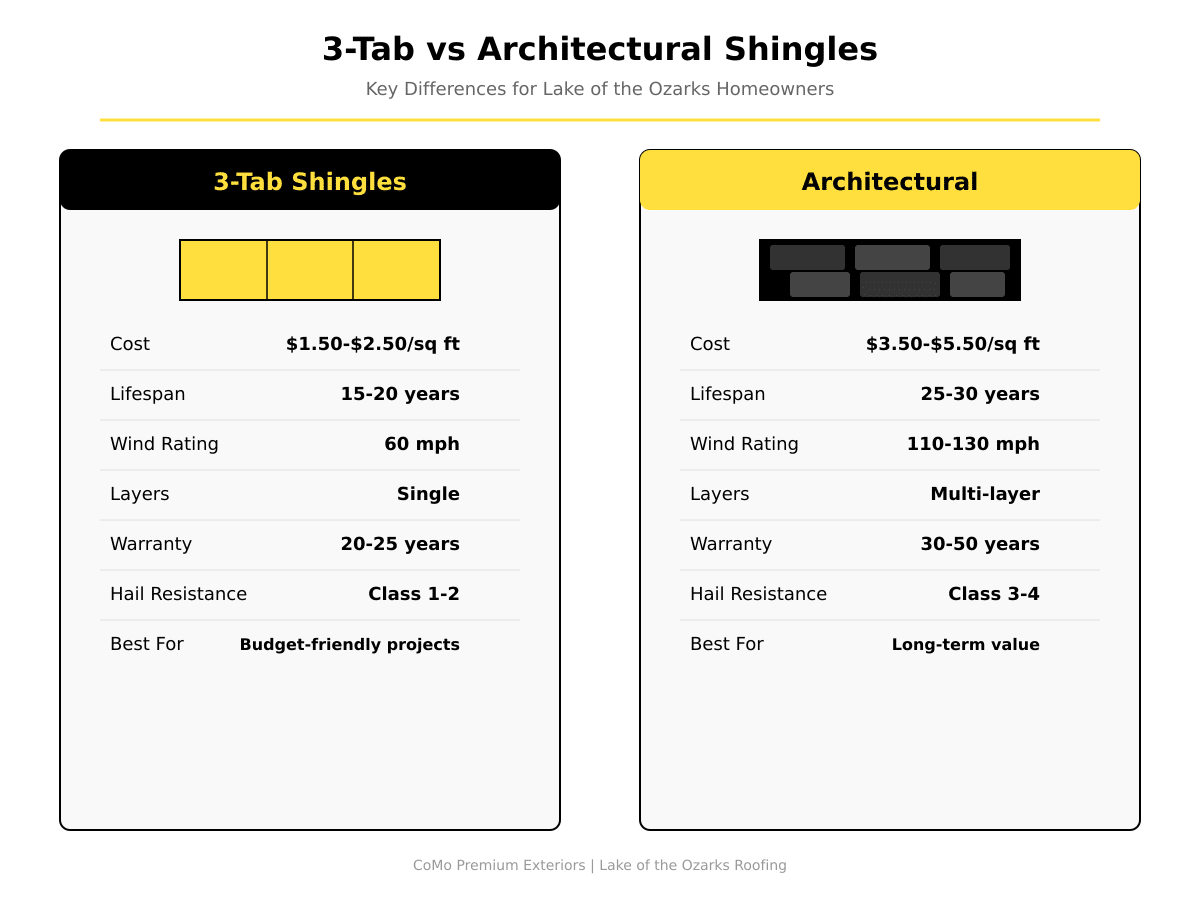
Quality architectural shingles typically last 20-30 years in our climate. That’s assuming proper installation, adequate attic ventilation, and regular inspections. Older three-tab shingles (the flat, uniform-looking kind) tend to give out sooner, often 12-20 years, because they’re thinner and more vulnerable to wind uplift and hail damage.
What shortens asphalt shingle life in Missouri? Heavy hail strips away protective granules. Poor attic ventilation traps summer heat, accelerating material breakdown. Hot summers cause thermal expansion that eventually leads to cracking. After about 10 years, expect 5-10% granule loss annually as shingles age.
2025 Pricing for Mid Missouri
For a typical 1,800-2,200 square foot Columbia-area home (roughly 20-25 roofing squares), expect:
Standard architectural shingles: $350-$550 per square installed
Total project cost: $7,000-$13,750
Steeper pitches, complex roof lines, tear-off of multiple layers, and accessibility all move prices. A simple ranch costs less than a two-story with dormers and valleys.
Practical Pros
Fastest installation time (most crews finish in 1-2 days)
Widest color and style selection to match Missouri homes
Familiar look that buyers recognize and expect
Easier insurance claims approvals after hail. Adjusters know exactly how to assess damage
Replacement shingles widely available for repairs years later
Realistic Cons
More prone to granule loss and impact damage from hail
Absorbs solar heat, pushing cooling costs higher in July and August
May need one or more full replacements if you own the home 40+ years
Standard shingles struggle in winds above 90 mph without proper nailing
We typically recommend architectural shingles as the minimum standard for Missouri homes, not basic three-tab. For homeowners in hail prone regions around Columbia and Moberly, upgrading to Class 3 or Class 4 impact resistant shingles adds meaningful protection and often qualifies for insurance discounts.
Metal Roofing: Long-Term Durability and Energy Efficiency
Metal roofing has grown from 3% to roughly 10-15% of the residential market over the past two decades, and we’re seeing that trend accelerate across Mid Missouri. Homeowners increasingly value long term durability and energy efficiency, two areas where metal excels.
Common Metal Systems
The two metal options we install most frequently:
Standing seam metal roofing: Raised vertical seams with concealed fasteners create clean lines and superior water shedding. Best for modern aesthetics and maximum durability.
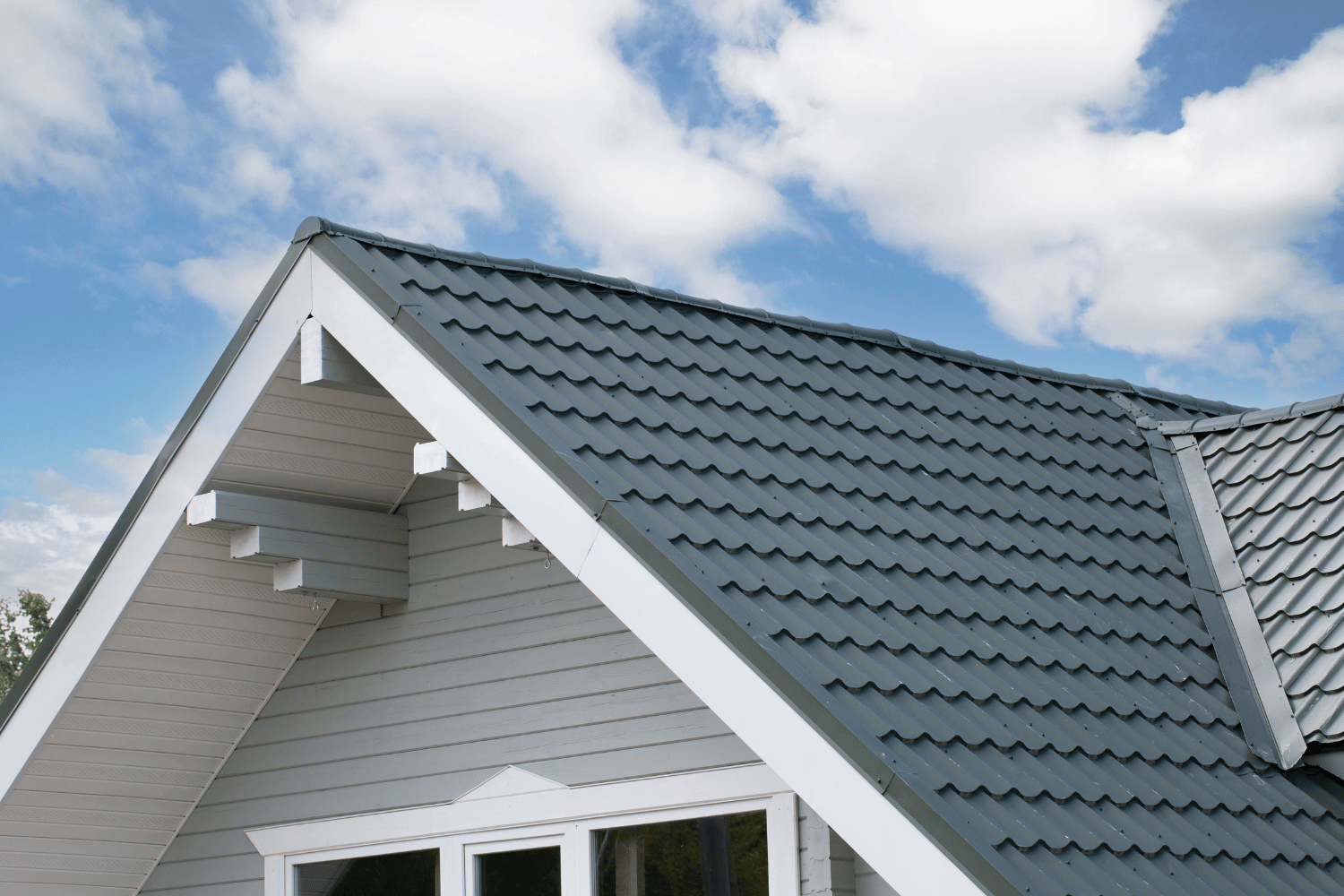
Metal shingles/stone-coated steel: Profiles that mimic traditional shingles, wood shake, or even slate tiles. Blends the longevity of metal with familiar neighborhood aesthetics.
Lifespan That Often Outlasts the Homeowner
Properly installed metal roofing lasts 40-70+ years in Missouri’s climate. Steel panels typically go 50-70 years. Aluminum (popular in lake properties) lasts 50+ years without rust concerns. Many homeowners realistically never need another roof replacement after going metal, making it a “one and done” decision for forever homes.
2025 Cost Reality
Metal costs roughly 2-3 times more upfront than architectural asphalt:
Metal roofing: $800-$1,800 per square installed
For a 2,000 sq ft Columbia or Jefferson City ranch: $16,000-$36,000
The wide range reflects material type (steel vs. aluminum vs. stone-coated), panel style, and roof complexity. Standing seam on a simple gable costs less than intricate cuts around multiple dormers and valleys.
Performance Advantages for Missouri Weather
Wind resistance: Standing seam panels resist uplift at 140-180+ mph when properly fastened, far exceeding typical Missouri storm winds
Hail resistance: Class 4 rated metal shows no penetration from 2-inch hail at testing speeds; however, cosmetic dents can occur with very large hail
Snow and ice: Metal’s slick surface sheds snow 70-90% faster than asphalt, reducing structural load and ice dams
Fire resistance: Class A non-combustible rating
Energy Efficiency in Hot Summers
This is where metal shines for Mid Missouri homes. Cool-roof coatings reflect 50-70% of solar heat (versus 5-30% for asphalt), reducing attic temperatures by 20-50°F. That translates to 10-25% lower cooling costs, potentially $100-300 per year in savings during months when temperatures climb into the 90s.
Modern reflective coatings like Kynar 500 also resist fading and chalking for 30+ years, maintaining that heat-reflecting performance and appearance.
Addressing Common Concerns
“Won’t it be noisy in rain?” Over solid decking with quality underlayment, a metal roof dampens sound to levels comparable with asphalt. This isn’t a barn roof over open rafters.
“What about rust?” Modern galvanized steel and galvalume coatings provide decades of corrosion resistance. Aluminum panels (lighter and ideal for lake homes) don’t rust at all.
“Can I walk on it safely?” Yes, though proper technique matters. We train crews on safe walking patterns and recommend calling us rather than DIY roof walks.
Insurance Considerations
Here’s something many homeowners don’t learn until after installation: some Missouri insurance policies exclude cosmetic hail dents on metal roofs. Your roof might function perfectly, but if it looks dimpled after a storm, your carrier may not cover replacement.
Before choosing metal, call your insurance agent. Ask specifically about cosmetic damage exclusions. We help clients review coverage and can provide product documentation to share with adjusters.
Designer & Premium Shingles: High-End Look Without Going Full Metal
Walk through newer Columbia subdivisions or lakefront homes around Lake of the Ozarks, and you’ll spot roofs with deeper dimension, richer shadows, and textures that mimic natural slate or wood shake. These are designer shingles—also called premium or luxury asphalt shingles—and they’ve become increasingly popular for homeowners wanting standout curb appeal without metal’s price tag.
What Makes Designer Shingles Different
Designer shingles aren’t just thicker traditional shingles. They feature:
Deeper dimensional profiles with layered patterns
Heavier weight (often 300-450 lbs per square vs. 200-250 for standard)
Stronger wind ratings—some products like Duration shingles with LayerLock technology warrant up to 130 mph
Enhanced granule technology like Scotchgard Protector to resist algae (those black streaks common in humid Missouri summers)
Warranties extending to 50 years through certified installers
2025 Pricing: The Middle Ground
Designer shingles sit clearly between standard architectural and metal:
Designer/premium shingles: $500-$875 per square installed
For a typical 2,000 sq ft Mid Missouri home: $10,000-$17,500
That’s roughly 40-60% more than basic architectural but still well under metal territory.
Pros of Going Premium
Dramatically upgraded curb appeal that stands out on the street
Stronger hail and wind resistance than entry-level asphalt
Better manufacturer warranties (often 30-50 years with proper installation)
Compatible with most existing roof framing—no structural upgrades needed
Algae resistance keeps roofs cleaner longer in Missouri’s humidity
Cons to Consider
Higher material cost than standard shingles
Still not as long-lived as quality metal (25-35 years vs. 50+)
Repair work gets complicated if colors or product lines discontinue years later
Heavier weight, worth checking truss capacity on older homes
We often recommend designer shingles for homeowners planning to stay 15-25 years who want a showpiece look but don’t need metal’s extreme longevity. They’re particularly popular around Lake of the Ozarks and in Columbia neighborhoods where appearance strongly influences resale value.
Side-by-Side Comparison: Asphalt vs. Metal vs. Designer Shingles
Sometimes you need the numbers next to each other. Here’s how these three options stack up across the factors Missouri homeowners care about most:
2025 Cost per Square:
Architectural Asphalt: $350-$550
Designer Shingles: $500-$875
Metal Roofing: $800-$1,800
Typical 30-35 Square Roof Cost:
Architectural Asphalt: $10,500-$19,250
Designer Shingles: $15,000-$30,625
Metal Roofing: $24,000-$63,000
Lifespan in Missouri:
Architectural Asphalt: 20-30 years
Designer Shingles: 25-35+ years
Metal Roofing: 40-70+ years
Wind Resistance:
Architectural Asphalt: Up to 110-130 mph
Designer Shingles: Up to 130-160 mph
Metal Roofing: 140-180+ mph
Hail Performance:
Architectural Asphalt: Vulnerable; Class 4 upgrades help
Designer Shingles: Better than standard; some Class 4
Metal Roofing: Excellent; cosmetic dents possible
Energy Efficiency:
Architectural Asphalt: Baseline; absorbs heat
Designer Shingles: Some cool-roof options
Metal Roofing: Best; reflects 50-70% solar heat
Maintenance Needs:
Architectural Asphalt: Annual inspection; repairs common
Designer Shingles: Similar to standard asphalt
Metal Roofing: Quarterly fastener check; minimal upkeep
Curb Appeal:
Architectural Asphalt: Familiar, widely accepted
Designer Shingles: Premium appearance
Metal Roofing: Modern or traditional options
Insurance Discounts:
Architectural Asphalt: 10-25% for Class 4 impact
Designer Shingles: 10-25% for Class 4 impact
Metal Roofing: 20-45% possible; check exclusions
A note on long term value: Over 50 years, a homeowner with asphalt might replace their roof twice ($21,000-$38,500 total). Metal’s single installation ($24,000-$63,000) achieves payback in 15-20 years through durability and energy savings. Designer shingles land in between, meaning one replacement is likely instead of two.
How These Materials Perform in Mid-Missouri Weather
Missouri weather doesn’t follow polite patterns. Spring hail storms dump ice from marble-size to golf ball-size across Columbia, Moberly, and Jefferson City. Summer thunderstorms bring straight-line winds exceeding 70 mph. Heavy rain tests every flashing and valley. And winter’s freeze-thaw cycles work their way into any weakness.
Asphalt in Action
Modern asphalt shingles handle Missouri summers adequately but struggle with repeated hail impacts. After 10-15 years of UV exposure and storm cycles, expect visible granule loss. Bruising from hail may not leak immediately but weakens shingles for future storms.
Impact-rated (Class 3 or Class 4) asphalt holds up significantly better. We’ve seen impact resistant shingles survive 1.75-inch hail with less than 5% granule loss, compared to 20%+ on standard products. For hail prone regions, the upgrade pays for itself in avoided claims and longer life.
Metal’s Storm Performance
Metal excels where asphalt struggles:
High winds: Properly fastened standing seam resists uplift well beyond Missouri’s typical storm winds
Hail: No penetration from 2-inch hail in testing; real-world performance shows 95% less structural damage than asphalt after major storms
Ice and snow: Fast shedding prevents ice dams and reduces weight stress on trusses
Heavy rain: Raised seams channel water efficiently with minimal retention
The caveat? Very large hail (2.5+ inches) can leave cosmetic dents, especially on thinner panels. The roof still functions perfectly, but appearance suffers.
Designer Shingles in Extreme Weather
Designer shingles’ added thickness and weight provide measurably better wind uplift resistance than standard asphalt. The layered construction also handles freeze-thaw cycles better on complex rooflines where ice tends to accumulate.
After major Mid Missouri storm events over the past decade, we’ve seen designer shingles outlast standard products on neighboring homes. They’re not metal-tough, but they’re noticeably more resilient than entry-level options.
Cost, Warranty, and Insurance: Looking Beyond the Bid Price
The lowest bid isn’t always the best value. When choosing between asphalt, metal, and designer shingles, smart homeowners look at 15-30 year cost, not just initial cost.
Warranty Differences Matter
Manufacturer warranties vary dramatically:
Standard architectural: 25-30 year limited coverage, often materials only
Designer shingles: 30-50 year coverage, sometimes including labor when installed by certified contractors
Metal systems: 30-50 year paint/finish warranties, 40+ year structural warranties
The key phrase is “certified contractor.” Manufacturers like GAF and Owens Corning offer their best warranties only when their trained installers do the work. That’s one reason our triple certified status matters for customers, as it unlocks coverage that generic contractors cannot provide.
Workmanship Warranties
Materials only fail when installation fails first. That’s why CoMo Exteriors offers a limited lifetime workmanship warranty. If our installation causes a problem, we fix it, period. Ask any contractor what happens if their work fails after two years. The answer tells you a lot.
Insurance Considerations in Missouri
Insurance intersects with roofing material choices in ways most homeowners don’t expect:
Impact-resistant discounts: Class 4 rated shingles (asphalt or designer) often qualify for 10-25% premium reductions
Metal discounts: Some carriers offer 20-45% savings for metal, especially in hail-heavy areas
Cosmetic exclusions: Watch for policies excluding cosmetic hail damage on metal, which is common in Missouri
Claim patterns: Insurance claims for hail damage on asphalt get approved routinely because adjusters know exactly how to assess them. Metal claims can get complicated.
Before choosing materials, call your insurance agent. Ask about discounts, exclusions, and what happens if your new roof gets hail damage next year. We regularly help homeowners review policies and document pre-storm roof conditions to protect your home and investment.
Which Roofing Material Fits Your Situation?
Rather than declaring a winner, let’s match materials to real homeowner situations we see across Mid Missouri.
Choose Asphalt Shingles If…
You’re planning to sell within 5-10 years and want maximum ROI without overspending
Budget matters most and you need a reliable roof at the lowest initial cost
You manage rental properties in Columbia or Jefferson City where tenants don’t care about premium aesthetics
Your roof has a simple design without complex angles that would inflate labor costs for premium materials
You want easy repairs, and replacement shingles will be available at any supplier for decades
Choose Metal Roofing If…
This is your forever home and you never want to think about roof replacement again
You own rural property around Lake of the Ozarks or Boone County where energy savings and minimal maintenance matter
Hot summers are uncomfortable and you want to reduce cooling costs by 10-25%
You value peace of mind during severe weather season knowing your roof handles 140+ mph winds
Long term durability justifies higher upfront cost in your financial planning
Choose Designer Shingles If…
Curb appeal matters in your neighborhood and you want your home to stand out
You’re planning to stay 15-25 years, which is long enough to justify the upgrade, not long enough to need metal’s extreme longevity
You want the high-end look of slate roofing or wood shake without their maintenance demands or price
Your home’s architecture shows off the roof prominently and benefits from dimensional texture
You want improved wind and hail resistance without jumping to metal pricing
Hybrid Options
Not every roof needs one material. We frequently design combinations:
Metal on low-slope porch roofs (where it performs best) with architectural or designer shingles on the main structure
Metal accents on dormers or entryways paired with composite shingles elsewhere
Standing seam on modern additions joined to designer shingles on traditional sections
These combinations balance cost, performance, and appearance. Proper flashing where materials meet is critical—but that’s exactly what quality installation ensures.
Why Installation Quality Matters as Much as Material
Here’s a truth that doesn’t appear on any manufacturer brochure: even the best asphalt, metal, or designer shingle system will fail early if installed poorly. Missouri’s storm cycles punish shortcuts within a few seasons.
Critical Installation Details
What separates a roof built to last from one that leaks in three years?
Proper underlayment: Ice and water shield placement in valleys, around penetrations, and along eaves prevents leaks during ice dams and wind-driven rain
Quality underlayment throughout: Synthetic underlayment outperforms felt paper in our humidity
Correct flashing: Chimneys, valleys, skylights, and wall transitions need properly lapped, sealed metal flashing—not caulk alone
Ventilation balance: Intake at soffits and exhaust at ridges prevents moisture buildup and premature shingle failure
Our GAF Master Elite, Owens Corning Platinum Preferred, and James Hardie Elite Preferred certifications require annual factory training and maintaining high customer ratings. This isn’t a sticker on a truck. It’s ongoing verification that our crews install products correctly.
For customers, certification unlocks enhanced manufacturer warranties that generic contractors can’t offer. A 50-year material warranty means nothing if improper installation voids coverage in year three.
Before You Sign Any Contract
Ask potential contractors:
Proof of specific manufacturer certifications (not just “we’ve done lots of roofs”)
Local references in Columbia, Jefferson City, or your specific area
Proof of insurance (liability and workers’ comp)
Written warranty details, including both manufacturer and workmanship
We offer free roof inspections, detailed written proposals explaining every cost, and clear communication from first visit through final walkthrough. No surprises, no pressure.
Working With a Local Mid-Missouri Roofing Expert
There’s value in working with a roofing partner who understands Central Missouri specifically, not a national franchise following generic playbooks. We know Columbia building codes. We know which HOAs around Jefferson City have roofing restrictions. We know how Lake of the Ozarks properties differ from Moberly homes. And we’ve watched how Missouri weather actually treats different materials over 25+ years.
What to Expect From CoMo Exteriors
Our process is designed to educate, not pressure:
Free inspection: We document your current roof condition with photos and explain what we find in plain English
Side-by-side recommendations: You’ll see asphalt, designer, and metal options priced for your specific roof, not generic estimates
Transparent pricing: Line-item proposals show exactly what you’re paying for
Insurance support: If storm damage is involved, we help with documentation, meet with adjusters, and explain scope differences between bids
We want you to understand your options well enough to make a confident decision, whether that’s with us or someone else.
Ready to Compare Your Options?
Schedule a no-obligation roof evaluation by calling or completing our online form. We’ll walk your roof, document its condition, and provide side-by-side estimates for the materials that make sense for your home and timeline. Get your free estimate and see exactly what each option costs for your specific situation.
FAQs
How do I know if my existing roof is a candidate for a metal overlay?
In some cases, metal can be installed over a single layer of asphalt, which saves tear-off costs. However, Mid Missouri building codes, roof weight limits, and manufacturer guidelines all need verification first.
We typically recommend a full tear-off for most homes. Why? Removing old materials lets us inspect decking for hidden hail damage or moisture problems that would compromise a new roof. It also ensures proper ventilation and underlayment placement for maximum durability.
A free on-site inspection is the only reliable way to determine if an overlay makes sense for your specific home.
Are designer shingles worth the extra cost compared to architectural asphalt?
For homeowners planning to stay 15+ years, designer shingles often justify their premium through improved appearance, better wind resistance, and longer warranties. In neighborhoods where curb appeal strongly affects resale value, the visual upgrade translates to real equity.
For rental properties or homes likely to be sold within 5-7 years, standard architectural shingles typically provide better return on investment. The buyer may not pay extra for your premium roof.
We can price both options on your specific roof so you see the actual dollar difference before deciding.
Will a new metal or designer shingle roof lower my home insurance premium?
Some insurers offer 10-25% discounts for Class 4 impact-resistant shingles. Metal roofing may qualify for larger discounts (20-45% in some cases), particularly with carriers that recognize its storm resilience.
However, policies vary widely across Missouri carriers. Before choosing materials, get written confirmation from your agent about potential discounts and any cosmetic damage exclusions that might affect future claims.
We can provide product documentation and impact-rating specifications to share with your insurance agent during this process.
How far in advance should I plan my roof replacement in Mid-Missouri?
Start gathering estimates 1-3 months before you want work completed, especially if you’re targeting spring or summer. Storm season keeps roofing crews busy, and popular materials occasionally face supply delays.
Weather, material availability, and insurance approvals (if applicable) all affect scheduling. Earlier planning typically means better timing and less stress.
If you’re dealing with active leaks or multiple leaks, we can often handle emergency tarping quickly while planning the full replacement.
Can I mix materials, like using metal on porches and asphalt on the main roof?
Mixed-material roofs are common across Mid Missouri and can provide both style variety and cost savings. Metal works exceptionally well on low-slope porch roofs where water shedding matters most, while architectural or designer shingles cover the main structure at lower cost.
The critical factor is proper flashing and transition details where different materials meet. Poorly executed transitions leak, while properly done, they last decades.
We regularly design and install these hybrid solutions and can show photos of past projects around Columbia and nearby communities during your consultation.
Roof Replacement Cost Breakdown in Mid Missouri – 2026 Guide
Key Takeaways
A typical 1,700–2,000 sq. ft. asphalt shingle roof replacement in Mid-Missouri runs approximately $8,000–$15,000 in 2026, or roughly $4.25–$7.50 per square foot installed.
Labor accounts for over half of your total cost in Mid-Missouri, especially on steep, two-story roofs common around Columbia and Jefferson City.
Material choice (basic architectural asphalt vs. impact-resistant shingles vs. metal), roof complexity, and hidden wood or decking repairs are the biggest cost drivers affecting your final bill.
Full tear-off of your existing roof typically adds $1,500–$2,500 to the project but is required by code in most situations and recommended for long-term performance.
CoMo Premium Exteriors offers free, no-pressure inspections, detailed written estimates, and financing options for Mid-Missouri homeowners ready to understand their roof replacement project costs.
Understanding Roof Replacement Costs in Mid-Missouri (2026 Overview)
If you’re researching roof replacement in 2026, you’ve probably noticed that pricing looks different than it did even a few years ago. Material costs have climbed steadily since 2020, driven by supply chain adjustments and increased demand for roofing materials following active storm seasons across Mid-Missouri. Updated building codes in cities like Columbia and Jefferson City also require specific underlayment, ventilation, and installation practices that weren’t universal a decade ago. These changes protect your home but add to the overall cost.
Most Mid-Missouri asphalt shingle roof replacements in 2026 fall between approximately $8,000 and $18,000, depending on your home’s size, roof pitch, and any material upgrades you choose. That’s a wide range, but the variation makes sense when you consider that a simple 1,500 square foot ranch home in Moberly has very different requirements than a sprawling lake house near Camdenton with steep pitches and multiple dormers.
This guide focuses specifically on residential roofs in towns we serve every week: Columbia, Jefferson City, Boonville, Moberly, Lake of the Ozarks, and surrounding communities. We’ll break down costs by square footage, roofing material, labor, tear-off requirements, and extras, using real-world numbers we see in the field as a triple-certified contractor. Our goal is to educate first so you can confidently compare any contractor’s estimate, not to pressure you into choosing CoMo Premium Exteriors. When you understand how roof replacement costs work, you’re in control of the process.
Average Roof Replacement Cost in Mid-Missouri for 2026
The term “average cost” can be misleading because every roof is different. However, understanding the typical range gives you a solid starting point for budgeting and helps you recognize when an estimate seems unusually high or suspiciously low.
For a typical 1,700–2,000 square foot asphalt shingle roof in Mid-Missouri, expect to pay around $9,000–$14,000 in 2026. This range includes tear-off of your old roof, new synthetic underlayment, standard flashing, drip edges, and basic ventilation, essentially everything needed for a code-compliant, warranty-backed installation.
Here’s how costs typically break down by home size at current 2026 rates:
1,500 sq. ft. roof area (common ranch homes): $6,400–$11,250 total
2,000 sq. ft. roof area (typical split-level or two-story): $8,500–$15,000 total
2,500 sq. ft. roof area (larger two-story homes): $10,625–$18,750 total
These figures assume installed costs of $4.25–$7.50 per square foot, which covers materials, labor, and standard accessories. Roofs with complex hips, valleys, and dormers, common in newer Columbia subdivisions, land at the higher end of these ranges. Simple ranch roofs in towns like Moberly or Boonville often land at the lower end.
Premium options like Class 4 impact-resistant shingles or standing seam metal will push these ranges higher. However, these materials may qualify for insurance discounts and deliver longer lifespans that offset the initial investment over time.
Cost Per Square Foot and Per “Square” Explained
When roofing contractors talk pricing, you’ll hear two measurements: cost per square foot and cost per “roofing square.” Understanding both helps you make sense of estimates.
A roofing square equals 100 square feet of roof coverage. So if your home has 2,000 square feet of roof area, that’s 20 squares. This measurement allows contractors to provide standardized pricing that accounts for roof size in a meaningful way.
In Mid-Missouri for 2026, installed price ranges typically look like this:
Architectural Asphalt: $425–$750 per square (100 sq. ft.) — $4.25–$7.50 per square foot
Entry-Level Metal: $900–$1,400+ per square — $9.00–$14.00+ per square foot
Per-square pricing usually includes materials, basic accessories, and labor. However, it may or may not include tear-off, rotten decking replacement, and permits, so always ask what’s included before comparing estimates.
Here’s a quick example: a 20-square roof (2,000 sq. ft. of roof area) with standard architectural asphalt shingles at $550 per square would cost approximately $11,000 before any unusual repairs or upgrades.
Only a detailed roof inspection and written estimate will reveal your exact square count and final price. Tax records show your home’s interior square footage, but actual roof area is typically 10–30% larger due to slope and overhangs.
Roof Replacement Cost by Roof Size, Height, and Pitch
Your roof’s “size” is larger than your home’s interior square footage because of slope, overhangs, and architectural details. A 2,000 square foot home might have 2,200 to 2,600 square feet of actual roof coverage depending on pitch and design.
Low-slope ranch homes around Columbia or Boonville usually cost less per square than steep, two-story roofs near Lake of the Ozarks. The difference comes down to safety and time: steeper roofs require additional fall protection, specialized equipment, and slower, more careful work.
Roof pitch is measured as rise over run (for example, 6/12 means the roof rises 6 inches for every 12 inches of horizontal distance). Here’s how pitch affects pricing:
Low pitch (3/12 to 5/12): Standard pricing, walkable for experienced crews
Moderate pitch (6/12 to 8/12): Slightly higher labor costs, requires more careful movement
Taller homes also cost more because they require additional safety equipment, staging, and ladder work. If your home has multiple roof planes with valleys, skylights, or chimneys, expect higher pricing because each detail adds cutting time, flashing complexity, and material waste.
Realistic 2026 Size-Based Cost Ranges for Mid-Missouri Homes
Based on what we see regularly across our service area, here are typical 2026 asphalt shingle replacement costs for different home types:
Standard two-story (~2,500 sq. ft.): $12,500–$16,500
Large custom/estate (~3,500+ sq. ft.): $22,000–$35,000+
Many homes in Columbia and Jefferson City fall in the 18–26 square range, with total costs typically between $9,000 and $16,000 including tear-off and standard accessories. Very large custom homes around Lake of the Ozarks can easily exceed $20,000–$30,000, especially with metal roofing or designer shingles.
Don’t rely solely on the square footage from your tax records. At CoMo Premium Exteriors, we always measure the roof directly, using satellite tools plus on-site verification, to prevent surprises and ensure accurate pricing on your new roof.
Roof Replacement Cost by Material (Asphalt, Impact-Resistant, Metal & More)
Material selection is the single biggest controllable factor in both your new roof cost and its expected lifespan. Mid-Missouri’s combination of hail, wind, and freeze-thaw cycles makes material choice especially important, because what works in Arizona won’t necessarily hold up here.
Here’s an overview of the primary roofing material options available for Mid-Missouri homes in 2026:
Standard Architectural Asphalt: $4.25–$7.50 per sq. ft., 20–30 years lifespan, best value for most homeowners
Class 4 Impact-Resistant Asphalt: $5.00–$8.50 per sq. ft., 25–35 years lifespan, great for hail-prone areas with insurance savings
Standing Seam Metal: $8.00–$14.00 per sq. ft., 40–70 years lifespan, ideal for long-term owners and lake homes
Designer/Premium Shingles: $7.00–$12.00 per sq. ft., 30–50 years lifespan, for curb appeal and premium aesthetics
Synthetic Slate/Shake: $9.00–$16.00 per sq. ft., 40–60 years lifespan, high-end look with lower weight than real stone
Architectural asphalt shingles dominate in Mid-Missouri for good reason: they offer the best balance of cost, durability, and storm performance for our climate. Metal roofing is increasingly popular in rural areas and at the Lake of the Ozarks for longevity and hail resistance, though with higher initial investment.
Asphalt Shingles (Most Common in Mid-Missouri)
The vast majority of Mid-Missouri homes in 2026 use architectural (laminated) asphalt shingles, with installed costs typically around $4.25–$7.50 per square foot. These multi-layer shingles provide better wind resistance, dimensional appearance, and longevity compared to older three-tab styles.
Under typical Mid-Missouri weather conditions, expect a standard asphalt shingle roof to last 20–30 years, with premium lines from manufacturers like GAF and Owens Corning sometimes extending that range further when properly installed and ventilated.
You can upgrade to Class 4 impact-resistant asphalt shingles, which typically add $30–$60 per square to your project cost. Many homeowners find this upgrade worthwhile because it often qualifies for insurance premium discounts, sometimes paying for itself over the roof’s life while providing better hail protection.
As the only triple-certified contractor in Mid-Missouri (GAF Master Elite, Owens Corning Platinum, James Hardie Elite), CoMo Premium Exteriors can offer extended manufacturer warranties on many asphalt systems, warranties that require certified installation to remain valid.
For most local homeowners, architectural asphalt shingles remain the most affordable roofing material that still delivers solid performance against our storms, making them the smart choice when balancing upfront cost against long-term value.
Metal Roofing (Standing Seam & Metal Panels)
Metal roofing has gained significant popularity across Mid-Missouri, particularly for rural properties and lake homes where durability matters most. The most common roofing material options in metal include standing seam steel panels and high-quality exposed-fastener systems.
In 2026, expect installed costs in the $8.00–$14.00 per square foot range for quality metal roofing, depending on profile style, steel gauge, and roof complexity. Standing seam systems (with concealed fasteners) cost more than exposed-fastener panels but offer superior weather performance and longer warranties.
The advantages of metal are compelling for many homeowners:
Lifespan: 40–70 years with proper installation
Hail resistance: Far superior to standard asphalt
Fire resistance: Non-combustible rating
Maintenance: Minimal ongoing needs
Energy efficiency: Reflects heat, potentially lowering cooling costs
Metal often makes sense when you plan to stay in your home long-term or want maximum durability against the hail, wind, and heavy snow loads common in central Missouri. The higher cost compared to asphalt should be weighed against potential energy savings, fewer replacement cycles over your lifetime, and the peace of mind that comes with knowing your roof can handle whatever storms come.
High-end options like designer asphalt shingles, synthetic shake or slate, and real slate tiles represent niche choices in Mid-Missouri, selected primarily for aesthetics and prestige rather than necessity.
Broad 2026 cost ranges for premium materials run $9.00–$20.00+ per square foot installed. Real slate tiles and clay tiles can exceed even these figures, particularly when structural modifications are required.
Some important considerations for premium materials:
Heavy materials (real slate, clay tiles, copper roofing) may require structural evaluation and possible reinforcement of rafters or trusses, adding significantly to total cost
Installation techniques for premium systems are more complex, requiring specialized training
Warranties and maintenance requirements differ substantially from standard asphalt
If you’re considering premium materials, work with a roofing contractor experienced in these systems. At CoMo Premium Exteriors, we can install premium systems but focus on aligning your options with your actual budget and goals, sometimes the best answer is a high-quality architectural shingle rather than an expensive specialty product that doesn’t fit your situation.
Labor & Installation Costs for Mid-Missouri Roof Replacements
In 2026, labor typically makes up 50–65% of a full roof replacement cost in Mid-Missouri. Understanding what drives labor costs helps you evaluate estimates and appreciate why quality installation matters.
Local labor realities include skilled roofing crews, significant safety requirements, and travel time between service areas like Columbia, Jefferson City, and the Lake region. Most homeowners effectively pay somewhere around $2.50–$4.50 per square foot in labor when averaged into total project cost.
Several factors increase labor time and therefore cost:
Difficult access (tight city lots, landscaping obstacles)
Weather delays requiring crew remobilization
The value of paying for trained, certified installers cannot be overstated. Proper installation techniques reduce the risk of roof leaks, premature failure, and warranty problems. An improperly installed roof can fail in half the expected time, making the cheapest bid potentially the most expensive mistake.
What Drives Labor Costs Up or Down?
Understanding specific labor cost factors helps you anticipate where your project might fall within typical ranges:
Scheduling during peak seasons (spring storm rush)
Factors that keep labor costs moderate:
Single-story, walkable roof
Simple rectangular roof shape
Easy equipment access
Off-peak scheduling when possible
Mid-Missouri’s storm season (spring through early summer) creates higher demand, sometimes affecting both schedules and pricing. Full tear-off and deck inspection are more labor-intensive than overlay work but provide better long-term results.
Reputable roofing contractors include safety setup, thorough cleanup, and haul-off in their labor estimates rather than charging surprise fees later. When comparing estimates, look beyond the bottom-line labor number to understand what’s actually included: crew size, supervision quality, warranty coverage, and cleanup standards all vary between contractors.
Roof Tear-Off, Removal, and Disposal Costs
Removing old shingles, underlayment, and fasteners represents a separate line item that often surprises many homeowners when they receive their first estimate. This isn’t padding. It’s real work that takes time, labor, and disposal resources.
Typical 2026 Mid-Missouri tear-off costs run approximately $0.75–$2.50 per square foot, depending on the number of layers being removed and the existing roofing material type. A standard single-layer asphalt tear-off costs less than removing multiple layers or dealing with old wood shingles.
Most Mid-Missouri municipalities and shingle manufacturers prefer or require full tear-off for warranty and code reasons, especially after storm damage. The reasoning is sound: you can’t properly inspect decking or install new underlayment over old shingles hiding unknown problems.
Disposal costs include dumpster rental, landfill or recycling fees, and crew time to load debris. These removal costs typically add several hundred to over a thousand dollars for an average roof. Some roofing companies quote artificially low by omitting tear-off details, then present change orders once work begins. Always confirm what’s included before signing.
Overlay vs. Full Tear-Off in Mid-Missouri
A roof overlay means installing new shingles directly over your existing roof without removing the old materials. While this approach was more common decades ago, it’s increasingly rare today due to code restrictions, weight concerns, and inspection limitations.
Here’s why overlays are problematic in Mid-Missouri:
Hidden damage: Overlays can mask rotten decking, active leaks, and ventilation issues that worsen over time
Reduced lifespan: New shingles installed over old ones typically don’t last as long
Warranty limitations: Many manufacturer warranties require tear-off for full coverage
Code compliance: Missouri building codes prohibit more than two total roof layers
Future costs: Your next roof replacement will require removing both layers
While an overlay might save $1,000–$2,000 in the short term, it usually reduces roof lifespan and increases future replacement cost. In Mid-Missouri’s humid, stormy climate, where moisture intrusion is a constant concern, the risks outweigh the savings.
We typically recommend full tear-off for most Mid-Missouri homes, especially where hail damage, wind damage, or age-related deterioration is suspected. Removing old shingles allows us to inspect your entire roof structure, fix problems properly, and stand behind our workmanship warranty with confidence.
Additional Materials, Code Upgrades, and Hidden Costs
A roof system is more than just shingles or metal panels, it’s a complete assembly including underlayment, flashing, ventilation, and wood decking. These components significantly affect both your total cost and your roof’s long-term performance.
Common “extras” that affect pricing include:
Synthetic underlayment upgrade: $0.50–$2.00 per sq. ft., better water protection than felt
Ice & water shield: $1.00–$2.50 per sq. ft. (at eaves, valleys), prevents ice dam damage
New roof flashing (drip edges, valleys): $200–$800 total, prevents leaks at roof transitions
Ventilation upgrades: $300–$1,200+, extends shingle life and regulates temperature
Building code changes in cities like Columbia and Jefferson City may require specific underlayment types, ventilation ratios, and nailing patterns. These requirements add cost but provide meaningful protection, they’re not arbitrary expenses.
Always ask for a line-item breakdown in estimates so you can see exactly what’s being included. This transparency helps you avoid surprise costs and hidden fees once work starts. If a contractor can’t explain what they’re installing and why, that’s a red flag.
Rotten Decking, Structural Repairs, and Storm-Related Damage
In Mid-Missouri’s humid and storm-prone climate, it’s common to find some rotten or soft decking once old shingles are removed. This discovery is one of the most frequent hidden costs homeowners face.
Realistic 2026 ranges for decking replacement run approximately $3.00–$6.00 per square foot for sheet decking (typically 4×8 plywood or OSB panels). A typical project might need a few sheets replaced, though severe cases occasionally require full deck replacement.
Less common but potentially significant repairs include:
Truss or rafter repairs
Sagging ridge line correction
Chimney flashing rebuilds or chimney cap replacement
Fascia board replacement
Insurance often covers storm-related structural repairs if properly documented during a claim. This is where working with a contractor experienced in insurance claims becomes valuable. Proper documentation can mean the difference between an approved repair and out-of-pocket expenses.
At CoMo Premium Exteriors, we document any unexpected issues with photos and clear pricing before proceeding. You’ll see exactly what we found, understand why it needs repair, and approve the cost before work continues. No surprises, no pressure, just honest communication about what your roof structure actually needs.
Local Factors: Mid-Missouri Climate, Codes, and Insurance Considerations
Mid-Missouri presents specific roofing challenges that affect both material selection and installation costs. Our region experiences:
Hailstorms: Frequent spring and summer storms capable of damaging shingles
High winds: Severe thunderstorms and occasional tornado activity
Heavy spring rains: Extended moisture exposure testing drainage and flashing
Freeze-thaw cycles: Ice formation at eaves and in valleys
Temperature extremes: Summer heat and winter cold stressing materials
These conditions drive demand for better underlayment, ice & water shield in vulnerable areas (valleys, eaves, around penetrations), and impact-resistant shingle options. What works in mild climates won’t necessarily protect Mid-Missouri homes.
City and county building departments influence cost through permit fees and inspection requirements. Typical 2026 permit fees in Mid-Missouri range from roughly $150–$400 for single-family roof permits, varying by municipality. Columbia, Jefferson City, and Camden County each have specific requirements that reputable contractors navigate routinely.
Many Mid-Missouri homeowners involve insurance when hail damage or wind damage is present. This changes how “cost” is calculated. Your actual cost may be primarily your deductible rather than the full replacement cost.
Insurance Claims and Roof Replacement Cost
Understanding how insurance works can dramatically affect your out-of-pocket expense for roof replacement. Here’s what Mid-Missouri homeowners need to know:
ACV vs. RCV Policies Explained:
Actual Cash Value (ACV): Insurance pays what your roof is worth today, accounting for age and depreciation. A 15-year-old roof might receive only 50% of replacement cost.
Replacement Cost Value (RCV): Insurance pays to fully replace your roof with comparable materials, regardless of age.
Example: On a $15,000 roof replacement, an ACV policy on an aging roof might pay $8,000, leaving you responsible for $7,000 plus your deductible. An RCV policy would cover the full $15,000 minus your deductible.
In Mid-Missouri, deductibles typically range from $500 to several thousand dollars. When storm damage is covered under an RCV policy, you typically pay only your deductible plus any elective upgrades you choose.
Insurance adjusters can miss secondary damage around valleys, roof flashing, and vents. This damage that affects both claim scope and your final cost. Having a qualified professional roofing contractor inspect your roof before or alongside the adjuster helps ensure nothing is overlooked.
CoMo Premium Exteriors serves as an insurance claim advocate, documenting damage, meeting with adjusters, and helping ensure homeowners receive fair pricing and compensation. We speak adjusters’ language so you don’t have to.
How to Save Money on a Roof Replacement in Mid-Missouri (Without Cutting Corners)
A roof represents a major investment, and most families are budget-conscious, especially with 2026 material costs higher than a few years ago. The good news: you can save money without compromising quality.
Smart cost-saving strategies that keep quality intact:
Choose durable mid-range shingles: Premium architectural shingles offer excellent performance without the cost of ultra-high-end designer lines
Simplify accessory choices: Standard ridge caps and ventilation often perform as well as premium alternatives
Skip unnecessary cosmetic extras: Copper accents and decorative elements add cost without functional benefit
Check for insurance coverage: After wind or hail events, insurance may cover most of your replacement cost
Schedule strategically: When possible, schedule outside peak seasons (late summer through fall)
Consider financing: Spreading costs over time lets you choose quality over the cheapest bid
The most powerful savings tool for many homeowners is insurance coverage after storm events. A roof that would cost $14,000 out of pocket might cost only your $1,000 deductible when insurance covers storm damage.
CoMo Premium Exteriors offers financing options so homeowners can budget effectively and spread costs over time rather than compromising on quality to meet an immediate cash constraint.
Smart Choices vs. False Economy
Understanding the difference between wise savings and risky cuts protects your investment and prevents leaks:
Smart savings:
Choosing architectural over designer shingles (similar performance, lower cost)
Selecting standard colors over premium colors
Bundling multiple exterior projects for efficiency
Timing work during contractor availability
Risky cuts that often backfire:
Skipping ice & water shield in valleys and at eaves
Ignoring ventilation problems
Choosing thin, inadequate underlayment
Hiring unlicensed contractors without insurance
Accepting estimates without detailed scope
Beware of out-of-state storm chasers who quote suspiciously low prices by skimping on underlayment, flashing, or cleanup. These contractors often disappear after collecting payment, leaving you with no recourse when problems emerge.
A strong workmanship warranty, like CoMo Premium Exteriors’ limited lifetime workmanship warranty, provides long-term value that cheap bids rarely match. We’ll still be here in 10 years if you need us. Will the storm chaser?
Ask every roofing company about crew training, certifications, insurance coverage, and what happens if problems appear later. The cheapest estimate often becomes the most expensive option when roof leaks, repairs, and voided warranties are factored into the overall cost.
Working with CoMo Premium Exteriors: What to Expect and Why It Matters
Since 2010, CoMo Premium Exteriors has served Mid-Missouri homeowners as a locally owned, triple-certified exterior contractor. We work throughout Columbia, Jefferson City, Boonville, Moberly, Lake of the Ozarks, and surrounding communities, and we’re still here, project after project, year after year.
Here’s what working with us looks like:
Free inspection: We examine your roof thoroughly, documenting conditions with photos
Detailed written estimate: You receive line-item pricing showing exactly what’s included
Options review: We walk through material choices, warranty options, and potential upgrades
Insurance assistance: If storm damage is involved, we help document and navigate your claim
Clear scheduling: We provide realistic timelines and keep you informed throughout
Professional installation: Our trained crews follow manufacturer specifications exactly
Final walkthrough: We review completed work with you and answer any questions
Our certifications, GAF Master Elite, Owens Corning Platinum Preferred, and James Hardie Elite Preferred, represent the top tier of manufacturer recognition. These aren’t just badges; they require ongoing training, quality standards, and customer satisfaction ratings that fewer than 3% of roofing contractors nationwide achieve.
We back our work with a limited lifetime workmanship warranty because we’re confident in our installation quality. We’ll be here for years to come if you ever need roofing services or have questions.
Ready to understand what your roof replacement will actually cost? Call us at (573) 424-9008, text us, or request a free estimate online. We’ll provide honest answers and a detailed breakdown tailored to your home, no pressure, just the information you need to make a confident decision.
FAQs
How often do roofs typically need to be replaced in Mid-Missouri?
Standard architectural asphalt shingles in Mid-Missouri generally last 20–30 years under normal conditions, while quality metal roofs often last 40–70 years depending on maintenance and storm exposure. However, severe hail events, poor ventilation, or improper installation can significantly shorten these lifespans.
We recommend roof inspections every 1–2 years and after any significant storm with hail or high winds. These inspections help identify minor issues before they become expensive problems. CoMo Premium Exteriors offers free inspections to help homeowners determine whether their roof can safely last another few years or whether replacement planning should begin.
Is it cheaper to repair my roof or replace it entirely?
Small, isolated issues, such as a few missing shingles, one localized leak, damaged flashing around a single penetration, often cost a few hundred dollars to repair. That’s obviously much less than a full replacement.
However, when an older roof shows widespread granule loss, curling or buckling shingles, multiple leak points, or visible wear across most of the surface, replacement typically makes more financial sense. Repeated repairs on an old roof often total more than replacement cost would have been, while still leaving you with an old house roof that needs replacing soon anyway.
A general rule of thumb: if more than 20–25% of your roof is failing or approaching end-of-life, replacement is usually the better long-term investment. We’re happy to assess your specific situation and give you an honest recommendation, even if that recommendation is to wait.
When is the best time of year to replace a roof in Mid-Missouri?
Most roofing work in Mid-Missouri happens from late March through November, with peak demand following spring and early summer storms. Late summer through early fall often offers the most stable weather conditions and somewhat more flexible scheduling.
That said, CoMo Premium Exteriors works year-round when conditions are safe. If you have active leaks causing interior damage, don’t wait for an “ideal” season. Water damage inside your home can quickly create costs that far exceed any small scheduling savings. An emergency repair or tarp can protect your home while you schedule a full replacement.
Can I finance my roof replacement, and what does that look like?
Many Mid-Missouri homeowners choose to finance roof replacements, spreading costs over time instead of paying $10,000–$15,000 upfront. This approach lets you select quality materials and professional installation without straining your immediate budget.
CoMo Premium Exteriors partners with financing providers to offer various monthly payment options, subject to credit approval. Terms, interest rates, and payment amounts vary based on the financing program and your creditworthiness. We encourage you to ask about current financing options when requesting your free estimate. We can explain what’s available and help you understand how monthly payments would fit your household budget.
How can I compare roof estimates from different Mid-Missouri contractors fairly?
Comparing multiple quotes is smart, but the lowest number isn’t always the best value. Here’s what to examine when comparing estimates:
Look beyond price to scope:
What specific shingle brand and product line is quoted?
What underlayment type is included?
Are ice & water shield, drip edges, and all flashing included?
Is full tear-off and disposal included, or quoted separately?
What ventilation is included?
What warranty coverage is provided (both manufacturer and workmanship)?
Verify contractor credentials:
Is the contractor licensed and insured in Missouri?
Are they manufacturer-certified (GAF, Owens Corning, etc.)?
How long have they operated in Mid-Missouri?
Can they provide local references in towns like Columbia or Jefferson City?
Request itemized estimates and ask clarifying questions about anything vague or missing. A reputable roofing contractor welcomes these questions because transparency builds trust. If a contractor won’t explain their estimate or gets defensive about questions, that tells you something important.
Have questions we didn’t cover? Give CoMo Premium Exteriors a call at (573) 424-9008. We’re always happy to answer roofing questions, whether you work with us or not.
Winter Roof Replacement: Can You Really Replace Your Roof in a Mid‑Missouri Winter?
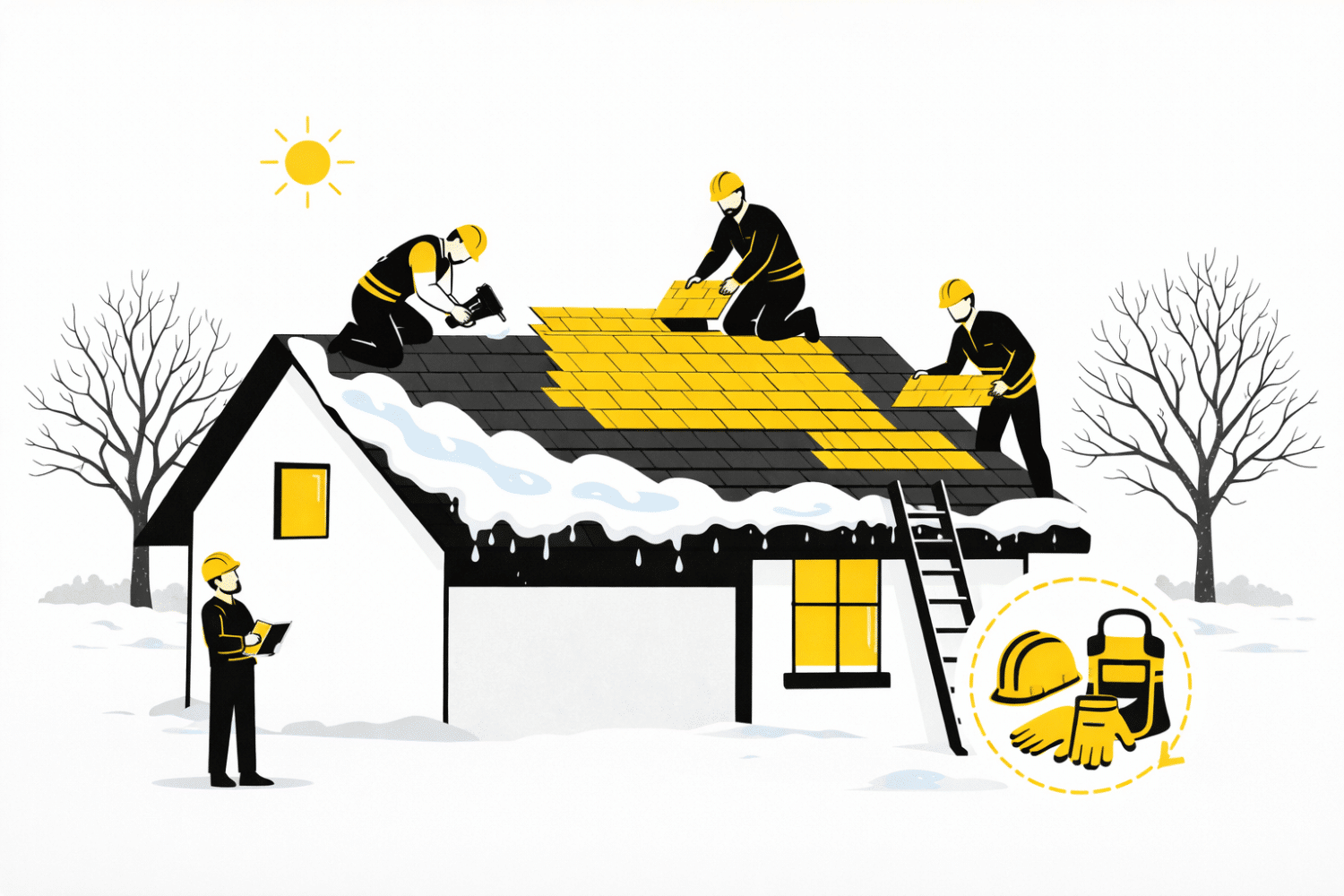
Replacing your roof during the winter months might seem daunting, especially in Mid-Missouri’s cold weather. However, with the right conditions, materials, and experienced roofing contractors, a winter roof replacement can be both safe and effective. While colder temperatures do affect roofing materials like asphalt shingles, proper techniques and careful planning ensure your roof is installed correctly and protected against winter storms. In this guide, we’ll explore everything you need to know about winter roofing projects, including temperature considerations, safety precautions, and how to prepare your home for a successful winter roof replacement.
Key Takeaways
Yes, you can replace a roof in a Mid-Missouri winter, but it requires the right temperatures, materials, and an experienced crew. Most shingle manufacturers prefer 40°F and rising, though with hand-sealing and proper jobsite prep, we can work effectively down into the mid-30s on sunny, dry days.
Winter roof replacement stops active leaks, prevents ice dam damage, and often offers better scheduling flexibility and pricing than the spring rush. If your home’s roof is already compromised, waiting until April can turn small problems into major structural issues.
Cold temperatures change how roofing materials behave—asphalt shingles become brittle below 40°F, and factory sealant strips need heat to activate. Experienced roofing professionals compensate with warmed materials, manual sealing, and adjusted tool settings.
Is Winter Roof Replacement in Mid‑Missouri Really a Good Idea?
We get this question every December, usually from a homeowner staring at a ceiling stain or watching shingles blow off during a cold front. The honest answer? Winter roofing is absolutely possible—but it’s not ideal for every situation, and it takes a roofing team that knows what they’re doing.
In Central Missouri—whether you’re in Columbia, Jefferson City, or out by Lake Ozark—we typically see usable winter roofing windows on dry days in the 35–50°F range. When the sun’s out and the wind stays calm, that’s often enough to get quality work done. We’ve installed over 500 roofs across the region, and a good portion of those happened between November and March.
Here’s the thing: emergency situations shouldn’t wait. If you’ve got active leaks, damage from winter storms, or a roof deck that’s starting to fail, delaying until spring can mean thousands more in repairs. Water doesn’t care what month it is—it just keeps finding its way in.
That said, winter projects do come with tradeoffs:
Pros
Cons
Stops leaks before freeze-thaw damage worsens
Slower progress due to shorter days
Often faster scheduling (less backlog)
More weather delays possible
Prevents ice dam damage
Extra care needed with cold materials
Ready before late-winter storms
Shingle sealing takes longer
A trusted contractor should walk you through whether a temporary repair, partial replacement, or full winter reroof makes the most sense for your specific roof and budget. That’s exactly what we do at CoMo Premium Exteriors—no pressure, just straight answers based on what your roof actually needs.
What Temperatures Are Too Cold for a Winter Roof Replacement?
Temperature matters for two reasons in cold weather roofing: keeping workers safe on potentially icy roof surfaces, and making sure roofing materials perform the way they should. In Mid-Missouri winters, understanding these thresholds helps you know when winter work makes sense.
Manufacturer guidance is straightforward: Most standard asphalt shingles are designed for installation at 40°F (4°C) and above. The ideal range sits between 50–80°F, where shingles stay flexible and the thermally-activated sealant strips bond quickly.
Here’s how we break down the temperature ranges:
Temperature Range
Workability
What We Do
50°F+
Ideal conditions
Standard installation techniques
40–50°F
Good with care
Monitor sealant activation, work during warmest hours
32–40°F
Workable
Hand-sealing, warmed materials, midday scheduling
Below 30°F
Not recommended
Emergency tarping and temporary measures only
Between roughly 32–40°F, careful crews can still replace roofs using specific cold weather techniques. We store materials in warm spaces, apply roofing cement manually under shingle tabs, and schedule work during the warmest hours of the day—typically 10 AM to 3 PM.
A sunny 38°F January day in Columbia? That’s workable with the right approach. A 28°F cloudy, windy morning with frost on the roof surface? We’re rescheduling. CoMo Premium Exteriors will always reschedule rather than risk a poor install or unsafe winter conditions.
How Cold Weather Affects Asphalt Shingles and Other Roofing Materials
Cold doesn’t just make the job uncomfortable—it fundamentally changes how roofing materials behave and how long they’ll last. Understanding this helps explain why winter projects require different techniques.
Shingle flexibility is the biggest concern. Under about 40°F, asphalt shingles become stiffer and more brittle. The asphalt matrix that gives shingles their pliability stiffens up, and studies show cracking rates can increase by up to 30% if materials aren’t properly warmed before installing asphalt shingles. That means more care when handling, nailing, and walking on them.
Sealant behavior changes dramatically too. Every asphalt shingle has a factory adhesive strip designed to bond under the sun’s heat. In a July installation, this happens naturally within days. In January in Columbia, that bond might take weeks—or it might not happen at all until spring without intervention. That’s why manual sealing becomes essential in cold conditions, using quarter-sized dabs of approved roofing cement under each tab.
Other roofing materials have their own cold weather quirks:
Metal roofs can be installed in colder conditions since they don’t rely on adhesive bonding, but crews need to watch for condensation, thermal expansion, and proper fastener torque
EPDM and low-slope membranes often need 45°F+ to bond correctly
Slate tiles become more susceptible to cracking in freezing temperatures
An experienced crew adjusts everything—tool settings on nail guns, air pressure, storage locations, work timing—to match the actual temperatures on installation day.
Installer Safety and Project Timing in Winter
Ice, frost, and shorter December–February days change everything about how we plan roofing projects across Mid-Missouri.
Safety comes first. Snow and ice, frost, and wet leaves make roofs dangerously slick. Our crews use harnesses, anchors, roof jacks, and winter-rated boots. They often work more slowly than in warm weather—and that’s intentional. The extra safety precautions aren’t optional when temperatures fall and surfaces get treacherous.
Winter days are simply shorter. A roof that might take two long summer days could require three or four shorter winter days, especially when start times get pushed back by morning frost. We typically wait until the roof’s edge and surface have thawed and dried before sending anyone up.
At CoMo Premium Exteriors, we build weather buffers into every winter schedule. If a cold snap or heavy snow hits, we pause the project, secure the site, and resume when conditions allow proper installation. The home stays “dried-in” each day before we leave—underlayment and flashings installed so you’re protected overnight, even if shingles extend into additional days.
Projects take a bit longer in January, but the focus is on correct installation and safety precautions, not rushing to finish by dark.
Pros and Cons of Replacing Your Roof During the Winter
Winter isn’t automatically bad or good for a new roof—it depends entirely on your roof’s condition and your timing. Let’s lay out the honest tradeoffs.
Advantages of winter roof replacement:
Potentially faster scheduling since there’s less backlog than April–June
Sometimes better pricing or off season promotions
Stops active leaks before freeze–thaw cycles cause additional roof damage
Gets your roofing system ready before severe late-winter storms
Insurance claims from winter storms can often be processed more smoothly in the off season
Drawbacks to consider:
More weather-related delays are likely
Longer total project timeline
Shingles need more careful handling to avoid cracking
Slower shingle sealing compared to a July installation
Crews work shorter days
Think about your specific scenario: A roof leaking in January after a windstorm near Jefferson City probably shouldn’t wait. But a cosmetically aged roof that’s still watertight? That might be a good candidate for a scheduled spring replacement.
CoMo Premium Exteriors will walk you through both options—winter versus spring replacement—so you can choose what fits your risk tolerance, schedule, and budget.
Potential Cost and Scheduling Benefits
Winter is typically a lighter season for roofing volume in Mid-Missouri, which can actually work in your favor.
Because many homeowners delay until warmer months, winter calendars often have more flexibility. That means faster start dates and more accommodating time slots. While you might wait 4–6 weeks for a spring appointment during peak season, winter projects often start within 1–2 weeks.
Some roofing contractors, including us, occasionally offer off-season bundled deals—like combining a roof with gutter upgrades—when schedules are less compressed. That said, quality and materials should never be discounted. Be wary of any reputable roofing company offering dramatically lower prices; it usually means corners are being cut.
The less obvious cost savings? Replacing a failing roof in winter avoids emergency call-outs, interior water damage, and the higher repair bills that come from waiting while problems compound. Melting snow finding its way through damaged shingles can ruin insulation, drywall, and even flooring—costs that dwarf the premium of a winter install.
Ask any contractor, including CoMo Premium Exteriors, about timing, availability, and whether winter scheduling might reduce wait time compared to peak season.
Risks of Waiting Until Spring
Sometimes waiting for warmer temperatures makes sense. But if your roof is already compromised, that delay carries real risks.
Freeze-thaw cycles are the enemy. From December through March in Central Missouri, water gets into small openings—missing shingles, cracked flashing, worn pipe boots—then freezes and expands overnight. This repeated cycle turns minor issues into rotten decking, soaked insulation, and interior ceiling damage. We’ve seen homeowners turn a $12,000 roof into a $20,000 project by waiting.
Ice dams form when poor attic insulation and ventilation combine with an aging roof. Heat escapes through the attic, melts snow on the upper roof, and that water refreezes at the roof’s edge where it’s colder. The ice dam formation backs water under shingles and into walls or soffits. Proper ventilation helps, but a compromised roof makes ice dams far more damaging.
Spring backlogs catch homeowners off guard. Many roofing contractors see their schedules explode in March and April. If you postpone a January decision, you might find yourself behind dozens of hail claims after an early-spring storm hits Columbia or Lake Ozark. Nationally, 15–20% of roofs are replaced during winter months, but that rises to 25% in Midwest storm zones like ours—because smart homeowners know waiting creates problems.
Have a professional roof inspections done before deciding to wait. CoMo Premium Exteriors can document your roof’s condition with photos and explain which issues can safely hold and which really shouldn’t.
How CoMo Premium Exteriors Handles Winter Roof Replacements
Winter roofing projects simply require more planning. After 25+ years in Mid-Missouri, we’ve learned how to work with our weather—not against it.
Our triple certifications—GAF Master Elite, Owens Corning Platinum, and James Hardie Elite —require ongoing factory training and strict quality standards that we maintain year-round. GAF’s cool-weather testing shows that properly sealed roofs withstand 110 mph wind speeds even when installed in cold climates. That’s the standard we hold ourselves to.
Here’s how we evaluate each winter job:
Forecast review – Looking at temperature ranges for the entire project window
Sun exposure assessment – Different roof slopes get different amounts of warming
Roof complexity analysis – Valleys, chimneys, skylights, and wall intersections need extra attention
Material planning – Ensuring everything stays warm and flexible until installation
We prioritize “dry-in” each day. That means underlayment and flashings are installed so your home is protected overnight, even if shingles or finishing details extend into additional days. If a cold snap hits, we pause, secure the site, and resume when the roof can be installed correctly to manufacturer standards.
We never force a job into unsafe or below-spec weather conditions.
Cold-Weather Installation Techniques We Use
Winter roof replacement isn’t about magic products—it’s about disciplined techniques, proper storage, and quality control on site.
Material storage matters. We store shingles, sealants, and coil nails in heated or insulated spaces—trailers, garages, or hot boxes—so they stay at 50–55°F and remain flexible. Power blanket-style material warmers can maintain 70°F in bundles, reducing brittle failures by up to 75% according to industry studies.
Manual sealing is essential. On colder days, especially along rakes, eaves, and ridges, our crews apply approved roofing cement manually under each shingle tab. This mimics the waterproof seal that would normally form from solar heat. Using a caulk gun or trowel, we apply quarter-sized dabs of adhesive to ensure proper bonding even before warm weather arrives.
Tool adjustments prevent damage. We dial in air pressure on nail guns so nails set correctly without over-driving through cold, brittle shingles. We monitor for jams caused by condensation or freezing moisture. GAF Master Elite guidelines require checking compressor pressure hourly in cold conditions.
Our crews pay extra attention to key details in winter:
Valleys – Where two roof planes meet and water concentrates
Pipe boots – Rubber seals that crack in extreme weather
Step flashing – Where roof meets walls, common leak points
For information on flat roof materials, including their longevity and best practices, see our comprehensive guide.
These are the first places winter leaks show up if not installed correctly. We install ice-and-water shield underlayment in all valleys and along eaves for enhanced protection.
Safety, Site Protection, and Clean-Up in Winter
Winter isn’t just harder on workers—it affects your landscaping, driveway, and how debris gets handled.
Pre-work preparation:
We clear snow, frost, and loose ice from work areas before starting
Morning start times may be delayed until roof surfaces are safe
Heavy snow gets removed using safe methods that avoid structural damage
Safety systems we use:
Guardrails or roof jacks on steeper shingle roofs
Harnesses and anchors on every project
Warning lines to protect both crew and anyone on the ground
Winter-rated footwear with aggressive tread
Property protection:
Layered tarps catch shingles and nails on snow or frozen ground
Dumpsters placed where driveway ice won’t create hazards
Magnet sweeps performed even when winter snow is present
Landscape protection in frozen conditions
We leave the site safe at the end of each day—no exposed roof deck, no loose materials at risk of blowing off in high winds, and clear communication on what’s completed and what’s scheduled next.
Preparing Your Home and Roof for Winter (Whether or Not You Replace It)
Even if a full winter replacement isn’t needed, every Mid-Missouri homeowner can take steps to protect their roof before and during the winter season.
Schedule an inspection. Either inspect your roof yourself from the ground using binoculars or have a professional evaluation done by a reputable company. Look for missing shingles, cracked pipe boots, or failing flashing. Catching problems early is always cheaper than emergency roof repairs.
Clean gutters and downspouts. Do this in late October or early November before temperatures drop below freezing. Clogged gutters contribute to ice dam formation along eaves. Roof rakes can help manage winter snow buildup, but clean gutters are the first line of defense.
Check attic insulation and ventilation. Proper ventilation keeps roof temperatures more even, lowering ice dam risk and improving your home’s energy efficiency. Most Mid-Missouri homes should have insulation meeting R-49 standards—we always inspect this during evaluations.
Trim overhanging branches. Heavy, wet Mid-Missouri snows can break limbs onto shingles and gutters. Removing overhanging branches before winter storms prevents damage and costly repairs.
Know your roof’s age. Most asphalt shingles last 20–30 years depending on quality and maintenance. If yours are approaching that range, a winter inspection helps you plan rather than react.
Addressing Small Problems Before They Become Winter Emergencies
Winter is not the time you want to discover a “small” issue has turned into a ceiling stain or sagging drywall.
Watch for these early warning signs:
Lifted or missing shingles after a November windstorm
Granules building up in gutters (a sign shingles are deteriorating)
Flashing pulling away from chimney or sidewall
Daylight visible in attic spaces
Moisture or frost in the attic
Minor roof repairs—securing loose shingles, resealing flashing, replacing a cracked pipe boot—can often be done quickly in winter-friendly weather windows. These small fixes can add years of life to an otherwise sound roofing system.
CoMo Premium Exteriors documents all findings with photos and walks homeowners through whether they’re looking at a simple repair, a “watch and wait” situation, or a roof nearing the end of its service life.
Don’t ignore ceiling stains, attic moisture, or moldy insulation during winter. These signs mean water is already getting in and should be evaluated promptly. Waiting typically means the problem spreads—and the bill grows.
How to Decide: Repair, Temporary Fix, or Full Winter Replacement?
Deciding what to do in January when you spot damage can feel overwhelming and urgent. Let’s simplify the decision.
The choice usually comes down to three paths: for example, deciding how often you need a roof inspection is an important consideration.
Option
Best For
Considerations
Targeted repair
Isolated damage on newer roofs
Quick, affordable, preserves existing roof
Temporary protection
Emergency situations, severe weather coming
Buys time until full replacement in warmer months
Full replacement
Older roofs, widespread damage
Best long-term solution, requires careful winter planning
General guidelines:
Roofs under 10–12 years old with isolated damage from a recent storm are often good candidates for repair, especially if the rest is in solid shape
Very old roofs (20+ years for standard asphalt shingles) with widespread cracking, curling, or missing granules often make more sense to replace than keep patching
Active leaks almost always require immediate action—at minimum, temporary protection
Shingle manufacturers like GAF and Owens Corning design their products to last, but every roof has a lifespan. When repairs start costing more than they’re worth, it’s time for a conversation about replacement.
Get a written inspection and photo documentation so you can make the decision with clear information—not just urgency or guesswork. That’s exactly what we provide.
Insurance, Storm Damage, and Winter Claims
Winter storms in Mid-Missouri—especially strong winds and sub zero temperatures followed by rapid warming—can create damage that may be covered by homeowners insurance.
Timely documentation is critical. Photos of missing shingles after a December windstorm, interior water damage, or damaged flashing can support a claim even if full replacement happens weeks later. Don’t assume damage isn’t covered just because it happened in winter.
As experienced insurance claims advocates, CoMo Premium Exteriors helps homeowners understand the difference between ACV and RCV:
ACV (Actual Cash Value) – Insurance pays what your roof is worth today, accounting for age and wear
RCV (Replacement Cost Value) – Covers the full cost of a new roof
We’ve recovered full costs on 95% of claims by speaking adjusters’ language so homeowners don’t have to.
Insurers typically require the roof to be protected from further damage—temporary tarping or emergency repairs—which is another reason not to wait until spring if you already see active leaks. Failing to mitigate damage can actually hurt your claim.
Call us if you’re unsure whether winter damage might be an insurance claim. We can inspect, take photos, and help you have a more informed conversation with your adjuster.
Conclusion
Your roof shouldn’t have to wait until April to get the protection it needs. Whether you’re dealing with winter storm damage, an active leak, or just want professional eyes on that aging roof, CoMo Premium Exteriors is here with honest answers and proven cold weather expertise.
Give us a call at (573) 424-9008 for a no-pressure winter roof evaluation. We’ll document everything with photos, explain your options, and help you make the right decision—whether that’s a quick repair, an immediate replacement, or a plan for spring. That’s what neighbors are for.
FAQ: Winter Roof Replacement in Mid‑Missouri
Can you replace only part of my roof in winter and finish the rest in spring?
Partial replacements are sometimes possible—for example, repairing a heavily damaged slope while leaving intact sections alone. However, transitions between old and new roofing must be carefully detailed so warranties and waterproofing aren’t compromised. We’ll advise on a case-by-case basis whether this makes sense for your specific situation, and help you understand how long your roofing lasts in Missouri.
Will my shingle warranty still be valid if the roof is installed in January?
Warranties depend on following roofing manufacturers’ instructions, not the month on the calendar. If temperature protocols, installation techniques, and materials meet guidelines—including proper hand-sealing in cold conditions—a winter installation can qualify for full manufacturer coverage, including GAF’s 50-year warranties.
How long will it take a winter-installed roof to fully seal?
The adhesive strip continues to bond as warmer temperatures return and the sun hits the roof. In Mid-Missouri, that typically means full sealing happens over the first few warm spells of late winter and early spring. Hand-sealing done during installation speeds this process significantly at critical areas like rakes, eaves, and ridges.
Will a winter roof replacement make my house very cold while you work?
Our crews tear off and replace in sections, keeping the home dried-in as they go. Attic insulation remains in place throughout the project. Most homeowners notice indoor temperatures drop only a few degrees while work is underway—far less than you might expect.
How do I know if I should call now or wait until warmer weather?
Simple guidance: If you see active leaks, missing shingles, sagging areas, or storm damage, call for an inspection right away. If the roof simply looks older but isn’t leaking, a scheduled evaluation can help plan for spring or summer replacement without pressure. Either way, knowing what you’re dealing with is better than guessing.
Benefits of Choosing Polymer Composite Roofing Shingles in Mid-Missouri
When you’re preparing to replace your shingles, it is important that you know all the options you have so you can make the best decision for your home and your budget. While asphalt shingles are the most common option in Missouri, polymer composite roofing shingles are another option you have for your Mid-Missouri roof. Polymer composite shingles are a type of asphalt shingle designed to mimic the appearance of more expensive roofing options like slate and cedar. They are different than the asphalt shingles we typically install for a number of reasons, like the materials they are made of and their price point.
Introduction to Composite Roofing
Composite roofing is a type of roofing material that combines various elements such as asphalt, fiberglass, and recycled plastics to create a durable and versatile product. These composite shingles are specifically engineered to mimic the appearance of traditional roofing materials like natural slate, cedar shakes, and clay tiles, offering homeowners the aesthetic appeal of these materials without the associated drawbacks. One of the standout benefits of composite roof shingles is their superior durability, which allows them to withstand extreme weather conditions, including high winds and hail damage. This makes composite roofing an excellent choice for homeowners in regions prone to severe weather. Additionally, composite roofing materials are eco-friendly, as they often incorporate recycled plastics, reducing the environmental impact. Overall, composite shingles provide a cost-effective, long-lasting, and environmentally conscious roofing solution for many homeowners.
What are Polymer Composite Roofing Shingles Made of?
Polymer composite roofing shingles are crafted from a blend of synthetic plastics, including a significant portion of recycled materials like recycled plastics and rubbers. This innovative use of recycled materials not only reduces waste but also minimizes the environmental footprint of roofing production. Unlike traditional asphalt shingles, which combine synthetic and natural materials, polymer composite shingles are entirely synthetic, making them a more eco-friendly option. The process involves melting down these recycled materials and reforming them into durable shingles that can last up to 50 years or more. This extended lifespan, combined with their low maintenance requirements, makes polymer composite shingles a cost-effective choice for homeowners looking for a long-term roofing solution. By choosing polymer composite shingles, homeowners can enjoy a durable, eco-friendly roof that stands the test of time.
Comparison to Traditional Roofing Materials
Composite shingles offer numerous advantages over traditional roofing materials such as asphalt shingles, natural slate, and cedar shakes. One of the primary benefits is their enhanced durability and resistance to weathering. Composite shingles are designed to withstand extreme weather conditions, including high winds and hail damage, making them a reliable choice for areas prone to severe weather. Additionally, composite shingles are more eco-friendly than traditional roofing materials, as they are made from recycled materials and can be recycled at the end of their lifespan. This reduces the environmental impact and promotes sustainability. While composite shingles are generally more expensive than traditional asphalt shingles, they offer a longer lifespan and reduced maintenance costs. For instance, composite shingles can last between 30 to 50 years, compared to the 20 to 30-year lifespan of traditional asphalt shingles. This longevity, combined with their eco-friendly benefits, makes composite shingles a smart investment for homeowners seeking a durable and sustainable roofing solution.
Eco Friendly Benefits
Composite shingles are an eco-friendly option for homeowners looking to minimize their environmental impact. These shingles are made from recycled materials, which helps reduce waste and the environmental footprint of roofing production. At the end of their lifespan, composite shingles can be recycled, further reducing the amount of waste sent to landfills. Additionally, composite shingles offer a longer lifespan compared to traditional roofing materials, meaning they need to be replaced less frequently. This reduces the demand for new materials and minimizes waste. Some composite shingles are also designed with advanced materials that reflect solar heat, enhancing energy efficiency and reducing energy consumption. By choosing composite shingles, homeowners can enjoy a durable, long-lasting roof while contributing to environmental sustainability.
How do Polymer Composite Shingles Handle Mid-Missouri Weather?
Polymer composite shingles are specifically designed to handle the extreme weather conditions often experienced in Mid-Missouri. These shingles are made from durable materials that can withstand high winds, hail damage, and heavy rainfall. Unlike traditional roofing materials, polymer composite shingles are resistant to algae growth and moss, which can cause significant damage over time. Additionally, these shingles are engineered to be weather-resistant, ensuring a secure and weather-tight seal when installed correctly. This makes them an ideal choice for homeowners in Mid-Missouri who need a reliable, low-maintenance roofing solution. For example, polymer composite shingles can withstand winds of up to 110 mph and hail damage of up to 2 inches in diameter, providing peace of mind during severe weather events. By choosing polymer composite shingles, homeowners can ensure their roof remains intact and functional, even in the face of Mid-Missouri’s challenging weather conditions.
What are Polymer Composite Roofing Shingles Made of?
Polymer composite shingles are crafted from engineered materials, including synthetic plastics and recycled materials, unlike asphalt shingles which use a combination of synthetic and natural materials or metal, wood, and clay which use just natural materials. You may initially think that fully synthetic plastic shingles would be very environmentally un-friendly, but polymer composite roofing shingles are actually made from a majority of recycled plastics. Scraps of rubbers and other synthetic materials are melted down and reformed into shingles, which makes them more eco-friendly to produce than other shingle types.
How do Polymer Composite Shingles Handle Mid-Missouri Weather?
Because polymer composite shingles are made of plastics rather than natural materials they wear much differently in Missouri weather. Polymer composite shingles also offer excellent fire resistance, providing an added layer of safety for homeowners. High winds do pose about the same risk to polymer composite shingles as they do to asphalt shingles. But when it comes to withstanding hail and rain, these shingles may have a better chance. The plastic material is usually thicker than asphalt shingles and can absorb some impact from hail which makes them more resistant to denting, however cracking and denting can still be a big risk in Missouri where dense, high-speed hail is common. In regard to rain, polymer composite shingles are great for wicking away water and directing it to gutters and don’t have problems with granules washing away and clogging gutters like asphalt shingles do.
What’s the Lifespan of Polymer Composite Shingles?
Because they are more weather resistant than other shingle options, polymer composite shingles are marketed as lifetime shingles that will last forever on your home, but this is only true in more temperate climates. The Midwest weather is so harsh that the shingles will only last a few years longer than other shingle options. The average lifespan of polymer composite shingles is around 30 years, which is significantly longer than traditional asphalt shingles that last about 20 years. Aesthetically, polymer composite shingles don’t last a lifetime either; the plastic materials they are made of are vulnerable to fading as they endure different weather conditions and lots of direct sunlight.
Warranties on polymer composite shingles can vary greatly from 30-50 years, which is significantly longer than warranties on most asphalt shingles. However, these warranties come with a lot of fine print and don’t necessarily cover the full cost of replacement.
How Much do Polymer Shingles Cost?
Polymer shingles can be up to five times more expensive per square foot than high-quality asphalt shingles. An average estimate for the materials and installation of an asphalt shingle roof is $7,000 while the estimate for a polymer composite shingle roof is $25,000. While polymer composite shingles will last a few years longer than asphalt shingles, in the Midwest the time they will last is not long enough to even out the price difference and they typically don’t add value to your home if you were to sell.
Some home insurance plans may give homeowners with polymer composite shingles a price break on their premiums because they are less likely to be damaged in weather, but these are not a guarantee.
Are You Considering Polymer Composite Shingles for Your Home?
If you are considering Polymer Composite Shingles or any other roofing updates for your home reach out to CoMo Premium Exteriors to learn more and get a free roof inspection. Consulting a qualified roofing contractor is crucial for ensuring proper installation and maximizing the lifespan of polymer composite shingles. Our roofing experts can answer any questions about your roof, materials, and insurance claims and will walk you through every step of the roof repair or replacement process.
Top Shingle Sealant: Essential Protection for Your Roof’s Longevity
Looking to protect your roof and extend its lifespan? Shingle sealant is essential for bonding shingles, preventing leaks, and enhancing your roof’s durability. This guide will help you understand what shingle sealants are, the benefits they offer, and how to apply them for optimal protection.
Key Takeaways
Shingle sealants provide crucial bonding for asphalt shingles, enhancing roof durability and protecting against harsh weather conditions.
Using quality sealants extends roof lifespan, reduces moisture penetration, and minimizes repair needs, leading to long-term cost savings for homeowners.
Proper application and surface preparation are essential for sealant effectiveness, ensuring optimal performance and protection against leaks and UV degradation.
Understanding Shingle Sealants
An overview of various shingle sealants used on asphalt shingles.
Shingle sealants are asphalt-based materials specifically designed to bond individual asphalt shingles together, creating a cohesive and robust covering for your asphalt shingle roof. These sealants are activated by heat and UV rays, which soften the material and enhance its adhesive properties. This bonding action is crucial for maintaining the structural integrity of your roof, especially in areas prone to high winds and storms.
Proper installation of shingle sealants is vital to their performance. When applied correctly, they effectively bond shingles together, providing enhanced protection against water leaks and UV degradation.
Choosing the right sealant involves evaluating its water resistance and UV protection to ensure it meets the specific needs of your roof. With a well-installed shingle sealant, your roof can withstand the harshest elements, ensuring a longer lifespan and better protection for your home.
Benefits of Using Shingle Sealant
A well-maintained asphalt shingle roof showcasing the benefits of using shingle sealant.
Using shingle sealants offers numerous benefits that go beyond merely bonding shingles together. Here are some key advantages:
They significantly extend the lifespan of your roof by enhancing its overall durability.
Sealants decrease shingle permeability, making them less prone to moisture penetration.
They help prevent leaks and water damage.
Moreover, shingle sealants improve wind resistance and protect against various elements such as UV rays, hail, moisture, and sun. This added layer of protection not only safeguards the shingle roof structure but also minimizes the need for frequent repairs, ultimately saving homeowners money in the long run. Additionally, roof shingles can benefit from these sealants.
Investing in a quality shingle sealant means investing in a more resilient roof that stands the test of time.
Types of Shingle Sealants
When it comes to shingle sealants, there are several types to choose from, each with its unique properties and advantages. One popular option is Shingle Saver, a 100% acrylic elastomeric sealant that can be used on a variety of surfaces, including asphalt, fiberglass, and slate shingles. Acrylic sealants are known for their excellent UV protection and cost-effectiveness, though they should not be applied in freezing conditions.
Other types of shingle sealants include silicone and oil-based options. Silicone coatings offer strong adhesion and high elasticity, making them effective against ponding water and harsh weather conditions. Oil-based sealants, on the other hand, provide durable protection and are well-suited for various roofing materials.
The key to choosing the right sealant is to ensure compatibility with your roofing material for effective adhesion.
How to Apply Shingle Sealant
Shingle sealant involves several critical steps to ensure optimal performance.
Applying shingle sealant involves several critical steps to ensure optimal performance. Using appropriate tools such as a high-quality brush or sprayer can significantly improve the distribution of the sealant.
Additionally, following the manufacturer’s instructions regarding drying times and application techniques is crucial for effective application.
Preparing the Roof Surface
Preparation is the first and most crucial step in applying shingle sealant. Start by thoroughly cleaning the roof deck to ensure proper adhesion of the sealant. This involves removing all dirt, debris, and moss, which can be achieved through pressure washing. A clean surface is essential for the sealant to bond effectively and provide maximum protection.
Once the roof is clean, it’s important to allow it to dry completely before applying the sealant. Moisture can hinder the bonding process, so make sure the roof is thoroughly dry. This step ensures that the sealant adheres properly and performs as expected, providing a durable and long-lasting protective layer for your roof.
Applying the Sealant
When applying the sealant, start from the highest point of the roof to prevent excess sealant from dripping onto already covered areas. Use a brush, roller, or sprayer to apply the sealant evenly, paying special attention to seams and joints to prevent leaks. Ensuring even coverage is key to creating a strong, cohesive protective layer.
Post-Application Care
After applying the sealant, it’s essential to follow the manufacturer’s instructions for curing time to achieve the best results. Post-application care, including sufficient drying time and proper roof maintenance, ensures the sealant’s longevity and effectiveness.
This care rejuvenates aging roofs by hydrating them and maintaining shingle pliability, essential for withstanding storm-related wind damage.
Choosing the Right Shingle Sealant
Different types of shingle sealants suitable for various roofing needs.
Selecting the right shingle sealant involves considering various factors, including the local climate, roof material, and specific needs of your roof. Silicone coatings, for instance, offer strong adhesion and high elasticity, making them suitable for areas prone to ponding water and harsh weather conditions. Acrylic sealants provide excellent UV protection and are cost-effective, though they are not ideal for freezing conditions.
Research and compare different sealant products to make an informed choice that balances quality and price. Consider the lifespan of the sealant and whether it aligns with your roof’s lifespan to reduce the frequency of reapplication. Some sealants offer added benefits such as UV protection or energy efficiency, which may justify higher prices for long-term savings.
Common Issues with Shingle Sealants
While shingle sealants offer numerous benefits, they can sometimes present common issues. Cracking is a frequent problem in aging shingles and may indicate installation mistakes or ventilation problems if seen in newer roofs. Granule loss from shingles, often caused by uneven asphalt application or overheating, can lead to roof failure if not addressed.
Mold, mildew, and algae growth on shingles can trap moisture, leading to more severe damage if not treated quickly. Regular maintenance checks are necessary to identify areas where the sealant may need reapplication to ensure ongoing roof protection, especially after a rain.
Inspect the roof after curing to identify any missed spots that may need reapplication.
Cost Considerations
Consider the cost factors of shingle sealants for effective budgeting. The application method can influence overall cost, with professional installation being more expensive than DIY applications. Additionally, the quantity of sealant needed for a given area will directly affect the total cost, as larger roof surfaces require more sealant.
Homeowners should consider various factors such as the price of materials, application method, and quantity required to make informed decisions about shingle sealants. Understanding these cost factors helps homeowners manage their roofing budgets and invest in the appropriate sealant.
Case Studies: Success Stories with Shingle Sealants
Before and after images of a roof treated with shingle sealant.
Real-life success stories highlight the practical benefits of using shingle sealants. For instance, a homeowner in Lagos transformed a worn roof with shingle sealants, enhancing its energy efficiency and curb appeal. This not only improved the appearance of the roof but also contributed to significant energy savings.
In another example, an industrial facility in Port Harcourt benefited from a high-performance coated roof overlay, which improved productivity and reduced long-term maintenance expenses. Facilities utilizing high-performance sealants have reported increased durability and significant cost savings on maintenance, thanks to the coating applied.
These success stories demonstrate the tangible benefits and improved outcomes that shingle sealants can provide.
Summary
In summary, shingle sealants play a crucial role in protecting and extending the life of your roof. They offer numerous benefits, including enhanced durability, improved resistance to elements, and cost savings on repairs. By selecting the right type of sealant and applying it correctly, homeowners can ensure their roofs remain resilient and long-lasting.
Investing in a quality shingle sealant is a wise decision that pays off in the long run. Whether you’re dealing with an aging roof or looking to enhance the protection of a new one, shingle sealants provide a reliable and effective solution. Take the time to research and choose the best sealant for your needs, and enjoy the peace of mind that comes with a well-protected roof.
Frequently Asked Questions
Can I put roof coating on shingles?
It is not advisable to apply roof coating on shingles, as it can negatively impact their performance, including resistance to impact, algae, and fire, as well as disrupt ventilation, potentially leading to moisture issues. Such actions could compromise the integrity of the roofing system.
What to put on shingles to stop leak?
To stop a leak in shingles, apply roofing cement or an appropriate sealant to fill any imperfections and create a watertight barrier. This will effectively protect against future leaks.
What is the best way to seal asphalt shingles?
The best way to seal asphalt shingles is to use polyurethane sealants for their strong adhesion or hot melt adhesive, particularly when addressing imperfections in the roof deck. Both methods ensure effective bonding and longevity of the shingles.
What are shingle sealants made of?
Shingle sealants are primarily made from asphalt-based materials, which bond individual shingles together to form a cohesive roofing system.
How do shingle sealants extend the lifespan of a roof?
Shingle sealants significantly extend a roof’s lifespan by lowering moisture absorption, enhancing resistance to wind and UV rays, and providing protection against hail damage. This proactive measure ensures your roof remains durable and resilient over time.
Top 10 Roof Types for Residential Homes: A Comprehensive Guide
Planning to roof your home? Understanding residential roof types will help you choose the best one for your needs. In this guide, we’ll discuss the most popular roof types—residential roof types included—their advantages, and the environments they are best suited for.
Key Takeaways
Selecting a roof type for your home involves considering local climate, architectural style, and functionality, with various options available, such as hip, gable, and flat roofs.
Asphalt shingles are popular for their affordability and ease of installation, while metal roofing offers superior durability, often lasting longer despite a higher initial cost.
Maintaining your roof through regular inspections and debris removal is essential for extending its lifespan and ensuring optimal performance.
Understanding Roof Types for Residential Homes
An overview of various roof types residential homes can have.
The roof you choose for your home significantly impacts its overall design and functionality, making it a critical element of the architectural structure. For instance, hip roofs, with their sloping design, offer excellent wind resistance, making them suitable for hurricane-prone areas. On the other hand, flat roofs, often seen in commercial buildings, are gaining popularity in residential settings due to their modern look and ease of installation.
Gable roofs are another classic choice, offering a cost-effective solution particularly suited for areas with heavy rainfall due to their efficient water drainage. Meanwhile, unique designs like saltbox roofs, with their asymmetrical slopes, not only promote water drainage but also add a distinctive charm to the home. Similarly, gambrel roofs evoke a rustic appeal, ideal for enhancing the outdoor charm of your property.
Choosing the right roof type involves considering factors such as local climate and architectural style to ensure both functionality and aesthetic appeal. For example, a mansard roof is perfect for snowy regions due to its space-saving design, while skillion roofs, or mono-pitched roofs, add modern curb appeal with their single steep surface.
Asphalt Shingles: The Popular Choice
Asphalt shingles are a popular choice among homeowners due to their affordability and ease of installation. This roofing material allows many to achieve a reliable roofing system without breaking the bank. Available in a wide range of colors and styles, asphalt shingles can be customized to fit various home aesthetics.
One of the major advantages of asphalt shingles is their accessibility; they are easy to source from contractors and suppliers. However, their lifespan typically ranges from 20 to 30 years, which is shorter compared to some other roofing materials. Despite this, the variety available in asphalt shingles includes three-tab, architectural, and luxury shingles, each offering unique benefits.
Architectural shingles, for instance, are thicker and provide a more textured appearance and enhanced durability compared to three-tab shingles. Luxury shingles replicate the look of high-end materials like slate, offering extensive design options and superior durability. While environmental factors like intense sunlight and wind can affect the performance of asphalt shingles, their overall ease of installation and cost-effectiveness make them a popular roofing material.
Metal Roofing: Modern and Durable
A modern metal roof highlighting its durability and style.
Metal roofing stands out for its durability and modern appeal, offering homeowners a long-lasting roofing solution. Known for its resistance to fire, rot, and insect damage, metal roofing ensures robust protection for your home. Additionally, the smooth surface of metal roofs prevents snow accumulation, reducing structural stress during winter.
Metal roofing comes in various popular types of roofing. These include metal shakes, shingles, standing seam metal roofing, and stone-coated steel. The variety in styles, such as the standing seam and shingle lookalikes, provides ample choices for homeowners looking for both functionality and aesthetics. Metal roofs can also be effectively insulated, aiding in heat retention during colder months.
The growing popularity of metal roofing is attributed to its longer lifespan and superior durability compared to traditional shingles. While the initial installation cost may be higher, the long-term benefits and reduced maintenance needs make metal roofing a worthwhile investment for many homeowners.
Wood Shingles and Shakes: Rustic Appeal
Wood shingles and shakes providing rustic charm to a home.
Wood shingles and shakes bring a natural, rustic charm to any home, enhancing its aesthetic appeal and creating a luxurious look. Typically sourced from 200 to 300-year-old conifer trees, these roofing materials offer a sustainable option with significant environmental benefits.
However, wood shingles and shakes require more labor-intensive and time-consuming maintenance compared to asphalt roofs, making them a pricier option overall. In damp conditions, they can last approximately 20 to 30 years, though this lifespan can vary based on environmental factors.
Clay and Concrete Tiles: Traditional Elegance
Clay and concrete tiles exude traditional elegance, adding a timeless appeal to any home. Known for their durability, clay tiles often last more than a century, while concrete tiles typically have a lifespan of 50 years or longer. Both materials are ideal for hot climates, providing excellent temperature regulation.
However, clay tiles require less maintenance as they absorb less moisture, whereas concrete tiles need regular inspections and maintenance. While concrete tiles are generally more budget-friendly, both types complement Spanish-style architecture beautifully.
Installation considerations, such as roof slope and weather conditions, are crucial, as these tiles are not advisable in areas with heavy rains and freezing temperatures.
Slate Roofing: Luxury and Longevity
Slate roofing epitomizes luxury and longevity, offering a beautiful appearance and exceptional durability. With a lifespan of 75 years or more, and the potential to endure over a century with proper maintenance, slate roofs are a long-term investment.
The low maintenance requirements of slate roofs contribute to their appeal, though their installation demands specialized skills due to their weight and fragility. Sourcing roofing slate from specific regions like Vermont and Pennsylvania adds to the cost, but the unique aesthetic and enduring quality make it worth the investment.
Synthetic Roofing Materials: Versatile and Cost-Effective
Synthetic roofing materials offer a versatile and cost-effective alternative to natural products. Engineered for enhanced durability and weather resistance, synthetic roofs replicate the look of natural materials while offering better performance.
Synthetic composite shingles are lightweight, affordable, and extremely durable. They boast high impact and fire ratings, wind resistance, UV protection, and insulation, with a lifespan of 40 to 50 years. These materials require minimal maintenance, making them a practical choice for homeowners.
Flat Roofs: Modern and Functional
A flat roof showcasing modern design and functionality.
Flat roofs are increasingly favored for their modern and functional design. Common materials used for flat roofing include EPDM, TPO, PVC, and other options like Modified Bitumen and Built-Up Roofing (BUR). EPDM roofing, known for its elasticity and toughness, can last between 20 to 35 years or more with proper maintenance, making it a popular choice among roofing systems for commercial roofing systems.
Despite their flat appearance, flat roofs typically have a slight slope for drainage. They require adequate waterproofing to prevent leaks and prolong their lifespan, making regular maintenance essential.
Green Roofs: Eco-Friendly and Insulating
Green roofs, also known as living roofs, offer an eco-friendly roofing solution by incorporating plants and soil over a waterproof membrane roof. These roofs provide excellent insulation, helping to regulate indoor temperatures in both hot and cold weather.
Green roofs can absorb significant amounts of stormwater, reducing runoff and flooding. Intensive green roofs require more regular maintenance than extensive ones, but maintenance costs can significantly decrease after the establishment period.
Solar Shingles: Energy-Efficient Innovation
Solar shingles represent a cutting-edge innovation in roofing, seamlessly integrating with traditional asphalt shingle roofs to provide energy efficiency. These advanced roof shingles help reduce heat absorption and lower utility costs for homeowners.
Photovoltaic solar panels convert sunlight into usable energy, significantly reducing electricity costs. Though solar shingles come with high installation costs and fragility, they offer potential savings through energy buyback programs and tax incentives for meeting Energy Star standards.
Choosing the Right Roof Type for Your Home
A selection of various roof types for homeowners to consider.
Selecting the right roof type involves considering various factors, including budget, local weather conditions, and aesthetic appeal. Energy-efficient roofing materials can lower utility bills and support sustainable living, making them a valuable investment.
Homeowners can receive a tax credit of 30% on expenses up to $5000 for energy-efficient roofing materials, promoting sustainable home improvements. The complexity of installation and maintenance requirements should also be factored into the decision.
Warranties from contractors and manufacturers are essential to protect against future roofing issues, ensuring peace of mind for homeowners. By considering these factors, you can choose a roof that not only meets your practical needs but also enhances the beauty and value of your home.
Essential Roof Maintenance Tips
Proper maintenance is crucial for extending the lifespan of your roof. Regularly inspecting flashing ensures a watertight seal at roof intersections, preventing leaks. Vent pipes should also be checked periodically to ensure their seals remain intact against the elements.
Removing organic debris at least twice a year prevents moisture retention and shingle damage. Trimming tree branches can prevent them from rubbing against the roof and disturbing the shingle granules.
Preventing moss and algae growth is crucial, as they can harm shingles by raising their edges and exposing them to water.
Summary
Choosing the right roof for your home involves understanding the various options available and considering factors like budget, climate, and aesthetic appeal. Whether you opt for the popular asphalt shingles, durable metal roofs, or innovative solar shingles, each roofing material offers unique benefits and challenges.
By making an informed decision and maintaining your roof properly, you can enhance your home’s beauty, functionality, and value. Invest in a roof that not only protects but also elevates your living experience.
Frequently Asked Questions
How long has CoMo Premium Exteriors been in the roofing business?
CoMo Premium Exteriors has been in the roofing business for over ten years, demonstrating extensive experience in the industry.
What factors should be considered when choosing roofing material in Columbia, MO?
When choosing roofing material in Columbia, MO, it’s essential to consider your budget, the architectural style of your home, and local weather conditions. Making an informed choice based on these factors will ensure durability and aesthetic appeal.
Are there tax incentives for installing energy-efficient roofing?
Yes, there are often tax incentives or rebates available for installing energy-efficient roofing, though these can vary based on your location and specific programs. Be sure to check local regulations to maximize your benefits.
How can a new roof affect property value?
A new roof can significantly enhance property value by improving curb appeal and minimizing maintenance costs for potential buyers. Investing in a new roof is a smart decision that pays off when it’s time to sell.
What are the benefits of metal roofing compared to traditional shingles?
Metal roofing offers a longer lifespan, improved energy efficiency, and enhanced resistance to severe weather, making it a superior choice compared to traditional shingles. Opting for metal can ultimately provide greater value and durability for your home.
When and How to Remove Roof Shingles in Columbia, MO
Shingle removal is one of those jobs that looks straightforward from the driveway but gets complicated fast once you are up on the roof. Whether you are stripping damaged shingles after a Mid-Missouri hailstorm or clearing old layers before a full replacement, knowing how to do it safely matters more than speed.
If you are a Columbia homeowner weighing whether to tackle this yourself or bring in a professional, this guide walks through the process, the tools, the risks, and the decision points. For larger jobs or storm-related damage, our Columbia roofing team can handle the tear-off and replacement together so you do not end up with an exposed deck and bad weather on the way.
When shingle removal makes sense in Mid-Missouri
Not every roof issue calls for tearing off shingles. But several situations make removal the right move:
visible hail damage across multiple shingle tabs after a spring or summer storm
missing, curling, or cracked shingles that simple patching will not fix
granule buildup in gutters, especially after freeze-thaw cycles through a Columbia winter
water stains on attic decking or ceilings that point to failed shingle zones
two or more existing layers of shingles that need to come off before a new roof can go on
wind-lifted sections along ridges or eaves from storms rolling through Boone County
In Central Missouri, roofs take a beating from hail, ice, summer heat, and wind-driven rain year after year. Damage often looks minor from the ground but reveals itself once you start pulling shingles. If your roof has already taken a few Missouri storm seasons, it is worth getting a clear read on the condition before assuming a quick repair will hold.
Shingle removal starts at the ridge and works downward in manageable sections.
Tools and materials you will need
If you are going the DIY route, having the right setup before you climb up saves time and keeps you safer. Here is what a proper shingle tear-off requires:
Roofing tear-off shovel or flat pry bar — designed to get under shingle tabs and lift them without gouging the deck
Safety harness and roof anchors — non-negotiable on any pitched roof
Work gloves, safety goggles, and sturdy shoes — shingle edges, exposed nails, and granule dust are constant hazards
Adjustable roof jacks — provide footing and a staging area for debris
Tarps and plywood sheets — protect landscaping, windows, and the ground below
Magnetic nail sweep — essential for cleanup (roofing nails in a Columbia driveway or yard are no joke)
Rented dumpster or large debris container — a full tear-off generates more waste than most homeowners expect
Step-by-step shingle removal process
Start at the ridge
Begin at the peak by prying up the ridge cap shingles. Use a roofing shovel to get under the edges and lift in sections. Ridge caps are typically nailed with longer fasteners, so expect some resistance. Once the caps are off, you have a clear starting line for the field shingles below.
Working from the ridge down keeps debris moving in one direction and reduces re-work.
Work downward in sections
Tear off shingles in two- to three-foot-wide strips, working from the ridge toward the eaves. Let debris slide down toward roof jacks or tarps. As you go, watch for soft spots in the decking — they usually mean moisture has been sitting underneath, which is common after Missouri ice storms or prolonged summer rain.
Remove and inspect flashing
Once the shingles are off, address the flashing around chimneys, walls, vents, and pipe boots. Pry it up carefully with a smaller bar. If the flashing shows rust, bending, or gaps, replace it during the tear-off rather than reusing it under new shingles. In Columbia, flashing failures are one of the top sources of hidden leaks, especially around older chimney penetrations in neighborhoods like Old Southwest, East Campus, and Shepard Hills.
Cleaning up and inspecting the deck
Thorough cleanup after tear-off includes a magnetic sweep for stray nails and fasteners.
After the shingles are down, sweep the deck clean and run a magnetic nail sweep across the roof surface, yard, and driveway. Stray roofing nails are one of the most common post-project hazards.
Then inspect the roof deck itself. Look for:
soft or spongy sections that indicate moisture damage or rot
water staining on the underside of the decking
mold or mildew, especially in areas with poor ventilation
warped or separated deck boards
exposed or pulled-through fasteners
Any deck issues need to be repaired before new roofing material goes on. Skipping this step is how small problems turn into expensive ones two or three years down the road.
Safety considerations for Columbia homeowners
Proper safety gear is essential for any roof work — harness, eye protection, and good footing.
Roof work is one of the leading causes of fall injuries for homeowners tackling projects themselves. A few rules that matter:
never work on a wet, icy, or frost-covered roof — wait for dry conditions
always use a safety harness anchored to the roof structure, not just the ladder
avoid working alone — someone on the ground should know you are up there
check weather forecasts before starting — Mid-Missouri afternoon storms can roll in fast, especially between April and September
keep your work area organized so you are not stepping over loose debris or tools
DIY tear-off vs. hiring a professional
For larger roofs or storm-damaged systems, professional crews bring speed, safety, and warranty coverage.
A small patch tear-off on a single-story roof with easy access is a reasonable DIY project if you have the tools and experience. But a full roof tear-off is a different scale of work. For most Columbia homeowners, the math favors hiring a professional when:
the roof has multiple layers that all need to come off
there is known or suspected storm damage that may involve insurance
the pitch is steep or access is limited
decking repairs are likely underneath
you need the job done within a weather window
Professional crews can strip and replace a standard residential roof in a day or two. DIY tear-offs often stretch across weekends, leaving your home exposed to weather in between. CoMo Premium Exteriors handles full tear-off and replacement as a single project, including disposal, deck repair, and warranty coverage. As Columbia’s only triple-certified exterior contractor, the team handles everything from small repairs to full roofing replacement in Columbia. If you want a professional assessment before deciding, request a free inspection and get a clear picture of what the roof actually needs.
Frequently Asked Questions
How do I know if my shingles need to be removed or just repaired?
If the damage is limited to a small area — a few missing or cracked shingles from a single impact or wind event — a targeted repair may be enough. But if you are seeing widespread granule loss, multiple lifted tabs, or water stains in the attic, the shingles likely need to come off so the full system can be evaluated. A professional inspection gives you a clearer answer than guessing from the ground.
Can I remove just one layer of shingles and leave the one underneath?
Technically yes, but it is usually not the best move. Leaving an old layer underneath hides the condition of the deck and adds weight to the roof structure. Most building codes in Boone County allow a maximum of two layers, but a clean tear-off down to the deck gives you the best foundation for a new roof.
What time of year is best for shingle removal in Columbia, MO?
Late spring through early fall gives you the most reliable weather windows. Avoid tearing off shingles during freeze-thaw periods in winter or when afternoon storms are likely. The goal is a dry stretch long enough to complete the tear-off and get new material on before the next rain.
How long does a full shingle tear-off take?
A professional crew can usually strip a standard Columbia home in one day. DIY tear-offs on the same roof might take two to three weekends, depending on the number of layers, roof pitch, and how much deck repair is needed underneath.
Should I remove shingles myself after hail damage, or wait for an inspection?
Wait for an inspection first. Hail damage documentation matters if you plan to file an insurance claim, and pulling shingles before a professional assessment can complicate the process. Get the damage evaluated, then decide whether DIY or professional removal makes more sense for your situation.
What happens to my roof if it rains during a tear-off?
An exposed roof deck is vulnerable to water damage within hours. Professional crews plan around weather forecasts and can tarp exposed sections quickly if conditions change. For DIY projects, never start a tear-off without confirming at least two to three days of dry weather ahead. Mid-Missouri pop-up storms between April and September are especially unpredictable.
What Are 3-Tab Shingles? A Homeowner’s Guide for Lake of the Ozarks
If you’re shopping for a new roof around the Lake of the Ozarks, you’ve probably run into the term “3-tab shingles.” They’re one of the most common and affordable asphalt roofing options on the market—and for good reason. In this guide, we’ll walk you through what 3-tab shingles actually are, how they hold up in our Missouri weather, and whether they’re the right fit for your home.
What Makes 3-Tab Shingles Different?
Minimalist illustration of a Lake of the Ozarks home with 3-tab shingle roof
3-tab shingles get their name from a simple design detail: each shingle strip has three evenly spaced cutouts (tabs) along the bottom edge. When installed, those cutouts create the look of three separate shingle pieces per strip. The result is a clean, uniform pattern across your roof.
Underneath that classic appearance, 3-tab shingles use a single-layer construction. A fiberglass mat sits at the core for structural strength, coated in asphalt for waterproofing, and topped with ceramic granules that protect against UV damage. It’s a straightforward build that keeps costs down while still providing solid protection.
Why Lake of the Ozarks Homeowners Choose 3-Tab Shingles
Budget is usually the main draw. For homes around Osage Beach, Camdenton, and Lake Ozark, 3-tab shingles typically run between $1.50 and $2.50 per square foot installed—roughly half the cost of architectural shingles. If you’re roofing a vacation cabin or rental property at the lake, that price difference adds up fast.
Installation is straightforward, too. The uniform dimensions mean your Lake of the Ozarks roofing contractor can work more efficiently, which translates to lower labor costs and a faster timeline. Most residential 3-tab jobs around the lake can be completed in a day or two.
The Honest Downsides
No roofing material is perfect, and 3-tab shingles have some real limitations—especially in central Missouri.
Durability in Missouri Weather
The Lake of the Ozarks region sees its share of severe weather. Spring hailstorms, summer thunderstorms with high winds, and wide temperature swings from winter freezes to humid summers all take a toll. 3-tab shingles are rated for wind speeds up to about 60 mph—which is below what a strong Missouri thunderstorm can produce. Their single-layer design also makes them more vulnerable to hail damage compared to thicker shingle types.
In our climate, expect a realistic lifespan of 15 to 20 years with proper maintenance. In areas with heavy tree cover or northern-facing slopes that hold moisture, that number can dip closer to 12 to 15 years.
Fewer Design Options
If curb appeal is a priority, 3-tab shingles offer fewer colors and no dimensional texture. They create a flat, uniform look that some homeowners find plain compared to the shadow lines and depth you get from architectural shingles.
3-Tab vs. Architectural Shingles: Which Makes Sense at the Lake?
Comparison chart of 3-tab vs architectural shingles for Lake of the Ozarks homeowners
This is the comparison most Lake of the Ozarks homeowners are weighing. Here’s how they stack up:
Cost: 3-tab shingles run $1.50–$2.50/sq ft installed; architectural shingles cost $3.50–$5.50/sq ft. On a typical 2,000 sq ft lake home, that’s a difference of $4,000 to $6,000.
Wind resistance: 3-tab shingles handle up to 60 mph. Architectural shingles are rated for 110–130 mph—a meaningful difference when summer storms roll across the lake.
Lifespan: 15–20 years for 3-tab vs. 25–30+ years for architectural. Over the long term, architectural shingles often cost less per year of protection.
Hail resistance: Most 3-tab shingles carry a Class 1–2 impact rating. Architectural shingles often achieve Class 3–4, which may qualify you for insurance discounts in Missouri.
For a primary residence at the lake, architectural shingles usually make more financial sense over 20+ years. For a rental cabin, guest house, or outbuilding where budget is the top concern, 3-tab shingles are a perfectly reasonable choice.
What About Metal Roofing?
Metal roofing is another option gaining popularity around the lake, especially for homes with steep-pitch roofs or heavy tree cover. Metal panels offer 40–70 year lifespans, excellent wind and hail resistance, and energy savings from solar reflectivity. The tradeoff is a higher upfront cost—often two to three times what 3-tab shingles would run.
Keeping 3-Tab Shingles in Good Shape
If you go with 3-tab shingles, maintenance matters more than it would with a heavier roofing material. Here’s what we recommend for Lake of the Ozarks homes:
Schedule annual inspections. Check for curling, cracking, or missing tabs—especially after storm season (April through June). Catching small problems early prevents water damage down the line.
Keep gutters clear. Lake-area homes surrounded by hardwoods and oaks drop a lot of debris. Clogged gutters cause water to back up under shingles, accelerating wear.
Watch for moss and algae. The humidity around the lake can promote moss growth on shaded roof sections. Zinc strips or periodic cleaning can keep it in check.
Ensure proper attic ventilation. Trapped heat in summer and moisture in winter both shorten shingle life. Balanced soffit and ridge ventilation makes a real difference in how long your roof lasts.
Trim overhanging branches. Branches scraping against shingles during wind events strip granules and create entry points for water.
When to Repair vs. Replace
Missing a tab or two? Individual shingles can be replaced without redoing the entire roof. You’ll need replacement shingles, roofing nails, a pry bar, and roofing cement. Lift the nails from the shingle row above, slide in the new shingle, and nail it down.
If you’re seeing widespread curling, granule loss in your gutters, or daylight through the attic decking, it’s time for a full replacement. A qualified roofing team at the Lake of the Ozarks can assess whether repair or replacement makes more sense for your situation.
Making the Right Choice for Your Lake Home
Choosing roofing comes down to three things: your budget, how long you plan to stay in the home, and how much weather exposure your roof gets. For Lake of the Ozarks homes that see a full range of Missouri weather, weigh the upfront savings of 3-tab shingles against the longer protection of architectural options.
Not sure which direction to go? Request a free roof inspection and we’ll help you weigh the options based on your home’s specific needs.
Frequently Asked Questions
What are 3-tab shingles?
3-tab shingles are single-layer asphalt roofing shingles with three uniform cutouts along the bottom edge. Each strip looks like three separate shingle pieces once installed. They’re the most affordable asphalt roofing option and are commonly used on homes throughout the Lake of the Ozarks and Mid-Missouri.
How long do 3-tab shingles last in the Lake of the Ozarks area?
In our central Missouri climate, 3-tab shingles typically last 15 to 20 years with proper maintenance. Homes with heavy tree cover, north-facing slopes, or high wind exposure may see shorter lifespans. Annual inspections and good attic ventilation help maximize their service life.
Are 3-tab shingles a good choice for lake homes?
They can be, depending on your goals. For rental properties, guest cabins, or budget-conscious projects, 3-tab shingles offer reliable protection at a lower cost. For a primary residence where you want maximum storm resistance and a longer lifespan, architectural shingles or metal roofing may be worth the extra investment.
What’s the difference between 3-tab and architectural shingles?
The biggest differences are cost, durability, and appearance. 3-tab shingles are single-layer and flat with a uniform look. Architectural shingles use multiple layers for a thicker, more textured profile. Architectural options handle higher wind speeds (110–130 mph vs. 60 mph), last longer (25–30 years vs. 15–20), and typically carry better hail ratings.
Can I get an insurance discount with 3-tab shingles in Missouri?
Most 3-tab shingles carry a Class 1–2 impact rating, which generally doesn’t qualify for hail-resistance discounts. Architectural shingles with Class 3–4 ratings are more likely to earn premium reductions from Missouri insurers. It’s worth checking with your insurance provider before deciding.
How much do 3-tab shingles cost installed at the Lake of the Ozarks?
Installed costs for 3-tab shingles in the Lake of the Ozarks area typically run $1.50 to $2.50 per square foot, depending on roof pitch, accessibility, and any tear-off required. For a 2,000 square foot roof, that’s roughly $3,000 to $5,000—significantly less than architectural shingles, which run $7,000 to $11,000 for the same roof size.
Top Tips for Preventing Shingle Buckling on Your Roof
Is your roof showing signs of shingle buckling? This common roofing issue can indicate underlying problems like poor installation, moisture, or temperature fluctuations. In this article, you’ll learn what causes shingle buckling, how to spot the early signs, and what steps you can take to prevent and fix it.
Key Takeaways
Shingle buckling is a sign of underlying roof issues, such as poor installation or moisture, and can lead to significant damage if ignored.
Como Premium Exteriors offers expert roofing services, emphasizing quality workmanship, comprehensive solutions, and a five-year warranty on labor.
Understanding Shingle Buckling
An illustration showing various roof shingles with some exhibiting shingle buckling.
Shingle buckling is a common roofing issue that indicates underlying problems with your roof. The term refers to the appearance of raised areas on the roof shingles, suggesting that something is pushing them up from underneath. This phenomenon can make your roof look unsightly and may require prompt attention to prevent further damage.
Addressing shingle buckling can prevent more significant issues. Understanding the causes and signs helps homeowners maintain their roofing systems and avoid costly repairs.
Visual Indicators of Buckling Shingles
Identifying buckled shingles early can save homeowners from extensive repairs. Common visual signs of damaged shingles include curling, buckling, and sometimes even shingles falling off. These issues often appear as raised areas on the roof, making it look uneven and distorted.
Improper nailing can also cause shingles to appear buckled. Nails that are not driven flush can distort shingles, contributing to a buckling effect. Following the manufacturer’s installation recommendations is crucial.
Promptly recognizing and addressing these visual indicators can prevent potential roofing issues and prolong the roof’s lifespan. Ensuring shingles lay flat and are properly installed is key to maintaining a robust roofing system.
Consequences of Ignoring Buckling
Ignoring buckled shingles can lead to severe problems that escalate over time. One of the primary risks is compromising the roof’s integrity, which can allow water infiltration. This can lead to significant leaks that damage the interior of your home and cause structural issues.
Buckling shingles often expose the roofing underlayment, leading to further damage. This exposure makes the roof more vulnerable to environmental elements, accelerating deterioration and increasing repair costs.
Neglecting buckling shingles can result in extensive water damage, mold growth, and compromised structural integrity. Addressing buckling promptly can prevent these severe outcomes and keep your roof in good condition.
Common Causes of Shingle Buckling
A cartoon illustrating common causes of shingle buckling, like moisture and improper installation.
Knowing the common causes of shingle buckling helps in prevention and addressing the issue. Poor ventilation, improper installation, and environmental exposure over time often lead to weakened and buckled shingles.
Aging shingles lose their pliability, leading to cracking and curling. Addressing these issues is crucial for maintaining roof integrity and preventing leaks.
Improper Installation
Improper installation, such as incorrect nailing and faulty underlayment, significantly contributes to shingle buckling. Overdriven nails can cause movement and shifting, leading to lifting and buckling.
Proper installation by qualified roof installers and the use of high-quality materials can significantly impact the longevity and performance of your roof, preventing these problems.
Moisture Issues
Excessive moisture can cause shingles to swell and expand, leading to structural issues. Common sources include leaks, condensation, and poor attic ventilation, which increase dampness in a building.
Proper attic ventilation prevents moisture buildup and helps shingles maintain their integrity. Installing baffles in the attic ensures unobstructed airflow for optimal ventilation.
Neglecting moisture-related issues can cause significant water damage and mold growth. Identifying and fixing moisture sources helps prevent future buckling and maintains a healthy roofing environment.
Thermal Expansion and Contraction
Temperature fluctuations cause shingles to expand and contract, leading to loosening, shifting, and shingles to buckle.
Good-quality architectural shingles reduce the likelihood of buckling from temperature changes. Using materials designed to withstand thermal expansion and contraction ensures long-term performance.
Aging and Deterioration
Aging and environmental exposure make shingles brittle and less pliable, leading to cracking and curling. Sun, wind, rain, and UV rays contribute to the aging process, weakening shingles over time.
Temperature fluctuations can affect the wood deck beneath shingles, causing expansion or contraction and misalignment. Regular maintenance and timely replacement of aging shingles help prevent these issues with wood decking materials.
Preventing Shingle Buckling
An illustration of a well-maintained roof emphasizing prevention of shingle buckling.
Proper roof installation and replacement prevent buckling shingles. Using preventative measures like proper nailing techniques and adequate ventilation during installation can significantly reduce this risk.
Regular roof inspections catch issues early and maintain the integrity of your roofing system. Implementing these strategies helps protect and extend the roof’s lifespan.
Proper Installation Techniques
Hiring qualified contractors ensures that the roofing work is done correctly, protecting your property from potential damage. Using high-quality shingles from reputable manufacturers is essential for the longevity of the roof. Proper nailing techniques during installation prevent future buckling issues.
Repairing or replacing damaged roofing shingles involves carefully removing the affected shingles and using correct nailing techniques.
Ensuring Adequate Ventilation
Ventilation maintains balanced temperature and humidity levels in the attic, alleviating moisture problems. Proper attic ventilation is essential for a healthy roofing environment and preventing shingle buckling from moisture and thermal expansion.
Proper attic ventilation significantly impacts the longevity of your roof.
Regular Roof Inspections
Regular roof inspections certify the roof’s condition, especially before buying or selling a property. Early detection of shingle buckling through regular inspections can save homeowners costly repairs.
Leaks and condensation can increase moisture content in roofing materials, leading to damage. Regular inspections identify moisture issues early, preventing further damage and buckling, and help absorb moisture effectively.
Solutions for Buckled Shingles
An illustration showcasing the services provided by Como Premium Exteriors.
Various techniques can address shingle buckling and restore roofing integrity. Seeking professional help immediately when spotting buckled shingles avoids further damage.
Addressing buckled shingles promptly prevents extensive damage and maintains the health of the roofing system.
Repairing Damaged Shingles
Localized buckling can be remedied by re-nailing or re-adhering affected shingles. Repairing damaged shingles maintains the roof’s integrity.
Timely repairs and routine inspections extend the roof’s lifespan and prevent extensive damage. Professional roofers ensure repairs are done correctly and efficiently.
Roof Replacement
For widespread shingle buckling, complete roof replacement is the best course of action. It involves removing existing shingles, addressing underlying issues, and installing new materials.
Widespread buckling may indicate that a roof buckling is nearing the end of its lifespan, necessitating complete replacement. Professional roofers can assess your roof’s condition and recommend the best course of action.
Addressing Moisture Sources
Addressing moisture sources prevents future shingle buckling. Common causes include leaks, condensation, and poor ventilation.
Adequate ventilation prevents moisture buildup and reduces thermal expansion issues in roof spaces. Addressing moisture sources maintains a healthy roofing environment and prevents future buckling, promoting moisture equilibrium.
Why Choose Como Premium Exteriors?
A cartoon depicting solutions for buckled shingles, including repair and replacement options.
Choosing the right roofing contractor is crucial for ensuring the longevity and integrity of your roof. Como Premium Exteriors specializes in roof inspections, reliable repairs, and full-service roofing replacements, providing a comprehensive solution for all your roofing needs.
Choosing Como Premium Exteriors guarantees expertise and quality workmanship. Their commitment to excellence and customer satisfaction makes them a top choice for maintaining or improving roofing systems.
Customer Satisfaction
Customers consistently praise Como Premium Exteriors for their seamless process and professionalism. One customer described their roof and gutter replacement process as seamless, noting the company’s punctuality and professionalism. Another customer expressed high satisfaction with their second roof installation, considering Como Premium Exteriors their top choice.
The company’s quick and friendly service has also been highlighted. A customer appreciated the efficient identification and repair of a roof leak. The promptness and professionalism of Como Premium Exteriors staff enhance the overall experience.
Comprehensive Roofing Services
Como Premium Exteriors offers various roofing solutions tailored to customer needs, including roof repair, new roofing, commercial roofing, and specializing in materials like asphalt shingles and metal roofing, as recognized by the asphalt roofing manufacturers association and the roofing manufacturer. Their commitment to quality ensures every client receives the best care.
Additionally, Como Premium Exteriors provides roof replacement, gutter installation, and exterior element repair, making them a one-stop-shop for all roofing needs. Their expertise ensures high-standard project completion.
Warranty and Quality Assurance
Como Premium Exteriors offers a five-year warranty on labor and workmanship, reflecting their commitment to quality. This warranty assures customers of the durability and reliability of the work performed.
Customers appreciate the assurance of a five-year warranty on labor and workmanship, highlighting the company’s dedication to high-quality materials and exceptional service. This commitment sets Como Premium Exteriors apart from other roofing contractors.
Summary
In summary, shingle buckling is a significant issue that can lead to severe problems if not addressed promptly. Understanding the causes, such as improper installation, moisture issues, thermal expansion, and aging, is essential for preventing and solving buckling shingles. By implementing proper installation techniques, ensuring adequate ventilation, and conducting regular roof inspections, homeowners can maintain the integrity of their roofing systems.
Choosing a reliable roofing contractor like Como Premium Exteriors can make a substantial difference in the longevity and quality of your roof. Their comprehensive services, commitment to customer satisfaction, and quality assurance through a five-year warranty ensure that your roofing needs are met with the highest standards. Protect your home by addressing shingle buckling proactively and choosing trusted professionals for your roofing projects.
Frequently Asked Questions
What are the common visual indicators of buckling shingles?
Buckling shingles commonly exhibit curling, distortion, and may even fall off. These visual indicators often suggest improper nailing or underlying issues that need attention.
What are the consequences of ignoring buckled shingles?
Ignoring buckled shingles can result in serious issues, including water infiltration, major leaks, and structural damage. Addressing this problem promptly is essential to protect your home and maintain the integrity of your roof.
What causes shingles to buckle?
Shingle buckling is primarily caused by improper installation, moisture issues, thermal expansion and contraction, and the aging or deterioration of the shingles. Addressing these factors promptly can prevent further structural damage.
How can shingle buckling be prevented?
To prevent shingle buckling, focus on proper installation, ensure adequate attic ventilation, and conduct regular roof inspections to identify potential problems early. Taking these measures will help maintain the integrity of your roof.
Why should I choose Como Premium Exteriors for my roofing needs?
Choosing Como Premium Exteriors guarantees expert services backed by a five-year warranty on labor and workmanship, ensuring quality and reliability for your roofing needs. Their commitment to customer satisfaction further solidifies their reputation in the industry.