

A well-installed and maintained shingle a roof is vital for protecting your home against harsh weather conditions and improving its aesthetic appeal. But how do you ensure you’re choosing the right materials, installing them correctly, and maintaining them for a long-lasting, energy-efficient roof? This comprehensive guide will walk you through the essentials of shingling a roof, from material selection and installation tips to maintenance and innovative solar shingle options.
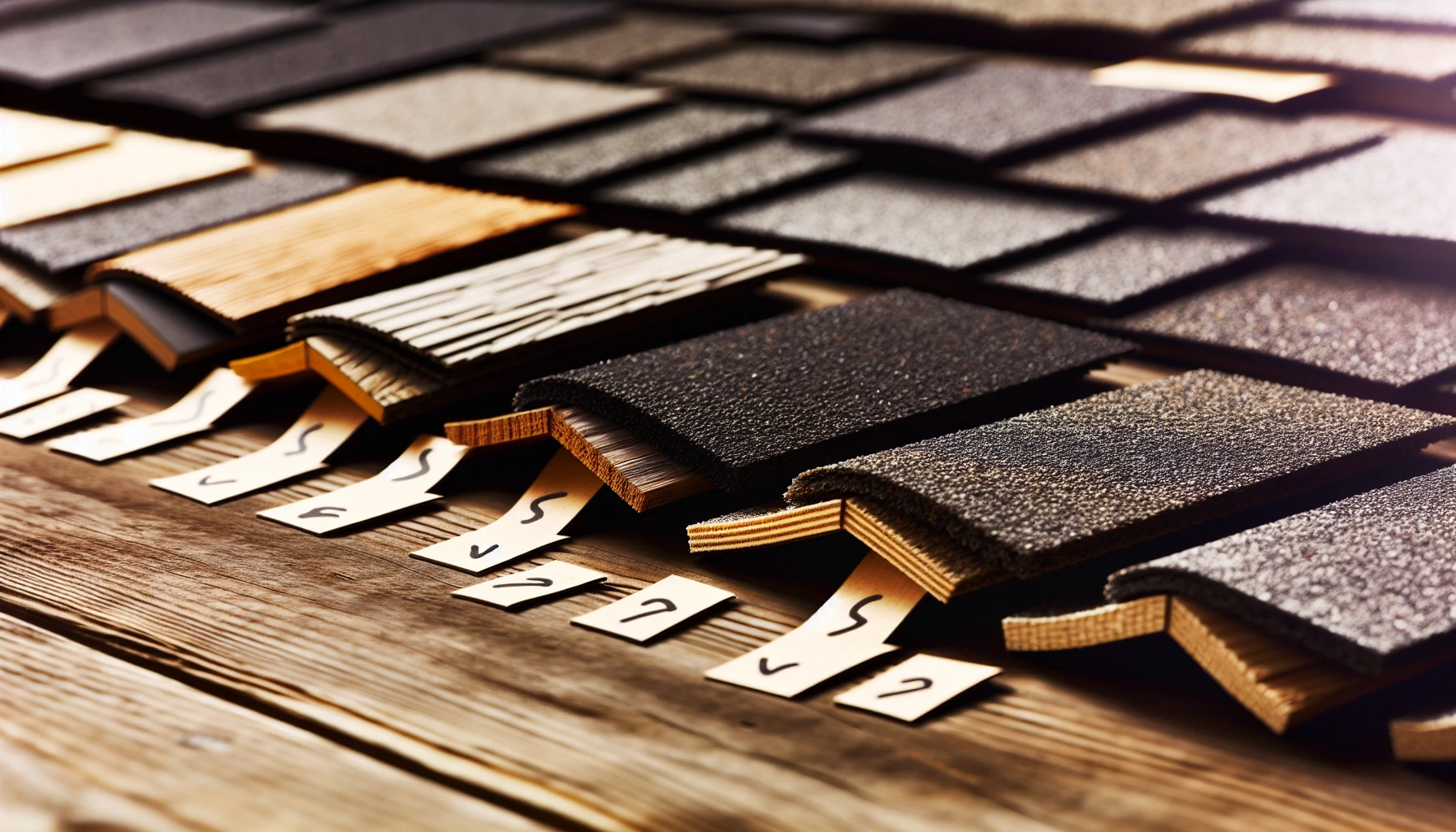
Different types of roof shingles displayed in a row
Understanding the basics of roof shingles is the foundation for a successful roofing project. A roof shingle serves to protect your home from inclement weather, reinforce the walls, and add to the architectural aesthetic. They come in a variety of materials, such as asphalt, wood, and metal, each with its own set of advantages and disadvantages.
The preparation phase for shingling your roof is key, as it lays a solid groundwork for the installation process.
The world of roof shingles is diverse, with various types of roof shingles available, ranging from three-tab asphalt shingles to metal shingles and wood shingles. Each type of shingle has its own set of benefits and drawbacks, which can influence your decision based on your home’s style, budget, and climate conditions. For instance, an asphalt shingle roof is cost-effective and easy to install but may have a shorter lifespan compared to metal or wood shingles.
Selecting the appropriate shingle type to match your home’s architecture is vital in boosting its curb appeal. Wood or architectural shingles are suitable for rustic homes, while clay or concrete tiles complement Spanish-style homes. Understanding the pros and cons of each shingle type helps you make a decision that not only elevates your home’s look but also ensures extended protection.
Choosing the appropriate roofing material for your roof shingles is a significant decision that influences your home’s protection and overall aesthetics. While asphalt shingles are the most commonly used material for roofs, other options like wood, metal, and composite shingles offer unique benefits in terms of durability, appearance, and cost. Considering factors such as style preferences, regional climate, and your home’s load-bearing capacity can guide you in choosing the best material for your roofing project.
Selecting the appropriate shingles for your home’s curb appeal can significantly enhance its value and appearance. Some factors to consider when choosing shingles include:
By considering these factors, you can select the optimal shingles, such as three tab shingles, to safeguard and enhance your home for the foreseeable future, even if you’re replacing old shingles.
Before you start installing new shingles, it’s important to properly prepare your roof. This involves gathering the necessary materials for the installation of:
By preparing your roof thoroughly, you establish a strong base for a successful shingle installation that will safeguard your home and boost its appeal in the long run.
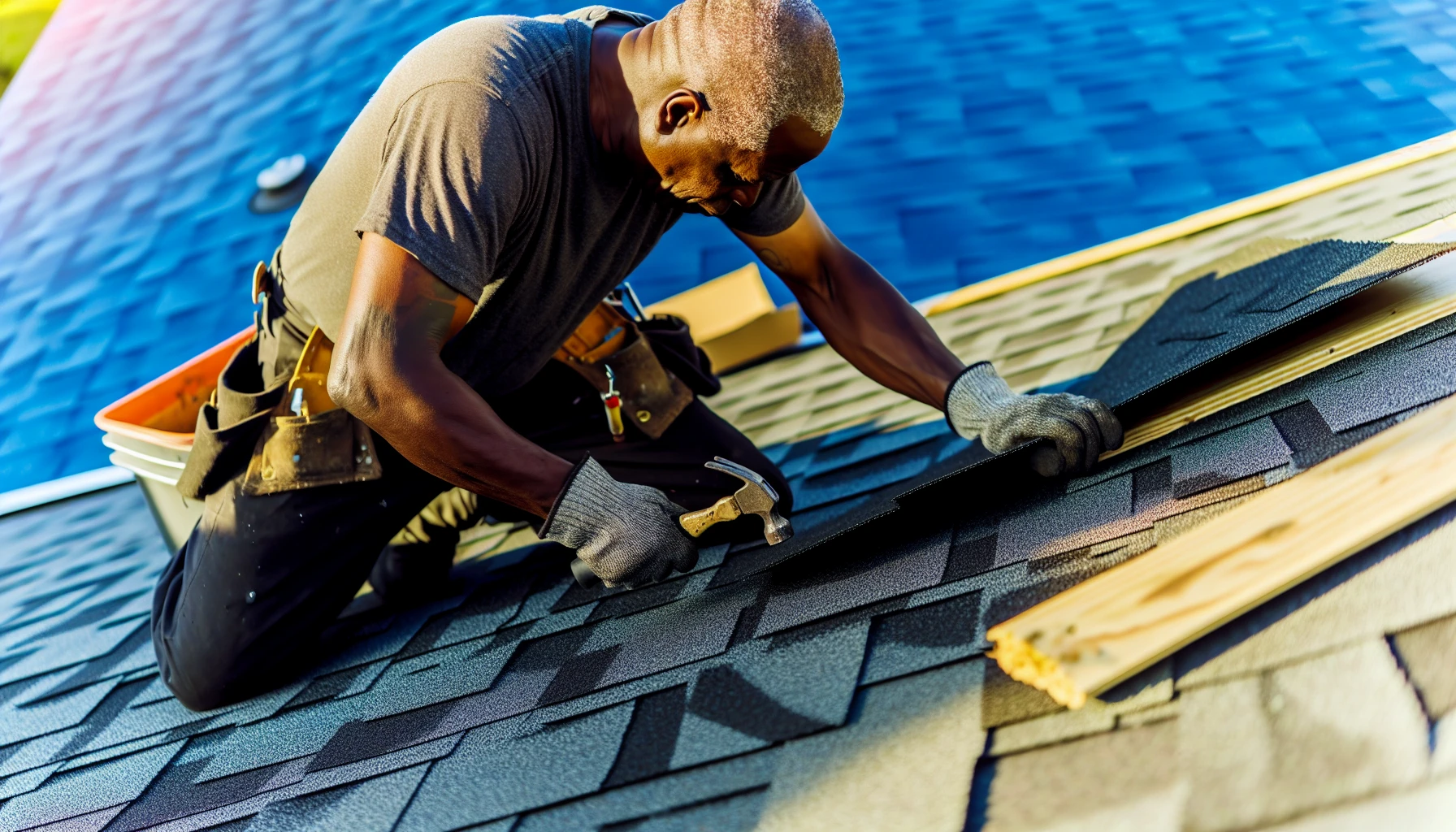
Skilled roofer beginning the shingling process
Installing a shingle roof requires careful planning, attention to detail, and the right tools and materials. Whether you’re a homeowner tackling a DIY project or a skilled roofer working on a professional installation, following a step-by-step guide can ensure a successful outcome.
From starting your roofing project to laying the first row of shingles and completing the installation, this guide will walk you through each phase of the process, helping you achieve a durable, attractive, and long-lasting shingle roof.
Initiating a roofing project requires you to create a financial plan, meet licensing requirements, establish a legal entity, register for taxes, open a business bank account and credit card, and manage business accounting. You’ll also need to gather the necessary materials for your shingle roofing project, such as asphalt shingles, starter shingles, ridge cap, roof underlayment, deck protection, and other essentials. Additionally, it’s important to consider the timing of your project, as the most advantageous time to commence a roofing project is in the spring when temperatures are more temperate and humidity levels are lower.
Safety is a paramount concern during any roofing project. Ensure that you have the necessary safety equipment, such as required personal protective equipment (PPE), fall protection equipment, and ladders for safe access to the roof. With proper planning, the right materials, and appropriate safety measures for your roofing project, you can anticipate a smooth and successful installation process.
The installation process begins with laying the first row of shingles which is key as it acts as a shield to protect the roof from external elements and helps with water resistance. To ensure a successful installation, follow these steps:
Properly laying the first row of shingles creates a stable foundation for the rest of the installation. Following the suggested methods and taking necessary precautions, ensures your shingle installation starts off strong, resulting in a resilient and durable roof that not only safeguards your home but also boosts its curb appeal.
After successfully placing the first row of shingles, you can proceed to finalize the installation process. To install roof shingles, follow these steps:
Regular maintenance and inspections are crucial for maintaining the integrity of your shingle roof. Following the guidelines and techniques laid out in this step-by-step guide guarantees a successful installation leading to a resilient, appealing, and enduring roof that not only protects your home but also enhances its aesthetic appeal.
Cost breakdown for shingling a roof
The cost of shingling a roof can vary depending on several factors, including:
Understanding the costs involved in shingling a roof helps you make decisions about the materials and services needed for your project, enabling you to manage your budget and attain the desired results for your home’s protection and aesthetics.
The cost of materials for roofing can vary greatly depending on the type of shingles used, as well as additional components such as underlayment, flashing, and nails. To estimate the cost of materials for your roofing project, you’ll need to calculate the roofing square footage of your roof and determine the amount of materials needed, factoring in a 10-15% waste allowance to account for cutting and fitting shingles.
A precise estimation of material costs allows you to plan your project more efficiently and ensure you have all the necessary resources for successful installation.
When considering the costs of shingling a roof, labor is an important factor to take into account. Labor costs may account for up to 60% or more of the total project cost. DIY installations can be cost-effective and provide a great learning opportunity; however, they may also involve safety risks and the potential for mistakes that could cause future issues.
Engaging professional roofing contractors like CoMo Premium Exteriors provides multiple benefits that justify the initial cost of hiring them. Some of these benefits include:
By hiring professional roofing contractors, you can ensure that your investment in a new roof is secure and that you receive the best possible service.
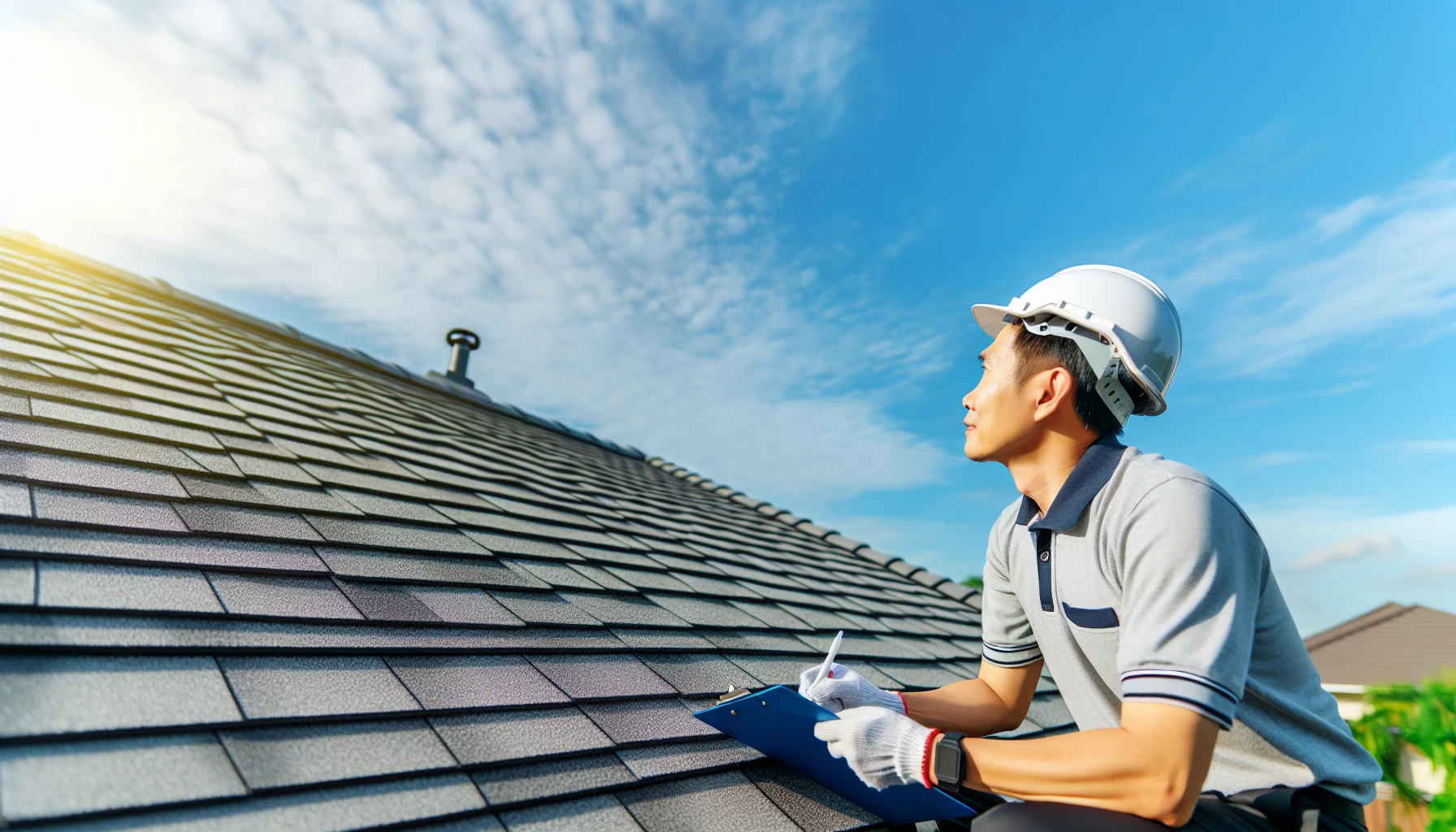
Inspecting and maintaining shingle roof for damage
Regular upkeep and routine inspections are key to extending the lifespan of your shingle roof and maintaining its enduring protection and aesthetic appeal. By conducting routine upkeep, such as:
You can prevent potential issues from escalating and ensure your roof remains in optimal condition.
Scheduling a free roof inspection at least once a year, especially before and after periods of severe weather, is recommended to keep your roof shingles in good condition. Regular inspections can help detect potential issues early and avert costly repairs down the line. If your roof is older, it is recommended to conduct inspections more frequently. During these inspections, look for signs of damage, such as:
In addition to inspections, routine maintenance tasks such as cleaning gutters, trimming tree limbs, and maintaining proper attic ventilation can help prevent moisture buildup and reduce the risk of mold and rot, which can significantly decrease the lifespan of a shingle roof. Maintaining your roof diligently ensures its protection and appeal continue for the foreseeable future.
Repairing damaged shingles is an essential aspect of maintaining your roof’s integrity and preventing further damage. To fix damaged shingles, follow these steps:
Promptly addressing damaged shingles can help prevent further issues, such as leaks and water damage, that could compromise your roof’s protection and durability. By maintaining a proactive stance towards shingle repair and diligent roof maintenance, you can ensure the longevity and ongoing protection of your home.
Choosing the appropriate roofing contractor for your project is vital to guarantee a successful installation and enduring protection for your home. Evaluating contractor credentials and understanding the services they provide, allows you to make a decision and select a contractor who will deliver the best results for your roofing project.
When choosing a roofing contractor, it’s important to verify their credibility by:
A roofing contractor must possess a valid license, insurance coverage, and certifications from reputable manufacturers or trade associations in order to be considered qualified. Conducting comprehensive research on potential contractors and verifying their credentials, ensures that you are selecting a skilled and dependable professional for your roofing project.
Roofing contractors offer a variety of services to address the diverse needs of homeowners when it comes to a roofing job. These services typically include:
Companies like CoMo Premium Exteriors provide experienced installation services for roofing, siding, windows, and other exterior products, as well as assistance with insurance claims related to roofing damage.
Understanding the services that roofing contractors offer can help you make an informed decision when selecting a professional for your project. Some of the services that roofing contractors typically offer include:
Partnering with a reputable contractor who offers these services can help ensure that your home is protected by a durable and attractive roof.
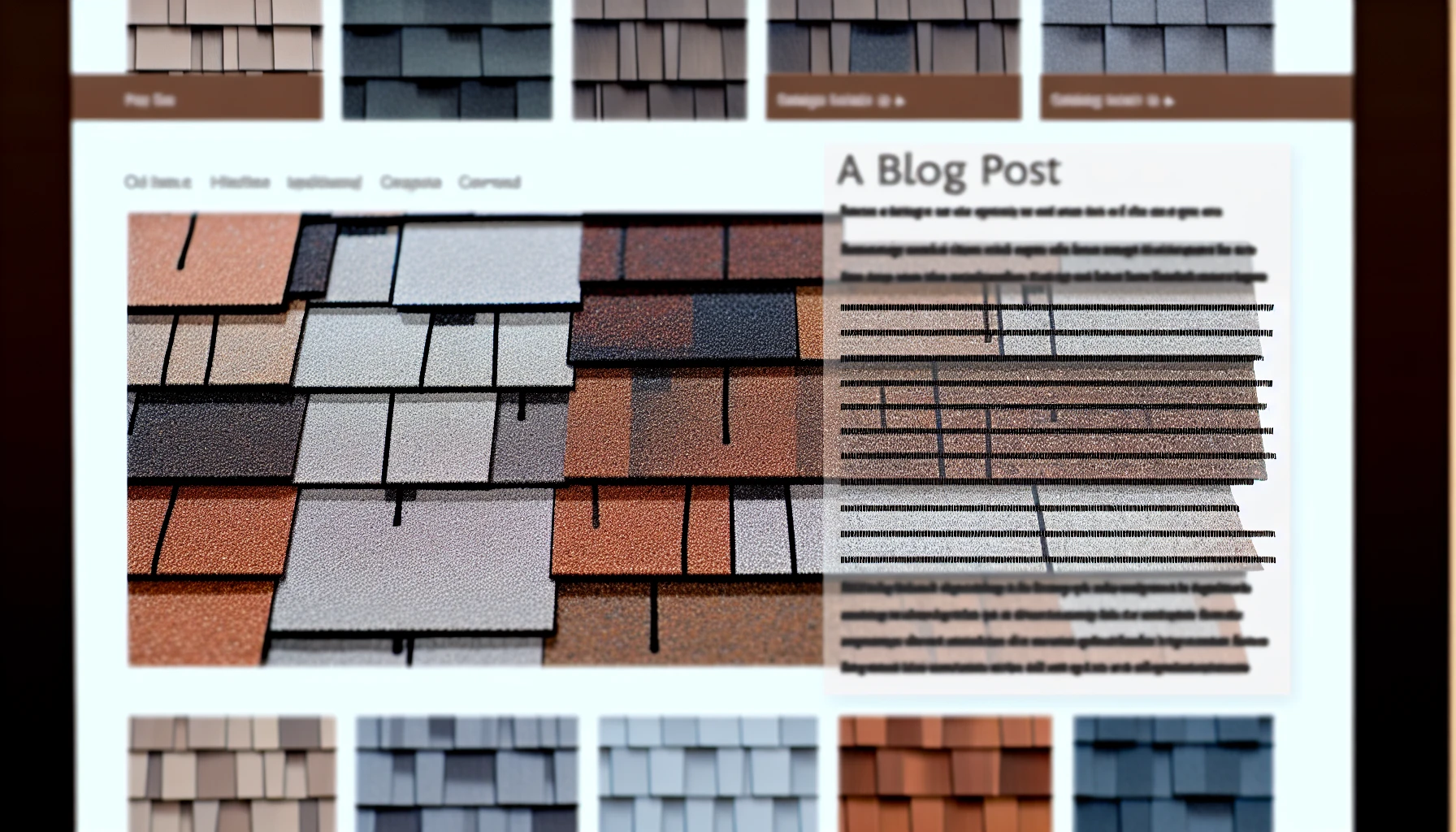
Variety of shingle styles and colors on display
The style and color of your roof shingles can significantly influence your home’s appearance and energy efficiency. Selecting shingles that match your home’s architectural style and choosing suitable colors based on climate conditions, helps you build a visually pleasing and energy-efficient roof that does more than just protect your home, but also boosts its value and curb appeal.
The right shingles can accentuate and improve your home’s overall aesthetic. For example, polymer modified asphalt roofing shingles are recommended for colonial-style homes, while architectural shingles are ideal for modern style architecture. By choosing shingles that complement your home’s architectural style, you can enhance its curb appeal and create a cohesive and attractive exterior.
In addition to style, the color of roof shingles can impact a home’s energy efficiency. Light-colored shingles, such as white or light gray, can help keep your house cooler, while darker shingles may provide a more traditional appearance. Taking into account both style and color while selecting shingles, allows you to design a visually pleasing and energy-efficient roof that safeguards and enhances your home.
The color of your roof shingles can play a role in your home’s energy efficiency. Some benefits of light-colored shingles include:
However, it’s important to note that the impact of shingle color on energy efficiency is relatively minor compared to other factors, such as insulation and ventilation. By choosing shingles that suit your home’s style and climate conditions, you can optimize your roof’s performance and create a comfortable, energy-efficient living space for you and your family.
Solar shingles represent an innovative alternative to traditional roof shingles, offering both protection and energy generation benefits. Integrating solar technology into your roofing system can not only decrease your dependence on traditional energy sources but also lower your energy bills and reduce your carbon footprint.
Exploring the benefits of solar shingles enables you to make a decision about whether this innovative technology is a fitting option for your home.
Solar shingles are:
The cost of solar shingles can be higher than standard shingles, but the long-term energy savings and environmental benefits may outweigh the higher upfront costs for many homeowners. Considering the benefits of incorporating solar technology into your roofing system, enables you to make a decision about whether solar shingles are a fitting investment for your home and your specific energy requirements.
In conclusion, proper shingle roofing installation and maintenance are crucial for protecting your home and enhancing its aesthetic appeal. By understanding the basics of shingle materials, installation techniques, and maintenance practices, you can make informed decisions about your roofing project, ensuring a durable and attractive roof for years to come. Whether you’re considering traditional shingles or innovative solar options, selecting the right materials, contractor, and maintenance routine can help optimize your roof’s performance and create a comfortable, energy-efficient living space for you and your family.
To start shingles on a roof, lay down roof deck protection and starter shingles along the edge of the bottom of the roof and secure with cap nails. To set the design of the shingles, mark 12 inches up from the edge of the roof and every 5 inches thereafter. When nailing the shingle, make sure to place four nails in a line 2 inches away from each end.
You can certainly replace your roof by yourself with the help of DIY websites and a few days of work. However, be sure to take into account the size of your roof when planning the project.
To reshingle a roof, start by prying off old shingles with a pitch fork, securing any loose sheathing to rafters, and covering the roof deck with felt underlayment. Complete the project with installation of drip-edge flashing and snapping a vertical chalk line down the center of the roof.
When selecting a roofing contractor for your project, be sure to check their qualifications, licenses, insurance coverage, certifications and services offered to ensure they are reputable and reliable.
For optimal protection, schedule a free roof inspection annually and conduct regular maintenance tasks such as cleaning gutters, trimming tree limbs, and maintaining proper attic ventilation.
Asphalt shingle roofs are incredibly prevalent in Mid Missouri and across the nation, a testament to their popularity and the benefits they offer to homeowners. With a wide array of manufacturers producing high-quality options, the choices for roofing systems are ample. In this article, we will explore the advantages and disadvantages of asphalt shingle roofing to give you a well-rounded view of this common roofing choice.
One of the significant advantages of asphalt shingles is the variety of aesthetics available. Homeowners can select from an array of colors, styles, and textures to match their home’s exterior and personal taste. Manufacturers like Owens Corning and GAF provide options that include different depths and dimensions, offering a custom look for every house.
In terms of cost, asphalt shingles are known for being more affordable than other roofing materials, such as metal. This makes them a cost-effective choice for many homeowners who are looking for value without compromising on quality. In addition, asphalt shingle roofing systems have seen improvements over the years, with manufacturers introducing more durable options that promise extended longevity.
Today’s asphalt shingle roofing systems include components such as underlayments, ice and water shields, and synthetic felts that weren’t as prevalent in the past. These elements contribute to a roofing system’s overall resilience against the elements. Regular double laminate shingles, common in Mid Missouri and beyond, provide solid performance, but there are also specialized shingles available, such as Class 4 hail impact-resistant options that offer reinforced matting for even greater durability.
Choosing specific types of asphalt shingles can also lead to financial benefits. For instance, installing Class 4 hail impact-resistant shingles might qualify homeowners for premium discounts on their insurance. It’s recommended for homeowners to consult with their insurance agents to confirm these potential savings.
While asphalt shingles are durable, they are not the longest-lasting roofing material available. In a place like Mid Missouri, a well-maintained asphalt shingle roof can be expected to last between 18 to 22 years. This lifespan, while adequate for many, may fall short compared to materials like metal roofing, which can last significantly longer.
To ensure that an asphalt shingle roof reaches its expected lifespan, regular maintenance is necessary. This involves professional inspections to ensure that the roof is performing to standard expectations. Without this maintenance, the roof’s condition can deteriorate more quickly, leading to the need for repairs or replacement sooner than anticipated.
When considering asphalt shingle roofing, it’s essential to weigh these pros and cons carefully. The aesthetic flexibility and cost-effectiveness of asphalt shingles make them an attractive option for many homeowners. The advancements in roofing technology and potential insurance benefits add to their appeal.
On the flip side, it’s vital to recognize that the lifespan of asphalt shingles, while substantial, may not be as long as other materials. Moreover, the necessity for regular maintenance should be factored into the overall cost and convenience of owning an asphalt shingle roof.
Asphalt shingle roofing is a popular choice for good reasons, offering a blend of affordability, style, and improved durability thanks to advancements in roofing technology. However, it’s important for homeowners to consider the shorter lifespan and the need for regular maintenance when deciding on the best roofing material for their home. For those in Mid Missouri or elsewhere considering this type of roofing, it is beneficial to discuss options with a reputable provider that adheres to the manufacturers’ specifications for installation.
If you’re contemplating asphalt shingle roofing for your home and need expert advice or an inspection to ensure your roof is up to standard, don’t hesitate to contact us. We can help you navigate the choices and find the roofing system that best fits your needs and preferences.
You’re standing in your driveway, looking up at your roof, wondering if it’s time to start budgeting for a replacement. Maybe you’ve noticed a few granules in the gutters, or your neighbor just got a new roof and now you’re second-guessing yours. It’s a fair question—and in Missouri, the answer isn’t always straightforward.
Most asphalt shingle roofs last 15 to 30 years nationwide. But Missouri’s weather doesn’t play by national averages. Between summer heat waves, winter ice storms, and the occasional hail event that turns your roof into a dartboard, your shingles face more abuse than roofs in milder climates.
If you’re a Columbia homeowner trying to plan ahead, this guide breaks down what actually affects shingle lifespan here in Mid-Missouri—and how to tell when it’s time to call a roofing contractor in Columbia for an inspection.
In our area, you can realistically expect:
These numbers assume proper installation and reasonable maintenance. Skip the maintenance, or hire a cut-rate installer, and you might be looking at a replacement in 12–15 years instead.
Missouri summers regularly push into the 90s, with roof surfaces hitting 140°F or higher. That heat breaks down the asphalt oils in your shingles over time, making them brittle. UV radiation does the same thing—fading color and weakening the fiberglass mat underneath.
South- and west-facing roof slopes typically wear out faster because they catch more direct afternoon sun.
When temperatures bounce above and below freezing, moisture expands and contracts in tiny cracks. Over several winters, this creates larger fissures that let water underneath the shingles. Ice dams at the eaves can also force water backward under the shingle edges.
Missouri sits in a transition zone where cold air from the north meets warm, moist air from the Gulf. That collision produces severe thunderstorms, hail, and tornadoes—especially in spring and early summer.
A single hailstorm can knock years off your roof’s life by bruising the shingle mat or stripping away protective granules. Even if you don’t see obvious damage from the ground, impact marks can create weak spots that fail later.
Mid-Missouri’s humid climate encourages algae and moss growth, especially on shaded roof sections. Dark streaks on your roof aren’t just cosmetic—algae holds moisture against the shingle surface, accelerating deterioration.
Some wear is inevitable, but these factors make a real difference:
A poorly installed roof will fail early—period. This includes improper nailing patterns, skipped underlayment, flashing mistakes, and shingles installed too cold or too hot. Hiring an experienced local contractor who understands Missouri’s climate is one of the best investments you can make.
Your attic needs to breathe. Without proper intake and exhaust ventilation, heat and moisture build up under the roof deck. This cooks the shingles from below and can cause the decking to rot. Signs of poor ventilation include ice dams in winter, curling shingles, and high cooling bills.
Most roof problems start small. A biannual inspection—especially after major storms—catches loose flashing, cracked sealant, and wind-damaged shingles before they turn into leaks. If you’re comfortable on a ladder, you can do a basic visual check yourself. For a thorough assessment, schedule a professional inspection.
Ignoring a small leak doesn’t make it go away. Water finds its way into the decking, rafters, and eventually your ceilings. What could have been a $300 repair becomes a $15,000 replacement.
If you’re seeing multiple warning signs—or your roof is approaching the 20-year mark—it’s worth getting a professional opinion. A qualified contractor can assess whether you have a few years left or need to start planning a replacement soon.
For Columbia-area homeowners, CoMo Premium Exteriors provides free roof inspections and honest assessments. We’d rather tell you your roof has five good years left than sell you something you don’t need.
Look for curling edges, cracked shingles, bare spots where granules have worn away, and excessive granules in your gutters. If your roof is 18–20 years old and showing these signs, schedule a professional inspection to assess remaining life.
It’s possible with premium architectural shingles, excellent installation, and good maintenance—but it’s not guaranteed. Missouri’s severe weather shortens average lifespan compared to milder climates. Expect 20–25 years as a realistic target for quality architectural shingles.
No—insurance typically covers sudden damage from covered events like storms, fire, or falling objects. Normal wear and aging is considered maintenance and isn’t covered. However, if a hailstorm or wind event damages your roof, that damage may be covered.
Fall (September through November) offers ideal temperatures for shingle installation—warm enough for proper sealing but not so hot that the material becomes difficult to work with. Spring is also acceptable, though rain delays are more common.
If the roof is under 15 years old and damage is isolated to a small area, repair makes sense. If it’s 18+ years with widespread wear, multiple leaks, or significant storm damage, replacement is usually more cost-effective than ongoing repairs.
Costs vary based on roof size, pitch, and material choice. For an accurate estimate specific to your home, schedule a free inspection with a local contractor. They’ll measure your roof and provide a detailed quote.
If you’re concerned about your roof’s condition—or just want a professional opinion on how many years you have left—reach out for a free inspection. We serve Columbia, Jefferson City, Moberly, and surrounding Mid-Missouri communities.

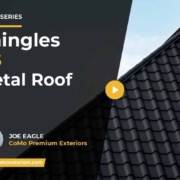
Choosing between asphalt shingles and metal roofing is one of the biggest decisions Columbia homeowners face when it’s time for a roof replacement. Mid-Missouri weather throws everything at our roofs—spring hailstorms, summer heat waves, winter ice, and year-round wind. The right material depends on your budget, how long you plan to stay in your home, your neighborhood’s character, and how you want to handle maintenance down the road.
At CoMo Premium Exteriors, we’ve installed both materials across Columbia, Jefferson City, and surrounding Mid-Missouri communities for over a decade. We don’t push one option over the other—we help you understand what works best for your specific situation. Here’s a straightforward breakdown to help you decide.
Asphalt shingles are the most common roofing material in Columbia for good reason. They’re affordable, easy to install, and come in dozens of colors and styles that fit most residential neighborhoods. Architectural shingles (the upgrade from basic 3-tab) offer better durability and wind resistance, typically lasting 25-30 years in Mid-Missouri conditions.
Metal roofing has gained popularity in recent years, especially for homeowners planning to stay in their homes long-term. Standing seam metal roofs can last 50 years or more, handle severe weather exceptionally well, and reflect heat to reduce cooling costs in Columbia’s humid summers. The upfront cost is significantly higher, but the longevity can offset that over time.
Cost is usually the first factor homeowners consider. Here’s a realistic breakdown for Mid-Missouri installations:
| Material | Cost per Sq Ft (Installed) | Lifespan | Best For |
|---|---|---|---|
| Architectural Shingles | $4.50 – $7.00 | 25-30 years | Budget-conscious homeowners, most neighborhoods |
| Metal Roofing (Standing Seam) | $12.00 – $18.00+ | 50+ years | Long-term ownership, modern aesthetics |
These ranges reflect typical installations in the Columbia area. Your actual cost depends on roof complexity, pitch, accessibility, and the specific products you choose. For an accurate quote tailored to your home, our Columbia roofing team can provide a detailed assessment.
Columbia’s weather patterns play a significant role in this decision. Here’s how each material performs in local conditions:
Mid-Missouri sees its share of severe spring and summer storms. Metal roofing is highly resistant to hail impact up to a certain size—small to medium hail typically leaves no damage. Large hail can dent metal, but the roof itself usually remains functional. Shingles can crack, lose granules, or tear in hail events, requiring spot repairs or full replacement depending on severity.
Both materials can handle Mid-Missouri winds when properly installed. Architectural shingles rated for 130 mph wind resistance are standard in quality installations. Metal roofs, when correctly fastened, can withstand even higher wind speeds. The key difference comes in how each material ages through repeated wind events—shingles may gradually lift at edges over years of exposure, while metal maintains its seal unless physically damaged.
Columbia’s summers bring heat and humidity; winters bring freezing temperatures and ice. Metal roofing reflects sunlight, keeping attics cooler and reducing air conditioning load—noticeable on two-story homes in older Columbia neighborhoods. Shingles absorb heat, which can increase cooling costs but also helps melt winter ice more evenly. Both materials perform well when paired with proper attic ventilation.
Before committing to metal roofing, check your neighborhood’s character and any HOA requirements. Many Columbia neighborhoods—especially established areas like Old Southwest, East Campus, and The Forum—have predominantly shingled roofs. A standing seam metal roof can look out of place and may affect resale value if it doesn’t fit the architectural context.
Some homeowners associations explicitly prohibit metal roofing or restrict it to specific colors and profiles. Even without formal HOA rules, consider how your choice fits with surrounding homes. Metal roofing works best in neighborhoods with mixed materials, newer developments where modern aesthetics are common, or on homes where the architectural style naturally accommodates it.
Shingles: Minimal maintenance required. Periodic inspections after storms, especially hail events, catch damage early. Repairs are straightforward—damaged shingles can be replaced individually without disturbing the rest of the roof. Over 25-30 years, you may need minor repairs here and there, but shingles generally don’t require ongoing attention.
Metal: Very low maintenance. The main concerns are ensuring fasteners stay tight (especially after high winds) and checking for scratches in the coating that could lead to corrosion. Walkability varies by profile—some metal roofs can be damaged if walked on incorrectly. Repairs are more specialized than shingle work and require a contractor experienced with metal systems.
Before choosing metal roofing, call your insurance provider. Some carriers offer discounts for metal roofs due to their durability and fire resistance. However, there’s a catch with hail coverage: many policies distinguish between “functional damage” and “cosmetic damage” on metal roofs.
Large hail can dent metal without compromising its function. Some insurers will only pay for replacement if the coating is compromised or water infiltration occurs. Cosmetic dents may not trigger coverage, leaving you with a dented roof that still works but looks weathered. Shingles typically trigger replacement claims more readily when hail damage is evident. Understand your policy’s hail provisions before investing in metal if storm damage is a primary concern.
Choose shingles if:
Choose metal if:
Every roof is different—pitch, size, orientation, and existing structure all factor into what works best. CoMo Premium Exteriors has installed both shingles and metal roofing throughout Columbia, Ashland, Hallsville, and Jefferson City. We can walk your roof, assess your specific situation, and give you a straightforward recommendation based on facts, not sales pressure.
Whether you’re replacing storm-damaged shingles or upgrading to metal for the long haul, our Columbia roofing contractors handle the entire process—from inspection and material selection through installation and final cleanup. We’re licensed, insured, and triple-certified, so you can trust the work will stand up to whatever Mid-Missouri weather brings.
Ready to explore your options? Schedule a free inspection and we’ll help you make the right choice for your home, your budget, and your future.
Not significantly. When installed with proper underlayment and insulation—standard practice in quality installations—metal roofs aren’t noticeably louder than shingles during rain. The attic space and insulation dampen sound regardless of roofing material.
Technically yes, in some cases, but we generally recommend removing old shingles first. Installing over existing layers adds weight, hides potential deck problems, and can shorten the new roof’s lifespan. A clean tear-off lets us inspect and repair the deck, ensuring your new roof has a solid foundation.
It depends on your neighborhood and buyer preferences. In areas where metal is common or fits the architectural style, it can be a selling point due to longevity. In traditional shingle-dominant neighborhoods, it may not add value and could potentially limit your buyer pool. Consider your neighborhood’s character before choosing metal.
Both offer extensive color choices. Shingles come in dozens of colors from major manufacturers like Owens Corning, GAF, and CertainTeed. Metal roofing offers even more customization—standing seam is available in numerous solid colors, and some manufacturers offer painted profiles that mimic shingle or tile textures. We can show you full color catalogs for both options.
A typical Columbia home takes 1-2 days for shingle replacement. Metal roofing usually takes 2-3 days due to more complex fastening and detailing. Both timelines depend on roof size, complexity, and weather conditions. We plan around Columbia’s weather patterns to minimize exposure time.
No. Metal roofing doesn’t attract lightning any more than other materials. If lightning does strike a metal roof, the material conducts the charge safely to the ground without catching fire—actually a safety advantage over combustible materials. Proper grounding and lightning protection systems are separate considerations regardless of roofing material.
It depends on the profile. Some metal roofs are designed for walkability; others can be damaged by foot traffic. Standing seam roofs typically require walking on the raised seams, not the flat panels. We’ll show you safe access points and techniques if you need to access your roof. For most homeowners, we recommend professional roof access for any maintenance work.
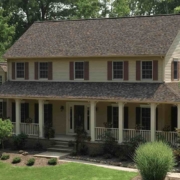
Let’s discuss the Owens Corning brand of roofing materials. As one of the most popular brands of shingles in Missouri, Owens Corning makes solid and reliable asphalt shingles that don’t require you to break the budget. Through this article, we will explore why these shingles are the best choice for roofing in Missouri.
The history of Owens Corning goes all the way back to the 1800s when a lab experiment turned into what we know today as insulation. Best known for their iconic use of the “Pink Panther”, Owens Corning is a brand that manufacturers insulation, roofing, and fiberglass composites that are found in products throughout the world.
For roofing, Owens Corning produces a wide range of asphalt shingles under product lines called Duration, Oakridge, Berkshire, Woodcrest, Woodmoor, and Supreme. These different product lines offer various looks, price points, and impact resistance. Here in Missouri, most homeowners prefer the Owens Corning Duration brand of shingles for their durability, reputation, and affordability. This is one of our favorites because it outperforms many other shingle brands, and comes in a plethora of color options. They include:
Owens Corning shingles even offer special defense against offensive substances like algae. They do this with a shingle composed of an outer layer of ceramic, copper, and a mineral core. More importantly, Duration shingles have their patented SureNail technology built into each shingle. SureNail is a simple concept, but it makes a huge difference in the shingle performance and the speed of its installation. SureNail is a unique fabric strip that is integrated into the shingle and is the line where the roofing nails are installed. This unique fabric strip offers several advantages:
These unique features, combined with a reputable company standing behind them, makes Owens Corning Duration shingles a great choice for any home.
We can confidently state that there are many benefits to using Duration asphalt shingles. Here are just a few perks:
If you want to dive further into this topic, check out this post we did on asphalt roof shingles.
Once you’ve selected the material you like for your next roof project, then all you need is a good installation crew. Roofing can be dangerous and difficult, so never do this task alone. Along with the Owens Corning asphalt shingles, we also install other materials such as:
Good roofers can cover any of those jobs for you. When we say we’re good, we mean we’re The Best Roofers in Columbia, according to Expertise.com. If you’d like to see further testimony of our roofing prowess, just listen to all the positive feedback we receive.
On Google Reviews, we have over 200 reviews for a nearly perfect rating of 4.8/5.0 stars. That’s proof that you can rely on us for serious outdoor renovation work.
Contact us today if you want to learn more about roof replacements and the Owens Corning brand.
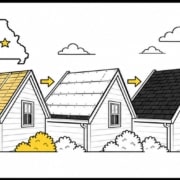
For homeowners, getting a new roof installed is an exciting time but the process can be stressful if you are not prepared. Here is the roofing installation process explained so that you can understand what to expect.Read More

Most roofs in the Midwest use asphalt shingles because they are able to endure the harsh winters and hot summers of the Midwest and have a cost-effective price point. Asphalt roofing shingles also come in several styles and colors so, whatever look you are hoping to achieve with your roof, asphalt shingles can likely accomplish it.Read More
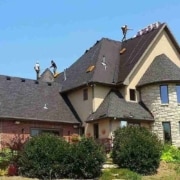
Do you have a roof that’s looking dingy, faded and just plain worn? Have you updated other parts of your home and now the style of your roof doesn’t match? It’s probably time to consider your roofing aesthetics and remolding goals. Most homeowners can’t recall the color of their roof when put on the spot because, if it’s doing its job well, it tends to be out of sight out of mind. But the visual difference an updated roof can make is much bigger than you would think.Read More