Top 10 Roof Types Residential for Residential Homes: A Comprehensive Guide
Top 10 Roof Types for Residential Homes: A Comprehensive Guide
Planning to roof your home? Understanding residential roof types will help you choose the best one for your needs. In this guide, we’ll discuss the most popular roof types—residential roof types included—their advantages, and the environments they are best suited for.
Key Takeaways
-
Selecting a roof type for your home involves considering local climate, architectural style, and functionality, with various options available, such as hip, gable, and flat roofs.
-
Asphalt shingles are popular for their affordability and ease of installation, while metal roofing offers superior durability, often lasting longer despite a higher initial cost.
-
Maintaining your roof through regular inspections and debris removal is essential for extending its lifespan and ensuring optimal performance.
Understanding Roof Types for Residential Homes
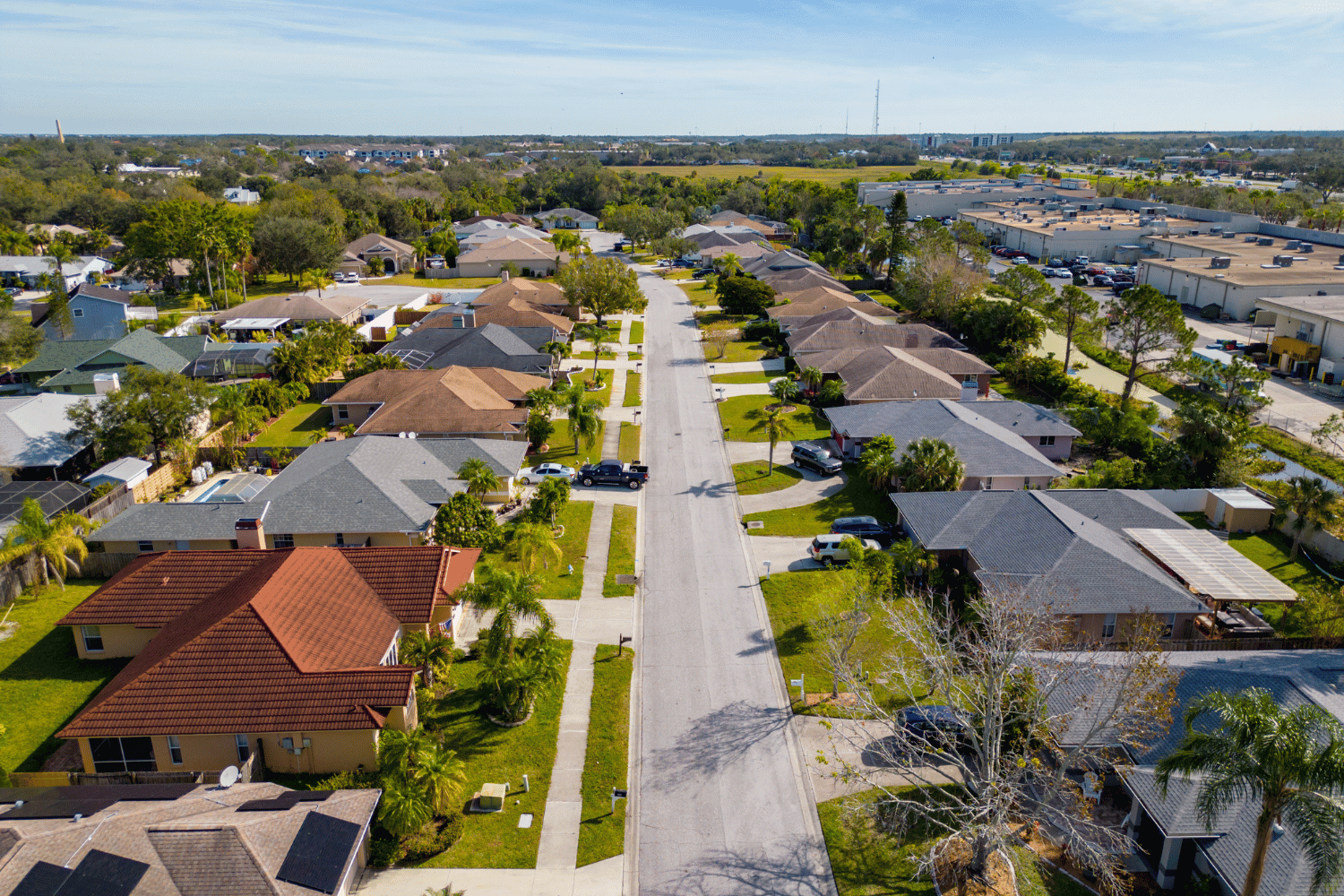
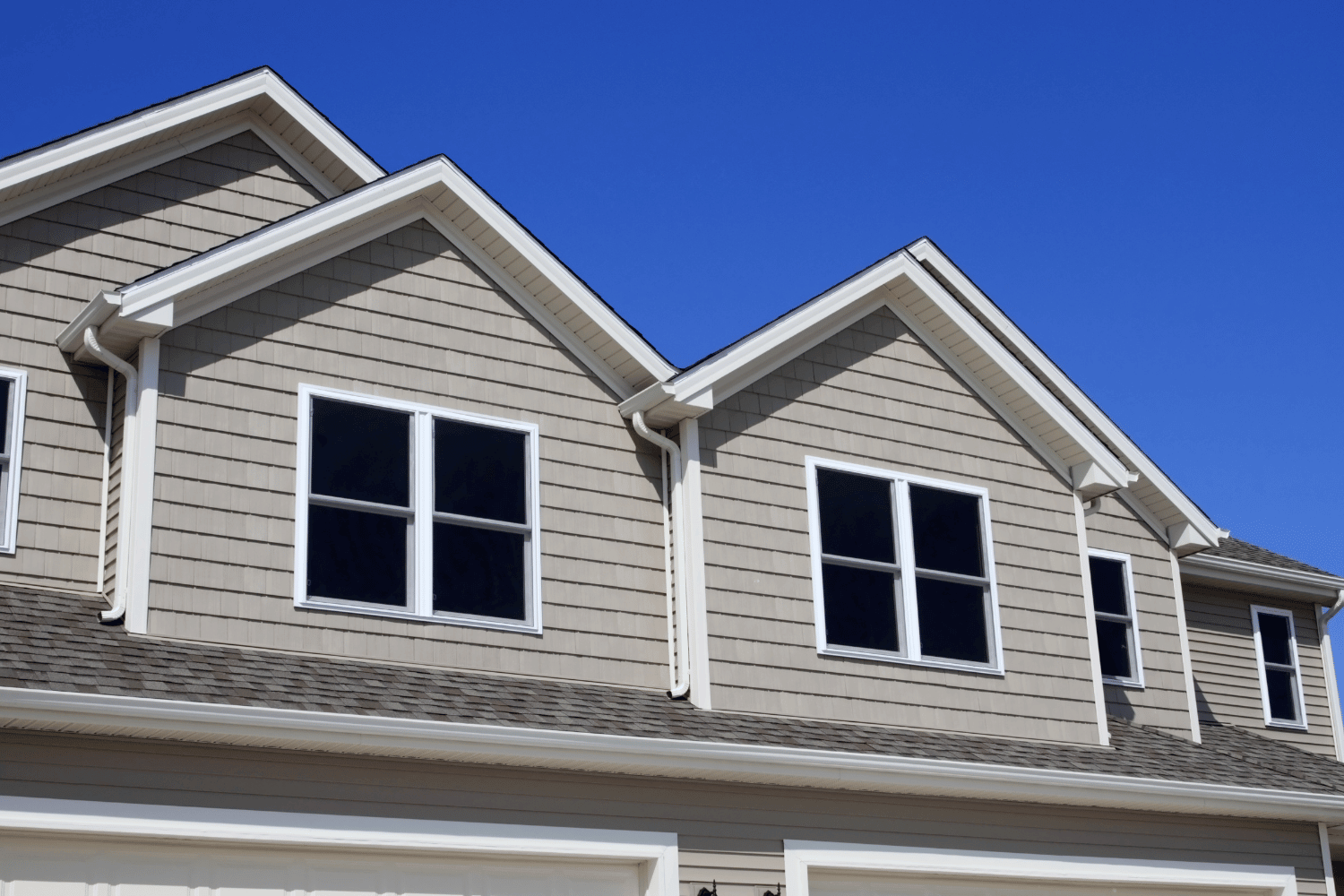
An overview of various roof types residential homes can have.
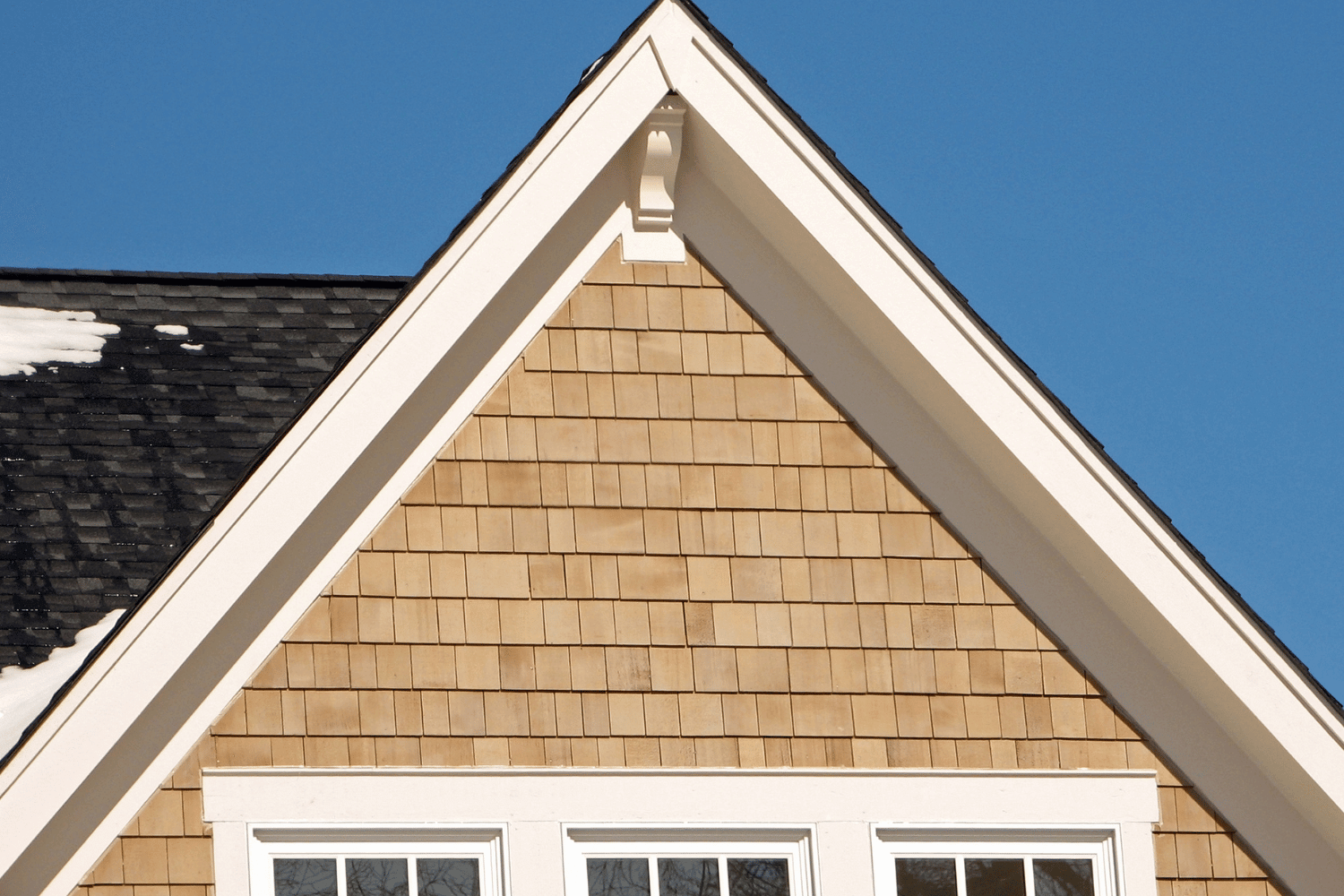
The roof you choose for your home significantly impacts its overall design and functionality, making it a critical element of the architectural structure. For instance, hip roofs, with their sloping design, offer excellent wind resistance, making them suitable for hurricane-prone areas. On the other hand, flat roofs, often seen in commercial buildings, are gaining popularity in residential settings due to their modern look and ease of installation.
Gable roofs are another classic choice, offering a cost-effective solution particularly suited for areas with heavy rainfall due to their efficient water drainage. Meanwhile, unique designs like saltbox roofs, with their asymmetrical slopes, not only promote water drainage but also add a distinctive charm to the home. Similarly, gambrel roofs evoke a rustic appeal, ideal for enhancing the outdoor charm of your property.
Choosing the right roof type involves considering factors such as local climate and architectural style to ensure both functionality and aesthetic appeal. For example, a mansard roof is perfect for snowy regions due to its space-saving design, while skillion roofs, or mono-pitched roofs, add modern curb appeal with their single steep surface.
Asphalt Shingles: The Popular Choice
Asphalt shingles are a popular choice among homeowners due to their affordability and ease of installation. This roofing material allows many to achieve a reliable roofing system without breaking the bank. Available in a wide range of colors and styles, asphalt shingles can be customized to fit various home aesthetics.
One of the major advantages of asphalt shingles is their accessibility; they are easy to source from contractors and suppliers. However, their lifespan typically ranges from 20 to 30 years, which is shorter compared to some other roofing materials. Despite this, the variety available in asphalt shingles includes three-tab, architectural, and luxury shingles, each offering unique benefits.
Architectural shingles, for instance, are thicker and provide a more textured appearance and enhanced durability compared to three-tab shingles. Luxury shingles replicate the look of high-end materials like slate, offering extensive design options and superior durability. While environmental factors like intense sunlight and wind can affect the performance of asphalt shingles, their overall ease of installation and cost-effectiveness make them a popular roofing material.
Metal Roofing: Modern and Durable
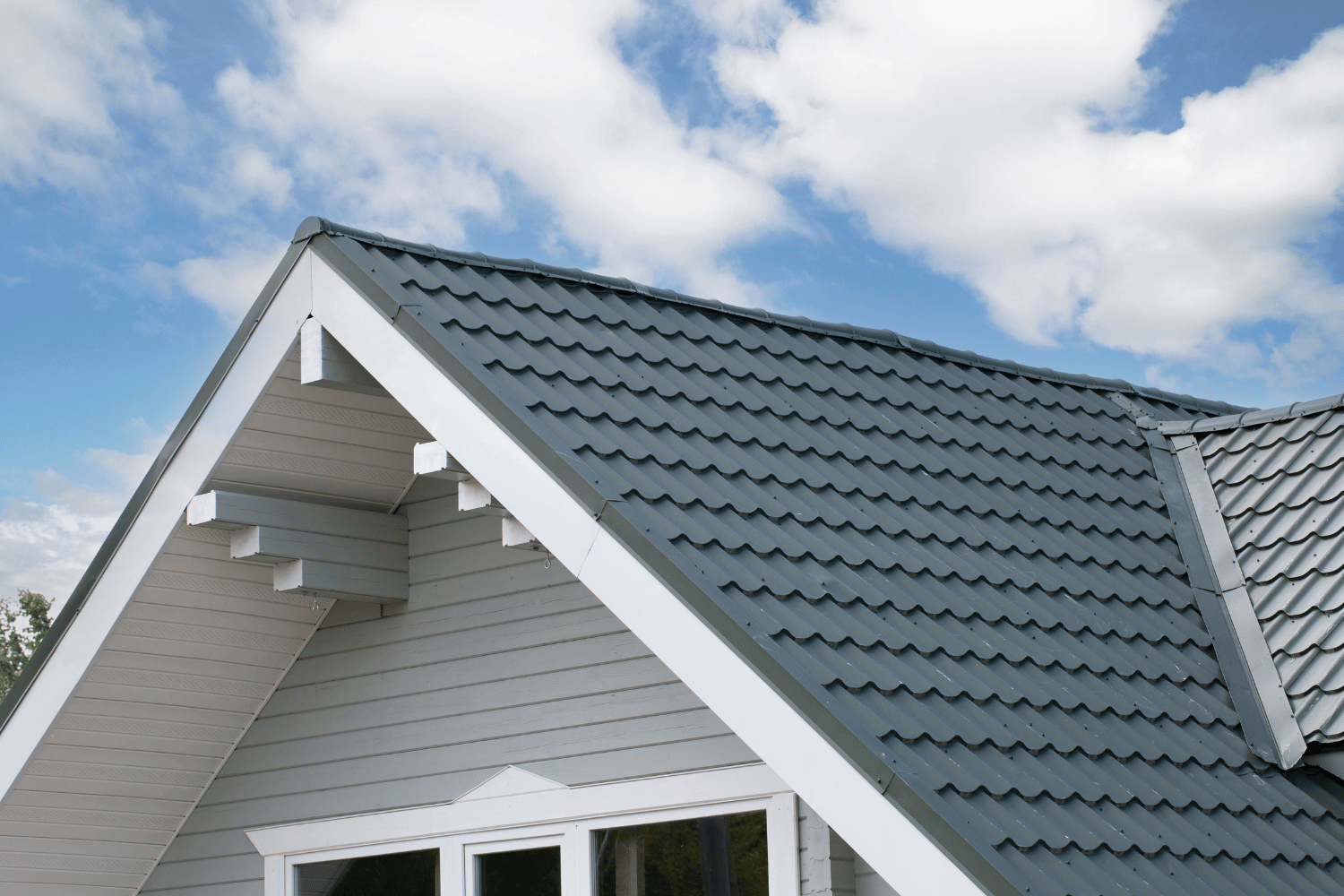
A modern metal roof highlighting its durability and style.
Metal roofing stands out for its durability and modern appeal, offering homeowners a long-lasting roofing solution. Known for its resistance to fire, rot, and insect damage, metal roofing ensures robust protection for your home. Additionally, the smooth surface of metal roofs prevents snow accumulation, reducing structural stress during winter.
Metal roofing comes in various popular types of roofing. These include metal shakes, shingles, standing seam metal roofing, and stone-coated steel. The variety in styles, such as the standing seam and shingle lookalikes, provides ample choices for homeowners looking for both functionality and aesthetics. Metal roofs can also be effectively insulated, aiding in heat retention during colder months.
The growing popularity of metal roofing is attributed to its longer lifespan and superior durability compared to traditional shingles. While the initial installation cost may be higher, the long-term benefits and reduced maintenance needs make metal roofing a worthwhile investment for many homeowners.
Wood Shingles and Shakes: Rustic Appeal
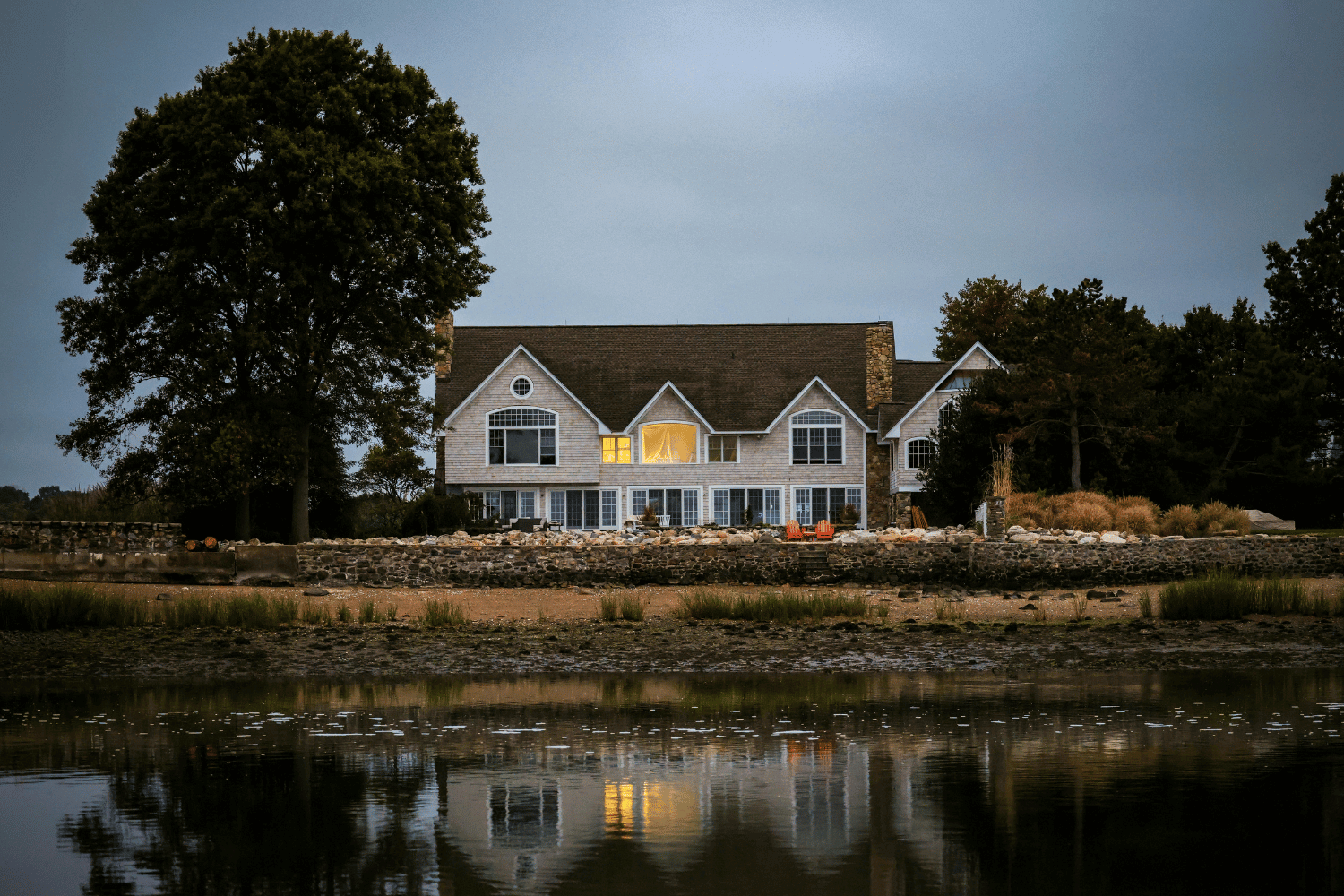
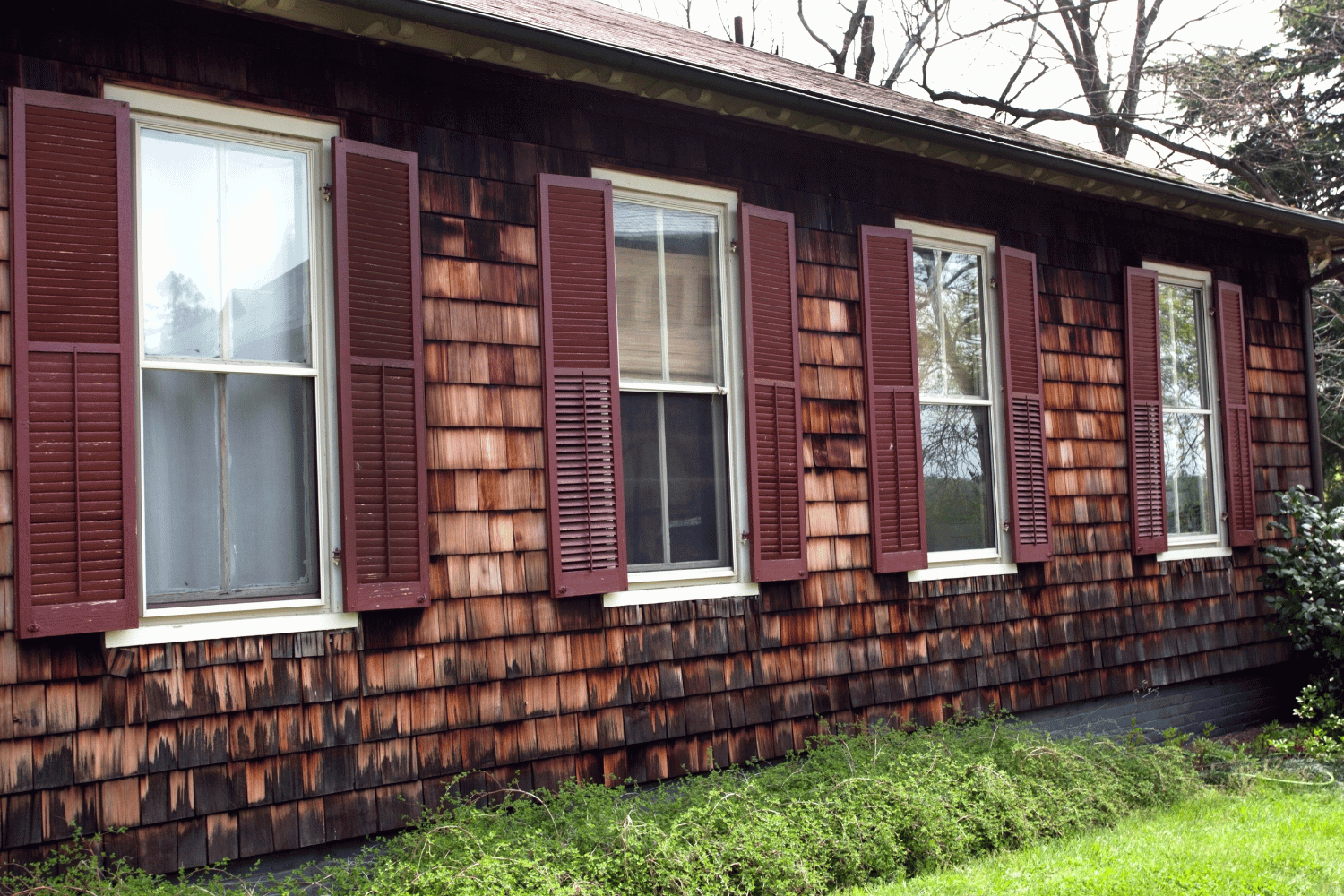
Wood shingles and shakes providing rustic charm to a home.
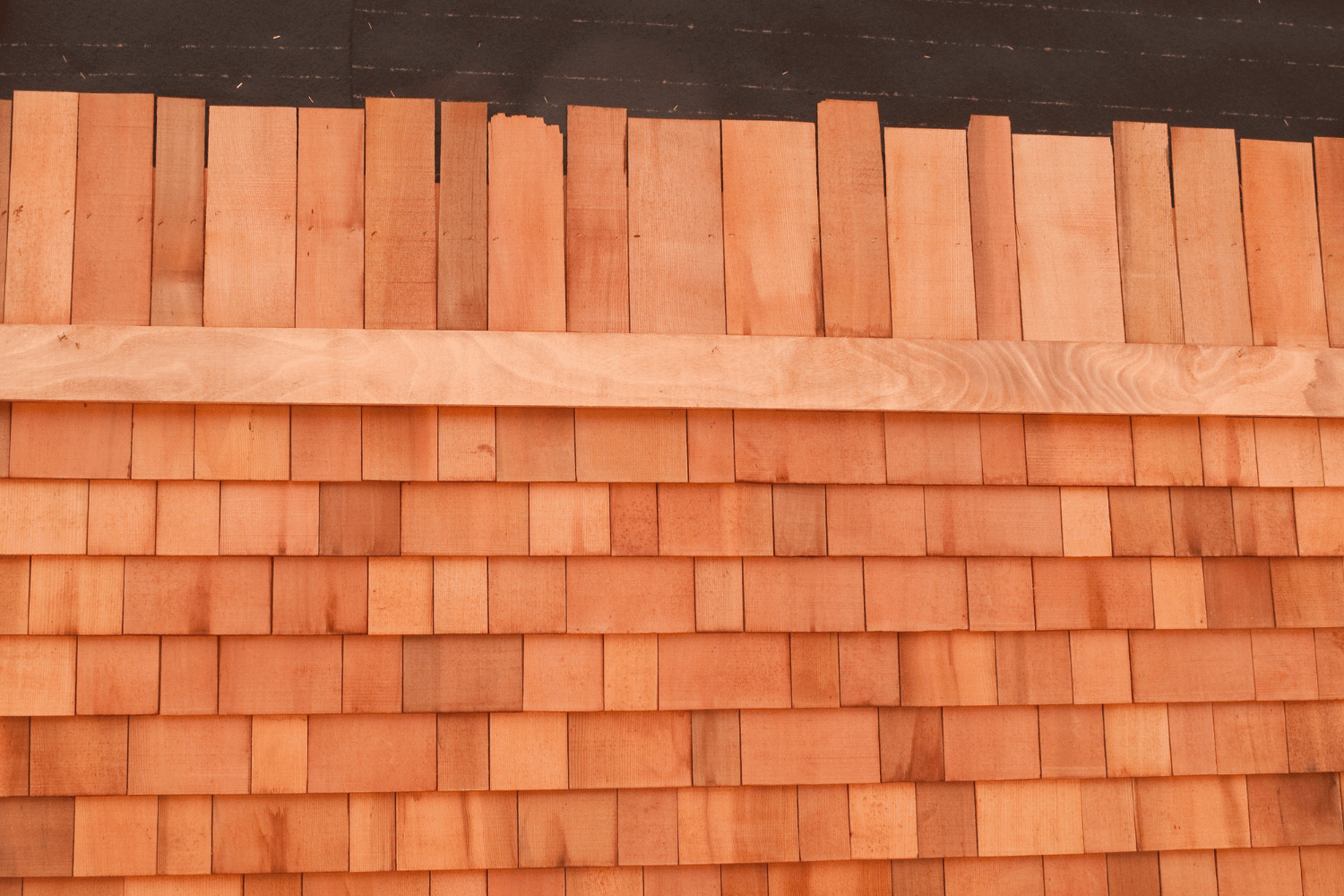
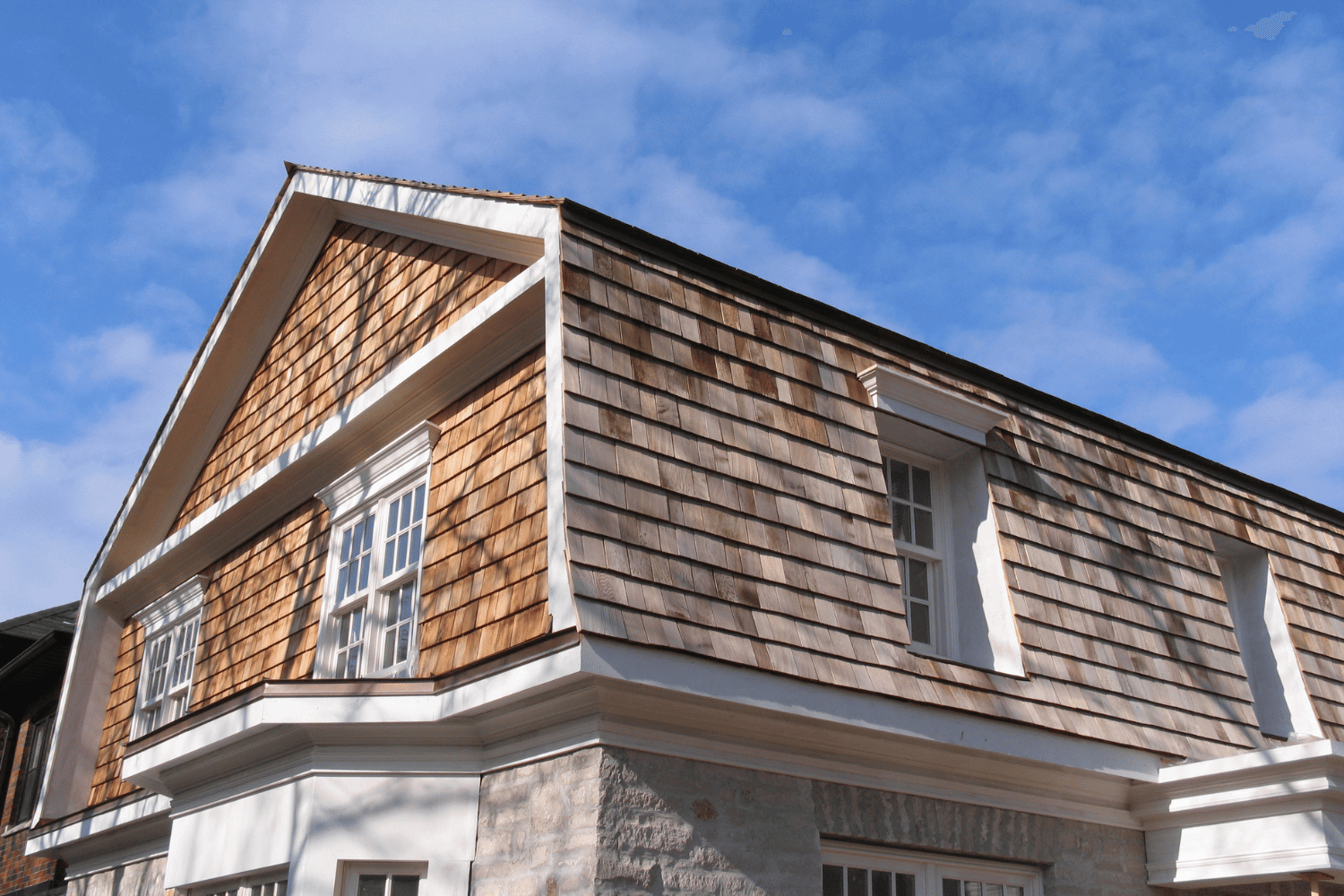
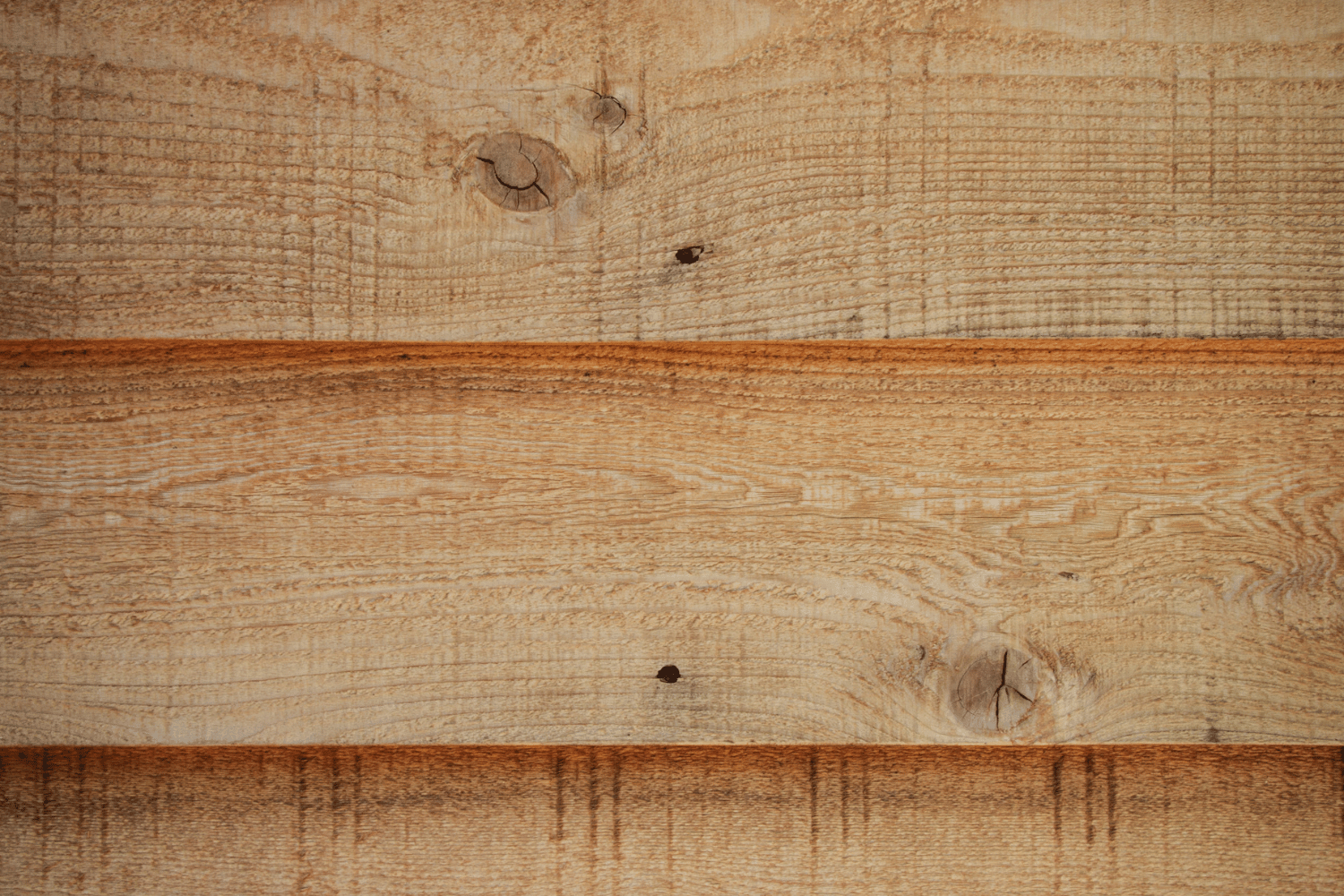
Wood shingles and shakes bring a natural, rustic charm to any home, enhancing its aesthetic appeal and creating a luxurious look. Typically sourced from 200 to 300-year-old conifer trees, these roofing materials offer a sustainable option with significant environmental benefits.
However, wood shingles and shakes require more labor-intensive and time-consuming maintenance compared to asphalt roofs, making them a pricier option overall. In damp conditions, they can last approximately 20 to 30 years, though this lifespan can vary based on environmental factors.
Clay and Concrete Tiles: Traditional Elegance
Clay and concrete tiles exude traditional elegance, adding a timeless appeal to any home. Known for their durability, clay tiles often last more than a century, while concrete tiles typically have a lifespan of 50 years or longer. Both materials are ideal for hot climates, providing excellent temperature regulation.
However, clay tiles require less maintenance as they absorb less moisture, whereas concrete tiles need regular inspections and maintenance. While concrete tiles are generally more budget-friendly, both types complement Spanish-style architecture beautifully.
Installation considerations, such as roof slope and weather conditions, are crucial, as these tiles are not advisable in areas with heavy rains and freezing temperatures.
Slate Roofing: Luxury and Longevity
Slate roofing epitomizes luxury and longevity, offering a beautiful appearance and exceptional durability. With a lifespan of 75 years or more, and the potential to endure over a century with proper maintenance, slate roofs are a long-term investment.
The low maintenance requirements of slate roofs contribute to their appeal, though their installation demands specialized skills due to their weight and fragility. Sourcing roofing slate from specific regions like Vermont and Pennsylvania adds to the cost, but the unique aesthetic and enduring quality make it worth the investment.
Synthetic Roofing Materials: Versatile and Cost-Effective
Synthetic roofing materials offer a versatile and cost-effective alternative to natural products. Engineered for enhanced durability and weather resistance, synthetic roofs replicate the look of natural materials while offering better performance.
Synthetic composite shingles are lightweight, affordable, and extremely durable. They boast high impact and fire ratings, wind resistance, UV protection, and insulation, with a lifespan of 40 to 50 years. These materials require minimal maintenance, making them a practical choice for homeowners.
Flat Roofs: Modern and Functional
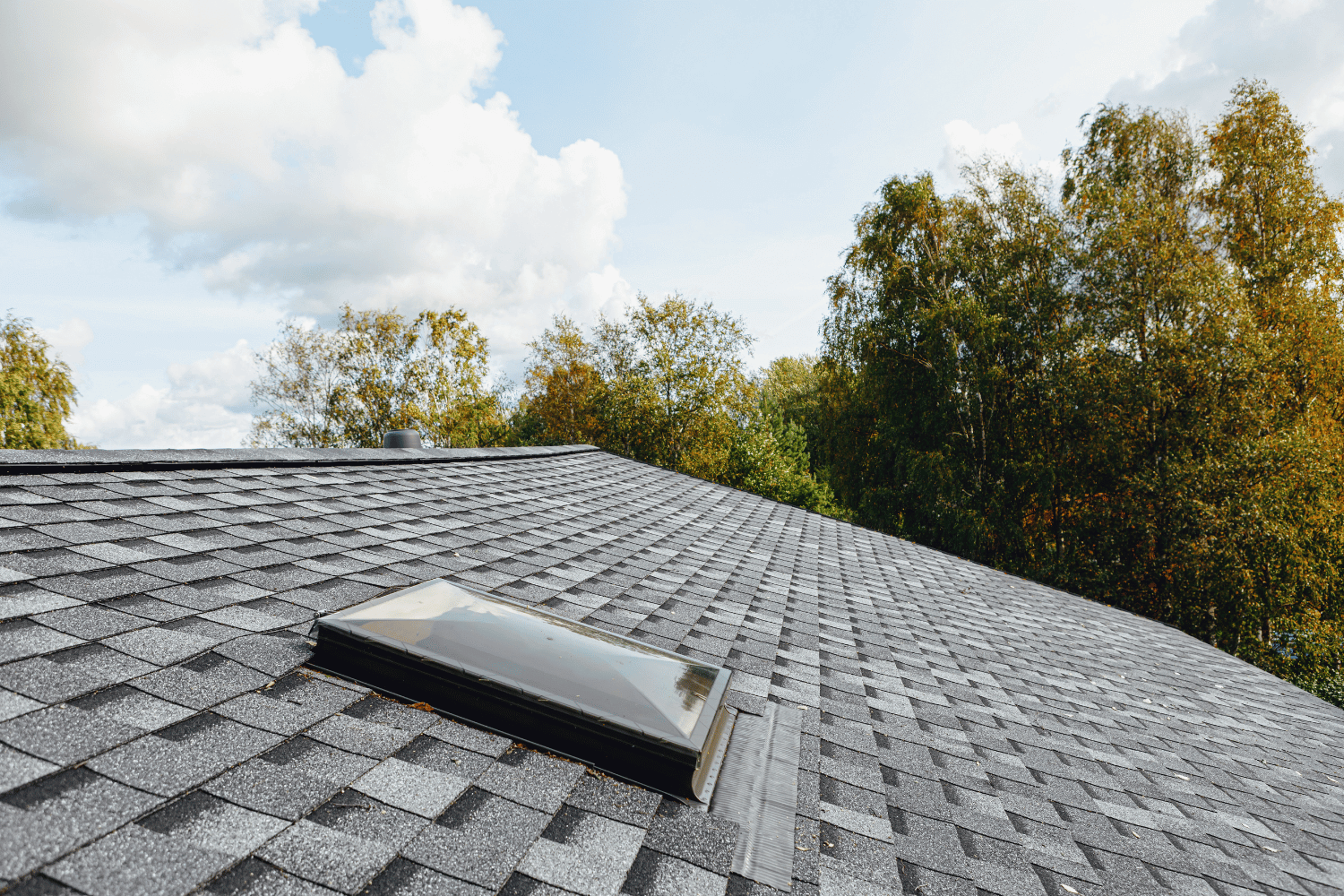
A flat roof showcasing modern design and functionality.
Flat roofs are increasingly favored for their modern and functional design. Common materials used for flat roofing include EPDM, TPO, PVC, and other options like Modified Bitumen and Built-Up Roofing (BUR). EPDM roofing, known for its elasticity and toughness, can last between 20 to 35 years or more with proper maintenance, making it a popular choice among roofing systems for commercial roofing systems.
Despite their flat appearance, flat roofs typically have a slight slope for drainage. They require adequate waterproofing to prevent leaks and prolong their lifespan, making regular maintenance essential.
Green Roofs: Eco-Friendly and Insulating
Green roofs, also known as living roofs, offer an eco-friendly roofing solution by incorporating plants and soil over a waterproof membrane roof. These roofs provide excellent insulation, helping to regulate indoor temperatures in both hot and cold weather.
Green roofs can absorb significant amounts of stormwater, reducing runoff and flooding. Intensive green roofs require more regular maintenance than extensive ones, but maintenance costs can significantly decrease after the establishment period.
Solar Shingles: Energy-Efficient Innovation
Solar shingles represent a cutting-edge innovation in roofing, seamlessly integrating with traditional asphalt shingle roofs to provide energy efficiency. These advanced roof shingles help reduce heat absorption and lower utility costs for homeowners.
Photovoltaic solar panels convert sunlight into usable energy, significantly reducing electricity costs. Though solar shingles come with high installation costs and fragility, they offer potential savings through energy buyback programs and tax incentives for meeting Energy Star standards.
Choosing the Right Roof Type for Your Home
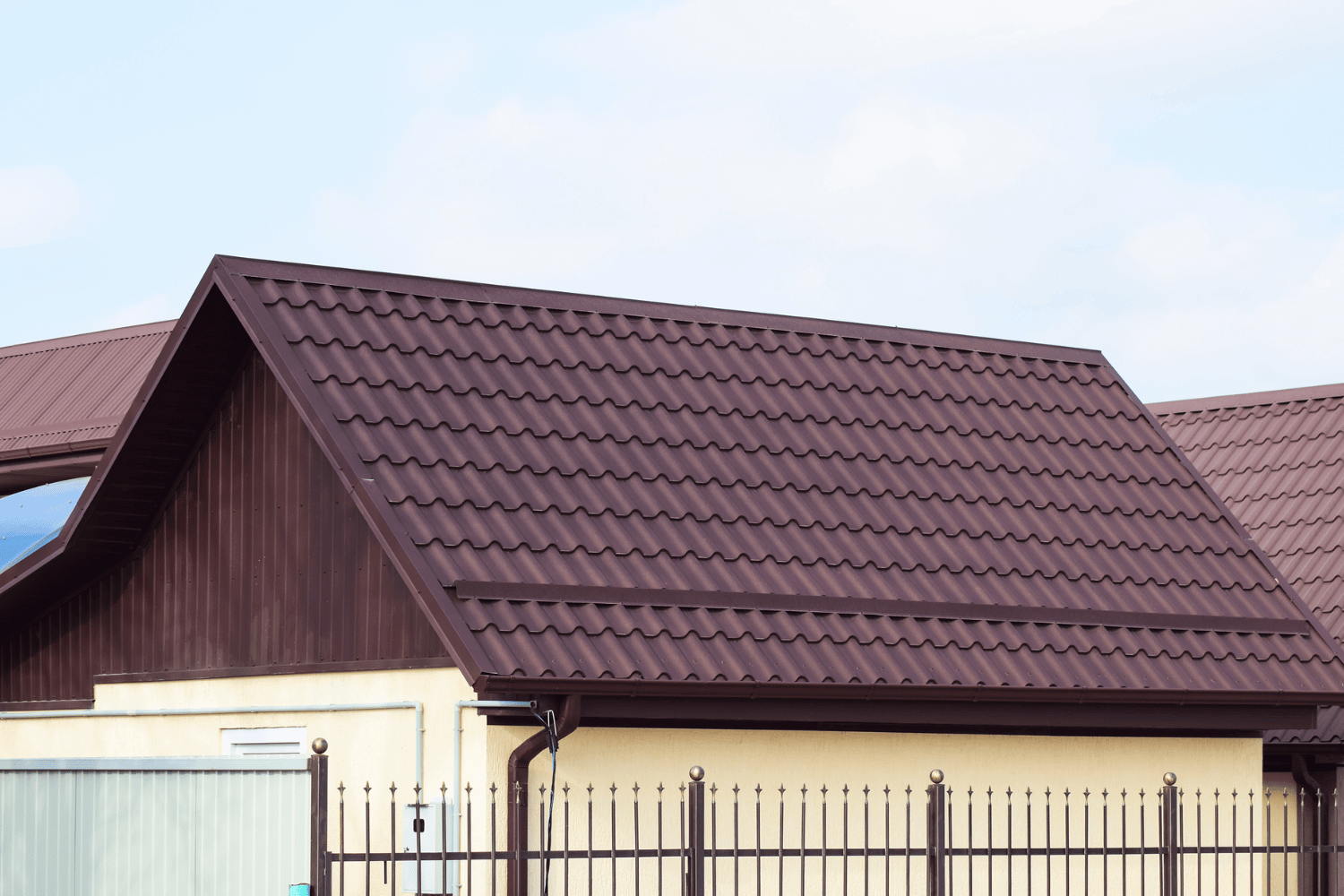
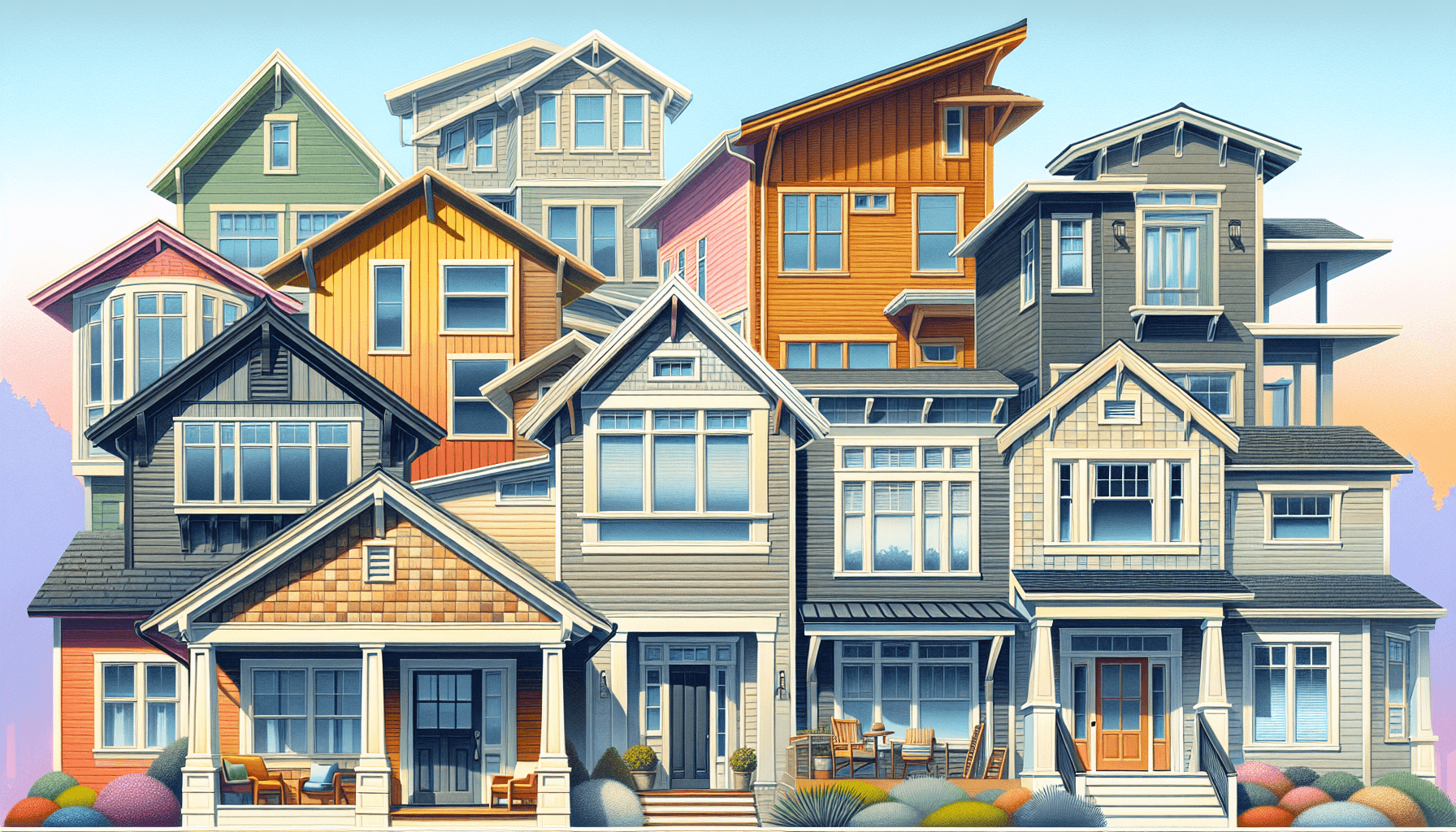
A selection of various roof types for homeowners to consider.
Selecting the right roof type involves considering various factors, including budget, local weather conditions, and aesthetic appeal. Energy-efficient roofing materials can lower utility bills and support sustainable living, making them a valuable investment.
Homeowners can receive a tax credit of 30% on expenses up to $5000 for energy-efficient roofing materials, promoting sustainable home improvements. The complexity of installation and maintenance requirements should also be factored into the decision.
Warranties from contractors and manufacturers are essential to protect against future roofing issues, ensuring peace of mind for homeowners. By considering these factors, you can choose a roof that not only meets your practical needs but also enhances the beauty and value of your home.
Essential Roof Maintenance Tips
Proper maintenance is crucial for extending the lifespan of your roof. Regularly inspecting flashing ensures a watertight seal at roof intersections, preventing leaks. Vent pipes should also be checked periodically to ensure their seals remain intact against the elements.
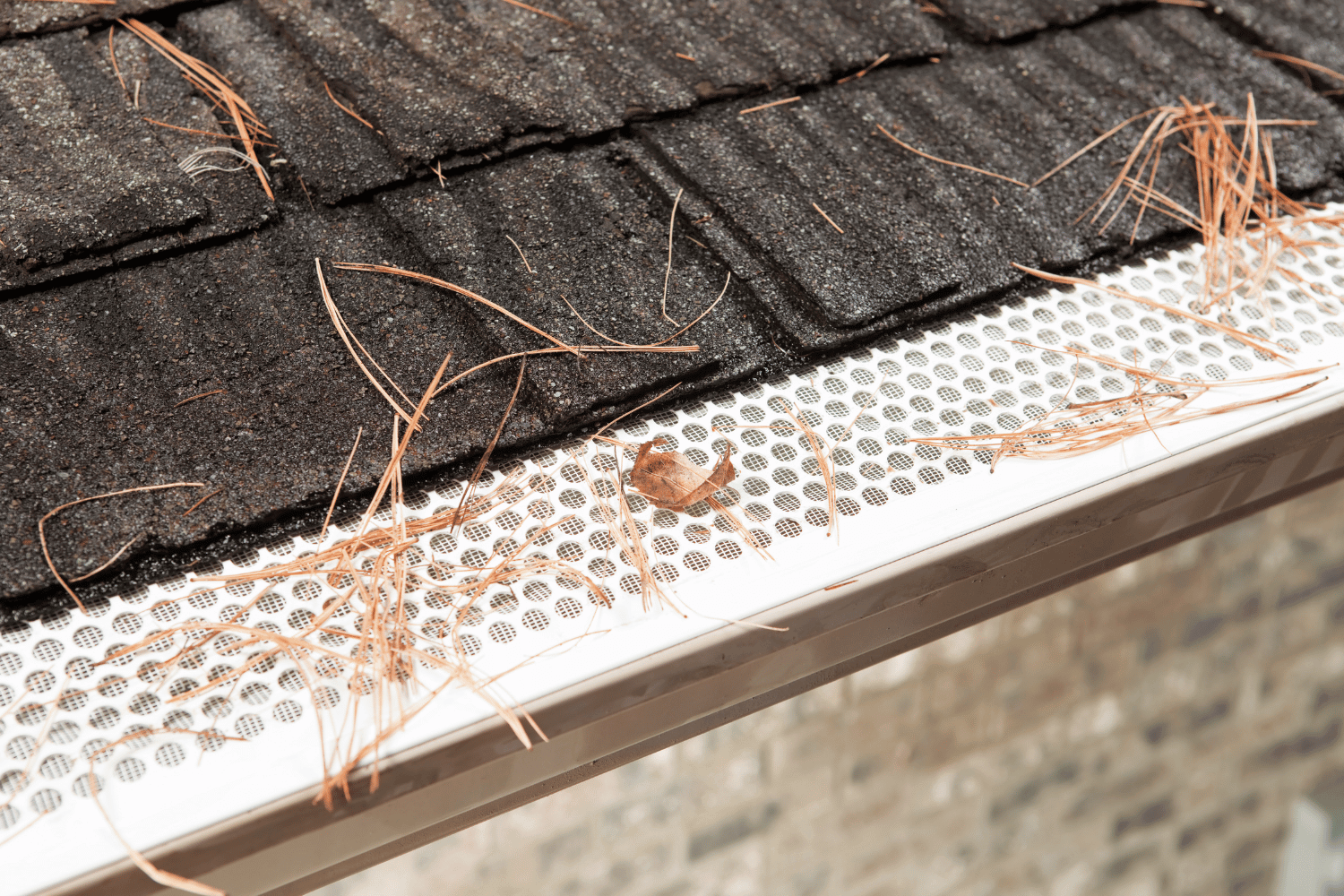
Removing organic debris at least twice a year prevents moisture retention and shingle damage. Trimming tree branches can prevent them from rubbing against the roof and disturbing the shingle granules.
Preventing moss and algae growth is crucial, as they can harm shingles by raising their edges and exposing them to water.
Summary
Choosing the right roof for your home involves understanding the various options available and considering factors like budget, climate, and aesthetic appeal. Whether you opt for the popular asphalt shingles, durable metal roofs, or innovative solar shingles, each roofing material offers unique benefits and challenges.
By making an informed decision and maintaining your roof properly, you can enhance your home’s beauty, functionality, and value. Invest in a roof that not only protects but also elevates your living experience.
Frequently Asked Questions
How long has CoMo Premium Exteriors been in the roofing business?
CoMo Premium Exteriors has been in the roofing business for over ten years, demonstrating extensive experience in the industry.
What factors should be considered when choosing roofing material in Columbia, MO?
When choosing roofing material in Columbia, MO, it’s essential to consider your budget, the architectural style of your home, and local weather conditions. Making an informed choice based on these factors will ensure durability and aesthetic appeal.
Are there tax incentives for installing energy-efficient roofing?
Yes, there are often tax incentives or rebates available for installing energy-efficient roofing, though these can vary based on your location and specific programs. Be sure to check local regulations to maximize your benefits.
How can a new roof affect property value?
A new roof can significantly enhance property value by improving curb appeal and minimizing maintenance costs for potential buyers. Investing in a new roof is a smart decision that pays off when it’s time to sell.
What are the benefits of metal roofing compared to traditional shingles?
Metal roofing offers a longer lifespan, improved energy efficiency, and enhanced resistance to severe weather, making it a superior choice compared to traditional shingles. Opting for metal can ultimately provide greater value and durability for your home.