Time for a Change? Key Indicators When to Replace Gutters
Imagine this: a sudden downpour begins, the sound of rain drumming on your roof is almost deafening, and then… you see it. Water cascading over the edge of your gutters, pooling around your home’s foundation, and turning your lovely landscape into a muddy mess. Your gutters, the unsung heroes of your home, have failed. But how did it come to this, and what can you do about it? Read on to discover the signs that it’s time for a gutter replacement, when to replace gutters, the pros and cons of different gutter materials, and the benefits of professional gutter replacement services.
Key Takeaways
- Gutters should be replaced when they show signs of leaking, consistent overflowing, sagging, or storm damage, as well as if they are an outdated style that negatively affects their efficiency.
- When choosing new gutters, it’s important to consider the material, as options like vinyl, aluminum, steel, and copper each have different lifespans, costs, and maintenance requirements that suit varying homeowner needs.
- Maintaining new gutters involves regular cleaning, periodic inspections to identify and mitigate potential issues, and ensuring proper installation to avoid future problems and extend the system’s life.
Recognizing the Signs: When to Replace Your Gutters
Leaking gutter causing water damage to home’s foundation and siding
Gutters are more than just an accessory for your home; they perform the vital role of directing rainwater away from your foundation, preventing water damage and potential structural issues. But like any part of your home, gutters can deteriorate over time. Ignoring these signs can lead to more severe problems, such as basement flooding and damage to your siding.
So how do you know when it’s time to replace your gutters? The answer lies in recognizing the key indicators of a failing gutter system. From leaks and consistent overflowing to outdated styles and storm damage, these are all signs that your gutter system may need a revamp. Additionally, sagging gutters, a clear sign of structural failure, are a telltale sign that you need a gutter replacement.
Regular inspections can help identify these issues early, preventing the need for expensive repairs or replacements later on. We’ll further examine these signals to appreciate their significance in prompting a change.
Leaking Gutters
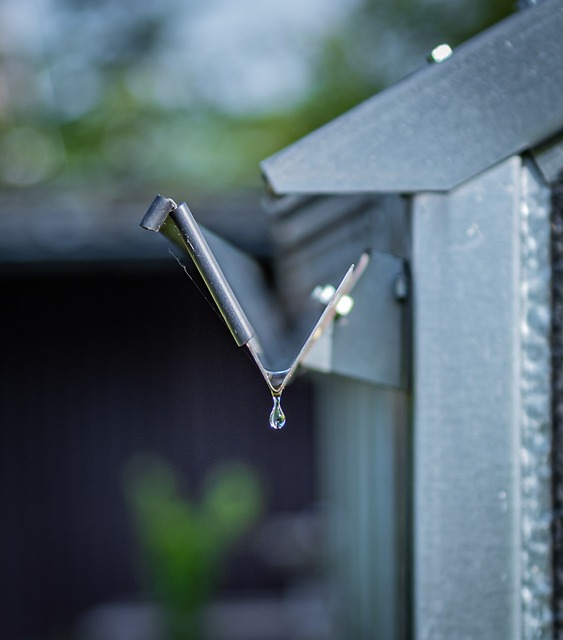
Leaking gutters are usually the first sign that your gutter system needs attention. Leaks can occur due to many reasons, including cracks, separations, or even corrosion. Leaking gutters not only cause water to drip unattractively from your gutters, but they can also lead to severe damage such as mold and mildew growth, basement flooding, and damage to the fascia and soffit. These issues can be both significant and expensive to fix, emphasizing the importance of addressing leaks as soon as they are spotted.
Common areas where gutters typically leak include sections that have corroded or rusted, issues with improper slope, clogs, damage to the fascia board, and leaks near the downspouts. Regular inspections can help identify these issues early on, and preventive measures such as regular cleaning, ensuring proper slope, checking and tightening any loose parts, considering installing gutter guards if needed, and consistently inspecting and promptly repairing any signs of damage or wear can help prevent them.
Consistent Overflowing
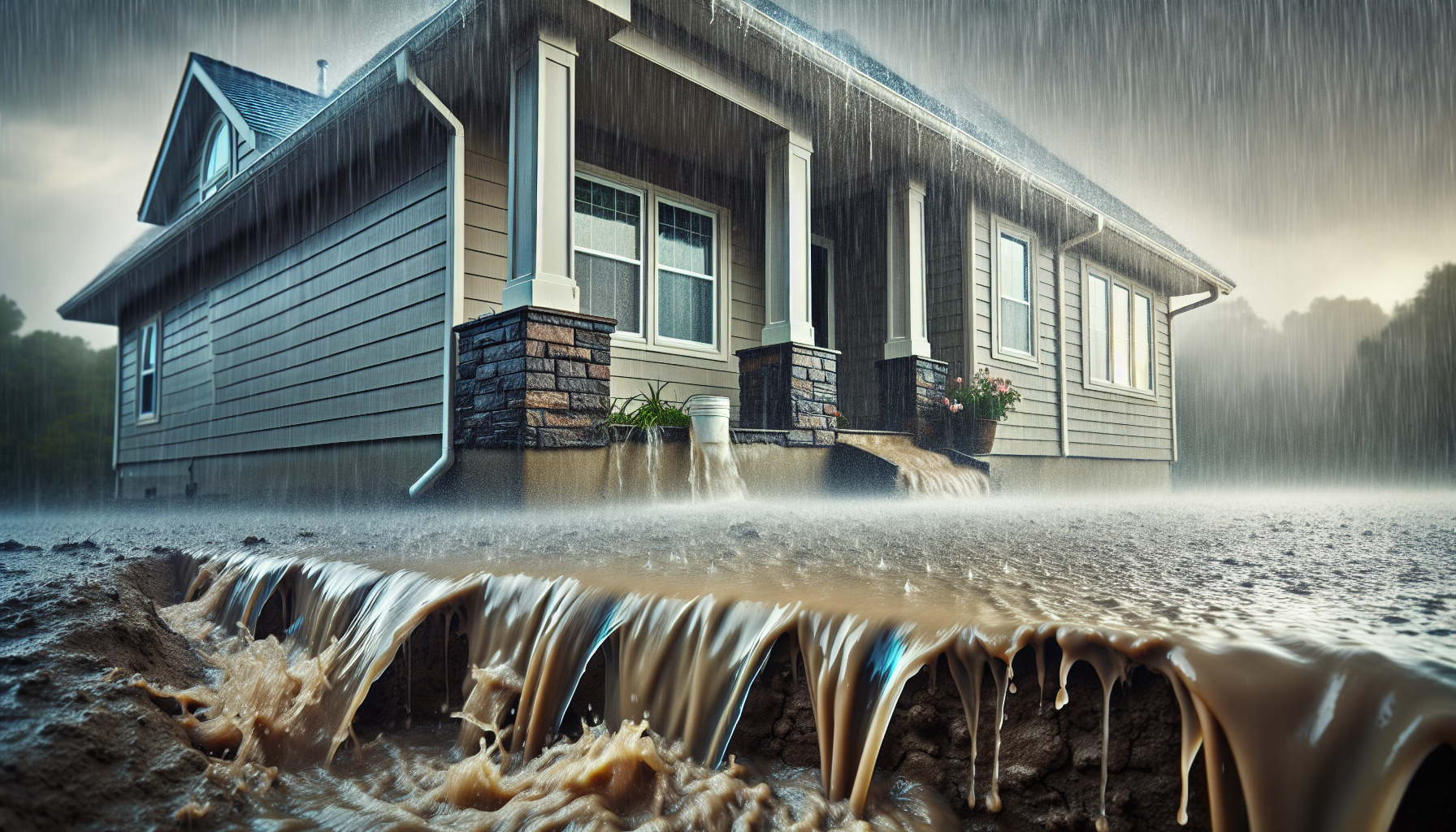
Overflowing gutters leading to soil erosion and basement flooding
Another clear sign of a failing gutter system is consistent overflowing. This is often caused by blockages, improper gutter slope, an inadequate number of gutters and downspouts, or even loose gutters. When gutters overflow, water can lead to soil erosion by washing away the top layer of soil around the house, damaging your landscape, and potentially affecting the stability of your home’s foundation.
Frequent gutter overflow can often be caused by:
- Blockages
- Improper gutter slope
- Inadequate number of gutters and downspouts
- Heavy rainfall
- Loose gutters
Seamless gutters can help reduce the risk of overflow by eliminating seams that can cause leaks. Regularly cleaning your gutters to remove debris and checking the slope can help prevent overflow.
Outdated Gutter Styles
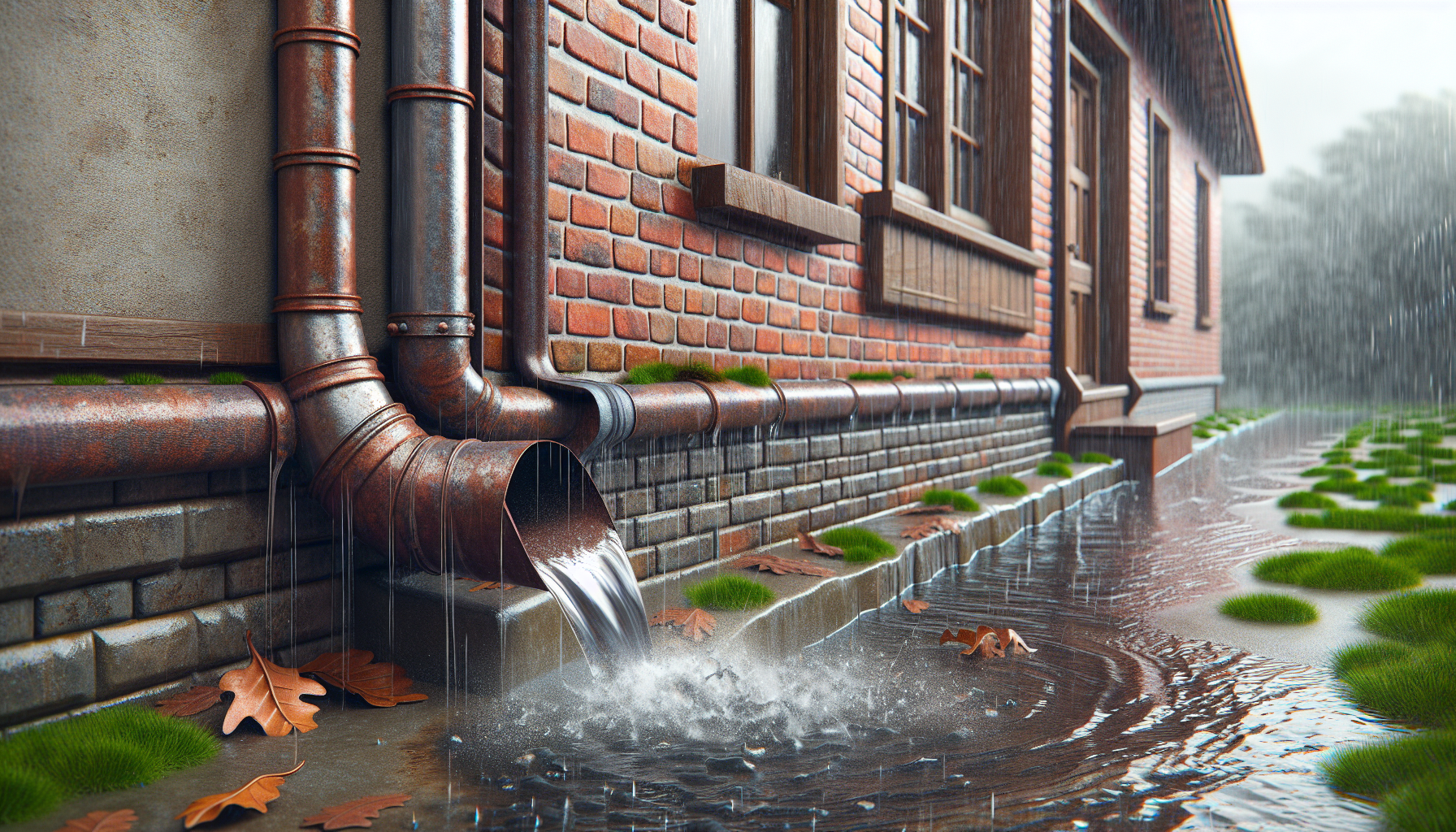
Outdated gutter style not efficiently directing water away from home
The style of your gutters might seem like a purely aesthetic choice, but did you know that outdated gutter styles could also contribute to your gutter problems? Older gutter styles may not be as efficient in directing water away from your home, making it necessary to replace them with modern designs.
Modern gutter designs, including K-style options, half round gutters, sectional gutters, and decorative downspouts, are designed to prioritize both aesthetics and protection against water damage. These gutters are crafted with versatile and effective designs and are tailored to match the roof’s measurements, ensuring efficient water drainage away from the home.
Besides, replacing outdated gutter styles with modern gutter systems can offer higher efficiency in managing water flow and are created with a focus on enhancing curb appeal and delivering reliable protection against water damage. Gutter services play a crucial role in this process.
Sagging and Pulling Away
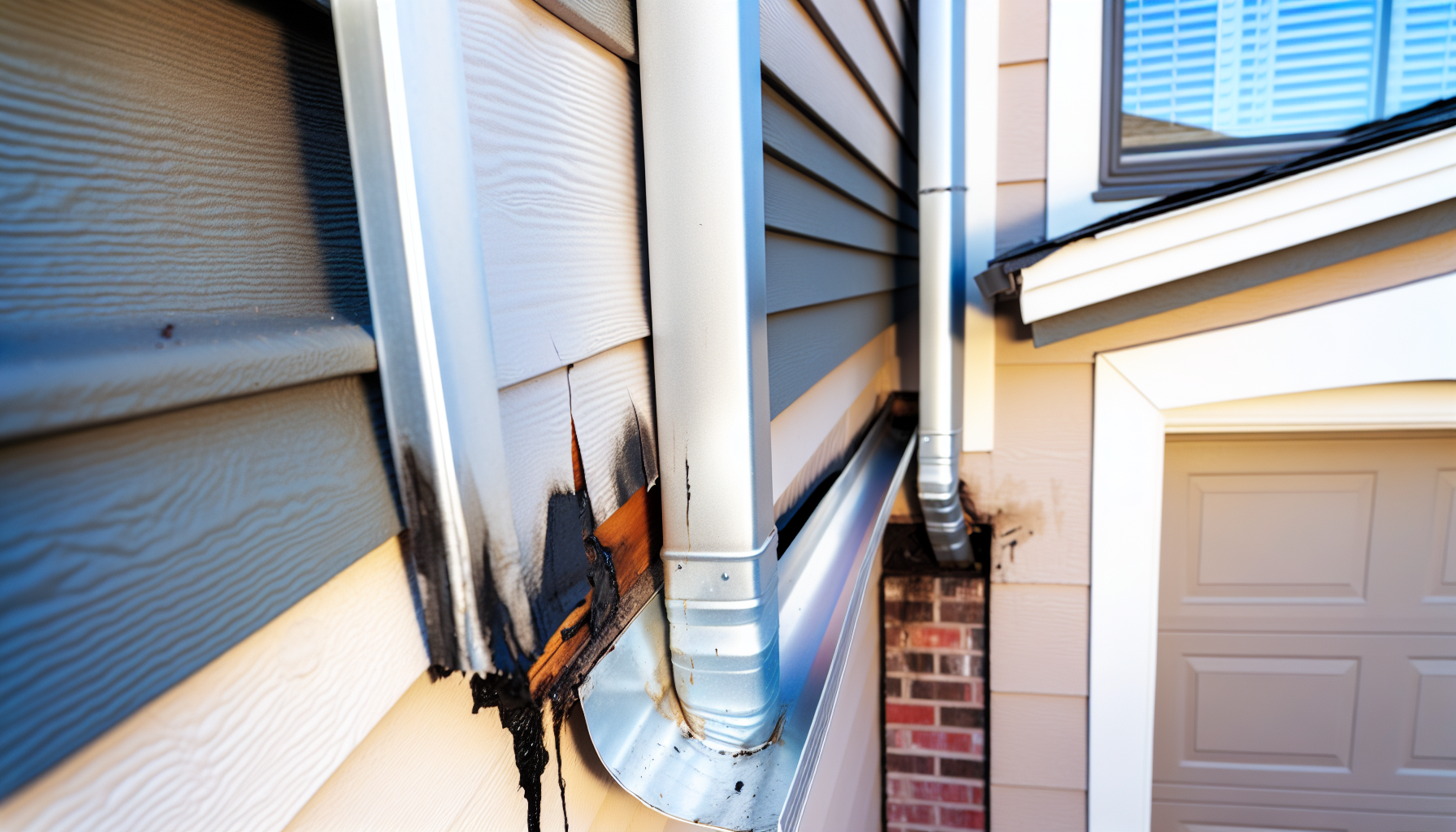
Sagging gutters causing structural damage to the home
Sagging and pulling away are two of the most visible signs of gutter problems. Gutters can sag and pull away from the house due to several reasons, including the weight of debris accumulated in the gutters, improper installation, and rotted fascia. This not only looks unsightly but can also lead to structural damage to your home, as gutters that pull away from your house can cause water to run down your walls, leading to rot and other damage.
Fixing sagging and pulling away gutters can be as simple as:
- Clearing clogged gutters of debris
- Adjusting the gutters’ slope
- Reinforcing their support
- Installing roof and gutter repair tape
- Replacing any rotted fascia
- Re-securing the gutters by hammering existing spikes into new holes
However, if the problem persists, it might be time to consider a gutter replacement.
Storm Damage
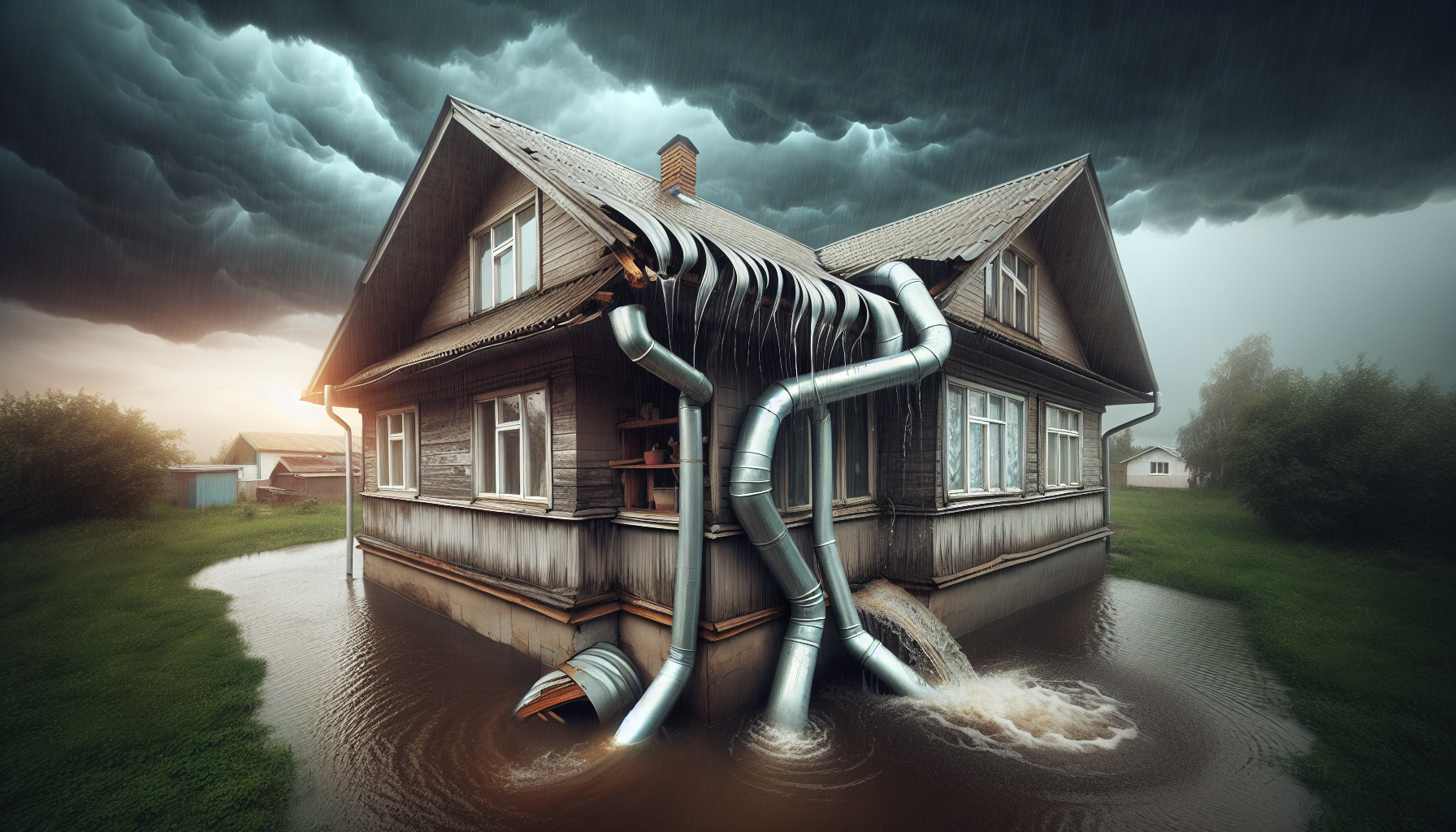
Storm-damaged gutters affecting proper water drainage
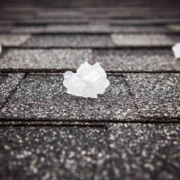
In areas prone to severe weather, storm damage is a common reason for gutter replacement. Strong winds, heavy rain, hail, and even falling branches can all cause damage to your gutters, sometimes to the extent that a replacement is the only viable option.
Storm damage can have a negative influence on the functionality of gutters, as it can cause dents, punctures, or cracks that affect their ability to channel water. Overloaded or clogged gutters may result in water pooling and potential damage to the landscape, requiring thorough inspections and repairs.
In case of severe damage, the procedures for replacing storm-damaged gutters include:
- Assessing fascia and roof conditions
- Removing old gutters and downspouts
- Checking and tightening brackets
- Replacing damaged gutter hangers
- Repairing damaged flashing
Gutter Materials: Choosing the Right One for Your Home
Once you’ve decided it’s time for a gutter replacement, the next step is choosing the right gutter material for your new gutters. The material you choose can significantly affect the performance, durability, and cost of your new gutter system. While all gutter materials serve the same basic function, there are key differences between them that can make some types more suited to your needs than others.
From vinyl and aluminum to steel and copper, each material has its unique pros and cons, and understanding these can help you make an informed decision. We’ll examine these materials in detail to understand their advantages and disadvantages.
Vinyl
Vinyl gutters are a popular choice for many homeowners due to their:
- Affordability
- Easy installation
- Lightweight construction
- Relatively easy to work with
These qualities make them a great choice for DIY enthusiasts.
However, while vinyl gutters are the most affordable option, they may not be the most durable. They are prone to cracking in certain climates and have a typical lifespan of 10 to 15 years. Therefore, while they may be a good short-term solution, they might not be the best option if you’re looking for gutters that will last you for decades.
Aluminum
Next up are aluminum gutters. These gutters are known for their lightweight and rust-resistant properties, making them a popular choice for homeowners. They are priced between $2 to $15 per linear foot and have a lifespan of up to 20 years.
While aluminum gutters are more resilient than vinyl, they do have their drawbacks. They have low resistance to high temperatures and are susceptible to dents and damage under certain conditions. However, with regular maintenance, these issues can be mitigated.
Steel
If strength and durability are your top priorities, then galvanized steel gutters might be the right choice for you. Known for their exceptional durability and strength, steel gutters can typically last about 20 years when they receive proper care and maintenance.
However, while steel gutters are strong, they can be prone to rust and corrosion. This means they require regular maintenance to prevent such problems. So, if you’re not keen on regular gutter maintenance, steel might not be the best choice for you.
Copper
Lastly, we have copper gutters. While they are the most expensive option, ranging from $15 to $40 per linear foot, their impressive lifespan of 50 years and unique aesthetic appeal often make them worth the investment. It’s important to consider gutter installation costs when making your decision, as well as other gutter installation cost factors.
Copper gutters offer several benefits for your home:
However, it’s important to note that copper gutters require professional installation, so they might not be the best choice for a DIY project.
Professional Services: Why Choose CoMo Premium Exteriors
When it comes to gutter replacement, the importance of professional services cannot be overstated. CoMo Premium Exteriors, one of the leading gutter installation companies in Missouri, offers top-notch gutter replacement services that include a 5-year workmanship warranty, 1-year clean-up guarantee, and manufacturer’s warranty.
With their team of licensed and insured professionals, free estimates, and financing options, CoMo Premium Exteriors ensures customer satisfaction throughout the project timeline. We’ll further explore what sets CoMo Premium Exteriors apart in the market.
5-Year Workmanship Warranty
One of the key reasons to choose CoMo Premium Exteriors for your gutter replacement needs is their 5-year workmanship warranty. This warranty provides coverage for any defects in the installation or workmanship of their exterior services for a period of five years, ensuring you have confidence in the quality and longevity of your investment.
Having a solid warranty in place gives you peace of mind, knowing that if anything goes wrong due to the workmanship, CoMo Premium Exteriors will take care of it. This warranty stands out as it is considerably longer than the typical one-year warranty offered by most exterior remodeling companies.
Project Management
Another key benefit of CoMo Premium Exteriors is their emphasis on professional project management. They oversee the planning and execution of the entire gutter replacement process, which includes:
- Ensuring the replacement stays on schedule
- Managing resources effectively
- Coordinating with contractors and suppliers to ensure efficient and high-quality gutter replacement.
Their systematic approach to project management ensures a hassle-free and efficient home improvement experience. They manage all aspects of the project, from planning and organizing to executing and closing each job efficiently and profitably.
Service Areas
CoMo Premium Exteriors extends its top-notch services to various Mid-Missouri areas, including:
Whether you’re in a bustling city or a rural area, you can count on CoMo Premium Exteriors for your gutter replacement needs.
Being able to cater to a wide service area is a significant advantage. It allows them to reach more customers and offer their high-quality services to homeowners across Mid-Missouri.
So, no matter where you are in Mid-Missouri, you can rely on CoMo Premium Exteriors to take care of your gutter replacement needs.
Gutter Maintenance Tips
Now that you’ve got your new gutters installed, how do you ensure they last as long as possible? The answer lies in regular maintenance. Maintaining your gutters is crucial in prolonging their lifespan and ensuring efficient operation.
From regular cleaning to periodic inspections and proper installation, these are the key aspects of gutter maintenance that every homeowner should be aware of. We’ll examine each of these aspects in more detail.
Regular Cleaning
One of the most important aspects of gutter maintenance is regular cleaning. Over time, gutters can accumulate debris such as leaves, twigs, and dirt, which can lead to clogs and blockages. Regular cleaning helps prevent these issues and keeps your gutters functioning efficiently.
Gutter cleaning is essential at least once or twice a year, ideally in the spring and fall, to prevent clogging and ensure proper water flow. While cleaning, remember to follow safety measures such as using a stable ladder, wearing eye protection and gloves, and avoiding gutters near electricity lines.
Periodic Inspections
Periodic inspections are another key aspect of gutter maintenance. Inspecting your gutters at least twice a year can help identify potential issues early, preventing costly repairs or replacements down the line.
Common issues that require periodic gutter inspections include:
- Sagging gutters
- Leaks
- Improper sloping
- Clogs or blockages
- Damaged downspouts
If you notice any of these issues during your inspection, it’s advisable to have your gutters professionally inspected to prevent the issue from escalating into a larger problem.
Proper Installation
Last but not least, proper gutter installation is crucial in maintaining your gutters. Improperly installed gutters can lead to a host of problems, including sagging, pulling away, and even structural damage to your home.
Whether you choose to install your gutters yourself or hire a professional, it’s important to follow the proper installation procedures for installing gutters. These include:
- Measuring the area where the gutters will be installed
- Cleaning and clearing the area
- Installing the gutters by snapping the sections together
- Caulking the seams
- Attaching the gutters to the fascia board
- Installing downspouts
- Testing the gutters by running water through them
By ensuring your gutters are properly installed, you can help prolong their lifespan and prevent potential issues. Gutter guard installation is a crucial step in this process.
Summary
We’ve covered a lot of ground in this blog post, but the key takeaway is this: gutters are an essential part of your home. They protect your home from water damage, add to its curb appeal, and can even increase its value. But like any part of your home, gutters require regular maintenance and will eventually need to be replaced.
Whether you’re dealing with leaks, overflow, outdated styles, sagging gutters, or storm damage, recognizing the signs of a failing gutter system is the first step to solving the problem. And when it’s time for a replacement, knowing the pros and cons of different gutter materials, and the benefits of professional services like those offered by CoMo Premium Exteriors, can make the decision process much easier. So, don’t neglect your gutters. Take good care of them, and they’ll take good care of your home.
Frequently Asked Questions
How do you know if gutters need to be replaced?
If you notice large gaps, cracks, standing water, sagging gutters, peeling paint, rust, water damage marks, or mold in your gutters, it’s time to consider replacing them. Look for breaks at the seams, cracks, peeling paint, water damage around the gutters, rust, and sagging or pulling as signs that you need new gutters.
How often should you replace gutters?
You should replace your gutters every 20 years to ensure proper water drainage and protect your roof, siding, landscaping, and foundation. With proper care, they can last even longer.
Is it OK to replace gutters before roof?
It’s better to wait or do both projects at the same time, as replacing gutters before the roof can lead to damage when replacing the roof later.
How much does it cost to replace gutters around house?
On average, replacing gutters around the house can cost between $1,700 and $3,100, with premium materials like copper and zinc costing more. The cost varies depending on the materials used and the size of the house.
What are the pros and cons of different gutter materials?
In conclusion, the pros of different gutter materials include affordability and ease of installation for vinyl, lightweight and rust-resistance for aluminum, strength and durability for steel, and long-lasting and visually appealing for copper. However, vinyl is less durable, steel can rust, and copper is the most expensive option.